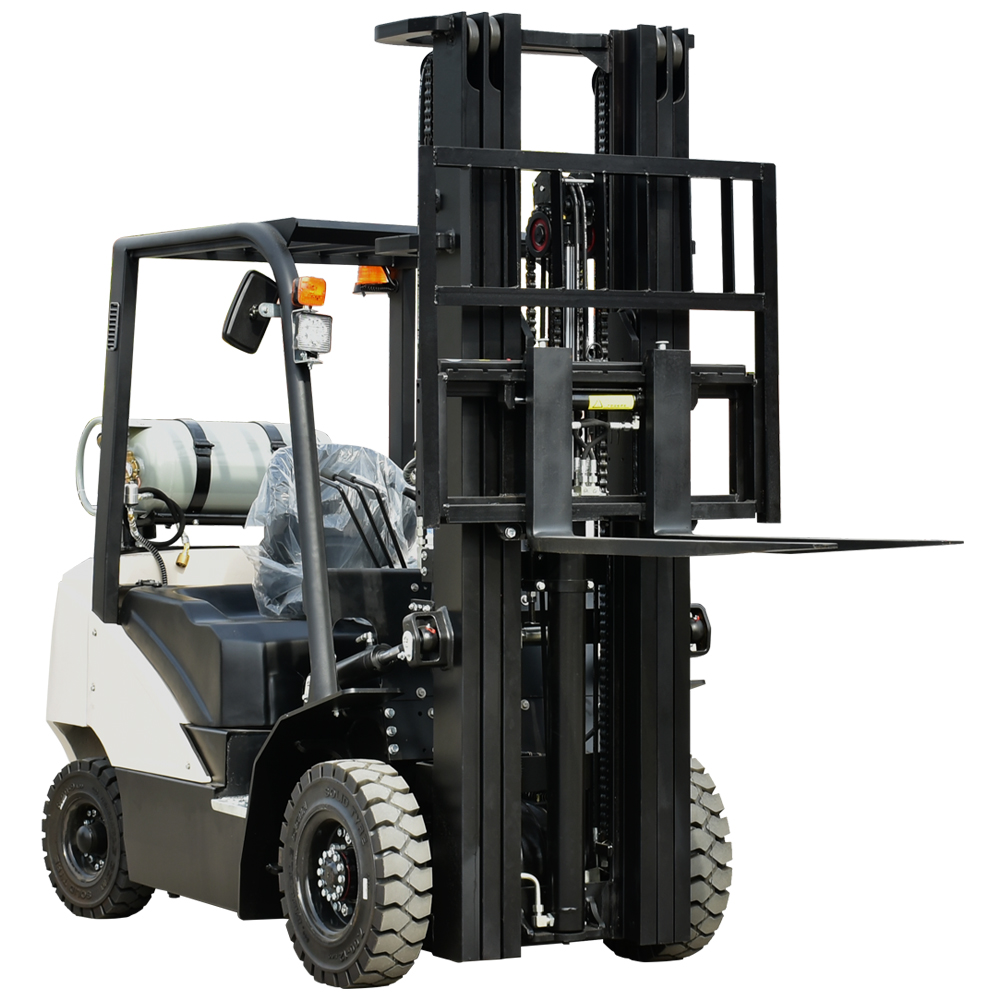
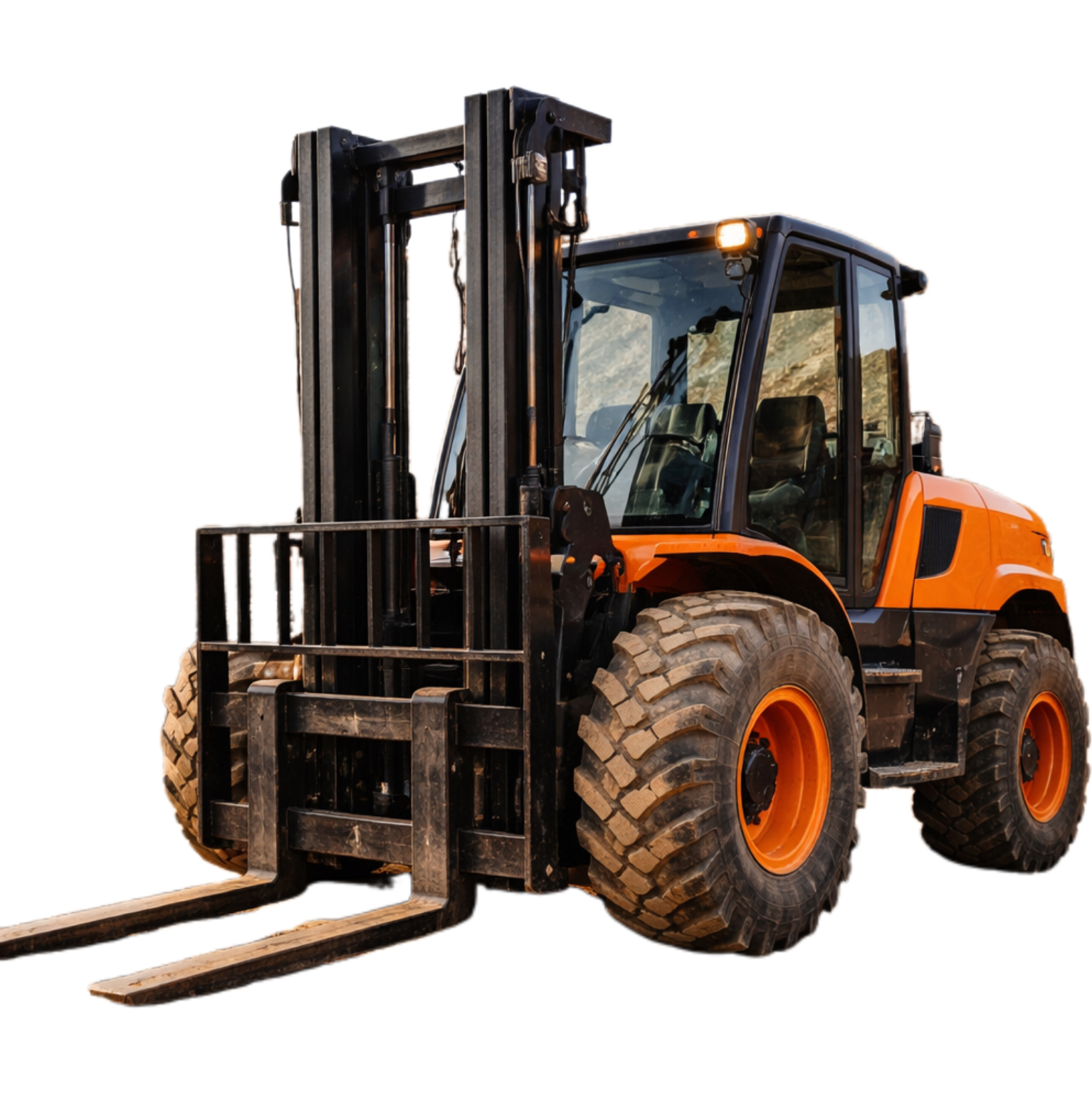


LPG Forklifts
Flexible and Efficient Material Handling for Indoor and Outdoor Use
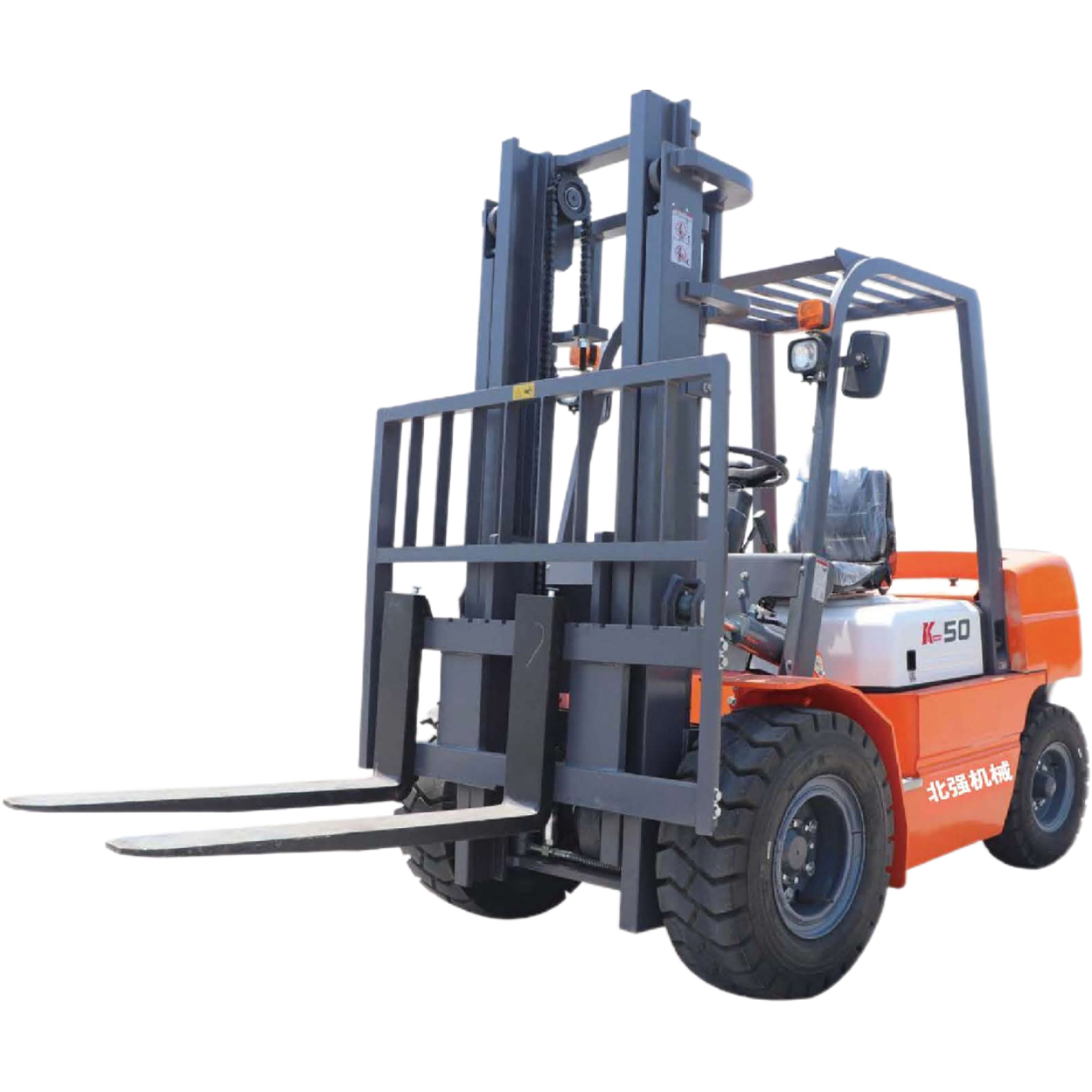
Material handling operations often require equipment that can transition smoothly between indoor and outdoor environments. LPG forklifts, also known as propane forklifts, provide an excellent balance between power, flexibility, and emissions control. For many warehouses and factories, LPG forklifts offer a practical alternative to both electric and diesel models.
This article provides a comprehensive overview of LPG forklifts, including their features, applications, benefits, and selection considerations.
1. What Is an LPG Forklift?
An LPG forklift is powered by liquefied petroleum gas, typically propane. The engine is similar to gasoline engines but optimized for LPG fuel.
LPG forklifts are widely used in:
Warehouses
Manufacturing plants
Distribution centers
Mixed indoor and outdoor facilities
2. Key Features of LPG Forklifts
Fast Refueling
Cylinder replacement takes only minutes, reducing downtime.
Consistent Power Output
Delivers stable performance throughout operation.
Cleaner Combustion
Produces fewer emissions compared to diesel.
Versatile Operation
Suitable for both indoor and outdoor use with proper ventilation.
3. LPG Forklifts vs Electric Forklifts
| Feature | LPG Forklift | Electric Forklift |
|---|---|---|
| Refueling time | Very fast | Charging required |
| Emissions | Low | Zero |
| Power | High | Medium |
| Indoor suitability | Moderate | Excellent |
LPG forklifts offer flexibility where charging infrastructure is limited.
4. LPG Forklifts vs Diesel Forklifts
| Feature | LPG Forklift | Diesel Forklift |
|---|---|---|
| Emissions | Lower | Higher |
| Noise | Lower | Higher |
| Indoor use | Possible | Not suitable |
| Fuel availability | High | High |
LPG forklifts are a cleaner alternative to diesel in mixed environments.
5. Load Capacity and Performance
LPG forklifts typically offer:
Load capacities from 1,500 kg to 5,000 kg
Smooth acceleration
Reliable lifting performance
They handle a wide range of industrial tasks.
6. Typical Applications of LPG Forklifts
LPG forklifts are commonly used in:
Food and beverage warehouses
Manufacturing plants
Logistics hubs
Wholesale distribution centers
They excel in facilities with indoor and outdoor workflows.
7. Indoor Operation Considerations
While cleaner than diesel, LPG forklifts require:
Adequate ventilation
Emission monitoring
Regular engine tuning
These measures ensure safe indoor operation.
8. Outdoor Performance
Outdoors, LPG forklifts deliver:
Strong torque
Reliable operation
Performance comparable to diesel models
They are suitable for loading yards and docks.
9. Safety Features
Modern LPG forklifts include:
Leak detection systems
Secure cylinder mounting
Emergency shutoff valves
Proper handling ensures safe operation.
10. Operator Comfort and Ergonomics
LPG forklifts provide:
Smooth engine response
Reduced vibration
Comfortable operator cabins
Comfort improves productivity and safety.
11. Maintenance and Service Requirements
LPG forklifts require:
Engine maintenance
Fuel system inspections
Regular safety checks
Maintenance costs are moderate and predictable.
12. Fuel Cost and Availability
LPG fuel is:
Widely available in many regions
Relatively cost-effective
Easy to store and transport
Fuel availability supports continuous operation.
13. Environmental Impact
LPG forklifts:
Emit fewer particulates
Produce less odor
Support cleaner operations compared to diesel
They help meet environmental regulations.
14. LPG Forklifts in Global Markets
LPG forklifts are popular in:
Europe
North America
Middle East
Their versatility suits diverse operating environments.
15. LPG Forklifts in Food and Beverage Industry
They are widely used for:
Beverage distribution
Food packaging facilities
Cleaner emissions help meet hygiene standards.
16. LPG Forklifts vs Hybrid Forklifts
Hybrid solutions are emerging, but LPG forklifts remain:
Simpler
More cost-effective
They continue to be a practical choice.
17. Choosing the Right LPG Forklift
Key selection factors include:
Indoor vs outdoor usage ratio
Load capacity
Fuel supply logistics
Emission requirements
Correct selection ensures efficient operation.
18. Future Trends in LPG Forklifts
Industry trends include:
Improved engine efficiency
Better emission controls
Enhanced operator comfort
LPG forklifts continue to improve.
19. Conclusion
LPG forklifts offer a flexible and efficient solution for material handling operations requiring both indoor and outdoor performance. With fast refueling, consistent power, and lower emissions than diesel, they fill an important role in modern logistics and manufacturing environments.
For businesses seeking versatility and reliability, LPG forklifts remain a smart investment.
Our manager will contact you shortly.
To contact you about our products and services.


Copyright © Xingtai Beiqiang Machinery Manufacturing Factory. 2025.
Technical support:Echola