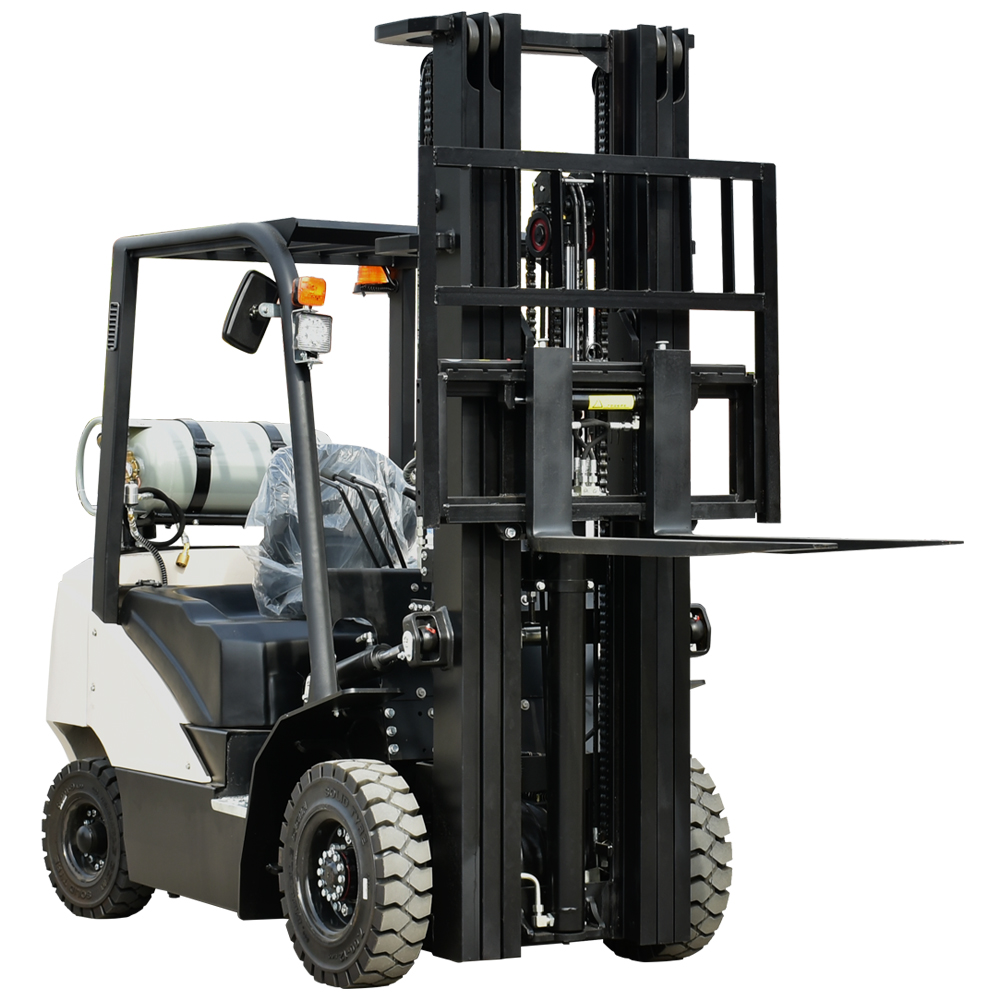
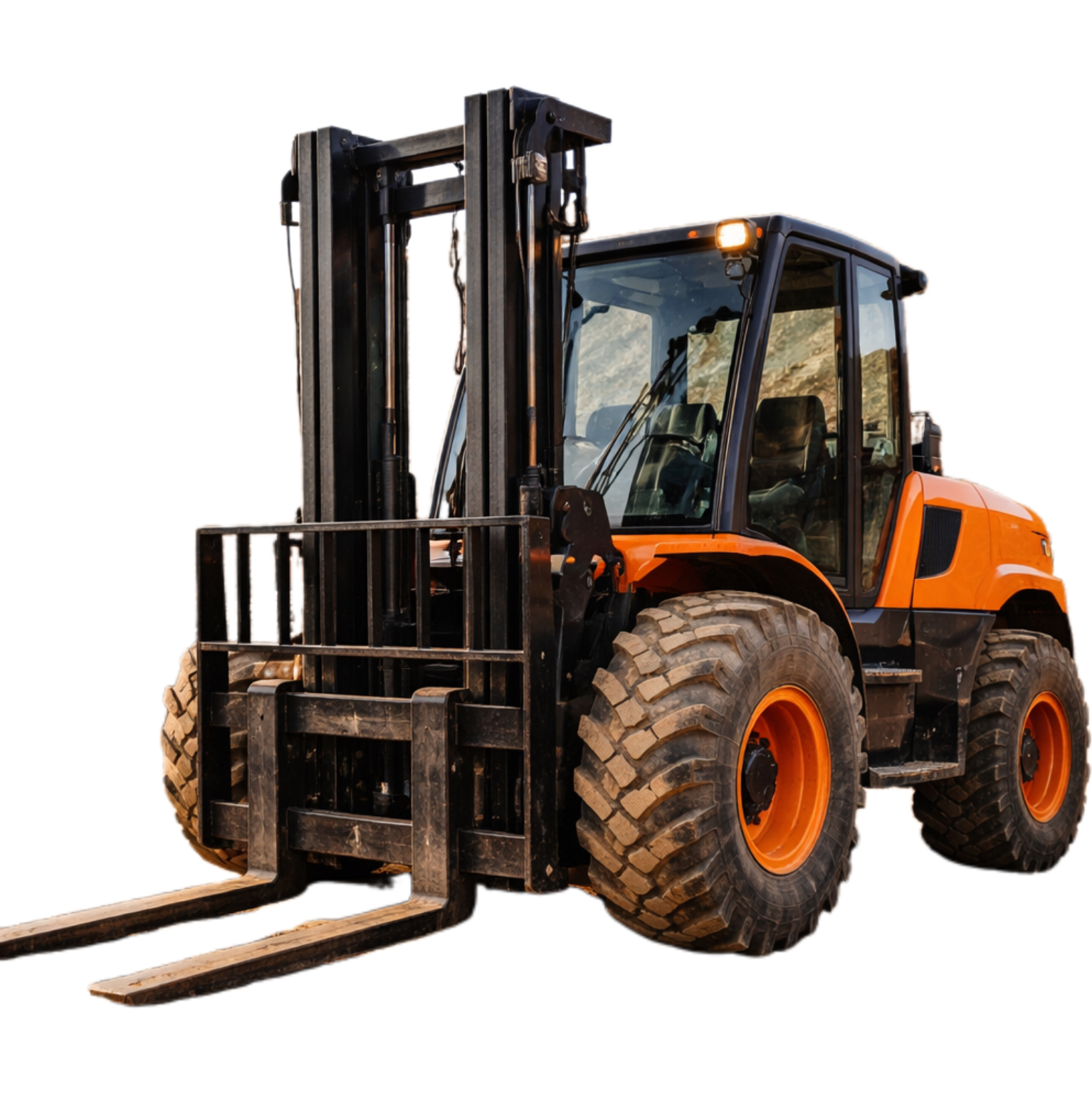


Diesel Forklifts
Heavy-Duty Power for Industrial and Outdoor Material Handling
In environments where power, durability, and reliability are critical, diesel forklifts remain the preferred solution. From construction sites and ports to factories and outdoor storage yards, diesel forklifts are built to handle heavy loads and demanding conditions.
This article provides a comprehensive overview of diesel forklifts, including their design, applications, advantages, and how they compare with other forklift types.
1. What Is a Diesel Forklift?
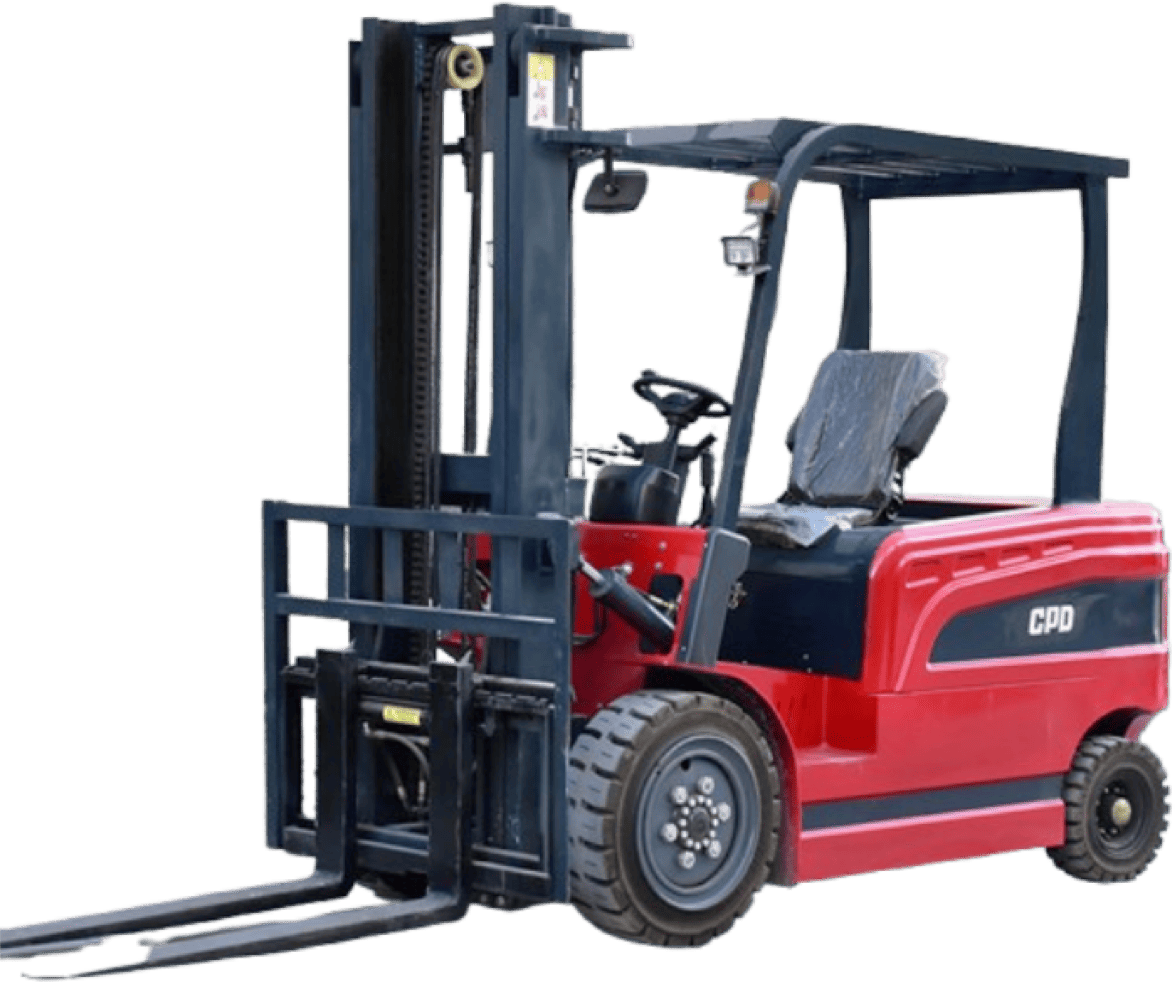
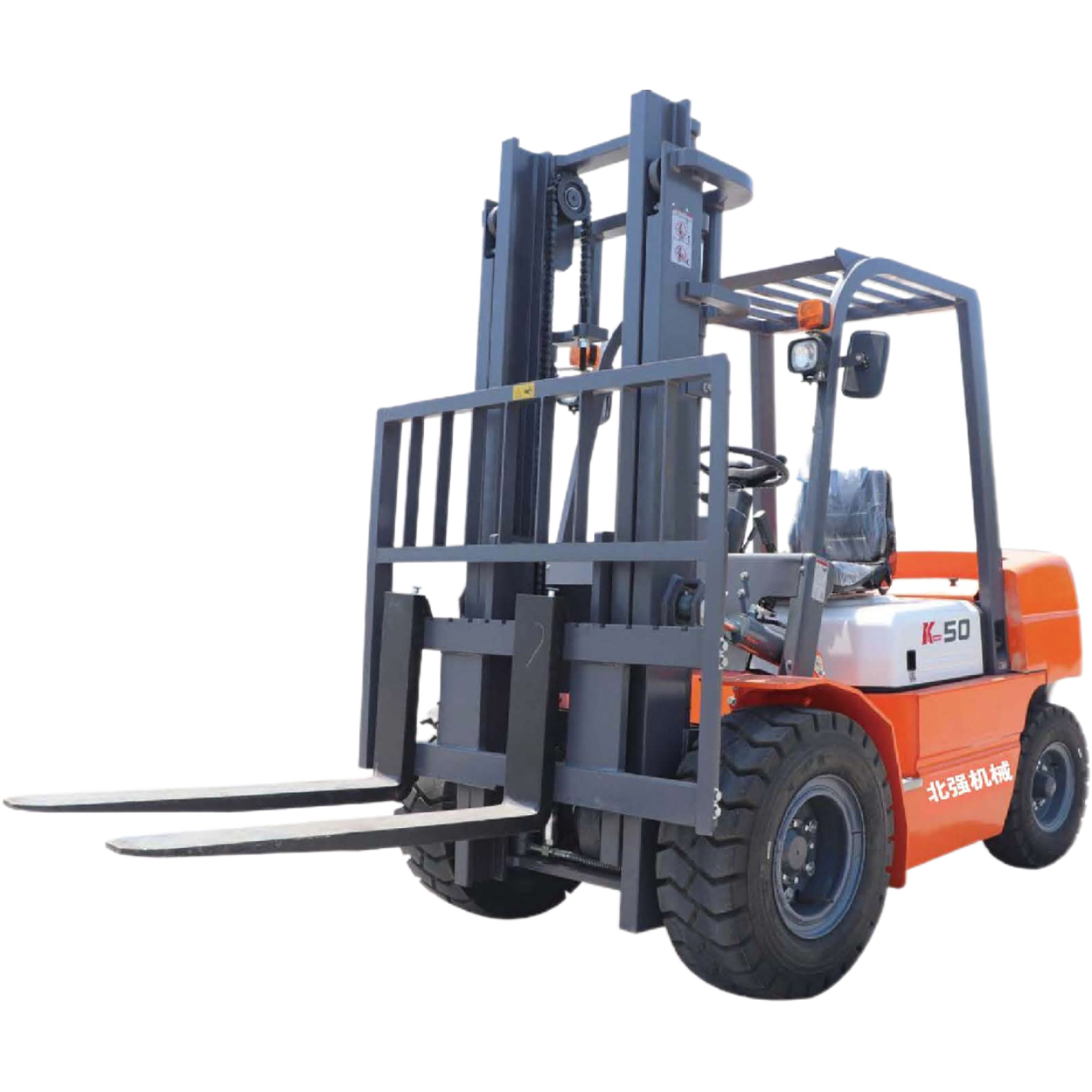
A diesel forklift is an internal combustion forklift powered by a diesel engine. It is designed for heavy-duty material handling, particularly in outdoor or well-ventilated environments.
Diesel forklifts are widely used in:
Construction sites
Ports and terminals
Manufacturing plants
Lumber and steel yards
2. Key Features of Diesel Forklifts
Powerful Diesel Engine
Delivers high torque for lifting heavy loads.
Robust Chassis
Built for stability and durability under continuous operation.
Large Pneumatic Tires
Provide excellent traction on uneven surfaces.
Heavy Counterweight
Ensures load balance and safe lifting.
3. Diesel Forklifts vs Electric Forklifts
| Feature | Diesel Forklift | Electric Forklift |
|---|---|---|
| Power | Very high | Medium to high |
| Emissions | High | Zero |
| Outdoor use | Excellent | Limited |
| Maintenance | Higher | Lower |
Diesel forklifts excel in power-demanding applications.
4. Diesel Forklifts vs LPG Forklifts
| Feature | Diesel Forklift | LPG Forklift |
|---|---|---|
| Fuel efficiency | High | Medium |
| Refueling time | Short | Very short |
| Indoor suitability | Poor | Moderate |
| Operating cost | Medium | Medium |
Diesel forklifts are best for continuous heavy-duty work.
5. Load Capacity and Lifting Performance
Diesel forklifts typically offer:
Load capacities from 2,000 kg to over 16,000 kg
Strong lifting speed and stability
Reliable hydraulic systems
They are ideal for handling heavy materials.
6. Typical Applications of Diesel Forklifts
Diesel forklifts are commonly used in:
Construction material yards
Shipping ports
Steel and metal processing plants
Outdoor warehouses
They perform reliably in harsh conditions.
7. Diesel Forklifts in Construction and Industry
In construction and industrial sites, diesel forklifts handle:
Concrete blocks
Steel coils and beams
Heavy pallets and machinery
Their power ensures efficient material flow.
8. Durability and Long Service Life
Diesel forklifts are designed for:
Continuous operation
Long service intervals
Harsh working environments
With proper maintenance, they offer long operational life.
9. Fuel Efficiency and Operating Costs
Modern diesel forklifts feature:
Improved fuel injection systems
Better combustion efficiency
Lower fuel consumption per ton lifted
This improves overall cost efficiency.
10. Operator Comfort and Cab Design
Modern diesel forklifts include:
Ergonomic seats and controls
Enclosed cabins (optional)
Vibration reduction systems
Comfortable operators improve productivity.
11. Maintenance and Service Requirements
Diesel forklifts require:
Regular oil changes
Filter replacements
Engine and hydraulic inspections
Maintenance ensures consistent performance.
12. Environmental and Emission Considerations
Diesel forklifts produce emissions and require:
Proper ventilation
Compliance with emission standards
They are not recommended for enclosed indoor use.
13. Diesel Forklifts in Developing Markets
Diesel forklifts are popular in:
Africa
Middle East
South America
Southeast Asia
Their reliability and fuel availability support widespread use.
14. Integration with Other Equipment
Diesel forklifts often work alongside:
Off-road forklifts for rough terrain
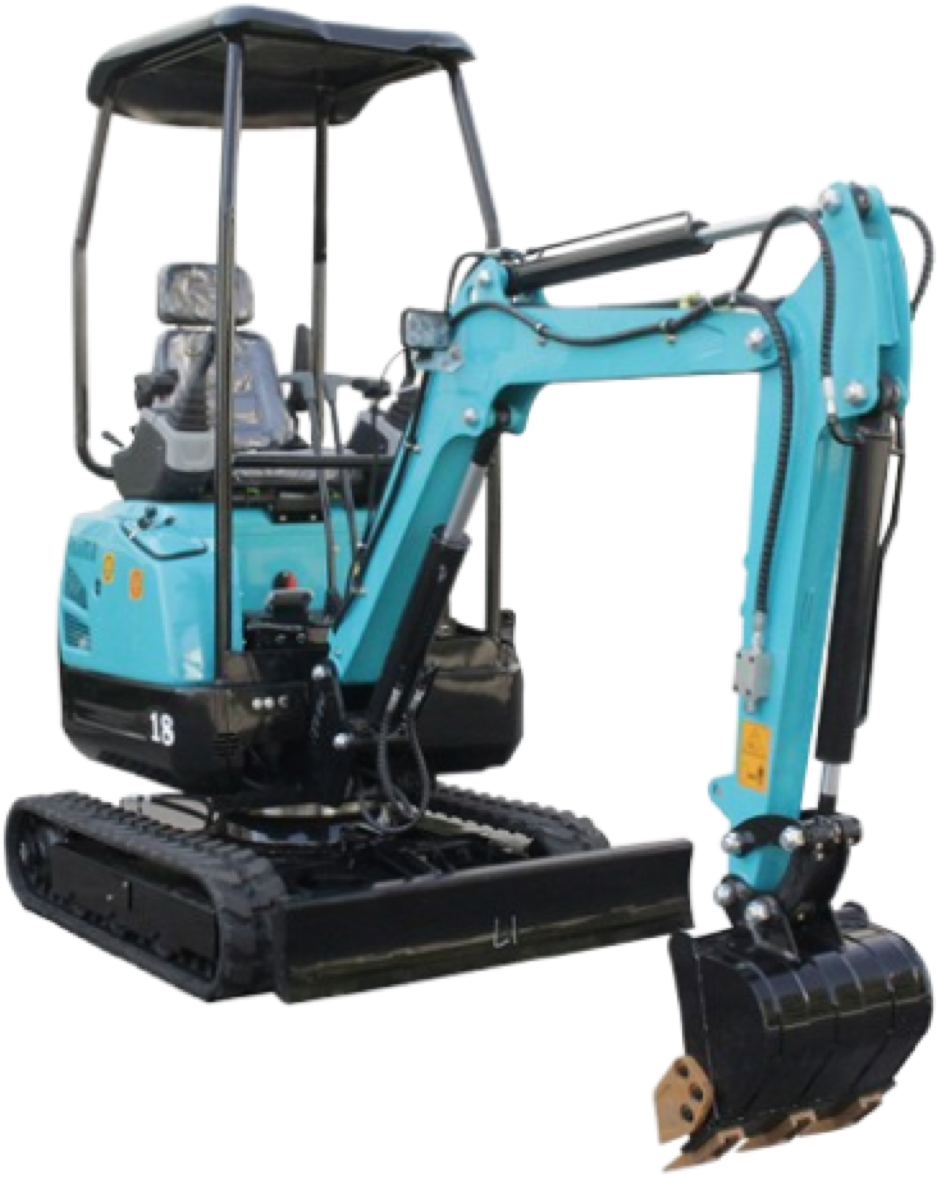
Mini excavators on construction sites
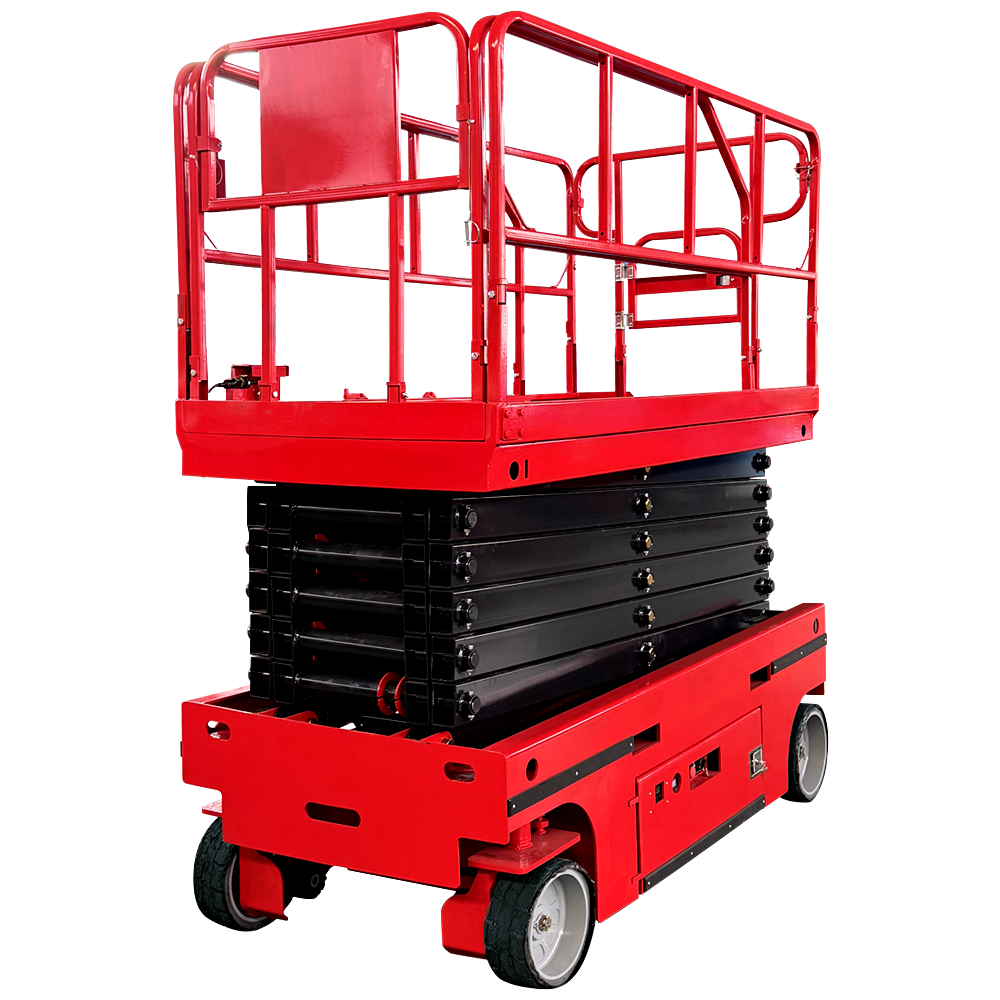
Lifting platforms for elevated tasks
This combination supports complete material handling solutions.
15. Safety Features
Safety systems commonly include:
Load backrests
ROPS/FOPS protection
Braking and stability systems
Proper training is essential for safe operation.
16. Choosing the Right Diesel Forklift
Key selection factors include:
Required load capacity
Terrain conditions
Operating hours
Emission regulations
Correct selection maximizes performance.
17. Diesel Forklifts vs Hybrid Solutions
Some markets are exploring hybrid diesel-electric forklifts to:
Reduce emissions
Improve fuel efficiency
However, diesel remains dominant for heavy-duty tasks.
18. Future Trends in Diesel Forklifts
Industry trends include:
Improved emission control technologies
Enhanced operator safety features
Greater fuel efficiency
Diesel forklifts continue to evolve.
19. Conclusion
Diesel forklifts remain essential for heavy-duty and outdoor material handling. With unmatched power, durability, and reliability, they are the preferred choice for construction, industrial, and outdoor operations.
For businesses requiring strong performance in demanding environments, diesel forklifts deliver proven value.
Our manager will contact you shortly.
To contact you about our products and services.


Copyright © Xingtai Beiqiang Machinery Manufacturing Factory. 2025.
Technical support:Echola