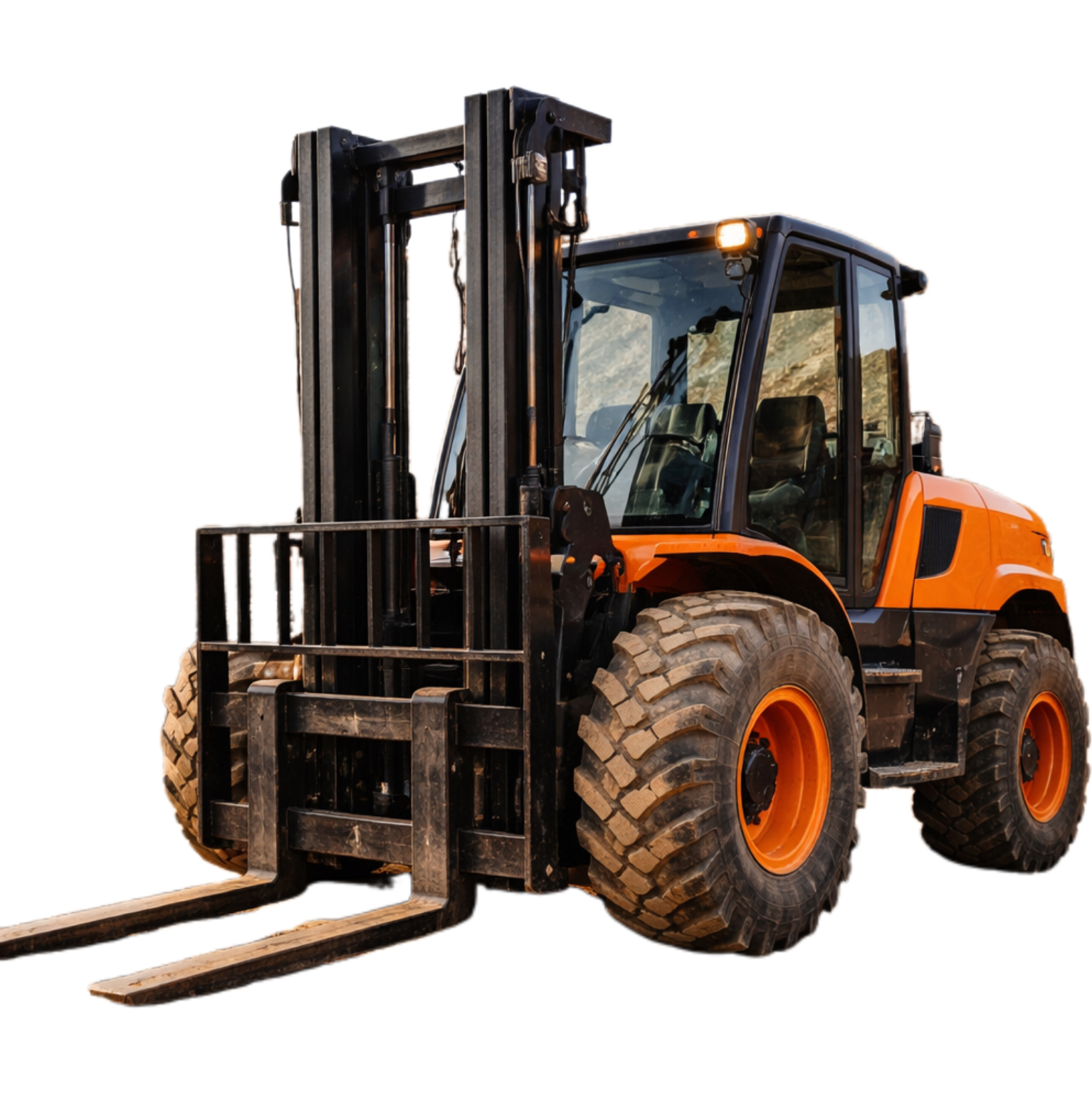


Electric Stackers
Cost-Effective and Flexible Solutions for Warehouse Stacking
For warehouses and factories seeking efficient pallet handling without the size or cost of a full forklift, electric stackers offer an ideal solution. Positioned between pallet trucks and forklifts, electric stackers combine compact design with powered lifting and driving, making them highly versatile for light to medium-duty operations.
This article provides a comprehensive overview of electric stackers, including their types, applications, advantages, and how they fit into modern material handling systems.
1. What Is an Electric Stacker?
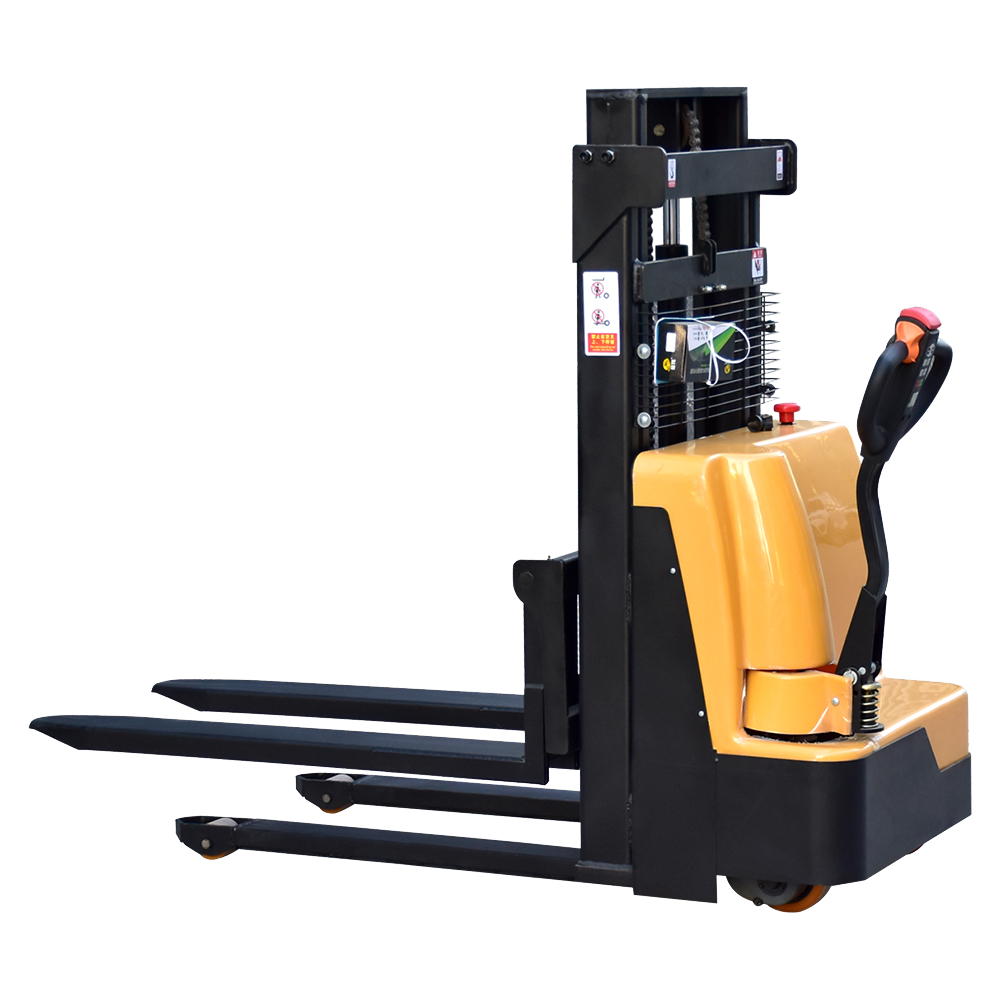
An electric stacker is a battery-powered material handling machine designed to lift, stack, and transport palletized loads at moderate heights. Unlike manual stackers, electric models use motors for lifting and, in many cases, driving.
Electric stackers are widely used in:
Warehouses
Manufacturing plants
Retail storage areas
Logistics centers
2. Key Features of Electric Stackers
Compact Structure
Smaller than forklifts, suitable for narrow aisles.
Electric Lifting System
Smooth and controlled vertical lifting.
Optional Electric Drive
Reduces operator effort during transport.
Sturdy Mast Design
Ensures load stability during stacking.
3. Types of Electric Stackers
Walk-Behind Electric Stackers
Operator walks behind the machine, ideal for short distances.
Ride-On Electric Stackers
Include a platform for longer travel distances.
Semi-Electric Stackers
Electric lifting with manual driving.
Full-Electric Stackers
Electric lifting and electric driving.
4. Electric Stackers vs Manual Stackers
| Feature | Electric Stacker | Manual Stacker |
|---|---|---|
| Operator effort | Low | High |
| Productivity | High | Low |
| Lifting speed | Fast | Slow |
| Cost | Medium | Low |
Electric stackers significantly improve efficiency in daily operations.
5. Electric Stackers vs Forklifts
| Feature | Electric Stacker | Electric Forklift |
|---|---|---|
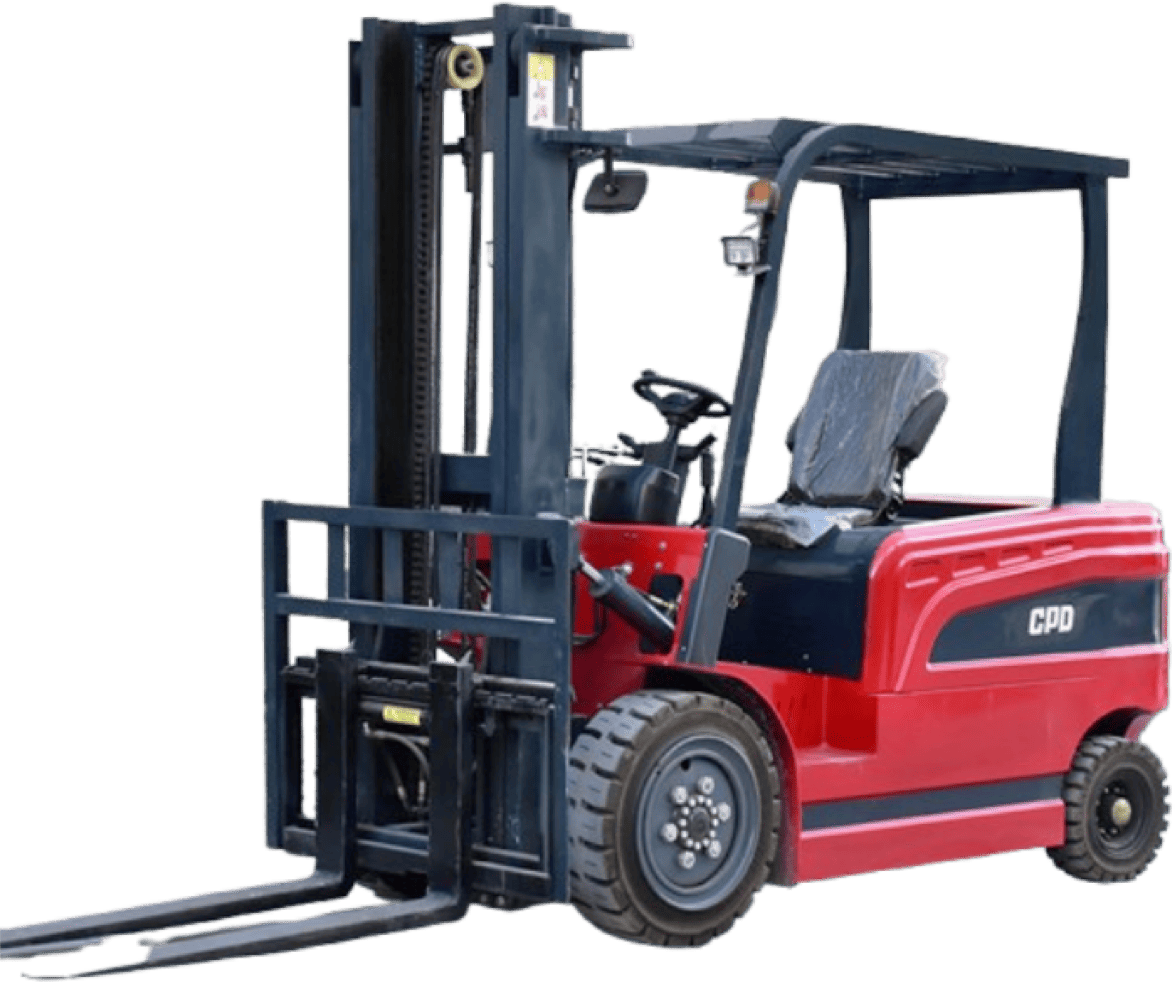
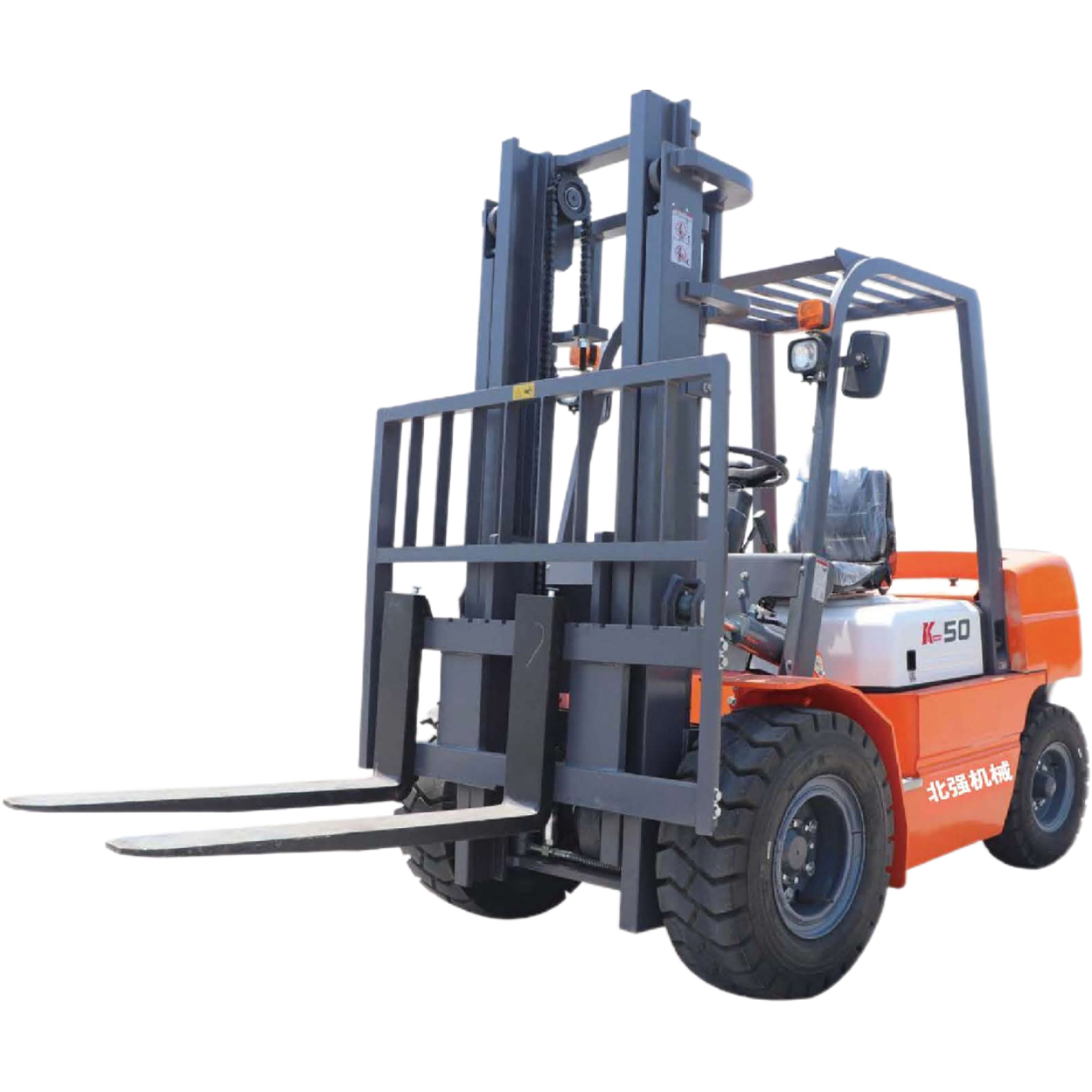
| Size | Compact | Large |
| Lifting height | Medium | High |
| Load capacity | Medium | High |
| Cost | Lower | Higher |
Electric stackers are ideal when forklifts are oversized or unnecessary.
6. Typical Applications of Electric Stackers
Electric stackers are commonly used for:
Pallet stacking in warehouses
Loading and unloading shelves
Short-distance pallet transport
Backroom operations in retail
They are especially useful where space is limited.
7. Lifting Height and Load Capacity
Typical specifications include:
Lifting heights from 1.6 m to 5.5 m
Load capacities from 1,000 kg to 2,000 kg
This range covers most light and medium-duty applications.
8. Battery Types and Charging
Lead-Acid Batteries
Cost-effective and widely used.
Lithium-Ion Batteries
Fast charging, maintenance-free, longer lifespan.
Lithium stackers are ideal for frequent daily use.
9. Safety Features
Modern electric stackers include:
Emergency stop buttons
Overload protection
Speed reduction when lifting
Stable mast and chassis design
Safety systems protect both operators and goods.
10. Operator Ergonomics
Electric stackers are designed for comfort:
Ergonomic tiller handles
Smooth acceleration and braking
Clear visibility of forks and load
Reduced fatigue leads to higher productivity.
11. Indoor Operation Advantages
Electric stackers offer:
Zero emissions
Low noise levels
Clean operation
They are perfect for indoor and enclosed environments.
12. Electric Stackers in Small and Medium Warehouses
For SMEs, electric stackers provide:
Affordable automation
Easy operation
Low maintenance costs
They are often the first step toward warehouse mechanization.
13. Integration with Other Equipment
Electric stackers commonly work alongside:
Pallet trucks for ground-level transport
Electric forklifts for heavier loads
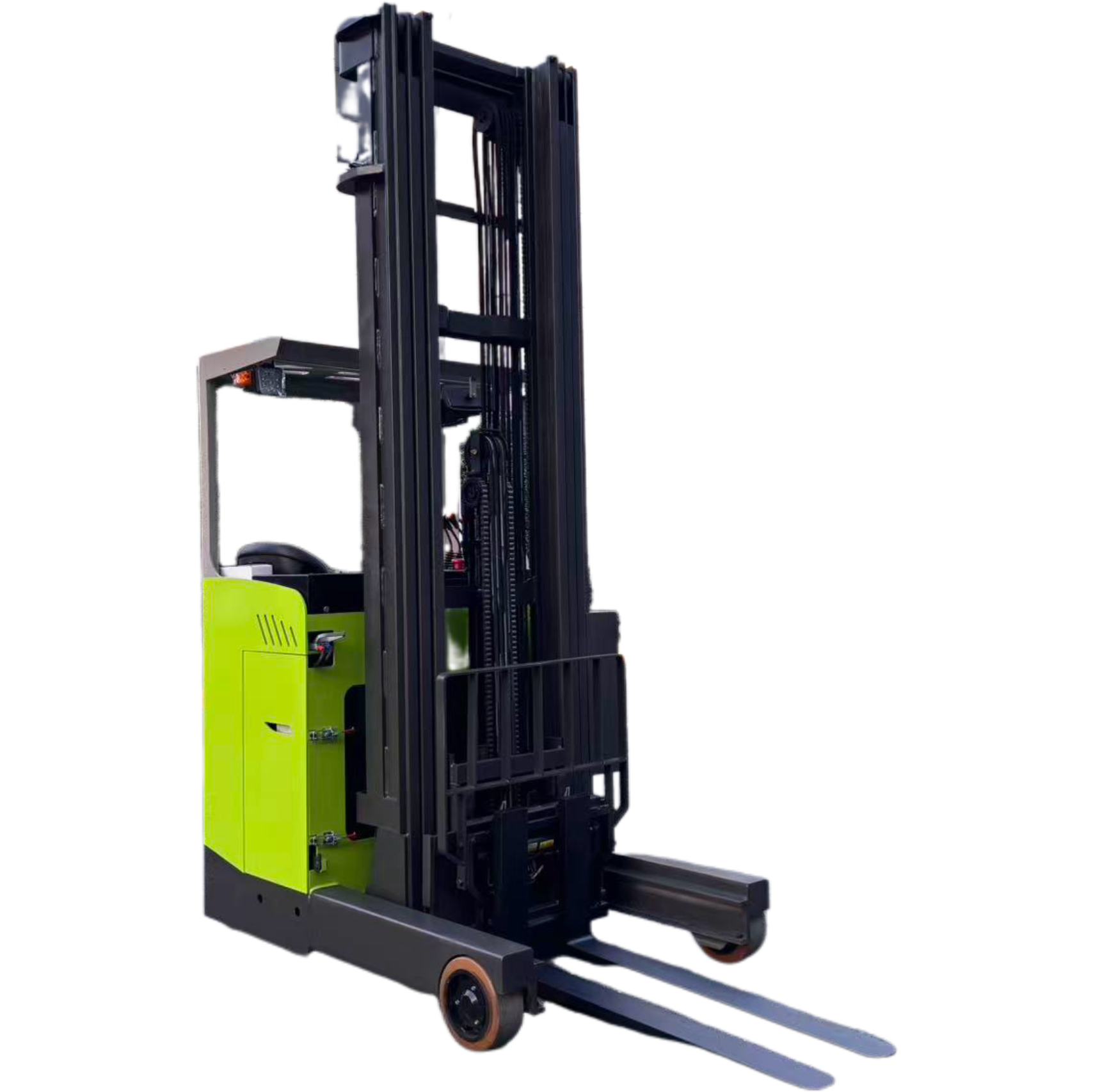
Reach trucks for high-level storage
This layered equipment strategy improves efficiency.
14. Maintenance and Service Requirements
Electric stackers require:
Battery charging and inspection
Wheel and brake checks
Hydraulic system maintenance
Maintenance is simpler than forklifts.
15. Cost Efficiency and ROI
Electric stackers offer:
Lower purchase cost than forklifts
Reduced labor intensity
Improved throughput
They deliver excellent return on investment.
16. Electric Stackers in Developing Markets
Electric stackers are popular in:
Southeast Asia
Middle East
Africa
South America
Their balance of cost and performance suits growing logistics markets.
17. Choosing the Right Electric Stacker
Key factors include:
Required lifting height
Load weight
Aisle width
Battery type
Correct selection ensures safe and efficient operation.
18. Future Trends in Electric Stackers
Industry trends include:
Increased use of lithium batteries
More compact designs
Enhanced safety electronics
Electric stackers continue to evolve with warehouse needs.
19. Conclusion
Electric stackers are versatile, cost-effective machines that bridge the gap between pallet trucks and forklifts. With compact size, powered lifting, and easy operation, they provide an efficient solution for stacking and transporting pallets in modern warehouses.
For businesses seeking flexibility, affordability, and improved productivity, electric stackers are a smart investment.
Our manager will contact you shortly.
To contact you about our products and services.


Copyright © Xingtai Beiqiang Machinery Manufacturing Factory. 2025.
Technical support:Echola