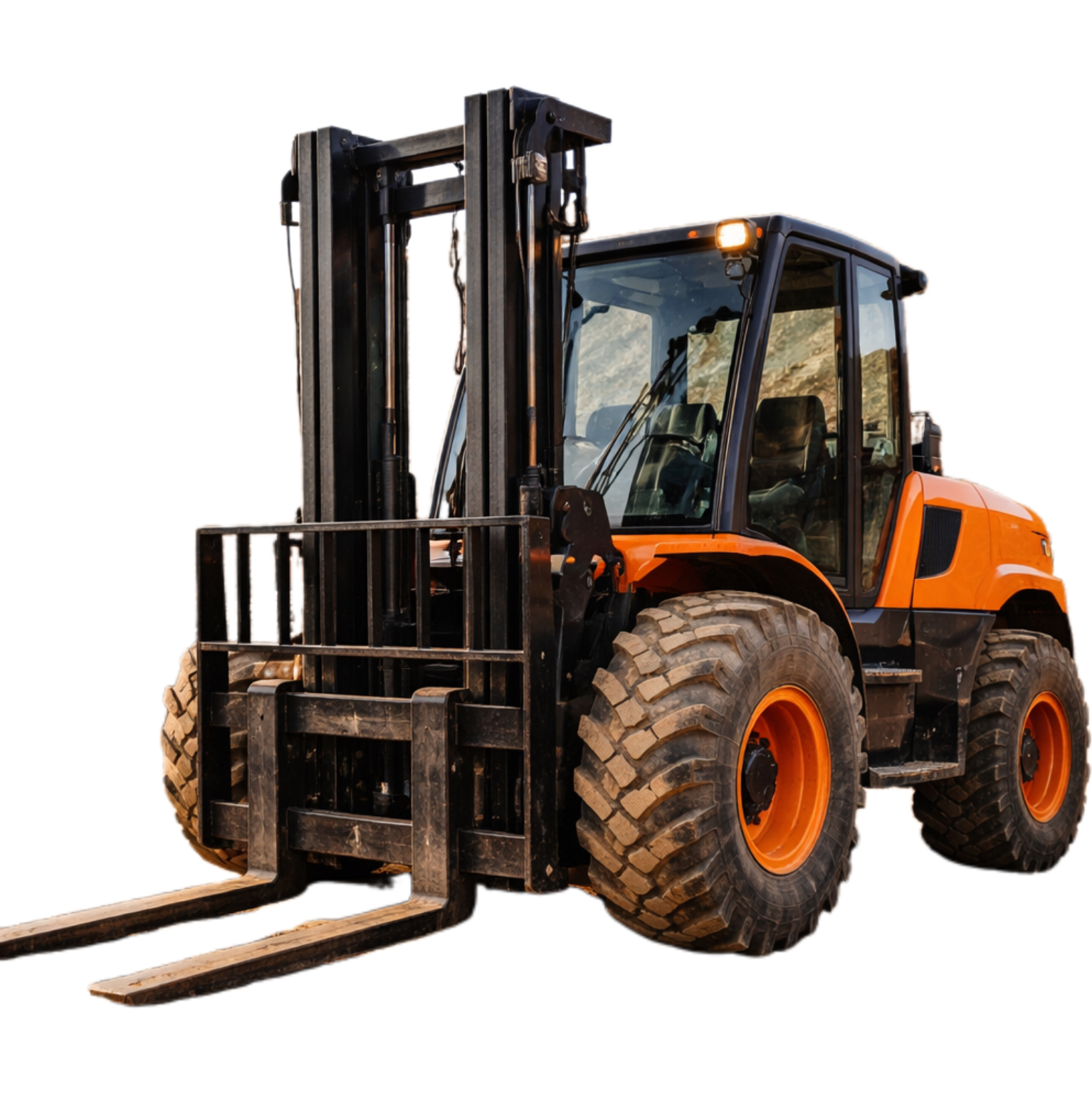


Lifting Platforms
Safe and Efficient Solutions for Working at Height
Working at height is one of the most common yet risky activities in warehouses, factories, and construction sites. From equipment maintenance to installation and inspection, reliable access solutions are essential. Lifting platforms, also known as aerial work platforms, provide a safe, stable, and efficient way to elevate personnel and tools.
This article explores lifting platforms in detail, covering their types, applications, advantages, and how they integrate with modern material handling operations.
1. What Is a Lifting Platform?
A lifting platform is a mechanical device designed to raise workers, tools, and materials vertically to a required working height. Unlike forklifts, lifting platforms are specifically designed for personnel safety and stable elevated work.
They are widely used in:
Warehouses
Manufacturing plants
Construction sites
Maintenance operations
2. Main Types of Lifting Platforms
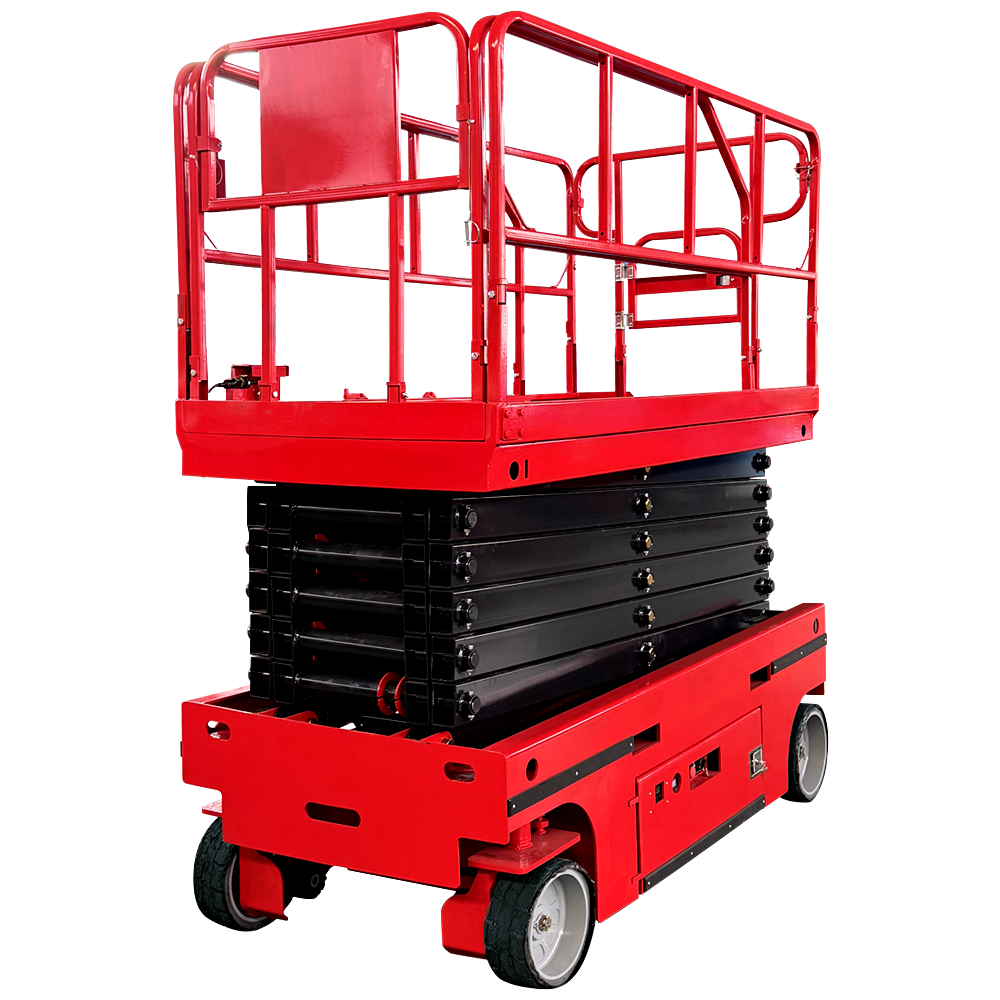
Scissor Lifts
Provide vertical lifting with a stable platform.
Boom Lifts
Offer extended reach with articulating or telescopic arms.
Vertical Mast Lifts
Compact and suitable for narrow indoor spaces.
Mobile Lifting Platforms
Designed for flexibility and easy relocation.
3. Scissor Lifts: Stability and Load Capacity
Scissor lifts are the most common lifting platforms used indoors.
Key Advantages
Large working platform
High load capacity
Vertical lifting stability
Typical Applications
Warehouse shelving installation
Ceiling maintenance
Electrical and HVAC work
Scissor lifts are ideal when vertical access and platform stability are required.
4. Boom Lifts: Extended Reach and Flexibility
Boom lifts provide horizontal and vertical reach.
Key Advantages
Long working radius
Access over obstacles
High positioning flexibility
Typical Applications
Building façade work
Outdoor construction
Industrial maintenance
Boom lifts are essential for complex access requirements.
5. Lifting Platforms vs Forklifts
| Feature | Lifting Platform | Forklift |
|---|---|---|
| Designed for people | Yes | No |
| Stability at height | High | Limited |
| Safety compliance | High | Restricted |
| Typical use | Access & maintenance | Material handling |
Lifting platforms should always be used instead of forklifts for personnel lifting.
6. Indoor and Outdoor Applications
Indoor Use
Warehouses
Factories
Shopping malls
Outdoor Use
Construction sites
Infrastructure maintenance
Industrial plants
Electric models are preferred indoors, while diesel models are used outdoors.
7. Electric vs Diesel Lifting Platforms
| Feature | Electric Platform | Diesel Platform |
|---|---|---|
| Emissions | Zero | High |
| Noise | Low | High |
| Indoor use | Excellent | Not suitable |
| Outdoor power | Limited | Strong |
Choosing the right power type depends on the working environment.
8. Safety Features of Modern Lifting Platforms
Modern lifting platforms include:
Guardrails and safety gates
Emergency stop buttons
Overload protection
Tilt and stability sensors
These features significantly reduce workplace accidents.
9. Operator Training and Compliance
Safe operation requires:
Proper training
Compliance with local safety standards
Regular inspections
Well-trained operators increase both safety and efficiency.
10. Integration with Warehouse Equipment
Lifting platforms often work alongside:
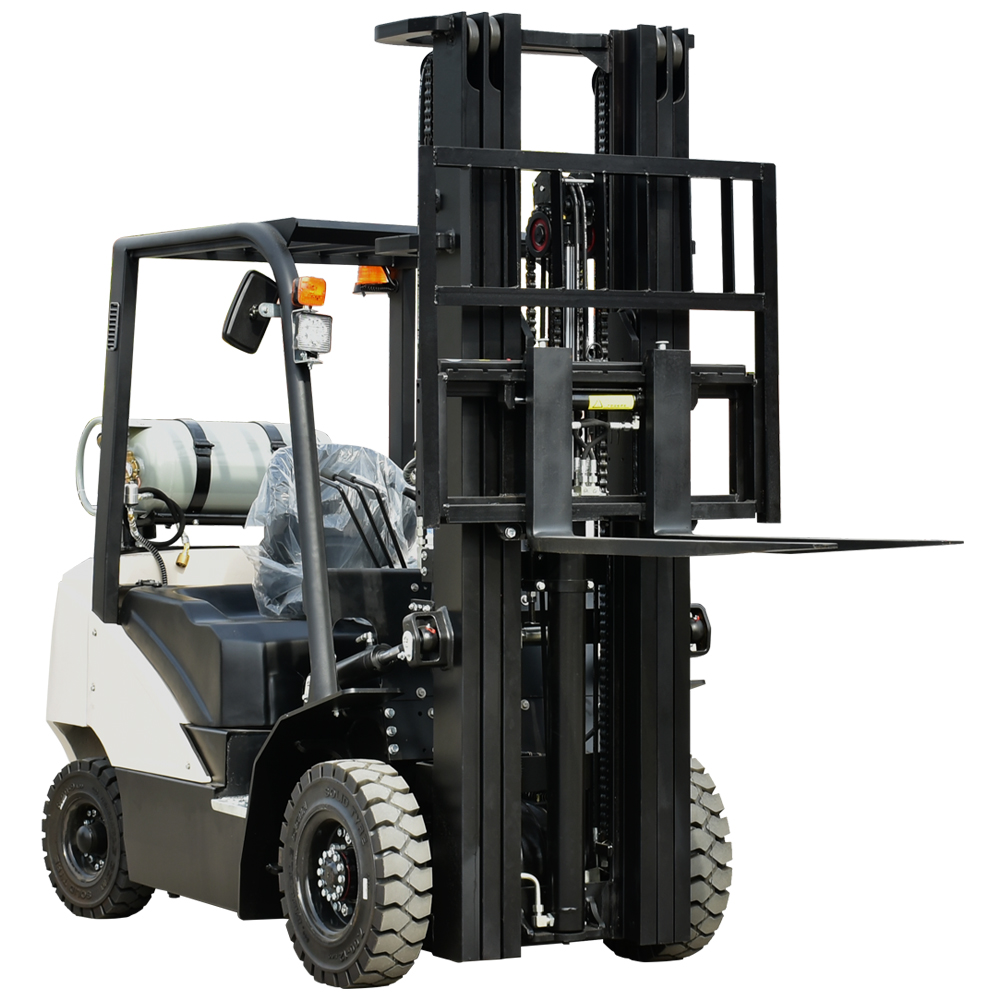
Electric forklifts for material supply
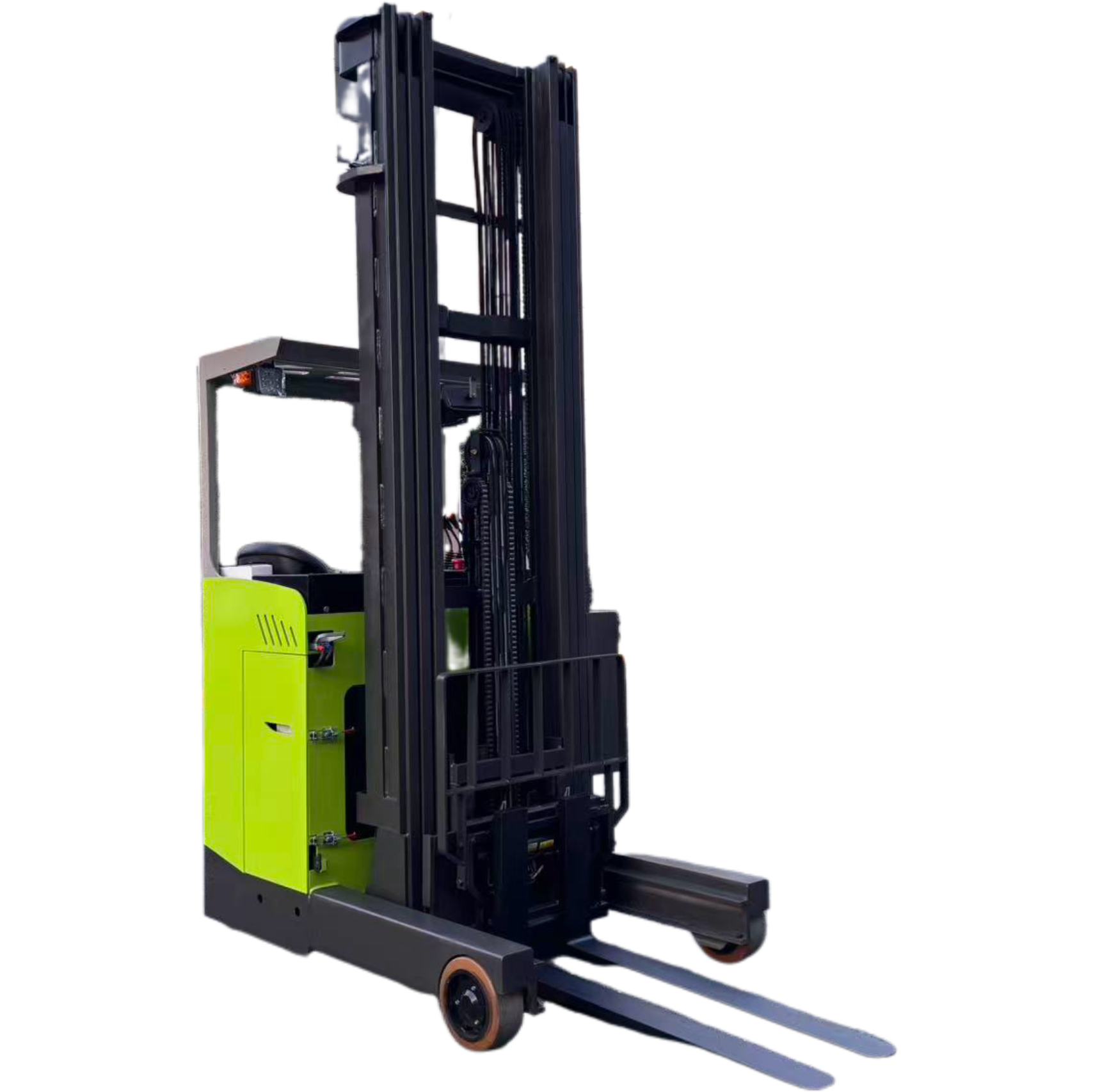
Reach trucks for high-rack operations
Pallet trucks for ground-level transport
This integrated workflow improves overall productivity.
11. Lifting Platforms in Maintenance Operations
They are essential for:
Lighting installation
Fire safety system maintenance
Equipment servicing
Stable platforms reduce downtime and improve work quality.
12. Load Capacity and Working Height
Typical lifting platforms offer:
Working heights from 6 to over 20 meters
Load capacities from 200 kg to 1,000 kg
Selecting the right capacity ensures safety and efficiency.
13. Mobility and Maneuverability
Modern lifting platforms feature:
Compact chassis
Easy steering controls
Smooth lifting and lowering
This makes them suitable for confined spaces.
14. Maintenance and Service Requirements
Lifting platforms require:
Hydraulic system inspections
Electrical system checks
Safety device testing
Regular maintenance ensures long-term reliability.
15. Cost Efficiency and ROI
Although lifting platforms require an initial investment, they:
Reduce labor risks
Increase work efficiency
Minimize downtime
They provide strong long-term value.
16. Lifting Platforms in Industrial Safety Strategy
Using proper access equipment:
Reduces accidents
Improves compliance
Enhances worker confidence
Safety investments directly impact productivity.
17. Choosing the Right Lifting Platform
Key factors include:
Required working height
Indoor or outdoor use
Load capacity
Frequency of operation
Correct selection maximizes performance and safety.
18. Future Trends in Lifting Platforms
Industry trends include:
Fully electric models
Smart safety monitoring systems
Lightweight and compact designs
Lifting platforms continue to evolve with modern workplaces.
19. Conclusion
Lifting platforms are essential tools for safe and efficient work at height. From warehouses and factories to construction sites, they provide stable access, improved safety, and higher productivity.
When integrated with forklifts, reach trucks, pallet trucks, and other material handling equipment, lifting platforms form a complete solution for modern industrial operations.
Our manager will contact you shortly.
To contact you about our products and services.


Copyright © Xingtai Beiqiang Machinery Manufacturing Factory. 2025.
Technical support:Echola