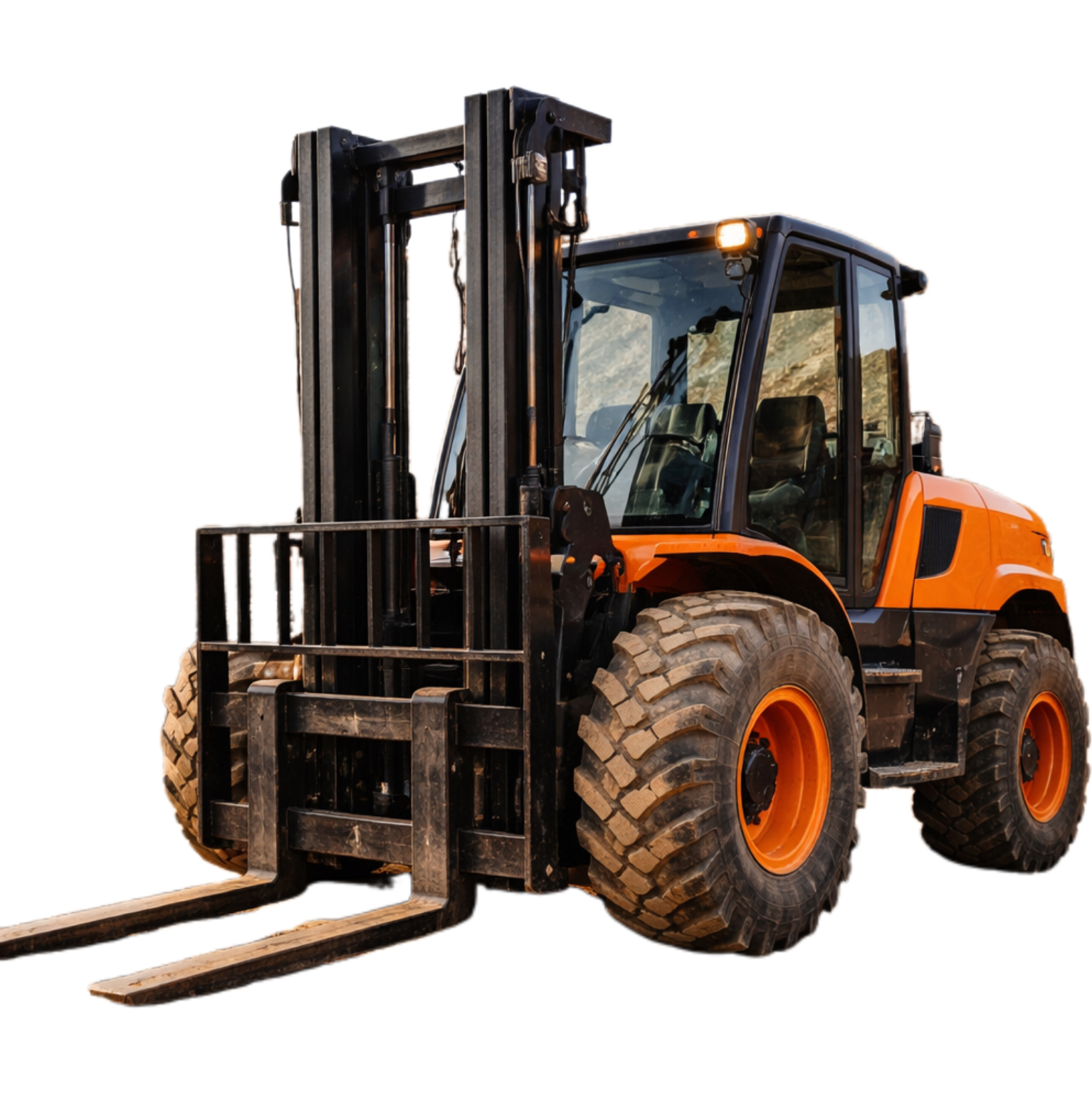


Mini Excavators
Compact, Versatile Machines for Construction and Material Handling
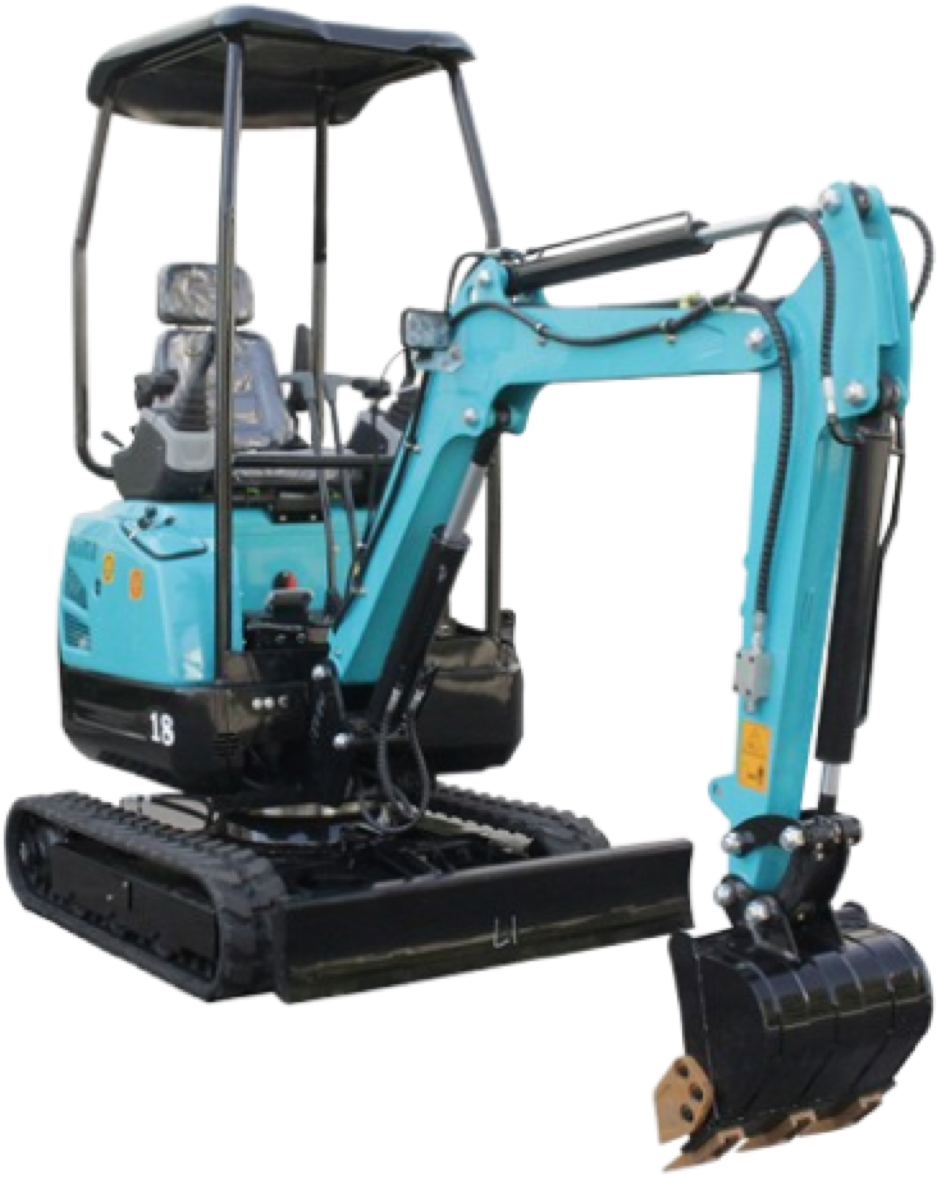
As construction sites become more complex and space-efficient operations become increasingly important, compact equipment solutions are in high demand. Mini excavators, also known as compact excavators, offer powerful digging and earthmoving capabilities while maintaining a small footprint and excellent maneuverability.
This article explores mini excavators in detail, covering their design, applications, advantages, and role alongside material handling equipment such as forklifts and lifting platforms.
1. What Is a Mini Excavator?
A mini excavator is a compact excavating machine typically weighing between 0.8 and 6 tons. It is designed for digging, trenching, lifting, and site preparation in areas where larger excavators cannot operate efficiently.
Mini excavators are widely used in:
Construction projects
Landscaping
Utility installation
Agricultural operations
2. Key Features of Mini Excavators
Compact Design
Small dimensions allow operation in confined spaces such as urban job sites and indoor projects.
360-Degree Rotation
The rotating upper structure improves flexibility and productivity.
Tracked Undercarriage
Tracks provide excellent stability and low ground pressure.
Multiple Attachments
Buckets, augers, breakers, and grapples increase versatility.
3. Mini Excavators vs Standard Excavators
| Feature | Mini Excavator | Standard Excavator |
|---|---|---|
| Size | Compact | Large |
| Operating space | Limited areas | Open sites |
| Transport | Easy | Requires heavy transport |
| Cost | Lower | Higher |
Mini excavators are ideal for small to medium-scale projects.
4. Typical Applications of Mini Excavators
Mini excavators are commonly used for:
Trenching for utilities
Foundation digging
Landscaping and gardening
Drainage and irrigation projects
Their versatility makes them a core tool on modern job sites.
5. Mini Excavators in Urban Construction
Urban construction sites often face space restrictions. Mini excavators provide:
Easy access through narrow entrances
Reduced noise levels
Minimal ground disturbance
This makes them suitable for residential and commercial projects.
6. Landscaping and Agricultural Use
In landscaping and agriculture, mini excavators are used for:
Tree planting
Soil preparation
Fence installation
Irrigation trenching
Their precision and maneuverability reduce damage to surrounding areas.
7. Integration with Material Handling Equipment
Mini excavators often work alongside:
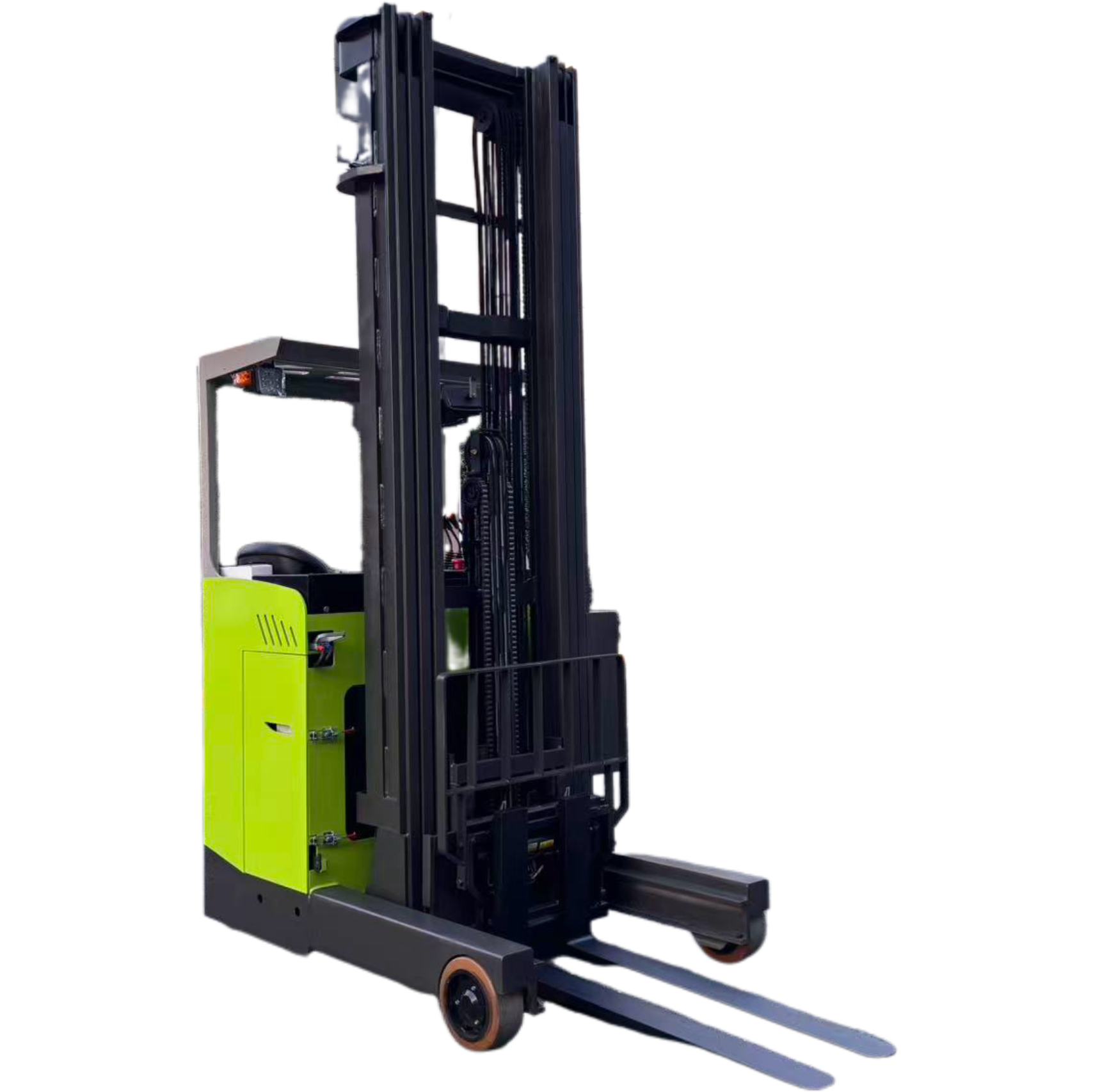
Off-road forklifts for material transport
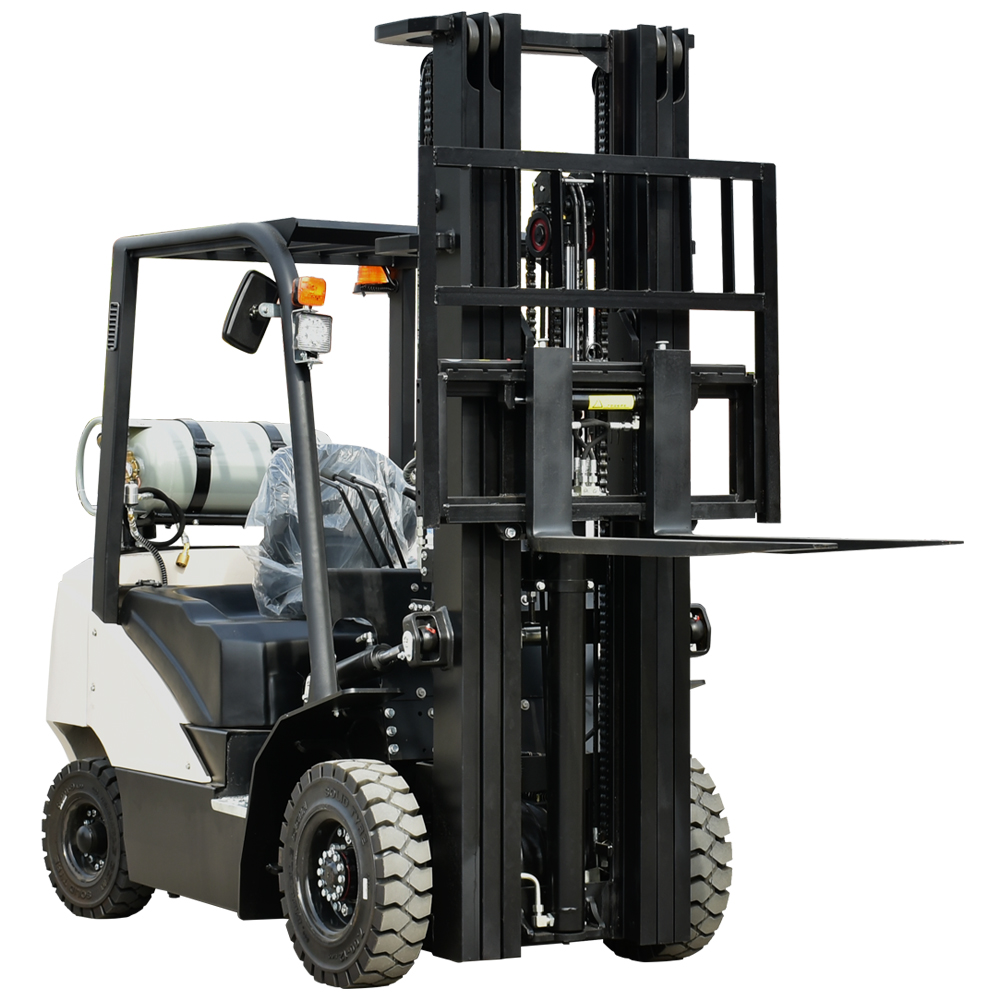
Diesel forklifts for palletized loads
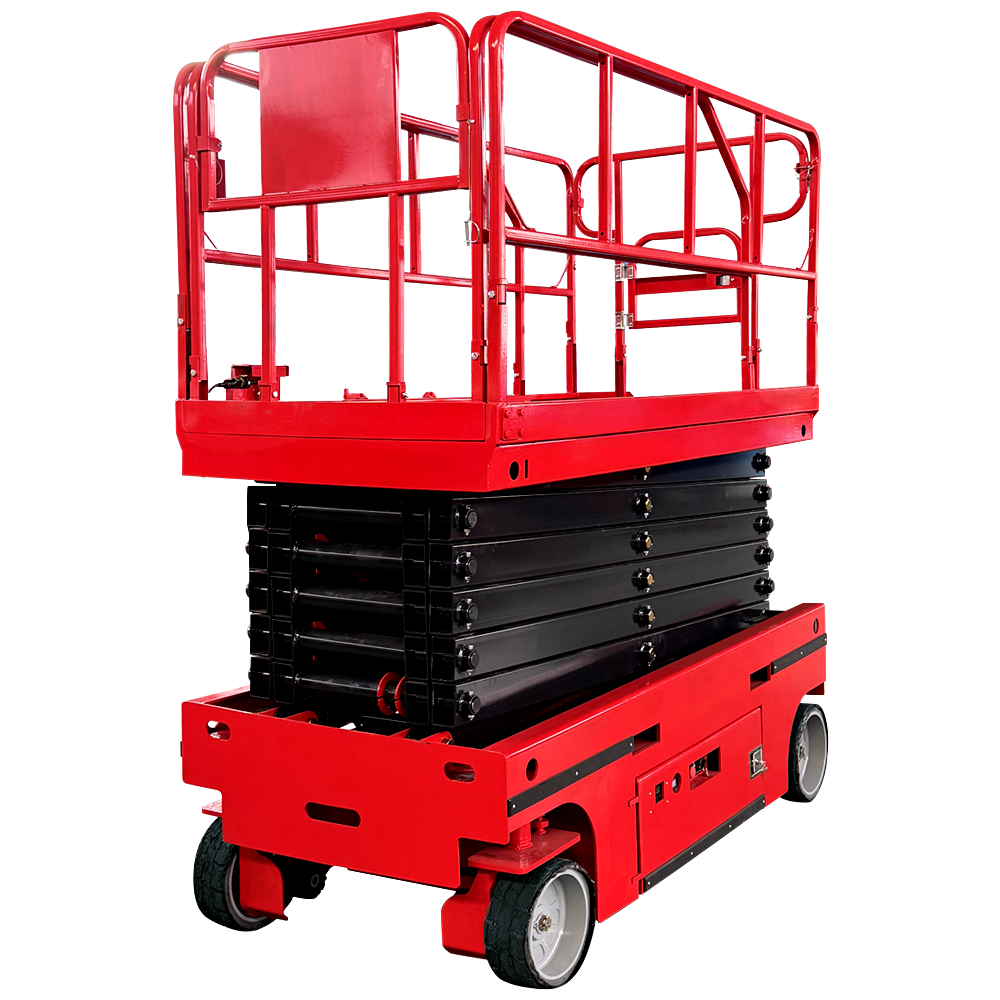
Lifting platforms for elevated work
This combination supports efficient job site operations.
8. Operator Comfort and Control
Modern mini excavators feature:
Ergonomic operator cabins
Intuitive joystick controls
Adjustable seating
Comfortable operators work more efficiently and safely.
9. Safety Features
Safety systems commonly include:
ROPS/FOPS protection
Emergency shutoff systems
Stable undercarriage design
These features ensure safe operation in demanding environments.
10. Fuel Efficiency and Power Options
Mini excavators are typically powered by:
Fuel-efficient diesel engines
Low-emission power systems
Some markets are exploring electric mini excavators for indoor use.
11. Maintenance and Durability
Mini excavators are designed for durability:
Reinforced frames
Easy-access service points
Long service intervals
Proper maintenance ensures long operational life.
12. Transportation and Mobility
Mini excavators are easy to transport:
Towable by light trucks or trailers
Quick setup and relocation
This mobility reduces downtime between job sites.
13. Mini Excavators vs Skid Steer Loaders
| Feature | Mini Excavator | Skid Steer Loader |
|---|---|---|
| Digging depth | Deep | Limited |
| Precision | High | Medium |
| Lifting | Moderate | Strong |
| Best use | Excavation | Material movement |
Each machine serves a different role on the job site.
14. Cost Efficiency and ROI
Mini excavators offer:
Lower purchase costs
Reduced fuel consumption
High utilization rates
They deliver excellent return on investment for contractors.
15. Mini Excavators in Developing Markets
In developing regions, mini excavators are valued for:
Adaptability
Simple maintenance
Cost-effectiveness
They support infrastructure growth and small-scale construction.
16. Environmental Considerations
Modern mini excavators feature:
Improved emissions standards
Reduced noise output
This makes them suitable for environmentally sensitive areas.
17. Choosing the Right Mini Excavator
Key selection factors include:
Operating weight
Digging depth
Attachment compatibility
Job site conditions
Selecting the right model improves efficiency and safety.
18. Future Trends in Mini Excavators
Industry trends include:
Electric-powered mini excavators
Smart control systems
Enhanced attachment options
Mini excavators continue to evolve with construction demands.
19. Conclusion
Mini excavators are compact yet powerful machines that play a vital role in construction, landscaping, and material handling operations. Their versatility, efficiency, and ease of use make them an essential investment for contractors and equipment fleets.
When combined with forklifts, lifting platforms, and off-road material handling equipment, mini excavators contribute to highly efficient and flexible job site solutions.
Our manager will contact you shortly.
To contact you about our products and services.


Copyright © Xingtai Beiqiang Machinery Manufacturing Factory. 2025.
Technical support:Echola