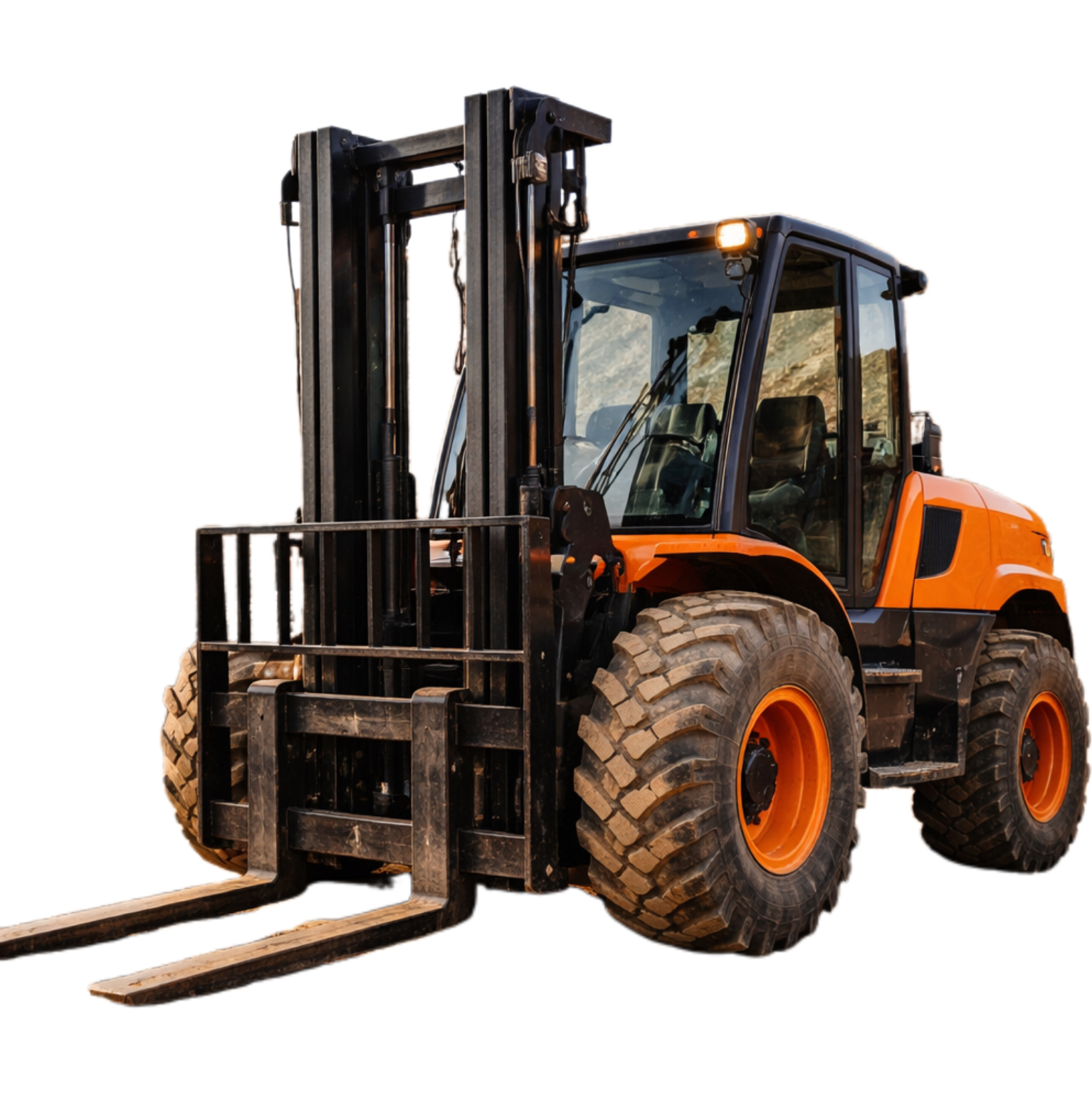


Powerful Material Handling Solutions for Rough Terrain
Material handling in outdoor and uneven environments presents challenges that standard forklifts cannot handle. Construction sites, farms, lumber yards, and remote industrial areas require equipment that combines lifting power with exceptional terrain capability. Off-road forklifts, also known as rough terrain forklifts, are specifically designed to meet these demands.
This article provides a comprehensive overview of off-road forklifts, including their design features, applications, advantages, and key selection considerations.
1. What Is an Off-Road Forklift?
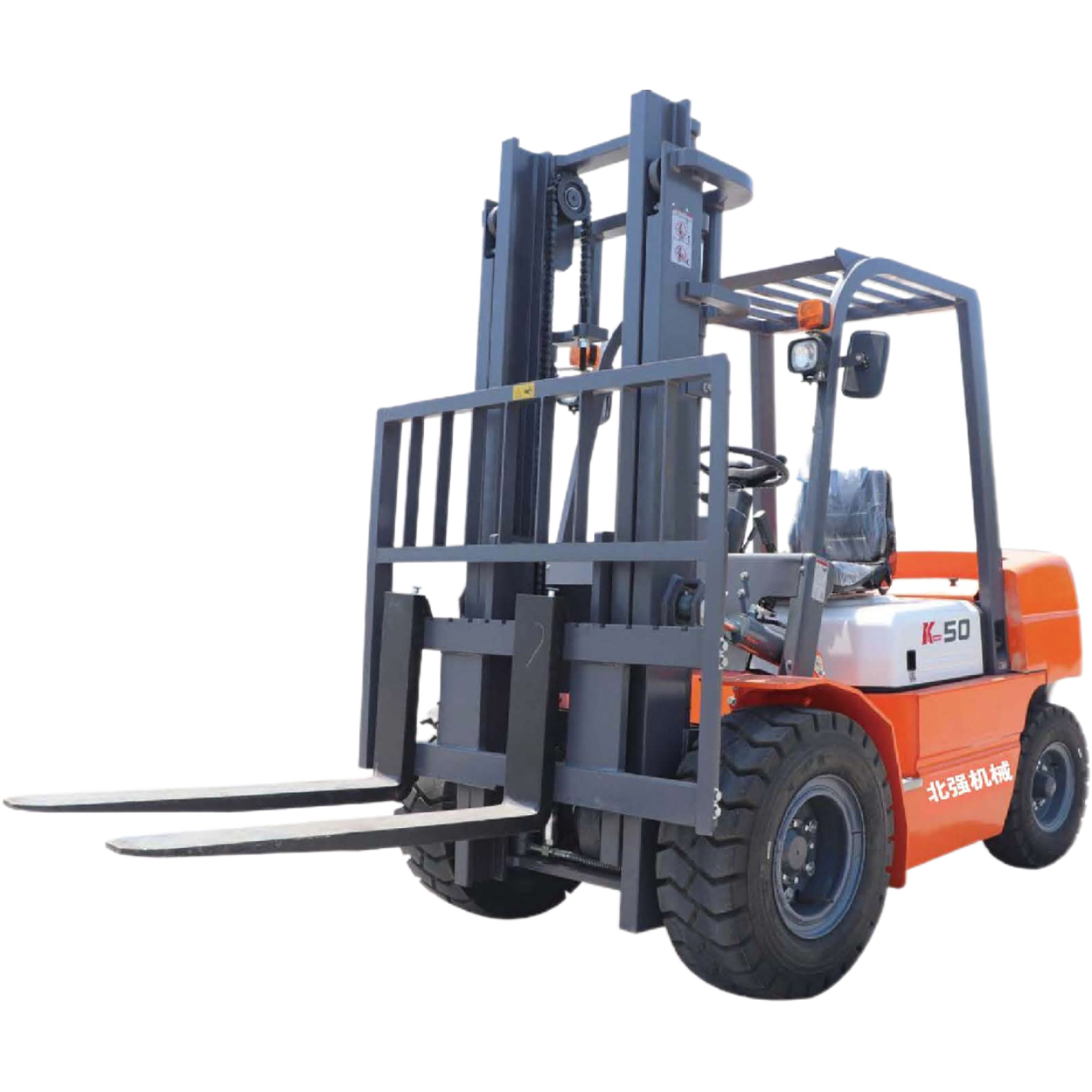
An off-road forklift is a type of forklift engineered to operate on uneven, soft, or rugged ground. Unlike warehouse forklifts, off-road models are equipped with reinforced frames, large tires, and powerful engines to maintain stability and traction in challenging conditions.
They are commonly used where paved surfaces are unavailable.
2. Key Design Features of Off-Road Forklifts
Large Pneumatic Tires
Deep-tread tires provide excellent grip on mud, sand, gravel, and dirt.
High Ground Clearance
Allows safe operation over rocks, debris, and uneven terrain.
Heavy-Duty Chassis
Reinforced frames enhance durability and load stability.
Powerful Engines
Typically powered by diesel engines for high torque and reliability.
3. Off-Road Forklifts vs Standard Forklifts
| Feature | Off-Road Forklift | Standard Forklift |
|---|---|---|
| Terrain capability | Excellent | Limited |
| Tire type | Large pneumatic | Solid or cushion |
| Outdoor use | Ideal | Restricted |
| Stability on slopes | High | Low |
Off-road forklifts are purpose-built for environments where standard forklifts struggle.
4. Types of Off-Road Forklifts
Two-Wheel Drive Off-Road Forklifts
Suitable for moderately uneven terrain.
Four-Wheel Drive Off-Road Forklifts
Provide superior traction and stability on steep or soft surfaces.
Telescopic Rough Terrain Forklifts
Feature extendable booms for forward reach and height.
5. Load Capacity and Lifting Performance
Off-road forklifts typically offer:
Load capacities from 2,000 kg to over 10,000 kg
Stable lifting on uneven ground
Strong hydraulic systems for heavy loads
They are designed for demanding material handling tasks.
6. Typical Applications of Off-Road Forklifts
Off-road forklifts are widely used in:
Construction sites
Agriculture and farming operations
Lumber yards and sawmills
Mining and quarry operations
Outdoor storage yards
They excel in environments where reliability matters most.
7. Off-Road Forklifts in Construction Sites
On construction sites, off-road forklifts handle:
Palletized building materials
Bricks and concrete blocks
Steel beams and pipes
Their rugged design ensures safe operation in constantly changing terrain.
8. Agricultural and Farming Applications
In agriculture, off-road forklifts are used for:
Handling feed and fertilizer
Transporting harvested crops
Managing equipment and supplies
Their all-terrain capability supports year-round operation.
9. Operator Comfort and Safety
Modern off-road forklifts include:
Ergonomic operator cabins
ROPS and FOPS protection
Stable load handling systems
Comfort and safety improve productivity and reduce risk.
10. Maintenance and Durability
Off-road forklifts are built for long service life:
Reinforced components
Easy-access maintenance points
Reliable diesel engines
Regular maintenance ensures consistent performance.
11. Off-Road Forklifts vs Telescopic Handlers
| Feature | Off-Road Forklift | Telescopic Handler |
|---|---|---|
| Vertical lifting | Strong | Strong |
| Forward reach | Limited | Excellent |
| Cost | Lower | Higher |
| Complexity | Simple | More complex |
Off-road forklifts are ideal when vertical lifting is the primary requirement.
12. Fuel Efficiency and Operating Costs
While diesel-powered, modern off-road forklifts are:
More fuel-efficient
Designed for long operating cycles
Cost-effective in outdoor environments
They offer strong performance with manageable operating costs.
13. Choosing the Right Off-Road Forklift
Key selection factors include:
Terrain conditions
Required load capacity
Lift height
Drive configuration (2WD or 4WD)
Proper selection ensures safety and efficiency.
14. Integration with Other Equipment
Off-road forklifts often work alongside:
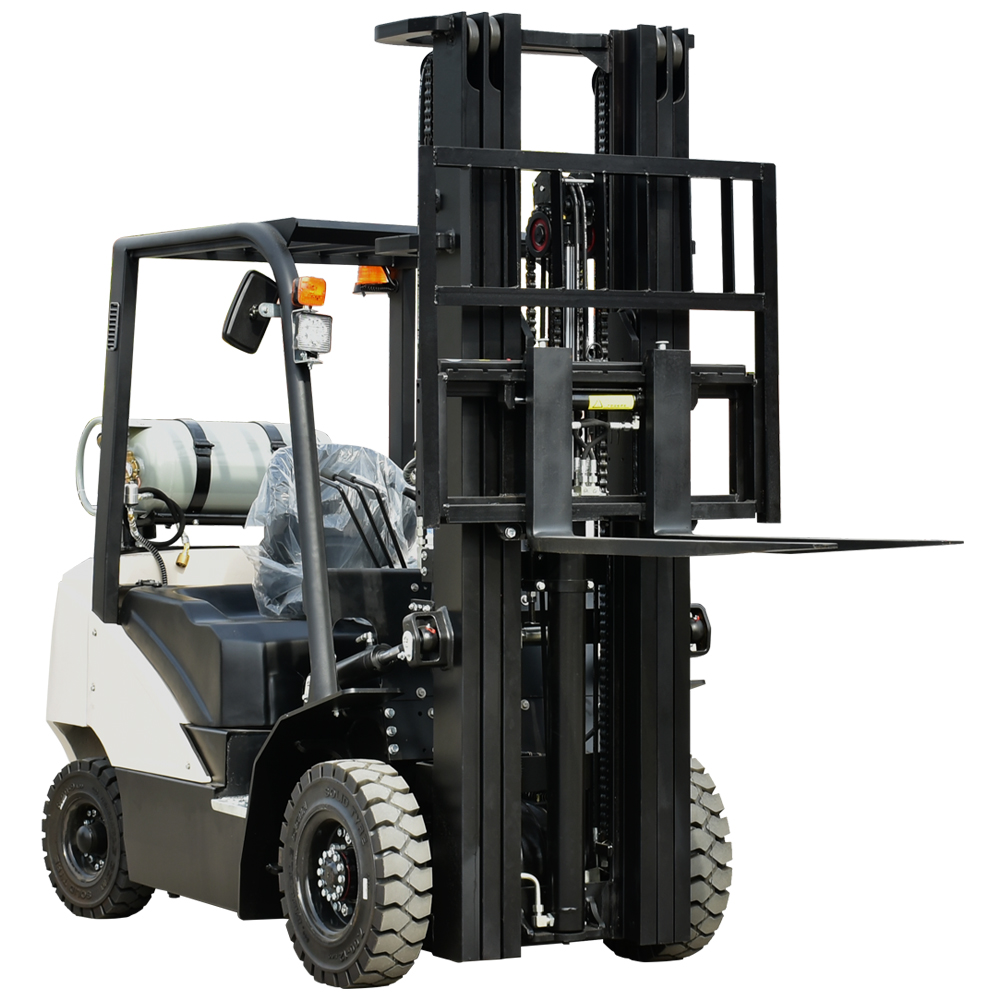
Diesel forklifts
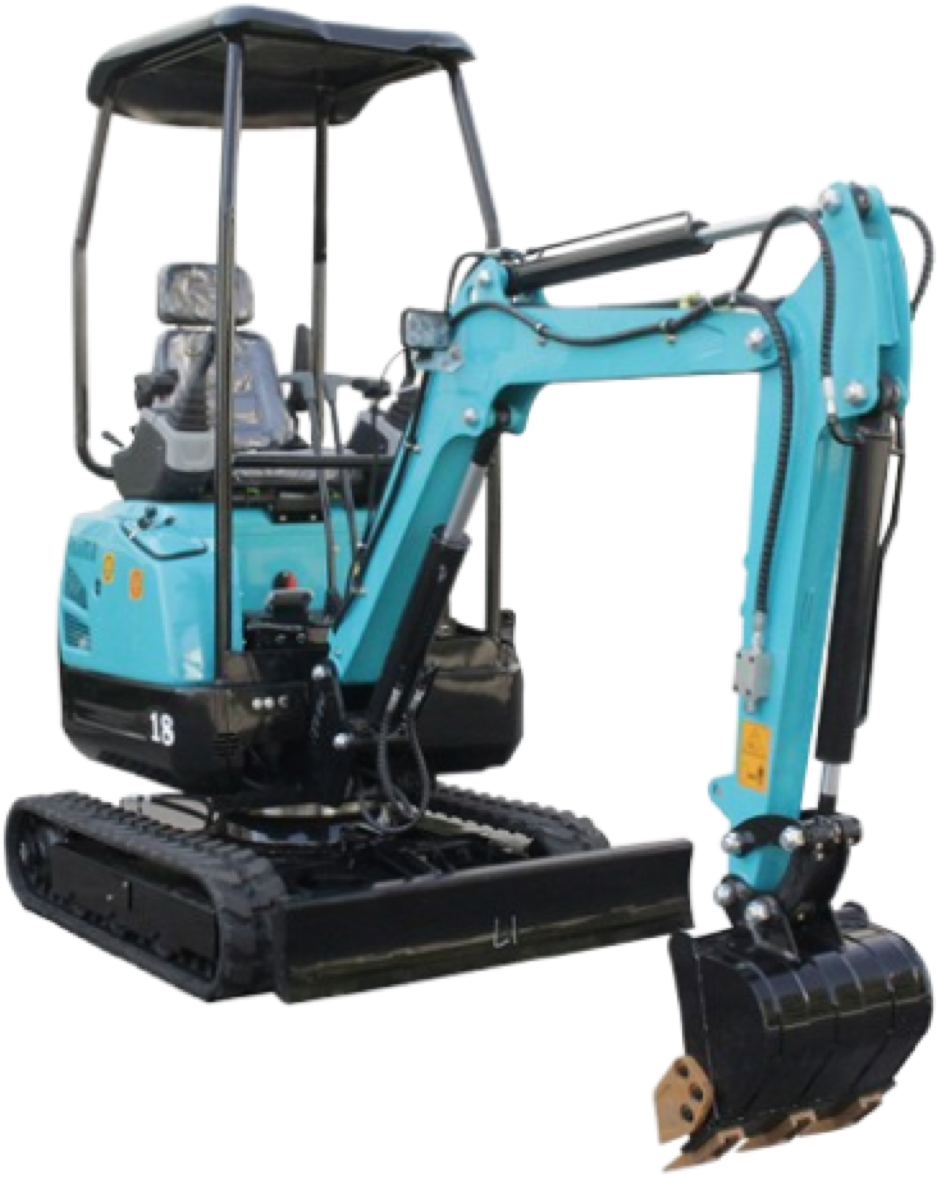
Mini excavators
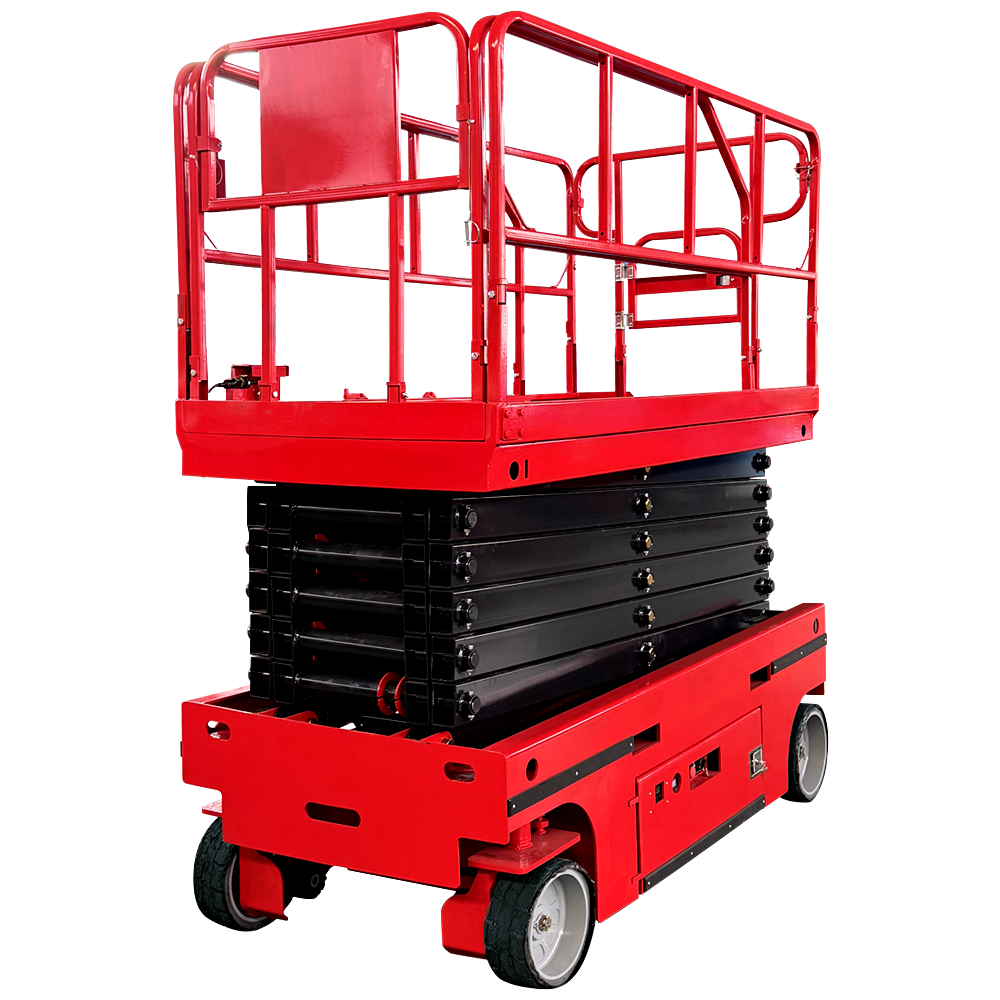
Lifting platforms
This combination supports full-site material handling solutions.
15. Environmental Considerations
While primarily diesel-powered, newer models offer:
Improved emissions control
Reduced noise levels
Some markets are beginning to adopt hybrid solutions.
16. Global Market Demand for Off-Road Forklifts
Demand remains strong in:
Africa
Middle East
Southeast Asia
South America
Infrastructure development continues to drive growth.
17. Off-Road Forklifts in Developing Markets
Their durability and adaptability make them ideal for regions with:
Limited infrastructure
Harsh environments
Outdoor-focused industries
They deliver reliable performance where conditions are challenging.
18. Future Trends in Off-Road Forklifts
Industry trends include:
Improved fuel efficiency
Enhanced safety systems
Greater operator comfort
Off-road forklifts continue to evolve with industry needs.
19. Conclusion
Off-road forklifts are indispensable machines for material handling in rugged and outdoor environments. With strong lifting capacity, excellent terrain capability, and durable construction, they provide reliable solutions where standard forklifts cannot operate.
For construction, agriculture, and outdoor industries, off-road forklifts remain a powerful and practical investment.
Our manager will contact you shortly.
To contact you about our products and services.


Copyright © Xingtai Beiqiang Machinery Manufacturing Factory. 2025.
Technical support:Echola