

Choosing the Right Machines for Warehouses, Factories, and Job Sites
Modern logistics, manufacturing, and construction industries rely heavily on specialized material handling equipment to improve efficiency, safety, and productivity. From compact warehouses to rugged outdoor job sites, selecting the right equipment plays a critical role in operational success.
This guide provides a comprehensive overview of the most commonly used material handling machines, including electric forklifts, diesel forklifts, pallet trucks, lifting platforms, reach trucks, off-road forklifts, and mini excavators.
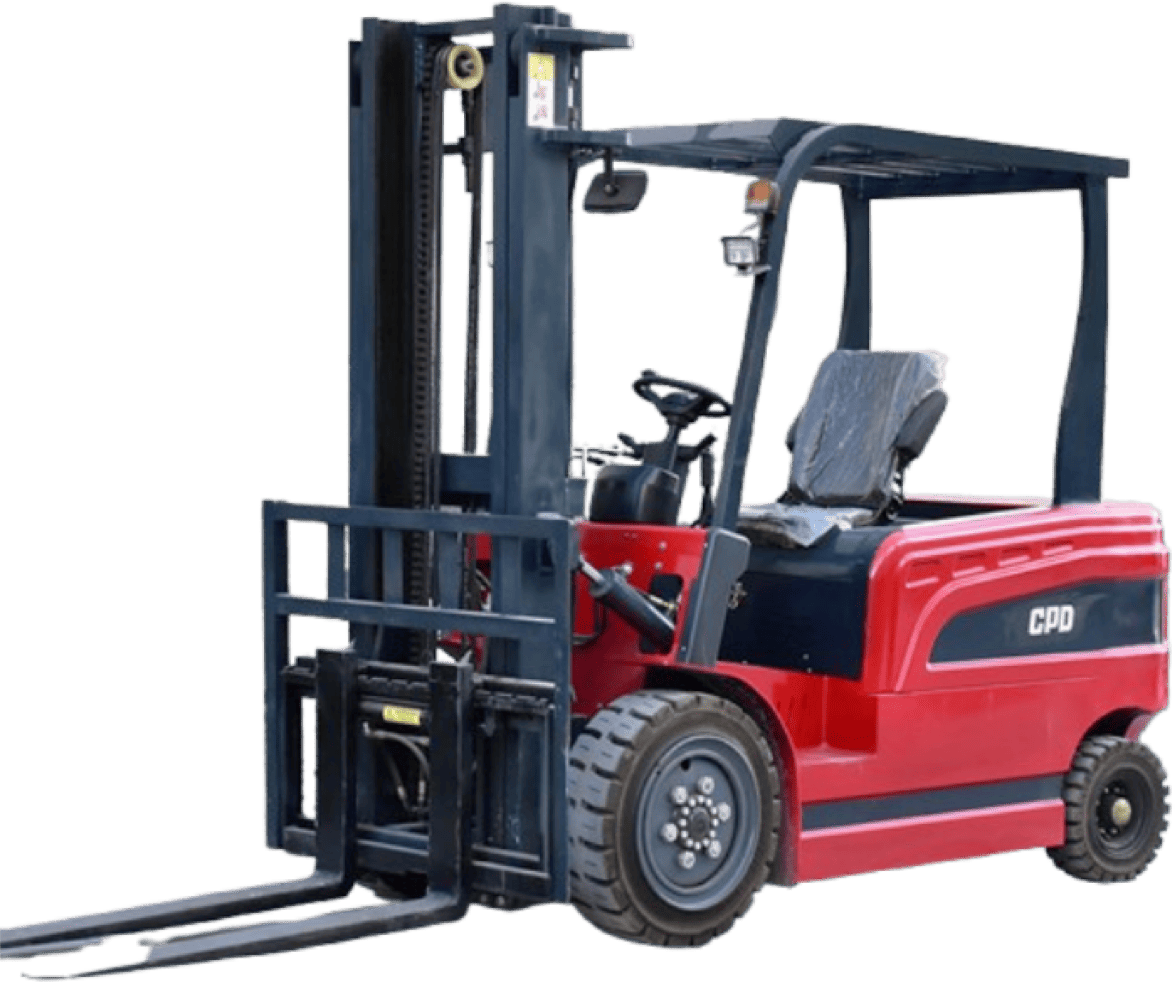
1. Electric Forklifts: Clean and Efficient Indoor Solutions
Electric forklifts are widely used in warehouses, factories, and distribution centers. Powered by batteries, they offer zero emissions and low noise levels, making them ideal for indoor environments.
Key Advantages
Zero exhaust emissions
Low operating noise
High energy efficiency
Lower maintenance costs
Typical Applications
Warehousing and logistics
Food and beverage facilities
Pharmaceutical and electronics factories
Electric forklifts are especially suitable for businesses prioritizing sustainability and indoor air quality.
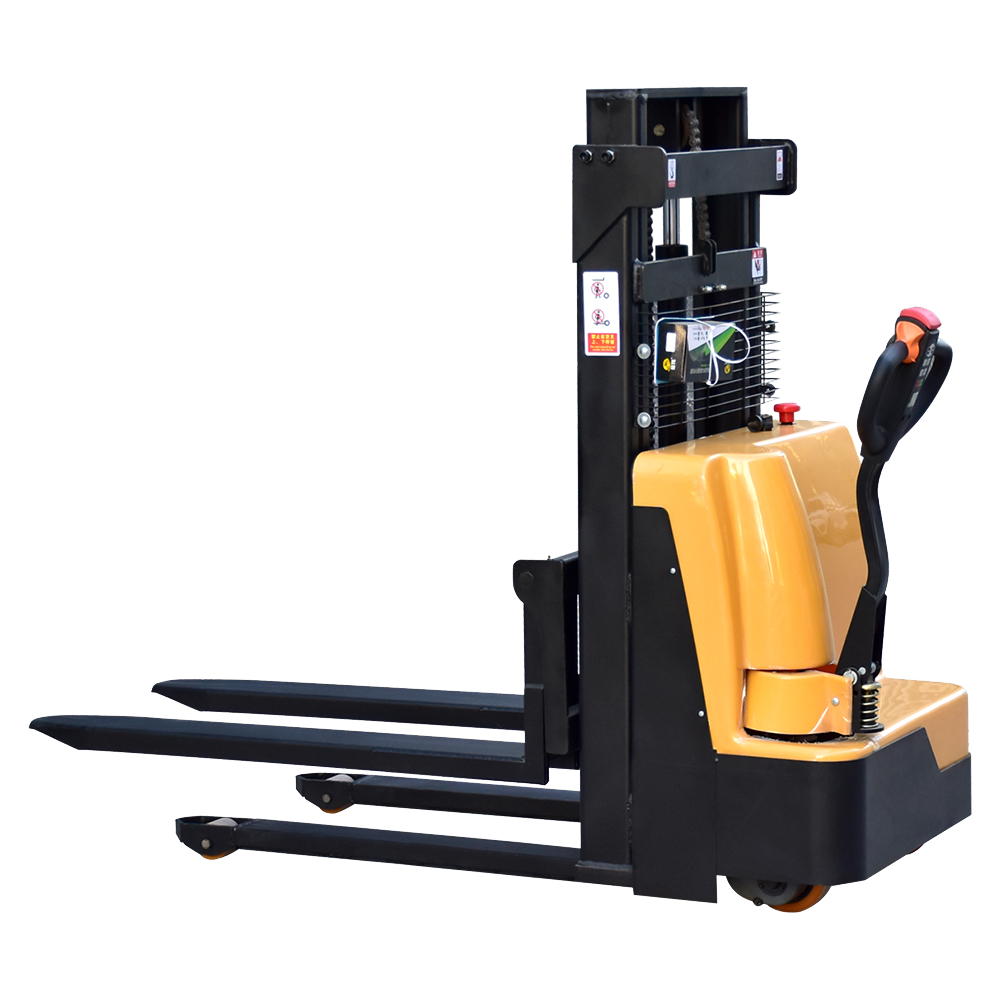
2. Electric Stackers: Compact Lifting for Narrow Spaces
Electric stackers are designed for stacking and retrieving pallets at moderate heights. Compared to forklifts, they are smaller and more economical.
Key Advantages
Compact size
Easy operation
Lower purchase cost
Ideal for narrow aisles
Typical Applications
Small warehouses
Retail backrooms
Light manufacturing
Electric stackers are a perfect solution when space is limited and lifting heights are moderate.
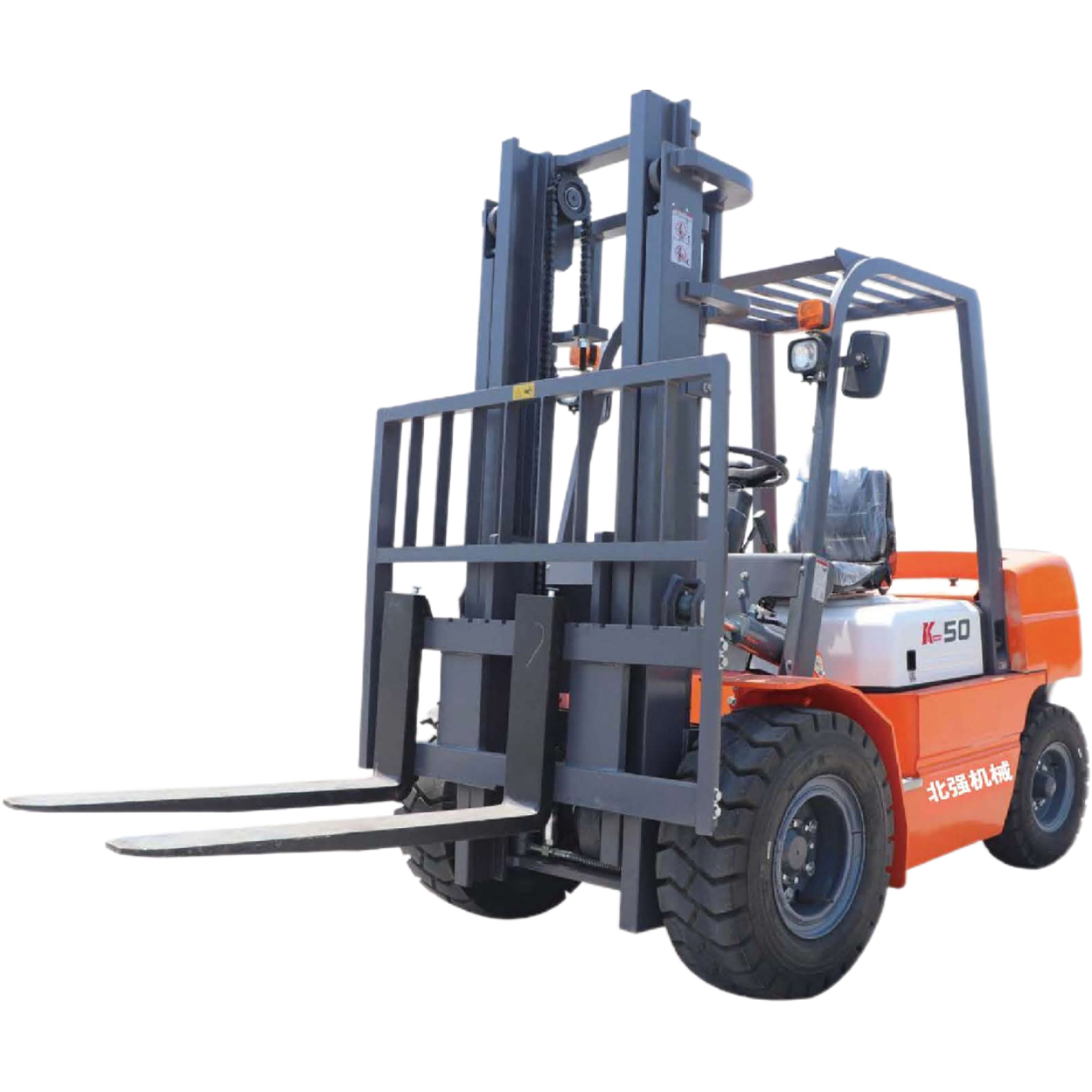
3. Diesel Forklifts: Power for Heavy Outdoor Operations
Diesel forklifts are known for their strong performance and durability. They are designed for heavy-duty operations, especially outdoors.
Key Advantages
High load capacity
Strong torque
Reliable in harsh environments
Typical Applications
Construction sites
Ports and terminals
Lumber yards and steel yards
Diesel forklifts are best suited for environments where power and endurance matter more than emissions.
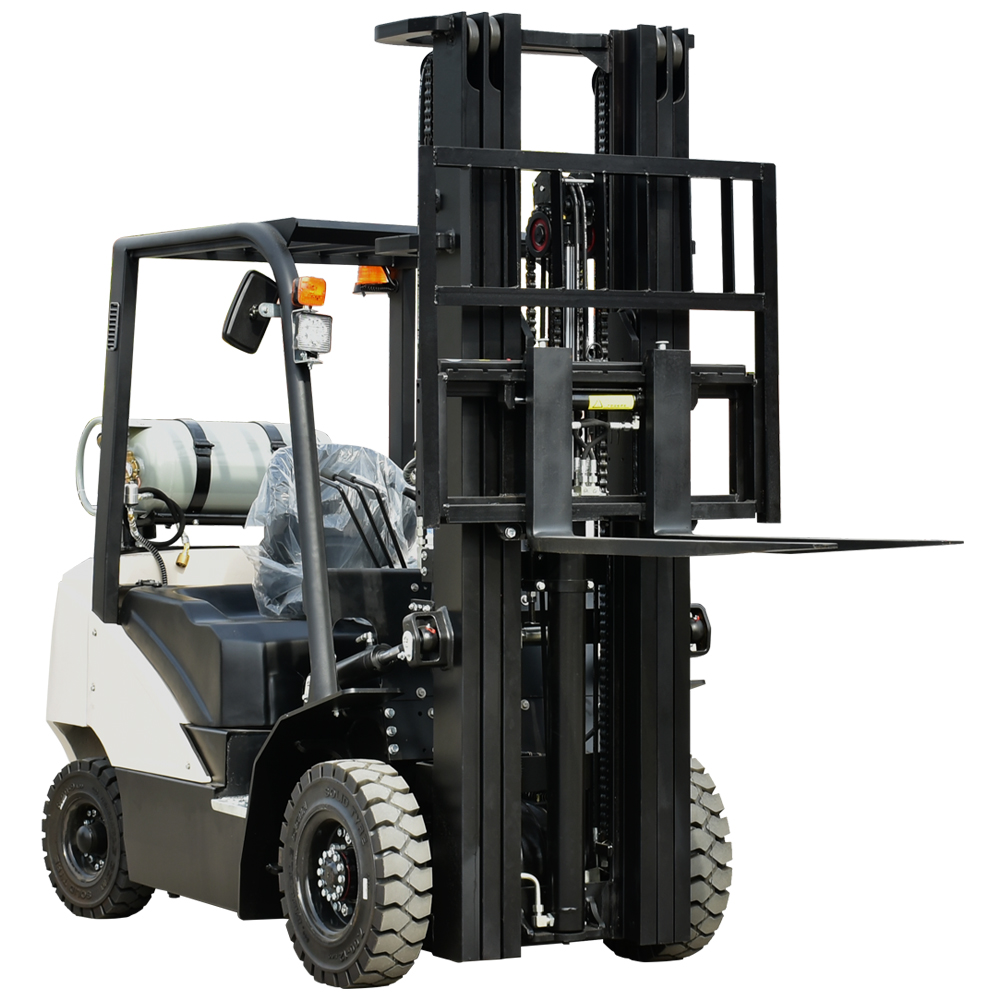
4. LPG Forklifts: Flexible Indoor and Outdoor Performance
LPG forklifts offer a balance between electric and diesel models. They can operate both indoors (with ventilation) and outdoors.
Key Advantages
Fast refueling
Lower emissions than diesel
Consistent power output
Typical Applications
Mixed indoor/outdoor warehouses
Manufacturing plants
Logistics hubs
LPG forklifts are popular in regions where operational flexibility is required.
5. Pallet Trucks: Essential Ground-Level Handling Tools
Pallet trucks, both manual and electric, are essential tools for short-distance pallet transport.
Key Advantages
Simple operation
Low cost
Minimal training required
Typical Applications
Loading and unloading
Short-distance transport
Retail and warehouses
Pallet trucks form the foundation of almost every material handling operation.
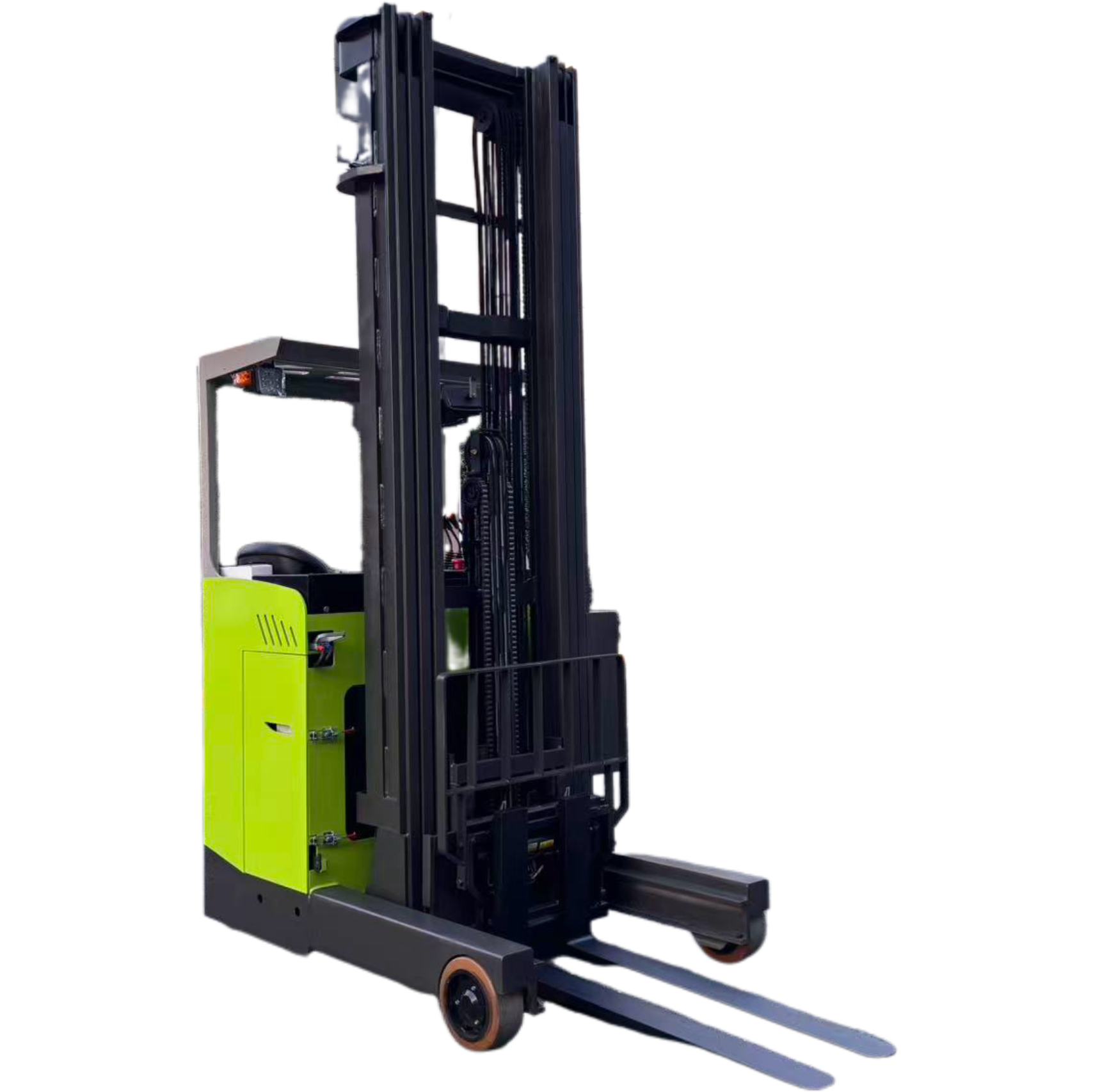
6. Reach Trucks: High-Level Storage Specialists
Reach trucks are designed specifically for high-rack warehousing and narrow aisles.
Key Advantages
High lifting height
Excellent maneuverability
Optimized for narrow aisles
Typical Applications
High-density warehouses
Cold storage facilities
E-commerce fulfillment centers
Reach trucks maximize vertical storage efficiency.
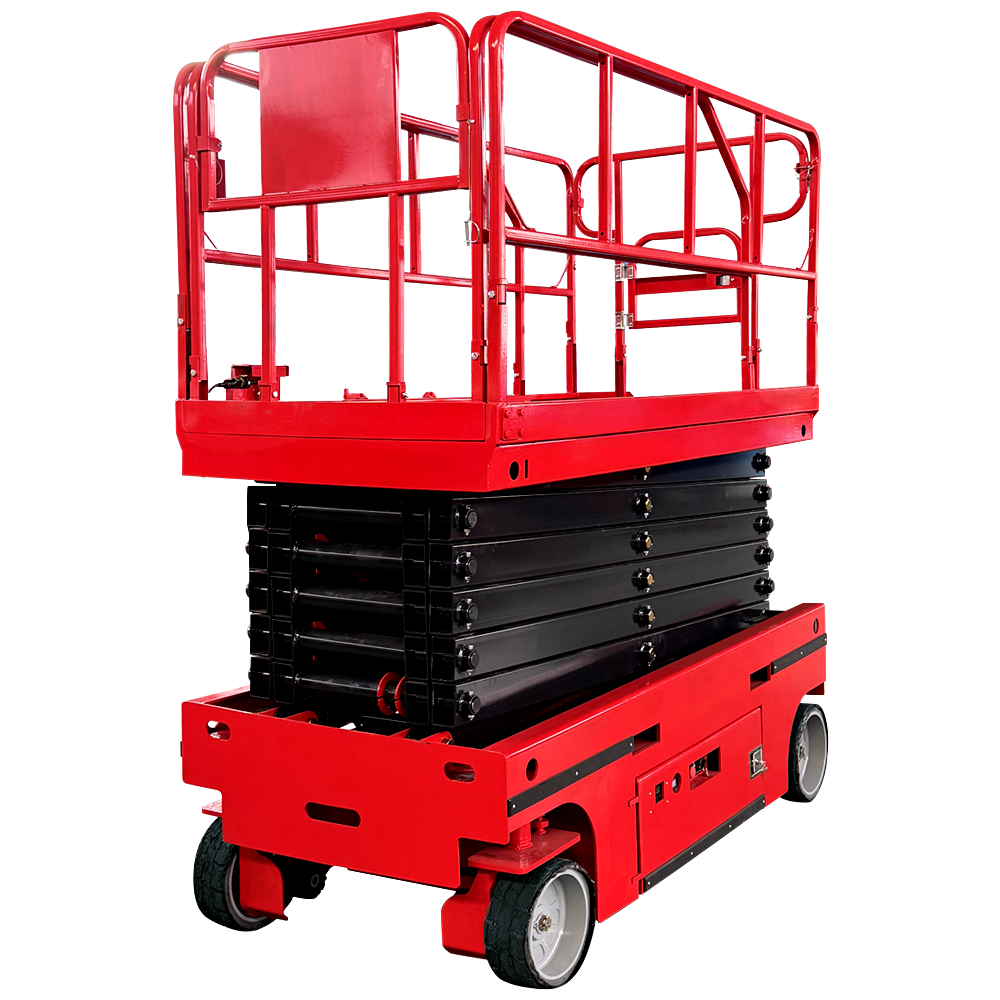
7. Lifting Platforms: Safe Work at Height
Lifting platforms provide a safe solution for lifting personnel and tools to elevated working areas.
Key Advantages
High safety standards
Stable lifting mechanism
Various platform configurations
Typical Applications
Equipment maintenance
Warehouse installations
Building maintenance
Lifting platforms improve safety and productivity when working at height.
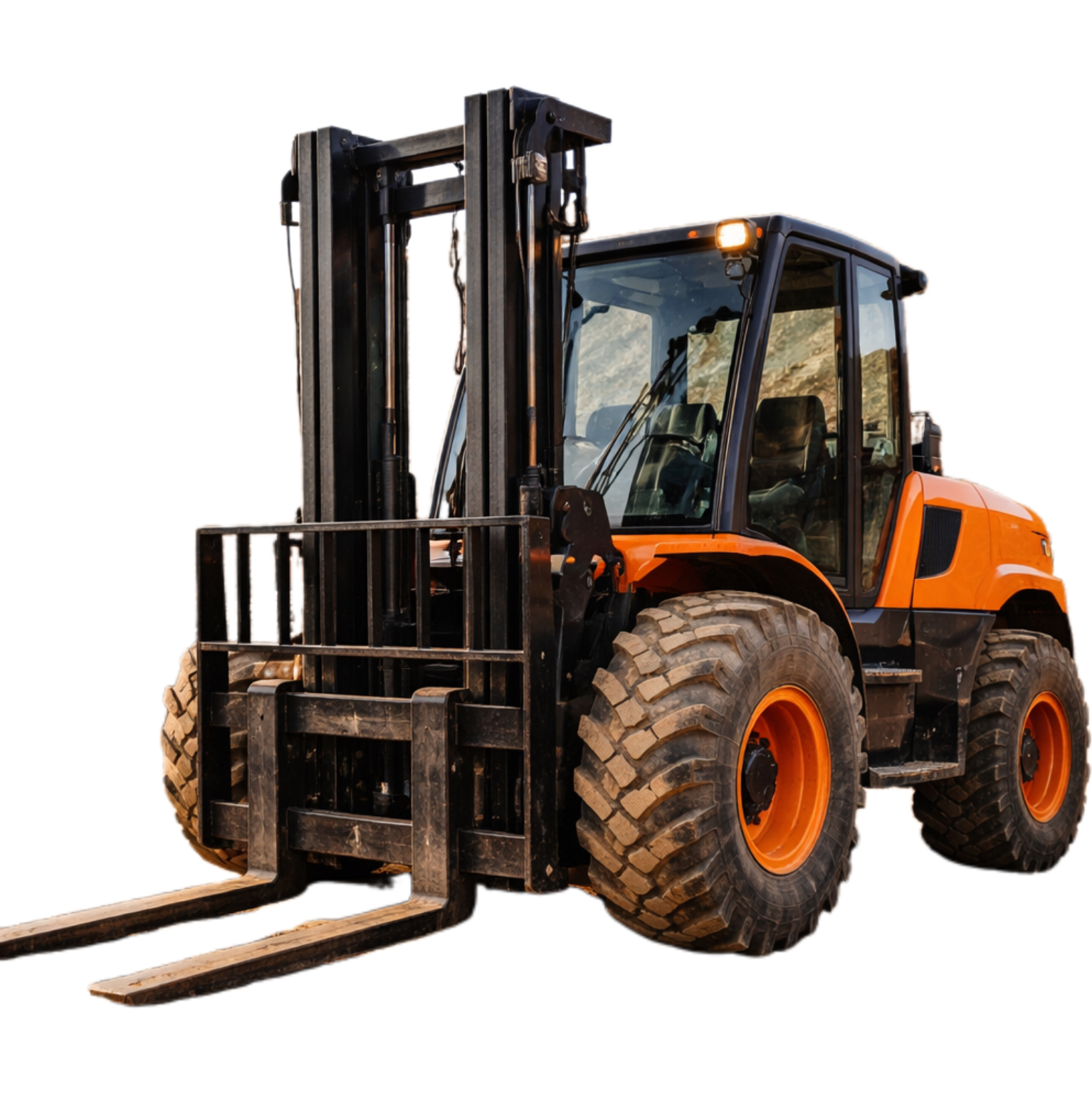
8. Off-Road Forklifts: Built for Rough Terrain
Off-road forklifts are designed for uneven ground and outdoor environments where standard forklifts cannot operate.
Key Advantages
Large pneumatic tires
High ground clearance
Strong chassis
Typical Applications
Construction sites
Agricultural operations
Outdoor material yards
Off-road forklifts ensure reliable performance in challenging terrain.
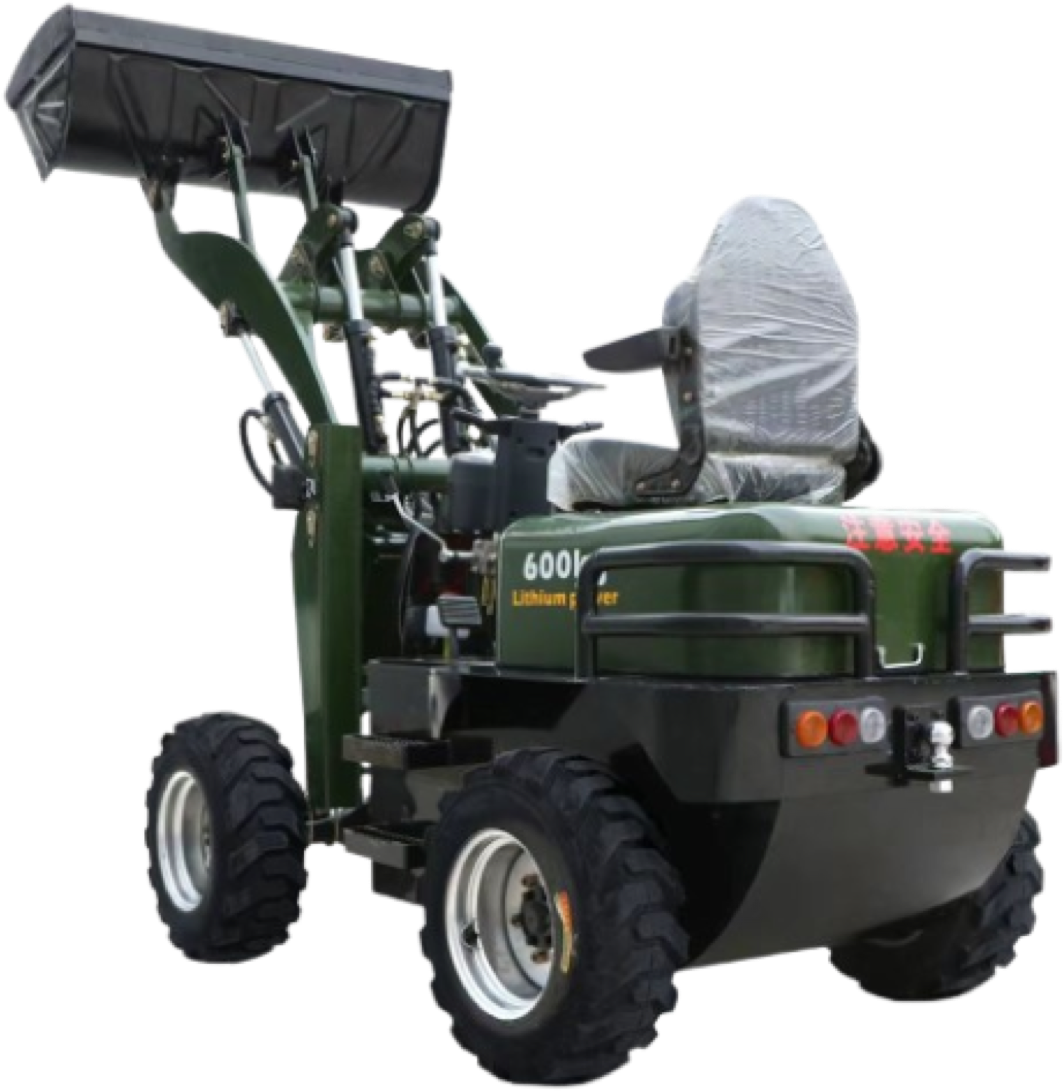
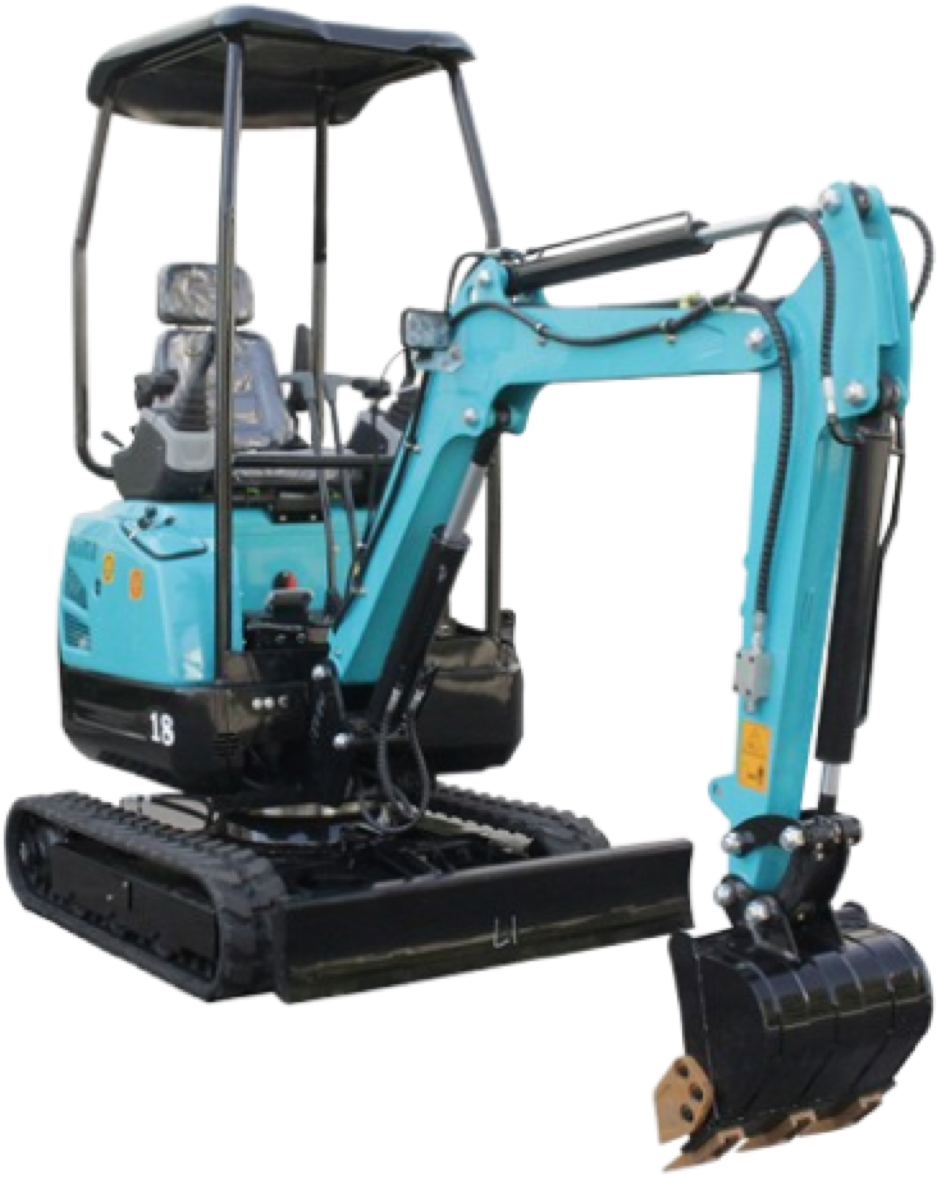
9. MINI Excavators: Compact Power for Construction and Landscaping
Mini excavators are compact machines designed for digging, trenching, and earthmoving in confined spaces.
Key Advantages
Small footprint
Easy transportation
Versatile attachments
Typical Applications
Construction projects
Landscaping
Utility installation
Mini excavators complement material handling equipment in construction environments.
10. Choosing the Right Equipment for Your Operation
When selecting material handling equipment, consider:
Indoor vs outdoor operation
Load capacity requirements
Space constraints
Energy and fuel availability
A combination of different machines often delivers the best results.
11. Integrated Equipment Strategy
Modern operations often use multiple machines together:
Electric forklifts for indoor handling
Reach trucks for high racks
Pallet trucks for ground-level transport
Diesel or off-road forklifts for outdoor work
This integrated approach improves overall efficiency.
12. Cost Efficiency and ROI
Choosing the right equipment reduces:
Labor costs
Maintenance expenses
Downtime
Well-matched machines deliver strong long-term returns.
13. Safety and Operator Training
Proper training is essential across all equipment types:
Certified operators
Regular inspections
Safety systems and procedures
Safety investments protect both people and assets.
14. Sustainability and Environmental Considerations
Electric equipment supports:
Reduced emissions
Lower noise pollution
Compliance with environmental regulations
Many companies are transitioning toward electric solutions.
15. Conclusion
Material handling equipment plays a vital role across warehouses, factories, and construction sites. From electric forklifts and reach trucks to pallet trucks, lifting platforms, off-road forklifts, and mini excavators, each machine serves a specific purpose.
Selecting the right combination of equipment improves efficiency, safety, and profitability while supporting long-term business growth.
Our manager will contact you shortly.
To contact you about our products and services.


Copyright © Xingtai Beiqiang Machinery Manufacturing Factory. 2025.
Technical support:Echola