

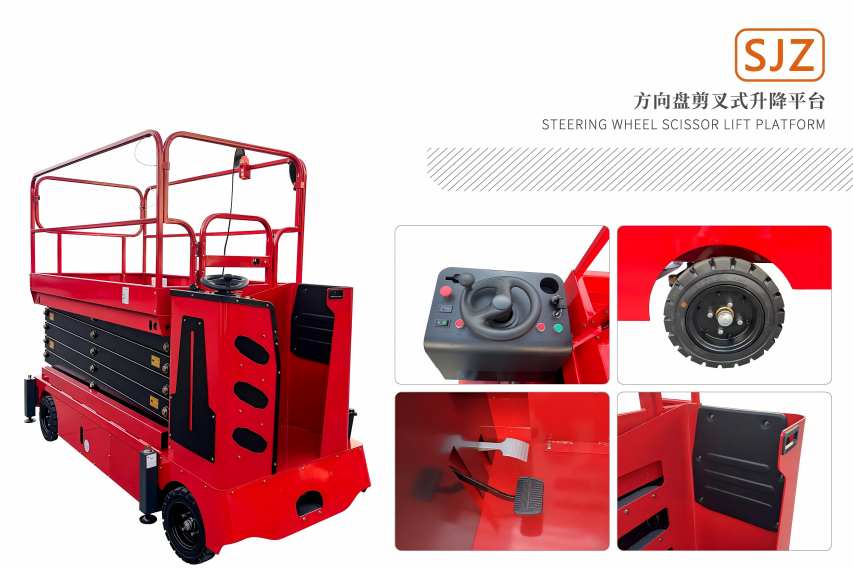
In the highly automated world of automotive manufacturing, certain tasks still require the dexterity and judgment of human workers, supported by specialized tools. The installation of the steering wheel, steering column, and associated components like airbags and switches is one such critical task. Steering Wheel Lift Platforms are ergonomic, height-adjustable workstations engineered specifically to facilitate this precise and physically demanding process, enhancing both quality and worker well-being.
What is a Steering Wheel Lift Platform?
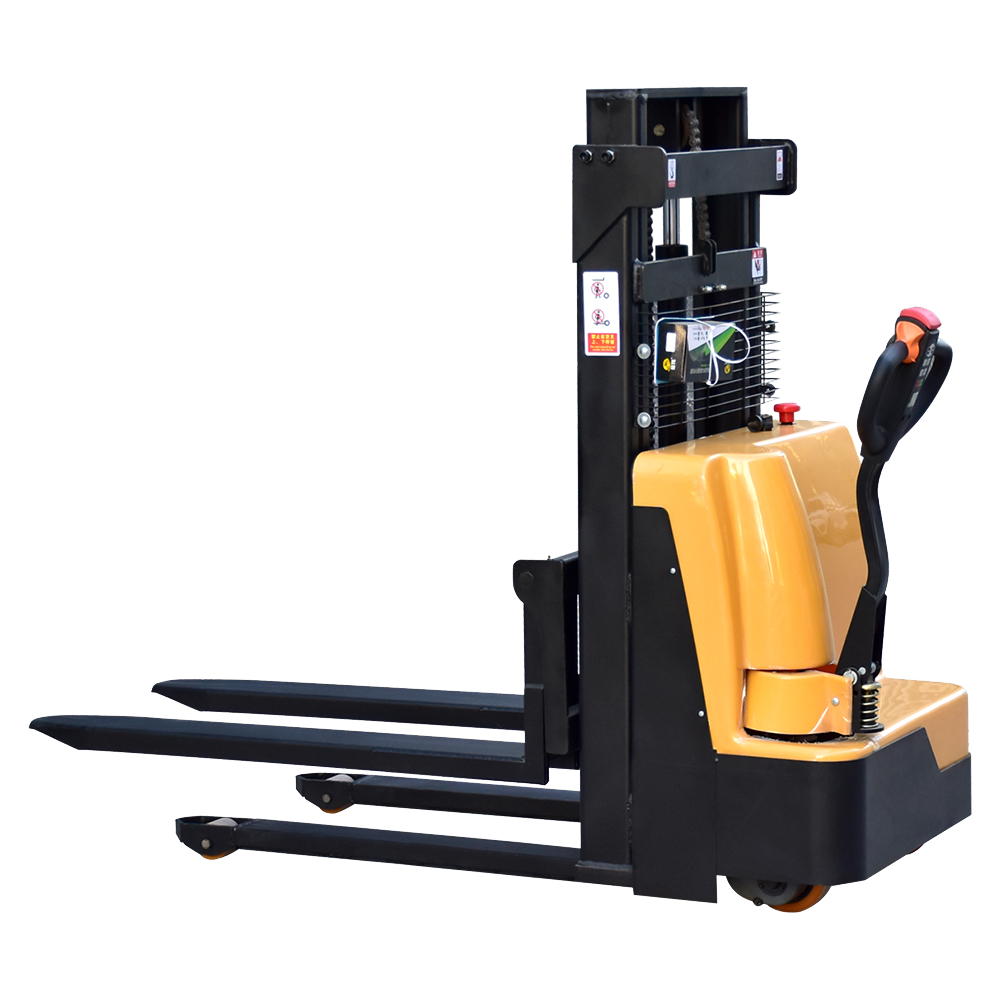
A Steering Wheel Lift Platform is a compact, mobile, or station-based lifting table designed to support the weight of a steering wheel assembly and position it at the exact optimal height for a worker to install it into a vehicle on the assembly line. It is not a personnel lift, but a material handling and positioning device that brings the heavy, unwieldy component to the worker, eliminating strenuous overhead work and awkward postures.
Core Functions and Design Features
Precision Lifting & Lowering: Utilizes smooth hydraulic or electric lifting mechanisms to allow micro-adjustments of height, typically within a range that aligns with the steering column entry point in various vehicle models (from sports cars to SUVs).
Component Cradle & Support: Features a custom-designed fixture or soft-lined cradle to securely hold the steering wheel assembly (wheel, airbag, column shroud) without causing scratches or damage to sensitive surfaces.
Mobility and Maneuverability: Often equipped with locking casters, allowing the platform to be easily moved along the assembly line and positioned precisely into the vehicle's interior. A compact footprint is crucial for navigating tight door openings.
Ergonomic Operation: Controls are positioned for easy access, and the lifting motion is designed to be effortless, allowing the worker to focus on alignment and fastening rather than supporting weight.
Optional Tool Integration: May include holders for required tools (e.g., torque wrenches, sockets) and parts bins for screws and connectors, creating a self-contained workstation.
Key Benefits in Production
Improved Ergonomics & Worker Safety: Eliminates the need for workers to manually lift and hold the heavy steering assembly overhead, dramatically reducing the risk of musculoskeletal injuries, strain, and fatigue.
Enhanced Installation Quality and Speed: By stabilizing the component at the perfect height and angle, the platform allows for precise alignment and easier bolt threading. This reduces installation errors, cross-threading, and damage, leading to faster cycle times and higher first-time quality.
Process Standardization: Ensures every steering wheel is installed using the same optimal method and posture, creating consistency across shifts and reducing variability.
Flexibility: Adjustable platforms can accommodate multiple vehicle models on a mixed production line, supporting just-in-time manufacturing.
Protection of High-Value Components: Prevents cosmetic and functional damage to expensive assemblies like airbag modules and leather-wrapped steering wheels during handling.
Typical Applications
Final Vehicle Assembly Lines: The primary use case for installing the complete steering wheel assembly into the car's cabin.
Pre-Assembly Stations: Used to mount switches, paddles, and trim onto the steering column before the final installation into the vehicle.
Quality Control and Inspection Stations: Allows inspectors to easily adjust the height of the wheel for checks on stitching, button function, or airbag alignment.
Prototype and Customization Shops: Useful for low-volume builders or shops installing aftermarket steering wheels.
Choosing the Right Platform
Key selection criteria include:
Load Capacity: Must safely support the weight of the heaviest steering assembly used.
Lift Range: Must cover the full height range from the worker's comfort zone to the vehicle's column mounting point.
Platform Size and Fixturing: The cradle must be adaptable or custom-made to fit specific component shapes.
Maneuverability: Swivel casters with floor locks are essential for precise positioning on the factory floor.
Power Source: Electric lifts offer cleaner, quieter operation with precise control, while hydraulic may be chosen for robustness in certain environments.
Conclusion: A Smart Investment in Human-Centric Automation
While not as conspicuous as robotic arms, the Steering Wheel Lift Platform represents a vital form of “low automation” or assistive technology. It directly addresses a key ergonomic challenge on the assembly line, protecting workers and empowering them to perform delicate, high-value tasks more effectively.
For any automotive manufacturer or assembly facility focused on building quality, ensuring worker safety, and optimizing line efficiency, investing in these specialized lifting platforms is a clear and calculated step towards a more sustainable and productive operation. It proves that sometimes, the most impactful innovation is the one that simply lifts the burden—literally—from the hands of skilled technicians.
Our manager will contact you shortly.
To contact you about our products and services.


Copyright © Xingtai Beiqiang Machinery Manufacturing Factory. 2025.
Technical support:Echola