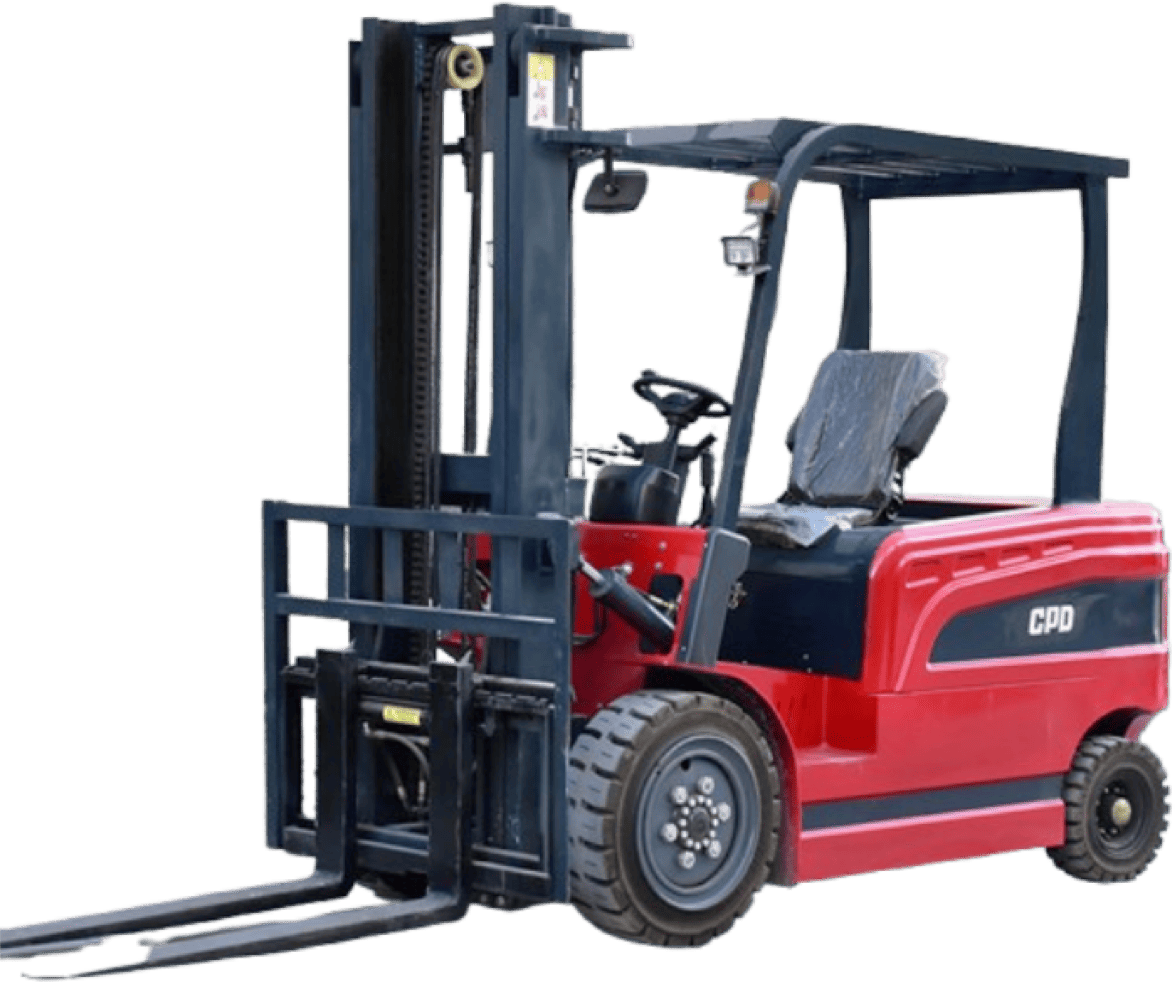
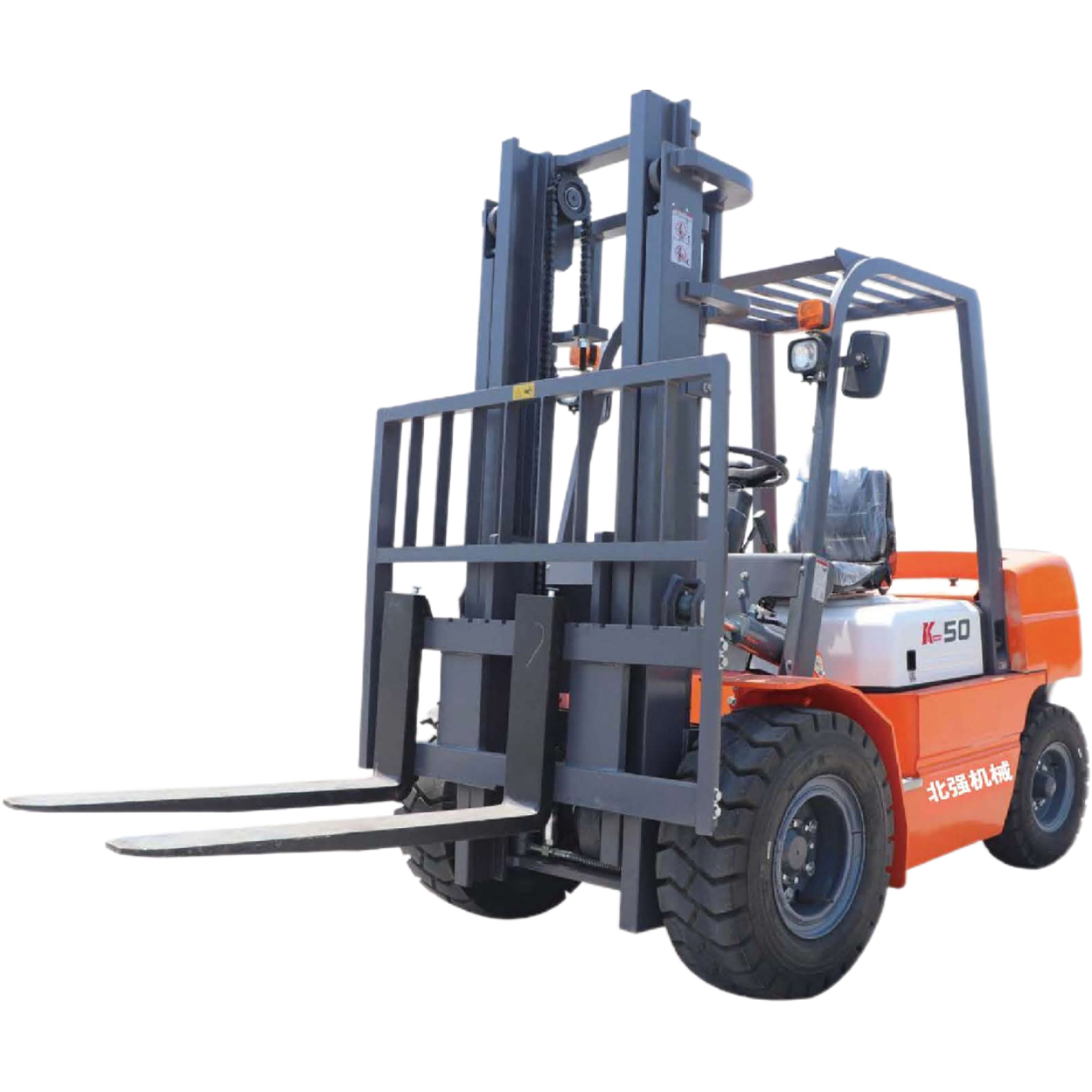
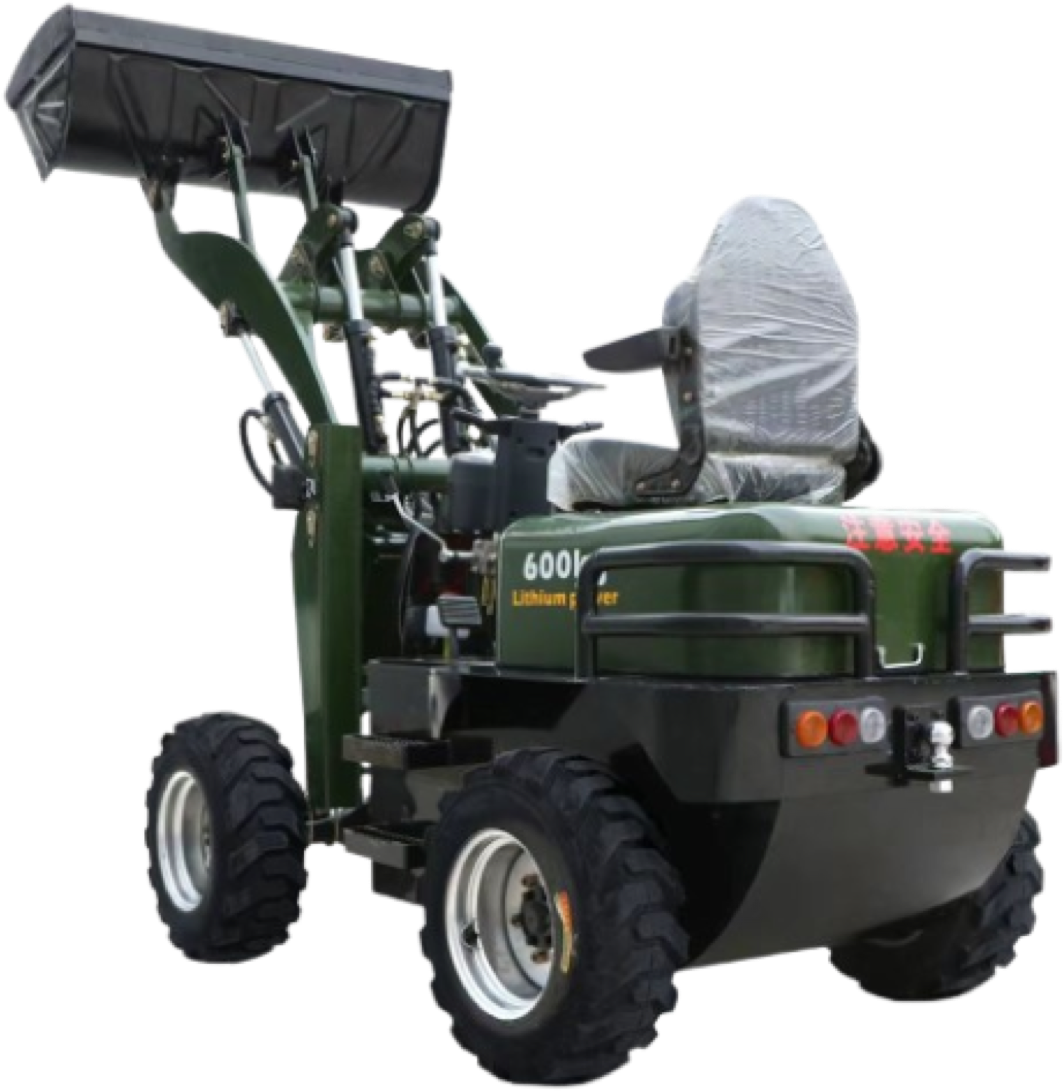
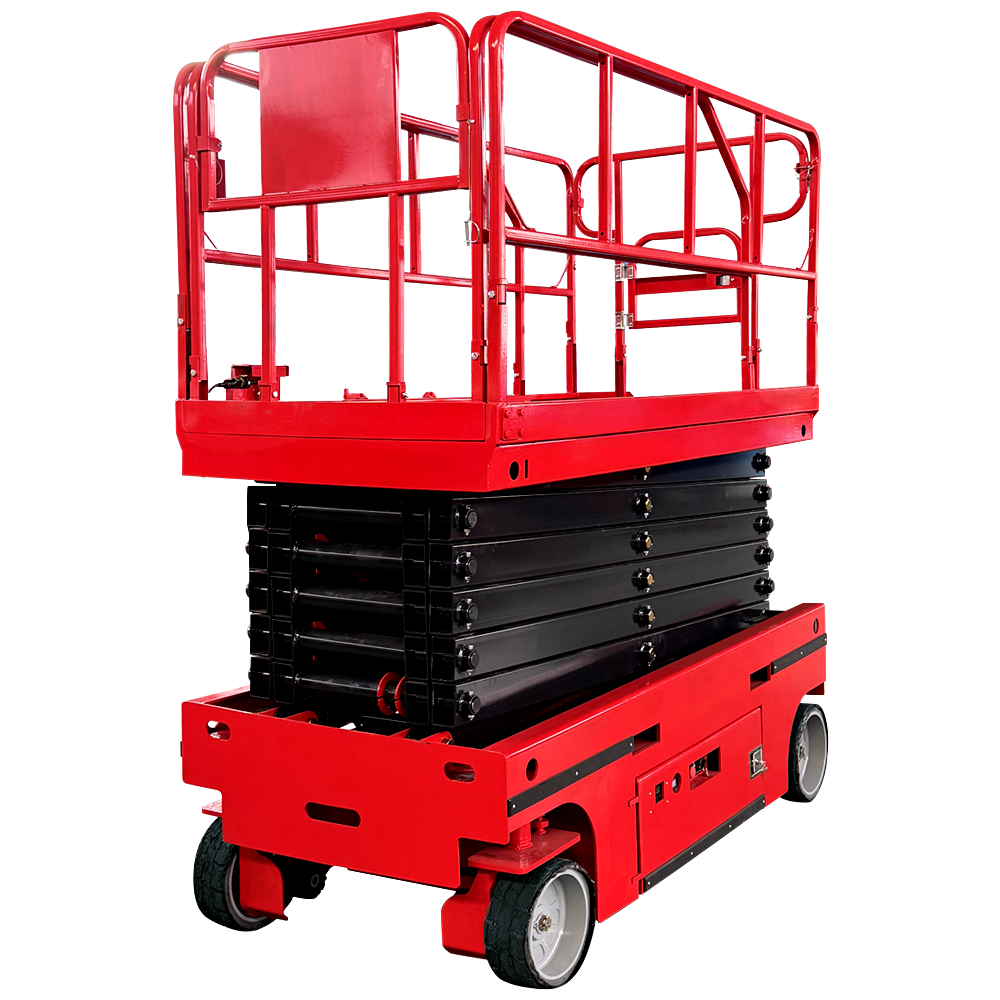
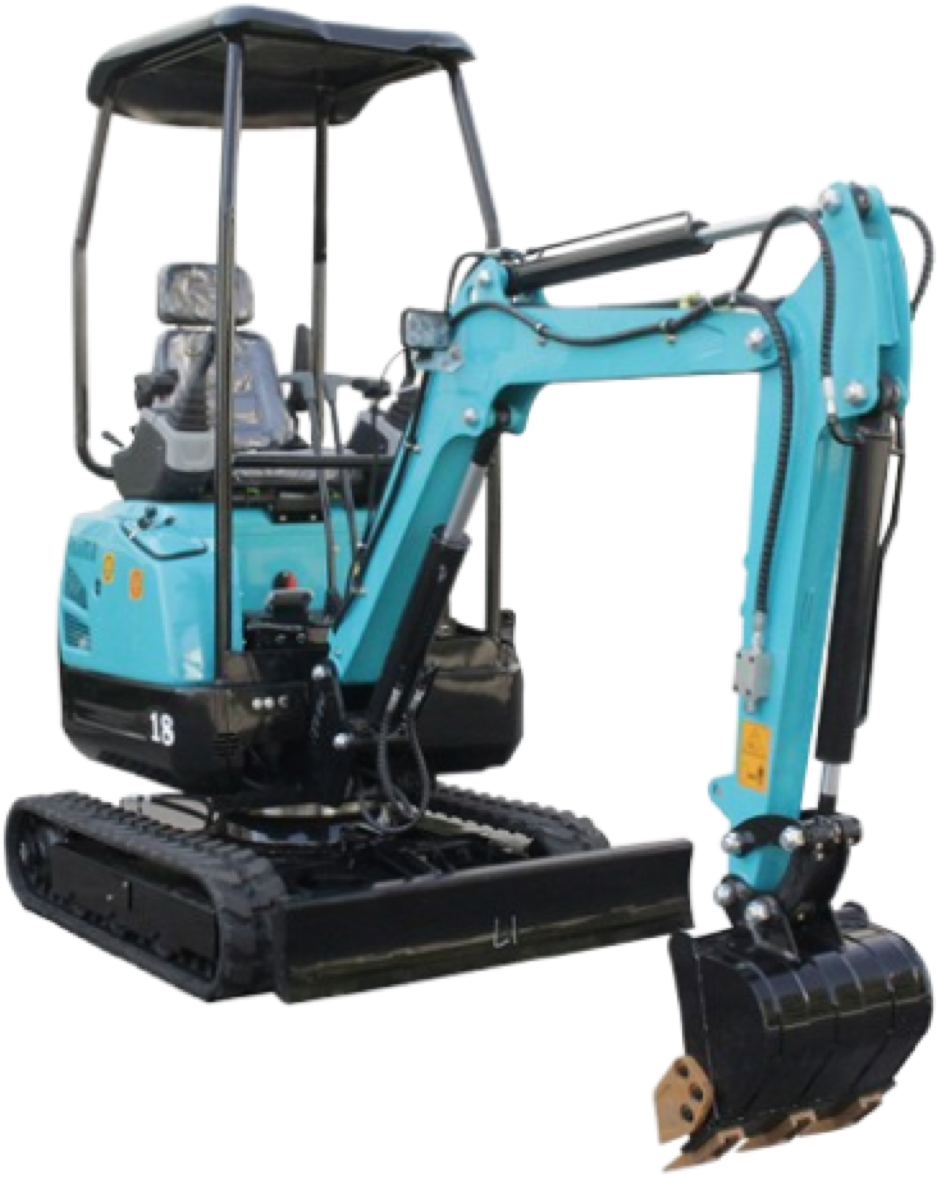
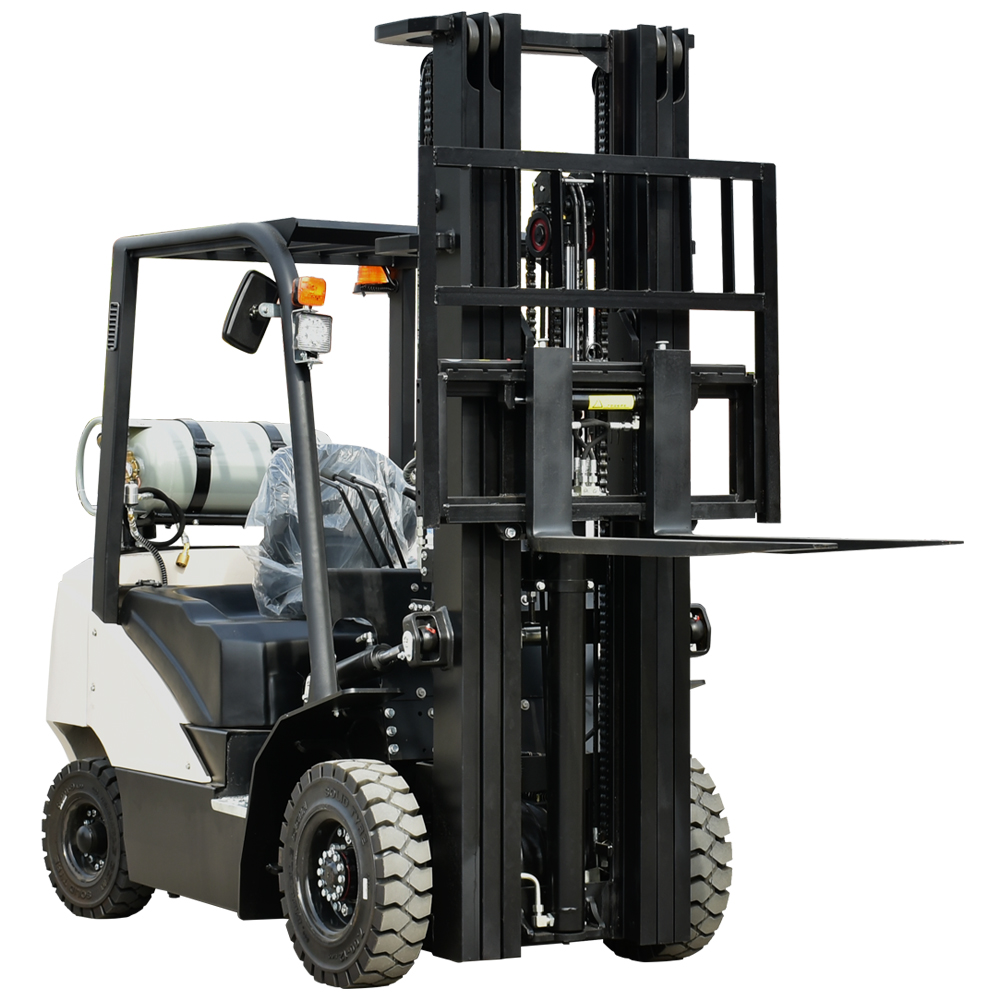
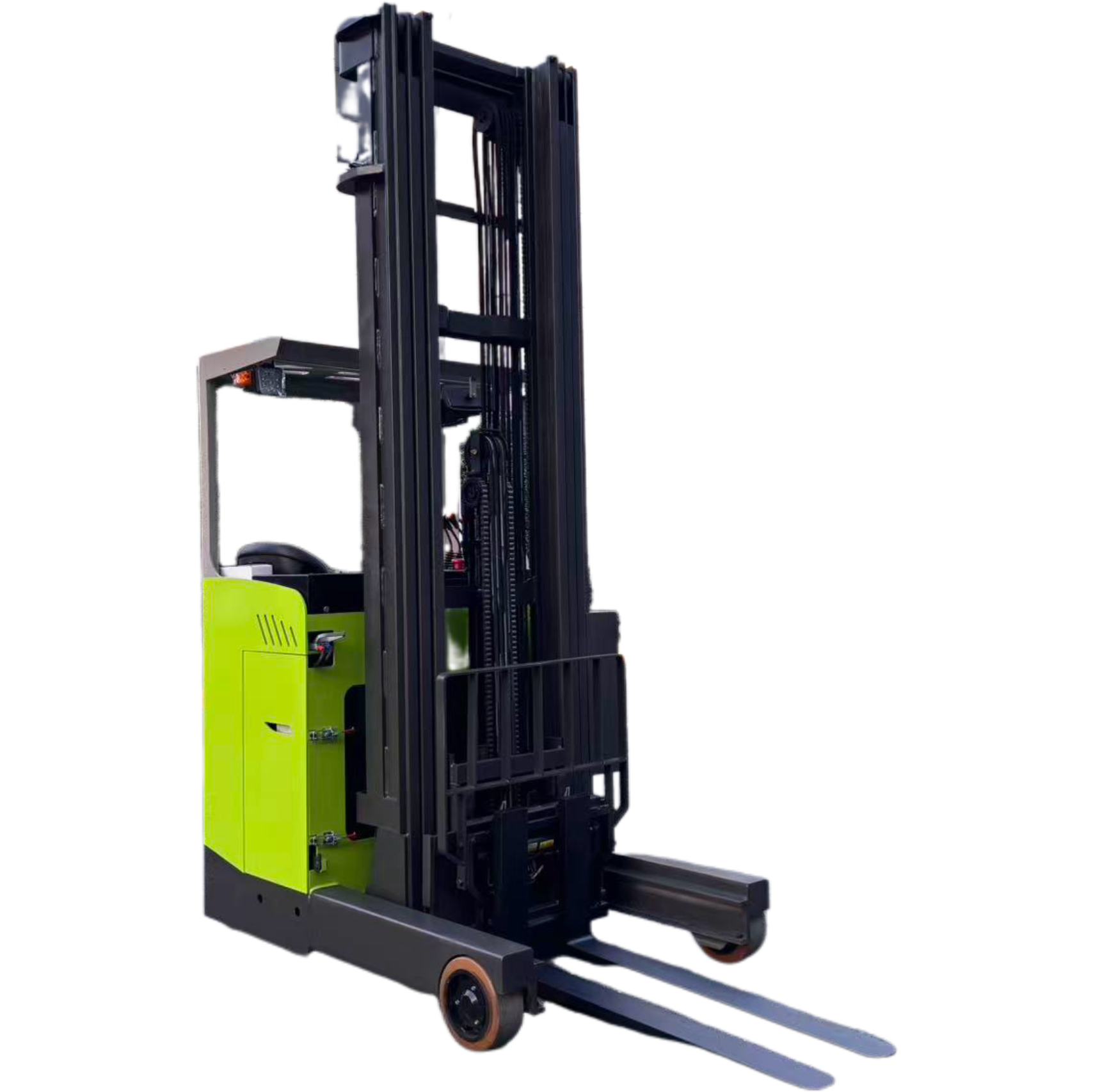
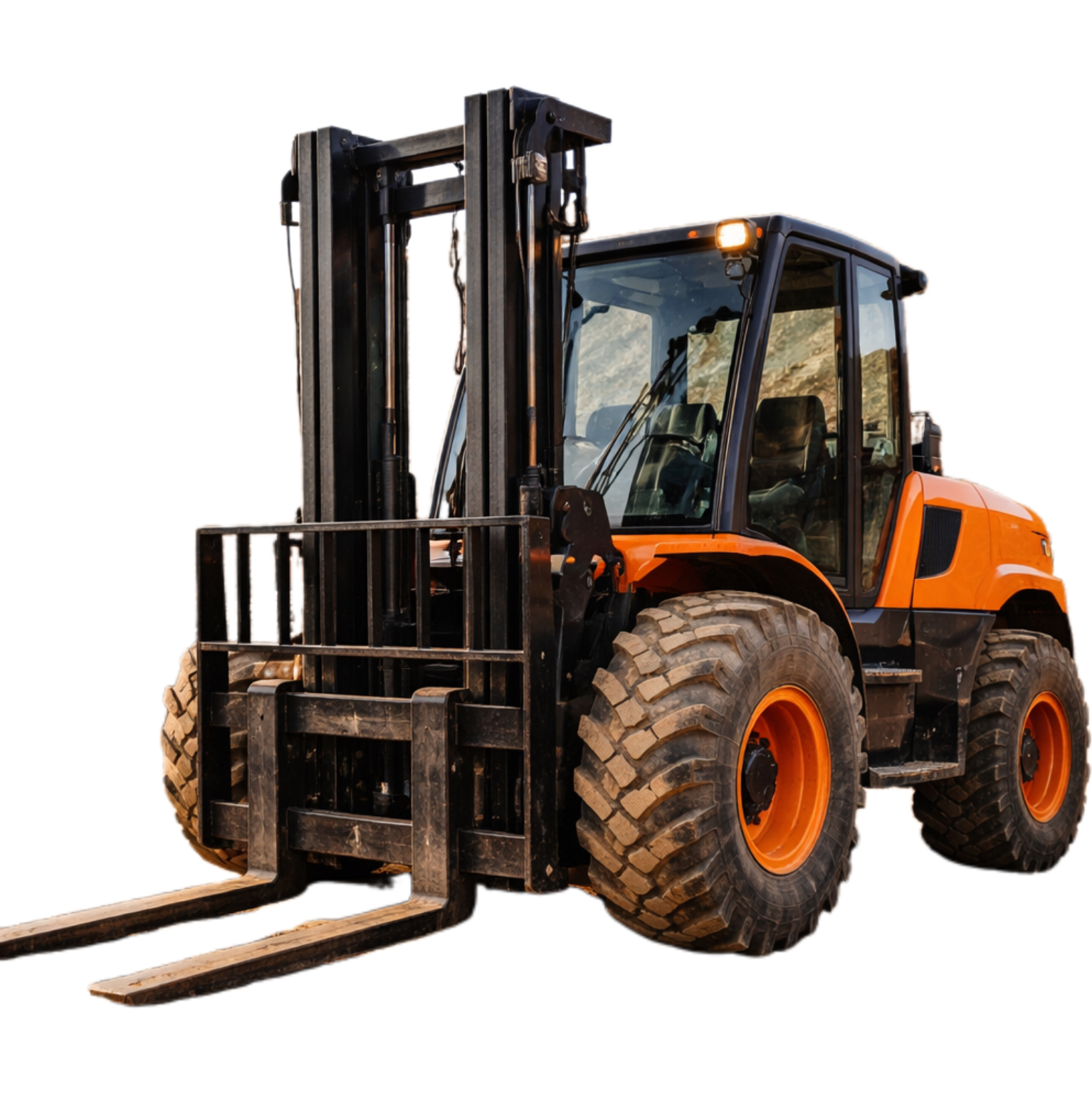


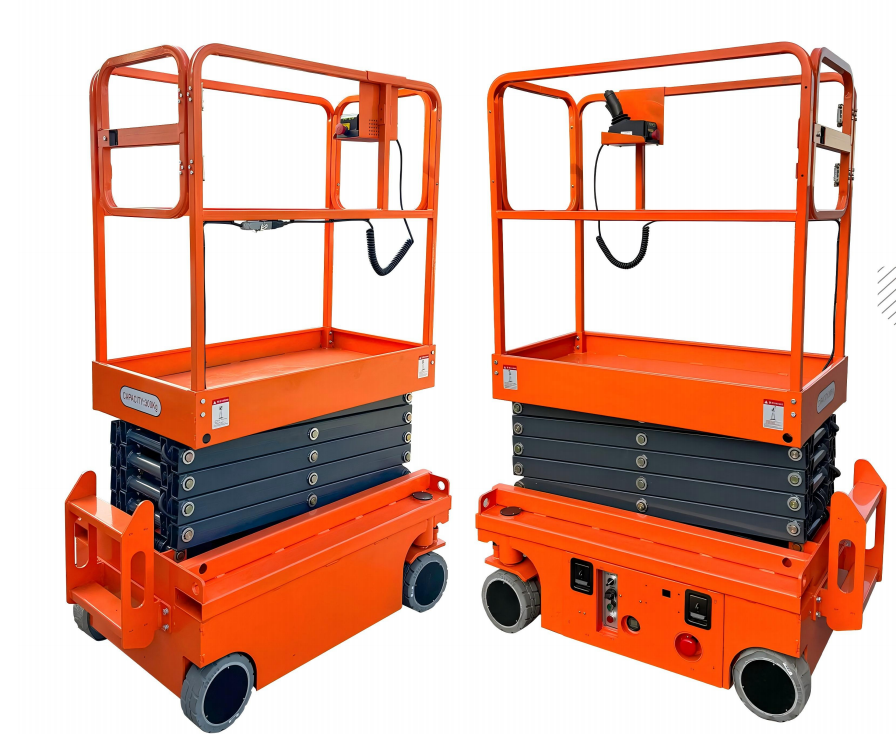
In the heart of modern manufacturing plants and bustling distribution warehouses, efficiency and safety are not just goals—they are imperatives. While aerial work platforms help people reach heights, industrial lifting platforms are the workhorses designed to move materials. These robust systems are critical for streamlining workflows, reducing physical strain on workers, and creating seamless transitions between different working levels.
Beyond Personnel Lifts: The Role of Material Handling Platforms
Industrial lifting platforms are engineered for durability and load capacity. Their primary function is to lift, lower, and position goods, pallets, machinery, or vehicles safely and precisely. They solve a fundamental challenge: bridging the gap between uneven working heights, which is a common source of bottlenecks, product damage, and workplace injuries.
Key Types of Industrial Lifting Platforms
Dock Lifts: The ultimate solution for loading and unloading where a permanent dock is unavailable or where heights vary (e.g., multiple truck heights). They create a safe, level bridge between the warehouse floor and the truck bed.
Heavy-Duty Scissor Lift Tables: These form the backbone of assembly lines and workstations. They allow workers to position heavy components at an ergonomic height, minimizing bending and lifting, which boosts productivity and reduces fatigue and musculoskeletal disorders.
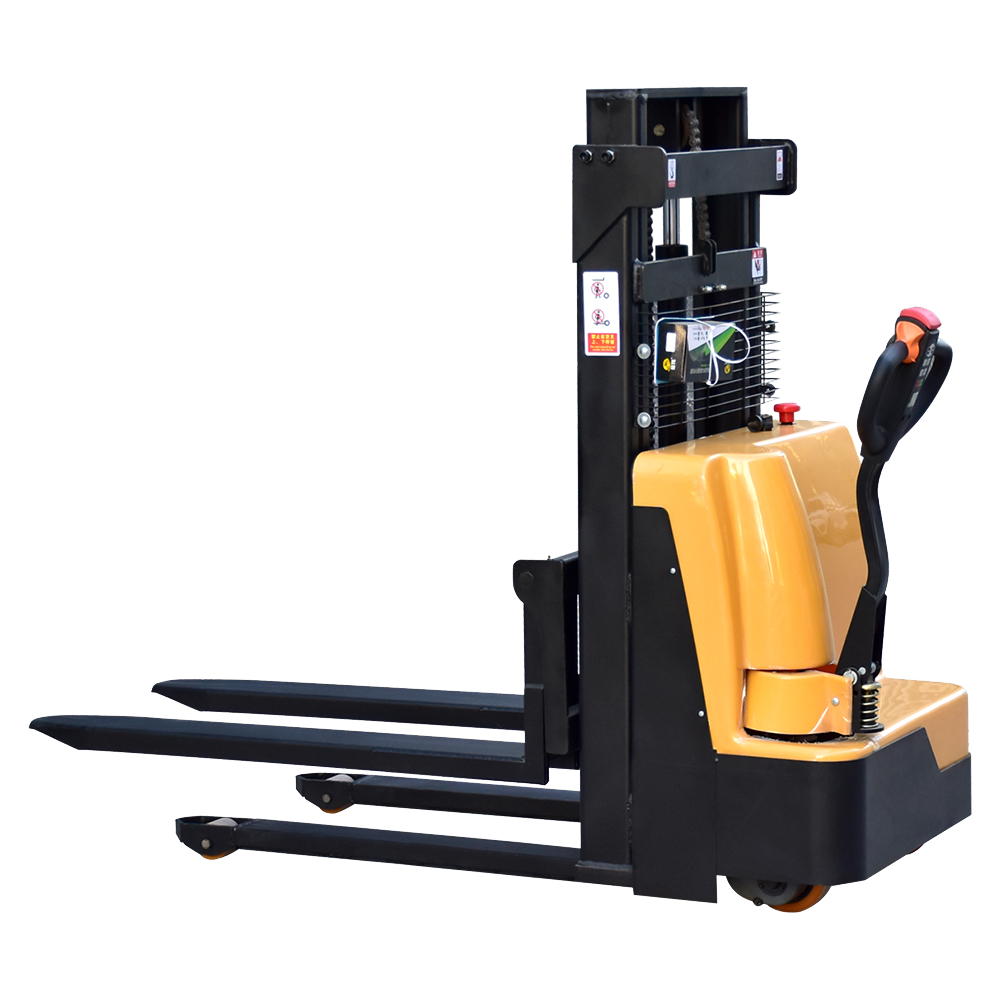
Pallet Lifts & Stackers: Designed specifically for transporting and lifting loaded pallets between floors or onto high shelving. They are essential for vertical storage optimization.
Custom-Engineered Lifting Systems: For unique challenges, platforms can be customized with special sizes, load capacities (often exceeding tens of tons), weatherproofing, or integration with conveyor systems and automation.
Core Benefits for Industrial Operations
Enhanced Productivity: Eliminate manual handling bottlenecks. Materials flow faster between processing stages, shipping docks, and storage areas.
Improved Ergonomics & Safety: Drastically reduce the risk of worker injury from heavy lifting, repetitive strain, and falls from improvised solutions. This leads to lower absenteeism and insurance costs.
Optimized Space Utilization: Enable efficient vertical storage and multi-level operations without the need for permanent, space-consuming ramps.
Versatility & Flexibility: A single platform can service multiple workstations or loading bays with varying height requirements, making it a cost-effective solution.
Protection of Goods: Precise, controlled lifting prevents damage to sensitive or high-value products during handling.
Critical Considerations for Selection
Choosing the right industrial platform requires a detailed analysis of your operation:
Load Capacity & Platform Size: Calculate the maximum weight and dimensions of the items to be lifted. Always include a safety margin.
Lift Height & Travel: Determine the exact vertical distance required between the lowered and fully raised positions.
Duty Cycle: How frequently will the lift be used? Intensive production environments require industrial-grade components.
Power Source: Hydraulic systems offer power for heavy loads, while electric systems are cleaner and quieter for indoor use. Consider power availability.
Site-Specific Features: Do you need pit installation (for a flush floor), weather resistance, non-spark components for hazardous areas, or special safety guards?
Integration with Automation and Industry 4.0
The future of industrial lifting is intelligent. Modern platforms can be equipped with:
Programmable Logic Controllers (PLCs) for automated sequencing.
Synchronization systems for multi-platform operation.
Sensors and IoT connectivity for predictive maintenance, usage tracking, and integration into a Smart Factory ecosystem.
Conclusion
An industrial lifting platform is more than just a piece of equipment; it is a strategic investment in operational excellence. By addressing the core challenges of material handling—safety, efficiency, and ergonomics—these platforms deliver a rapid return on investment through increased throughput, reduced labor costs, and a safer working environment.
Whether you are automating a new production cell or solving a persistent loading dock dilemma, the right industrial lifting solution provides the reliable, sturdy, and intelligent foundation for a smoother, more profitable operation.
Our manager will contact you shortly.
To contact you about our products and services.


Copyright © Xingtai Beiqiang Machinery Manufacturing Factory. 2025.
Technical support:Echola