

In today's industrial, construction, and maintenance sectors, working at height is a common necessity. To perform tasks safely and productively, reliable equipment is paramount. This is where scissor lifts and lifting platforms become indispensable tools. Also known as Mobile Elevating Work Platforms (MEWPs), these machines provide stable, elevated workspaces for personnel, tools, and materials.
What is a Scissor Lift / Lifting Platform?
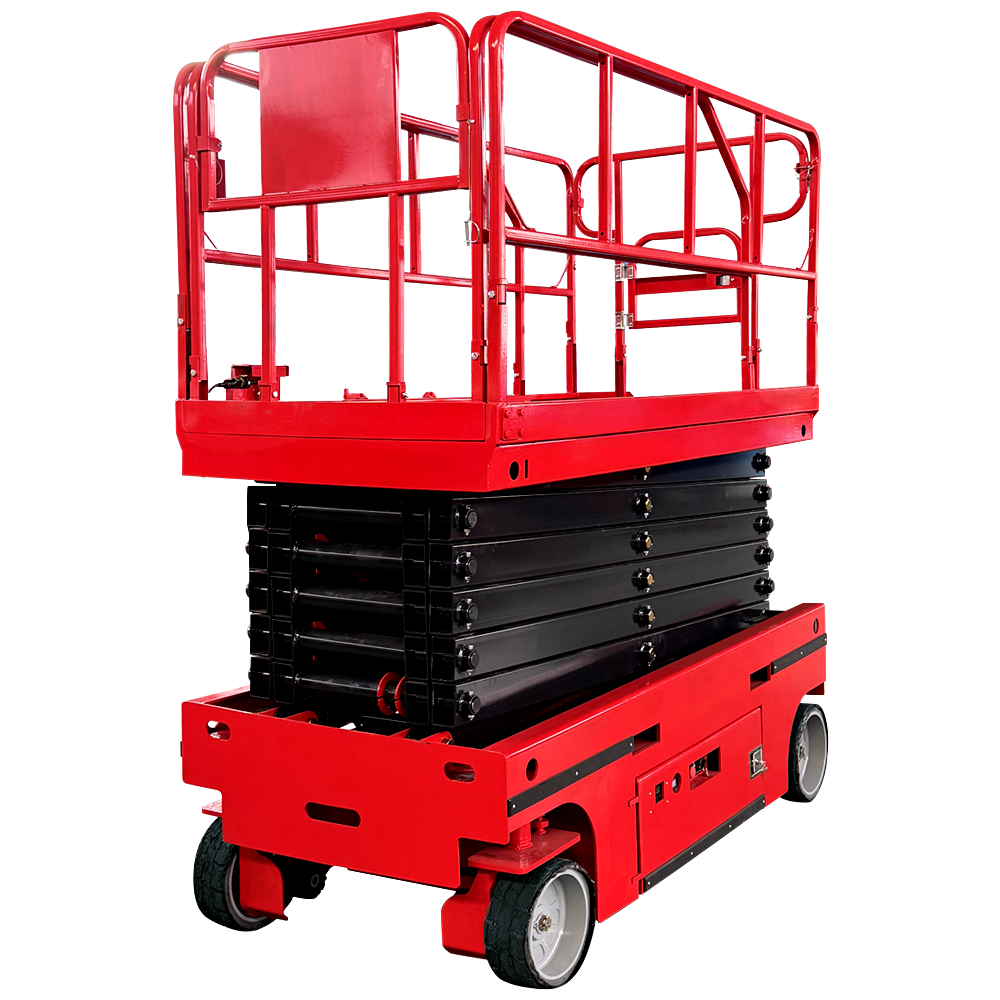
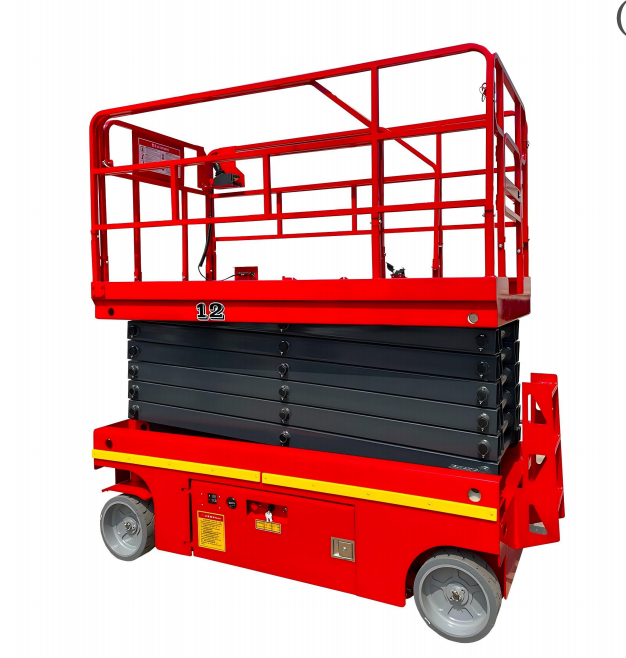
A scissor lift is a type of aerial work platform characterized by its criss-crossing "scissor" mechanism beneath the work platform. This mechanism extends vertically via hydraulic, pneumatic, or mechanical systems, lifting the platform in a straight, vertical line. The primary advantage is the large, stable work surface it offers, making it ideal for tasks requiring extended time at height, multiple workers, or heavy equipment.
Key Types of Lifting Platforms
Choosing the right platform depends on the work environment and requirements:
Electric Scissor Lifts: Powered by batteries, these are quiet, emission-free, and perfect for indoor use in warehouses, retail spaces, and manufacturing facilities. They offer excellent maneuverability.
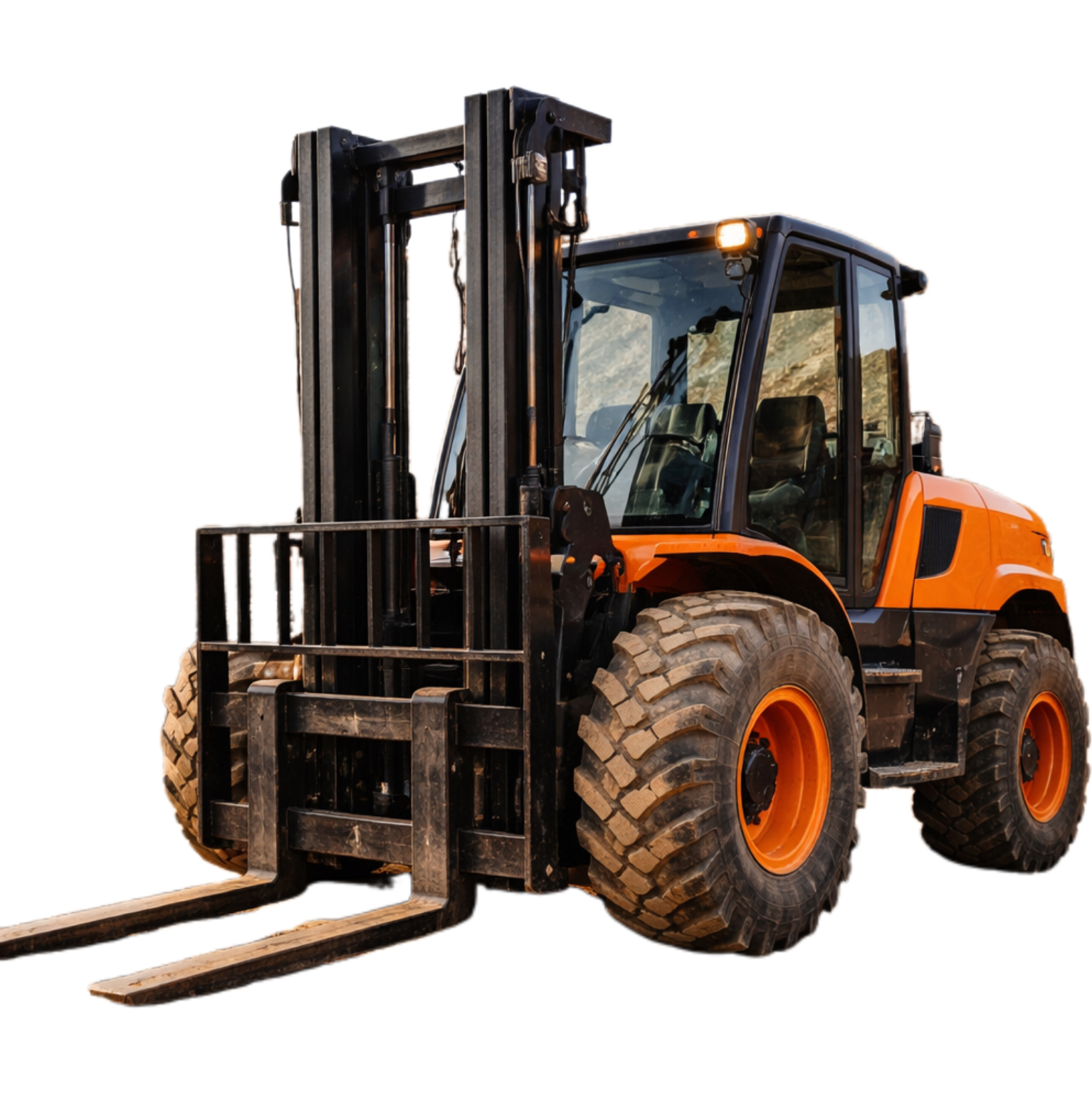
Rough Terrain Scissor Lifts: Equipped with large, pneumatic tires and powerful engines, these are built for outdoor construction sites and uneven ground. They often have 4-wheel drive for enhanced traction.
Hydraulic Lifting Platforms: These rely on robust hydraulic systems for powerful lifting capabilities, often found in heavy-duty industrial applications.
Self-Propelled vs. Manual Push: Self-propelled lifts have drive controls on the platform, allowing the operator to easily move the machine while elevated. Manual push models require physical pushing at the base to relocate.
Boom Lifts (Articulating & Telescopic): While not scissor lifts, they are a crucial category of lifting platforms. Boom lifts have an articulated or telescopic arm that can extend both vertically and horizontally, offering reach over obstacles—something scissor lifts cannot do.
Primary Applications and Benefits
Lifting platforms are versatile and used across numerous industries:
Construction: Facade work, electrical installation, HVAC, painting, and ceiling work.
Warehousing & Logistics: Stock picking, shelf maintenance, lighting repair, and inventory management in high-bay warehouses.
Manufacturing: Assembly line support, equipment maintenance, and plant facility upkeep.
Retail & Entertainment: Signage installation, lighting rigging, decoration, and stage setup.
The benefits are clear:
Enhanced Safety: Reduce the risk of falls compared to ladders and scaffolding when used correctly.
Increased Productivity: Workers can complete tasks faster with all tools at hand on a stable platform.
Improved Accessibility: Effortlessly reach high areas with minimal setup time.
Operational Flexibility: Easy to move and reposition on-site.
Essential Safety Practices
Safety is the highest priority when operating any lifting platform. Key rules include:
Training & Authorization: Only trained and certified personnel may operate the equipment.
Pre-Use Inspection: Conduct a thorough check of controls, guardrails, tires, brakes, and emergency functions before each shift.
Stability & Ground Conditions: Always use on solid, level ground. Deploy outriggers if equipped. Be aware of slopes, holes, and debris.
Fall Protection: Wear a full-body harness with a lanyard attached to the designated anchor point on the platform at all times.
Load Capacity: Never exceed the manufacturer's stated maximum load limit (including personnel, tools, and materials).
Overhead Hazards: Maintain a safe distance from electrical wires, ceilings, and other obstructions. Assume all overhead lines are energized.
How to Choose the Right Equipment
Consider these factors for an optimal selection:
Working Height & Reach: Determine the maximum height you need to access.
Indoor vs. Outdoor Use: Choose electric for indoors, rough terrain for outdoors.
Platform Size & Capacity: Consider how many workers and what tools/materials need to be lifted.
Maneuverability & Access: Check the machine's width to ensure it can fit through doorways, aisles, and around tight site obstacles.
Power Source: Evaluate availability of charging for electric models or fuel for engine-powered ones.
Conclusion
Scissor lifts and lifting platforms are fundamental to modern, safe work at height. By understanding the different types, adhering to stringent safety protocols, and selecting the correct equipment for the job, businesses can significantly boost efficiency while protecting their most valuable asset: their workforce. Investing in proper equipment and training is not just a regulatory compliance issue—it's a cornerstone of operational excellence.
Whether for a one-day maintenance job or a multi-year construction project, the right lifting platform provides the stable, secure, and productive access that today's industries demand.
Our manager will contact you shortly.
To contact you about our products and services.


Copyright © Xingtai Beiqiang Machinery Manufacturing Factory. 2025.
Technical support:Echola