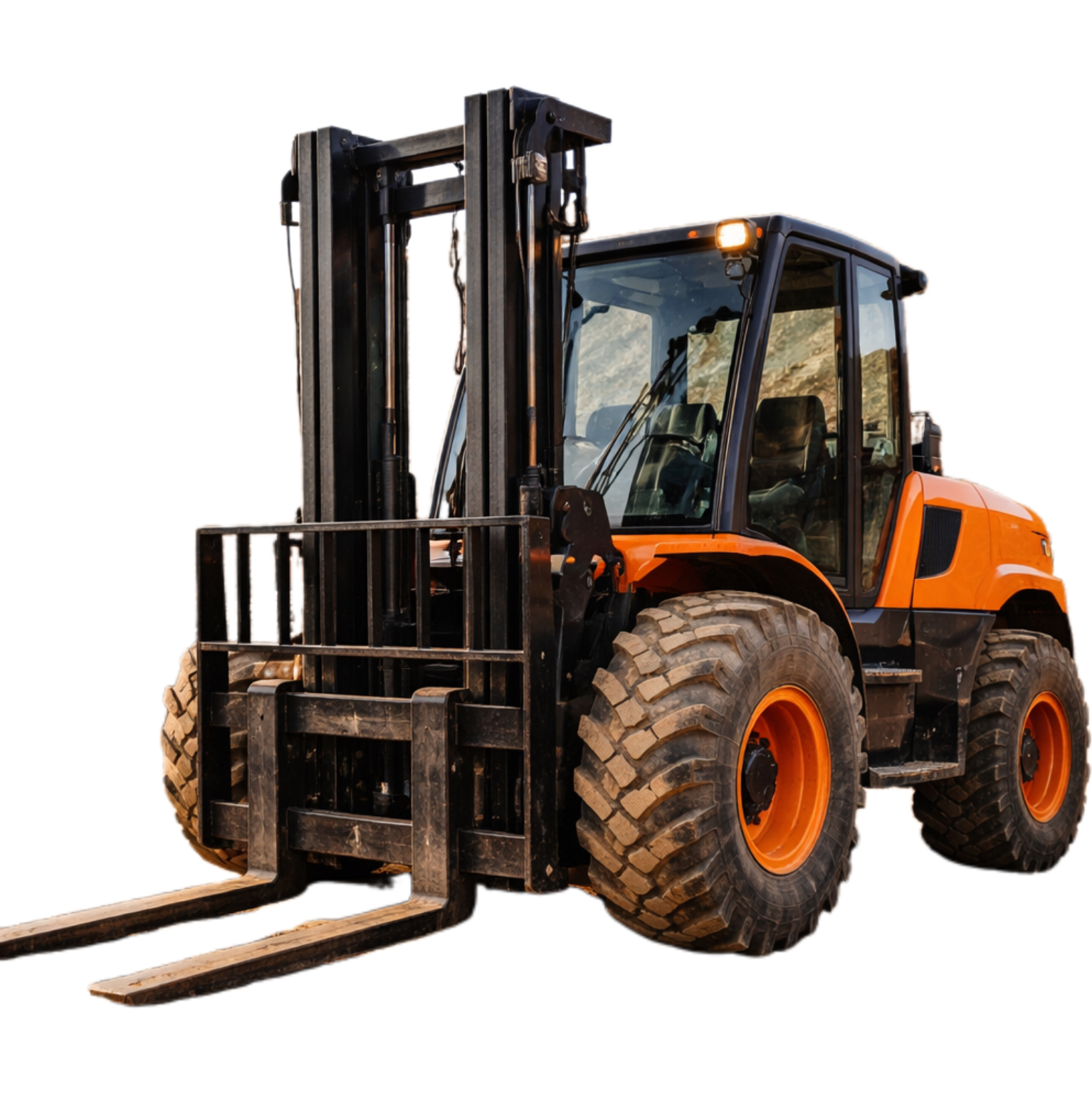


High-Efficiency Solutions for Narrow Aisle and High-Rack Warehousing
As warehouse space becomes more valuable and storage density continues to increase, reach trucks have become essential equipment for modern logistics and distribution centers. Designed specifically for narrow aisles and high-level racking, reach trucks maximize vertical storage while maintaining high operational efficiency.
This article provides an in-depth overview of reach trucks, including their design, advantages, applications, and how they differ from other warehouse lifting equipment.
1. What Is a Reach Truck?
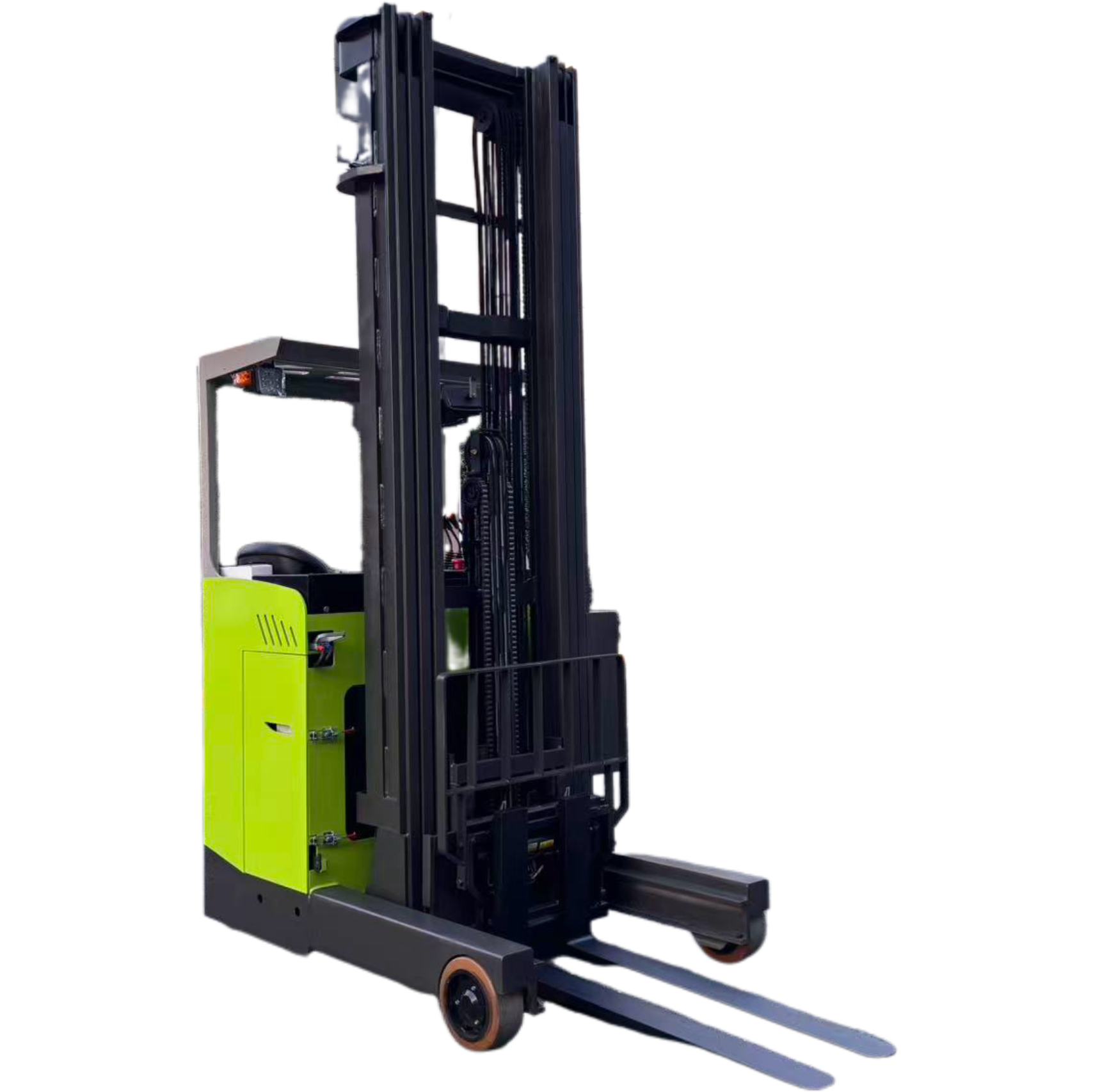
A reach truck is a type of electric forklift designed for narrow aisle warehouses. It features extendable forks or a moving mast that allows the operator to “reach” into storage racks without moving the entire truck.
Reach trucks are optimized for:
High stacking heights
Narrow aisle operation
Indoor warehouse environments
2. How Reach Trucks Work
Reach trucks operate using:
Electric drive motors
Reach mechanisms that extend and retract forks
Advanced hydraulic lifting systems
The reach function allows precise pallet placement at high elevations.
3. Key Design Features of Reach Trucks
Reach Mechanism
Allows the forks to extend forward into racks and retract for travel.
Narrow Chassis
Enables operation in aisles as narrow as 2.5 meters.
High Mast
Supports lifting heights of 8–12 meters or more.
Electric Power System
Provides quiet, emission-free indoor operation.
4. Key Advantages of Reach Trucks
Maximized Storage Density
Narrow aisles and high lift capability significantly increase warehouse capacity.
Excellent Visibility
Open mast design improves operator line of sight.
Precision Handling
Ideal for high-rack pallet placement.
Energy Efficiency
Electric power reduces operating costs.
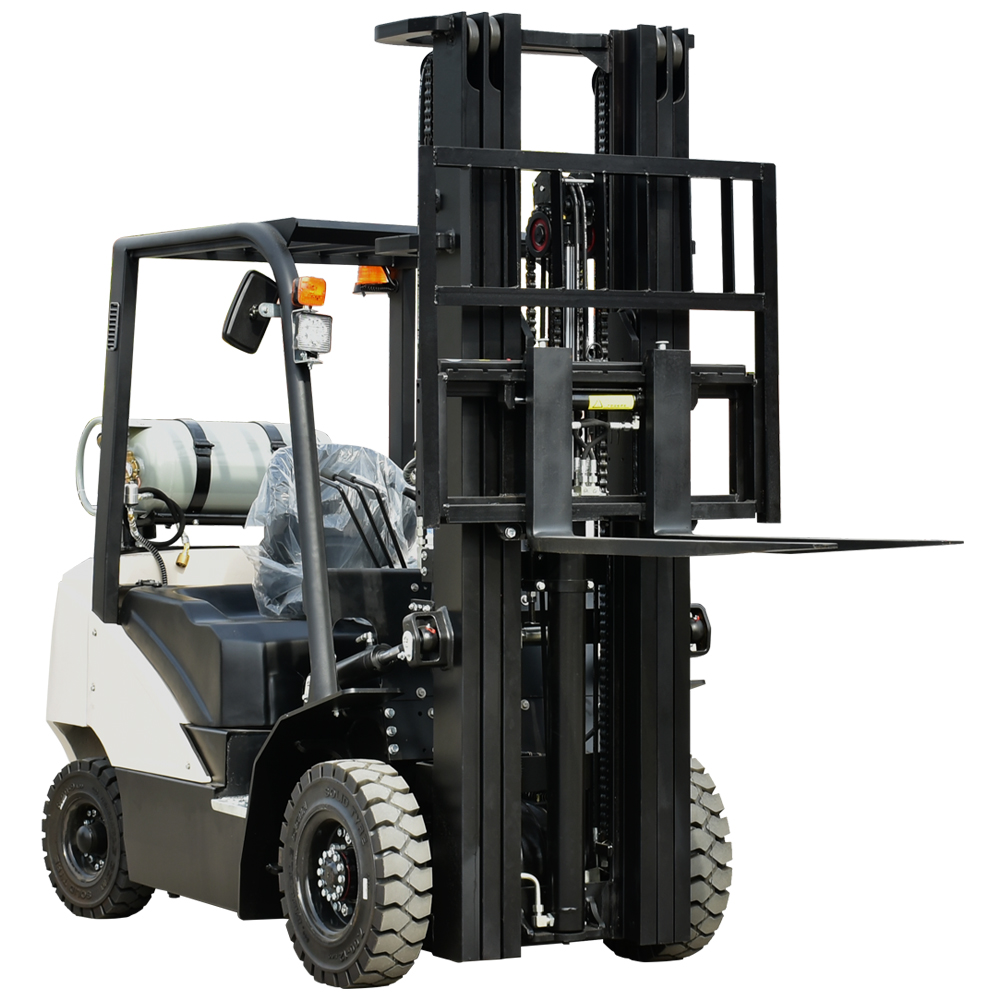
5. Reach Trucks vs Counterbalance Forklifts
| Feature | Reach Truck | Counterbalance Forklift |
|---|---|---|
| Aisle width | Narrow | Wide |
| Lift height | Very high | Medium |
| Indoor use | Excellent | Good |
| Outdoor use | Limited | Good |
Reach trucks are optimized for high-density indoor storage.
6. Reach Trucks vs Electric Stackers
| Feature | Reach Truck | Electric Stacker |
|---|---|---|
| Lift height | Higher | Medium |
| Stability | Superior | Moderate |
| Operator position | Seated/stand-up | Walkie/ride-on |
| Cost | Higher | Lower |
Reach trucks deliver higher productivity in large-scale warehouses.
7. Typical Applications of Reach Trucks
Reach trucks are widely used in:
Distribution centers
E-commerce fulfillment warehouses
Cold storage facilities
High-bay racking systems
They are essential for maximizing cubic storage volume.
8. Load Capacity and Lift Height
Reach trucks typically offer:
Load capacities from 1,400 kg to 2,500 kg
Lift heights from 6 m to over 12 m
This combination supports efficient high-rack operations.
9. Battery and Power Options
Most reach trucks use:
Lead-acid batteries
Lithium-ion batteries for fast charging
Lithium batteries support multi-shift operations and opportunity charging.
10. Operator Ergonomics and Safety
Modern reach trucks feature:
Adjustable seats or operator compartments
Ergonomic control layouts
Stability control systems
Height and load monitoring
These features ensure safe operation at high lift heights.
11. Warehouse Layout Requirements
Effective reach truck operation requires:
Flat, high-quality flooring
Narrow aisle racking systems
Clear height markings
Proper layout planning is critical.
12. Maintenance and Service
Reach trucks require:
Regular battery maintenance
Hydraulic system checks
Reach mechanism inspection
Preventive maintenance ensures long-term reliability.
13. Total Cost of Ownership (TCO)
While reach trucks have higher upfront costs, they offer:
Increased storage capacity
Higher picking efficiency
Lower energy costs
The ROI is excellent for high-volume warehouses.
14. Reach Trucks in Modern Logistics
Reach trucks are often combined with:
Pallet trucks for floor transport
Electric stackers for light stacking
Automated systems
This creates an optimized material flow.
15. Environmental Benefits
Electric reach trucks produce:
Zero emissions
Low noise levels
They are ideal for environmentally controlled warehouses.
16. Choosing the Right Reach Truck
Key factors include:
Maximum lift height
Load weight at height
Aisle width
Battery type
Correct selection ensures efficiency and safety.
17. Future Trends in Reach Trucks
Trends include:
Higher lift heights
Advanced telematics
Semi-automation
Reach trucks continue to evolve with warehouse technology.
18. Conclusion
Reach trucks are indispensable for modern, high-density warehouses. With their narrow aisle capability, high lifting performance, and precision handling, they enable businesses to maximize storage capacity and operational efficiency.
For warehouses seeking scalable and space-efficient solutions, reach trucks represent a strategic investment.
Our manager will contact you shortly.
To contact you about our products and services.


Copyright © Xingtai Beiqiang Machinery Manufacturing Factory. 2025.
Technical support:Echola