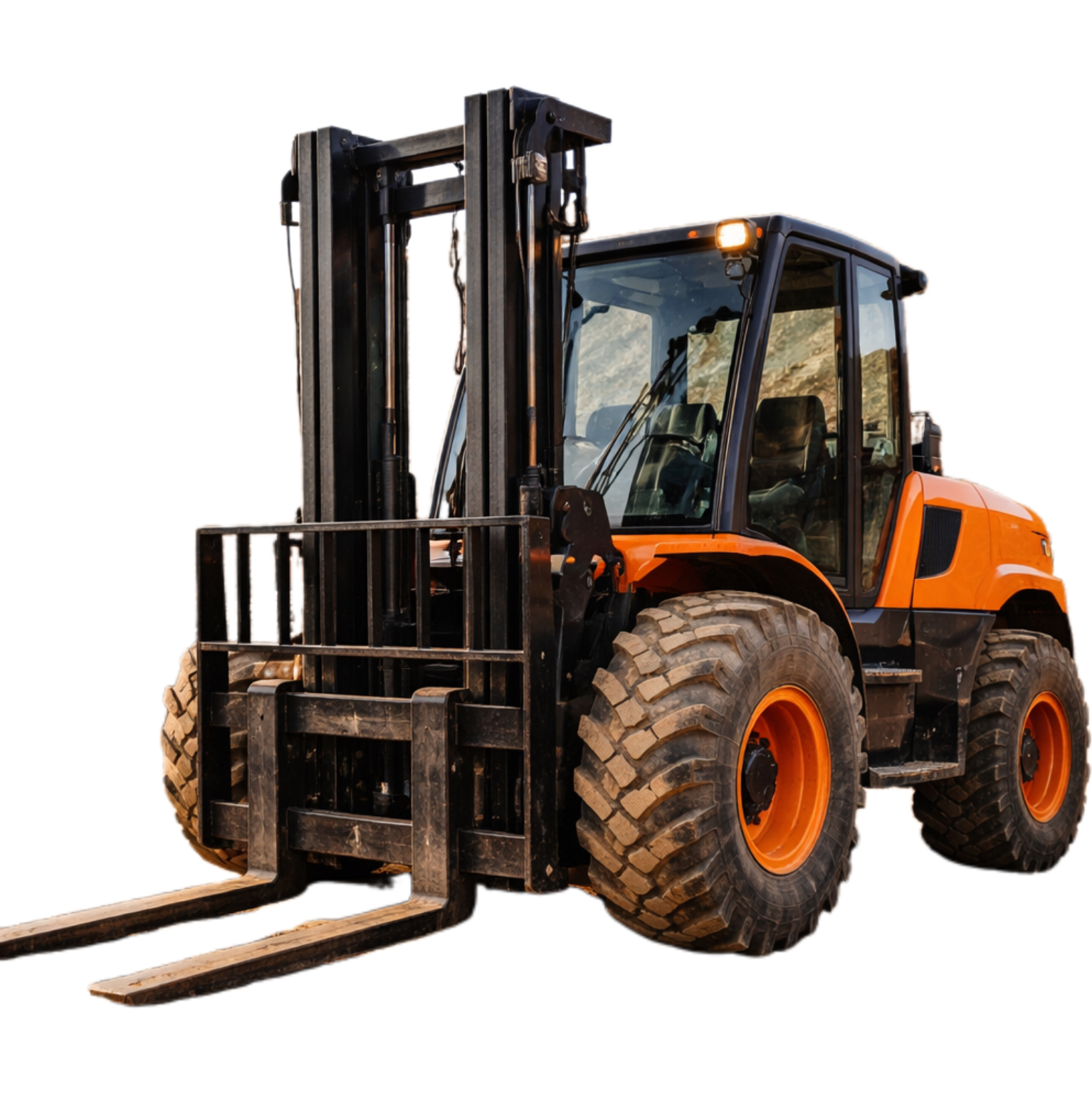


Essential and Cost-Effective Tools for Warehouse Material Handling
In warehouses, distribution centers, and retail logistics operations, pallet trucks—also known as pallet jacks—are among the most essential material handling tools. Their simplicity, reliability, and affordability make them indispensable for short-distance pallet transport.
This article explores pallet trucks in detail, covering their types, advantages, applications, safety considerations, and role in modern warehouse operations.
1. What Is a Pallet Truck?
A pallet truck is a wheeled device designed to lift and transport palletized loads over short distances. Unlike forklifts or stackers, pallet trucks focus on horizontal movement rather than vertical stacking.
They are widely used in:
Warehouses
Supermarkets
Factories
Loading docks
2. How Pallet Trucks Work
Pallet trucks operate using:
Fork arms for pallet entry
Hydraulic lifting mechanisms
Steering handles
Manual models rely on operator pumping, while electric models use battery-powered lifting and drive systems.
3. Types of Pallet Trucks
Manual Pallet Trucks
The most common and economical option, suitable for light-duty tasks.
Electric Pallet Trucks
Powered by batteries, ideal for high-volume operations and longer distances.
High-Lift Pallet Trucks
Allow lifting pallets to ergonomic working heights.
Rough Terrain Pallet Trucks
Designed for outdoor use on uneven surfaces.
4. Key Advantages of Pallet Trucks
Low Purchase Cost
Pallet trucks are among the most affordable material handling solutions.
Ease of Use
Minimal training required, making them ideal for fast deployment.
Compact Design
Excellent maneuverability in tight spaces.
Low Maintenance
Simple mechanical structure reduces servicing needs.
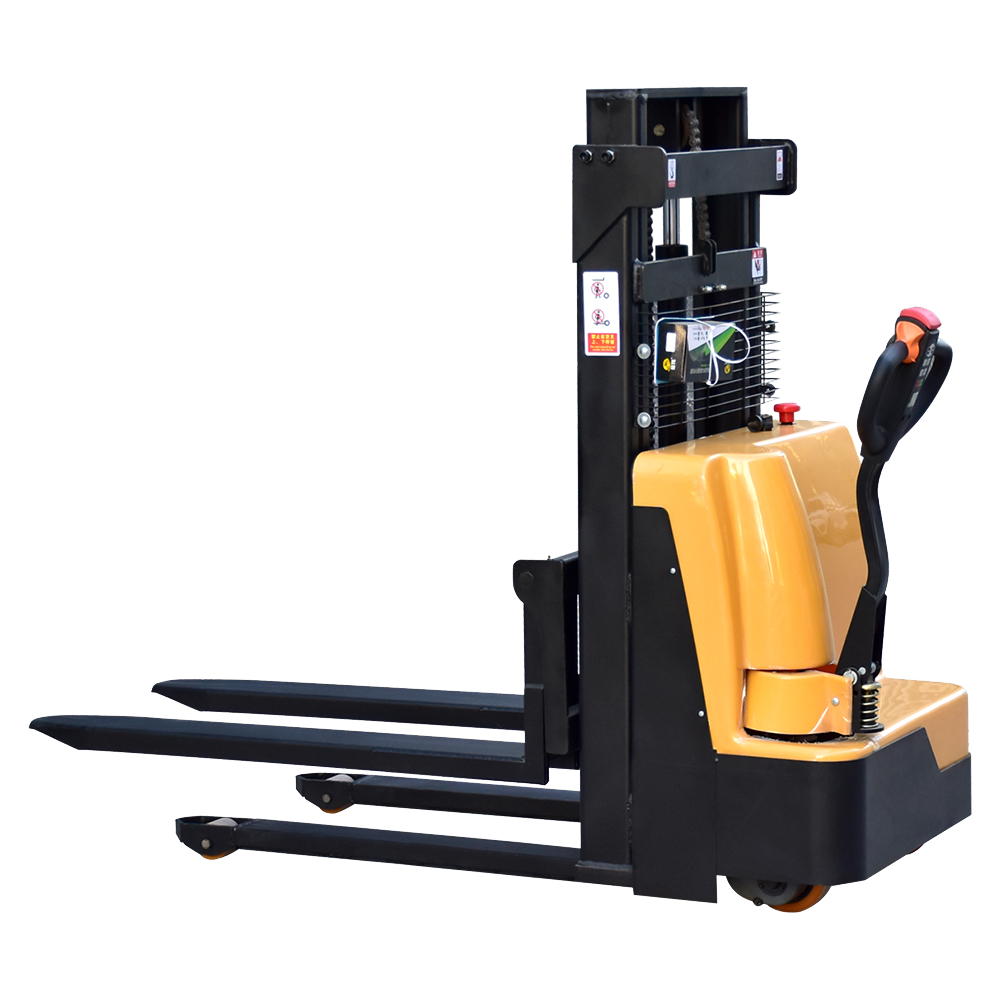
5. Pallet Trucks vs Electric Stackers
| Feature | Pallet Truck | Electric Stacker |
|---|---|---|
| Lifting height | Low | High |
| Load stacking | No | Yes |
| Cost | Lower | Higher |
| Application | Transport only | Transport + stacking |
Pallet trucks are ideal for floor-level transport tasks.
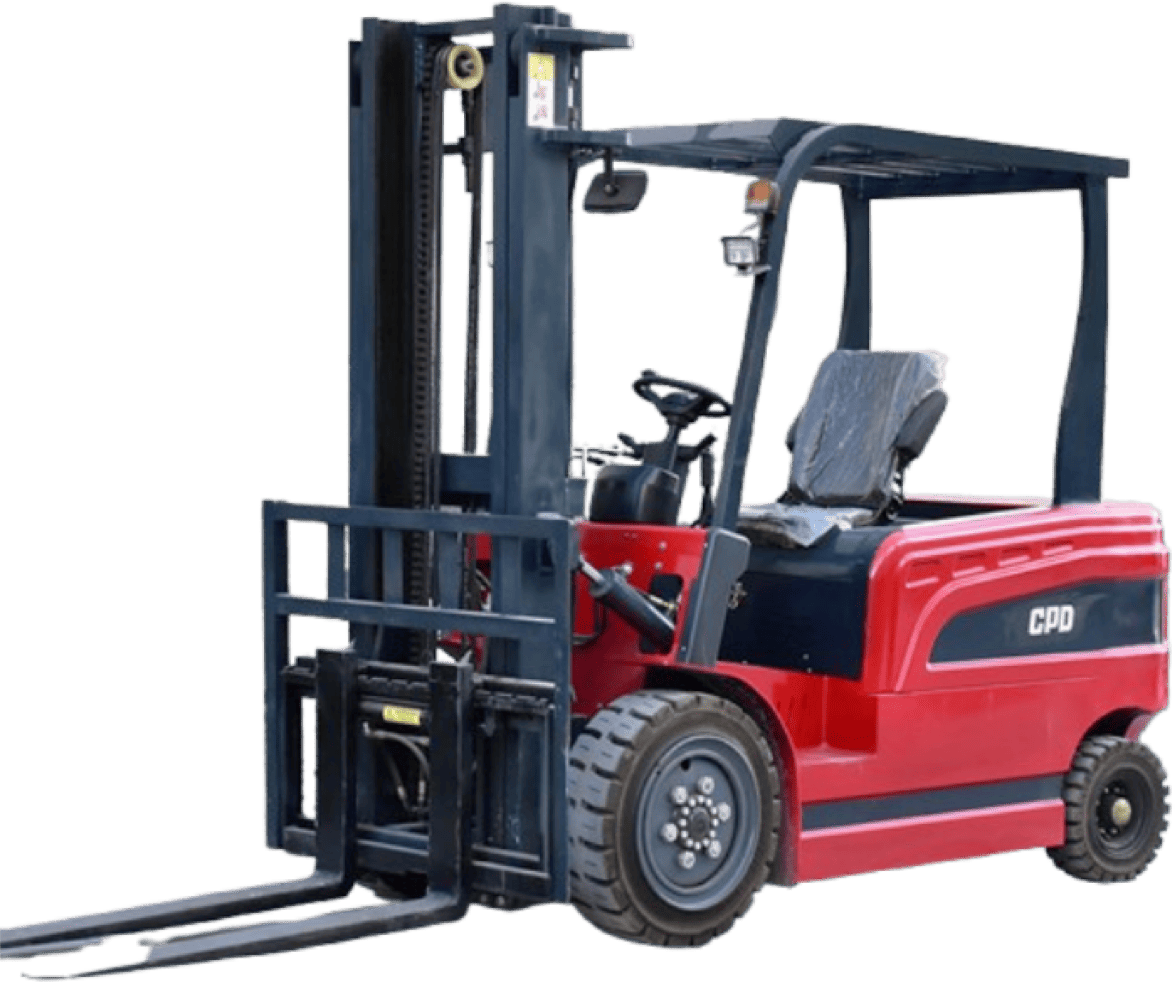
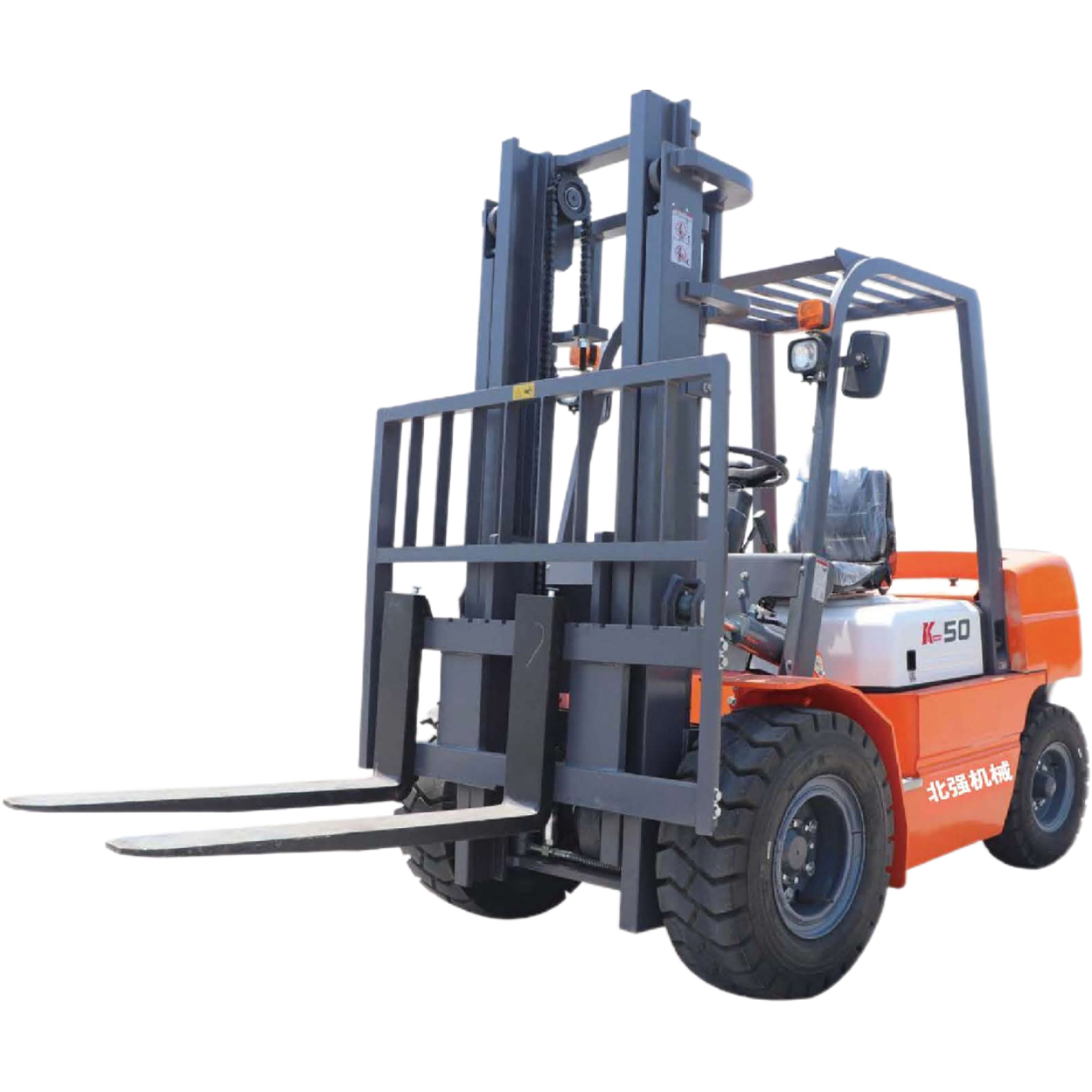
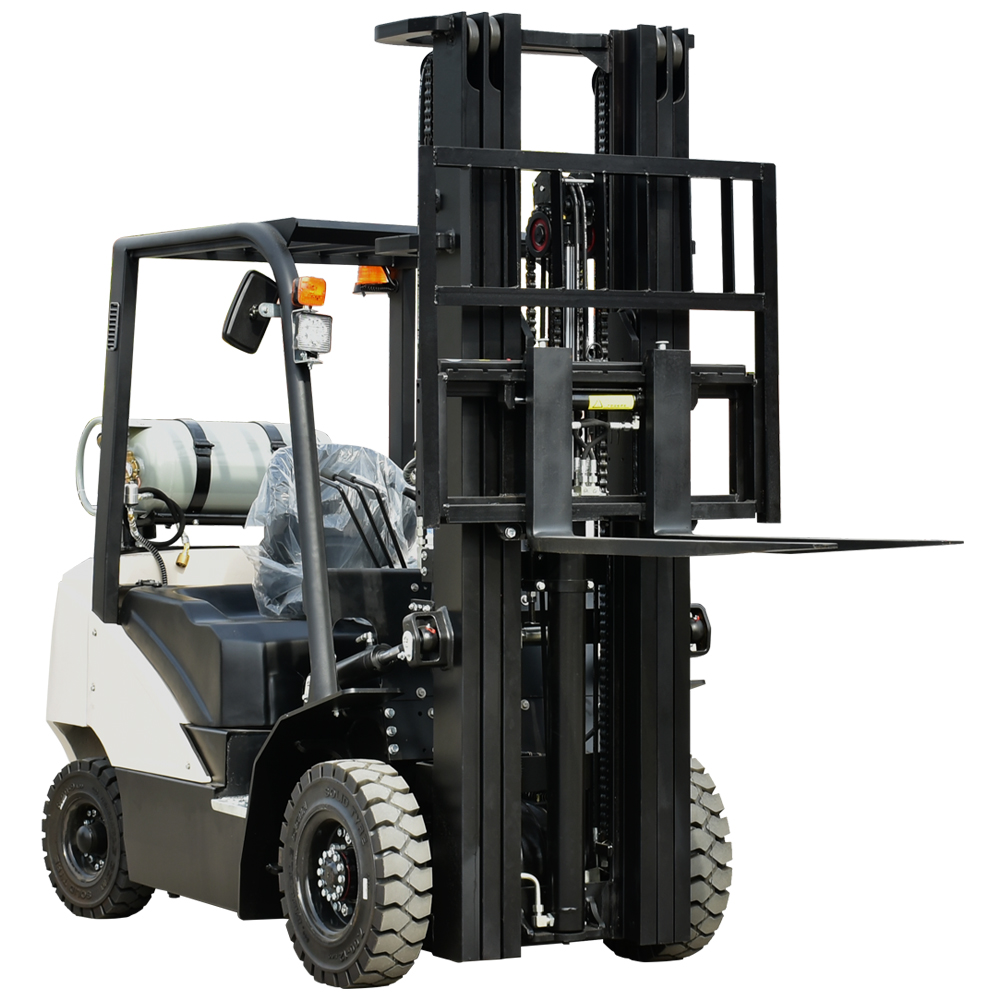
6. Pallet Trucks vs Forklifts
| Feature | Pallet Truck | Forklift |
|---|---|---|
| Load capacity | Light to medium | Medium to heavy |
| Vertical reach | None | High |
| Aisle width | Very narrow | Wider |
| Cost | Very low | High |
Pallet trucks are best suited for simple, short-distance tasks.
7. Typical Applications of Pallet Trucks
Pallet trucks are widely used in:
Loading and unloading trucks
Warehouse picking operations
Retail backrooms
Production lines
They are essential for day-to-day material movement.
8. Load Capacity and Fork Sizes
Standard pallet trucks typically offer:
Load capacities from 2,000 kg to 3,000 kg
Fork lengths suitable for standard pallets
Special models are available for custom pallet sizes.
9. Electric Pallet Trucks and Productivity
Electric pallet trucks increase productivity by:
Reducing operator fatigue
Increasing travel speed
Improving load control
They are ideal for high-throughput environments.
10. Safety Features
Modern pallet trucks include:
Overload protection
Smooth lowering control
Anti-slip handles
Emergency stop buttons (electric models)
Safe operation ensures workplace efficiency.
11. Operator Ergonomics
Pallet trucks are designed for:
Easy steering
Comfortable handle grips
Smooth lifting action
Ergonomic design reduces injury risk.
12. Maintenance Requirements
Pallet trucks require:
Hydraulic oil checks
Wheel inspection
Fork alignment monitoring
Maintenance is simple and cost-effective.
13. Indoor and Outdoor Use
Manual pallet trucks are best for indoor environments, while rough terrain models are suitable for outdoor operations.
14. Total Cost of Ownership (TCO)
Pallet trucks offer:
Minimal initial investment
Low maintenance costs
Long service life
They deliver excellent ROI for businesses of all sizes.
15. Role of Pallet Trucks in Modern Warehouses
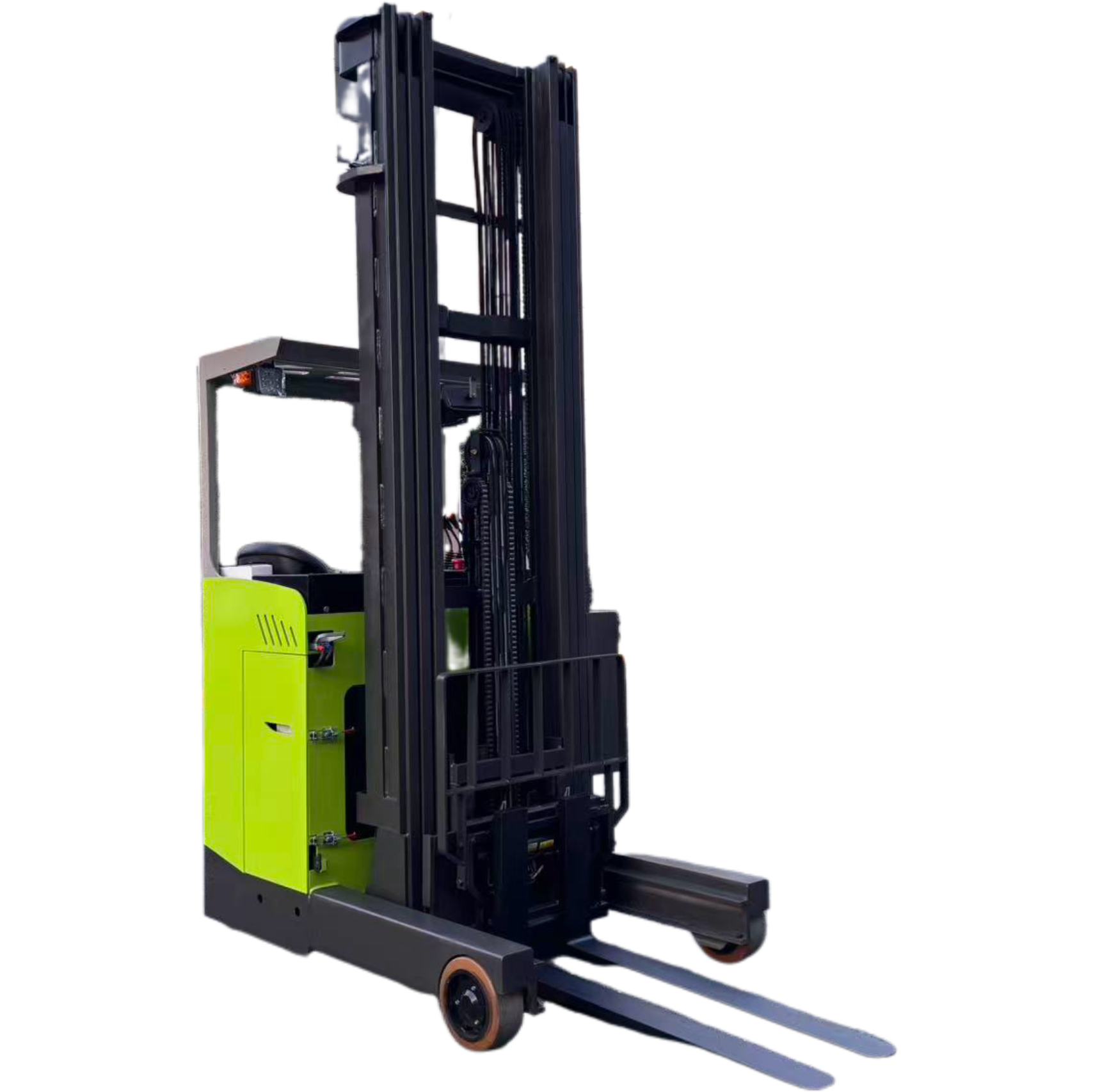
Pallet trucks are often used alongside:
Electric stackers
Electric forklifts
Reach trucks
They support efficient material flow at ground level.
16. Choosing the Right Pallet Truck
Key factors include:
Load weight
Travel distance
Frequency of use
Indoor or outdoor conditions
Proper selection ensures optimal performance.
17. Conclusion
Pallet trucks remain a fundamental component of material handling operations. With their affordability, ease of use, and reliability, they provide unmatched value for basic pallet transport tasks.
For warehouses seeking efficient and economical handling solutions, pallet trucks are an essential investment.
Our manager will contact you shortly.
To contact you about our products and services.


Copyright © Xingtai Beiqiang Machinery Manufacturing Factory. 2025.
Technical support:Echola