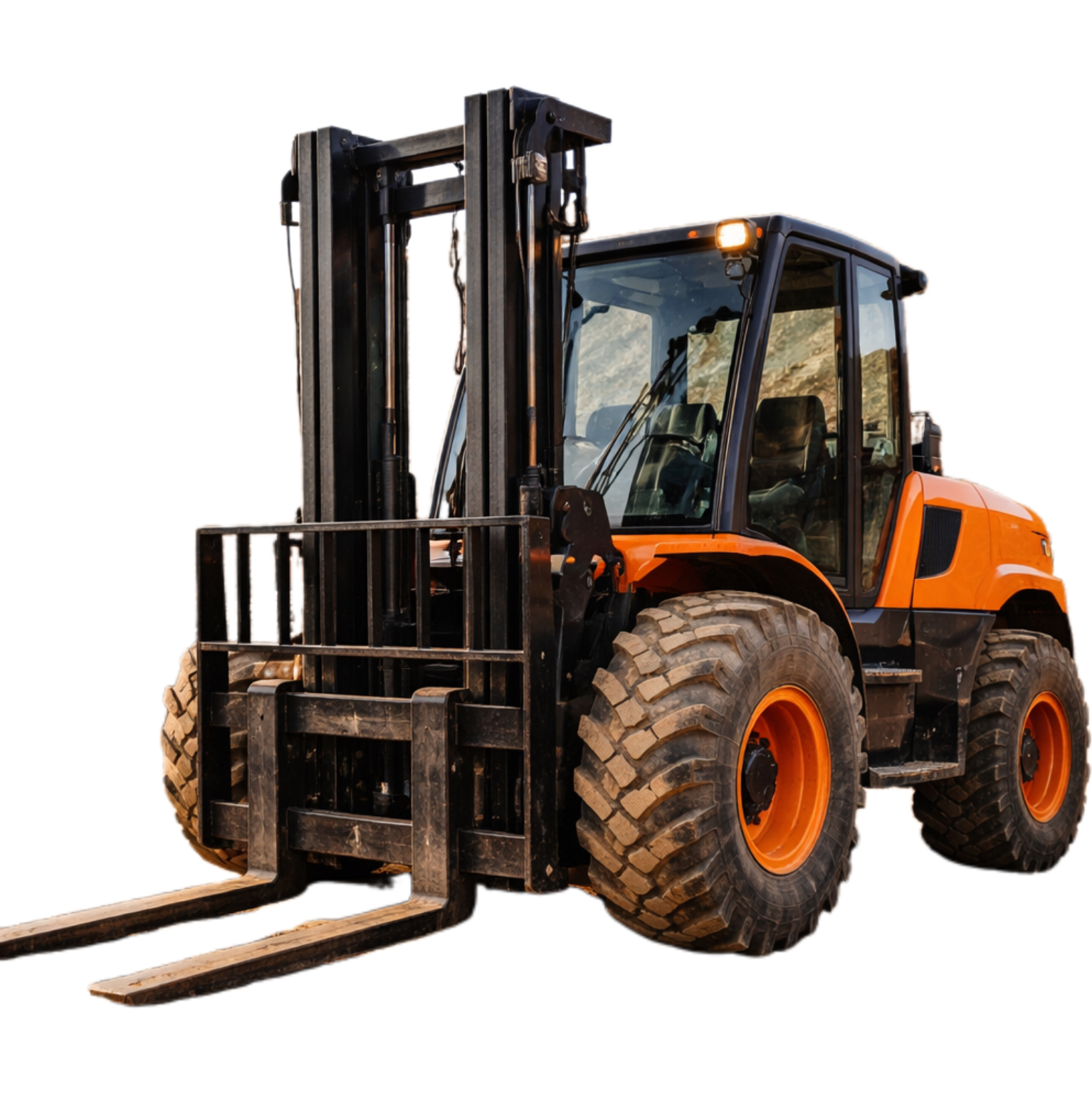


Safe and Efficient Solutions for Vertical Access and Material Handling
In modern industrial and warehouse environments, efficient and safe vertical access is essential. Lifting platforms provide a reliable solution for elevating personnel, tools, and materials to required heights, improving productivity while reducing safety risks.
This article explores lifting platforms in detail, including their types, advantages, applications, safety considerations, and how they compare to other lifting equipment.
1. What Is a Lifting Platform?
A lifting platform is a mechanical or hydraulic device designed to raise and lower loads or workers vertically. Unlike forklifts, lifting platforms focus on vertical movement rather than horizontal transport.
They are widely used in:
Warehouses
Manufacturing facilities
Maintenance operations
Construction sites
2. How Lifting Platforms Work
Lifting platforms typically operate using:
Hydraulic cylinders
Electric motors
Control panels or remote controls
The platform moves vertically, providing stable access to elevated areas.
3. Types of Lifting Platforms
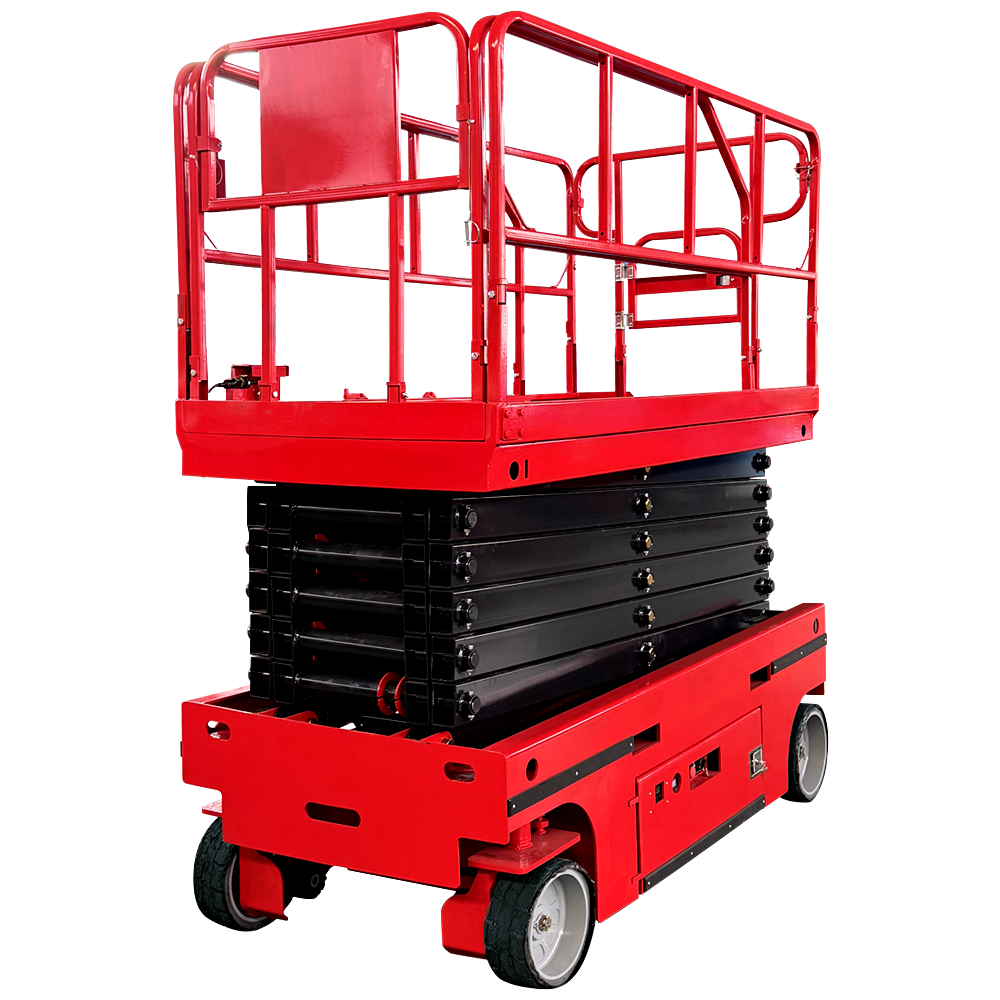
Scissor Lifting Platforms
Designed with crisscrossing supports, offering excellent stability for vertical lifting.
Vertical Mast Lifts
Compact design for tight spaces, commonly used indoors.
Mobile Lifting Platforms
Equipped with wheels for easy relocation across work areas.
Stationary Lifting Platforms
Installed in fixed locations for production lines or loading docks.
4. Key Advantages of Lifting Platforms
Enhanced Workplace Safety
Stable platforms reduce the risk of falls compared to ladders or scaffolding.
High Load Stability
Lifting platforms can safely handle both personnel and materials.
Versatile Applications
Suitable for maintenance, installation, inspection, and material handling.
Efficient Vertical Access
Faster and safer than traditional lifting methods.
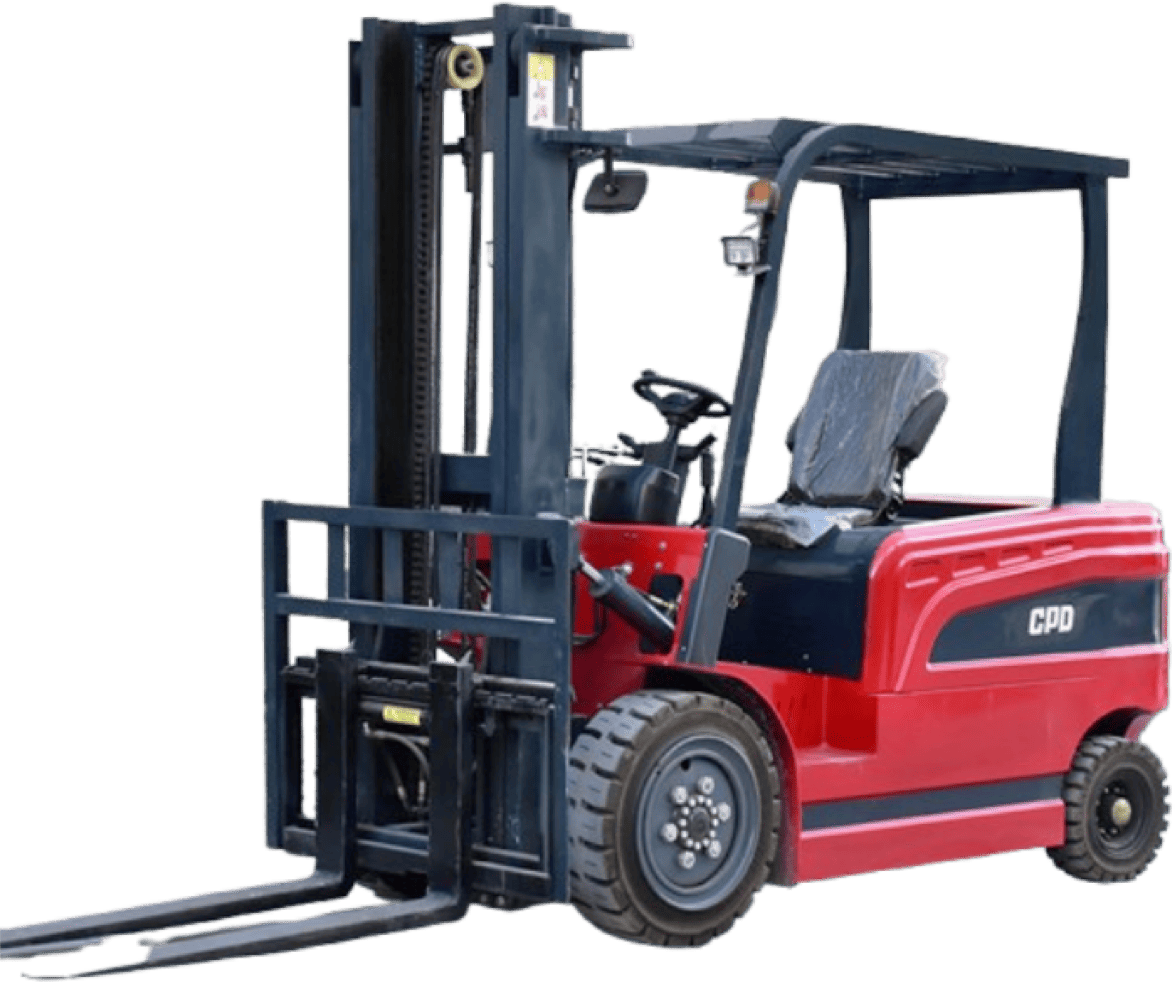
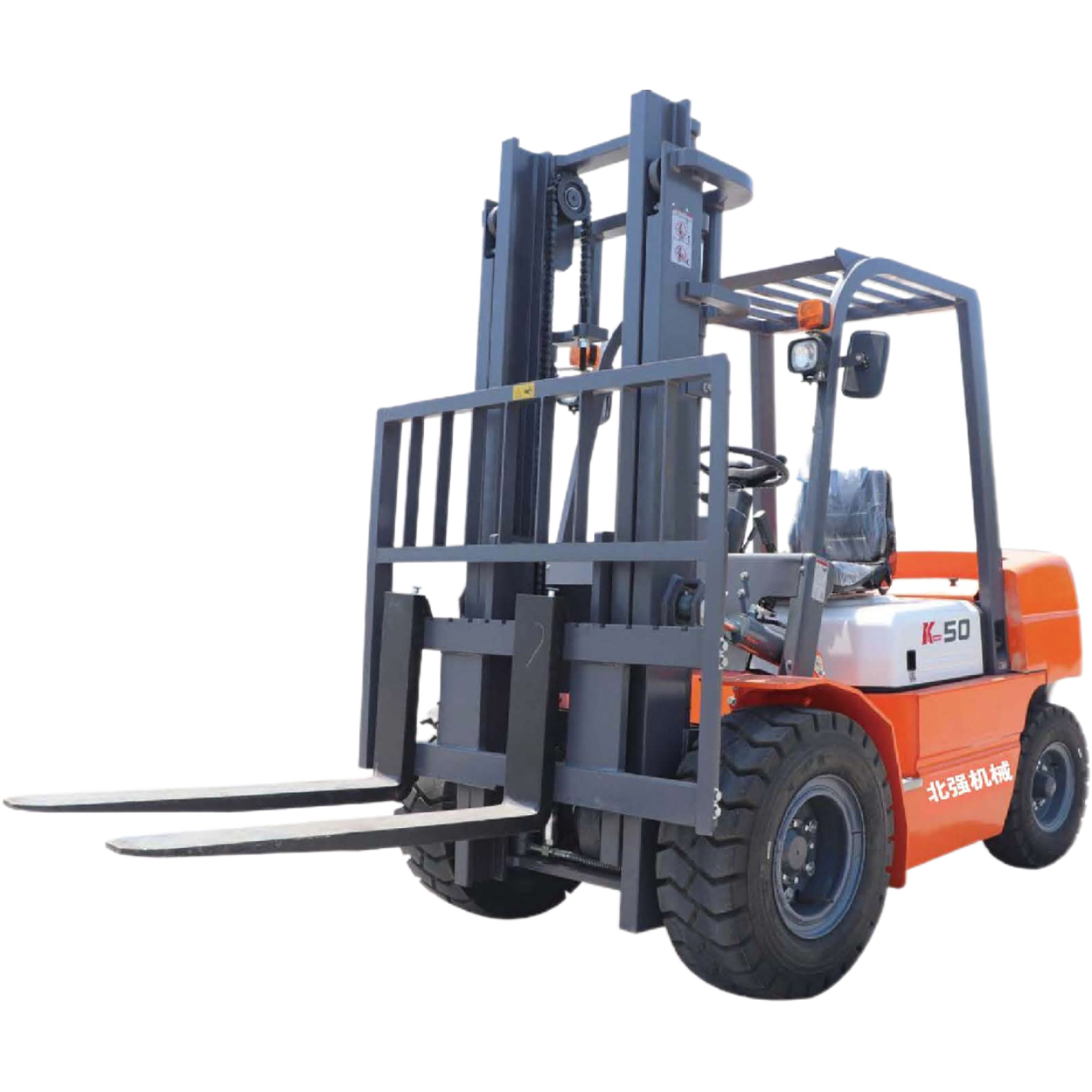
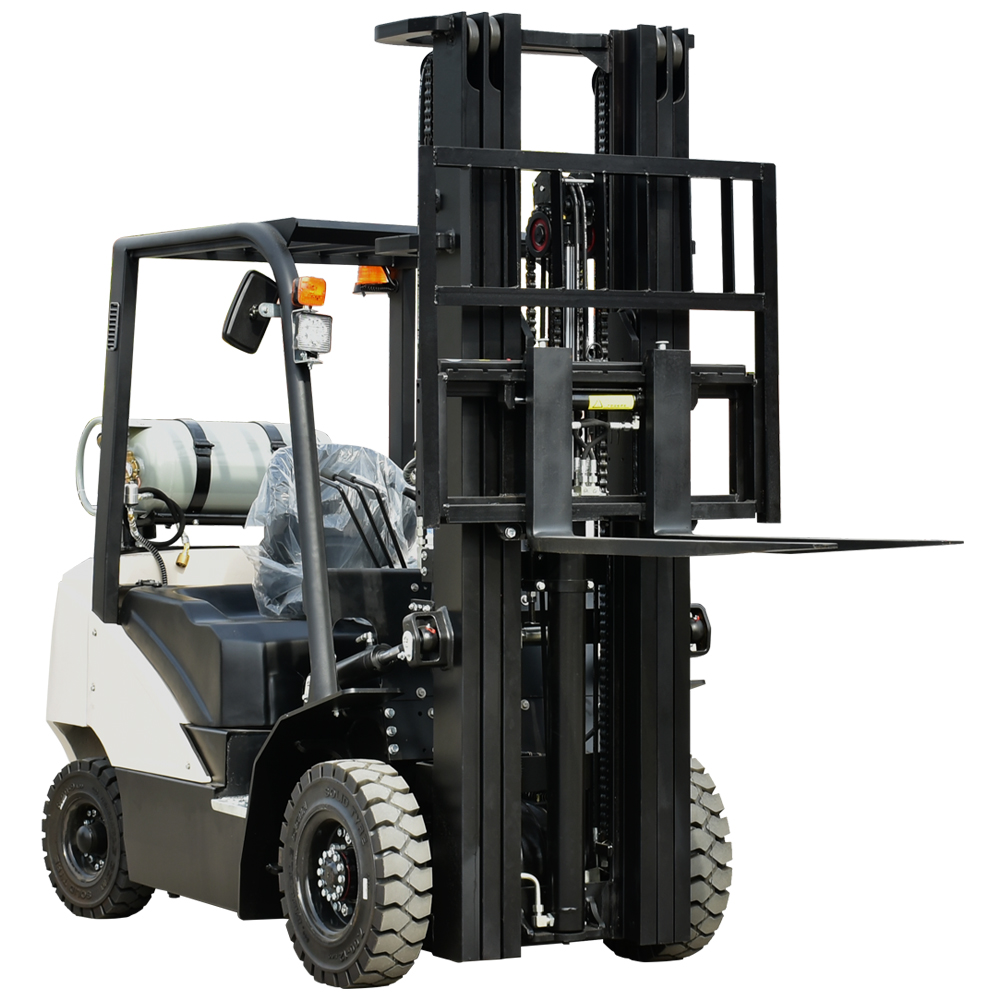
5. Lifting Platforms vs Forklifts
| Feature | Lifting Platform | Forklift |
|---|---|---|
| Vertical access | Excellent | Limited |
| Worker safety | High | Moderate |
| Load transport | Vertical only | Vertical + horizontal |
| Primary use | Access & lifting | Material transport |
Lifting platforms are preferred when worker safety and access are the primary goals.
6. Typical Applications of Lifting Platforms
Lifting platforms are widely used in:
Warehouse shelving maintenance
Factory equipment installation
Building maintenance
Electrical and HVAC servicing
They improve efficiency in tasks requiring frequent height adjustments.
7. Load Capacity and Working Height
Lifting platforms are available in various configurations:
Load capacities from 300 kg to over 5,000 kg
Working heights ranging from 2 m to over 15 m
This range supports both light-duty and heavy-duty operations.
8. Power Options
Lifting platforms can be:
Electric-powered
Hydraulic-powered
Battery-operated
Battery-powered models are ideal for indoor and noise-sensitive environments.
9. Safety Features
Modern lifting platforms include:
Guardrails and safety gates
Emergency stop buttons
Anti-overload protection
Non-slip platform surfaces
Compliance with safety standards ensures reliable operation.
10. Operator Comfort and Ease of Use
Lifting platforms are designed with:
Intuitive controls
Smooth lifting and lowering
Stable working surfaces
Ease of use reduces operator training time.
11. Maintenance and Inspection
Regular maintenance includes:
Hydraulic system inspection
Electrical component checks
Structural integrity assessments
Proper maintenance extends equipment lifespan and ensures safety.
12. Indoor vs Outdoor Use
Indoor lifting platforms prioritize:
Compact design
Zero emissions
Quiet operation
Outdoor models focus on:
Weather resistance
Higher load capacity
Enhanced stability
13. Total Cost of Ownership (TCO)
Lifting platforms offer cost efficiency through:
Long service life
Low energy consumption
Reduced accident-related costs
They provide strong ROI for industrial users.
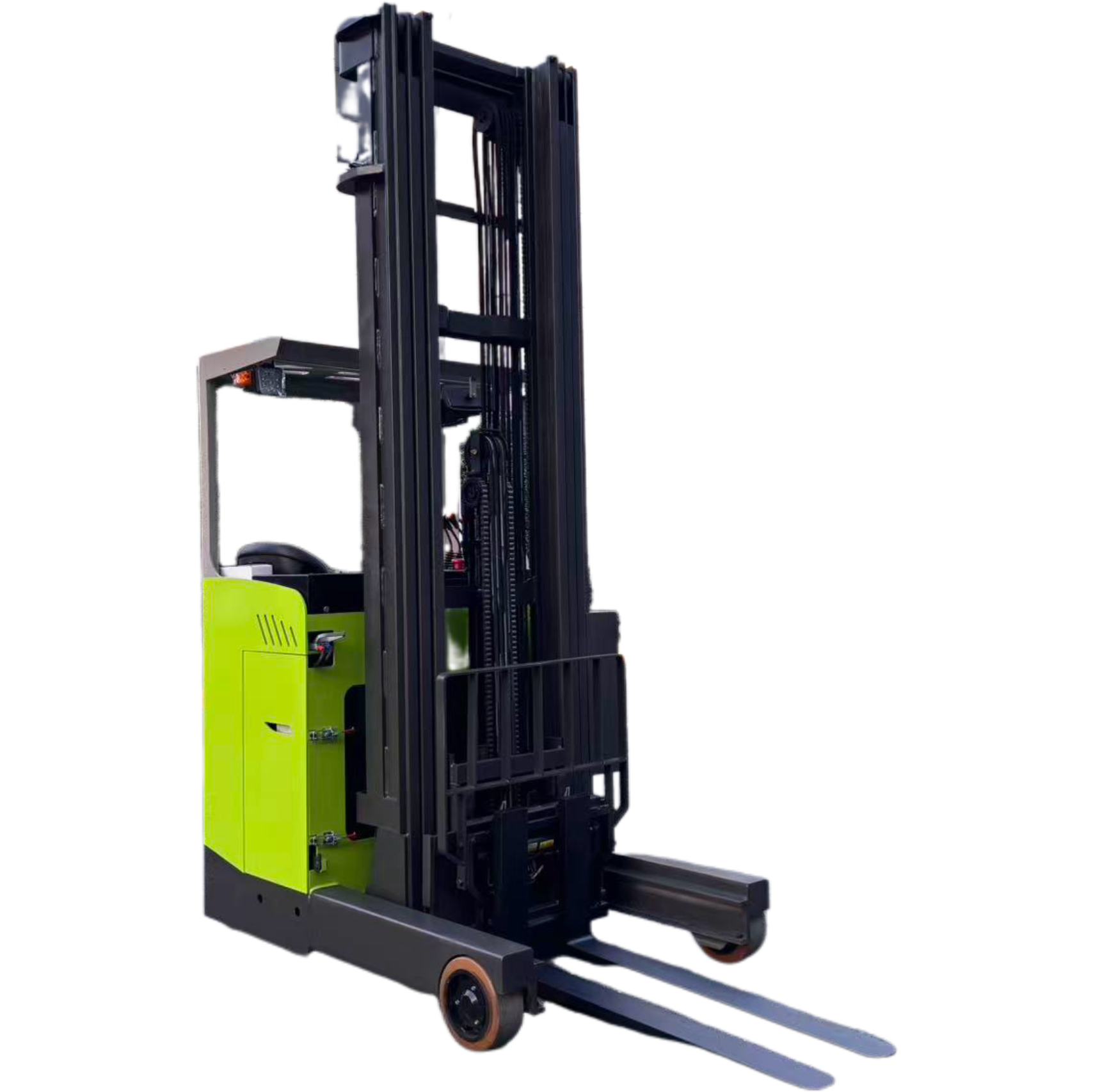
14. Integration with Warehouse Operations
Lifting platforms often complement:
Electric forklifts
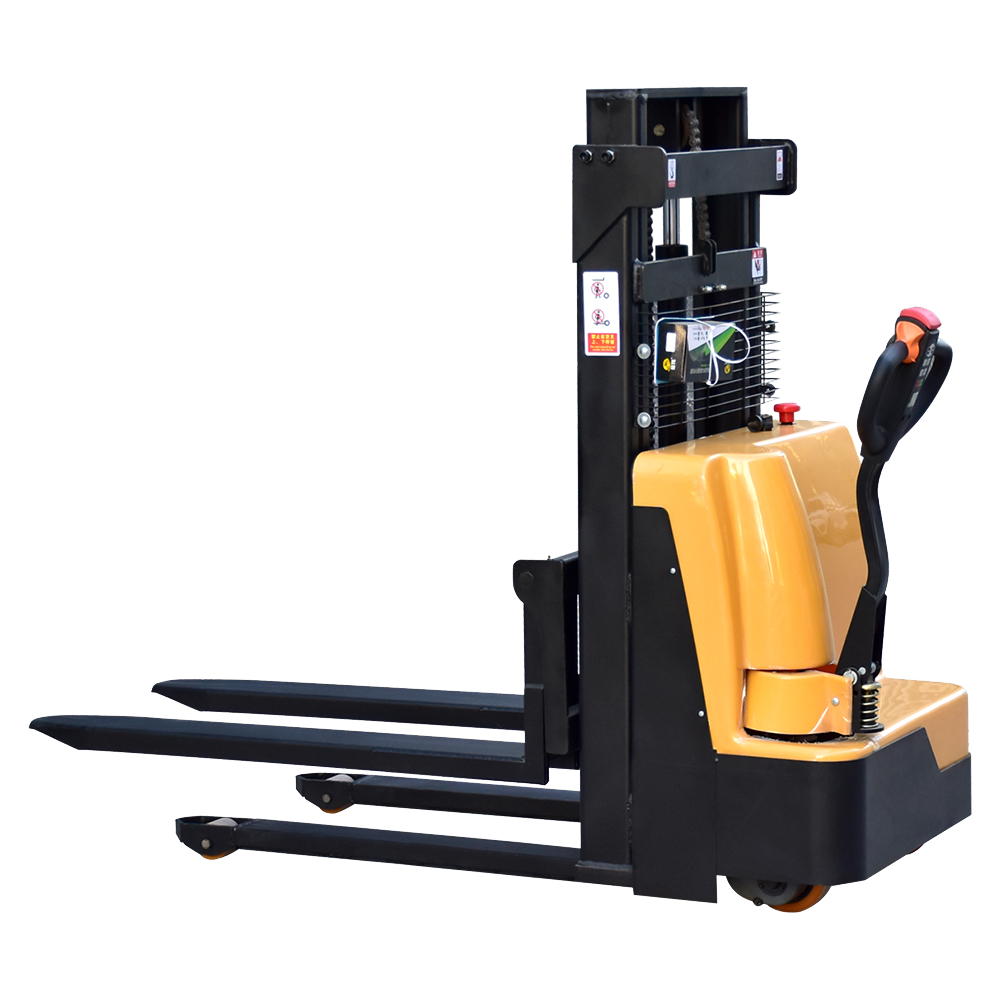
Electric stackers
Pallet trucks
Together, these systems improve material flow and worker efficiency.
15. Environmental Benefits
Electric lifting platforms:
Produce zero emissions
Reduce noise pollution
Support sustainable operations
They align with modern environmental standards.
16. Choosing the Right Lifting Platform
Key selection criteria include:
Required lifting height
Load capacity
Workspace size
Power source
Proper selection ensures safe and efficient operation.
17. Conclusion
Lifting platforms are essential tools for safe and efficient vertical access in industrial and warehouse environments. With their versatility, safety features, and operational efficiency, they significantly enhance productivity while minimizing risk.
For businesses seeking reliable vertical lifting solutions, lifting platforms offer a smart and cost-effective investment.
Our manager will contact you shortly.
To contact you about our products and services.


Copyright © Xingtai Beiqiang Machinery Manufacturing Factory. 2025.
Technical support:Echola