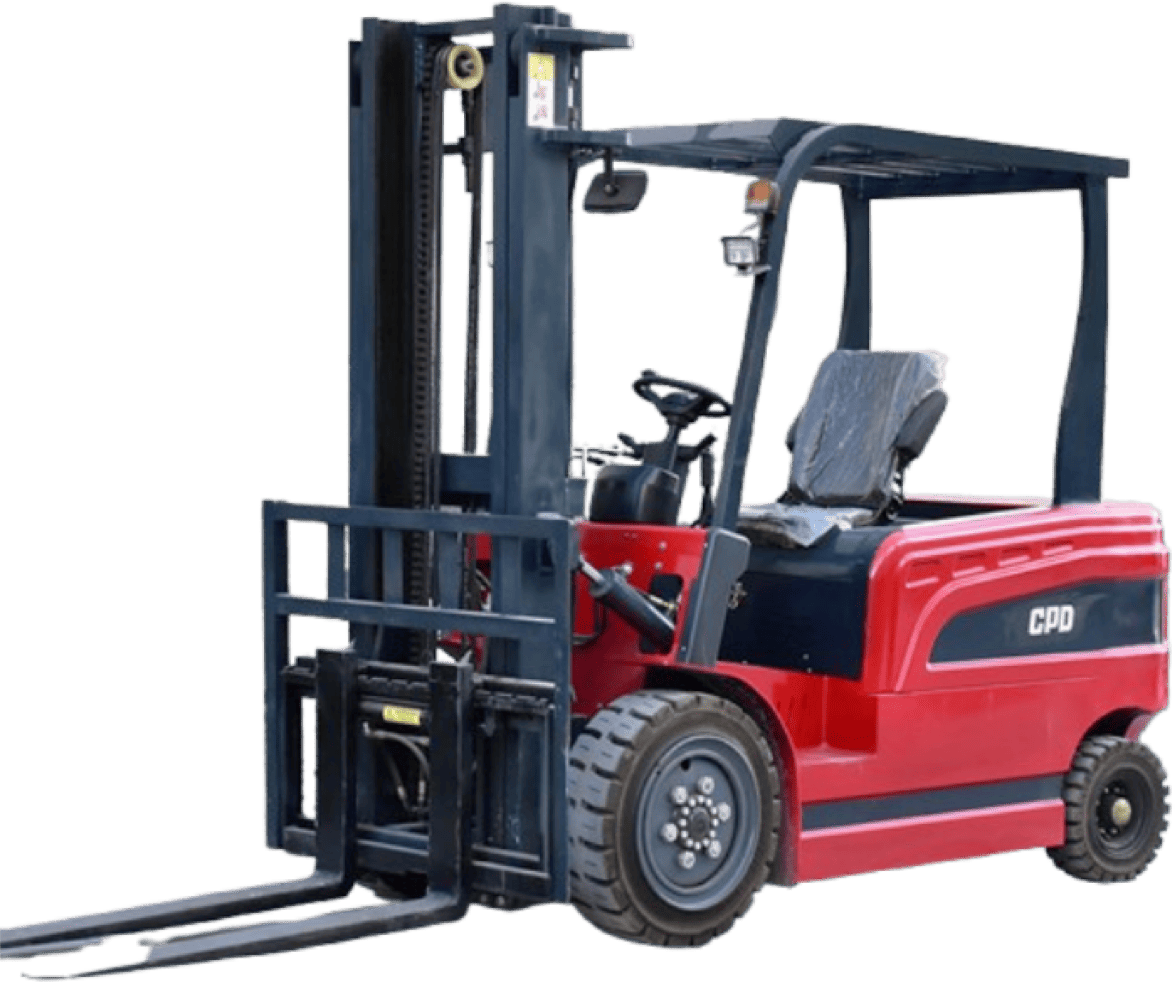
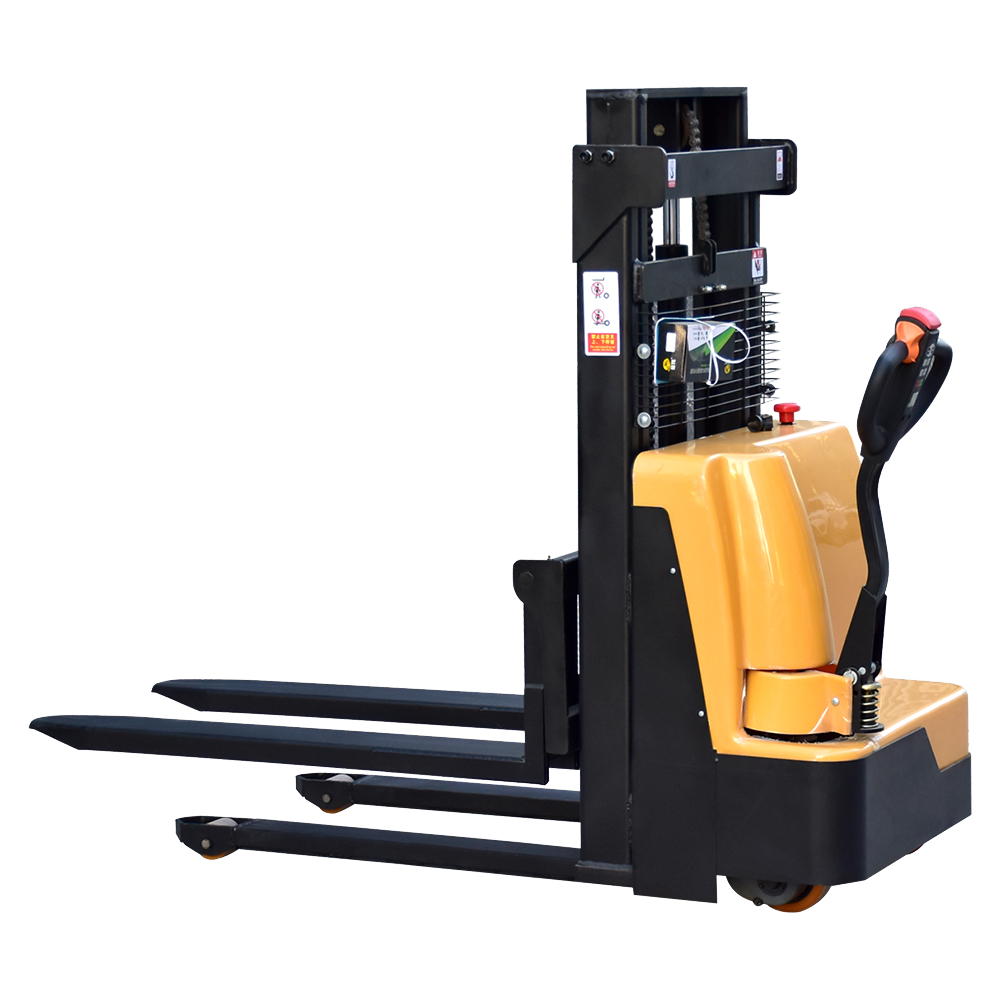
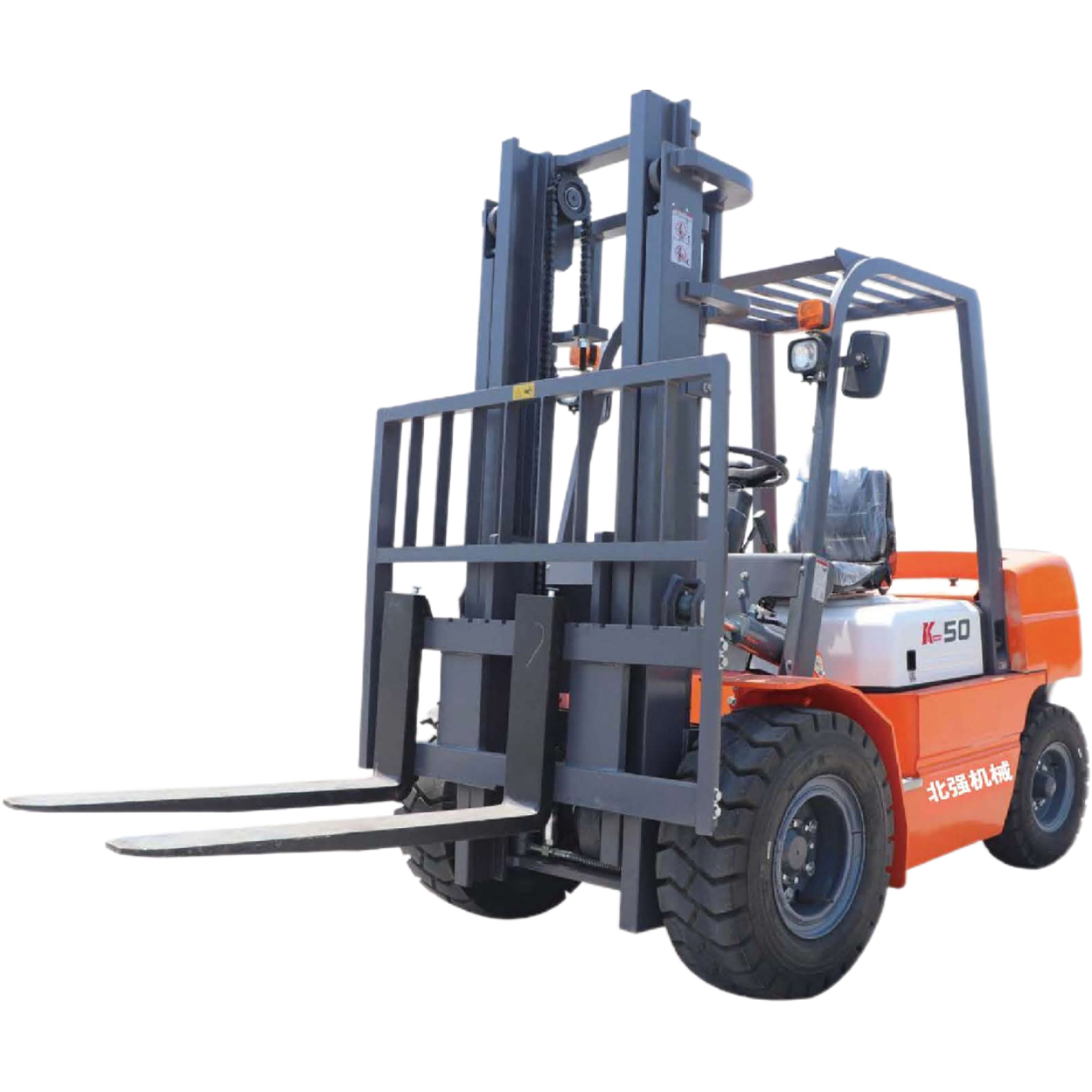
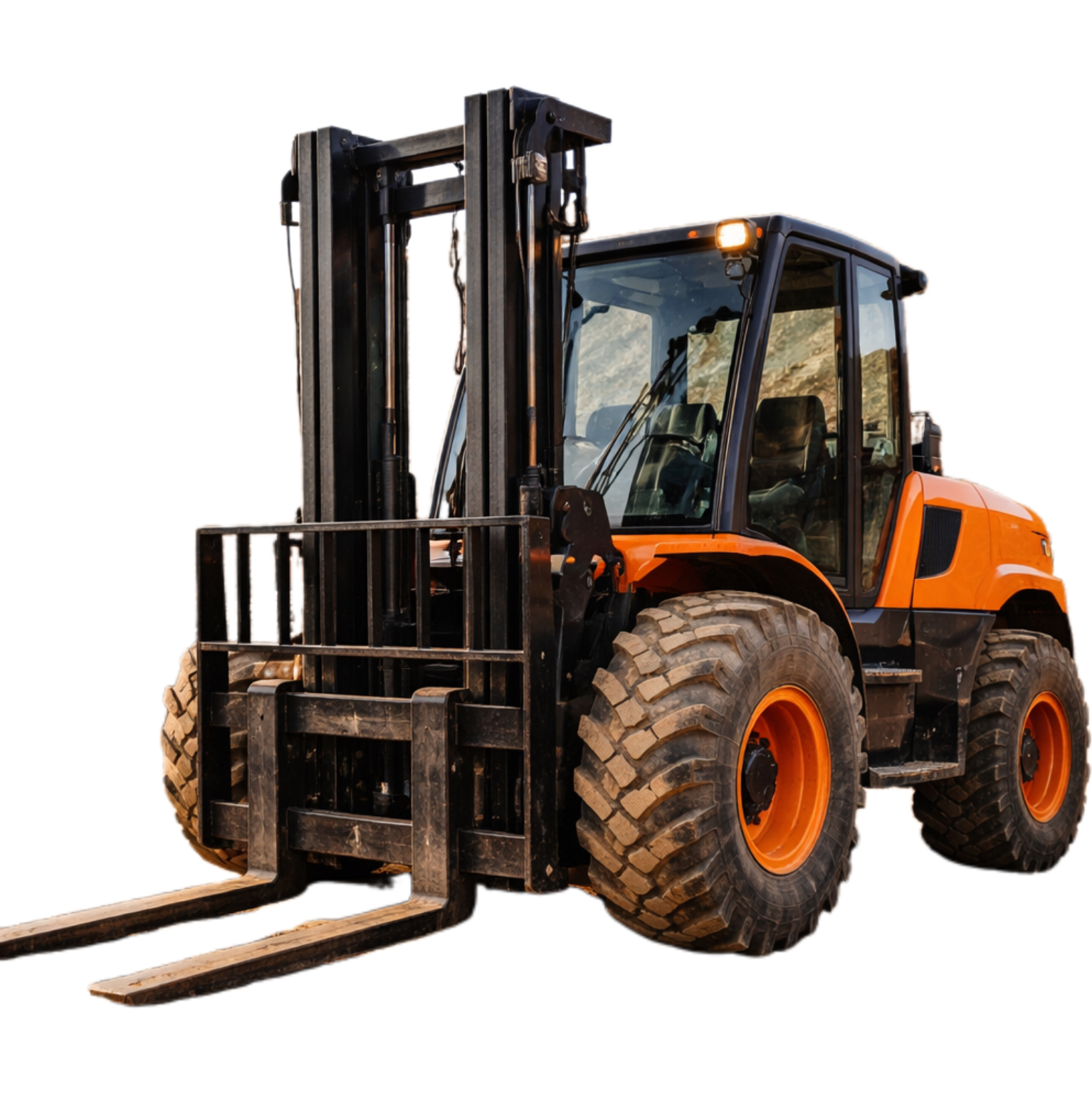


As warehouses become more compact and labor efficiency becomes increasingly important, electric stackers have emerged as a practical and cost-effective material handling solution. Designed for lifting, stacking, and transporting palletized goods over short distances, electric stackers bridge the gap between manual pallet trucks and full-sized forklifts.
This article explores electric stackers in detail, covering their functionality, benefits, applications, and how they compare to other warehouse equipment.
1. What Is an Electric Stacker?
An electric stacker is a powered lifting device designed to raise and stack palletized loads using an electric motor and battery system. Unlike forklifts, electric stackers are typically:
Smaller in size
Easier to operate
More affordable
They are widely used in warehouses, factories, retail distribution centers, and cold storage facilities.
2. How Electric Stackers Work
Electric stackers operate using:
Electric drive motors
Hydraulic lifting systems
Rechargeable batteries
The operator controls lifting, lowering, and travel using a handle or control panel, making operation simple and intuitive.
3. Types of Electric Stackers
Walkie Electric Stackers
Operated by a walking operator, ideal for narrow aisles and short-distance transport.
Ride-On Electric Stackers
Equipped with a platform for the operator, suitable for longer distances and higher productivity.
Straddle Stackers
Designed for use with various pallet sizes and racking systems.
Counterbalanced Electric Stackers
No outriggers required, offering better flexibility in confined spaces.
4. Key Advantages of Electric Stackers
Compact Design
Electric stackers require minimal aisle width, making them ideal for space-limited warehouses.
Low Operating Costs
Electric power reduces fuel expenses and maintenance requirements.
Ease of Operation
Minimal training is required compared to forklifts.
Quiet and Emission-Free
Perfect for indoor environments, including food and pharmaceutical facilities.
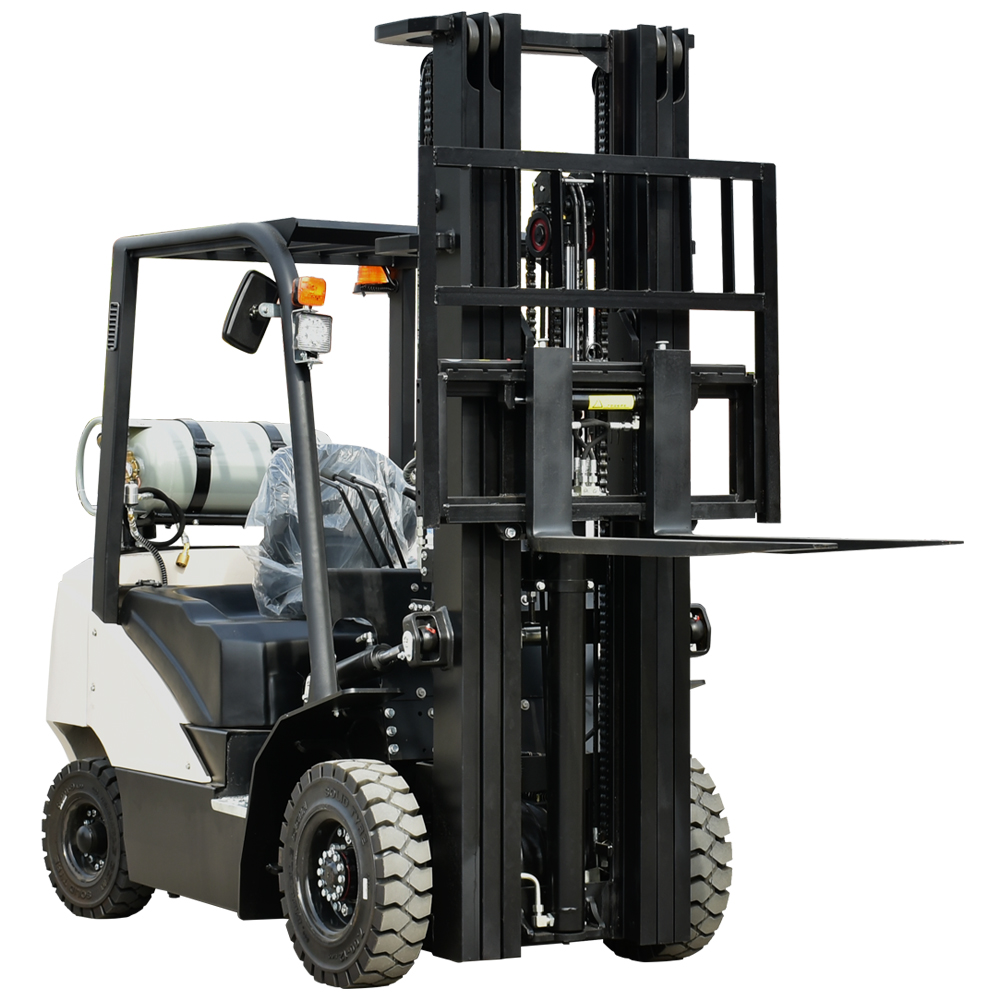
5. Electric Stackers vs Forklifts
| Feature | Electric Stacker | Forklift |
|---|---|---|
| Load capacity | Light to medium | Medium to heavy |
| Aisle width | Narrow | Wider |
| Purchase cost | Lower | Higher |
| Operator license | Often not required | Required in many regions |
Electric stackers are ideal for warehouses that do not require high lifting capacity or long-distance transport.
6. Electric Stackers vs Pallet Trucks
| Feature | Electric Stacker | Pallet Truck |
|---|---|---|
| Lifting height | High (up to 6 m) | Low |
| Load stacking | Yes | No |
| Power | Fully electric | Manual or electric |
Electric stackers add vertical storage capability beyond pallet trucks.
7. Typical Applications of Electric Stackers
Electric stackers are commonly used in:
Warehouses and logistics centers
Manufacturing plants
Supermarkets and retail backrooms
Cold storage and clean rooms
They are especially effective for stacking pallets onto racks.
8. Load Capacity and Lifting Height
Electric stackers typically offer:
Load capacities from 1,000 kg to 2,000 kg
Lifting heights ranging from 1.6 m to over 6 m
This makes them suitable for multi-level storage systems.
9. Battery Technology and Charging
Most electric stackers use:
Lead-acid batteries
Optional lithium-ion batteries
Lithium batteries offer faster charging, longer life, and opportunity charging for multi-shift operations.
10. Safety Features
Modern electric stackers include:
Emergency stop buttons
Automatic speed reduction
Overload protection
Anti-roll-back systems
These features help ensure safe operation in busy warehouses.
11. Operator Ergonomics
Electric stackers are designed for comfort:
Ergonomic handles
Clear control layouts
Smooth lifting and lowering
Reduced operator fatigue leads to improved productivity.
12. Maintenance Requirements
Electric stackers require:
Battery maintenance or monitoring
Hydraulic oil checks
Regular inspection of forks and wheels
Maintenance costs are significantly lower than combustion-powered equipment.
13. Total Cost of Ownership (TCO)
Electric stackers offer:
Low purchase cost
Minimal energy consumption
Reduced maintenance expenses
They are one of the most economical material handling solutions for light to medium-duty tasks.
14. Electric Stackers in Modern Warehouses
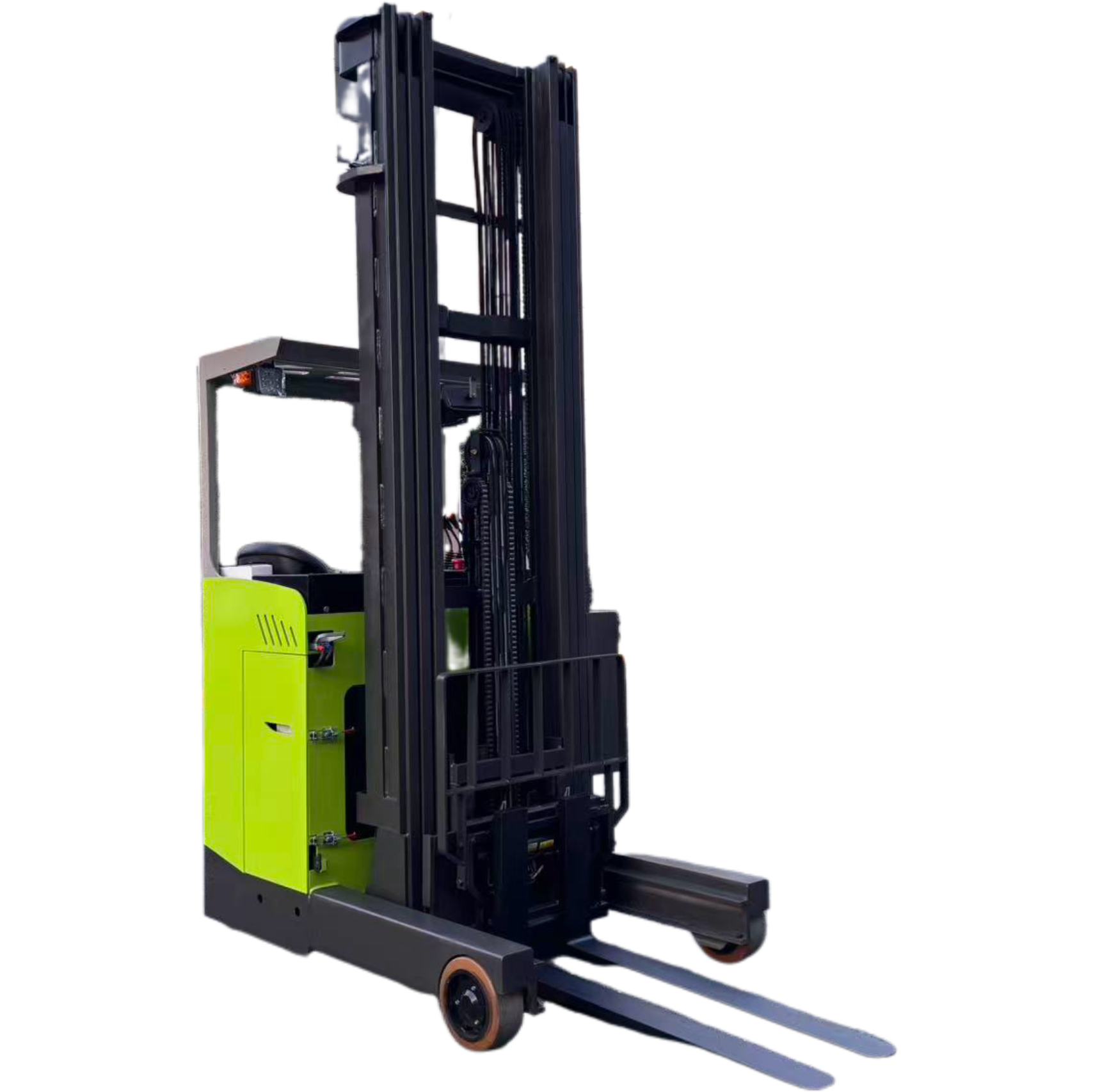
Many warehouses use electric stackers alongside:
Electric forklifts
Pallet trucks
Reach trucks
This combination optimizes efficiency at different stages of material flow.
15. Environmental Benefits
Electric stackers produce:
Zero emissions
Low noise levels
They support sustainable warehouse operations and compliance with environmental regulations.
16. Choosing the Right Electric Stacker
Key selection factors include:
Load weight
Required lifting height
Aisle width
Battery type
Choosing the right model ensures maximum efficiency and safety.
17. Conclusion
Electric stackers provide an ideal balance of performance, affordability, and space efficiency. With low operating costs, easy operation, and excellent indoor performance, they are an essential tool for modern warehousing and logistics operations.
For businesses seeking reliable and economical lifting solutions, electric stackers deliver long-term value and flexibility.
Our manager will contact you shortly.
To contact you about our products and services.


Copyright © Xingtai Beiqiang Machinery Manufacturing Factory. 2025.
Technical support:Echola