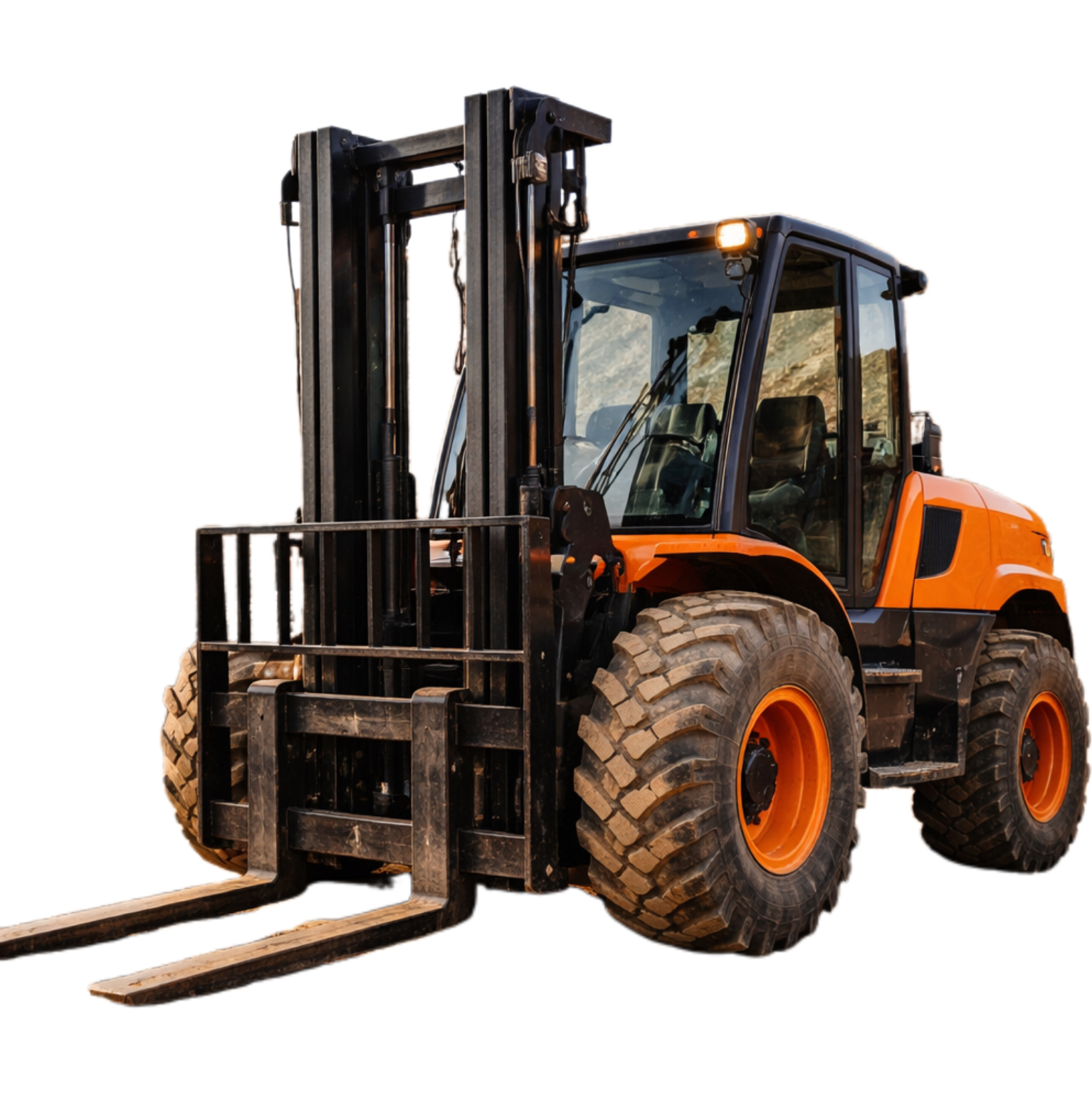


Powerful and Reliable Solutions for Heavy-Duty Material Handling
In industries where strength, durability, and continuous operation are critical, diesel forklifts remain one of the most trusted material handling solutions. Known for their high torque, robust construction, and excellent outdoor performance, diesel forklifts are widely used in demanding industrial environments.
This article provides a comprehensive overview of diesel forklifts, including their working principles, advantages, applications, maintenance considerations, and comparisons with other forklift types.
1. What Is a Diesel Forklift?
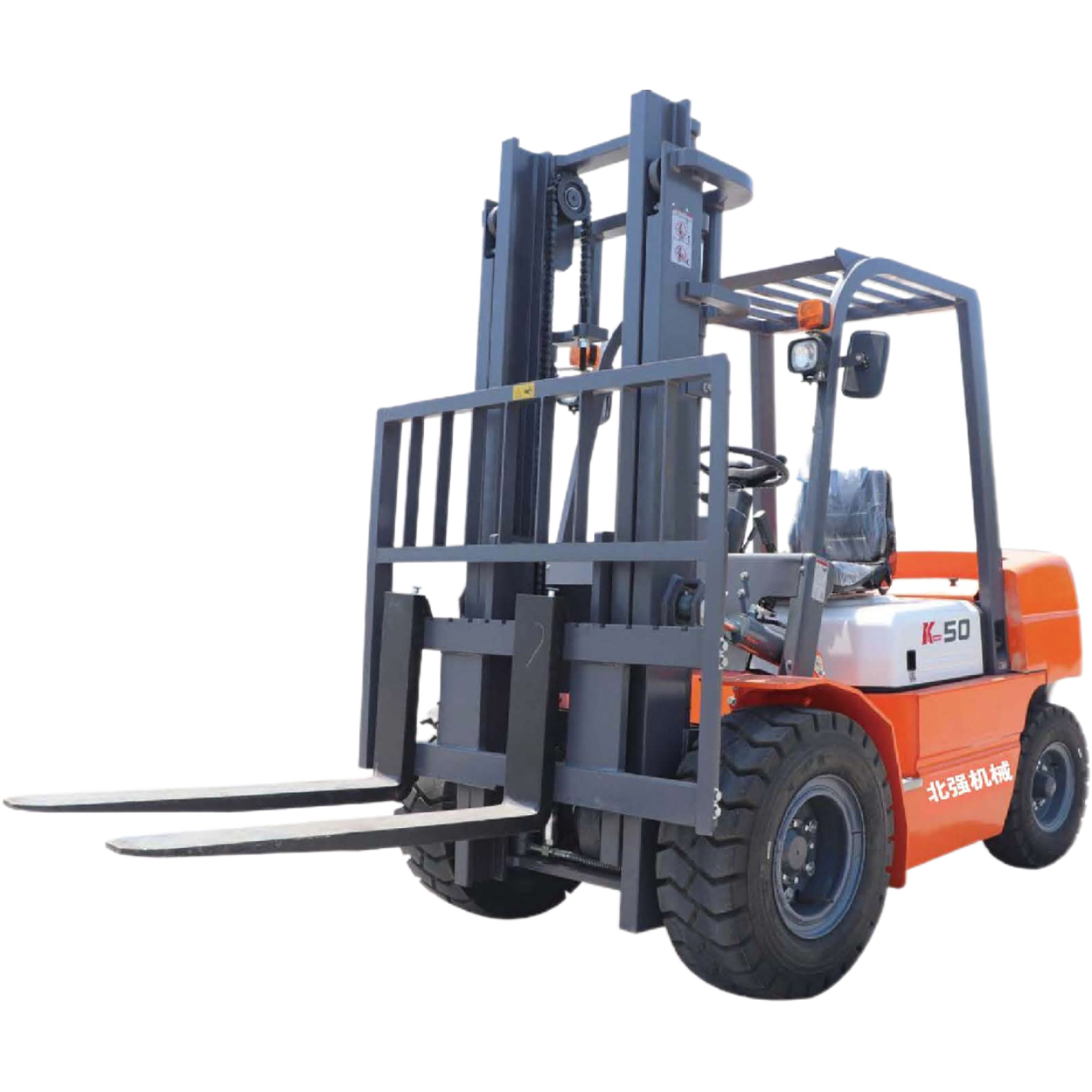
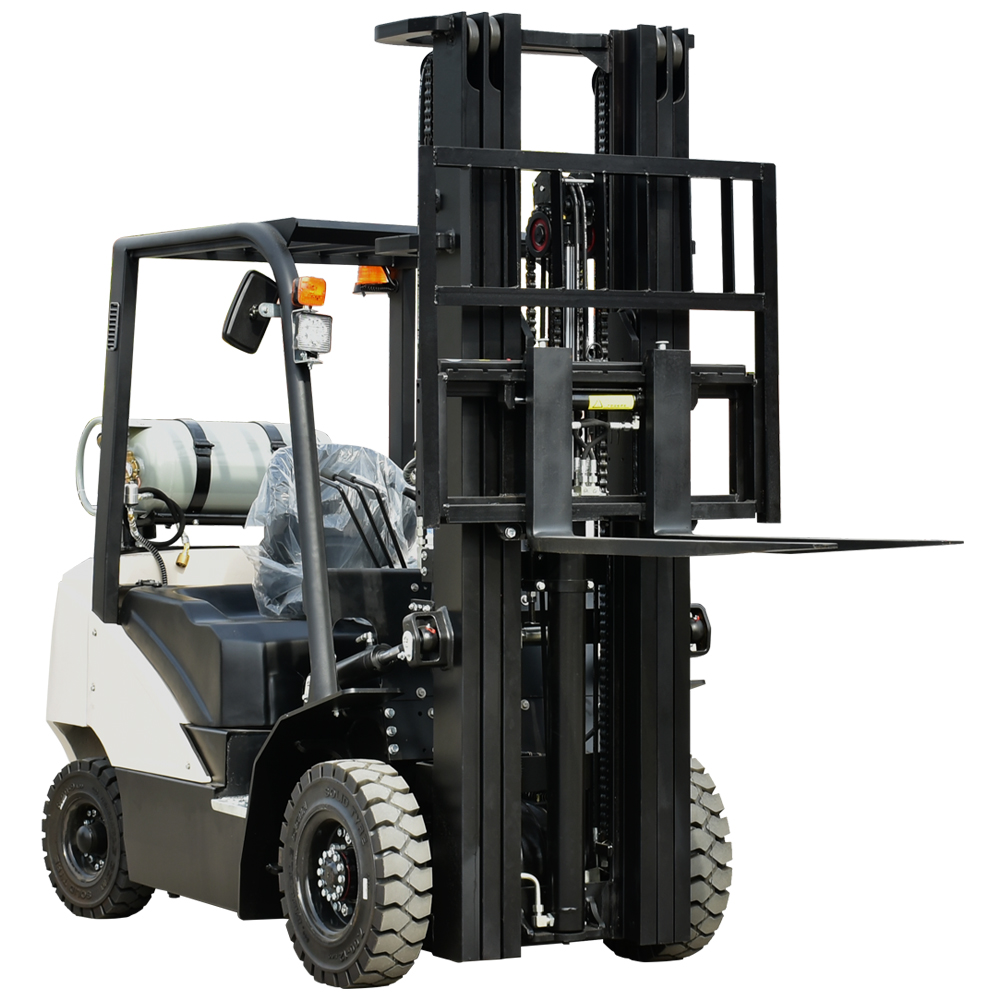
A diesel forklift is powered by a diesel internal combustion engine designed to deliver high lifting capacity and strong traction. These forklifts are primarily used in outdoor or semi-outdoor environments where ventilation is sufficient.
Diesel forklifts are especially valued for:
Heavy loads
Rough terrain
Continuous multi-shift operations
2. How Diesel Forklifts Work
Diesel forklifts operate using:
A high-efficiency diesel engine
Mechanical or hydrostatic transmission
Heavy-duty hydraulic lifting systems
Diesel engines generate high torque at low RPM, making them ideal for lifting heavy loads and operating on inclines or uneven surfaces.
3. Key Advantages of Diesel Forklifts
Exceptional Lifting Power
Diesel forklifts can handle higher load capacities than most electric or LPG models.
Durability and Long Service Life
Designed for harsh environments, diesel forklifts are built with reinforced frames and components.
Continuous Operation
No charging or cylinder replacement is required, allowing long working hours.
Superior Outdoor Performance
Diesel forklifts perform well on rough surfaces, ramps, and open yards.
4. Diesel Forklifts vs Electric Forklifts
| Feature | Diesel Forklift | Electric Forklift |
|---|---|---|
| Load capacity | High | Medium |
| Outdoor use | Excellent | Limited |
| Emissions | Higher | Zero |
| Operating time | Continuous | Battery-dependent |
| Maintenance | Higher | Lower |
Diesel forklifts are ideal where power and endurance are more important than emissions.
5. Diesel Forklifts vs LPG Forklifts
| Feature | Diesel Forklift | LPG Forklift |
|---|---|---|
| Torque | Very high | Medium |
| Emissions | Higher | Lower |
| Indoor suitability | Poor | Moderate |
| Fuel efficiency | High under load | Moderate |
Diesel forklifts are better suited for heavy-duty outdoor applications, while LPG offers more flexibility indoors.
6. Typical Applications of Diesel Forklifts
Diesel forklifts are widely used in:
Ports and terminals
Construction sites
Steel and metal industries
Lumber yards
Mining and heavy manufacturing
Their ability to handle extreme loads makes them indispensable in these sectors.
7. Load Capacity and Configuration
Diesel forklifts are available in a wide range of capacities:
Standard models: 2–5 tons
Heavy-duty models: 6–10 tons
Large industrial forklifts: 10+ tons
Optional configurations include:
Pneumatic tires
Side shift
Fork positioners
Enclosed cabins
8. Performance on Rough Terrain
Diesel forklifts are often equipped with:
Large pneumatic tires
Strong suspension systems
High ground clearance
These features allow stable operation on gravel, dirt, and uneven surfaces.
9. Operator Comfort and Ergonomics
Modern diesel forklifts include:
Shock-absorbing seats
Ergonomic control layouts
Noise and vibration reduction systems
Improved comfort enhances safety and productivity during long shifts.
10. Maintenance and Service Requirements
Diesel forklifts require regular maintenance, including:
Engine oil and filter changes
Fuel system inspection
Hydraulic system checks
While maintenance costs are higher than electric forklifts, diesel engines are known for reliability and long life.
11. Fuel Efficiency and Operating Costs
Diesel forklifts are fuel-efficient under heavy loads. Although fuel costs may fluctuate, diesel remains cost-effective for high-intensity operations.
Key cost factors:
Fuel consumption
Maintenance intervals
Spare part availability
12. Environmental and Emission Considerations
Diesel forklifts produce higher emissions than electric or LPG models. However, modern diesel engines feature:
Improved combustion efficiency
Lower particulate emissions
Compliance with emission standards in many regions
They are still preferred where regulations allow outdoor diesel use.
13. Safety Features
Standard safety features include:
Overhead guards
Load backrests
Stability control systems
Emergency shut-off mechanisms
Proper operator training is essential for safe operation.
14. Total Cost of Ownership (TCO)
Diesel forklifts offer strong value for:
Heavy-duty applications
Outdoor environments
Long operating hours
Their durability often offsets higher fuel and maintenance costs.
15. Diesel Forklifts in Mixed Equipment Fleets
Many facilities operate diesel forklifts alongside:
Electric forklifts for indoor use
LPG forklifts for flexible operations
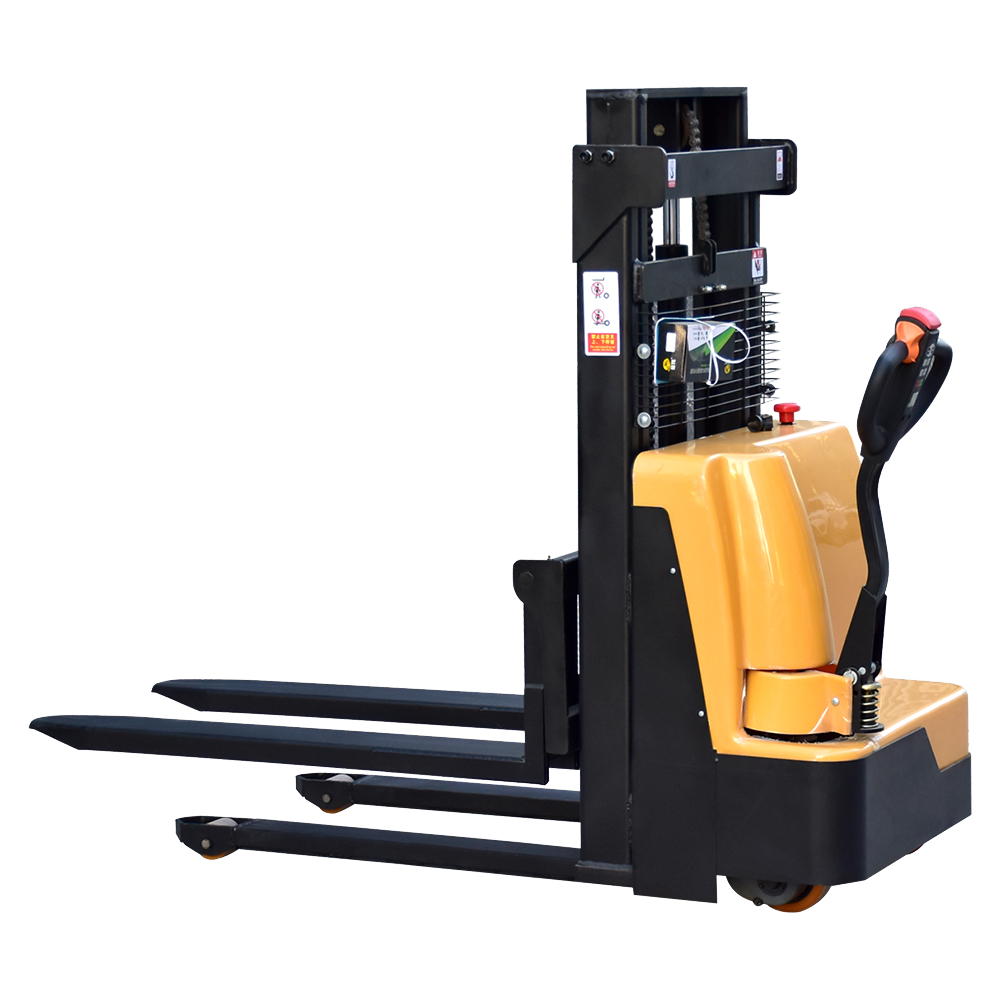
Pallet trucks and stackers
This combination maximizes efficiency across different work zones.
16. Future Trends in Diesel Forklifts
Industry trends include:
Cleaner diesel engines
Improved fuel efficiency
Integration with fleet management systems
Diesel forklifts continue to evolve to meet modern industrial demands.
17. Conclusion
Diesel forklifts remain the backbone of heavy-duty material handling. With unmatched power, durability, and outdoor performance, they are the preferred choice for industries that require continuous operation and high load capacity.
For businesses handling heavy materials in demanding environments, diesel forklifts deliver reliable performance and long-term value.
Our manager will contact you shortly.
To contact you about our products and services.


Copyright © Xingtai Beiqiang Machinery Manufacturing Factory. 2025.
Technical support:Echola