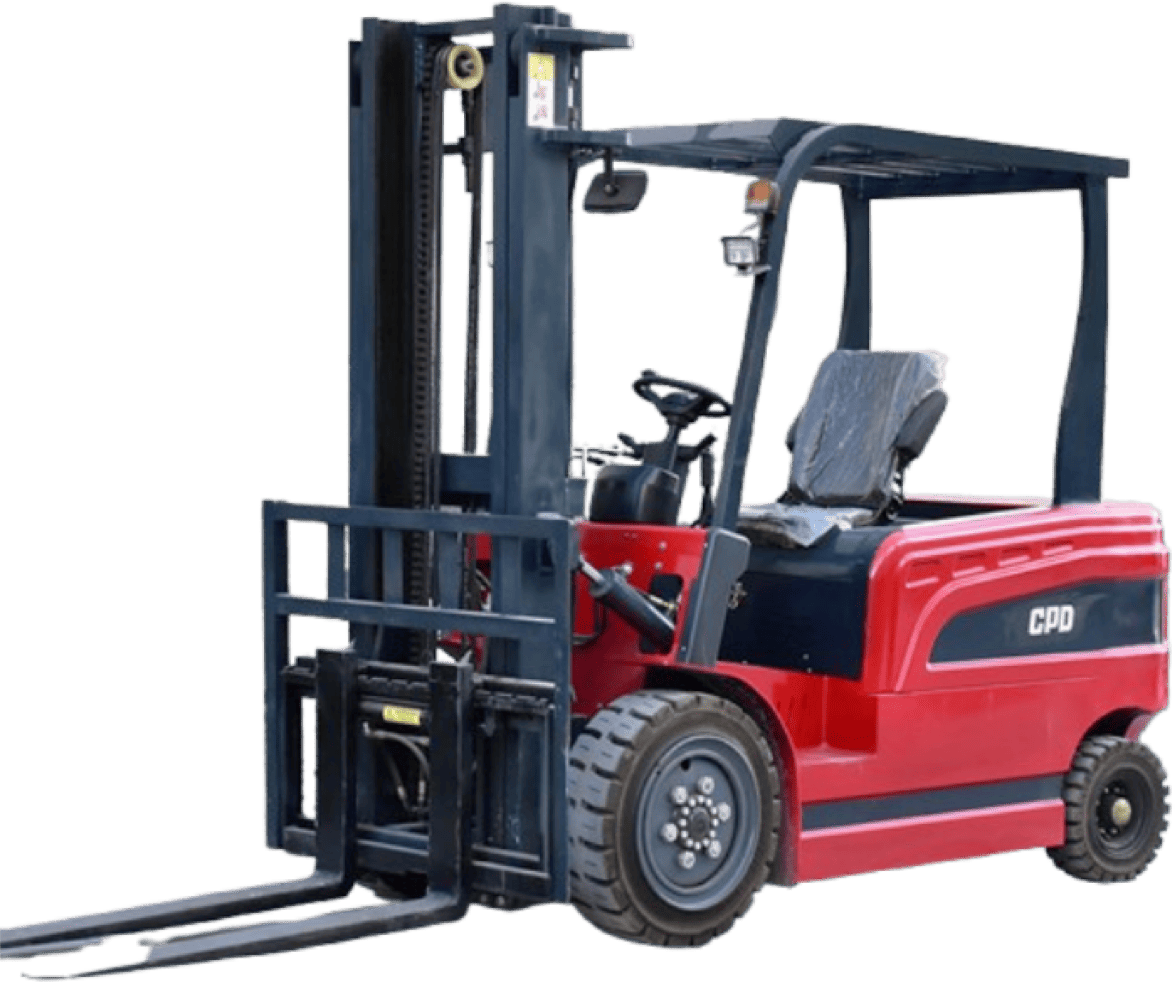
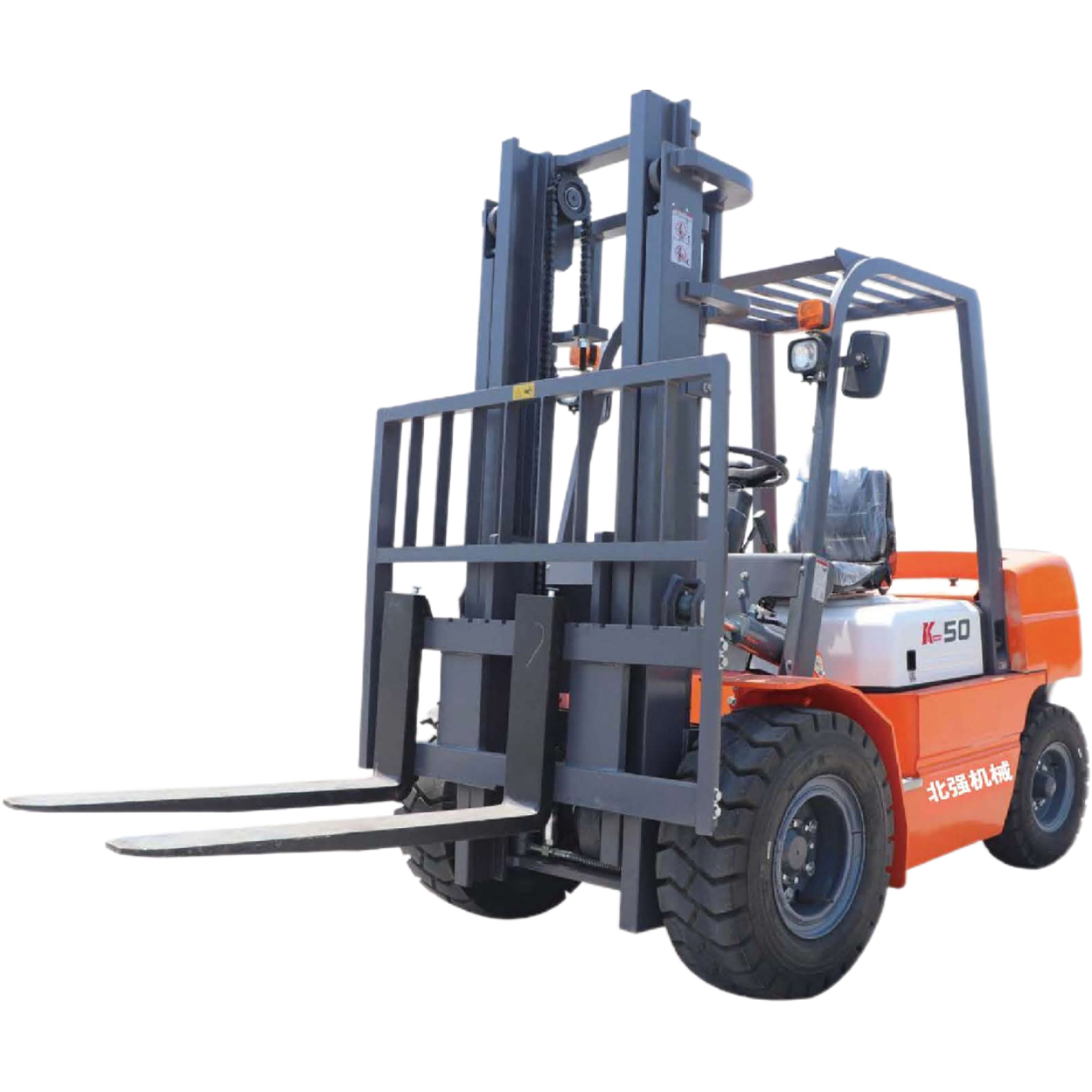
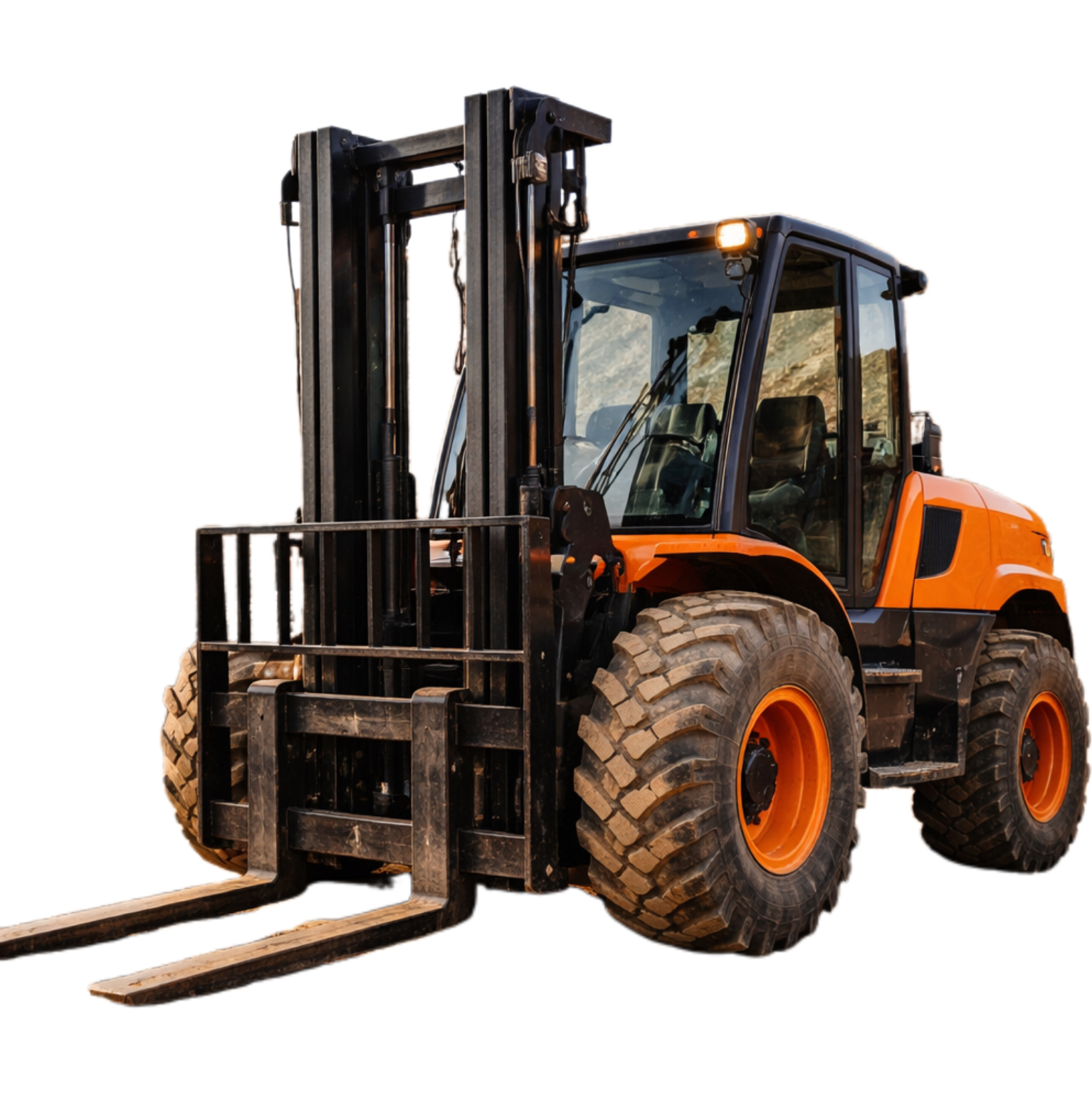


LPG Forklifts
Versatile and Cost-Effective Solutions for Indoor and Outdoor Material Handling
In material handling operations where flexibility, power, and fast refueling are essential, LPG forklifts (also known as propane or gas forklifts) offer a balanced solution. Positioned between electric and diesel forklifts, LPG forklifts provide strong performance with lower emissions and operational versatility.
This article explores LPG forklifts in depth, covering their design, advantages, applications, safety considerations, and how they compare with other forklift types.
1. What Is an LPG Forklift?
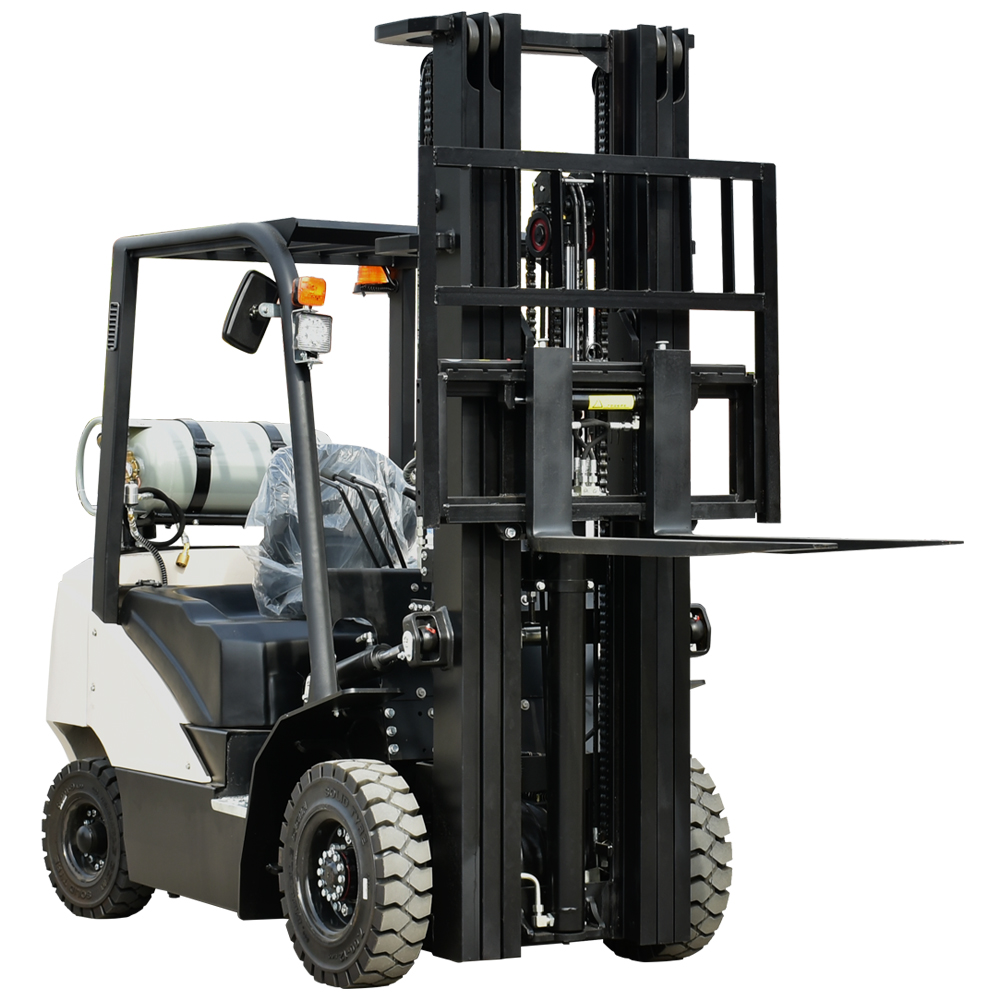
An LPG forklift is powered by liquefied petroleum gas, typically propane or butane. Unlike diesel forklifts, LPG forklifts produce cleaner emissions and are suitable for both indoor and outdoor operations when proper ventilation is available.
LPG forklifts are commonly used in:
Warehouses
Manufacturing plants
Logistics centers
Mixed indoor-outdoor facilities
Their versatility makes them popular across many industries.
2. How LPG Forklifts Work
LPG forklifts use:
An internal combustion engine
A removable LPG gas cylinder
Fuel injection or vaporizer systems
The LPG cylinder supplies gas to the engine, delivering smooth and consistent power output.
3. Key Advantages of LPG Forklifts
Fast Refueling
Replacing an LPG cylinder takes only minutes, minimizing downtime compared to battery charging.
Lower Emissions Than Diesel
LPG produces fewer particulates and lower carbon emissions than diesel fuel.
Consistent Power Output
Unlike battery-powered forklifts, LPG forklifts maintain stable performance throughout the shift.
Indoor and Outdoor Flexibility
With proper ventilation, LPG forklifts can operate indoors while still performing well outdoors.
4. LPG Forklifts vs Electric Forklifts
| Feature | LPG Forklift | Electric Forklift |
|---|---|---|
| Refueling time | Minutes | Hours |
| Emissions | Low | Zero |
| Indoor use | Moderate | Excellent |
| Maintenance | Medium | Low |
| Power consistency | High | Battery-dependent |
LPG forklifts are ideal for operations that require continuous use without long charging breaks.
5. LPG Forklifts vs Diesel Forklifts
| Feature | LPG Forklift | Diesel Forklift |
|---|---|---|
| Emissions | Lower | Higher |
| Noise | Lower | Higher |
| Indoor suitability | Better | Limited |
| Fuel efficiency | Moderate | High power |
LPG forklifts offer a cleaner alternative to diesel while retaining strong lifting performance.
6. Typical Applications of LPG Forklifts
LPG forklifts are widely used in:
Manufacturing facilities
Warehouses with dock doors
Distribution centers
Beverage and packaging industries
They are especially useful in operations that switch frequently between indoor and outdoor tasks.
7. Load Capacity and Performance
LPG forklifts are available in:
Light-duty models (1.5–2.5 tons)
Medium-duty models (3–5 tons)
Heavy-duty configurations
Their strong torque makes them suitable for heavy pallet handling and ramp operations.
8. Safety Considerations
Safety is critical when operating LPG forklifts.
Key safety measures include:
Proper cylinder installation
Leak detection systems
Adequate ventilation
Operator training
When maintained correctly, LPG forklifts are safe and reliable.
9. Operator Comfort and Productivity
Modern LPG forklifts feature:
Smooth engine performance
Reduced vibration
Ergonomic control layouts
Comfortable operators maintain higher productivity and accuracy.
10. Maintenance Requirements
LPG forklifts require:
Regular engine servicing
Fuel system inspections
Cylinder and valve checks
Maintenance costs are generally lower than diesel forklifts but higher than electric models.
11. Fuel Storage and Infrastructure
Operating LPG forklifts requires:
Safe LPG cylinder storage
Compliance with fire and safety regulations
Staff training for cylinder handling
Proper infrastructure ensures safe and efficient fuel management.
12. Environmental and Regulatory Considerations
Many regions favor LPG forklifts due to:
Lower emissions
Compliance with indoor air quality standards
Reduced environmental impact
LPG forklifts help companies meet environmental requirements without fully transitioning to electric fleets.
13. Total Cost of Ownership (TCO)
LPG forklifts offer balanced TCO:
Moderate purchase cost
Predictable fuel expenses
Reasonable maintenance costs
They are cost-effective for medium- to high-usage operations.
14. LPG Forklifts in Mixed Fleets
Many operations use LPG forklifts alongside:
Electric forklifts
Diesel forklifts
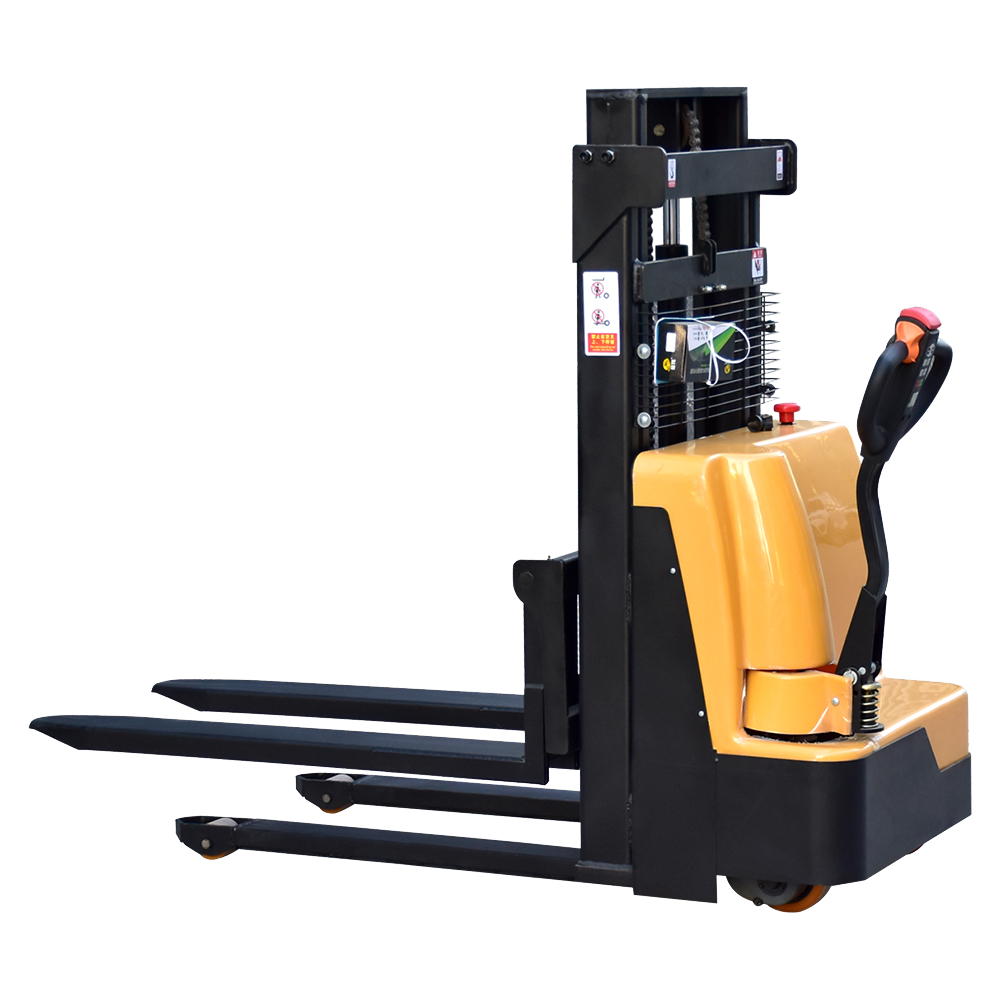
Pallet trucks and stackers
This mixed-fleet approach allows each machine to handle tasks best suited to its capabilities.
15. Future Trends in LPG Forklifts
Industry developments include:
Improved emission control systems
More fuel-efficient engines
Integration with telematics and fleet monitoring
LPG forklifts continue to evolve as a practical, transitional solution.
16. Conclusion
LPG forklifts provide an ideal balance between power, flexibility, and environmental performance. With fast refueling, consistent power, and lower emissions than diesel, they are well-suited for facilities that operate across indoor and outdoor environments.
For businesses seeking versatile material handling solutions without the limitations of battery charging or high diesel emissions, LPG forklifts remain a reliable and cost-effective choice.
Our manager will contact you shortly.
To contact you about our products and services.


Copyright © Xingtai Beiqiang Machinery Manufacturing Factory. 2025.
Technical support:Echola