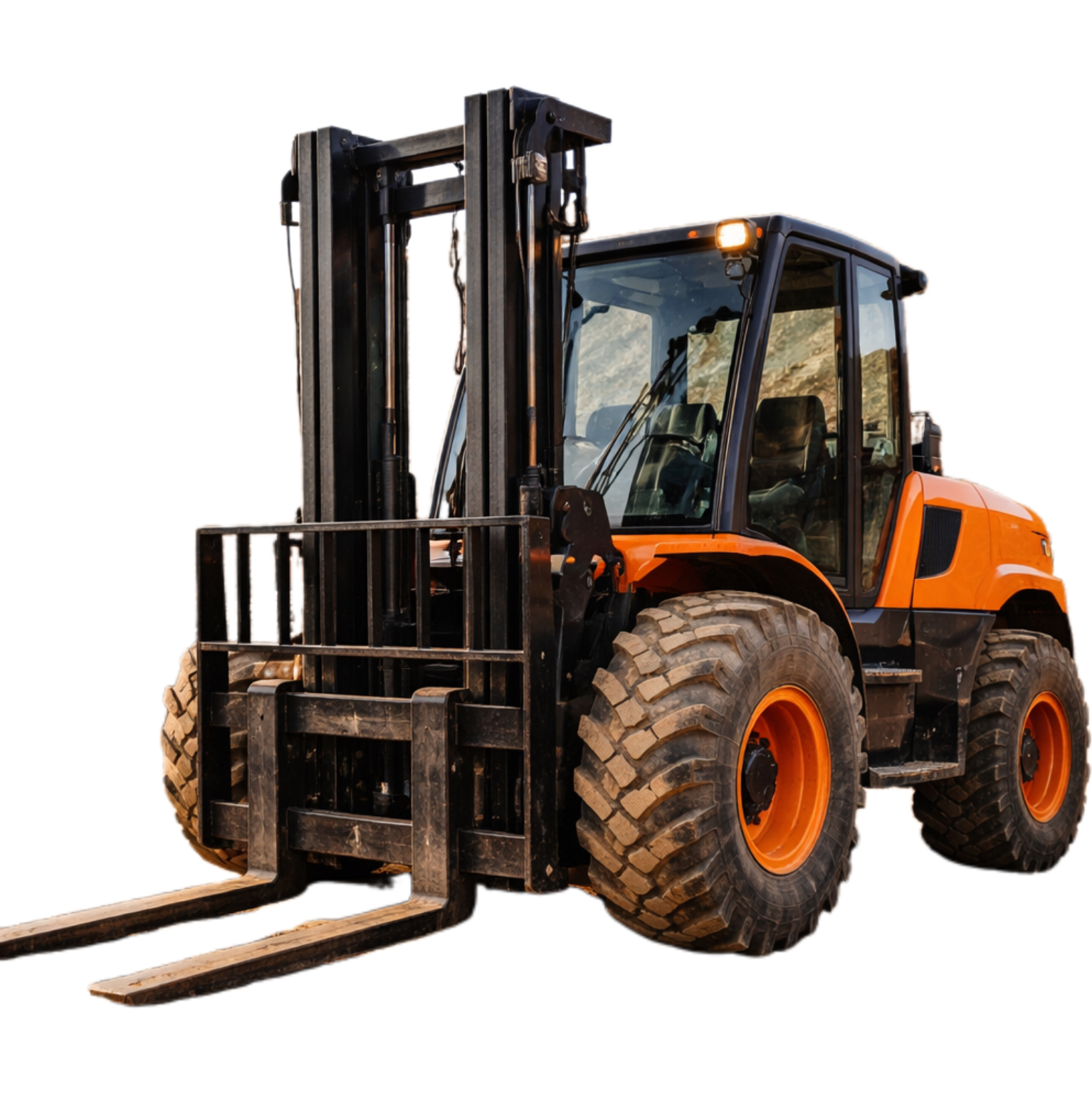


Efficient, Clean, and Smart Solutions for Modern Material Handling
As warehouses and industrial facilities continue to modernize, electric forklifts have become one of the most widely adopted material handling solutions worldwide. Driven by the need for cleaner operations, lower operating costs, and higher efficiency, electric forklifts are replacing traditional internal combustion models in many industries.
This article provides a comprehensive overview of electric forklifts, including their working principles, advantages, applications, battery technologies, and how to select the right model for different operational needs.
1. What Is an Electric Forklift?
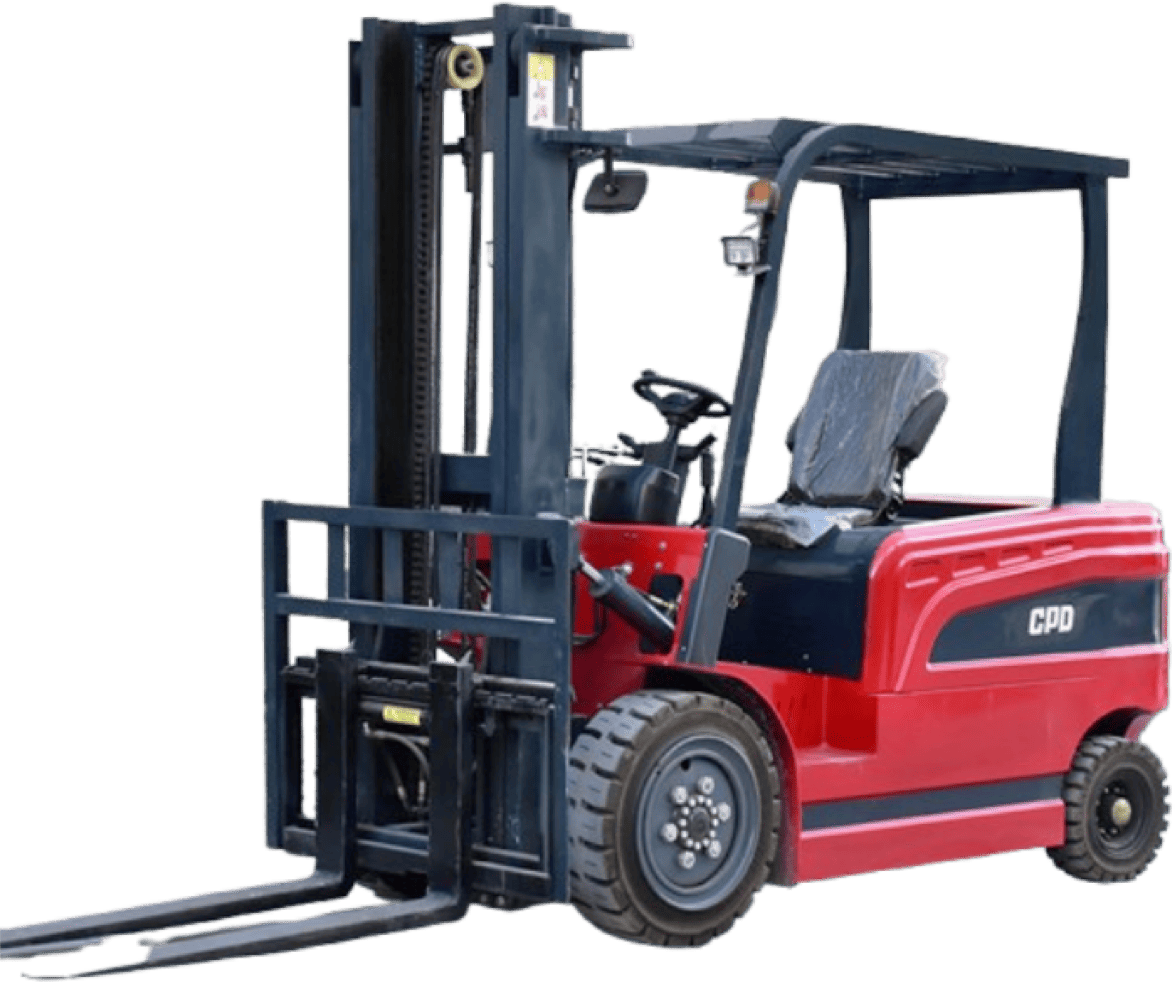
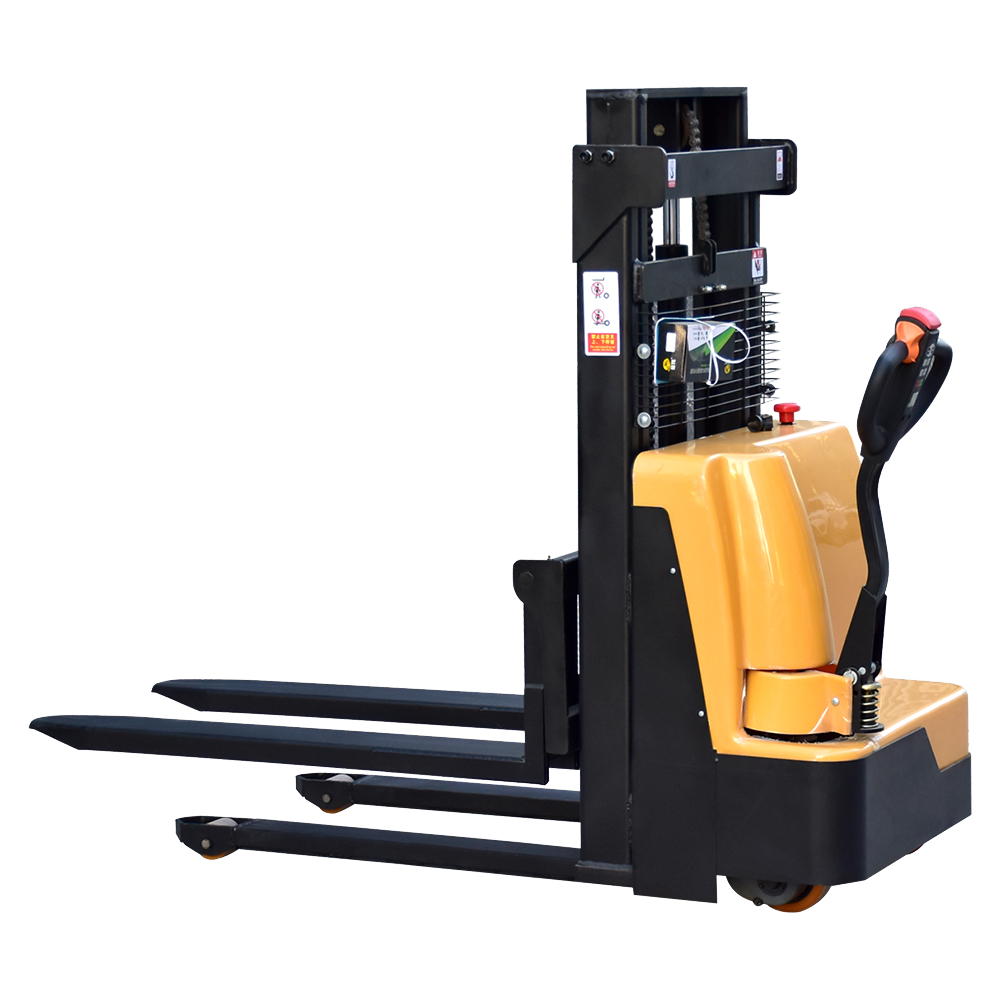
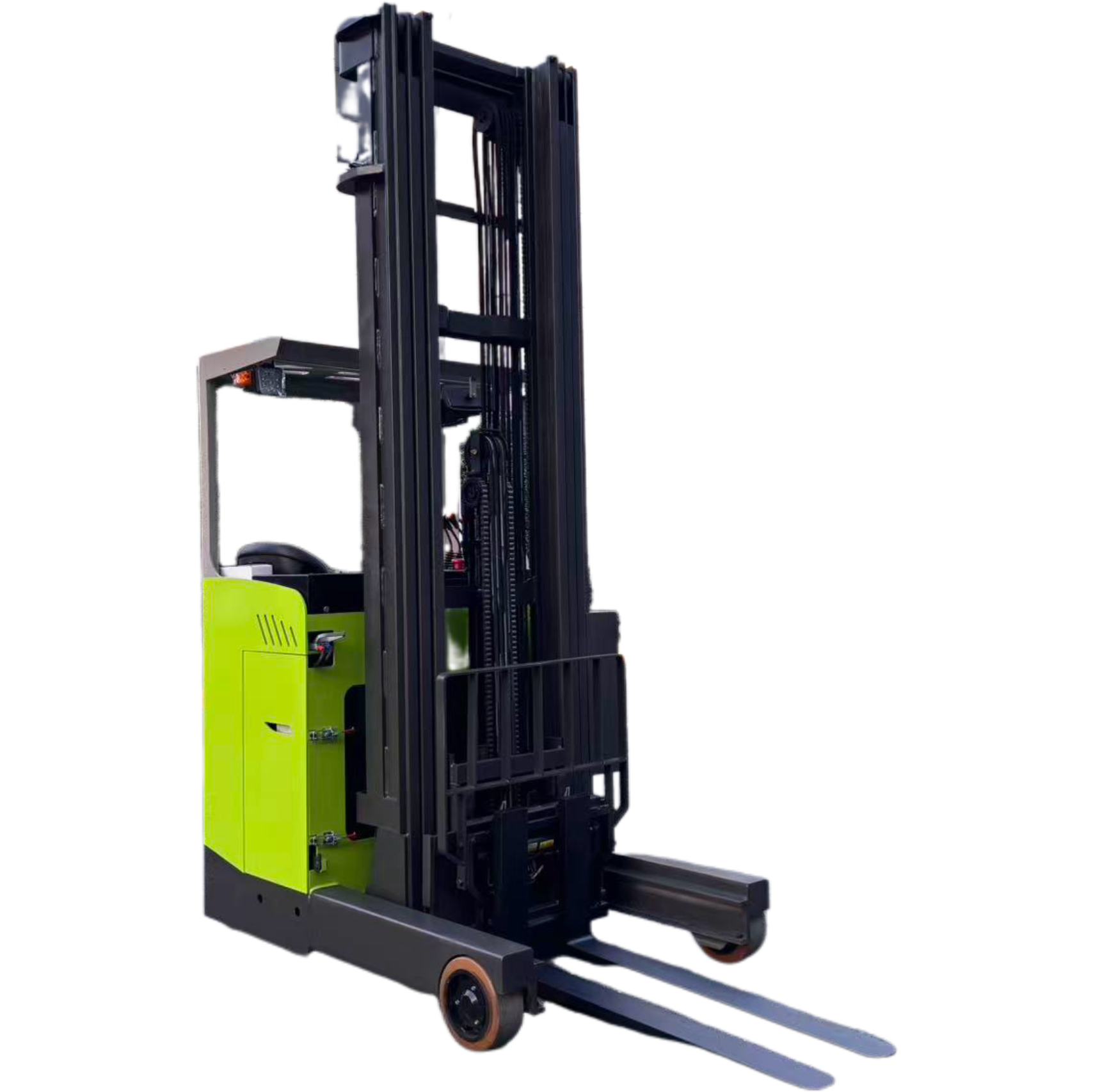
An electric forklift is a type of forklift powered by an electric motor and rechargeable battery rather than an internal combustion engine. It is designed for lifting, transporting, and stacking loads in indoor or semi-indoor environments.
Electric forklifts are commonly used in:
Warehouses
Manufacturing plants
Distribution centers
Cold storage facilities
Their clean, quiet operation makes them ideal for enclosed spaces.
2. Key Components of an Electric Forklift
An electric forklift consists of several essential systems:
Electric drive motor for movement
Lift motor for raising and lowering loads
Battery system (lead-acid or lithium-ion)
Controller and power management system
Hydraulic system for mast operation
Together, these components deliver smooth and precise performance.
3. Advantages of Electric Forklifts
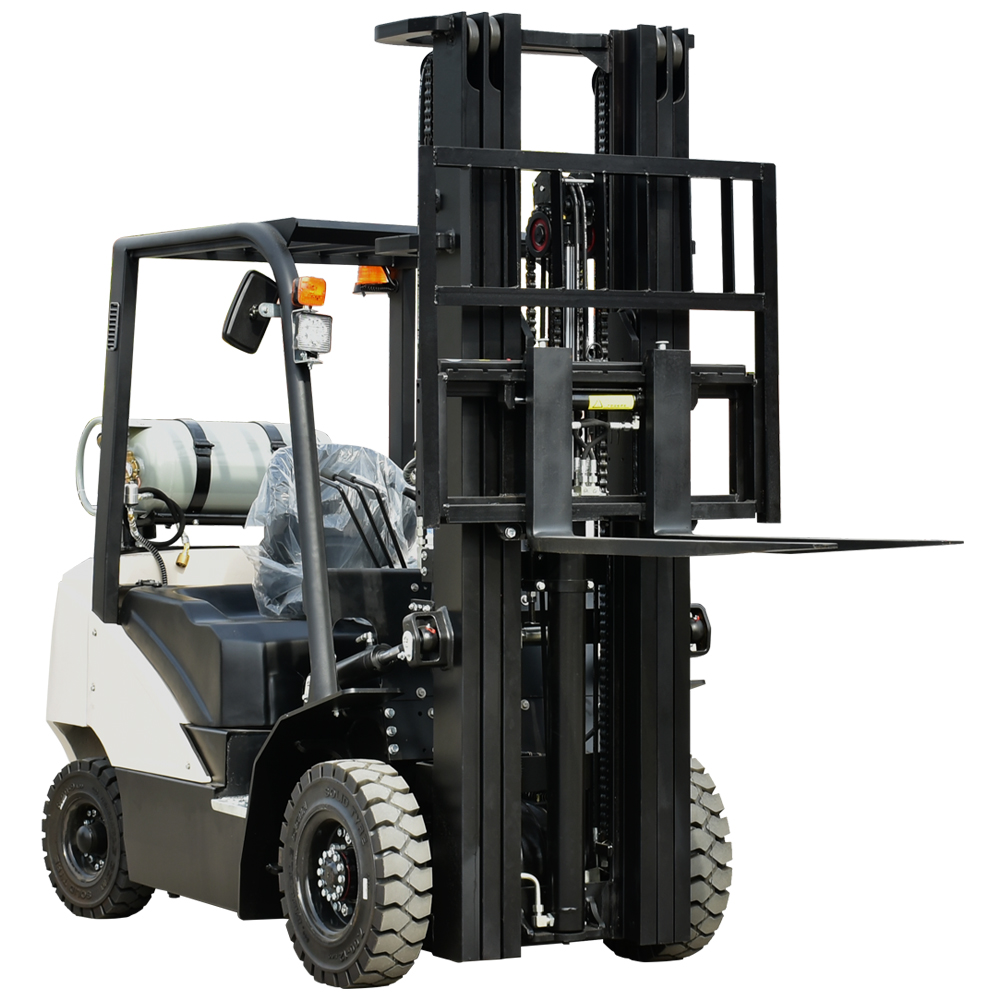
Electric forklifts offer multiple advantages over diesel and LPG forklifts.
Zero Emissions
Electric forklifts produce no exhaust gases, making them safe for indoor use and compliant with environmental regulations.
Low Noise Operation
Quiet operation improves working conditions and communication inside warehouses.
Lower Maintenance Costs
With fewer moving parts, electric forklifts require:
No engine oil changes
No fuel filters
No exhaust system maintenance
High Energy Efficiency
Electric motors convert a higher percentage of energy into usable work, reducing operating costs.
4. Electric Forklifts vs Diesel and LPG Forklifts
| Feature | Electric Forklift | Diesel Forklift | LPG Forklift |
|---|---|---|---|
| Emissions | Zero | High | Medium |
| Noise | Low | High | Medium |
| Indoor use | Excellent | Limited | Moderate |
| Maintenance | Low | High | Medium |
| Fuel/energy cost | Low | High | Medium |
Electric forklifts are the preferred choice for clean and controlled environments.
5. Battery Technologies for Electric Forklifts
Battery technology plays a critical role in electric forklift performance.
Lead-Acid Batteries
Lower initial cost
Proven technology
Require regular maintenance (watering, equalizing)
Lithium-Ion Batteries
Fast charging
Opportunity charging
Maintenance-free
Longer lifespan
Lithium-ion electric forklifts are increasingly popular for multi-shift operations.
6. Applications of Electric Forklifts
Electric forklifts are used across various industries:
Warehousing and logistics – pallet transport and stacking
Manufacturing – moving raw materials and finished goods
Food and beverage – hygienic, emission-free handling
Pharmaceuticals – clean-room compatible operations
Cold storage – specialized electric forklifts with cold-resistant components
Their versatility makes them suitable for both light and heavy-duty tasks.
7. Indoor Efficiency and Space Optimization
Electric forklifts are typically more compact than diesel models, allowing:
Better maneuverability
Tighter turning radius
Improved aisle efficiency
This makes them ideal for high-density warehouse layouts.
8. Operator Comfort and Ergonomics
Modern electric forklifts are designed with operator comfort in mind.
Common features include:
Ergonomic seating and controls
Smooth acceleration and braking
Reduced vibration
Comfortable operators are more productive and make fewer errors.
9. Safety Features in Electric Forklifts
Electric forklifts incorporate advanced safety systems such as:
Load weight sensors
Speed limitation at height
Anti-roll and stability control
Emergency stop buttons
These features help prevent accidents and protect both operators and inventory.
10. Charging Strategies and Fleet Planning
Efficient charging strategies are essential for electric forklift fleets.
Conventional Charging
Overnight charging
Suitable for single-shift operations
Opportunity Charging
Short charging sessions during breaks
Supported by lithium-ion batteries
Proper charging planning minimizes downtime and maximizes utilization.
11. Environmental and Sustainability Benefits
Electric forklifts support corporate sustainability goals by:
Reducing carbon emissions
Improving indoor air quality
Lowering overall energy consumption
Many companies adopt electric forklifts to meet ESG and environmental compliance standards.
12. Total Cost of Ownership (TCO)
Although electric forklifts may have a higher initial purchase price, their long-term costs are often lower due to:
Reduced energy expenses
Lower maintenance requirements
Longer equipment lifespan
TCO analysis frequently favors electric forklifts in indoor and high-usage applications.
13. Choosing the Right Electric Forklift
Key factors to consider include:
Load capacity
Lift height
Battery type
Aisle width
Working environment
Selecting the correct model ensures optimal performance and return on investment.
14. Integration with Smart Warehouse Systems
Modern electric forklifts can integrate with:
Telematics systems
Warehouse Management Systems (WMS)
Fleet management platforms
This enables data-driven optimization of material handling operations.
15. Future Trends in Electric Forklifts
The electric forklift market continues to evolve with:
Wider adoption of lithium-ion batteries
Smart diagnostics and IoT connectivity
Automation-ready designs
Electric forklifts are becoming smarter, more efficient, and more sustainable.
16. Conclusion
Electric forklifts represent the future of material handling in warehouses and industrial facilities. Their clean operation, energy efficiency, low maintenance requirements, and advanced safety features make them an ideal solution for modern logistics and manufacturing environments.
For companies seeking to improve efficiency while reducing environmental impact and operating costs, electric forklifts offer a reliable and future-proof investment.
Our manager will contact you shortly.
To contact you about our products and services.


Copyright © Xingtai Beiqiang Machinery Manufacturing Factory. 2025.
Technical support:Echola