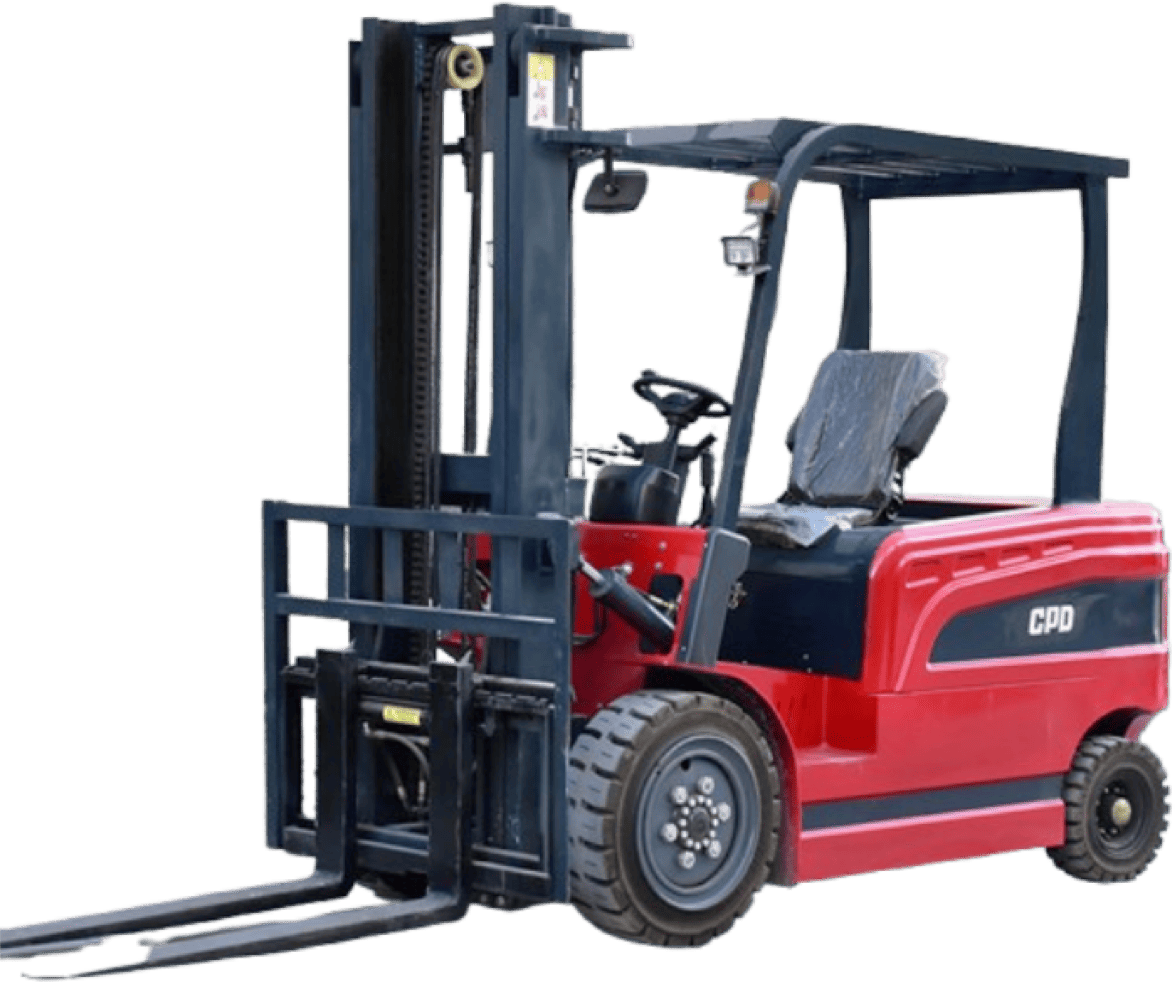
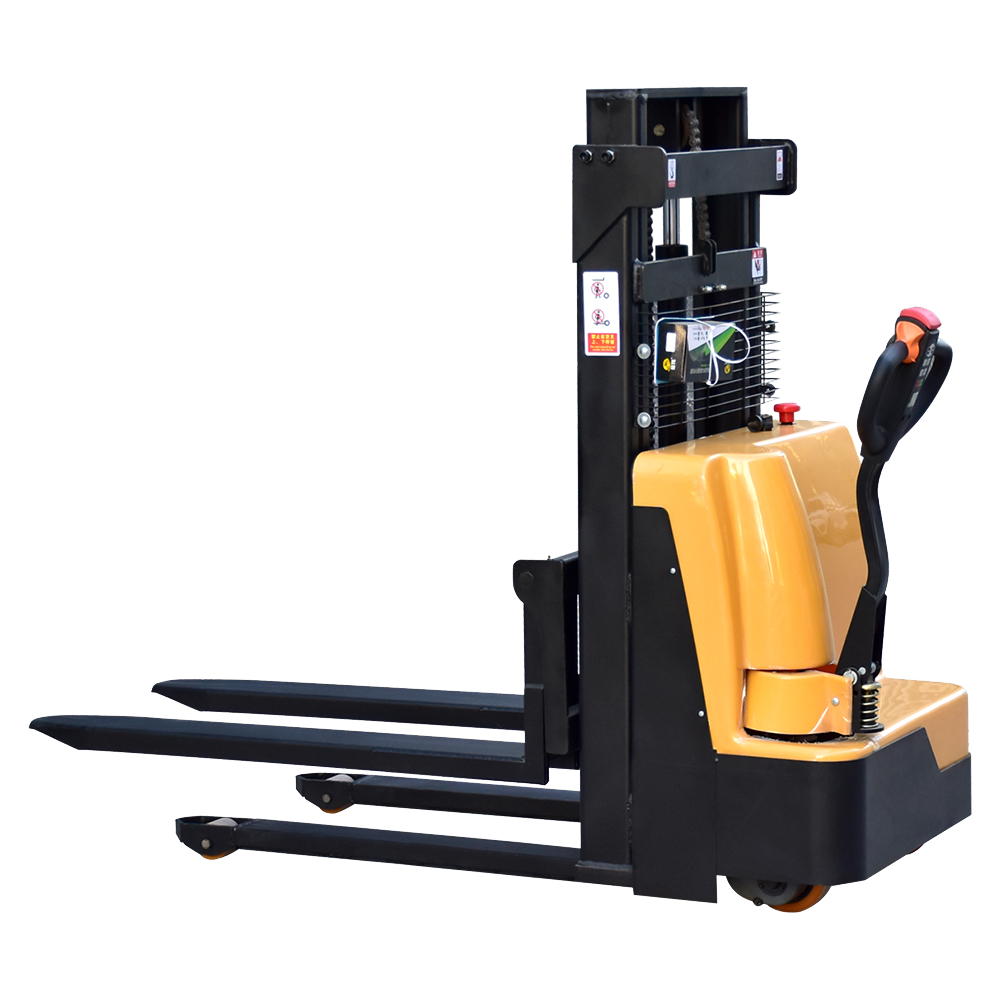
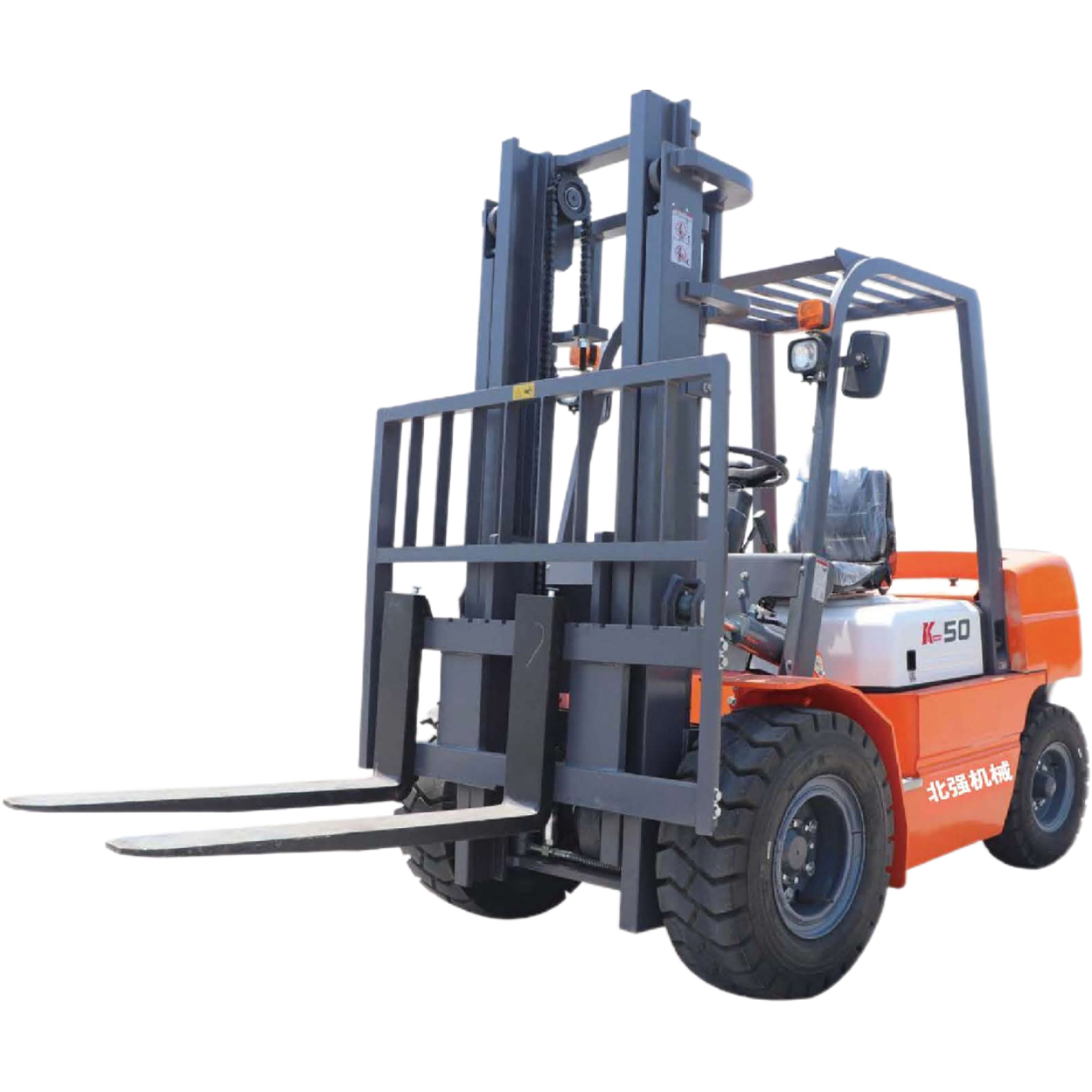
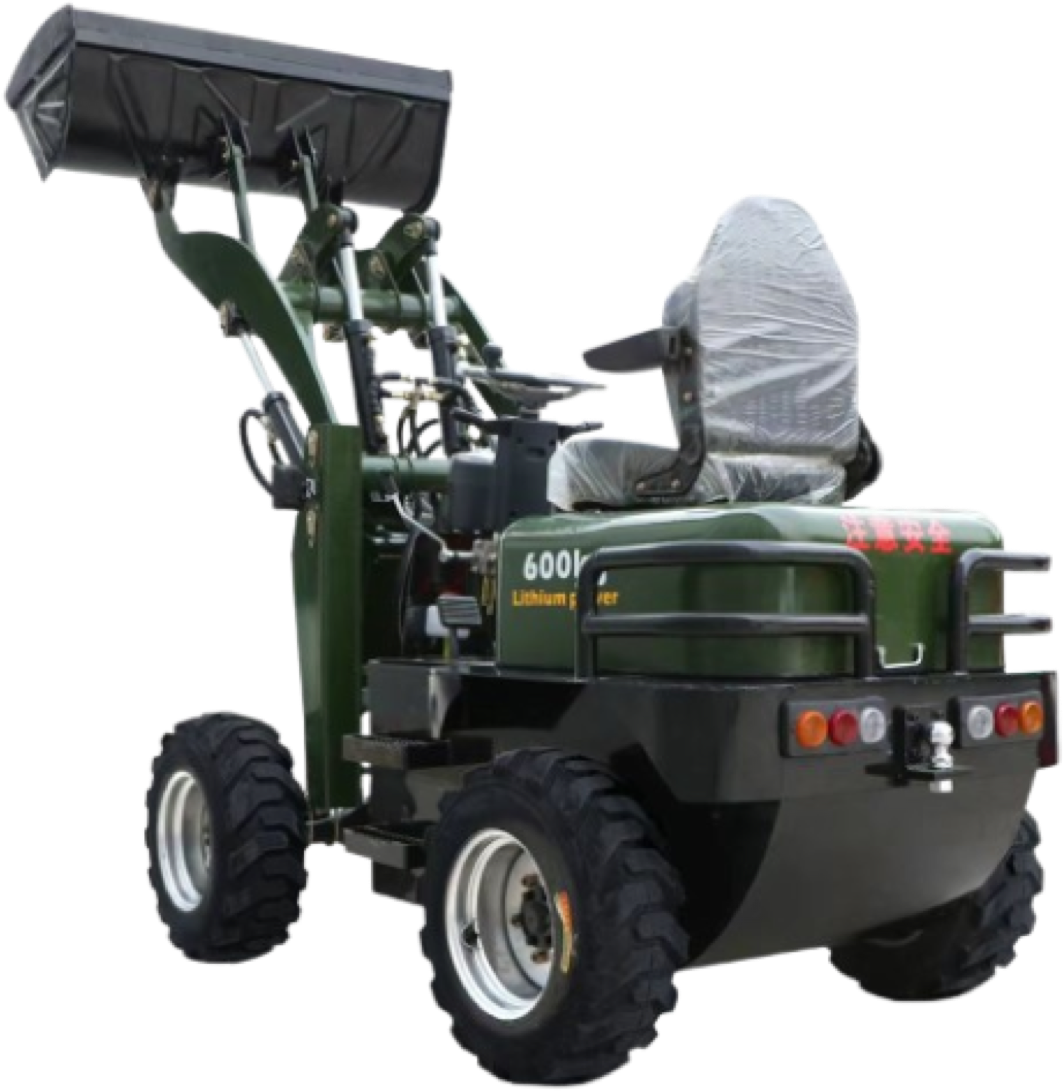
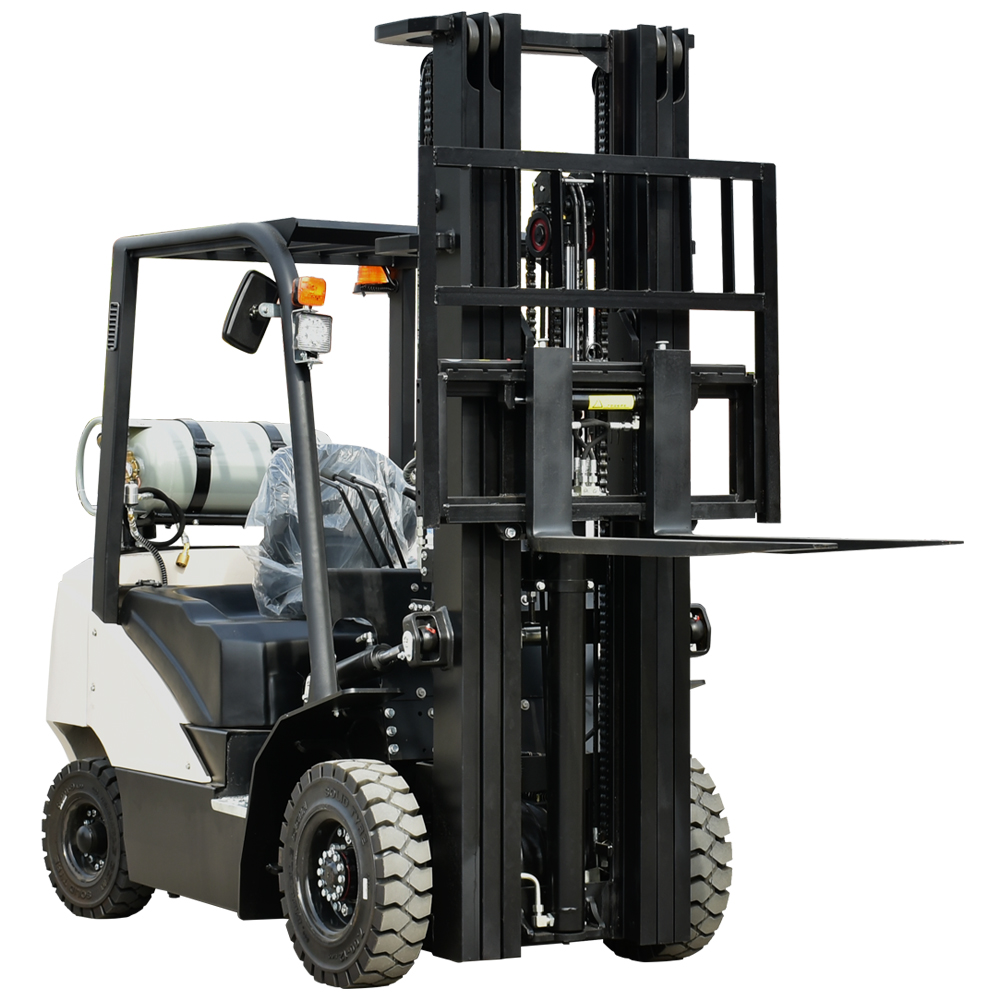


In the world of material handling and logistics, choosing the right forklift is critical for operational efficiency, productivity, and cost management. Among the various power options available—including electric, propane, and gasoline—diesel forklifts remain a dominant force for heavy-duty, outdoor, and large-scale industrial applications. Known for their robust power, exceptional durability, and lower long-term fuel costs, diesel forklifts are engineered to tackle the toughest jobs.
What is a Diesel Forklift?
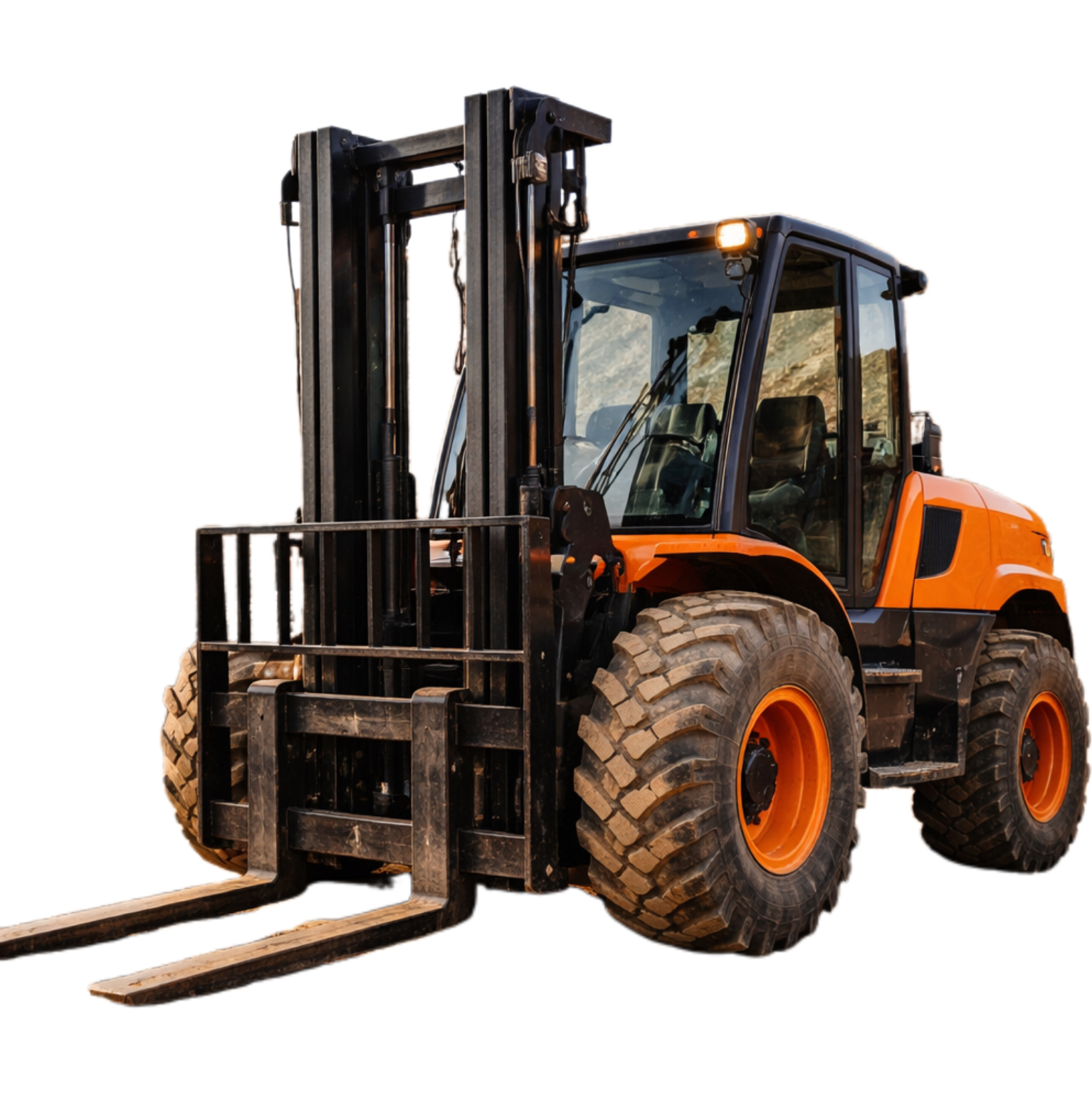
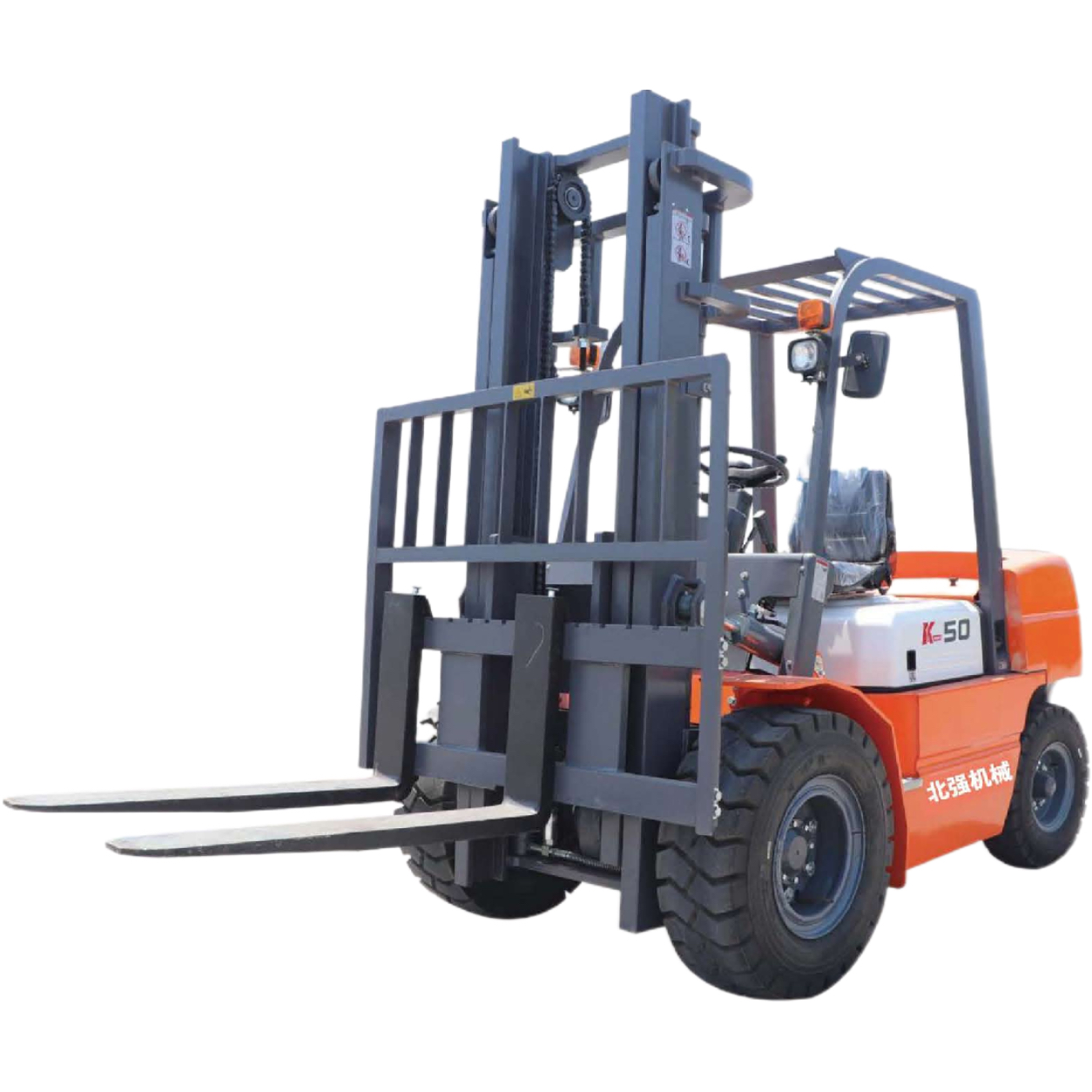
A diesel forklift is a type of internal combustion (IC) forklift powered by a diesel engine. These forklifts ignite fuel through compression, generating significant torque and power. They are typically characterized by their large size, high lifting capacities (often ranging from 10,000 to over 50,000 pounds), and suitability for rugged environments such as construction sites, shipping yards, lumber mills, and heavy manufacturing facilities.
Key Advantages of Diesel Forklifts
Unmatched Power and Torque: Diesel engines provide superior torque and continuous power, making them ideal for lifting extremely heavy loads, climbing gradients, and operating on uneven terrain. They maintain consistent performance under heavy strain.
Durability and Longevity: Built with heavy-duty components, diesel forklifts have a longer operational lifespan compared to many alternatives. Their engines are designed to withstand high-stress, continuous use with proper maintenance.
Cost-Effectiveness in Fuel and Operation: Diesel fuel is generally less expensive than gasoline or propane. Diesel engines are also more fuel-efficient, especially under heavy loads, resulting in lower long-term operating costs for high-intensity applications.
Outdoor and Rough Terrain Superiority: Unlike electric forklifts, diesel models are not limited by battery life or charging infrastructure. They excel in outdoor settings, regardless of weather conditions, and are often available as rough-terrain models with large, pneumatic tires.
High Resale Value: Due to their durability and sustained demand in specific industries, well-maintained diesel forklifts tend to retain a higher resale value.
Diesel Forklifts vs. Electric Forklifts: Choosing the Right Fit
The choice between diesel and electric hinges on application:
Diesel is best for outdoor/rough terrain, heavy loads (15,000+ lbs), long shifts, and cold storage (as performance isn’t degraded by cold temperatures).
Electric is optimal for indoor/warehouse use, lower noise/emission requirements, lighter to medium loads, and operations with access to charging infrastructure.
While electric forklifts offer zero emissions and lower noise, diesel forklifts provide the relentless power needed for the most demanding tasks where environmental conditions and load weights are challenging.
Essential Maintenance Tips for Diesel Forklifts
To maximize the lifespan and efficiency of a diesel forklift, a consistent maintenance regimen is crucial:
Regular Engine Service: Follow strict schedules for oil changes, air filter replacements, and fuel filter changes to prevent contaminants from damaging the engine.
Emissions System Care: Modern diesel forklifts include Diesel Particulate Filters (DPF) and Selective Catalytic Reduction (SCR) systems. These require periodic regeneration and cleaning to meet emissions standards and maintain performance.
Fuel Management: Use high-quality diesel fuel and consider fuel stabilizers if the forklift is stored for extended periods. Keep the fuel tank clean to avoid injector issues.
Comprehensive Inspections: Daily checks of fluids, tires, brakes, and hydraulic systems are essential to prevent downtime and ensure safety.
Applications and Industries
Diesel forklifts are indispensable in industries that require moving substantial weight in challenging environments:
Construction: Transporting pallets of materials, steel beams, and concrete blocks.
Shipping and Ports: Loading/unloading heavy containers and cargo.
Agriculture and Lumber: Handling large bales, timber, and heavy equipment.
Heavy Manufacturing: Moving large metal parts, machinery, and industrial products.
Conclusion
Diesel forklifts represent the pinnacle of power and endurance in material handling. For businesses that require a robust, cost-effective solution for heavy lifting in outdoor or harsh industrial settings, investing in a diesel forklift is a strategic decision that promises reliability and productivity for years to come. By understanding their advantages, required maintenance, and ideal applications, companies can optimize their operations and achieve a strong return on investment.
When selecting equipment, always assess your specific load requirements, operating environment, and total cost of ownership to determine if a diesel forklift is the right powerhouse for your needs.
Our manager will contact you shortly.
To contact you about our products and services.


Copyright © Xingtai Beiqiang Machinery Manufacturing Factory. 2025.
Technical support:Echola