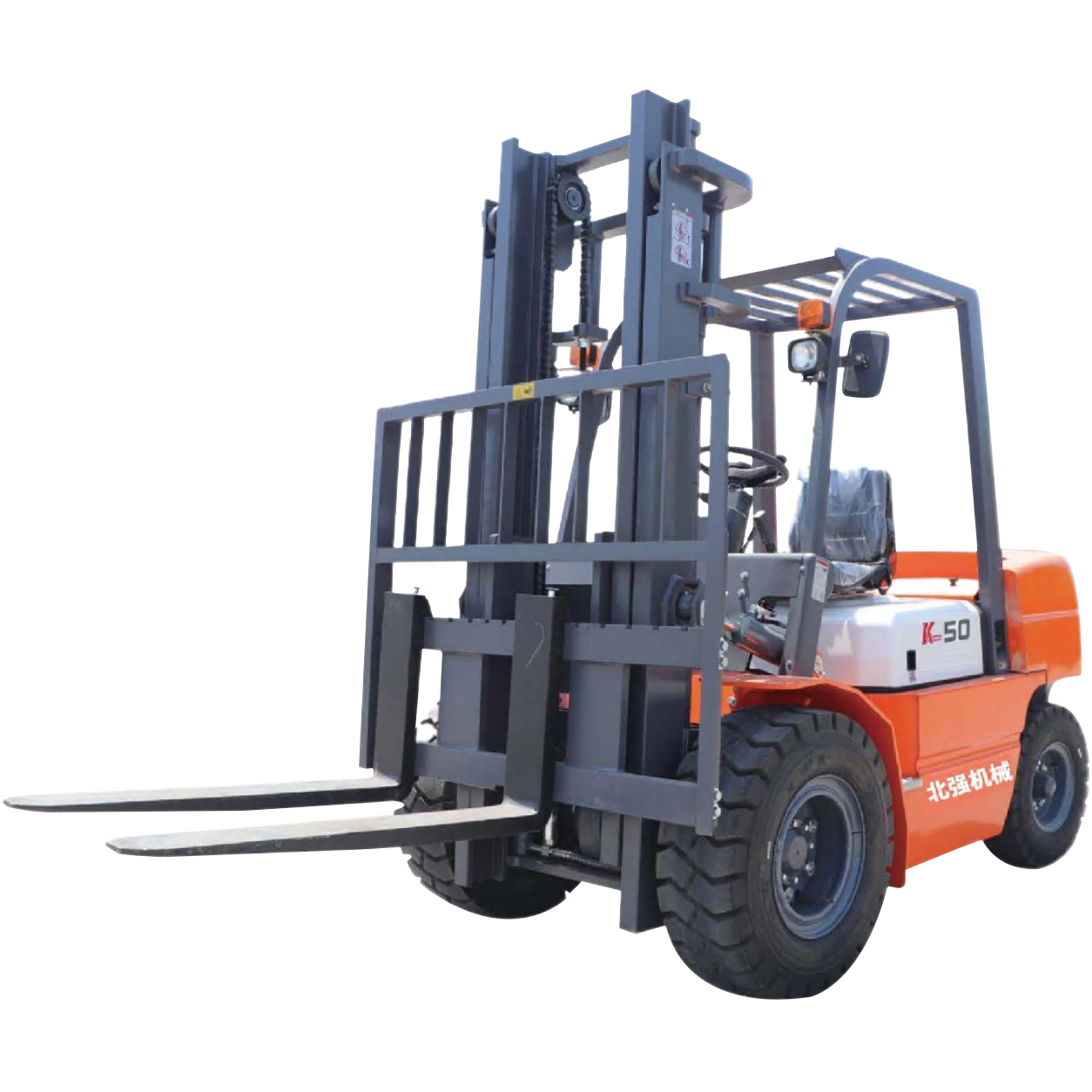
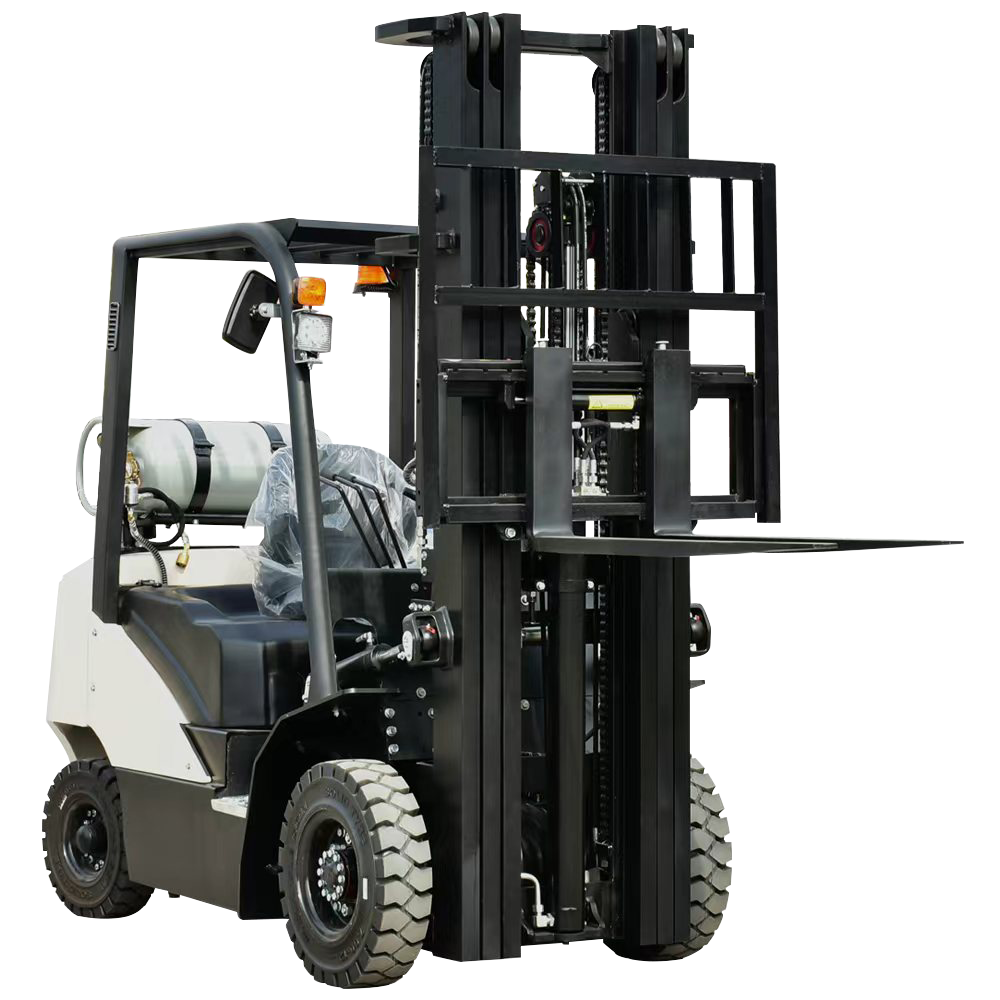
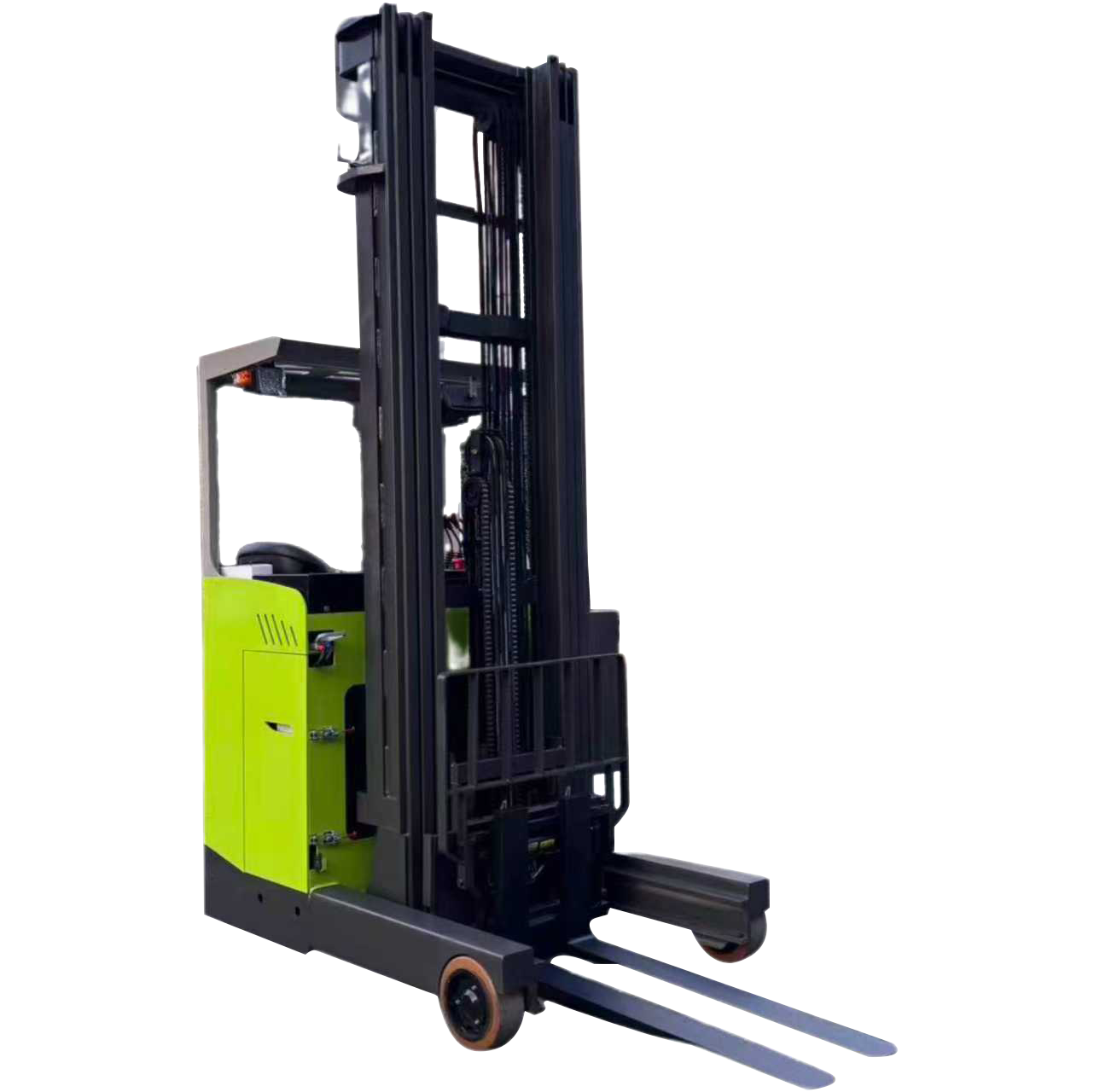
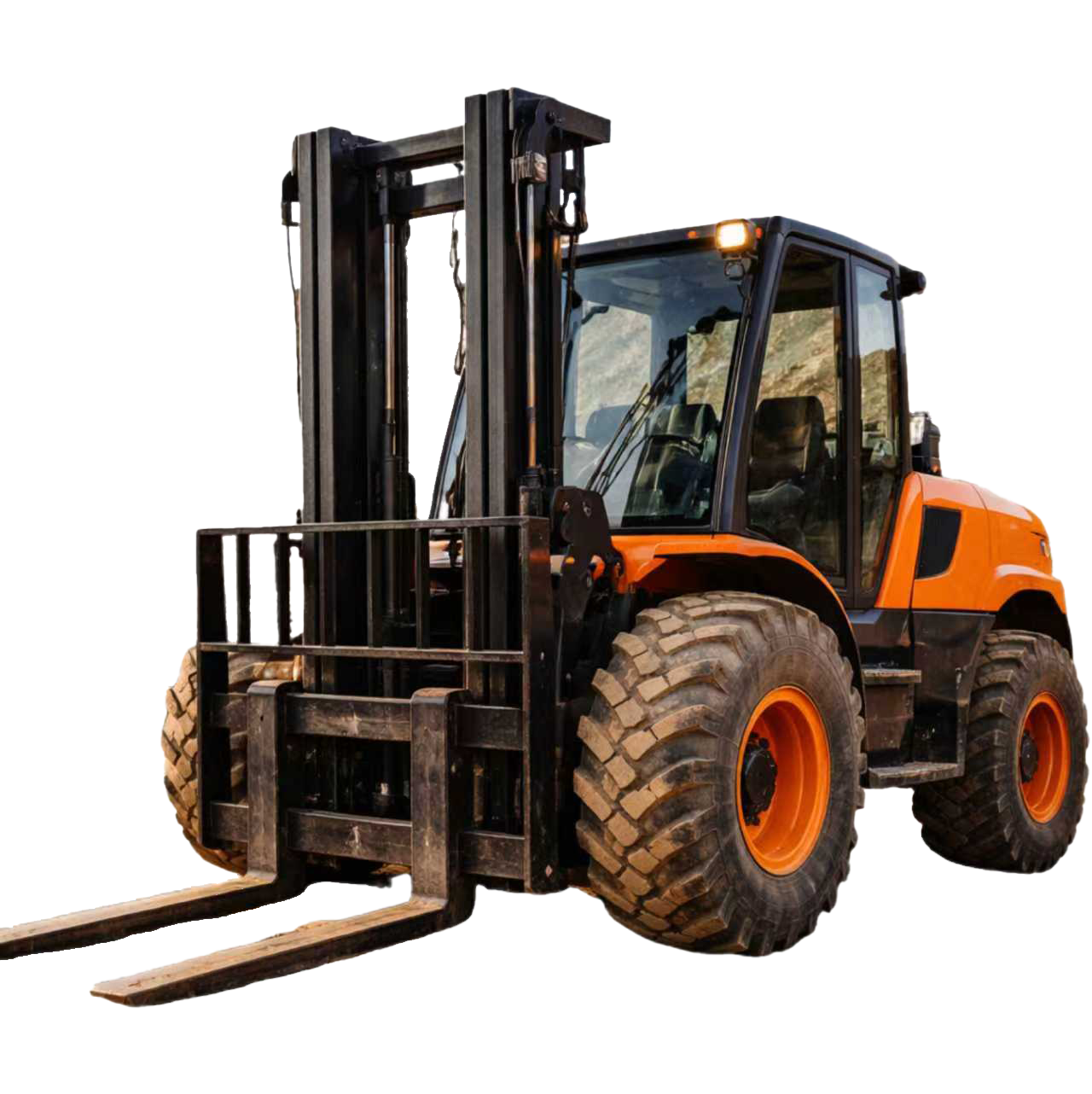


Diesel Forklifts as a Strategic Investment: Analyzing TCO, ROI, and Future Trends
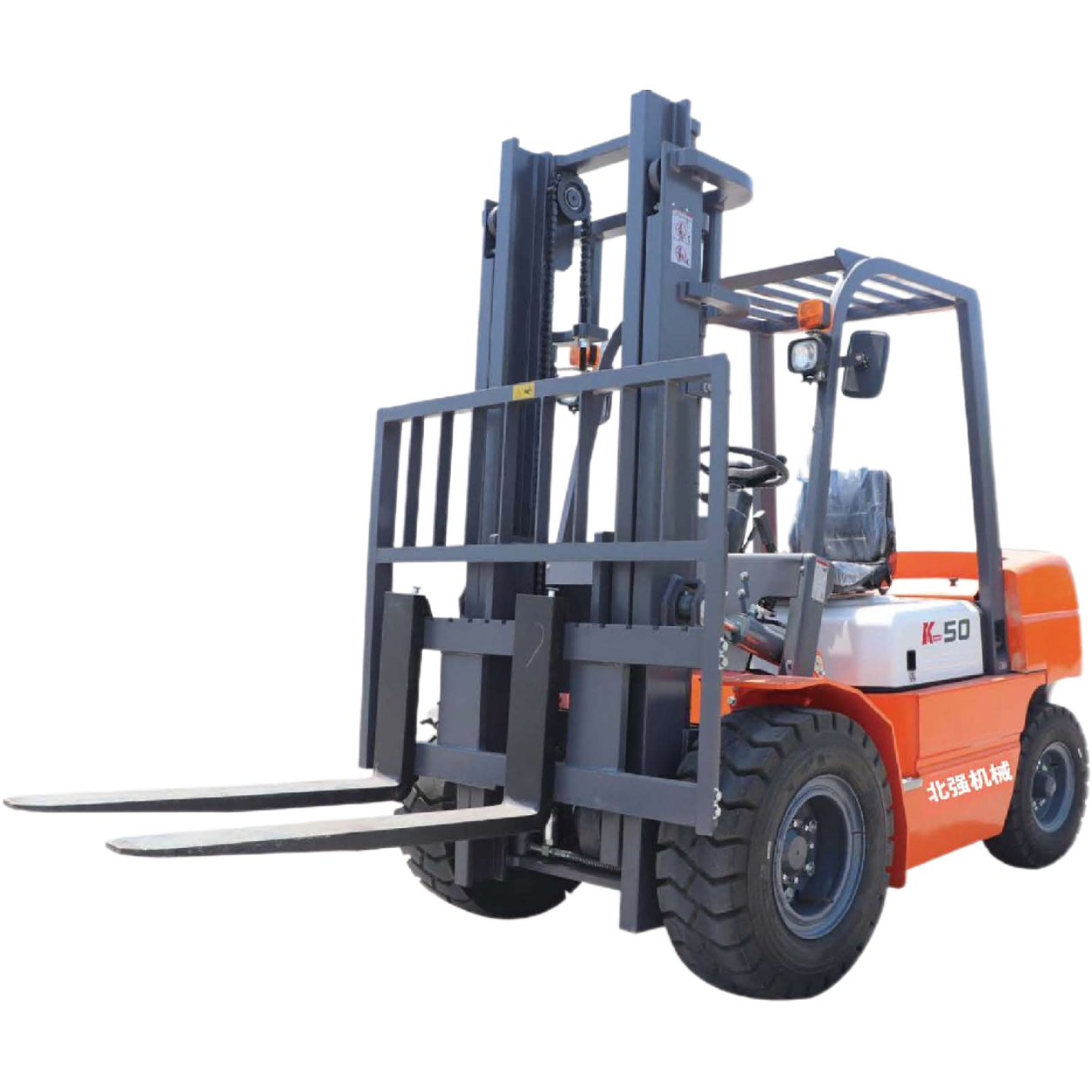
For procurement managers, fleet supervisors, and business owners, acquiring a diesel forklift is not just a purchase—it’s a capital investment that impacts operational efficiency and the bottom line for years. Moving beyond basic specifications, this guide provides a strategic framework for evaluating diesel forklifts through the lenses of Total Cost of Ownership (TCO), Return on Investment (ROI), and the evolving landscape shaped by new technologies and market demands.
The Total Cost of Ownership (TCO) Framework
Understanding the true cost over the asset's lifecycle is critical. TCO extends far beyond the initial purchase price (CAPEX).
Acquisition Cost: The upfront price of the new or used forklift, plus any essential attachments, delivery, and sales tax.
Operating Costs (The Major Variable):
Fuel: The largest recurring expense. Calculate based on estimated annual operating hours and average fuel consumption rate.
DEF Fluid: For Tier 4 engines, factor in DEF consumption (typically 2-5% of diesel usage).
Maintenance & Repair Costs:
Preventive Maintenance: Scheduled oil changes, filter replacements, fluid top-ups, and inspections.
Unscheduled Repairs: Component failures, tire replacement (pneumatic tires wear faster on rough ground), and hydraulic system repairs.
Emission System Maintenance: Potential DPF cleaning or SCR system servicing for Tier 4 models.
Downtime Cost: Often overlooked. A forklift in the shop means lost productivity, potential rental costs, and delayed operations. Reliability and dealer service response time directly impact this.
Operator Costs: Wages are fixed, but efficiency gains from a comfortable, high-performance model can reduce cycle times.
Residual Value (A Credit): The estimated resale or trade-in value at the end of your holding period. Strong brands with documented maintenance history retain value best.
TCO Analysis Example: A cheaper, lesser-known brand may have a lower acquisition cost but could incur significantly higher fuel, repair, and downtime costs over 5 years, resulting in a higher TCO than a premium, fuel-efficient model.
Calculating Return on Investment (ROI)
ROI measures the financial benefit of your investment. For a diesel forklift, the “return” is often in productivity gains and cost avoidance.
Key ROI Metrics:
Increased Throughput: Can the new forklift move more pallets per hour due to higher speed or faster lift times?
Reduced Operational Costs: Compare projected fuel efficiency and maintenance costs of the new model versus your old fleet.
Downtime Reduction: Quantify the value of increased reliability.
Versatility & Multi-Tasking: Attachments can eliminate the need for secondary equipment (e.g., a clamp eliminates manual pallet handling).
Simple ROI Perspective: If a new, efficient diesel forklift saves $5,000 annually in fuel and maintenance compared to an older model, and costs $40,000, it pays for its operational savings in 8 years, not counting productivity gains.
Financing Your Fleet: Options to Consider
Straight Purchase: Best for companies with strong capital and seeking long-term ownership. You own the asset and benefit from its residual value.
Leasing: Preserves capital, offers predictable monthly payments, and may include maintenance packages. Ideal for businesses that want to regularly refresh technology.
Rental/Long-Term Hire: Optimal for short-term projects, seasonal peaks, or to manage unexpected downtime. No long-term commitment, but the highest cost per hour over time.
The Future Outlook: Diesel in a Changing World
The diesel forklift market is adapting, not disappearing.
Coexistence with Alternatives: Diesel will remain dominant in ultra-heavy-duty (>20,000 lbs) and harsh outdoor applications. The real competition is in the medium-duty space, where advanced electric forklifts, hydrogen fuel cells, and hybrid technologies are gaining ground for indoor/outdoor use.
The Rise of "Biodiesel Ready" and HVO: Many modern engines are compatible with biodiesel blends or Hydrotreated Vegetable Oil (HVO), a drop-in renewable diesel that significantly reduces carbon emissions without engine modification. This is a major trend for sustainability-focused companies.
"Smart Fleet" Integration: Telematics data is becoming central to procurement decisions. Data on utilization, idle times, and fuel burn from your current fleet directly informs what type and how many forklifts you actually need to buy next.
The Robust Used Market: As Tier 4 technology becomes standard, a bifurcated used market may emerge: high-value, low-hour Tier 4 models with emissions compliance, and lower-cost, high-hour Tier 3 models for less regulated markets or applications.
Strategic Procurement Checklist
Conduct a detailed activity analysis of your current fleet’s telematics data.
Perform a 5-year TCO projection for shortlisted models.
Evaluate dealer network strength for parts and service support.
Consider future-proofing with HVO compatibility or advanced telematics.
Compare financing options against your company’s cash flow strategy.
Factor in sustainability goals and potential carbon tax implications.
Conclusion
Investing in a diesel forklift today requires a strategic, data-driven approach. The most cost-effective decision balances upfront price with long-term operational efficiency, reliability, and residual value. By rigorously analyzing TCO, understanding the total financial picture through ROI, and keeping an eye on emerging fuels and technologies, businesses can make procurement decisions that deliver not just a machine, but a tangible competitive advantage for the long haul. The future belongs to the efficient, the adaptable, and the well-informed.
Our manager will contact you shortly.
To contact you about our products and services.
Copyright © Xingtai Beiqiang Machinery Manufacturing Factory. 2025.
Technical support:Echola