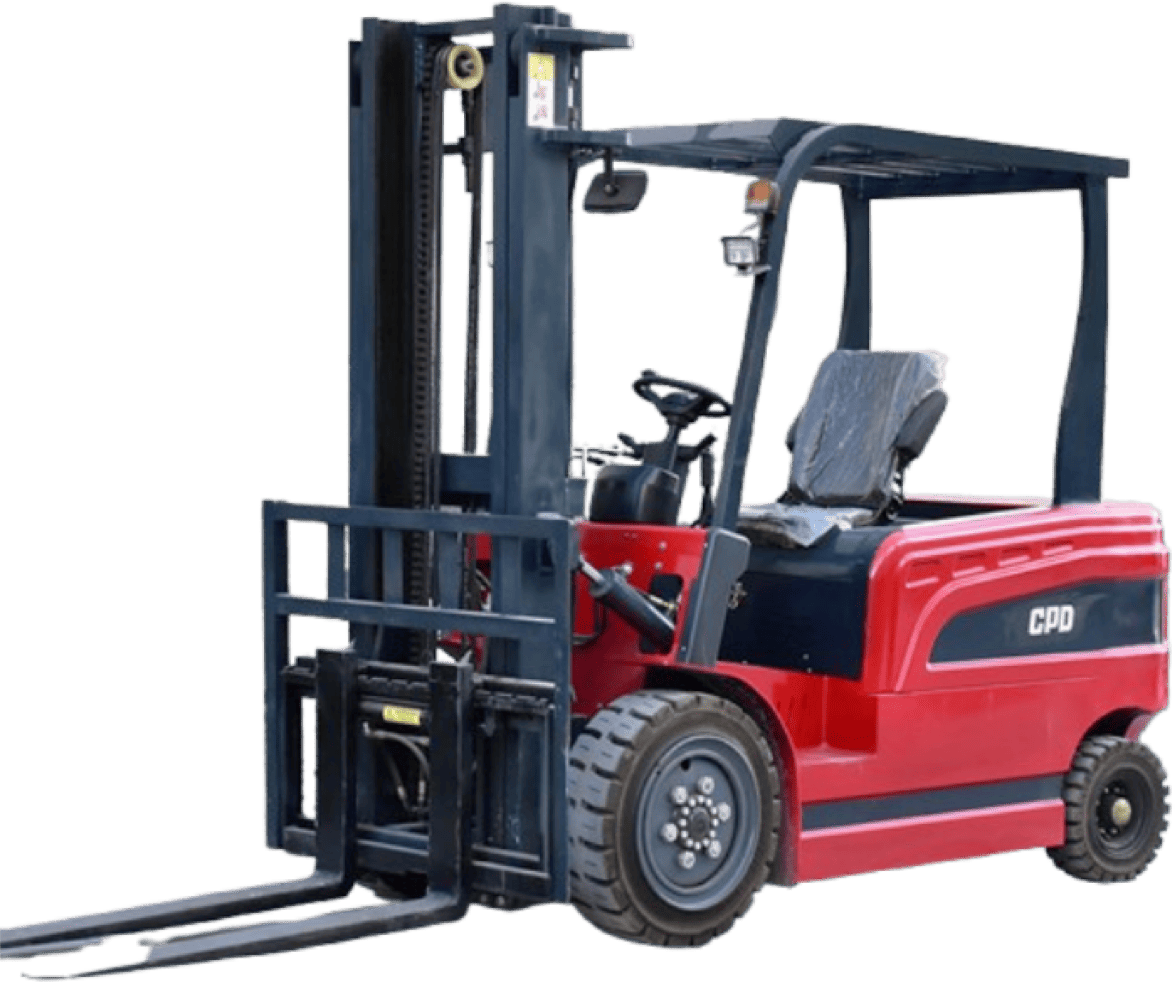
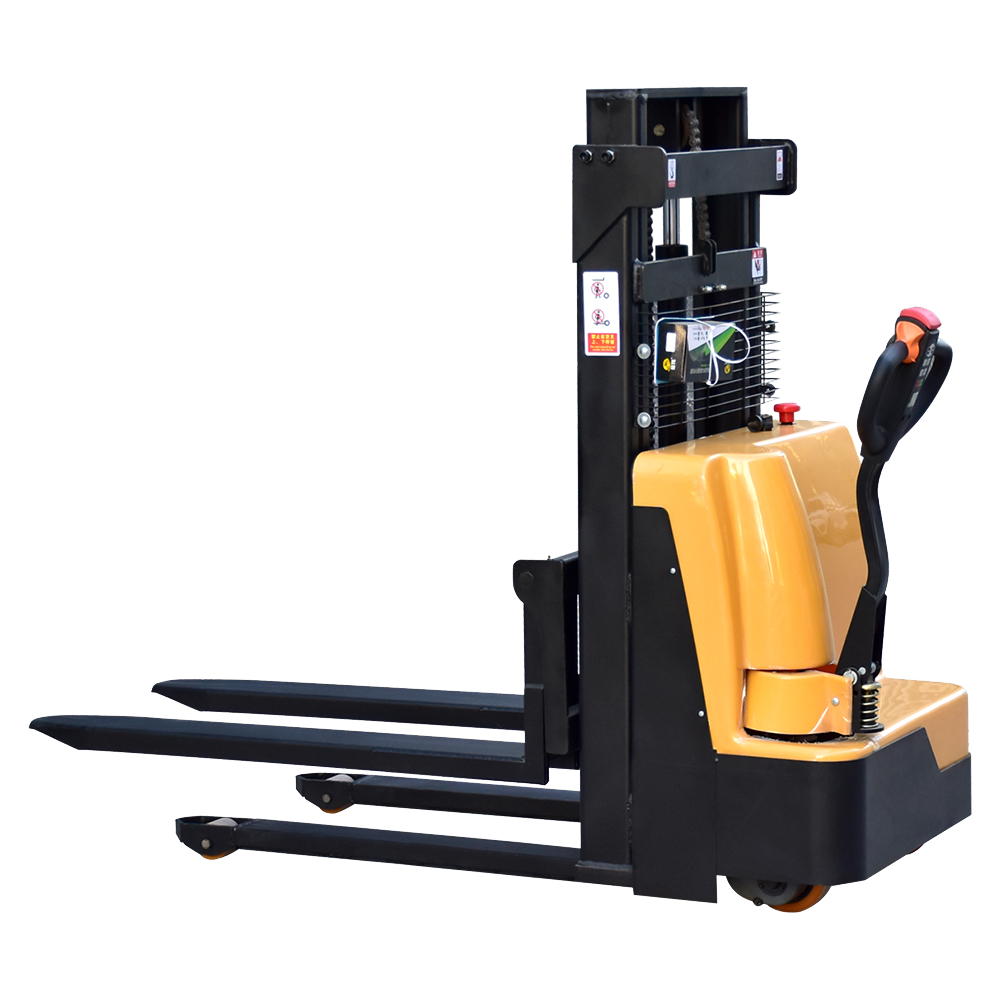
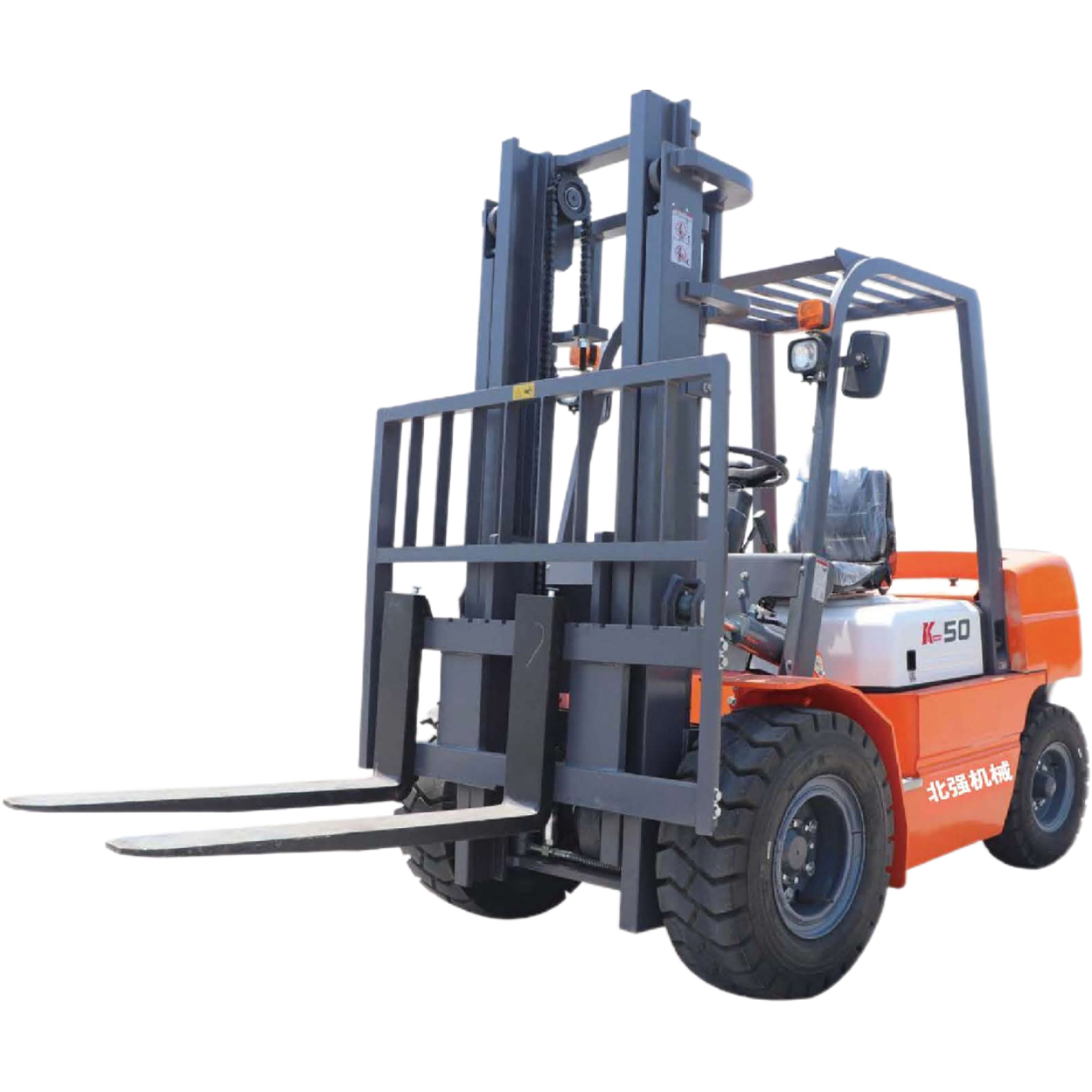
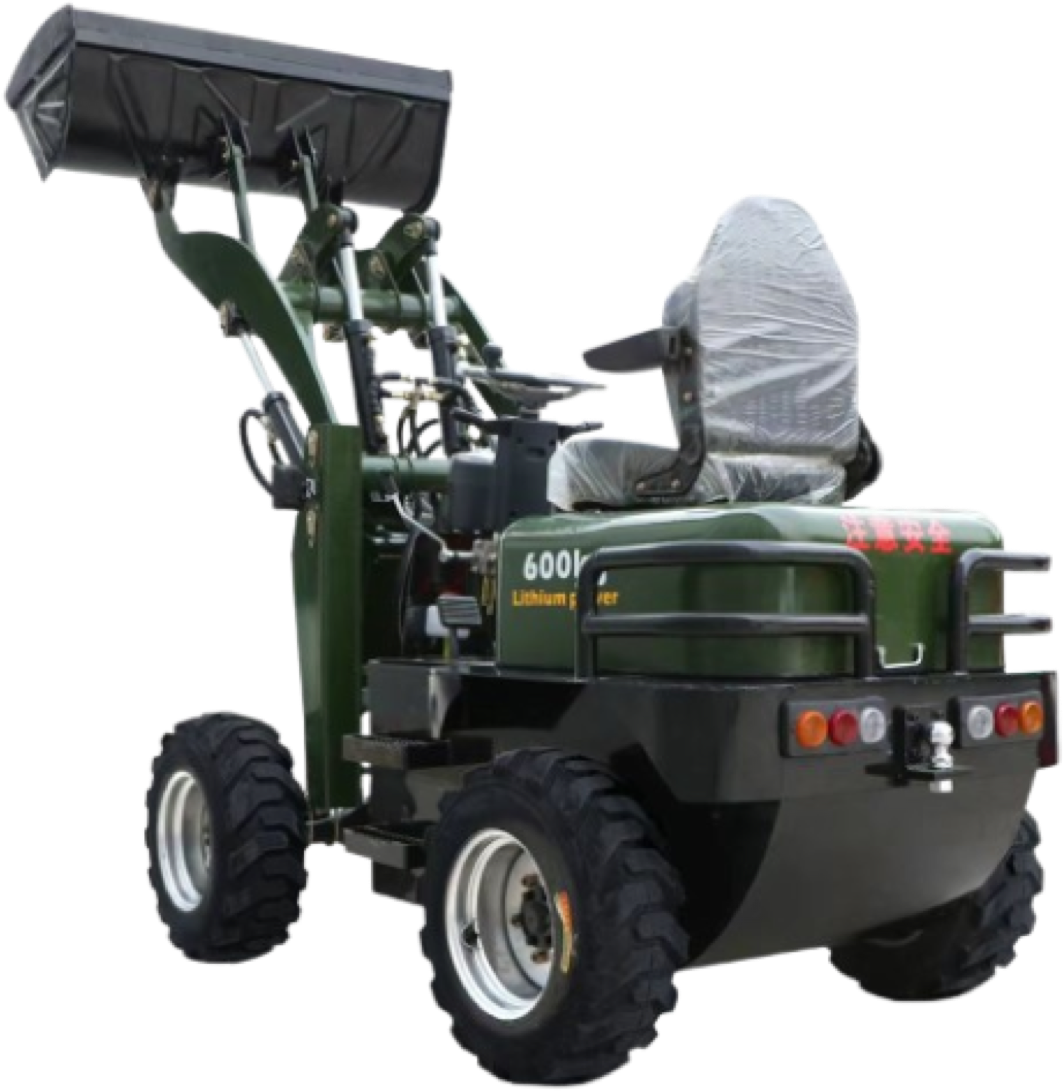
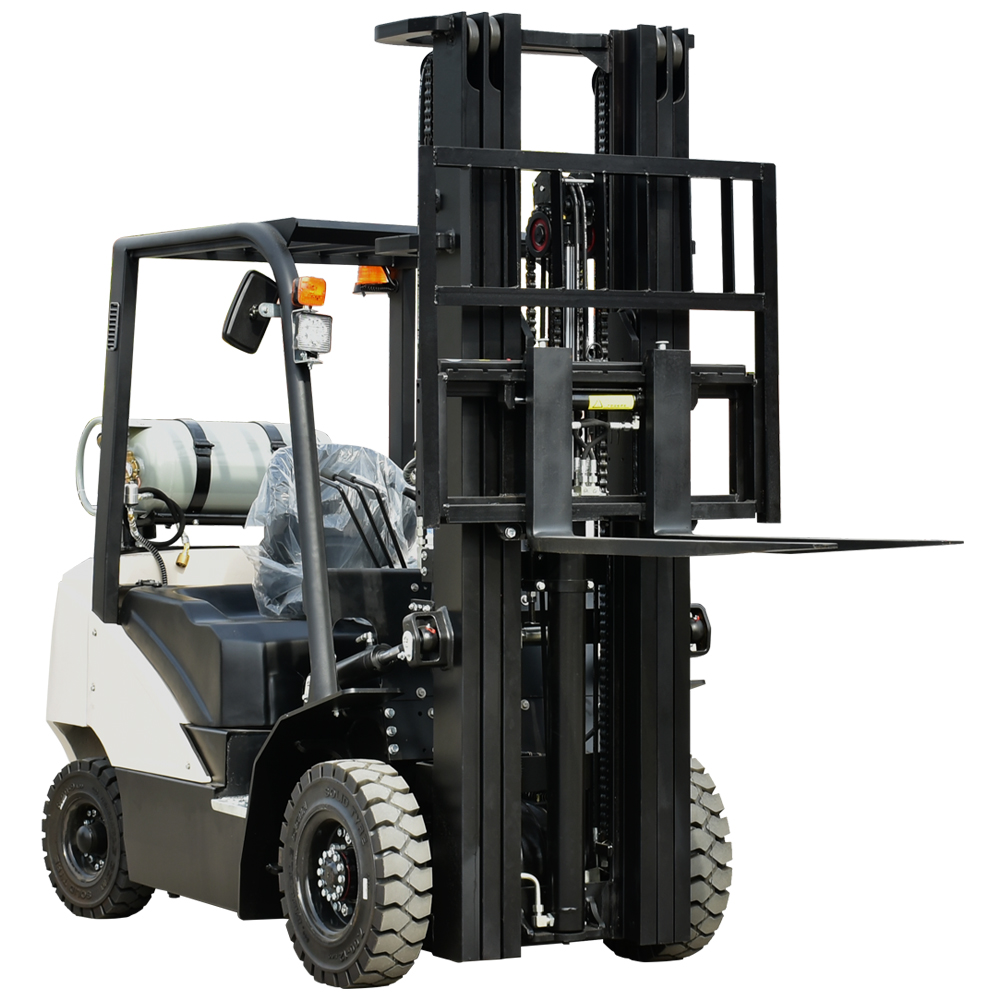
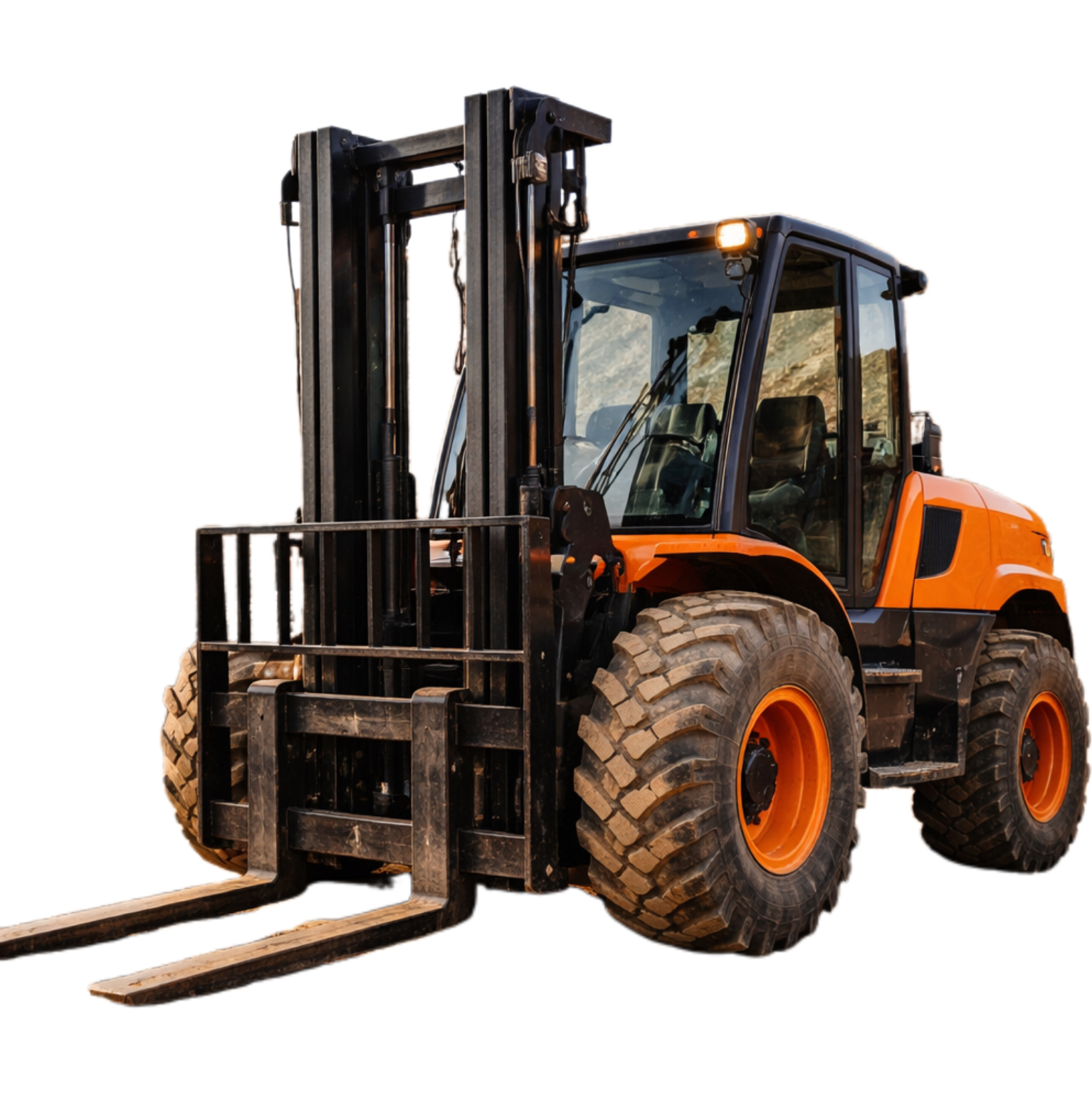


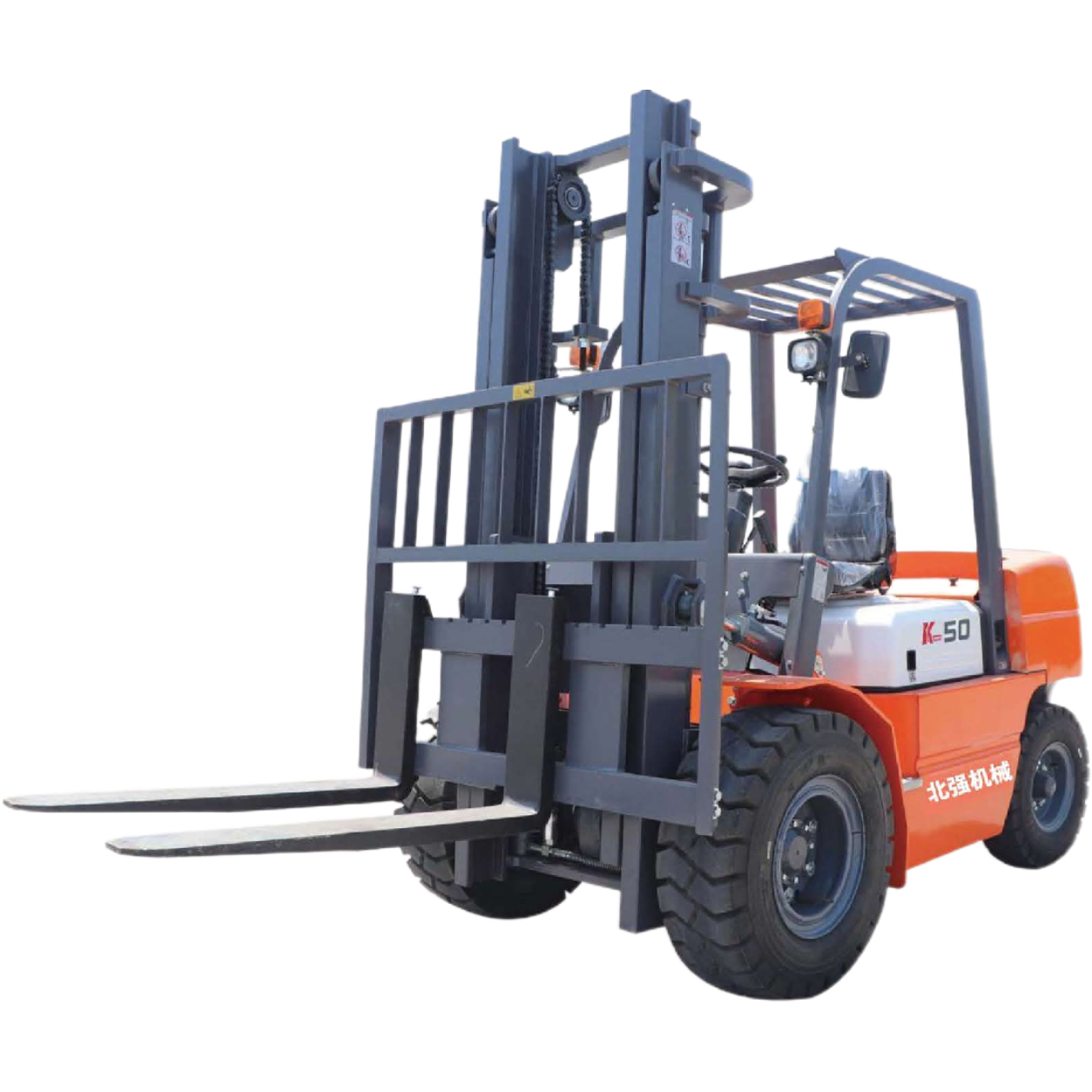
Owning or operating a fleet of diesel forklifts is a significant investment. To ensure the highest return, it’s crucial to go beyond the purchase and focus on optimal operation, proactive maintenance, and selecting the right configuration for your specific industry. This guide dives into the practical aspects of running diesel forklifts successfully.
Part 1: Maximizing Fuel Efficiency & Reducing Operating Costs
A well-operated diesel forklift can significantly lower your cost per hour. Key strategies include:
Operator Training: The single biggest factor. Train operators to avoid excessive idling (use automatic shutdown features), minimize high-RPM “racing,” use smooth acceleration/braking, and properly position loads to minimize travel distance.
Right-Sizing Your Fleet: Using a 10,000 lb capacity forklift to move 3,000 lb loads is inefficient. Match the forklift’s capacity to the typical load to reduce fuel waste.
Tire Maintenance: Underinflated pneumatic tires increase rolling resistance, forcing the engine to work harder and burn more fuel. Check pressure regularly.
Regular Air Filter Service: A clogged air filter restricts airflow to the engine, reducing combustion efficiency and power, leading to higher fuel consumption.
Preventative Maintenance: A poorly tuned engine with dirty fuel injectors or old filters consumes more fuel. Stick to the maintenance schedule.
Part 2: Essential Maintenance for Longevity & Uptime
Proactive care prevents costly breakdowns and extends service life.
Daily/Pre-Shift Checks: Operator should check fluid levels (engine oil, coolant, hydraulic fluid), tire condition, for leaks, and lights/horn.
Scheduled Service (Follow Manufacturer Intervals):
Engine Oil & Filters: The lifeblood. Use recommended oil grade and change at specified intervals.
Fuel System: Regularly drain water from the fuel filter/separator. Use quality diesel fuel and consider fuel additives for older systems in cold weather.
Emission Systems (For Tier 4): Allow for automatic DPF regeneration cycles. Ensure DEF fluid is topped up with the correct grade and never allowed to contaminate the diesel tank.
Cooling System: Keep radiator fins clean from dust and debris, especially in outdoor environments, to prevent overheating.
Hydraulics: Check for hose wear and keep hydraulic fluid clean to protect the mast and pump.
Part 3: Industry-Specific Solutions & Configurations
Diesel forklifts are versatile but can be optimized for specific sectors:
Logistics & Ports:
Need: High stacking, container handling, 24/7 operation.
Solution: High-capacity models (15,000+ lbs) with heavy-duty containers. Pneumatic tires for yard movement. Advanced telematics for fleet tracking and scheduling maintenance during short downtime windows.
Construction & Heavy Industry:
Need: Rough terrain capability, lifting irregular loads, attachment versatility.
Solution: Rough Terrain Forklifts with large, deep-tread pneumatic tires, 4-wheel drive, and high ground clearance. Common attachments include side-shifters, fork positioners, and boom extensions.
Agriculture & Lumber:
Need: Traction on soft ground, handling bulky loads.
Solution: Pneumatic-tired models, often with all-wheel drive. Specialized attachments like bale clamps, log grapples, and fork extensions are critical.
Cold Storage & Freezer Applications (Transitional Use):
Need: Operation in sub-zero temperatures for extended periods.
Solution: While electric is common inside, diesel is used in transitional yard areas. Special Cold-Weather Packages are essential, including engine block heaters, winterized fuel filters, cold-weather batteries, and special hydraulic oils. Proper warm-up procedures are critical.
Safety & Environmental Responsibility
Ventilation: Never operate a diesel forklift in a poorly ventilated enclosed space due to carbon monoxide risk.
Spill Prevention: Have protocols for safe refueling and dealing with potential fluid leaks.
Proper Disposal: Follow regulations for used oil, filters, and batteries (for starting motor).
Conclusion
A diesel forklift is a powerful asset whose true value is unlocked through skilled operation, disciplined maintenance, and thoughtful application. By implementing fuel-efficient practices, adhering to a rigorous maintenance schedule, and tailoring your equipment to your industry’s unique challenges, you can achieve unparalleled productivity, minimize total cost of ownership, and ensure a safe working environment. In the world of heavy material handling, this operational mastery is what separates a merely functional fleet from a truly competitive advantage.
Our manager will contact you shortly.
To contact you about our products and services.


Copyright © Xingtai Beiqiang Machinery Manufacturing Factory. 2025.
Technical support:Echola