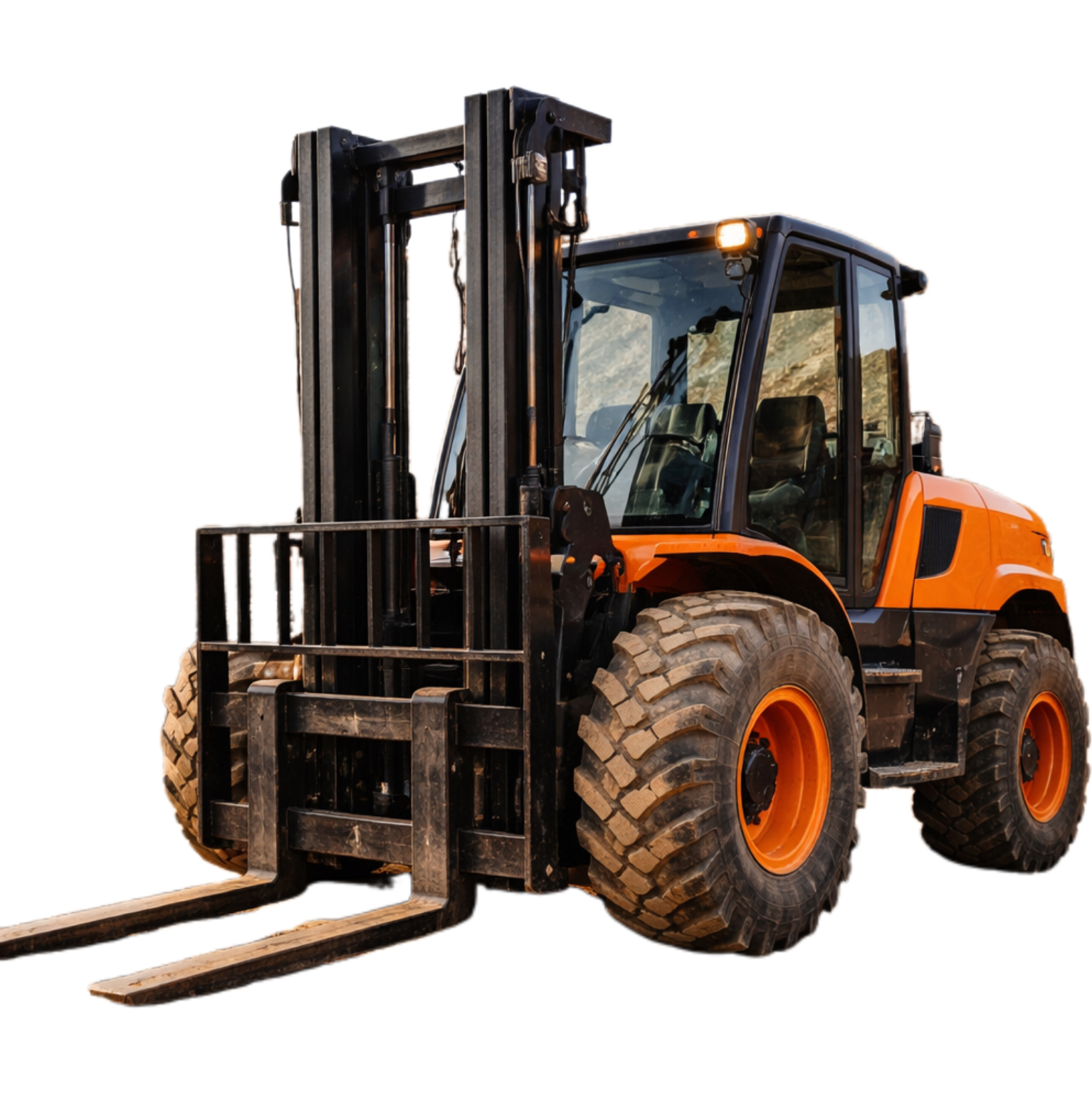


each Trucks
The Ultimate Solution for Narrow Aisle and High-Bay Warehouses
As warehouse space becomes more valuable and storage demands increase, companies are under constant pressure to store more goods within limited floor areas. Reach trucks have emerged as one of the most effective solutions for maximizing warehouse capacity while maintaining high productivity and safety.
This article provides an in-depth overview of reach trucks, explaining their design, working principles, applications, and why they are essential for modern narrow-aisle and high-bay warehouse operations.
1. What Is a Reach Truck?
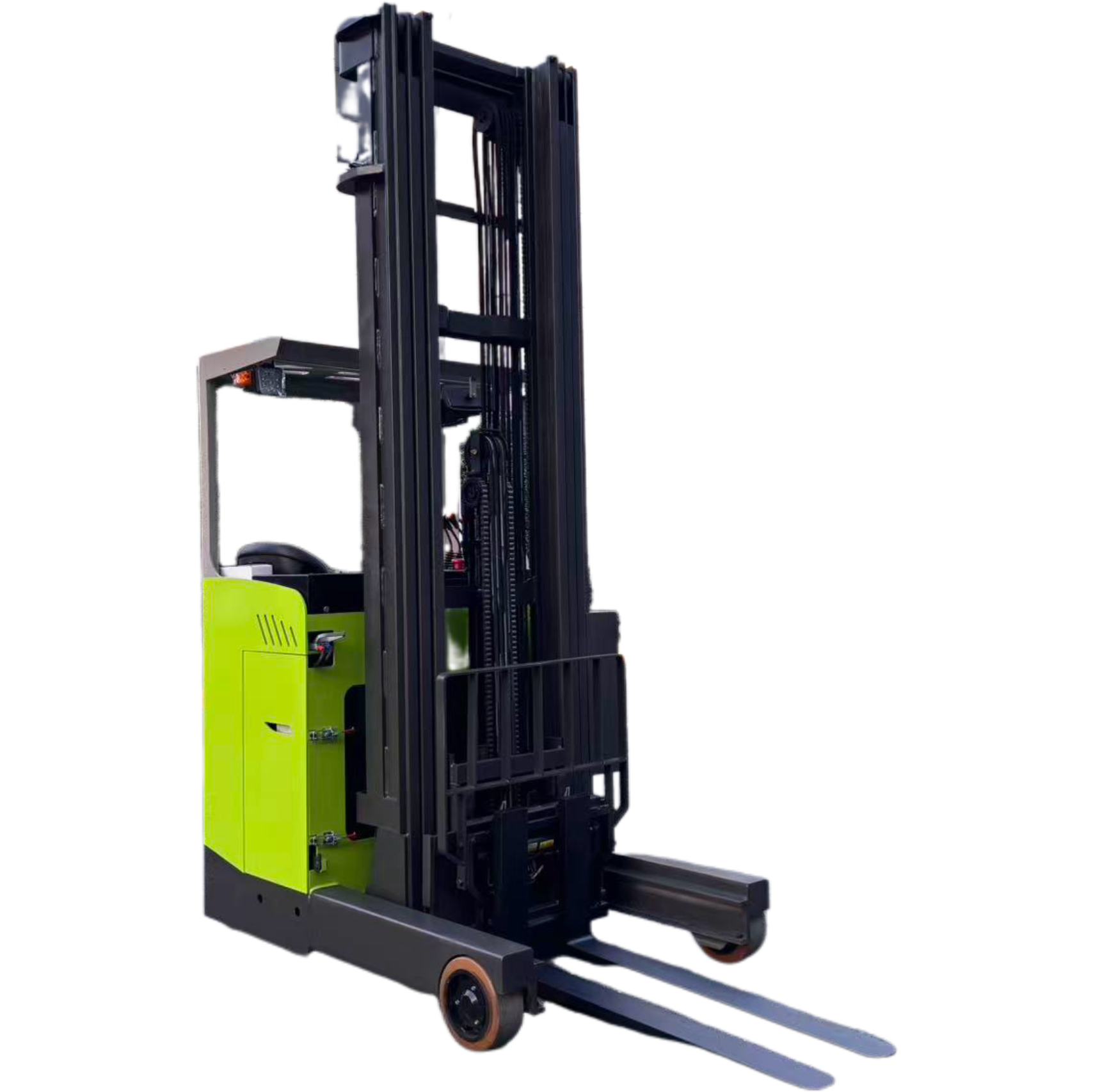
A reach truck is a type of electric forklift specifically designed for:
Narrow aisle operation
High lifting heights
Precise pallet handling
Unlike counterbalance forklifts, reach trucks use outriggers and a retractable mast that allows the forks to “reach” into racking systems and then retract for safe travel.
2. Key Design Features of Reach Trucks
Reach trucks are engineered for efficiency and stability in confined spaces.
Retractable Mast
The mast extends forward to place or retrieve pallets and retracts during travel, improving stability and maneuverability.
Outrigger Legs
Outriggers support the load instead of a rear counterweight, enabling a more compact design.
Electric Drive System
Most reach trucks are electric, offering:
Zero emissions
Low noise levels
Smooth and precise control
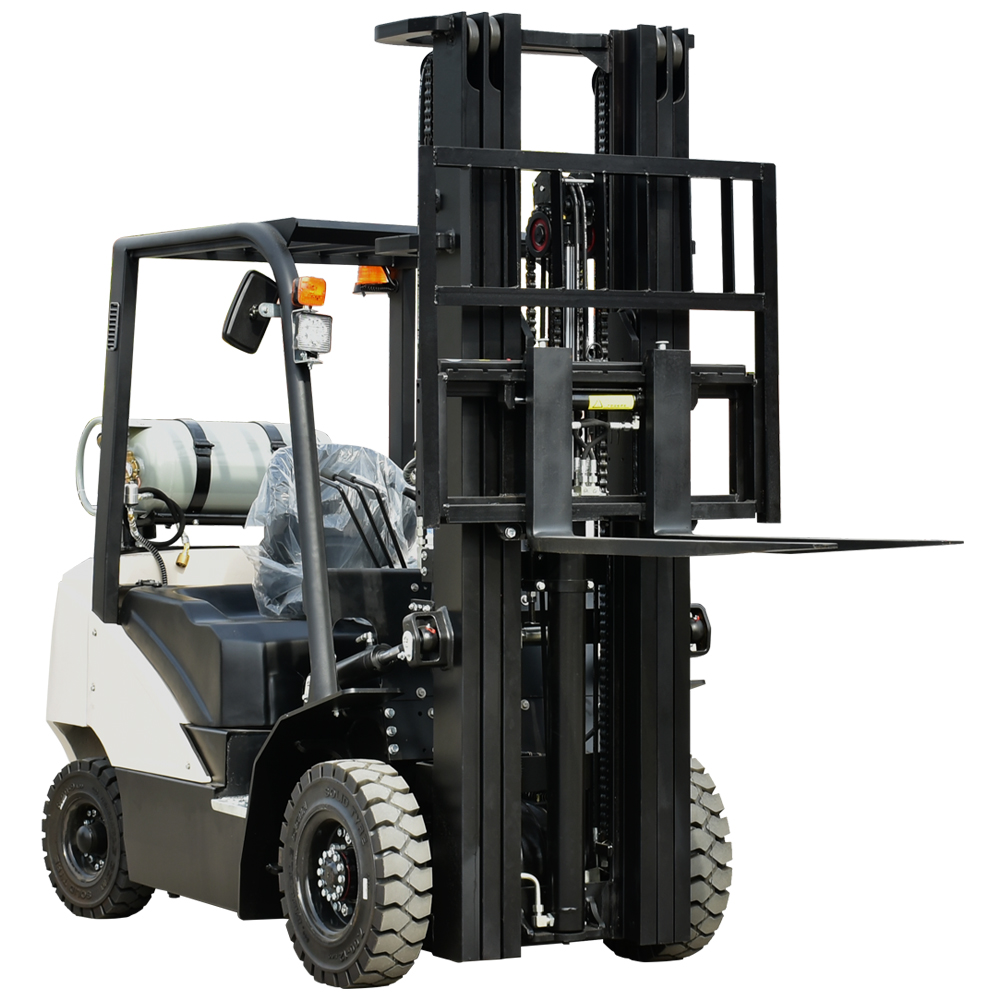
3. Reach Truck vs Counterbalance Forklift
| Feature | Reach Truck | Counterbalance Forklift |
|---|---|---|
| Aisle width | Narrow (2.5–3.0 m) | Wide (3.5–4.0 m) |
| Lift height | Up to 12 m or more | Typically lower |
| Indoor use | Excellent | Moderate |
| Maneuverability | High | Medium |
Reach trucks allow warehouses to significantly increase storage density compared to standard forklifts.
4. Applications of Reach Trucks
Reach trucks are widely used in:
Distribution centers
E-commerce fulfillment warehouses
Food and beverage storage
Cold storage facilities
Pharmaceutical warehouses
They are especially valuable in operations requiring fast access to high-level racking.
5. Narrow Aisle Warehouse Optimization
One of the primary benefits of reach trucks is aisle width reduction.
Benefits of Narrow Aisles
More racking rows
Increased pallet positions
Better space utilization
By switching to reach trucks, warehouses can often increase storage capacity by 20–40% without expanding building size.
6. High Lifting Capability and Stability
Modern reach trucks are designed for high lifting heights while maintaining stability.
Key Stability Features
Advanced mast design
Load sensors and stability control
Low center of gravity
These features enable safe and efficient handling at heights exceeding 10 meters.
7. Operator Ergonomics and Visibility
Operator comfort is essential for productivity.
Reach trucks typically include:
Adjustable seating or standing platforms
Clear overhead visibility
Intuitive control layouts
Improved ergonomics reduce fatigue during long shifts and enhance operational accuracy.
8. Reach Trucks in Cold Storage Environments
Cold storage presents unique challenges such as:
Low temperatures
Condensation
Reduced battery performance
Specialized reach trucks are equipped with:
Cold-resistant components
Heated cabins or controls
Battery insulation systems
These adaptations ensure reliable performance in extreme conditions.
9. Battery Technology and Energy Efficiency
Reach trucks commonly use:
Lead-acid batteries
Lithium-ion batteries
Lithium-Ion Advantages
Fast charging
Opportunity charging
Longer lifespan
Minimal maintenance
Efficient energy management supports continuous warehouse operations.
10. Safety Systems and Advanced Controls
Safety is critical in high-rack environments.
Reach trucks often feature:
Speed reduction at height
Load weight monitoring
Anti-tip systems
Emergency stop functions
These systems protect operators, inventory, and infrastructure.
11. Maintenance and Reliability
Electric reach trucks require:
Less mechanical maintenance than diesel forklifts
Regular inspection of mast, hydraulics, and battery systems
Preventive maintenance ensures long service life and minimizes downtime.
12. Cost Considerations and ROI
Although reach trucks typically have a higher initial cost than basic forklifts, they offer strong return on investment through:
Increased storage capacity
Reduced warehouse expansion costs
Improved picking efficiency
For high-density warehouses, reach trucks often pay for themselves quickly.
13. Reach Trucks vs VNA Equipment
Very Narrow Aisle (VNA) trucks offer even higher density but require:
Guidance systems
Higher investment
More complex infrastructure
Reach trucks provide an ideal balance between performance, flexibility, and cost.
14. Selecting the Right Reach Truck
Key selection factors include:
Required lift height
Load capacity
Aisle width
Battery type
Operating environment
Professional consultation ensures optimal equipment choice.
15. Future Trends in Reach Truck Technology
Industry developments include:
Enhanced automation compatibility
Advanced telematics
AI-assisted stability systems
Integration with warehouse management systems (WMS)
Reach trucks are evolving into intelligent, connected warehouse tools.
16. Conclusion
Reach trucks are indispensable for modern narrow-aisle and high-bay warehouses. Their unique design, high lifting capability, and space-saving advantages enable businesses to maximize storage capacity while maintaining safety and efficiency.
For companies seeking to optimize warehouse layout and improve material handling performance, reach trucks represent a strategic investment with long-term benefits.
Our manager will contact you shortly.
To contact you about our products and services.


Copyright © Xingtai Beiqiang Machinery Manufacturing Factory. 2025.
Technical support:Echola