

Material Handling Solutions for Warehouses, Factories, and Construction Sites
Matching the Right Equipment to Real-World Applications
Efficient material handling is the backbone of modern warehouses, manufacturing plants, and construction sites. As operations grow more complex and labor costs rise, companies increasingly rely on specialized equipment to improve productivity, safety, and cost control.
This article examines how different types of material handling equipment—including Electric Forklifts, Electric Stackers, Diesel Forklifts, LPG Forklifts, Reach Trucks, Pallet Trucks, Lifting Platforms, and Mini Excavators—work together to create complete, efficient solutions across various industries.
1. The Importance of Application-Based Equipment Selection
No single machine can meet all material handling needs. Equipment must be selected based on:
Load characteristics
Operating environment
Space constraints
Frequency and intensity of use
An application-based approach ensures higher efficiency and lower total cost of ownership.
2. Warehouse Operations: Efficiency and Space Optimization
Warehouses prioritize:
High storage density
Fast pallet movement
Clean and safe environments
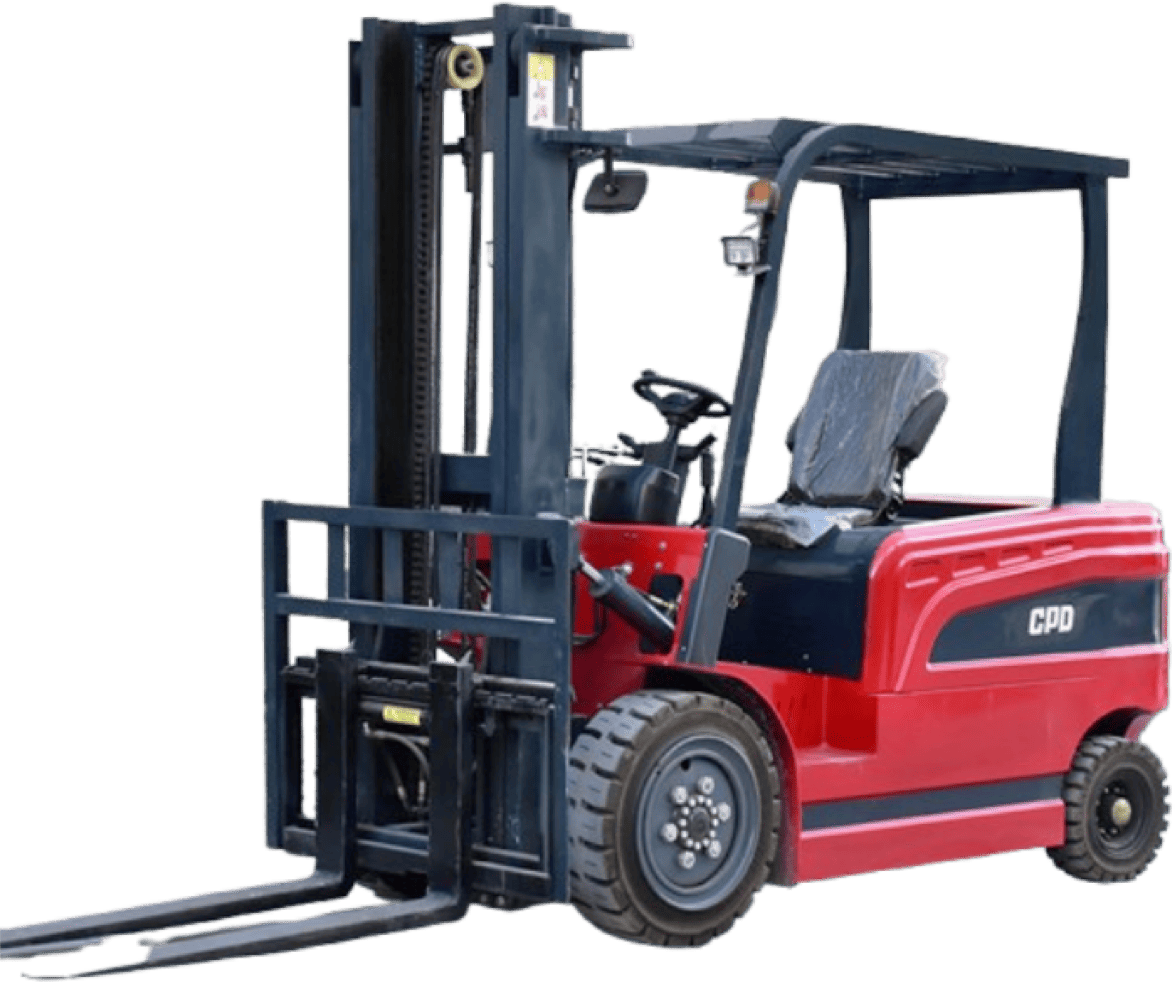
Electric Forklifts
Electric forklifts are the primary choice for indoor warehouse operations. Their zero-emission design, quiet operation, and precise control make them ideal for long shifts in enclosed spaces.
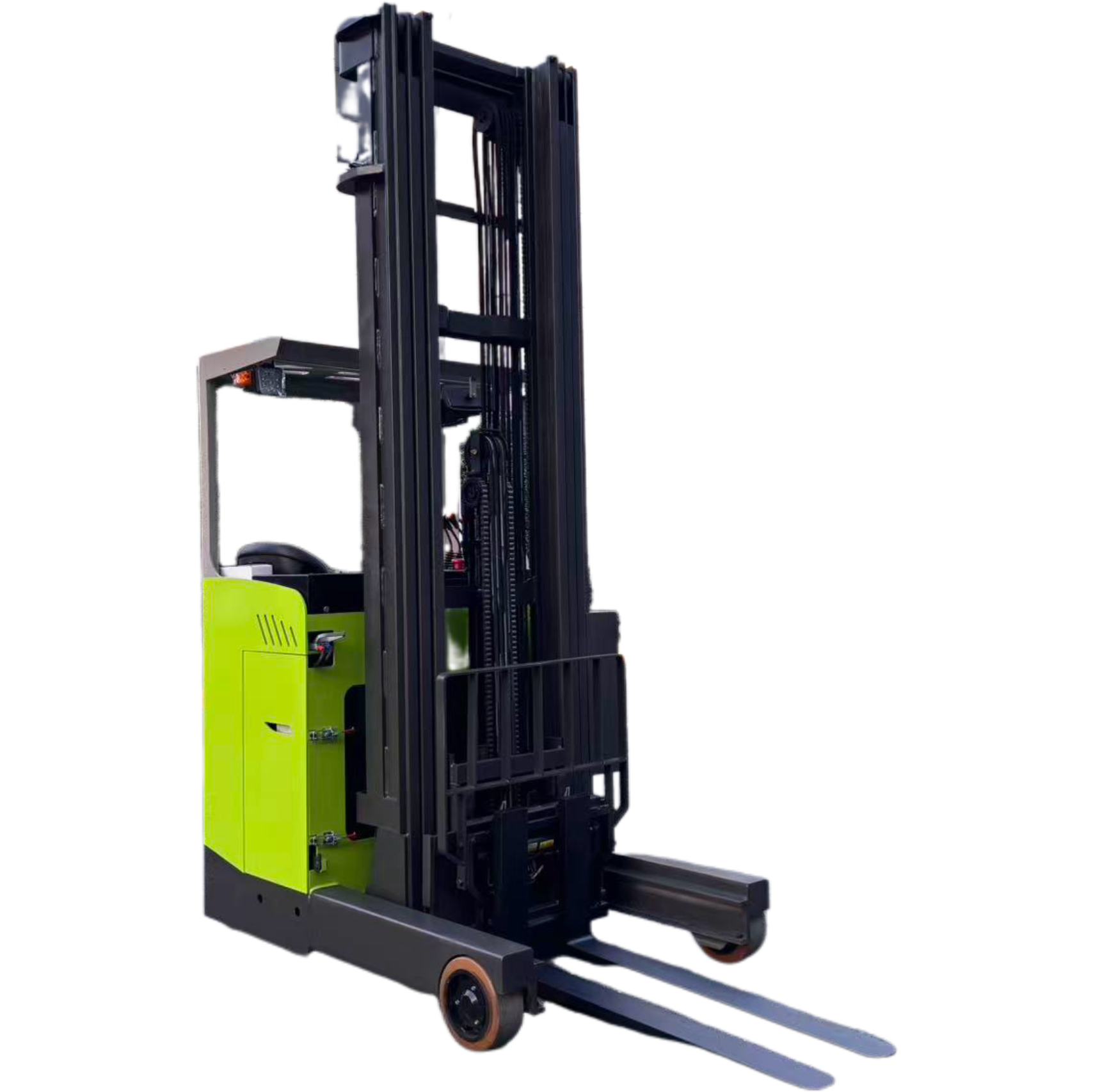
Reach Trucks
For high-bay and narrow-aisle warehouses, reach trucks maximize vertical storage and aisle efficiency. They enable faster picking and higher racking systems without expanding floor space.
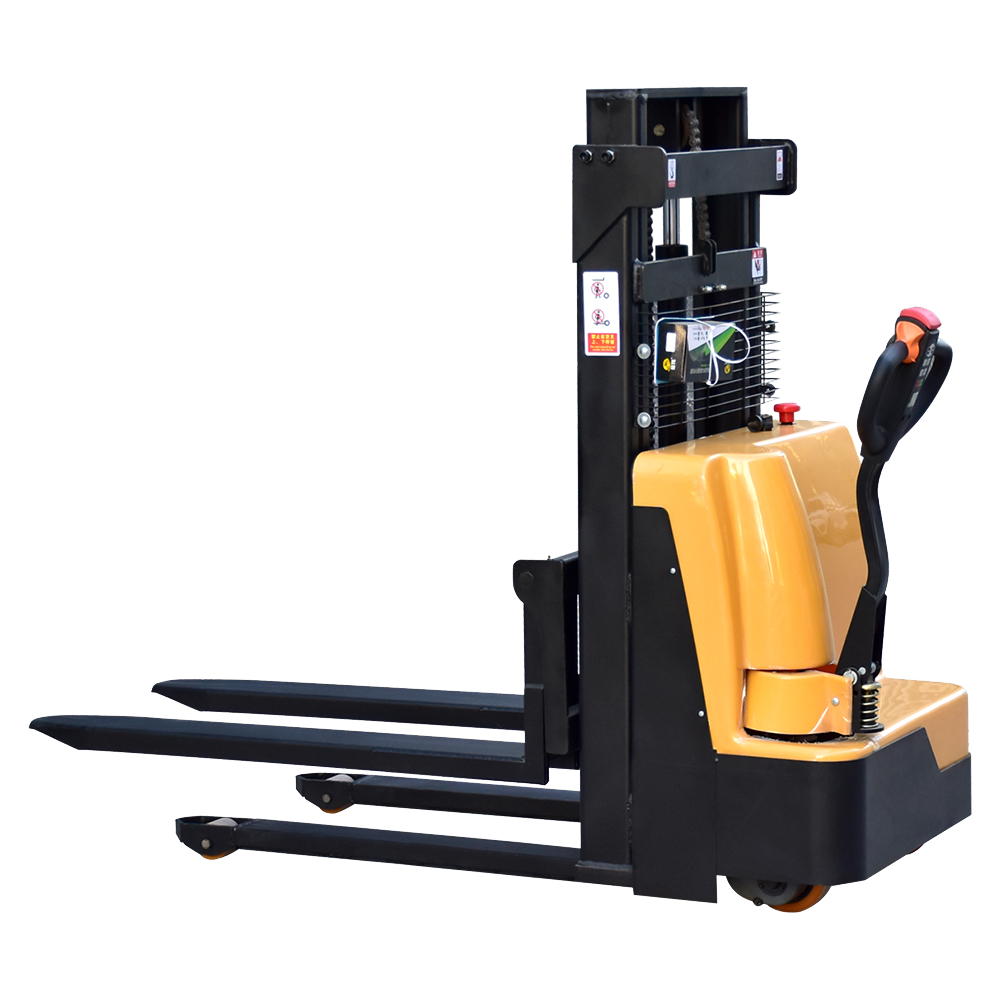
Electric Stackers and Pallet Trucks
Electric stackers and pallet trucks support short-distance transport, loading docks, and staging areas. They are cost-effective tools that improve workflow and reduce manual labor.
3. Manufacturing Plants: Reliability and Load Handling
Factories require reliable equipment that can operate continuously and handle varying load types.
Electric Forklifts
Used for moving raw materials, work-in-progress, and finished goods between production lines and storage areas.
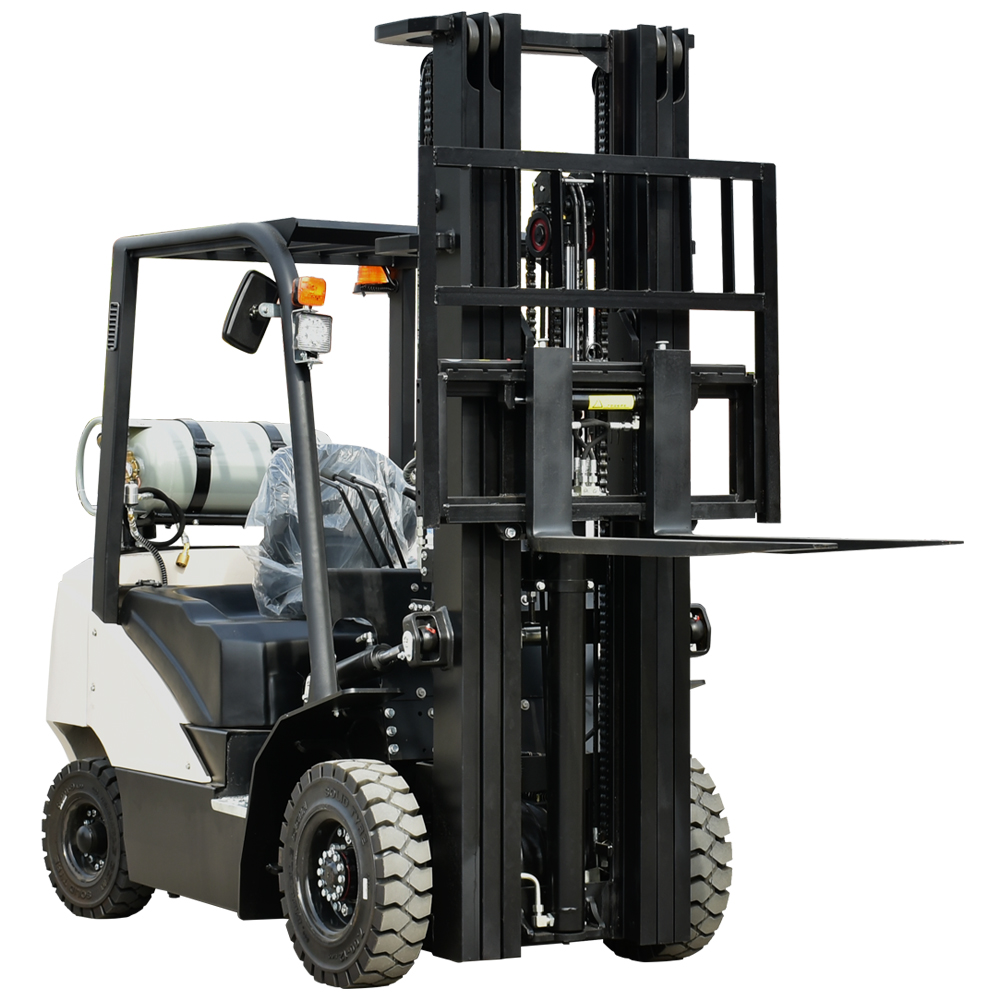
LPG Forklifts
LPG forklifts offer flexibility for plants that operate both indoors and outdoors. They provide quick refueling and stable performance without the emissions concerns of diesel engines.
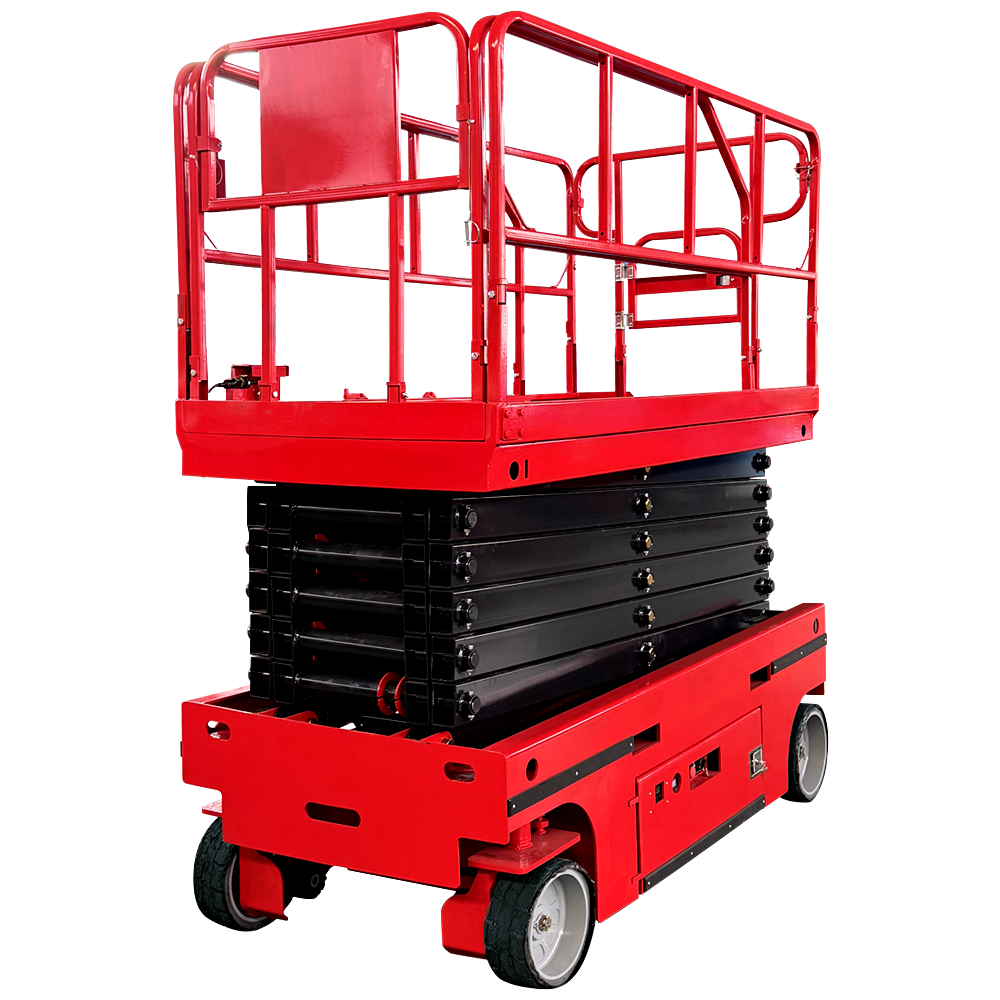
Lifting Platforms
Lifting platforms are essential for equipment maintenance, installation, and overhead work within factories, ensuring worker safety and efficiency.
4. Construction Sites: Power and Durability
Construction environments demand rugged equipment capable of handling uneven terrain and heavy loads.
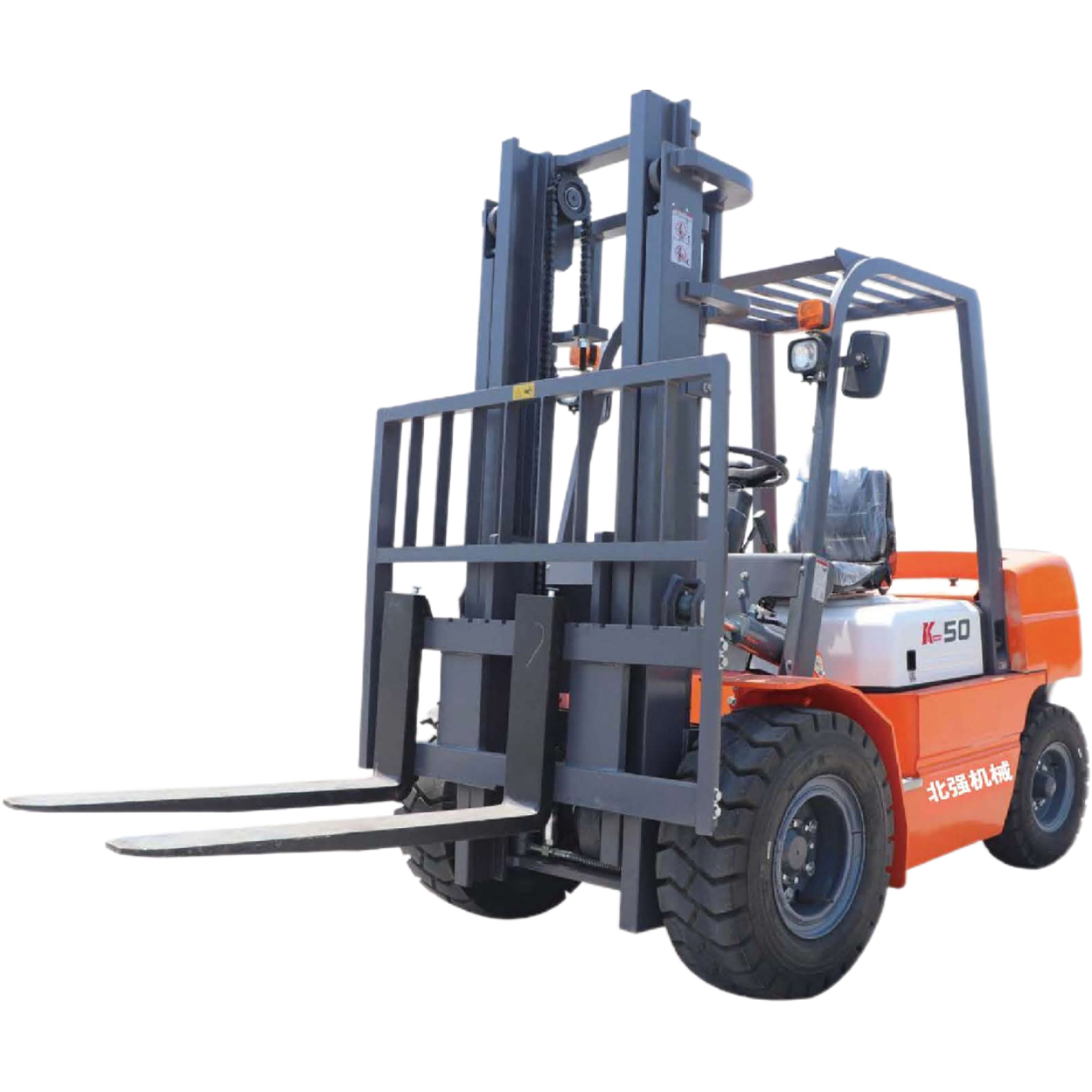
Diesel Forklifts
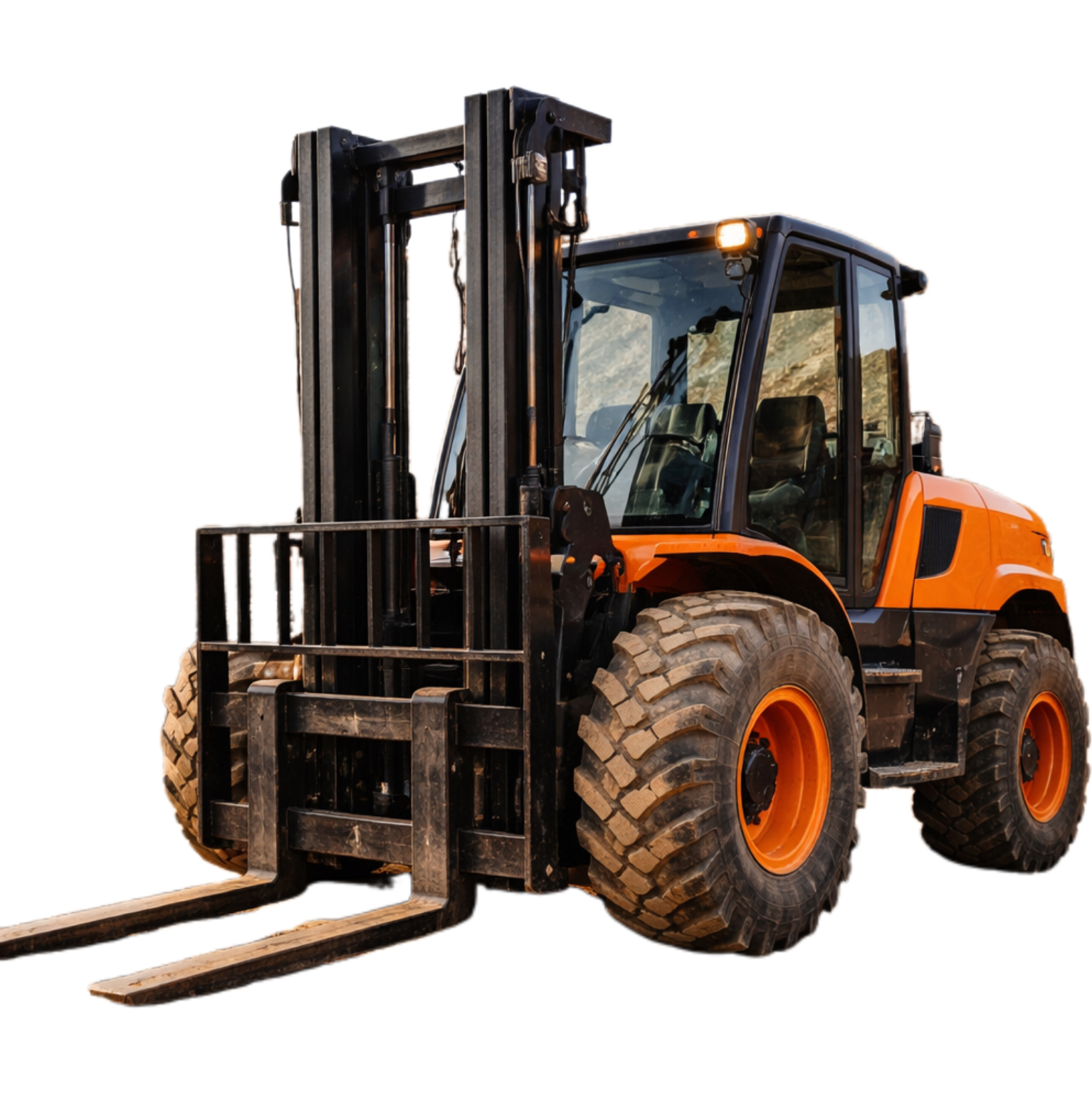
Diesel forklifts deliver high torque and durability, making them ideal for outdoor material handling, steel transport, and heavy construction components.
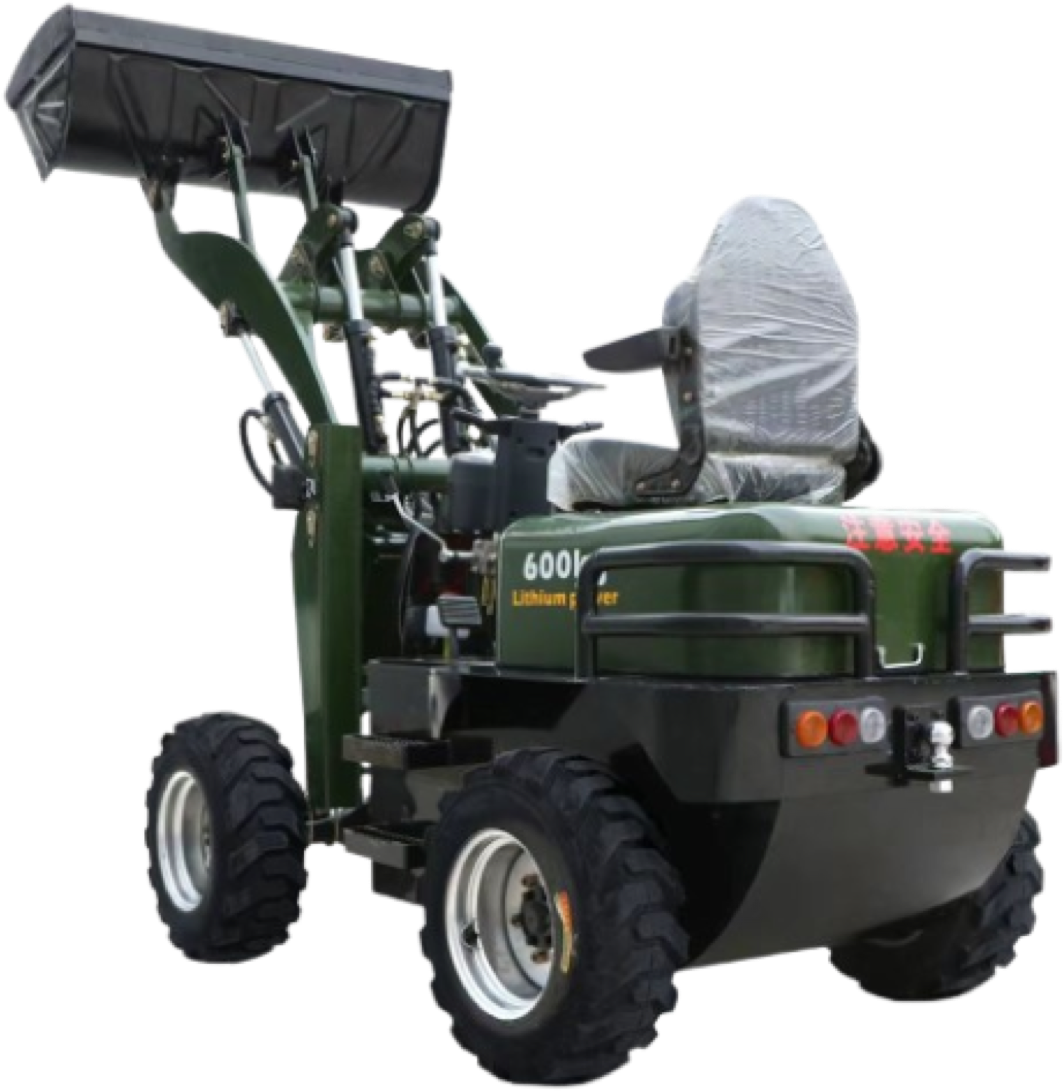
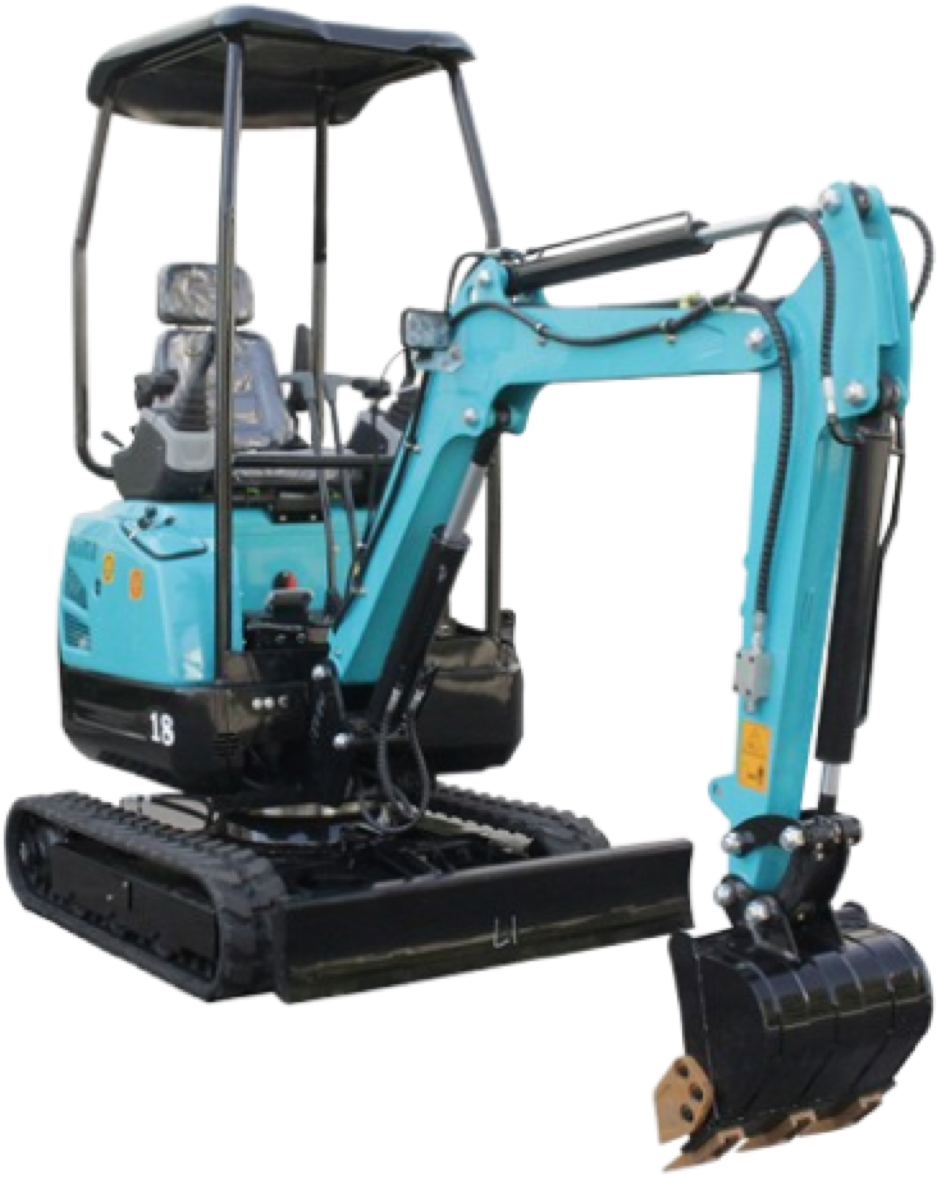
Mini Excavators
Mini excavators complement forklifts by handling digging, trenching, and site preparation tasks, especially in confined urban construction areas.
Together, diesel forklifts and mini excavators form a powerful combination for construction and infrastructure projects.
5. Logistics and Distribution Centers
Logistics hubs require speed, accuracy, and continuous operation.
Electric forklifts support indoor sorting and pallet movement
Reach trucks enable fast access to high racks
Electric pallet trucks streamline loading and unloading operations
Efficient equipment selection directly impacts order fulfillment speed and customer satisfaction.
6. Indoor vs Outdoor Equipment Considerations
Indoor Environments
Prefer electric forklifts, electric stackers, and pallet trucks
Focus on emissions, noise, and maneuverability
Outdoor Environments
Diesel forklifts and LPG forklifts offer higher endurance
Mini excavators support ground-level material and earthmoving tasks
Understanding environmental conditions is critical for correct equipment choice.
7. Safety as a Core Design Requirement
Modern material handling equipment integrates safety features such as:
Stability control systems
Load sensors
Emergency stop functions
Operator protection structures
Lifting platforms further enhance safety by providing secure access for elevated work.
8. Cost Efficiency and Total Cost of Ownership
When evaluating equipment, businesses must consider:
Initial purchase price
Energy or fuel consumption
Maintenance costs
Equipment lifespan
Electric forklifts and pallet trucks often deliver lower long-term operating costs, while diesel forklifts offer value in heavy-duty outdoor applications.
9. Scalability and Future Growth
As operations expand, equipment fleets must adapt.
Warehouses may upgrade from stackers to reach trucks
Manual pallet trucks may transition to electric models
Diesel fleets may gradually shift toward electric or LPG solutions
Flexible equipment planning supports long-term growth.
10. Sustainability and Environmental Trends
Environmental regulations and corporate sustainability goals are reshaping material handling strategies.
Electric forklifts, electric stackers, and pallet trucks help:
Reduce carbon emissions
Improve indoor air quality
Support ESG initiatives
Many companies now view electric equipment as a strategic investment rather than a cost.
11. Integrated Equipment Solutions
The most efficient operations use a combination of machines, not a single type.
For example:
A warehouse may use reach trucks for storage, electric forklifts for transport, and pallet trucks for docks
A factory may combine electric forklifts, LPG forklifts, and lifting platforms
A construction site may rely on diesel forklifts and mini excavators
Integration ensures each task is handled by the most suitable equipment.
12. Training and Operator Efficiency
Proper training maximizes equipment performance.
Well-trained operators:
Reduce damage and accidents
Extend equipment lifespan
Improve handling speed and accuracy
Equipment quality and operator skill must work together.
13. Maintenance and Equipment Availability
Preventive maintenance is essential for:
Minimizing downtime
Ensuring safety
Controlling repair costs
Electric equipment generally requires less mechanical maintenance, while diesel and LPG forklifts demand regular engine servicing.
14. Technology and Smart Equipment Trends
Modern material handling equipment increasingly includes:
Telematics and usage monitoring
Battery management systems
Smart diagnostics
These technologies improve decision-making and fleet efficiency.
15. Conclusion
A well-designed material handling strategy combines the strengths of Electric Forklifts, Electric Stackers, Diesel Forklifts, LPG Forklifts, Reach Trucks, Pallet Trucks, Lifting Platforms, and Mini Excavators to meet real-world operational needs.
By selecting equipment based on application, environment, and long-term cost considerations, businesses can build efficient, safe, and scalable operations that support growth in warehousing, manufacturing, logistics, and construction.
Our manager will contact you shortly.
To contact you about our products and services.


Copyright © Xingtai Beiqiang Machinery Manufacturing Factory. 2025.
Technical support:Echola