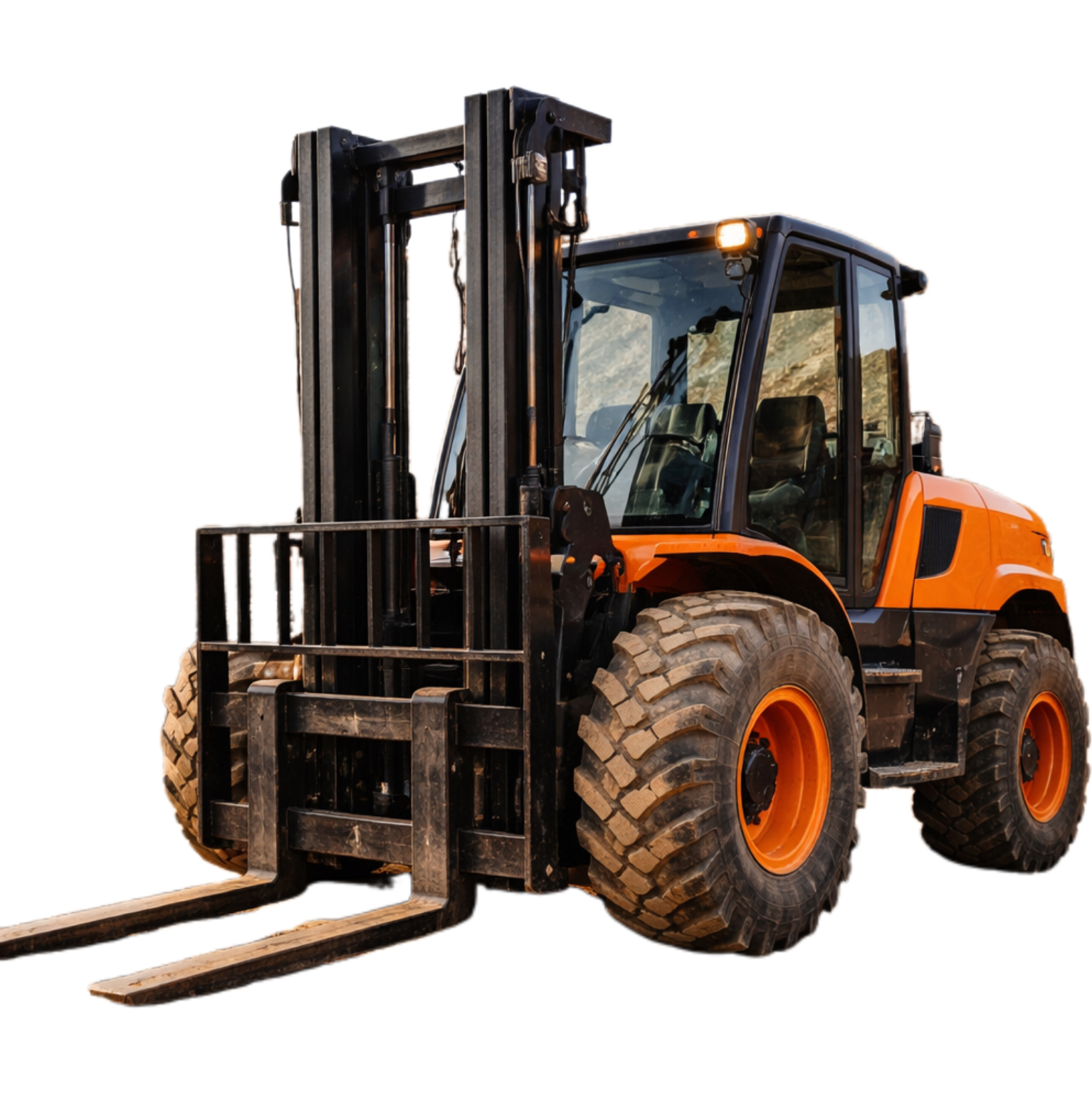


Choosing the Right Material Handling Equipment
A Complete Guide to Forklifts and Industrial Lifting Solutions
Modern warehouses, factories, construction sites, and logistics centers rely on a wide range of material handling equipment to move, lift, and position goods efficiently. Choosing the right equipment is essential for improving productivity, ensuring safety, and controlling operational costs.
This article provides a comprehensive overview of key material handling solutions, including Electric Forklifts, Electric Stackers, Diesel Forklifts, Pallet Trucks, Lifting Platforms, Mini Excavators, LPG Forklifts, and Reach Trucks, and explains how each type supports different industrial applications.
1. Understanding Material Handling Equipment
Material handling equipment is designed to:
Transport goods within facilities
Lift loads to different heights
Improve workflow efficiency
Reduce manual labor and workplace injuries
Each type of equipment serves a specific role depending on load weight, working environment, and operational intensity.
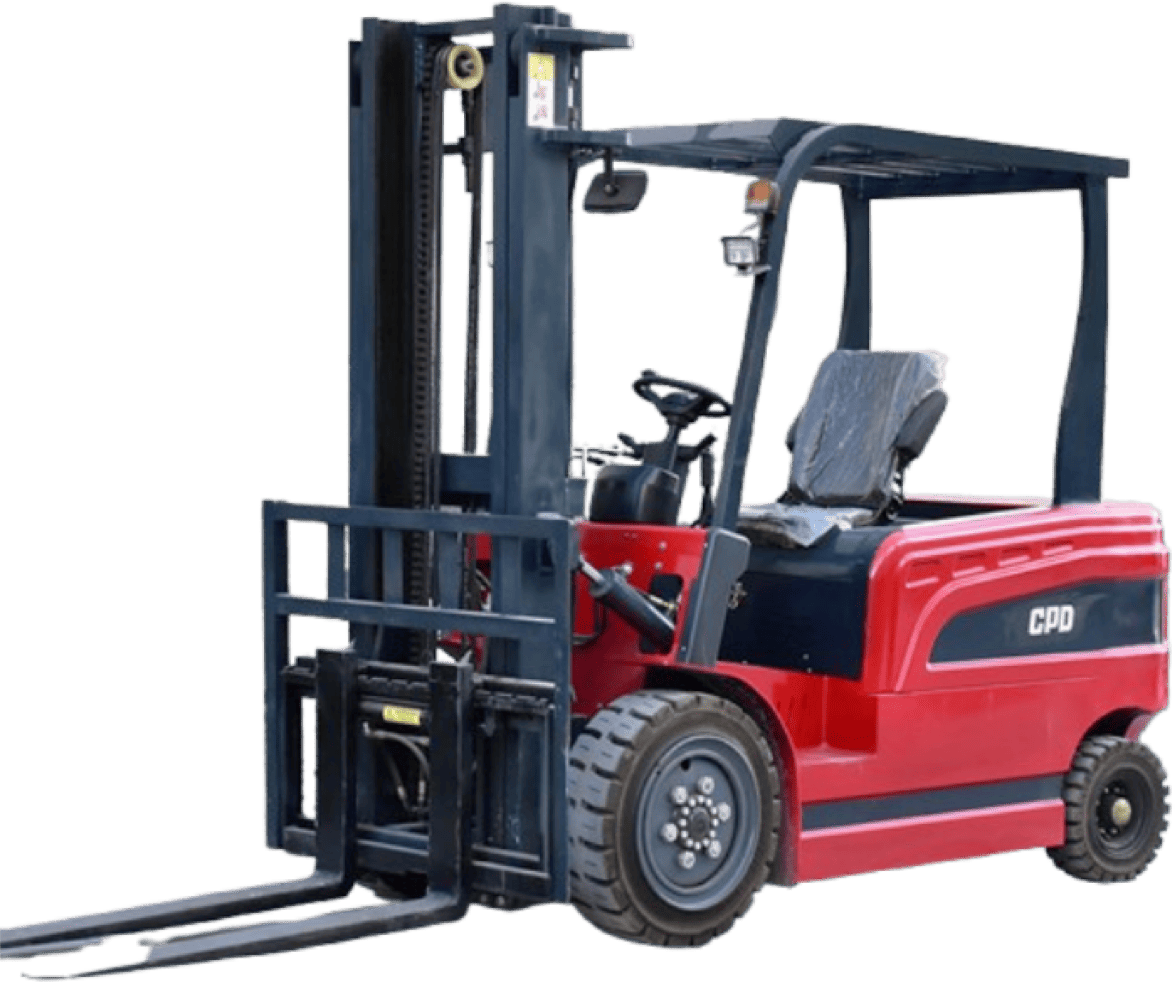
2. Electric Forklifts: Clean and Efficient Indoor Solutions
Electric forklifts are widely used in warehouses, manufacturing plants, and logistics centers.
Key Advantages
Zero emissions, ideal for indoor use
Low noise operation
Lower maintenance requirements
High energy efficiency
Electric forklifts are commonly powered by lead-acid or lithium-ion batteries and are suitable for medium to heavy loads in controlled environments.
Typical Applications
Warehouses
Cold storage facilities
Food and pharmaceutical industries
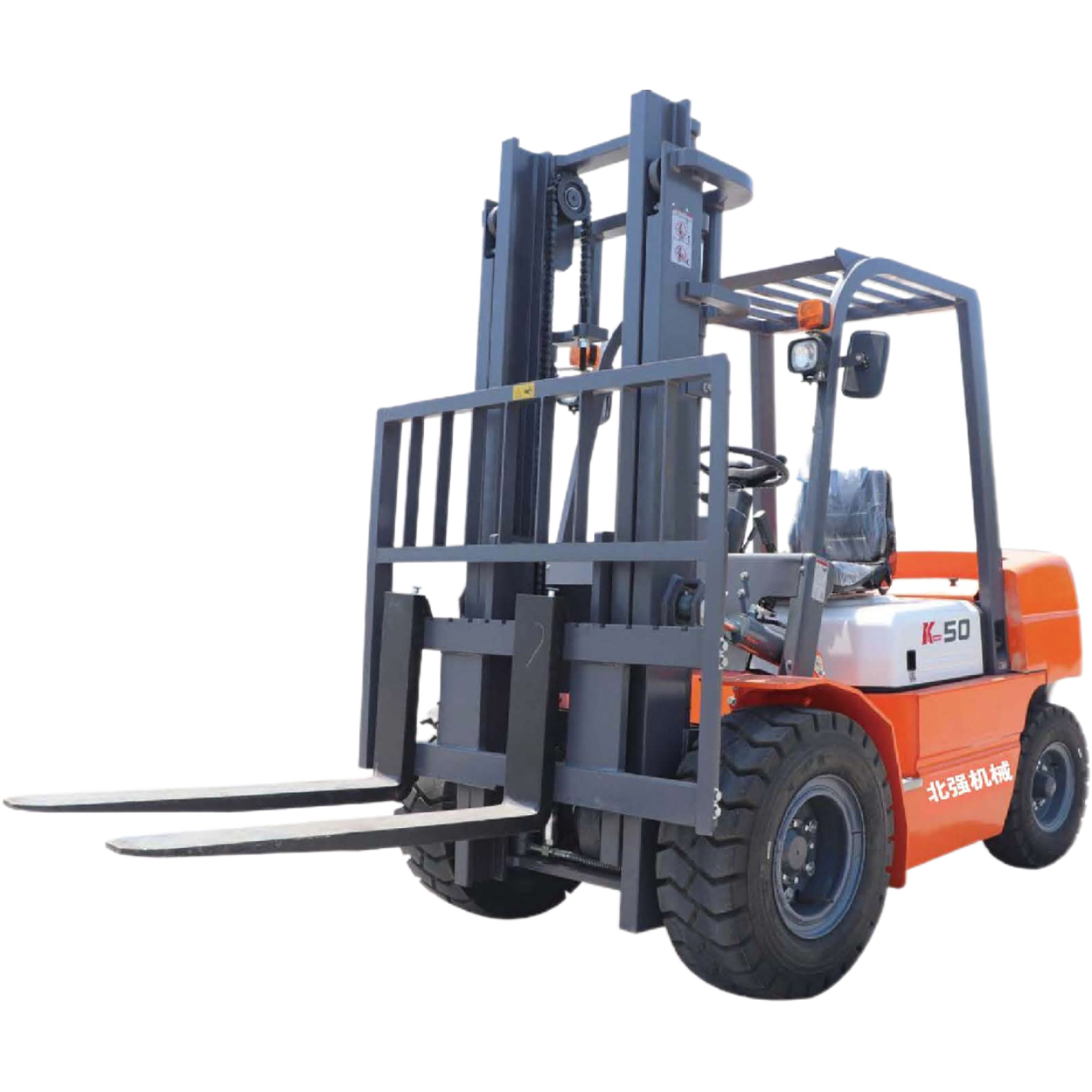
3. Diesel Forklifts: Power for Heavy-Duty Operations
Diesel forklifts are built for demanding outdoor and industrial environments.
Key Advantages
High torque and lifting capacity
Long operating hours without refueling delays
Strong performance on uneven terrain
Typical Applications
Construction sites
Ports and container yards
Heavy manufacturing plants
Diesel forklifts are preferred where strength and durability are critical.
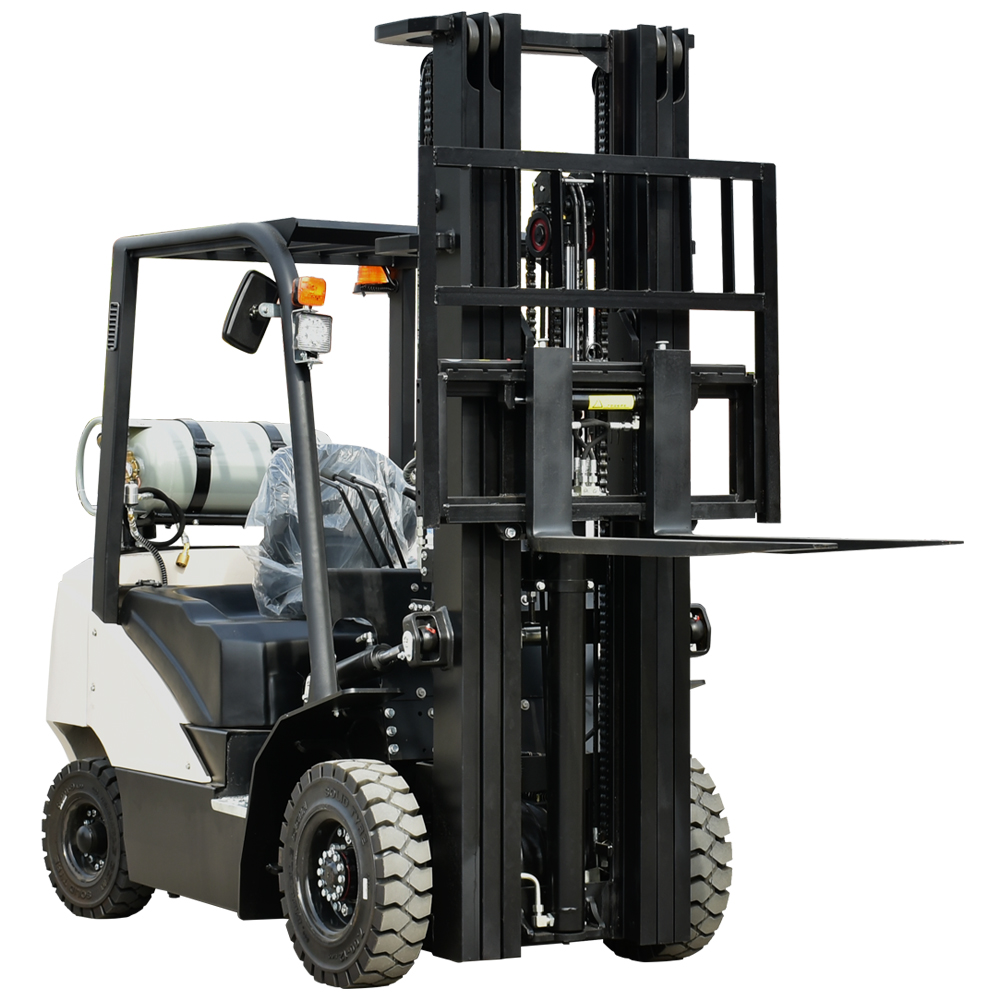
4. LPG Forklifts: Versatile Indoor and Outdoor Performance
LPG forklifts offer a balance between electric and diesel models.
Key Advantages
Lower emissions than diesel
Faster refueling compared to battery charging
Suitable for both indoor and outdoor use
LPG forklifts are popular in facilities that require flexibility across multiple environments.
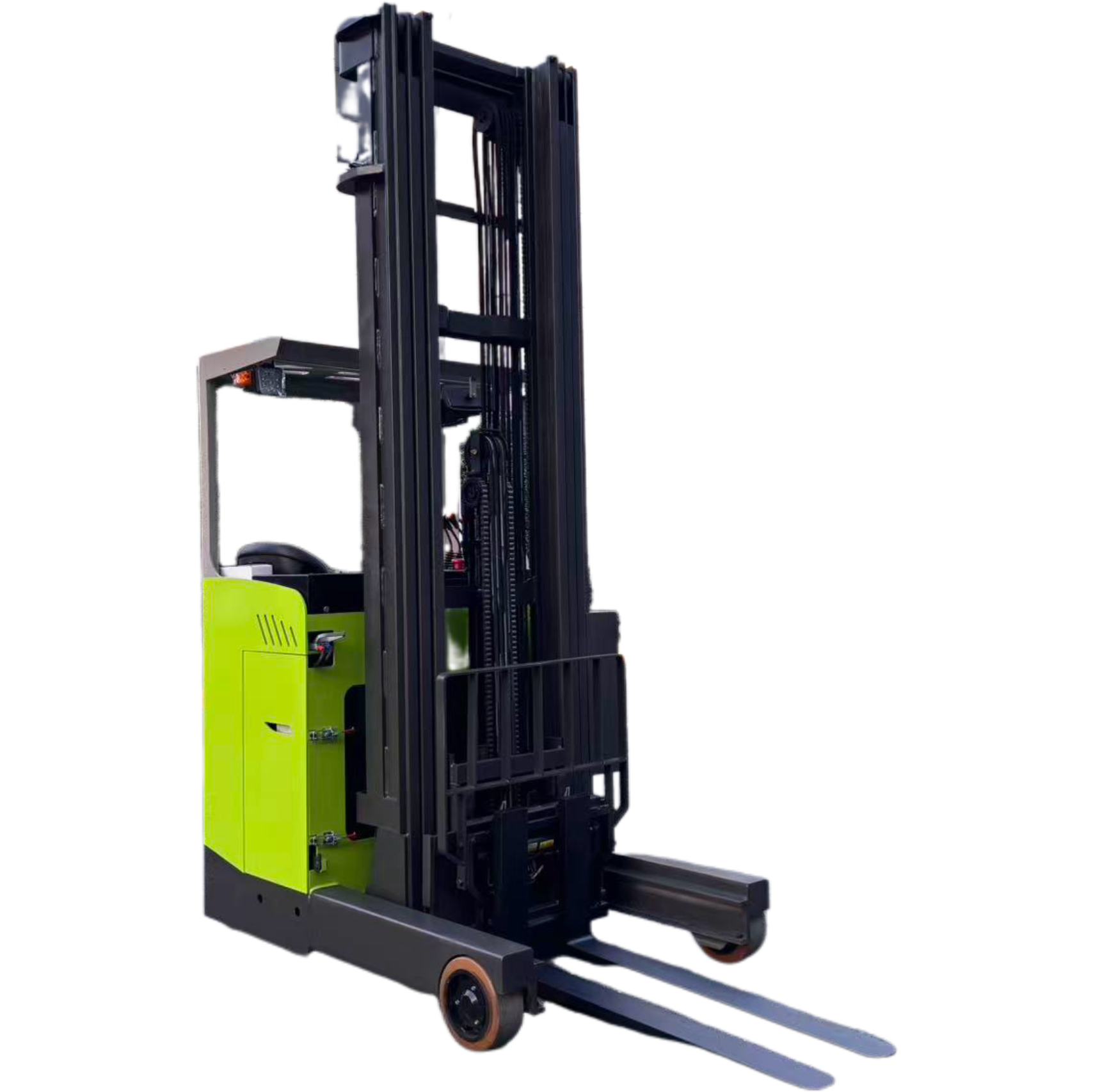
5. Reach Trucks: Maximizing Vertical Storage
Reach trucks are designed for narrow aisle warehouses with high racking systems.
Key Advantages
Excellent maneuverability
High lifting heights
Narrow aisle operation
Reach trucks allow warehouses to increase storage density while maintaining fast pallet access.
Typical Applications
High-bay warehouses
Distribution centers
E-commerce fulfillment facilities
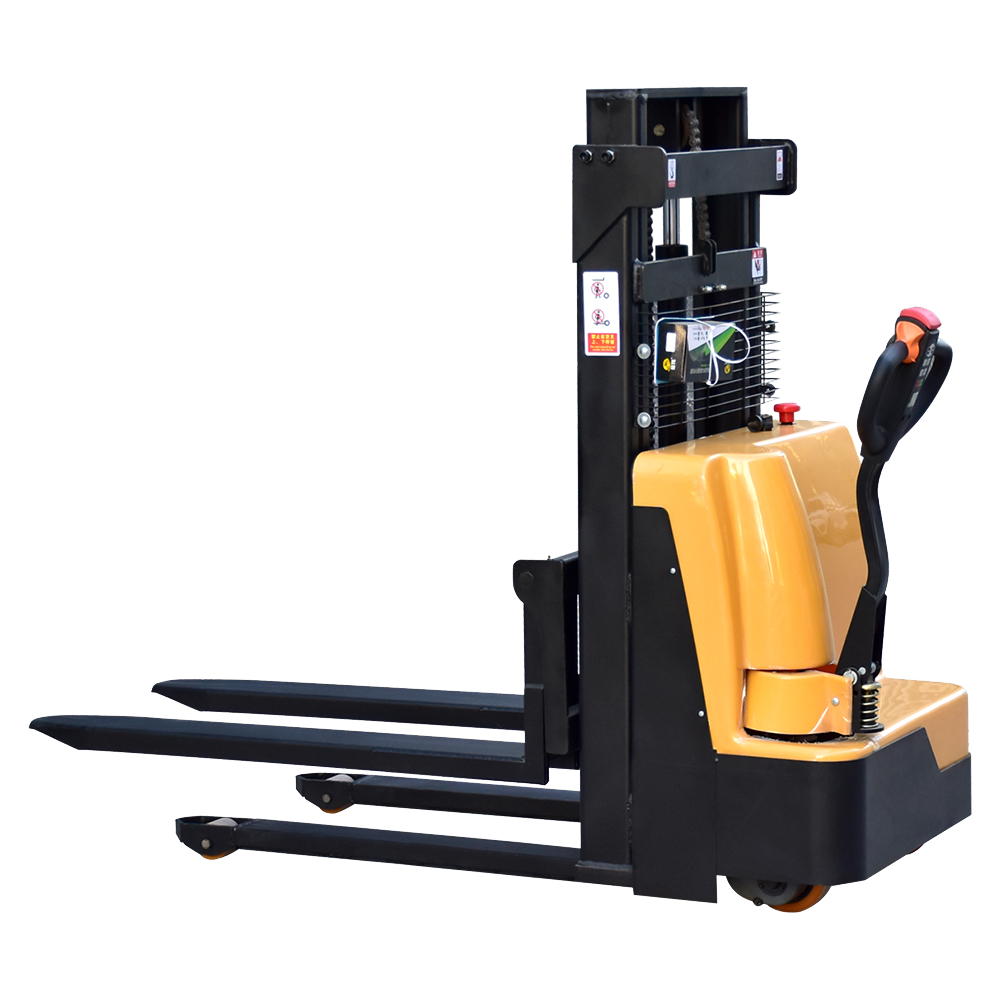
6. Electric Stackers: Compact and Cost-Effective
Electric stackers are compact lifting solutions for light to medium-duty tasks.
Key Advantages
Easy to operate
Lower purchase cost than forklifts
Ideal for small warehouses and retail storage
Electric stackers are commonly used for pallet stacking, short-distance transport, and low-level racking.
7. Pallet Trucks: Essential for Daily Material Movement
Pallet trucks, both manual and electric, are essential tools in nearly every warehouse.
Key Advantages
Simple design
Low maintenance
Excellent for short-distance pallet transport
Electric pallet trucks increase productivity by reducing operator fatigue and improving handling speed.
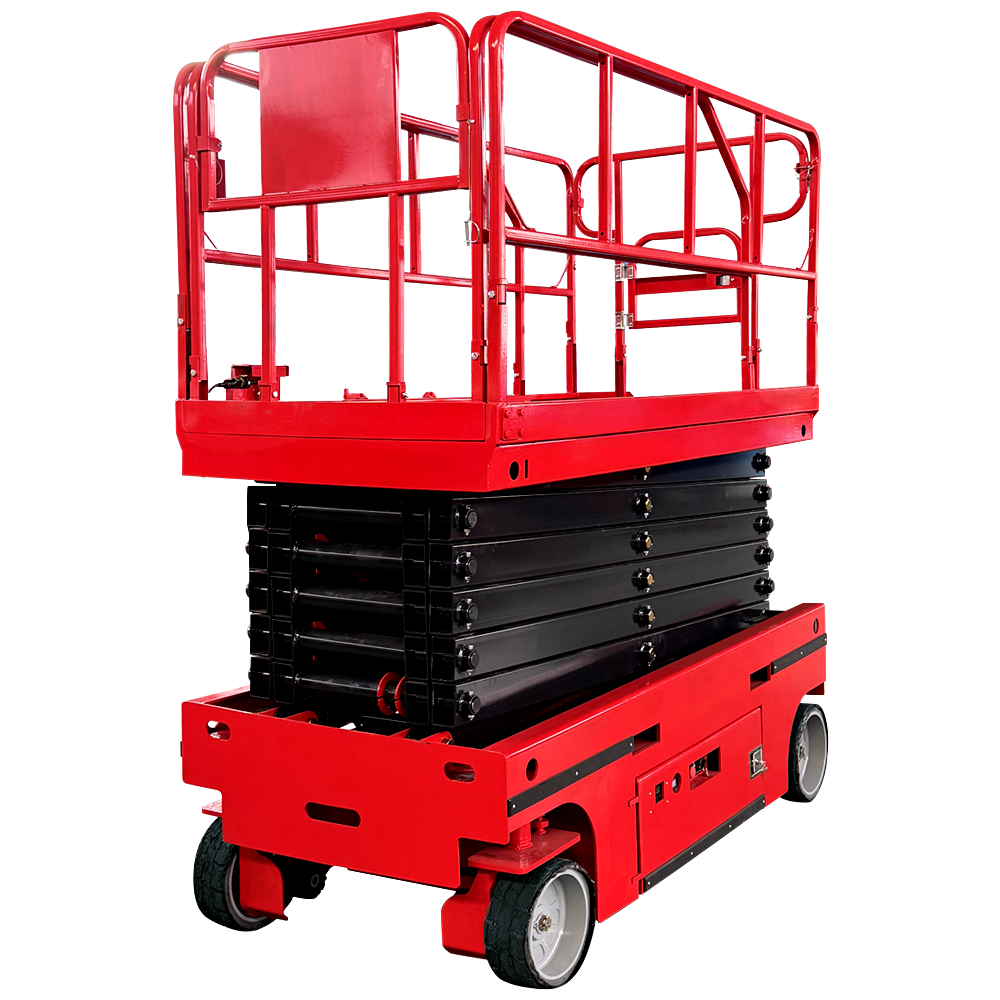
8. Lifting Platforms: Safe Vertical Access Solutions
Lifting platforms provide safe and stable vertical access for workers and materials.
Key Advantages
Enhanced safety for maintenance tasks
Stable lifting surfaces
Various designs including scissor lifts and mast platforms
Typical Applications
Equipment maintenance
Installation work
Warehouse repairs
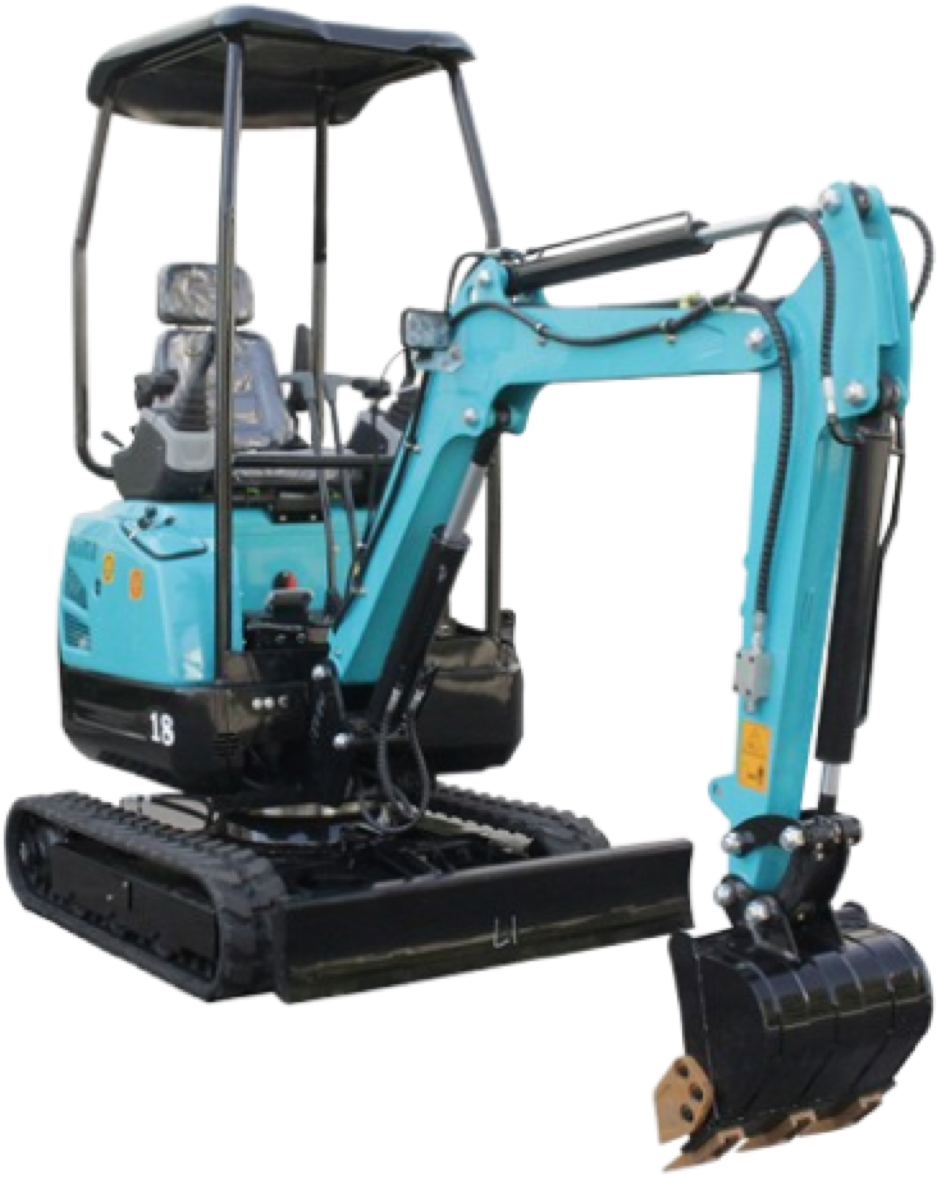
9. Mini Excavators: Compact Power for Construction and Landscaping
Mini excavators play a crucial role in construction and infrastructure projects.
Key Advantages
Compact size for confined spaces
High digging efficiency
Easy transportation
Mini excavators are commonly used alongside forklifts on construction sites for material handling and earthmoving tasks.
10. Matching Equipment to Application Scenarios
Choosing the right equipment depends on several factors:
Load weight and size
Indoor vs outdoor operation
Space constraints
Frequency of use
Budget and operating cost
For example:
High-density warehouses benefit from electric forklifts and reach trucks
Construction sites rely on diesel forklifts and mini excavators
Retail and light industrial operations use electric stackers and pallet trucks
11. Energy Efficiency and Environmental Considerations
Electric equipment supports:
Lower carbon emissions
Compliance with environmental regulations
Improved indoor air quality
Many companies are transitioning from diesel to electric or LPG forklifts to meet sustainability goals.
12. Safety and Operator Comfort
Modern material handling equipment includes:
Ergonomic operator controls
Stability systems
Overload protection
Safer equipment reduces accidents and improves productivity.
13. Total Cost of Ownership (TCO)
TCO includes:
Purchase cost
Energy or fuel expenses
Maintenance and spare parts
Equipment lifespan
Electric forklifts and pallet trucks often provide lower long-term operating costs, while diesel forklifts deliver value in heavy-duty applications.
14. Future Trends in Material Handling Equipment
Industry trends include:
Lithium-ion batteries
Automation and smart controls
Telematics and fleet management
Compact multi-functional machines
These trends continue to reshape warehouse and industrial operations.
15. Conclusion
Selecting the right combination of material handling equipment—including Electric Forklifts, Electric Stackers, Diesel Forklifts, Pallet Trucks, Lifting Platforms, Mini Excavators, LPG Forklifts, and Reach Trucks—is critical for building efficient, safe, and cost-effective operations.
By aligning equipment choices with application needs, businesses can optimize productivity, reduce operational costs, and support long-term growth in an increasingly competitive industrial environment.
Our manager will contact you shortly.
To contact you about our products and services.


Copyright © Xingtai Beiqiang Machinery Manufacturing Factory. 2025.
Technical support:Echola