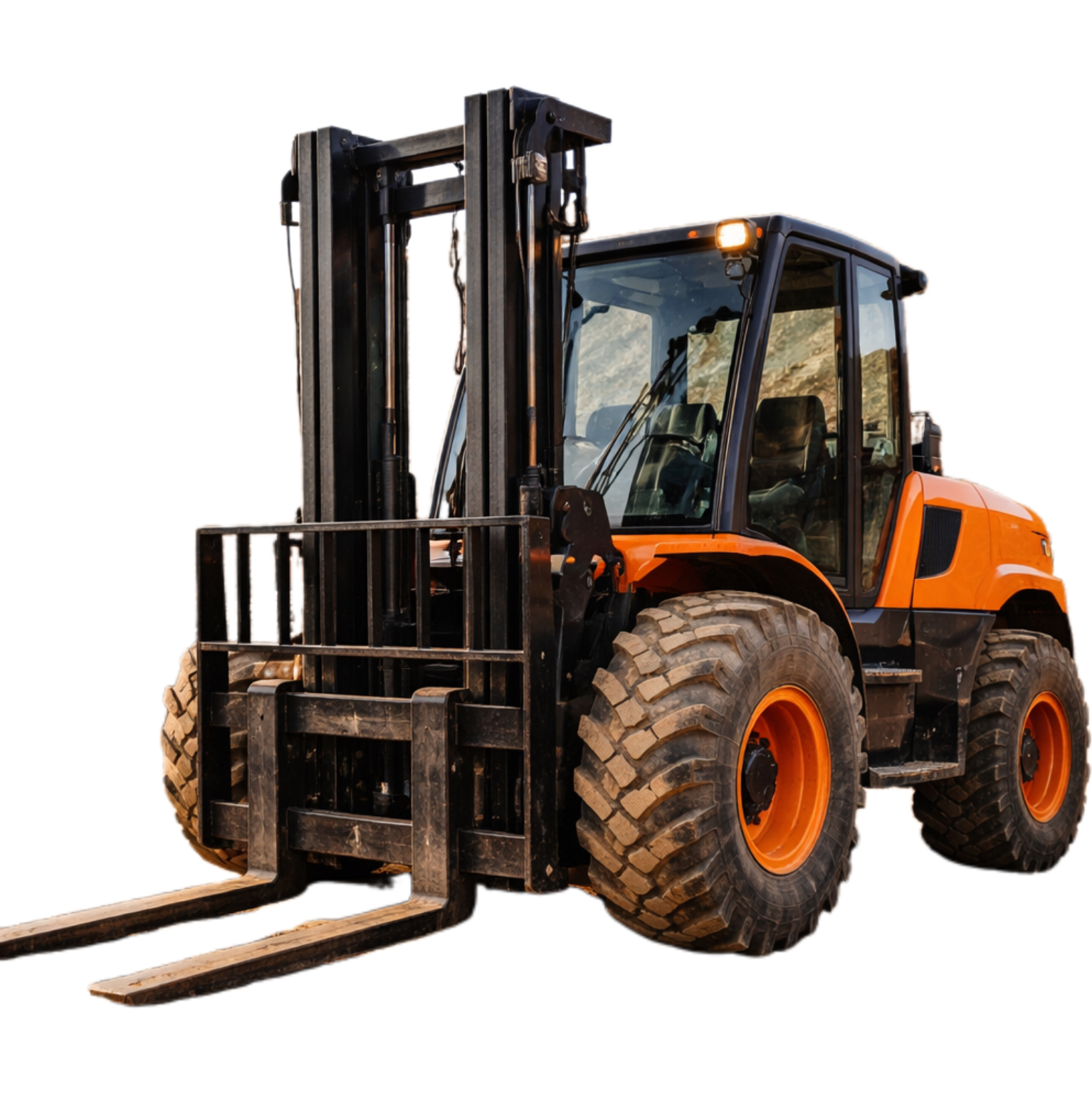


Forklift Fleet Management and Telematics
How Data Improves Productivity, Safety, and Cost Control
As warehouses and industrial facilities grow more complex, managing forklift fleets efficiently becomes a critical operational challenge. Traditional forklift management relies heavily on manual supervision and reactive maintenance. However, modern operations increasingly depend on forklift fleet management systems and telematics to gain visibility, control costs, and improve safety.
This article explores how telematics-driven forklift fleet management transforms material handling operations and delivers measurable business value.
1. What Is Forklift Fleet Management?
Forklift fleet management refers to the strategic planning, monitoring, and optimization of forklift usage across a facility or multiple sites.
Key objectives include:
Maximizing equipment utilization
Reducing downtime
Improving operator safety
Lowering total cost of ownership (TCO)
Telematics technology plays a central role in achieving these goals.
2. Understanding Forklift Telematics
Forklift telematics uses onboard sensors, wireless communication, and software platforms to collect real-time operational data.
Typical data points include:
Operating hours
Travel distance
Speed and acceleration
Impact and collision events
Battery or fuel usage
Operator login and access
This data provides unprecedented visibility into fleet performance.
3. Why Traditional Fleet Management Falls Short
Without telematics, fleet management often suffers from:
Inaccurate usage tracking
Unplanned maintenance
Excessive idle time
Unsafe operator behavior
Manual logs and visual inspections cannot deliver the precision required for modern, high-throughput warehouses.
4. Improving Forklift Utilization Rates
Telematics data reveals:
Which forklifts are overused
Which forklifts sit idle
Peak and off-peak usage patterns
By analyzing utilization rates, companies can:
Reduce fleet size
Reassign equipment more effectively
Avoid unnecessary purchases
Many warehouses discover they can operate with fewer forklifts after data-driven optimization.
5. Preventive and Predictive Maintenance
One of the most valuable benefits of telematics is maintenance optimization.
Preventive Maintenance
Scheduled based on real operating hours
Reduces breakdown risk
Predictive Maintenance
Uses sensor data to detect abnormal patterns
Identifies issues before failure occurs
This approach minimizes downtime and extends forklift lifespan.
6. Enhancing Forklift Safety Through Data
Forklift accidents are costly and dangerous.
Telematics systems monitor:
Speed violations
Harsh braking or acceleration
Collision impacts
Unsafe driving behavior
Real-time alerts and reports help managers:
Identify high-risk operators
Implement targeted training
Reduce accident rates
Safety becomes proactive instead of reactive.
7. Operator Access Control and Accountability
Modern fleet systems support:
Operator login via PIN or RFID
Certification-based access control
Benefits include:
Preventing unauthorized use
Ensuring only trained operators drive forklifts
Increasing accountability and responsibility
This significantly reduces safety incidents.
8. Energy and Fuel Consumption Monitoring
Telematics tracks:
Battery charge cycles
Energy consumption per shift
Fuel usage and idle time
This data helps:
Optimize charging schedules
Reduce energy waste
Compare electric, diesel, and hybrid forklift efficiency
Energy efficiency improvements translate directly into cost savings.
9. Impact Monitoring and Damage Reduction
Impact sensors record:
Collision force
Location and time of impact
This allows managers to:
Identify root causes of damage
Reduce racking and product damage
Encourage careful driving behavior
Facilities using impact monitoring often see immediate behavior improvement.
10. Data-Driven Forklift Right-Sizing
Telematics supports fleet right-sizing by answering:
How many forklifts are truly needed?
What capacity and type are most used?
This prevents:
Over-investment in equipment
Mismatched forklift specifications
Right-sized fleets are leaner and more cost-effective.
11. Integration with Warehouse Management Systems (WMS)
Advanced forklift management platforms integrate with:
WMS
ERP systems
Labor management software
Integration enables:
Coordinated task assignments
Optimized travel routes
Improved throughput
Forklifts become part of a connected digital ecosystem.
12. Supporting Multi-Site and Global Operations
For companies operating multiple warehouses, centralized fleet management offers:
Standardized reporting
Cross-site performance benchmarking
Global visibility into equipment usage
This is especially valuable for logistics providers and multinational manufacturers.
13. ROI and Cost Justification
While telematics systems require initial investment, ROI often comes from:
Reduced fleet size
Lower maintenance costs
Fewer accidents
Increased productivity
Many companies achieve payback within 12–24 months.
14. Common Challenges in Implementation
Challenges include:
Operator resistance to monitoring
Data overload
Integration complexity
Successful implementation requires:
Clear communication
Focused KPIs
Gradual rollout and training
Technology adoption must align with organizational culture.
15. Future Trends in Forklift Fleet Management
Emerging developments include:
AI-driven analytics
Autonomous forklift integration
Real-time optimization algorithms
Cloud-based global fleet platforms
Forklift fleet management is evolving from monitoring to intelligent decision-making.
16. Conclusion
Forklift fleet management and telematics represent a fundamental shift in how material handling operations are managed. By leveraging real-time data, companies gain control over utilization, safety, energy consumption, and maintenance.
In a competitive logistics and manufacturing environment, data-driven forklift management is no longer optional—it is a strategic advantage that drives efficiency, safety, and long-term cost reduction.
Our manager will contact you shortly.
To contact you about our products and services.


Copyright © Xingtai Beiqiang Machinery Manufacturing Factory. 2025.
Technical support:Echola