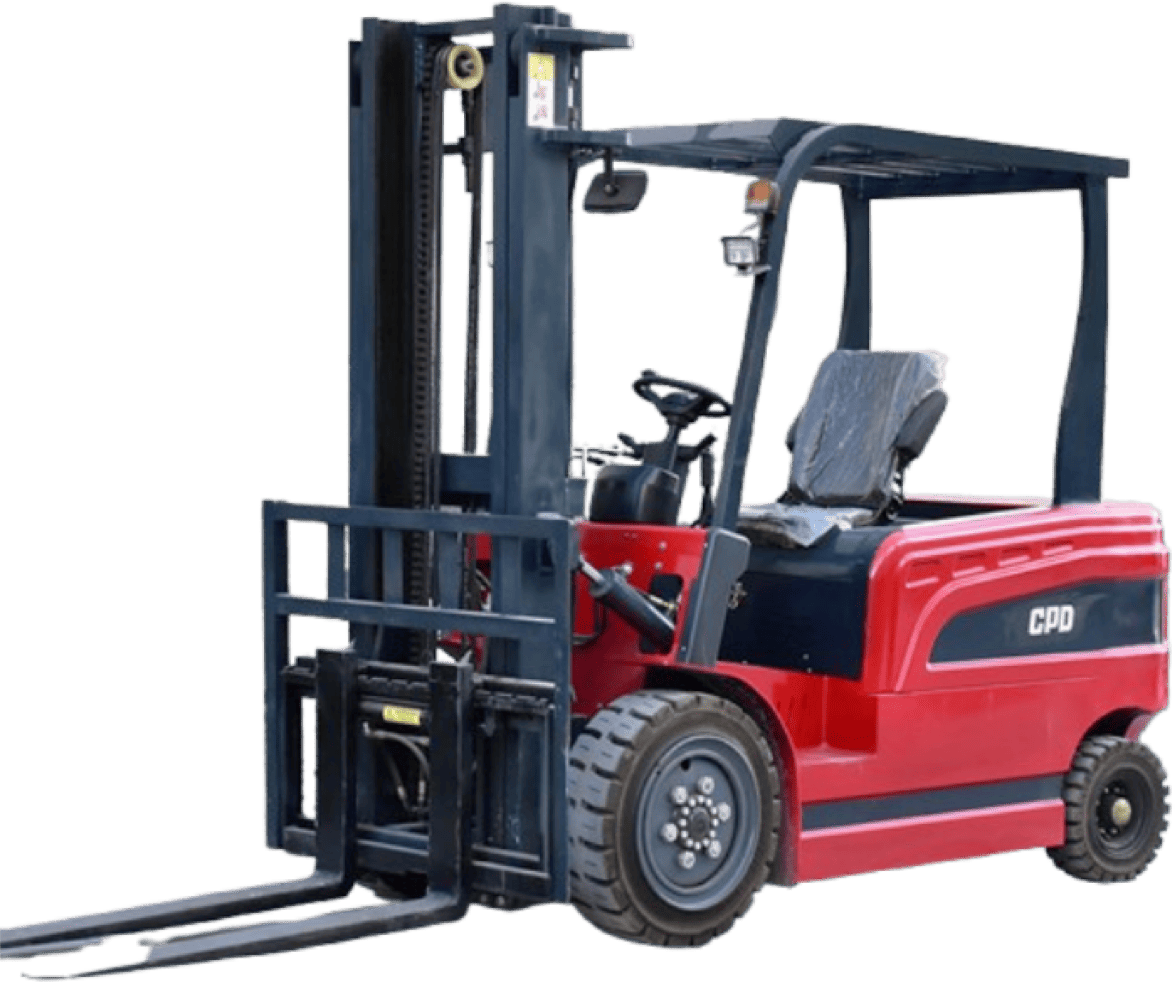
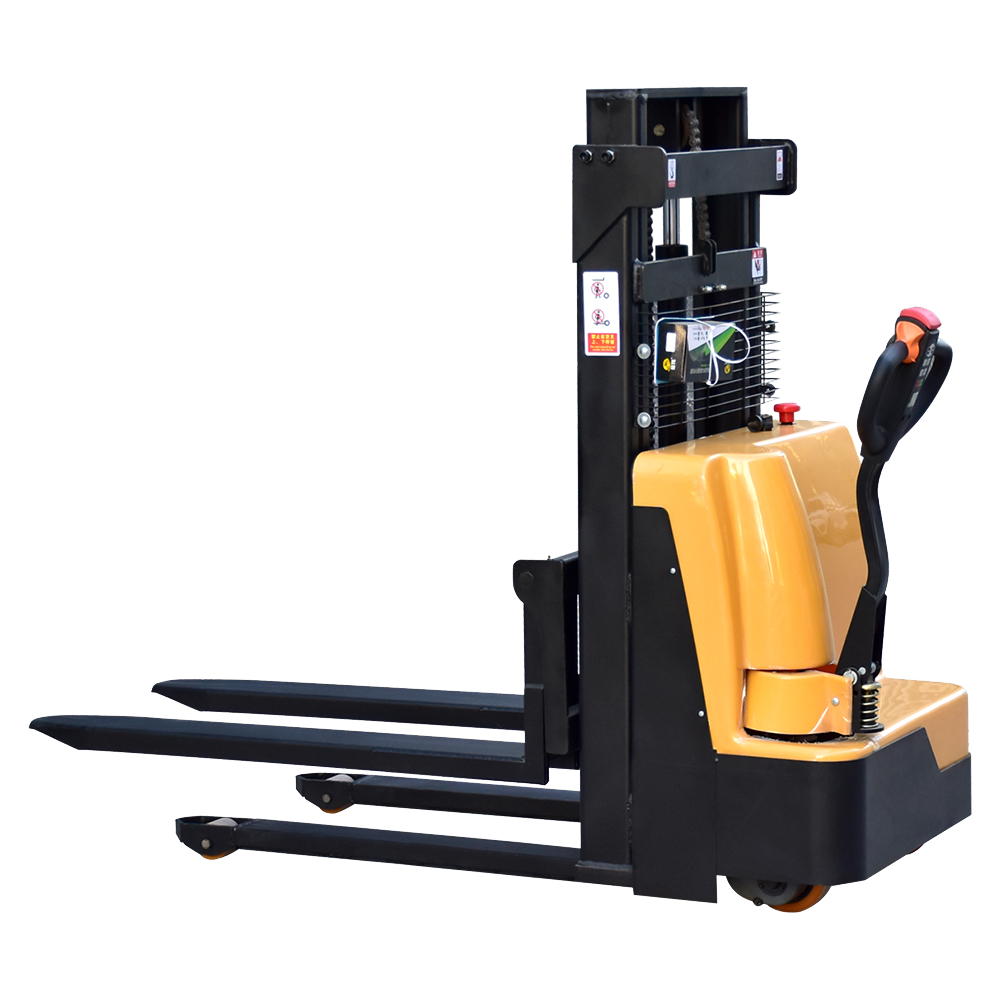
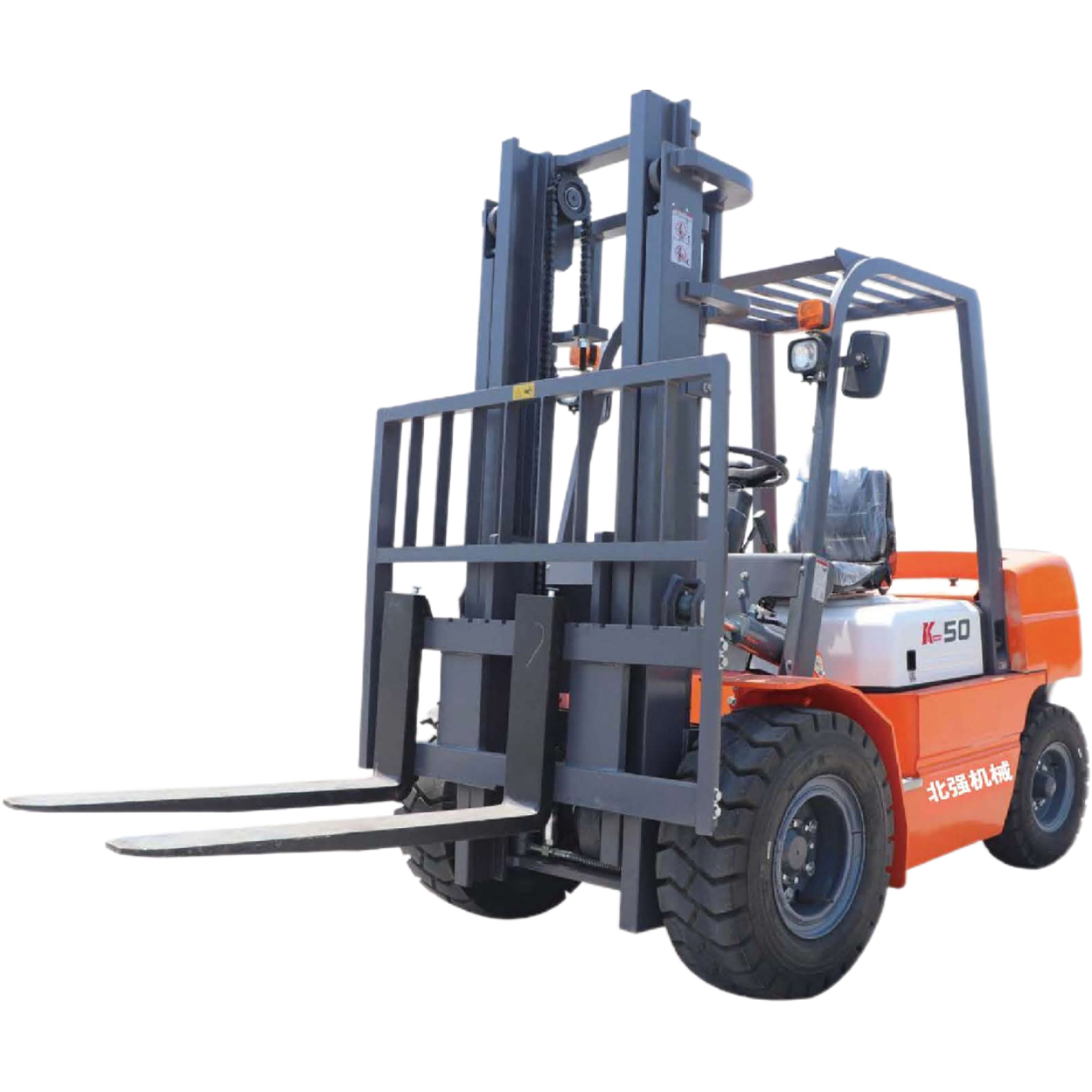
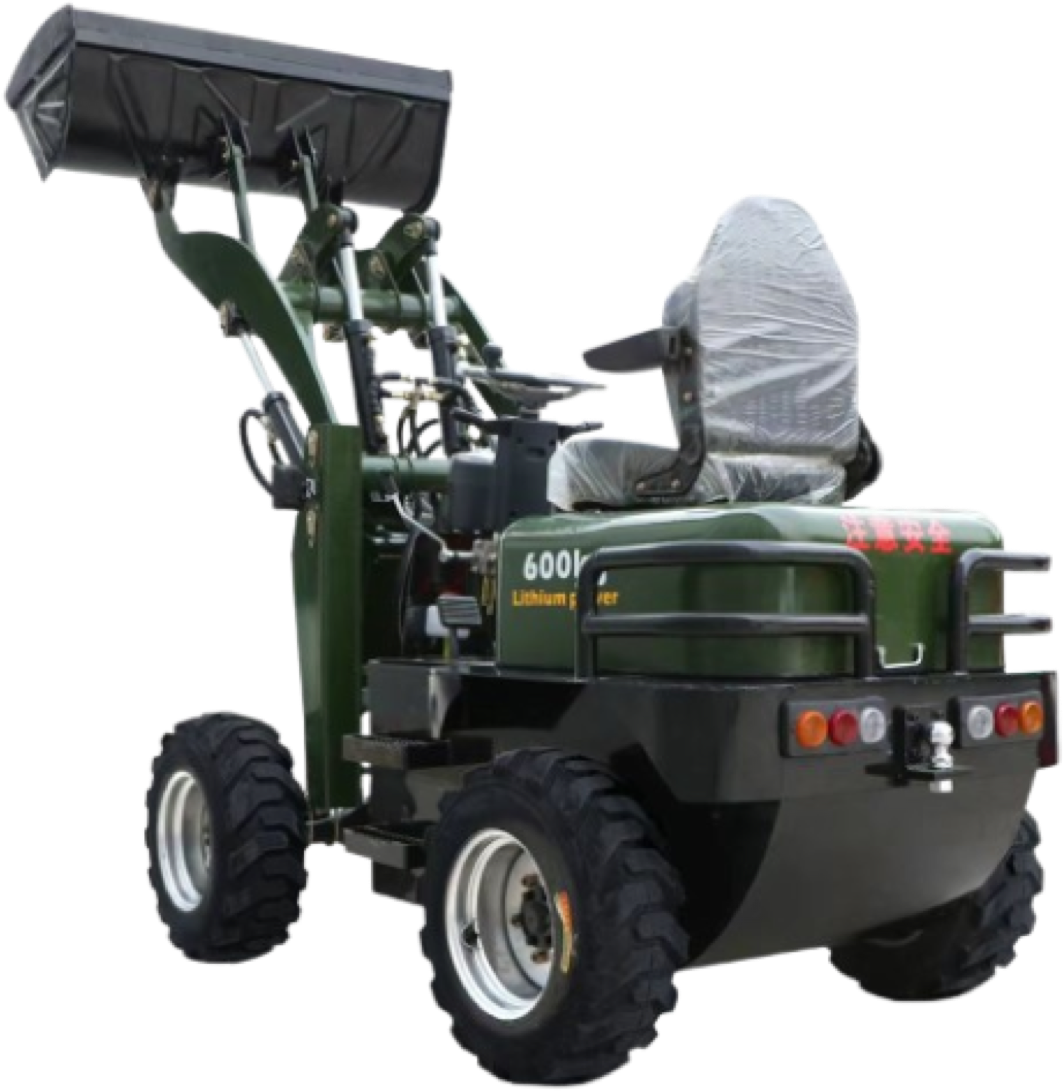
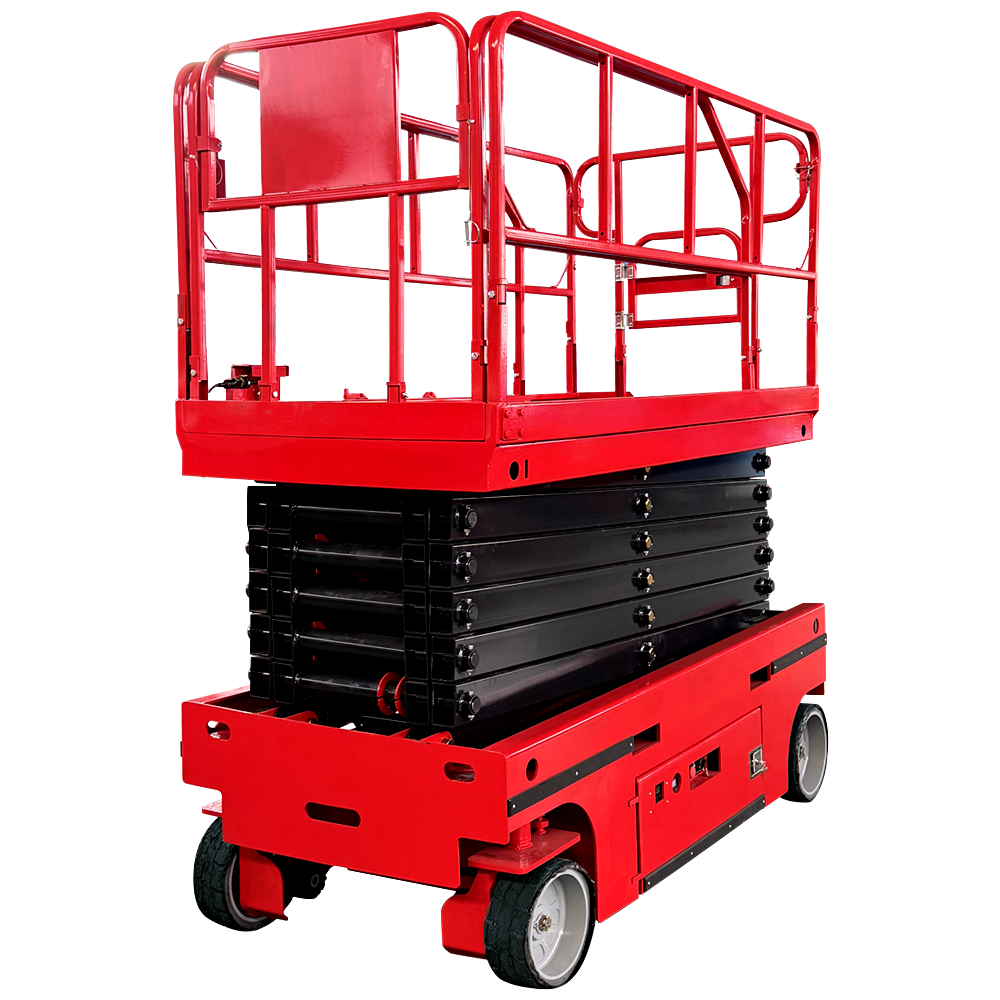
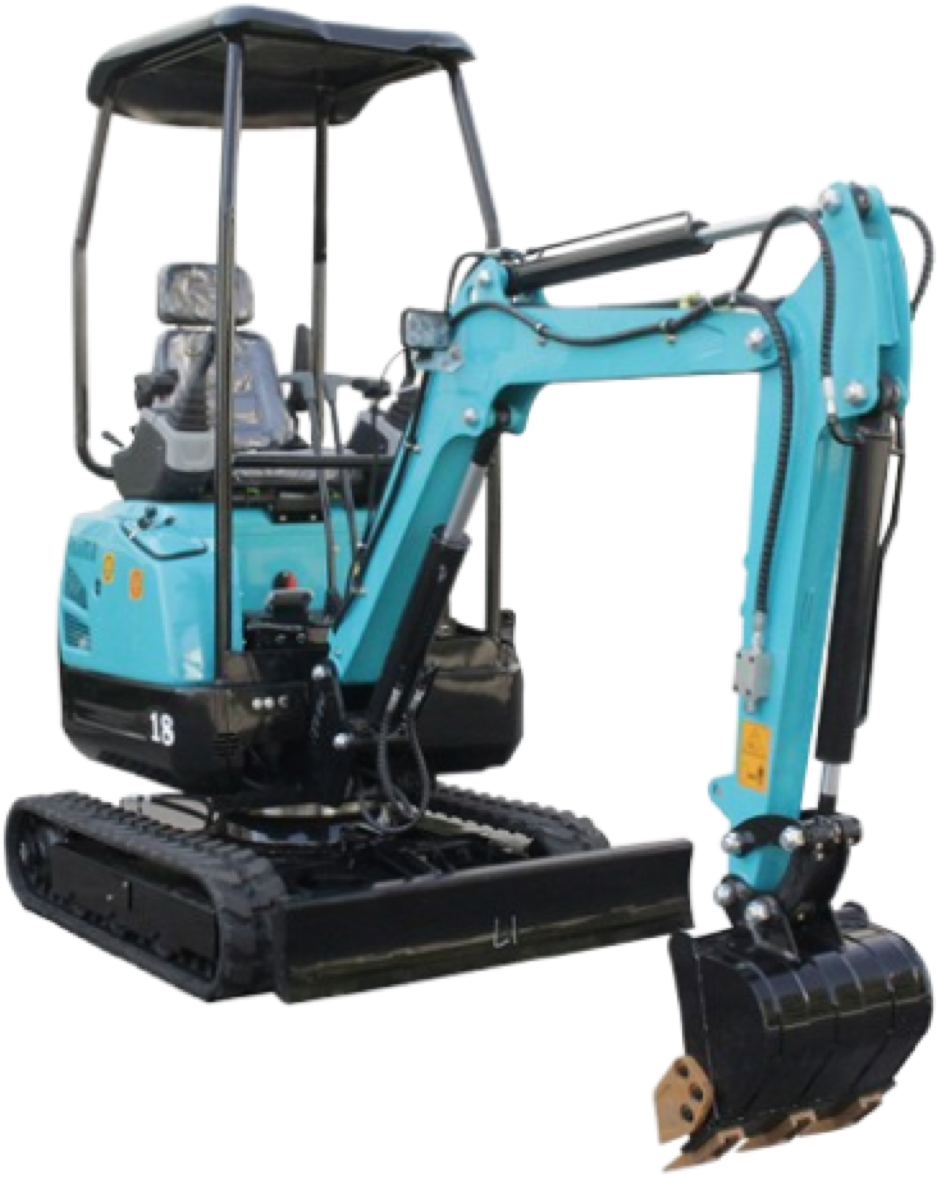
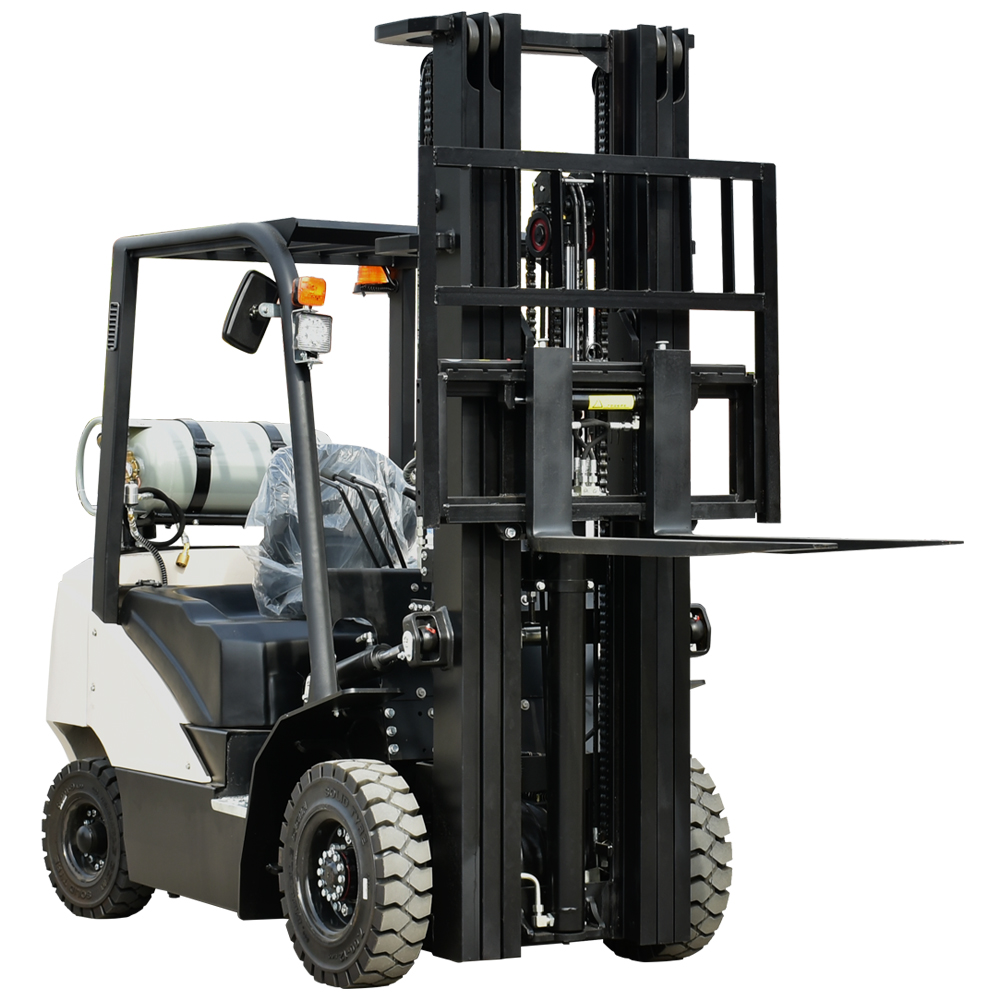
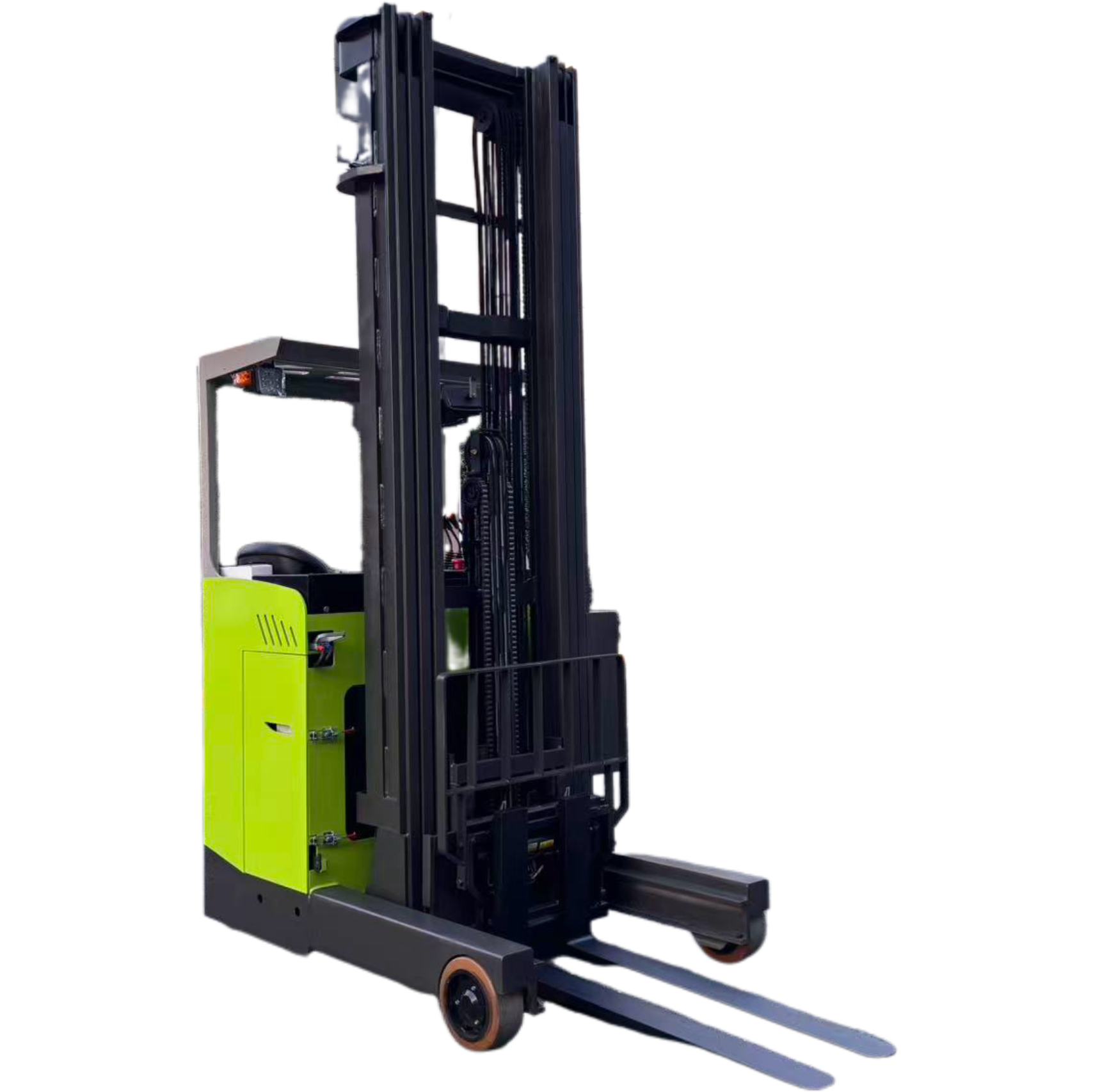
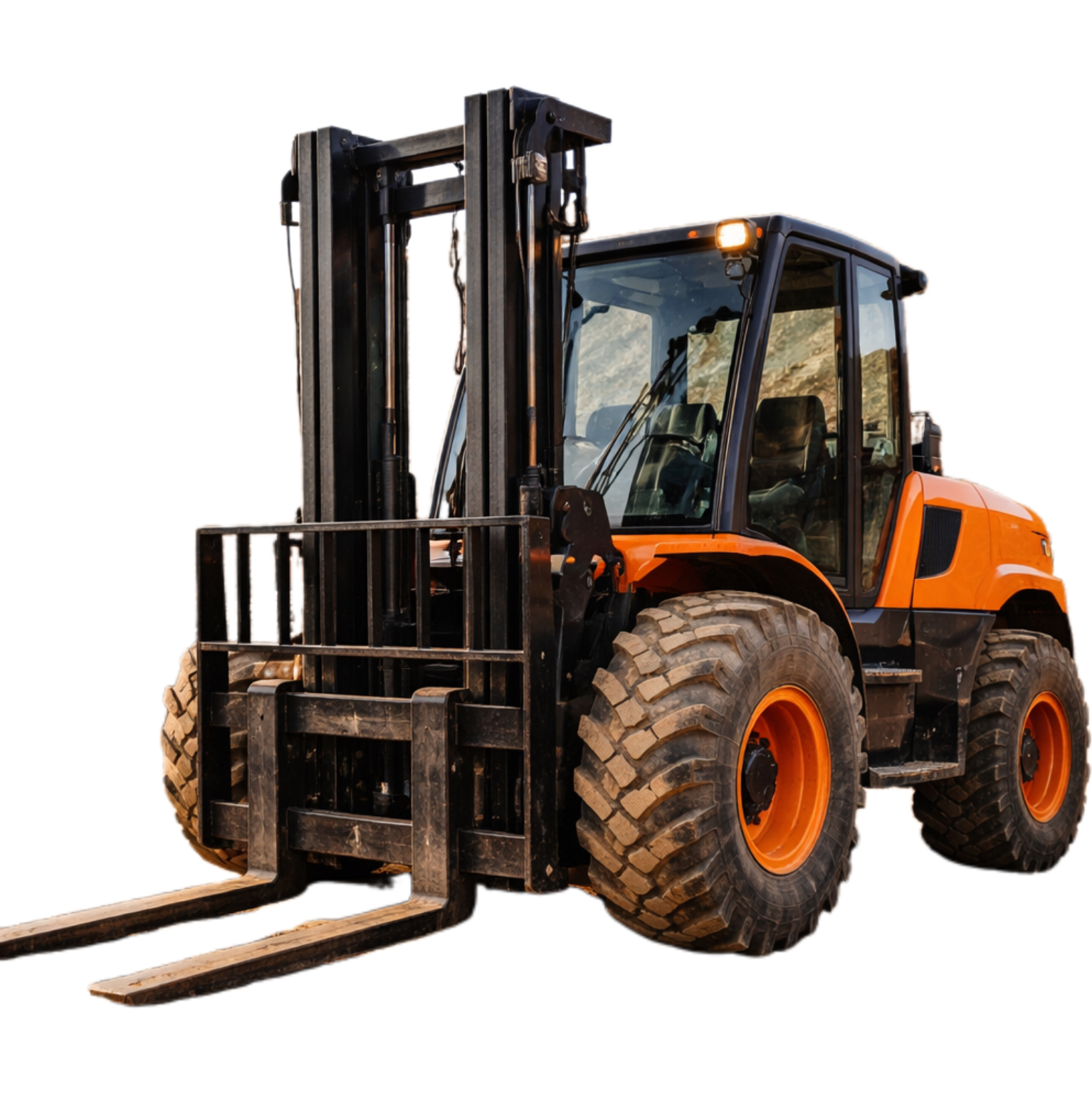


In the demanding world of material handling, where raw power, endurance, and reliability are non-negotiable, the diesel forklift stands as an undisputed champion. Designed for the toughest jobs, these robust machines are the backbone of numerous industries, from sprawling construction sites and bustling ports to large-scale agricultural and manufacturing facilities.
What is a Diesel Forklift?
A diesel forklift is an internal combustion engine-powered industrial truck that uses diesel fuel. Its core strength lies in a high-torque diesel engine, renowned for its durability and efficiency under heavy loads and continuous operation. Unlike their electric counterparts, diesel forklifts are primarily built for outdoor or well-ventilated indoor environments due to their exhaust emissions.
Key Advantages of Diesel Forklifts
Unmatched Power and Torque: Diesel engines deliver superior torque, making them exceptionally capable of handling heavy loads (often 10,000 lbs and beyond), climbing gradients, and operating on rough, uneven terrain.
Lower Operational Cost (Fuel): Diesel fuel is generally less expensive than gasoline or propane, and diesel engines are inherently more fuel-efficient, especially under constant heavy loads. This translates to a lower cost per hour of operation in high-usage scenarios.
Durability and Longevity: Built with stronger components to withstand the high compression of diesel engines, these forklifts have a reputation for a longer operational lifespan and resilience in harsh conditions.
Excellent Outdoor Performance: As weather-independent workhorses, they excel in rain, wind, and dust. There are no batteries to be affected by cold weather, and they can operate seamlessly on gravel, dirt, and asphalt.
Fast Refueling: Refueling a diesel forklift takes just a few minutes, compared to the several hours required to recharge an electric forklift battery. This enables continuous 24/7 shift operations with minimal downtime.
Primary Applications
Diesel forklifts are the equipment of choice for:
Construction Sites: Handling lumber, steel, concrete pipes, and other heavy building materials.
Shipping Ports and Logyards: Moving shipping containers, heavy machinery, and logs.
Agriculture: Lifting large hay bales, pallets of produce, and bulk feed bags.
Heavy Manufacturing: Transporting metal parts, large assemblies, and industrial products.
Large-Scale Outdoor Warehousing and Storage Yards.
Diesel vs. Electric Forklifts: Choosing the Right Tool
The choice between diesel and electric depends entirely on the application:
Choose Diesel for: Outdoor use, heavy loads (>8,000 lbs), rough terrain, long runtimes, and applications where initial cost is more critical than long-term emissions/fuel cost.
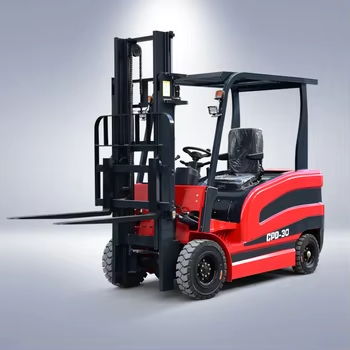
Choose Electric for: Indoor use (warehouses, food processing), lower noise requirements, zero local emissions, lower long-term maintenance, and lighter to medium-duty cycles.
Important Considerations
Emissions: Modern diesel forklifts comply with strict EPA and EU emission standards (Tier 4 Final), significantly reducing particulate matter and NOx emissions through advanced exhaust after-treatment systems like Diesel Particulate Filters (DPF).
Maintenance: They require regular maintenance of engine oil, filters, and emission systems. However, their mechanical systems are often simpler and more serviceable than complex electric drivetrains.
Initial Cost: While the upfront purchase price can be higher than some electric models, the total cost of ownership over the machine's life in a heavy-duty application is often favorable.
Conclusion
For businesses that require raw lifting power, all-weather capability, and the stamina to work long hours under demanding conditions, the diesel forklift remains an indispensable and cost-effective solution. By understanding their strengths—power, fuel efficiency, and rugged durability—operators and fleet managers can make informed decisions that enhance productivity and drive their industrial operations forward.
When investing in a diesel forklift, always consider the specific load requirements, terrain, hours of operation, and modern emission features to select the perfect powerhouse for your needs.
Our manager will contact you shortly.
To contact you about our products and services.


Copyright © Xingtai Beiqiang Machinery Manufacturing Factory. 2025.
Technical support:Echola