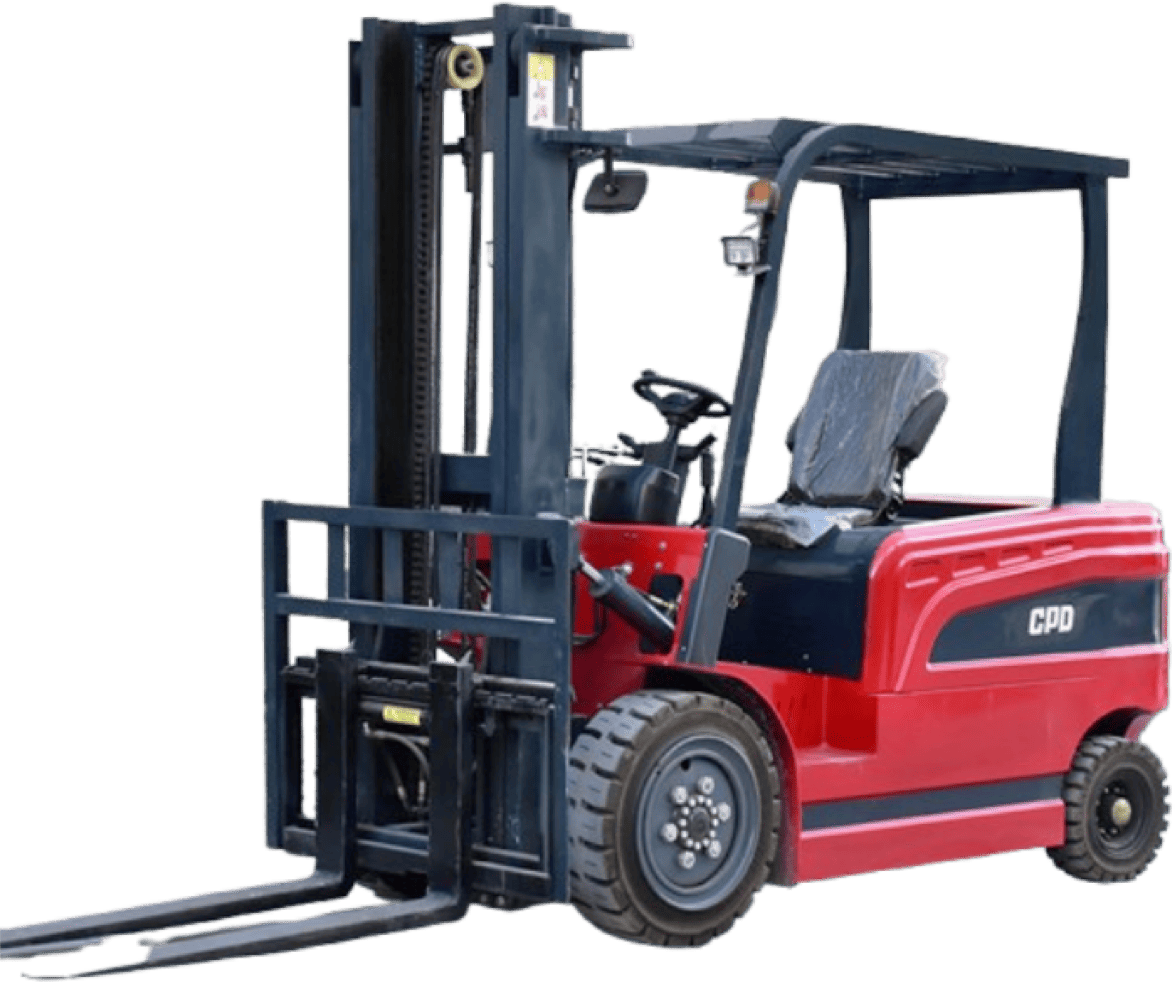
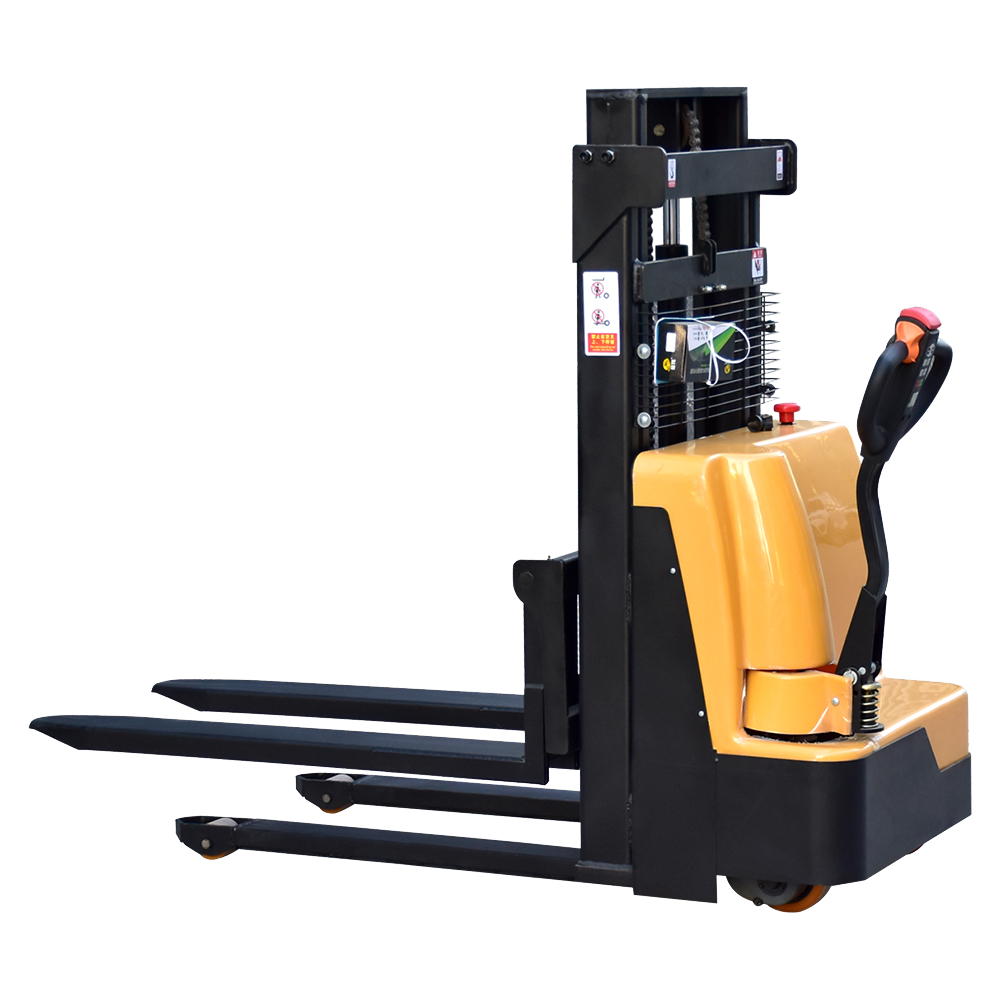
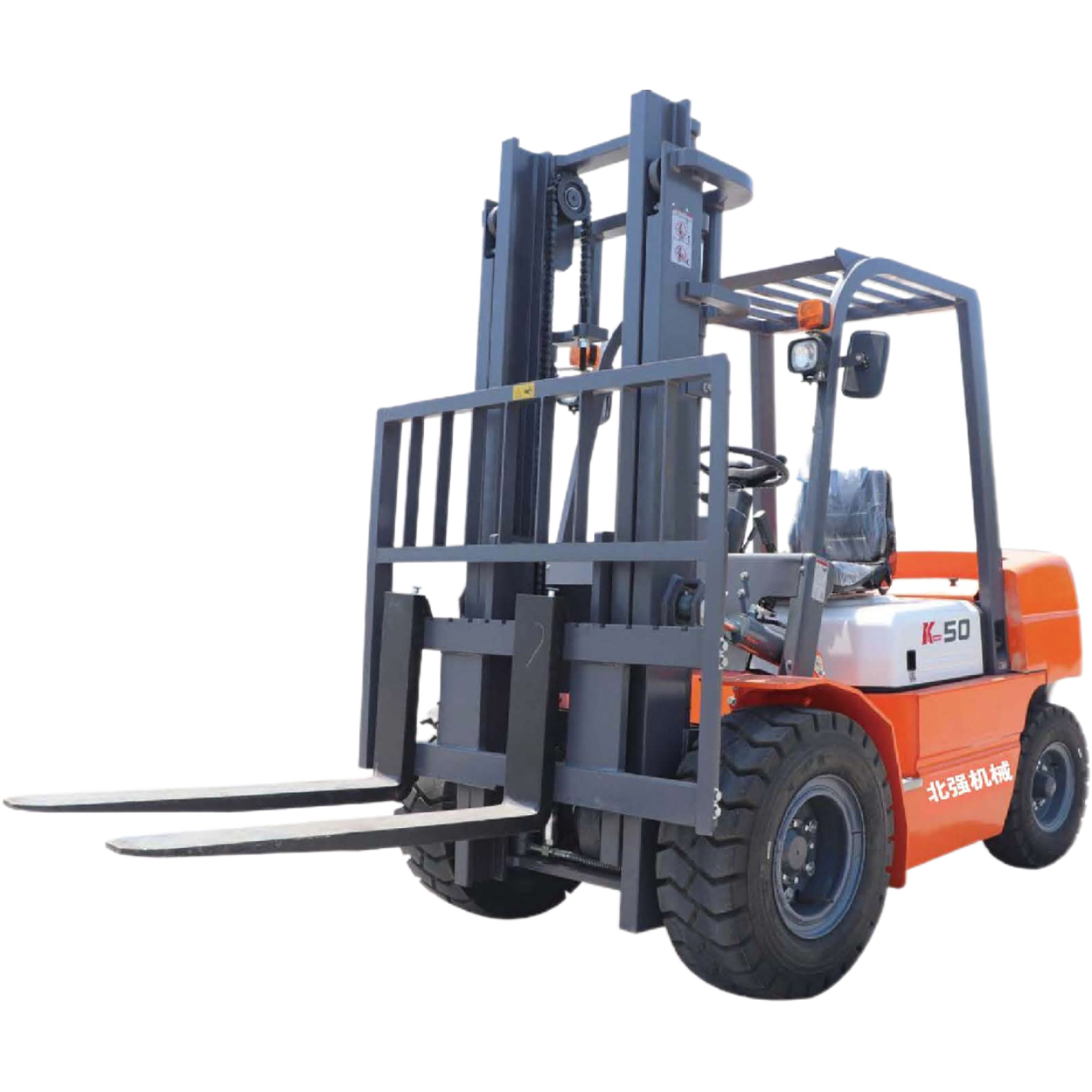
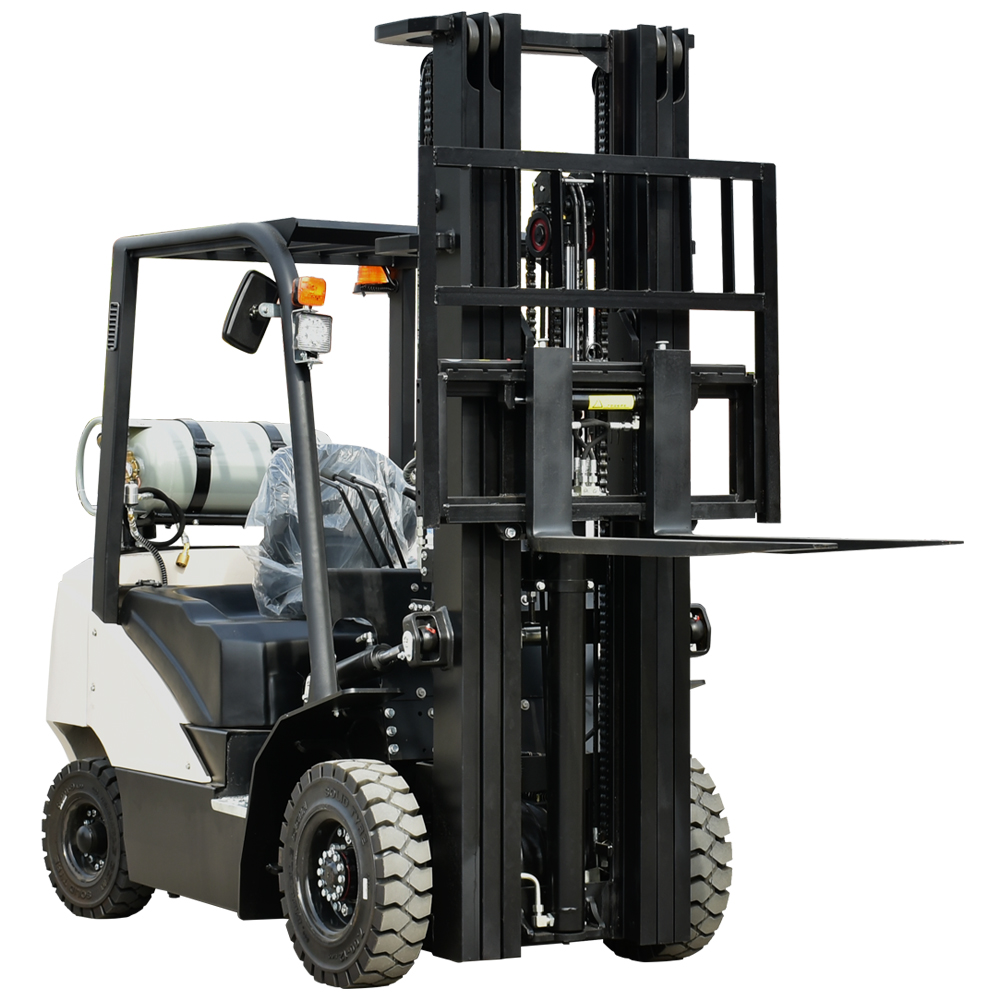


Purchasing a forklift is a significant capital investment, but the initial price tag is merely the tip of the iceberg. A truly strategic decision requires a deep dive into the Total Cost of Ownership (TCO)—the comprehensive sum of all costs associated with the equipment over its entire useful life. This analysis transforms the buying process from a simple procurement task into a long-term financial and operational strategy.
Step 1: Defining Your Needs – The Foundation of the Right Choice
Before comparing models, clearly define your operational parameters:
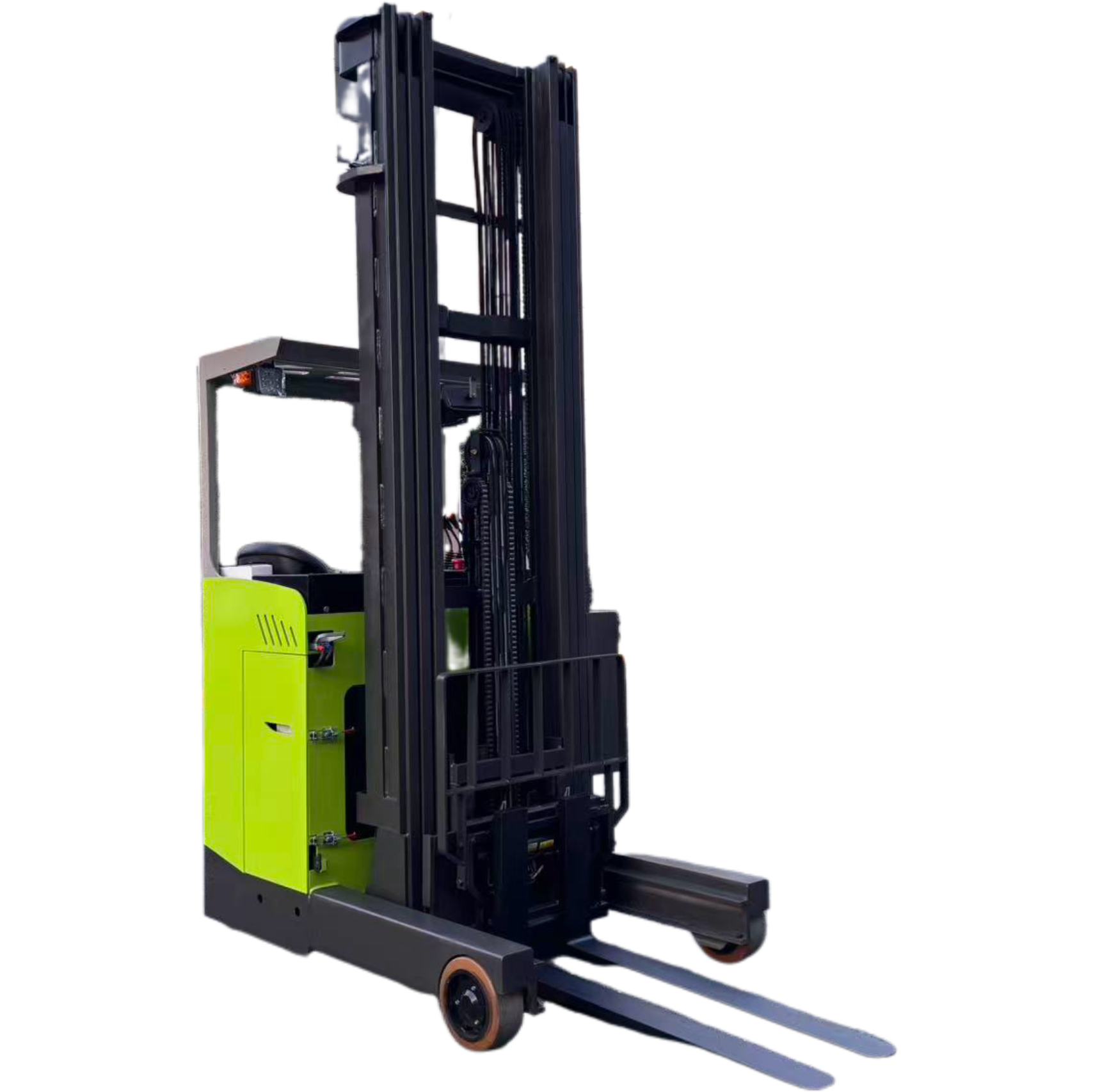
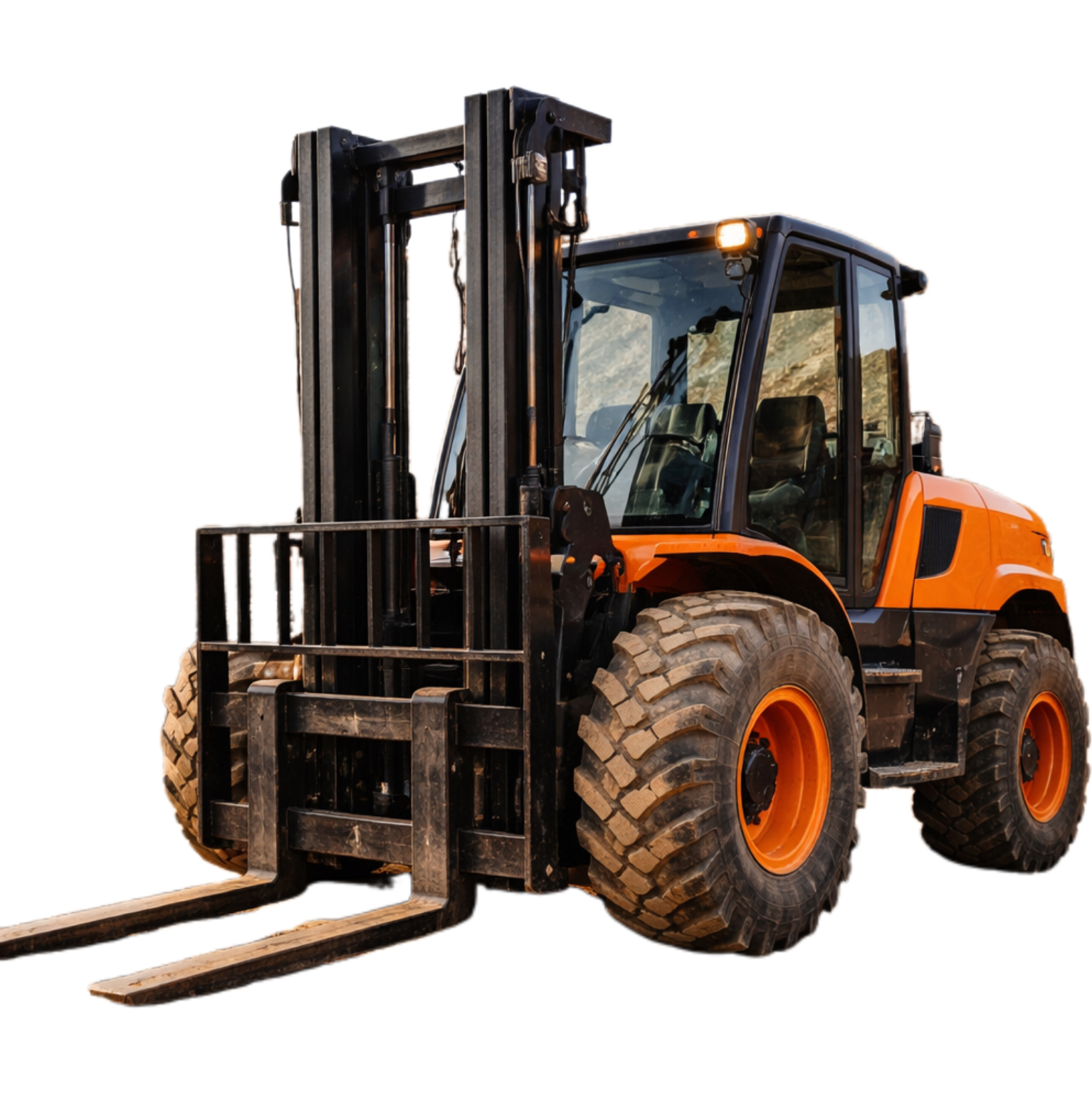
Application & Environment: Is it for dense, indoor racking (favoring a reach truck) or outdoor lumber yards (requiring a rough-terrain forklift)? Electric models dominate indoors, while ICE options handle harsh outdoors.
Capacity & Height: Determine your typical and maximum load weight and required lift height. Always choose a capacity with a 20-25% safety margin above your regular needs.
Duty Cycle: How many hours per day and shifts per week will it operate? High-intensity, multi-shift operations demand robust powertrains and influence the fuel/energy choice.
Facility Specifics: Consider aisle widths (dictating forklift maneuverability), floor conditions, and door/clearance heights.
Step 2: Decoding Total Cost of Ownership (TCO) – The Real Price Tag
TCO moves beyond purchase price to include all direct and indirect costs:
Acquisition Cost: The upfront purchase price or down payment.
Fuel/Energy Cost: Calculate based on your duty cycle. Compare the cost of diesel/LPG versus electricity (for charging batteries). Electric models often have a significant advantage here.
Maintenance & Repair Cost: This is a major differentiator. Electric forklifts typically have 30-40% lower maintenance costs than ICE models due to fewer moving parts (no engine, transmission, exhaust system). Factor in planned service and unscheduled repairs.
Battery & Charger Cost (For Electric): For lead-acid, include the cost of replacement batteries over the truck's life and charging infrastructure. For lithium-ion, factor in the premium but account for longer lifespan and zero battery replacements.
Downtime Cost: This is often the hidden giant. How much does production or shipping delay cost per hour? Reliable brands and service networks minimize this.
Residual Value: The estimated resale value at the end of your ownership period. Reputable brands often hold value better.
Step 3: The Financial Decision – Lease, Rent, or Buy?
Buying (Capital Purchase): Best for long-term, stable operations with capital on hand. You own the asset, control its maintenance, and benefit from its residual value. Full responsibility for repairs and disposal.
Leasing (Financial/Operational Lease): Preserves capital, offers potential tax benefits (operational lease), and provides predictable monthly payments. Often includes full-service maintenance packages, ensuring fixed costs and minimizing downtime risk. No ownership equity at the end of a standard term.
Renting (Short-Term): Ideal for project-based work, seasonal peaks, or to cover equipment during repairs. Maximum flexibility with no long-term commitment.
Step 4: Partner Selection – Beyond the Machine
Your relationship with the forklift dealer is crucial. Evaluate:
Service Network: Proximity, response time, and quality of their technicians.
Parts Availability: On-site parts inventory to reduce downtime.
Fleet Management Support: Can they provide telematics data and usage reports to optimize your operations?
Conclusion
Choosing a forklift should never be driven by sticker price alone. By rigorously defining operational needs, calculating the Total Cost of Ownership over a 5-7 year period, and selecting the right financial model and partners, businesses can make an investment that maximizes productivity, minimizes unforeseen expenses, and delivers superior Return on Investment (ROI). The most cost-effective forklift is the one that reliably does the job with the lowest combined financial and operational burden over its entire life. Invest time in the analysis to invest wisely in the equipment.
Our manager will contact you shortly.
To contact you about our products and services.


Copyright © Xingtai Beiqiang Machinery Manufacturing Factory. 2025.
Technical support:Echola