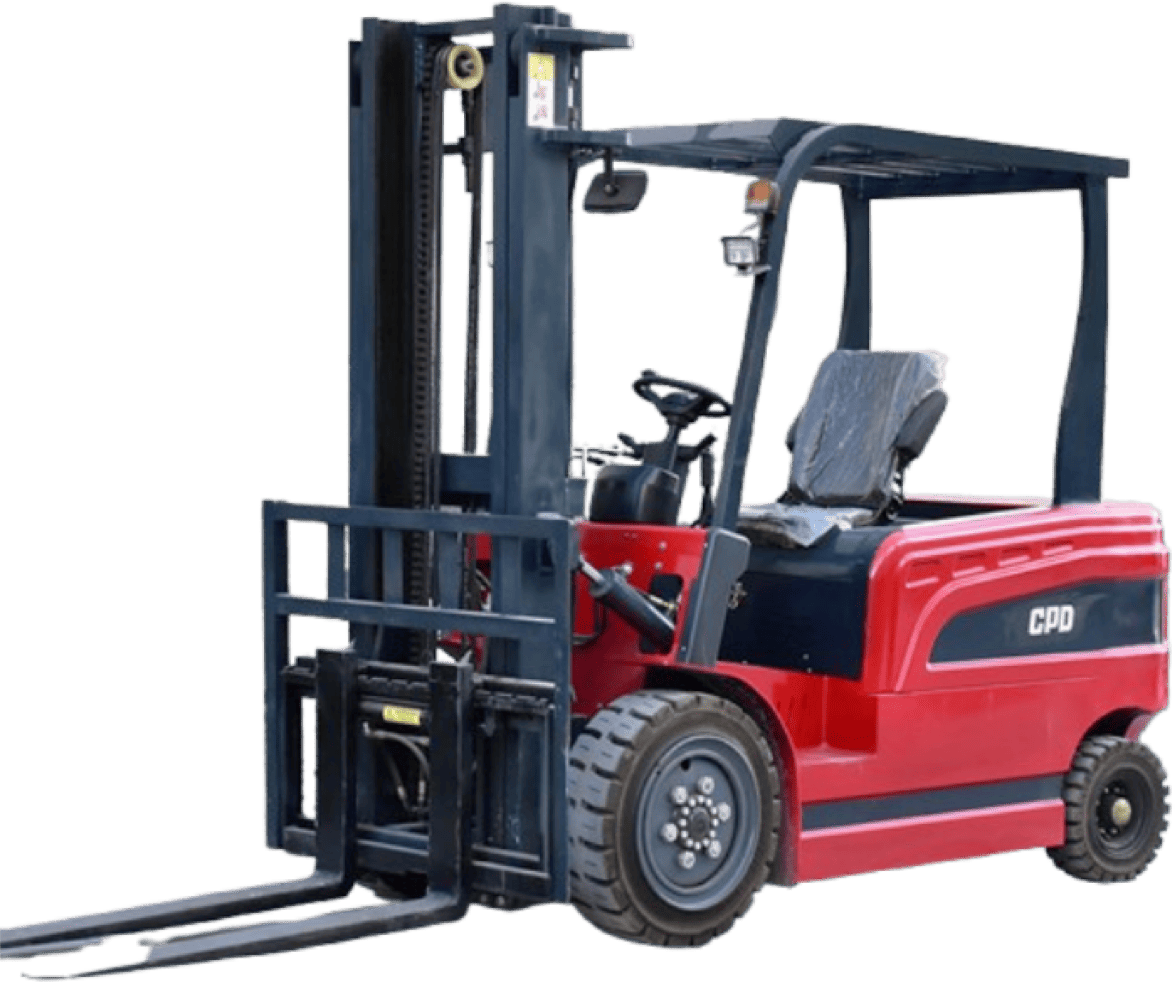
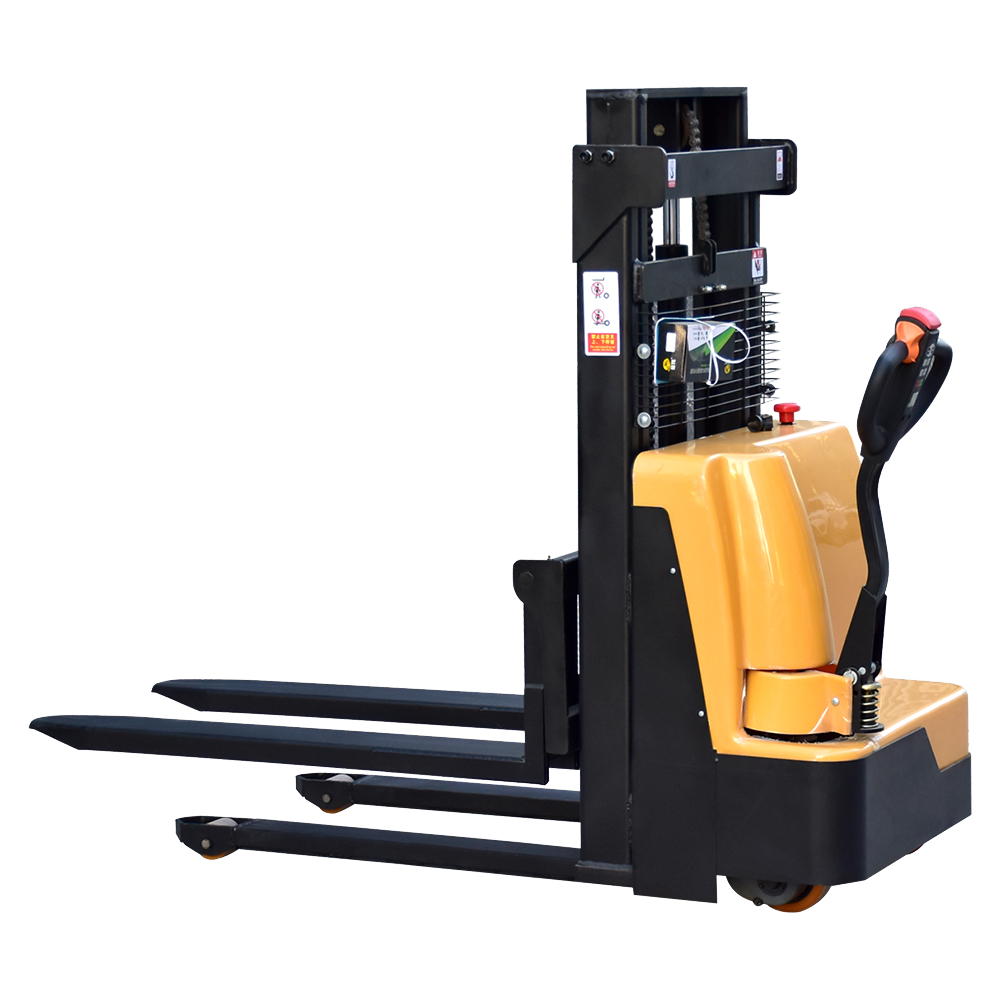
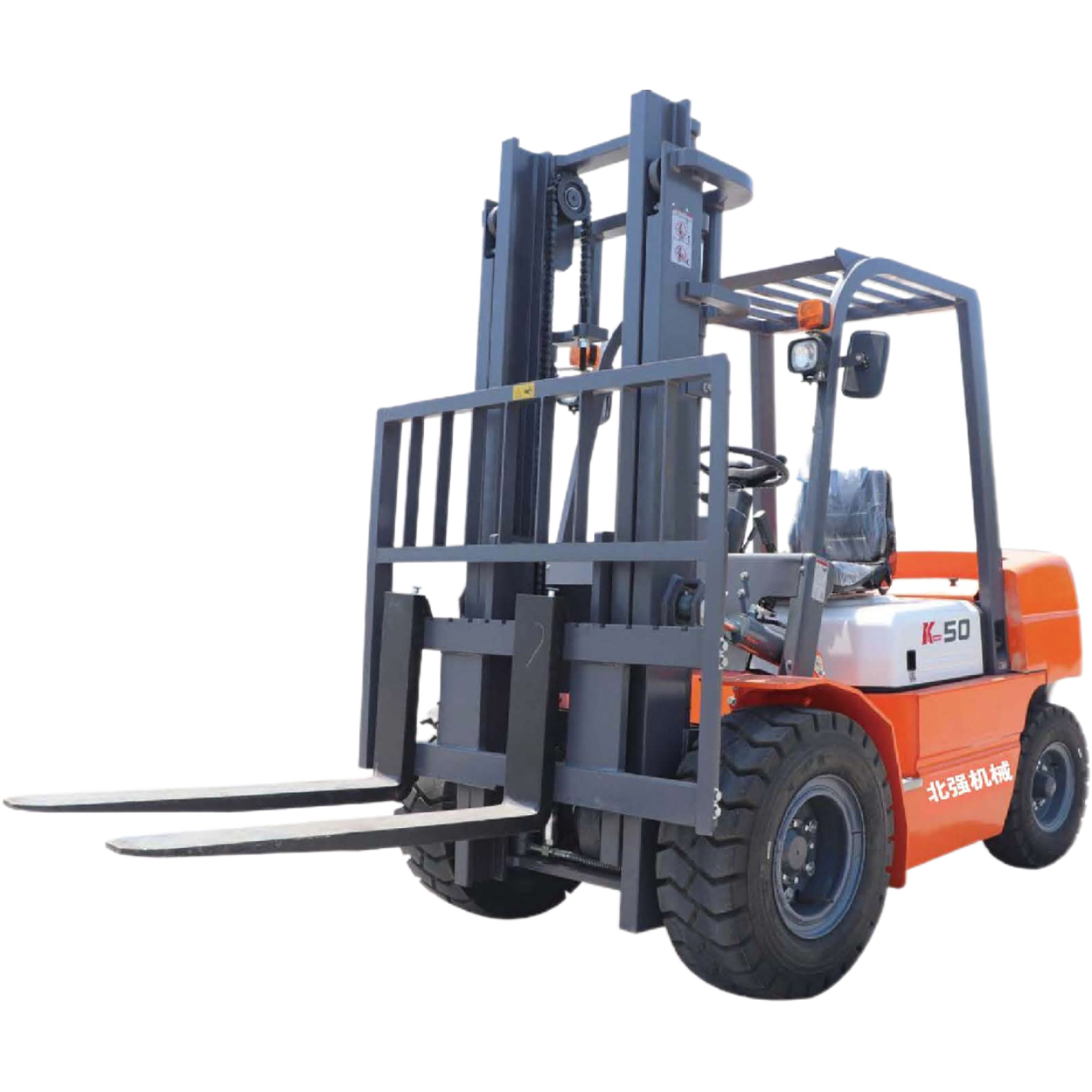
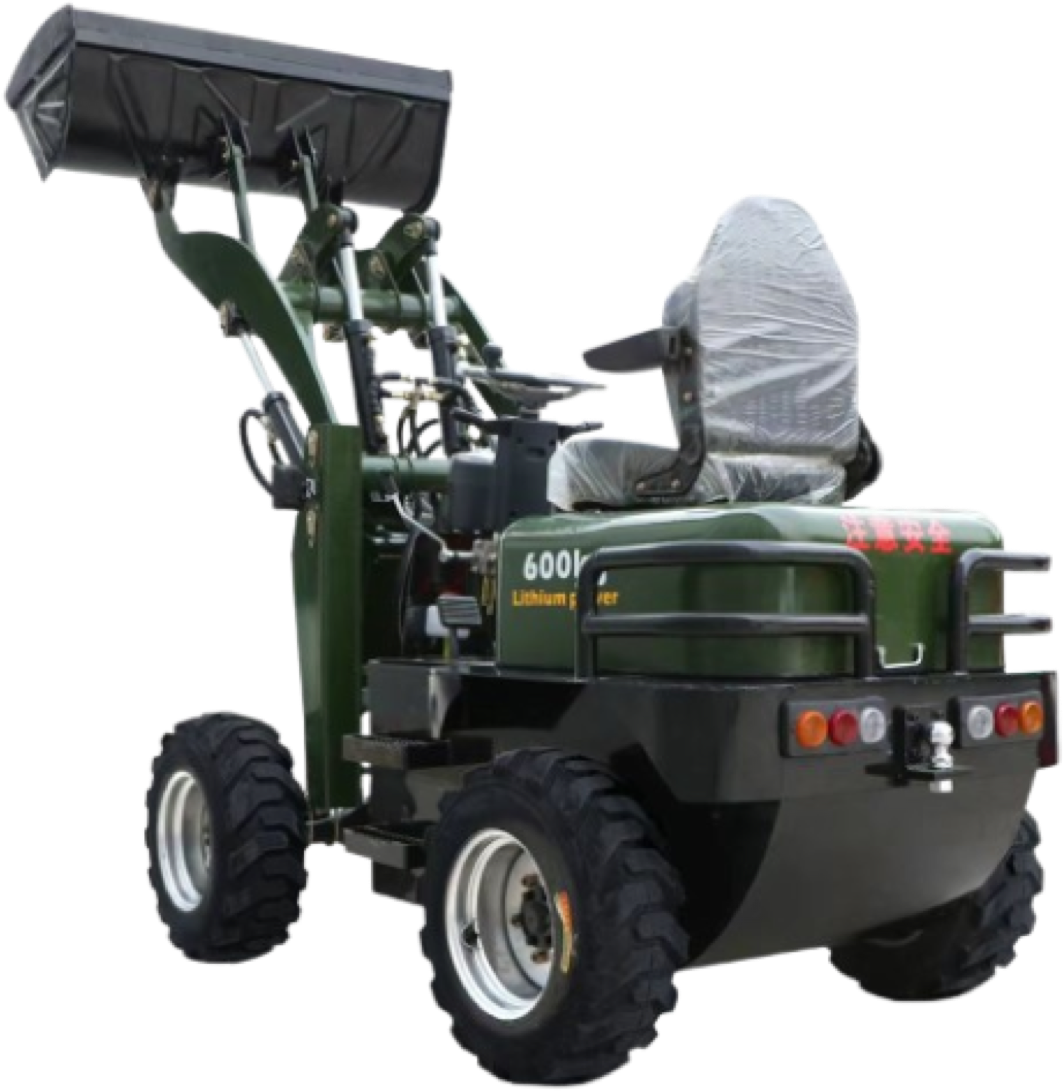
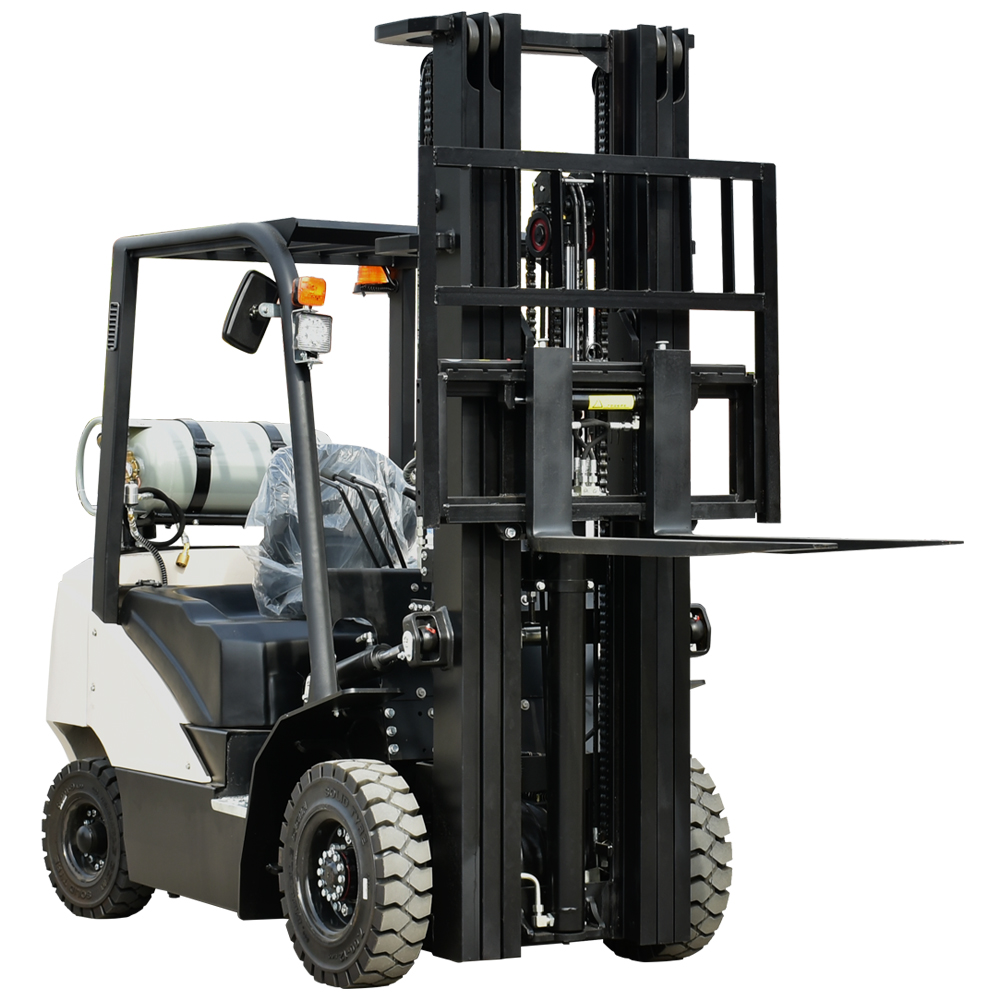
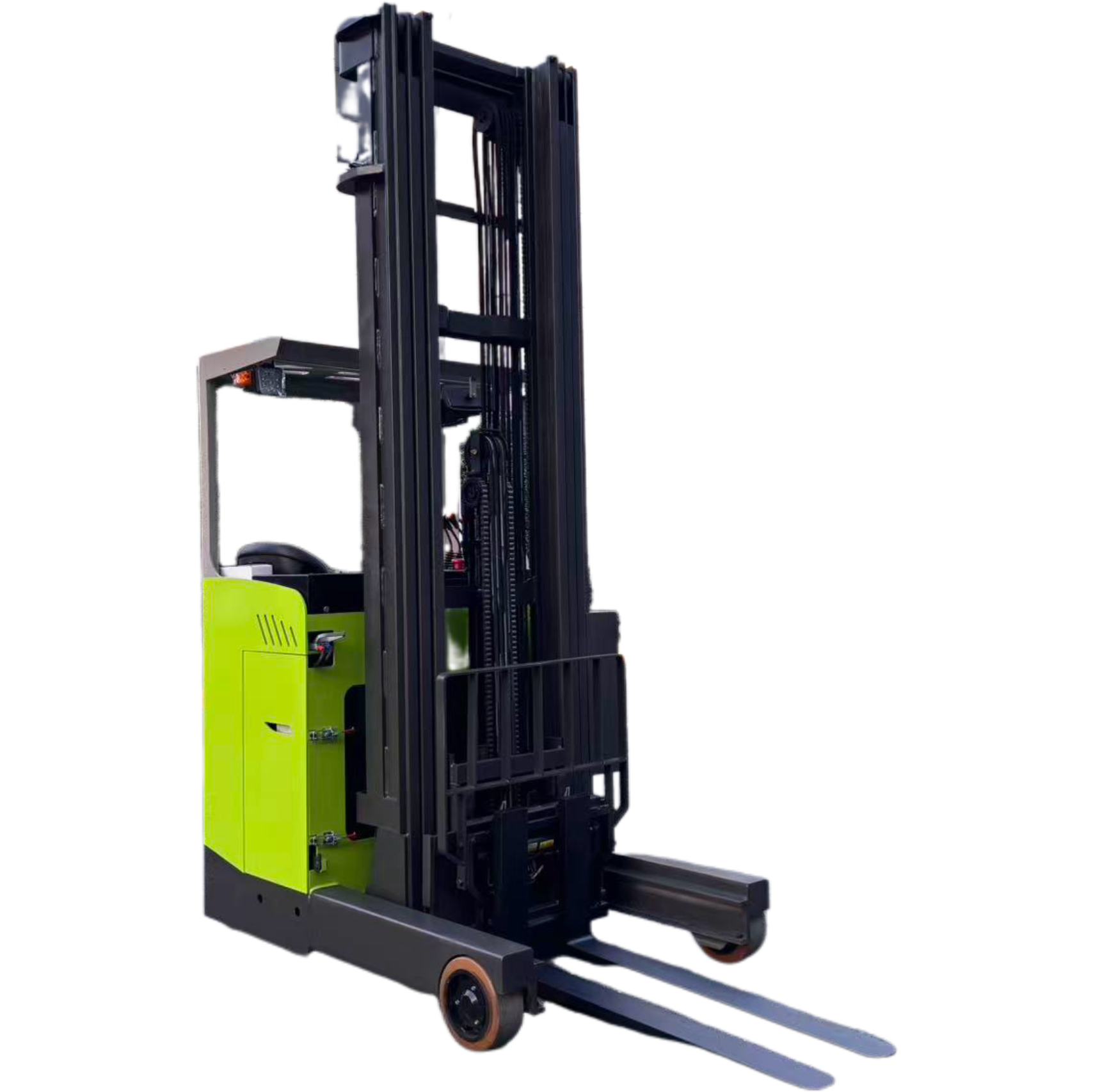
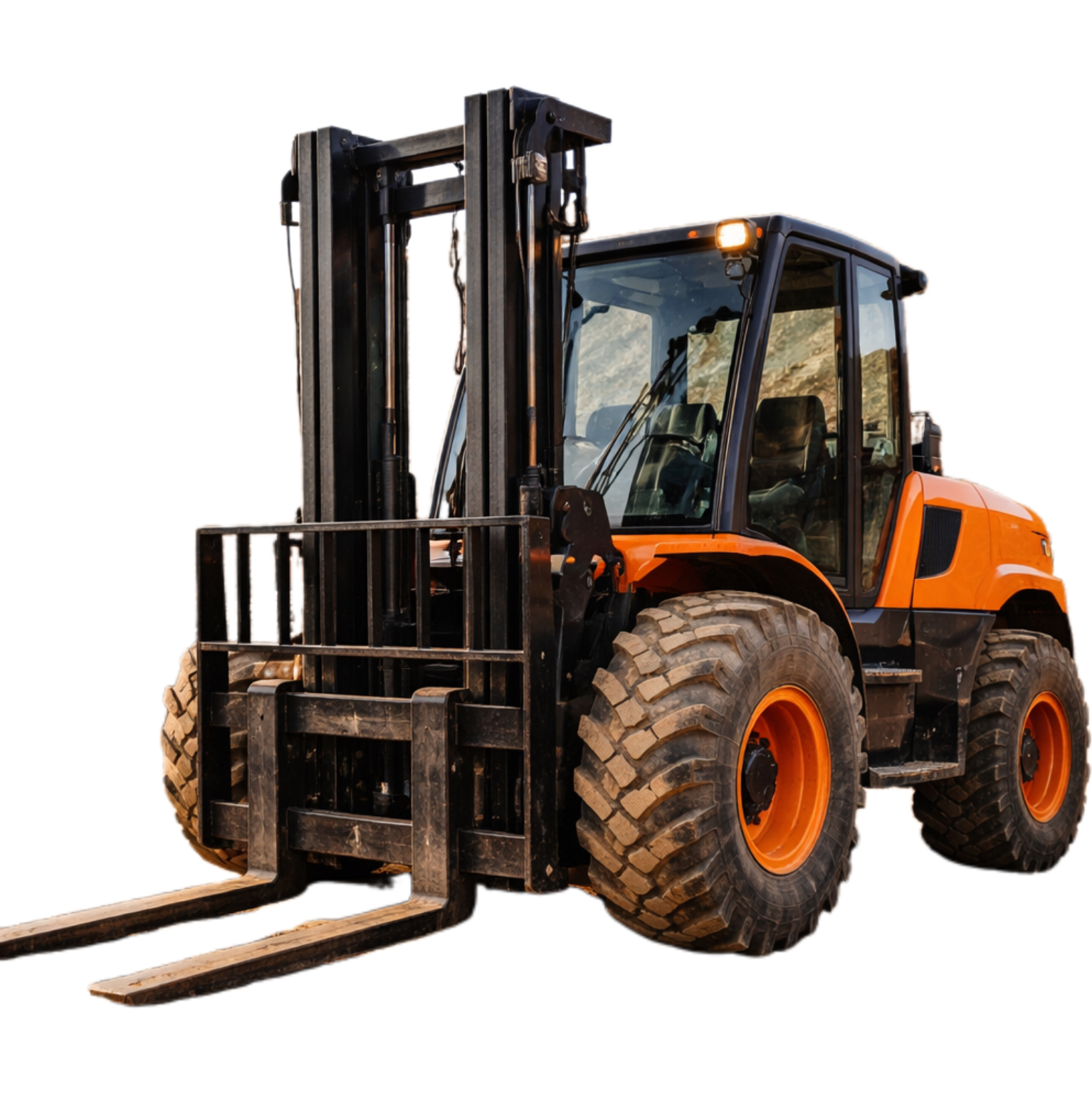


In the world of material handling, productivity and safety are not competing goals—they are inseparable partners. A safeforklift operation is inherently more efficient, reliable, and cost-effective. With forklifts being powerful industrial toolsthat pose significant risks if misused, establishing and maintaining rigorous safety protocols is the non-negotiable foundation of any successful warehouse or worksite.
The Cornerstone: Comprehensive Operator Training & Certification
Safety begins with the operator. Regulatory bodies like OSHA mandate formal forklift operator training and certification, which must include three core components:
Formal Instruction: Covers fundamentals like vehicle controls, load dynamics, stability triangle principles, and site-specific hazards.
Practical Hands-On Training: Allows operators to demonstrate proficiency in a controlled environment under the supervision of a qualified trainer.
Evaluation & Certification: Formal assessment of both knowledge and skills. Refresher training is required every three years, or after an incident or observed unsafe operation.
The Daily Ritual: Pre-Operation Inspection
No operator should ever step onto a forklift without completing a pre-shift inspection. This systematic check, documented via a checklist, covers:
Fluid Levels: Engine oil, hydraulic fluid, coolant.
Tires & Forks: Check for wear, damage, and tire pressure.
Controls & Instruments: Test horn, lights, backup alarms, controls, and gauges.
Safety Features: Ensure the seat belt is functional and the overhead guard is intact.
Any defect must be reported immediately, and the truck tagged “Out of Service” until repaired.
Core Principles of Safe Operation
Once in motion, adherence to these practices is critical:
Respect the Load Capacity: Never exceed the rated load capacity indicated on the nameplate. Understand that capacity decreases with higher lift heights or the use of attachments.
Maintain Stability & Visibility: Travel with the load low and tilted back. Always ensure clear visibility; if the load blocks your view, travel in reverse.
Follow Site-Specific Rules: Obey all speed limits, sound the horn at intersections, and use designated travel paths. Keep a safe distance from dock edges and ramps.
Secure Loads & Parking: Ensure loads are stable and balanced before moving. When parking, fully lower the forks, neutralize controls, set the brake, and turn off the key.
Creating a Shared Space: Protecting Pedestrians
The most complex environment is a mixed one. Pedestrian safety is paramount and requires systemic measures:
Physical Separation: Where possible, use designated pedestrian walkways marked with floor tape, barriers, or guardrails.
Visibility & Awareness: Ensure forklifts have working lights and blue safety lights that project a spot on the floor ahead/behind to warn pedestrians. Encourage high-visibility vests for all floor personnel.
Clear Communication: Establish and enforce eye-contact protocols. Operators must use horns at blind corners and intersections.
Building a Proactive Safety Culture
True safety transcends compliance. It requires management commitment to provide proper equipment and training, and employee engagement where operators feel empowered to report hazards and near-misses without fear. Regular safety meetings and audits keep protocols top of mind.
Conclusion
Forklift safety is a continuous journey, not a one-time destination. It is a strategic investment that protects your most valuable assets—your people and your inventory—while ensuring operational smoothness and reducing costly downtime from accidents. By institutionalizing rigorous training, daily discipline, and a culture of shared responsibility, companies do not just meet regulations; they foster an environment where everyone can perform at their best, safely and efficiently.
Our manager will contact you shortly.
To contact you about our products and services.


Copyright © Xingtai Beiqiang Machinery Manufacturing Factory. 2025.
Technical support:Echola