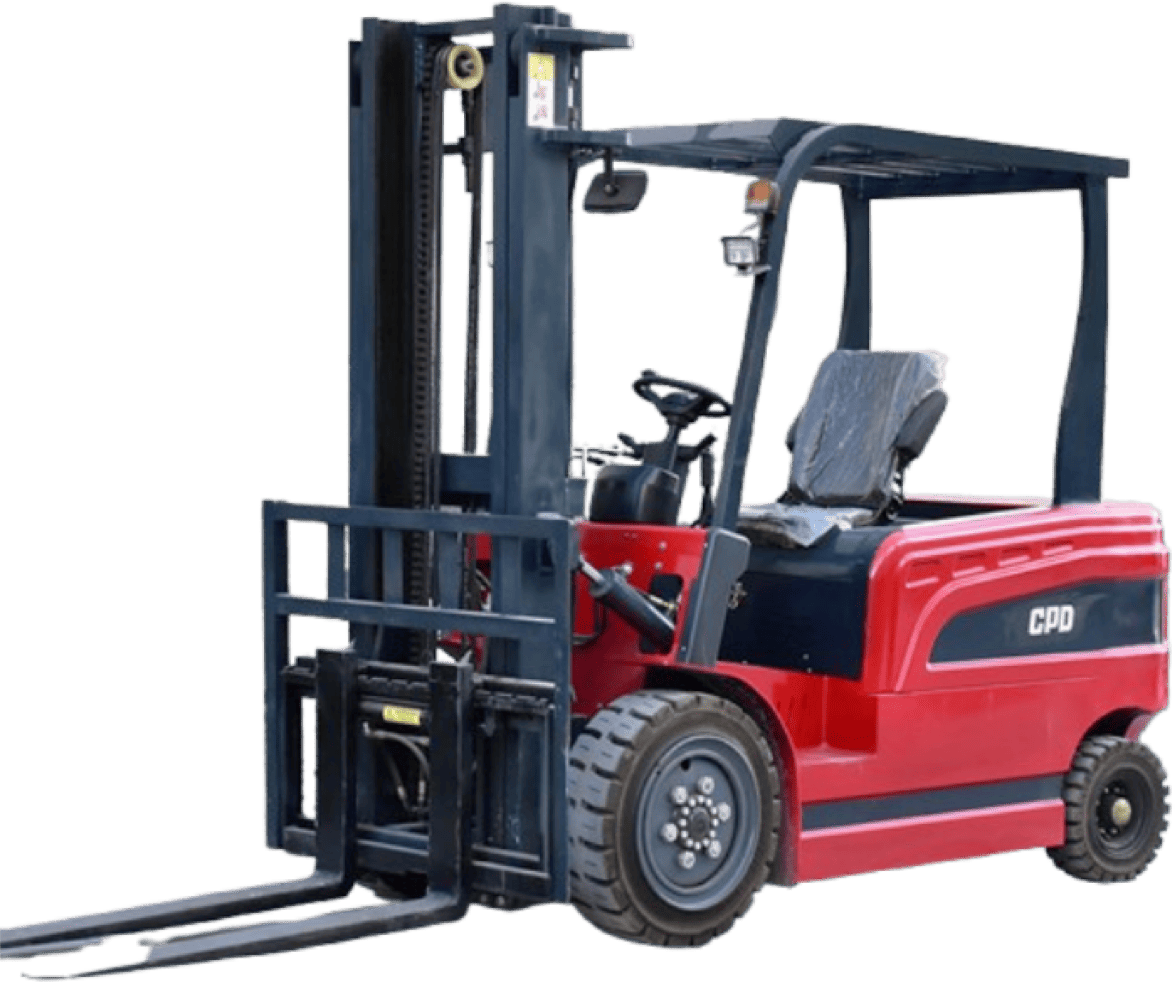
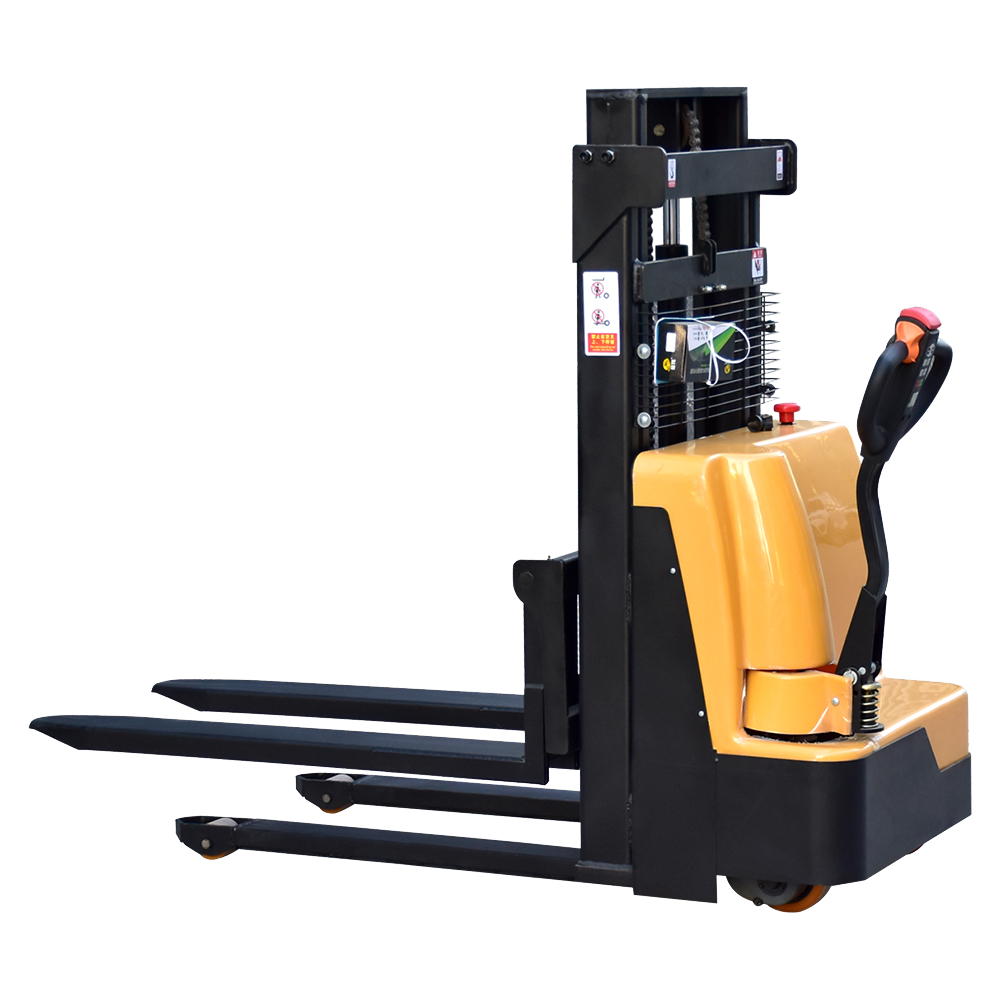
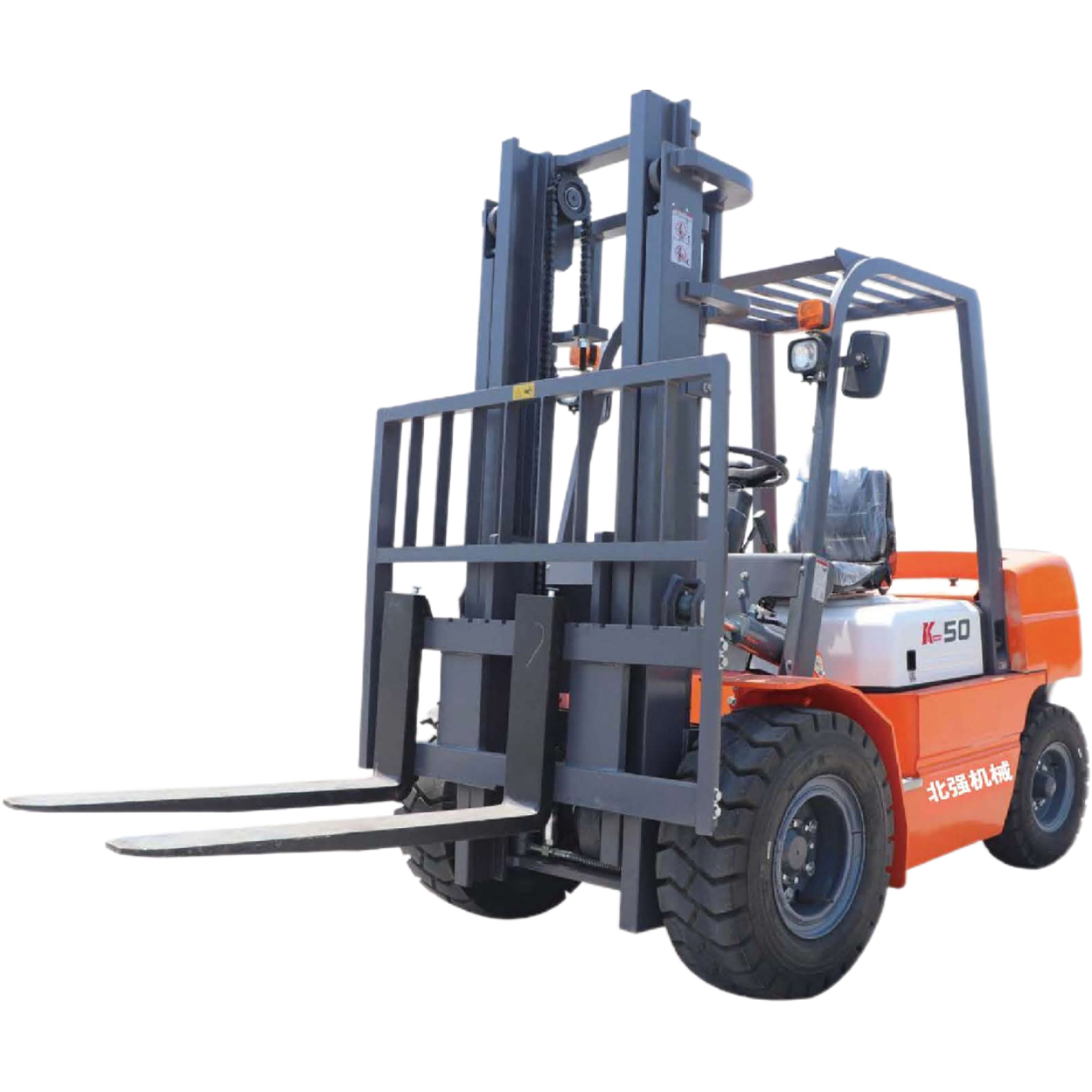
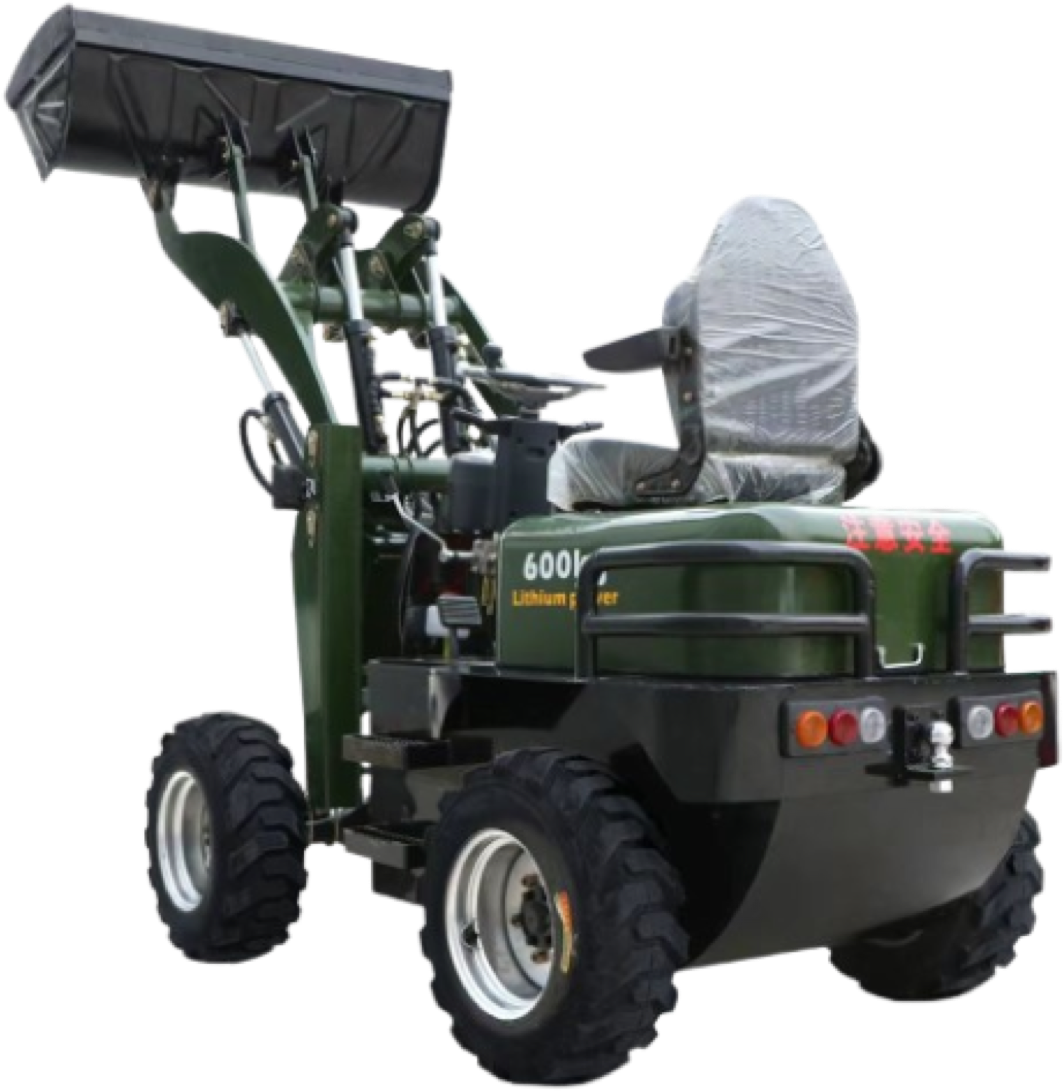
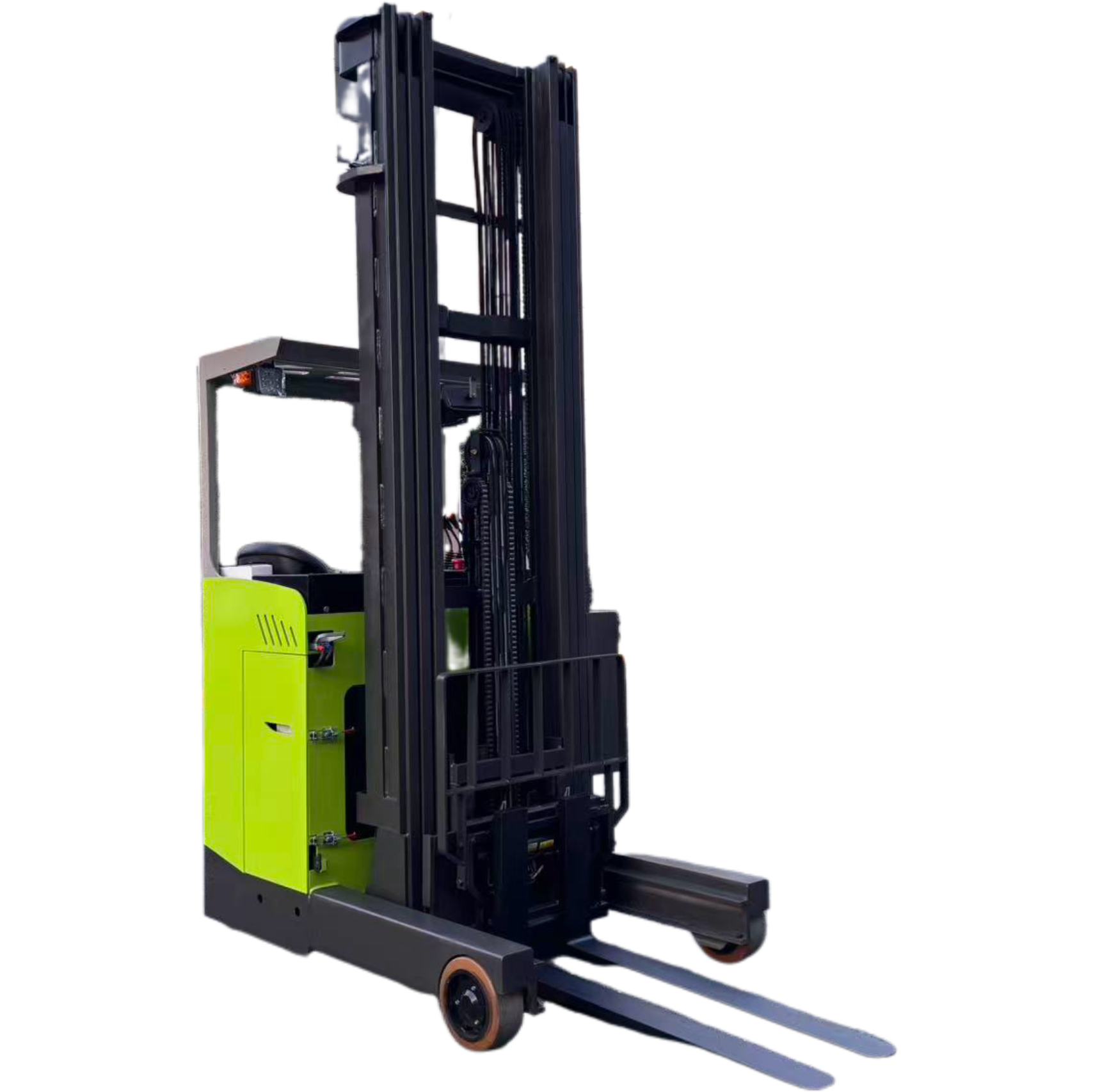


In today’s fast-paced logistics and manufacturing sectors, efficiency, sustainability, and the well-being of operators are paramount. The electric forklift has emerged as the leading solution, transforming indoor and even many outdoor material handling operations with its clean, quiet, and cost-effective performance.
Core Advantages of Electric Forklifts
The most significant benefit of an electric forklift is its zero local emissions. This makes it the only viable option for indoor applications such as food & beverage processing, pharmaceutical warehouses, and retail distribution centers, ensuring strict air quality standards are met. Operationally, they offer lower lifetime costs. While the initial purchase price may be higher than internal combustion engine (ICE) models, they save substantially on fuel (electricity vs. diesel/propane) and require less maintenance—no oil changes, spark plugs, or exhaust system repairs. Furthermore, they provide a superior operator experience: significantly quieter operation reduces noise pollution, and the absence of vibrations and fumes enhances comfort and productivity during long shifts.
Technology & Power Options: Lead-Acid vs. Lithium-Ion
Modern electric forklifts are primarily powered by two battery types:
Lead-Acid Batteries: A proven, lower upfront-cost option. They require a dedicated charging station and periodic watering. Operation typically follows an 8-hour shift, followed by an 8-hour charge, and sometimes a battery swap system.
Lithium-Ion Batteries: Representing the latest advancement, they offer opportunity charging (quick charging during breaks without memory effect), longer run times, and virtually no maintenance. Though more expensive initially, their faster charging, higher efficiency, and longer lifespan often lead to a better total cost of ownership.
Ideal Applications and Use Cases
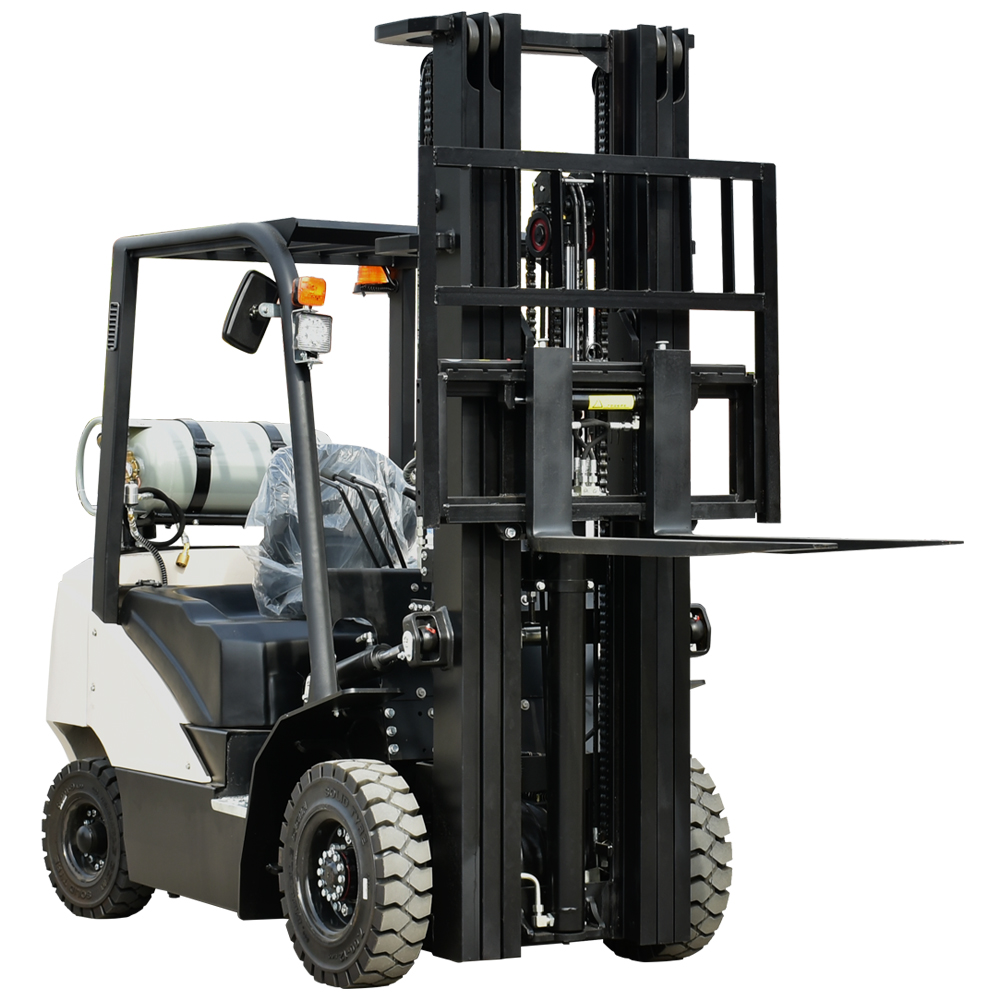
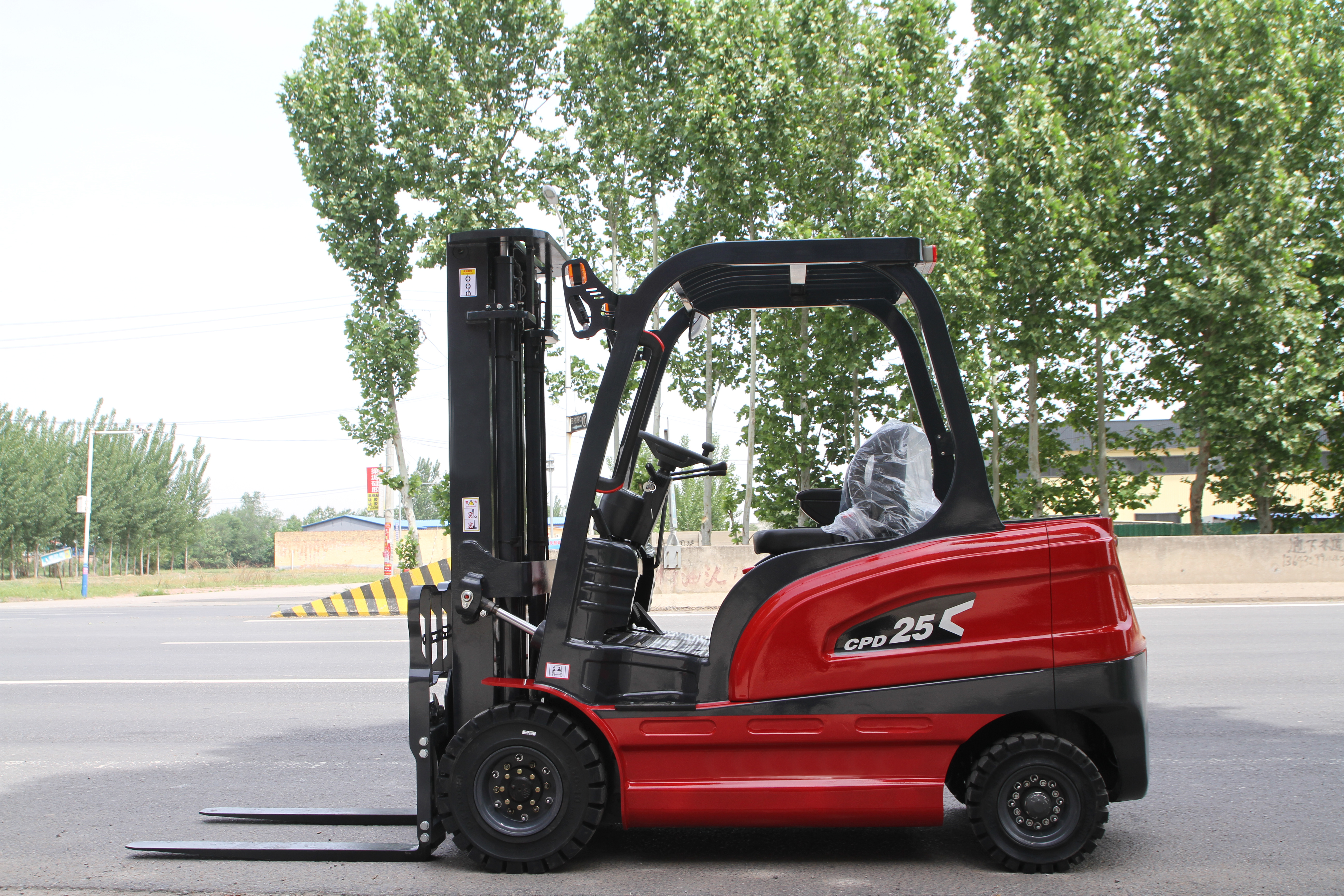
Electric forklifts excel in high-density warehousing, cold storage facilities (where ICE emissions are unacceptable), and any multi-shift indoor operation prioritizing air quality. Models range from compact electric pallet trucks and stackers to 3-wheel electric forklifts for narrow aisles and robust 4-wheel counterbalance forklifts capable of handling heavy loads. Their precise control also makes them ideal for handling delicate goods.
Electric vs. Internal Combustion: Making the Right Choice
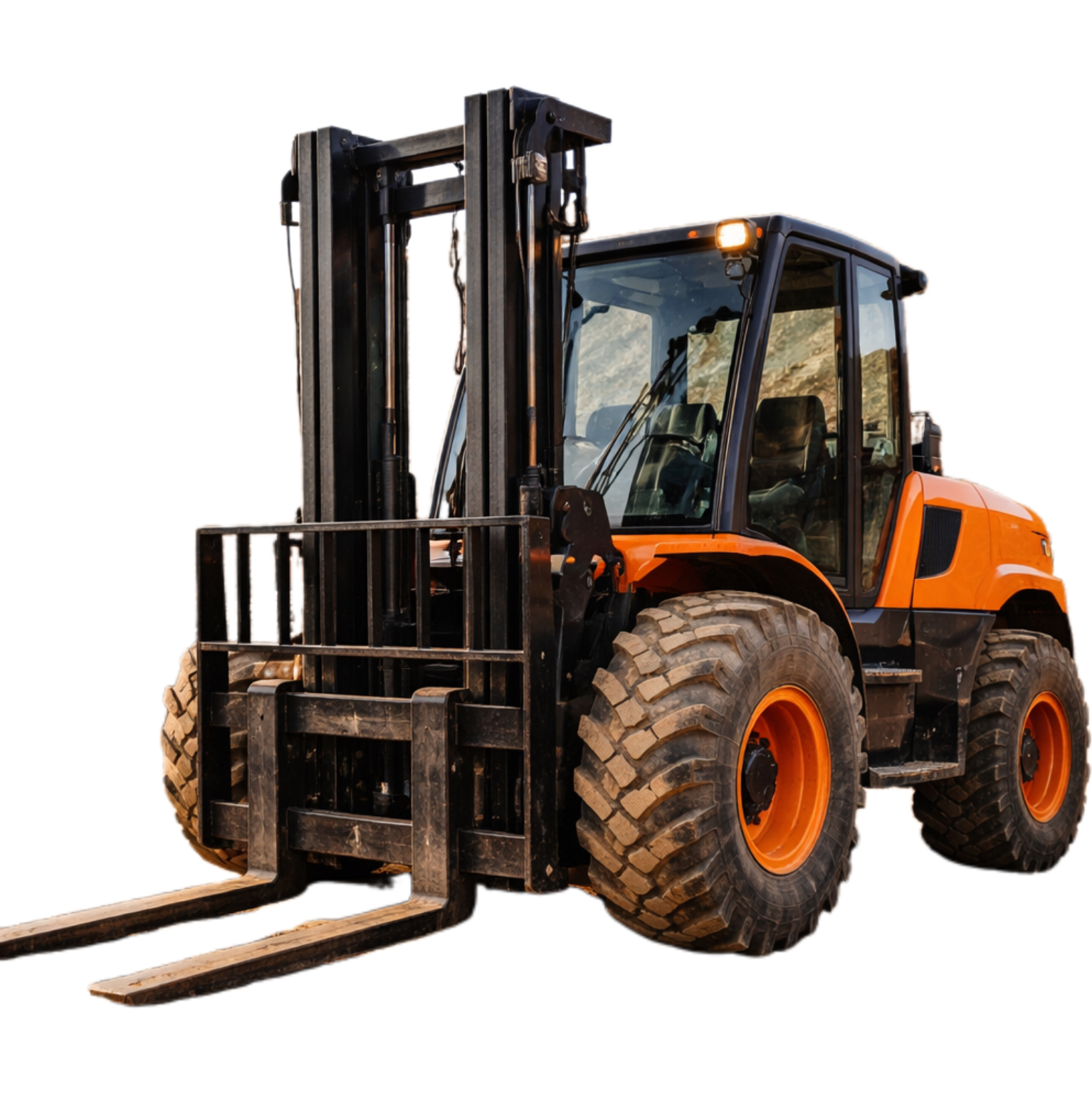
The choice often comes down to the application's intensity and location. While diesel or LPG forklifts may still reign for the most demanding 24/7 outdoor, heavy-lift scenarios, electric models dominate indoor and lighter-duty outdoor environments. Key decision factors include daily duty cycle, required lift capacity, facility size, and available charging infrastructure. For operations focused on sustainability goals (ESG) and employee welfare, electric is increasingly the default choice.
Key Considerations for Implementation
Successful integration of an electric forklift fleet requires planning. Assess your charging infrastructure: will you use traditional charger rooms or deploy opportunity charging stations? Consider battery management—whether you'll own or lease batteries. Training for operators on efficient driving techniques to maximize battery life is also crucial. Finally, calculate the Total Cost of Ownership (TCO), factoring in energy, maintenance, and potential productivity gains, to justify the investment.
Conclusion
The electric forklift is no longer just an alternative; it is the driving force behind modern, sustainable, and operator-friendly material handling. With advancements in lithium-ion technology and a clear economic and environmental advantage for indoor use, adopting electric forklifts is a strategic move towards a more efficient, cleaner, and competitive operation. By evaluating your specific needs and technology options, you can harness their full potential to streamline your supply chain.
Our manager will contact you shortly.
To contact you about our products and services.


Copyright © Xingtai Beiqiang Machinery Manufacturing Factory. 2025.
Technical support:Echola