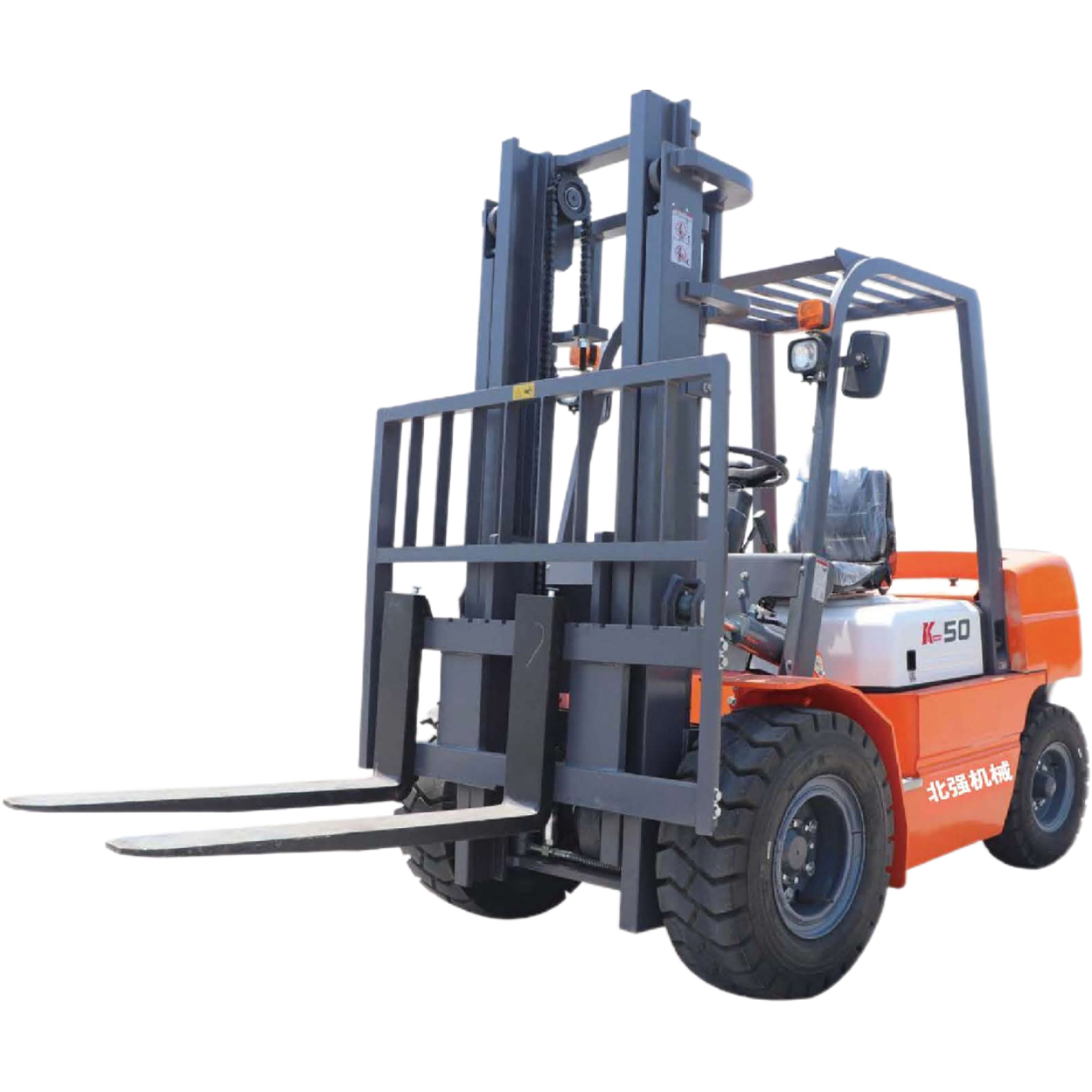
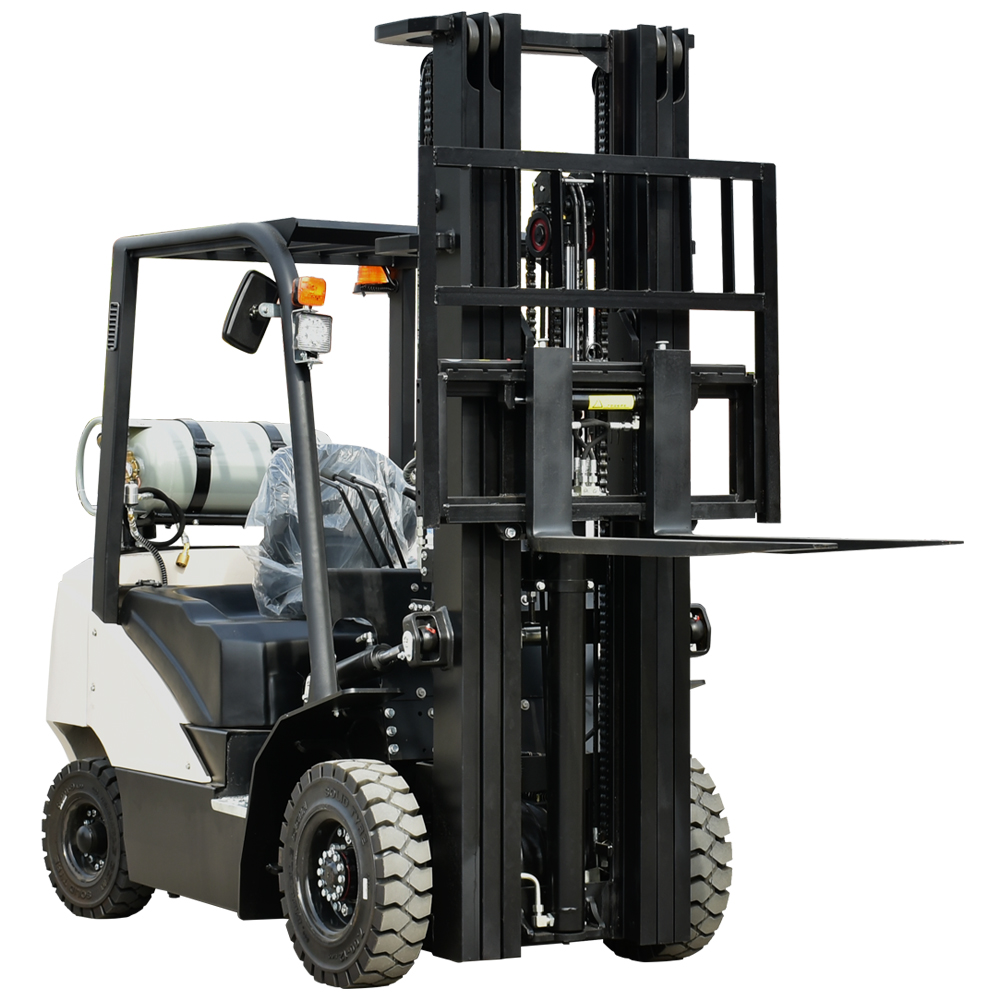
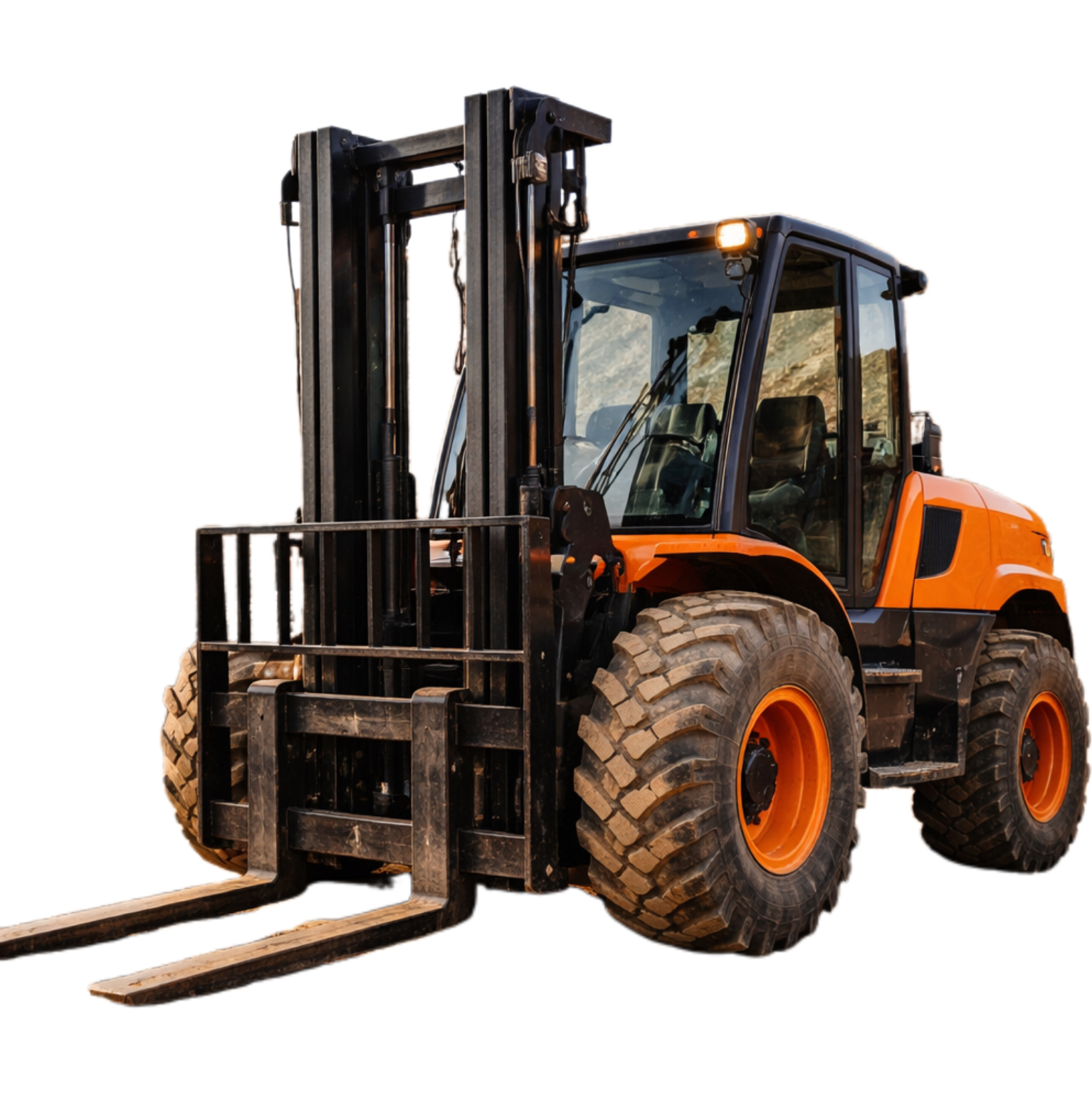


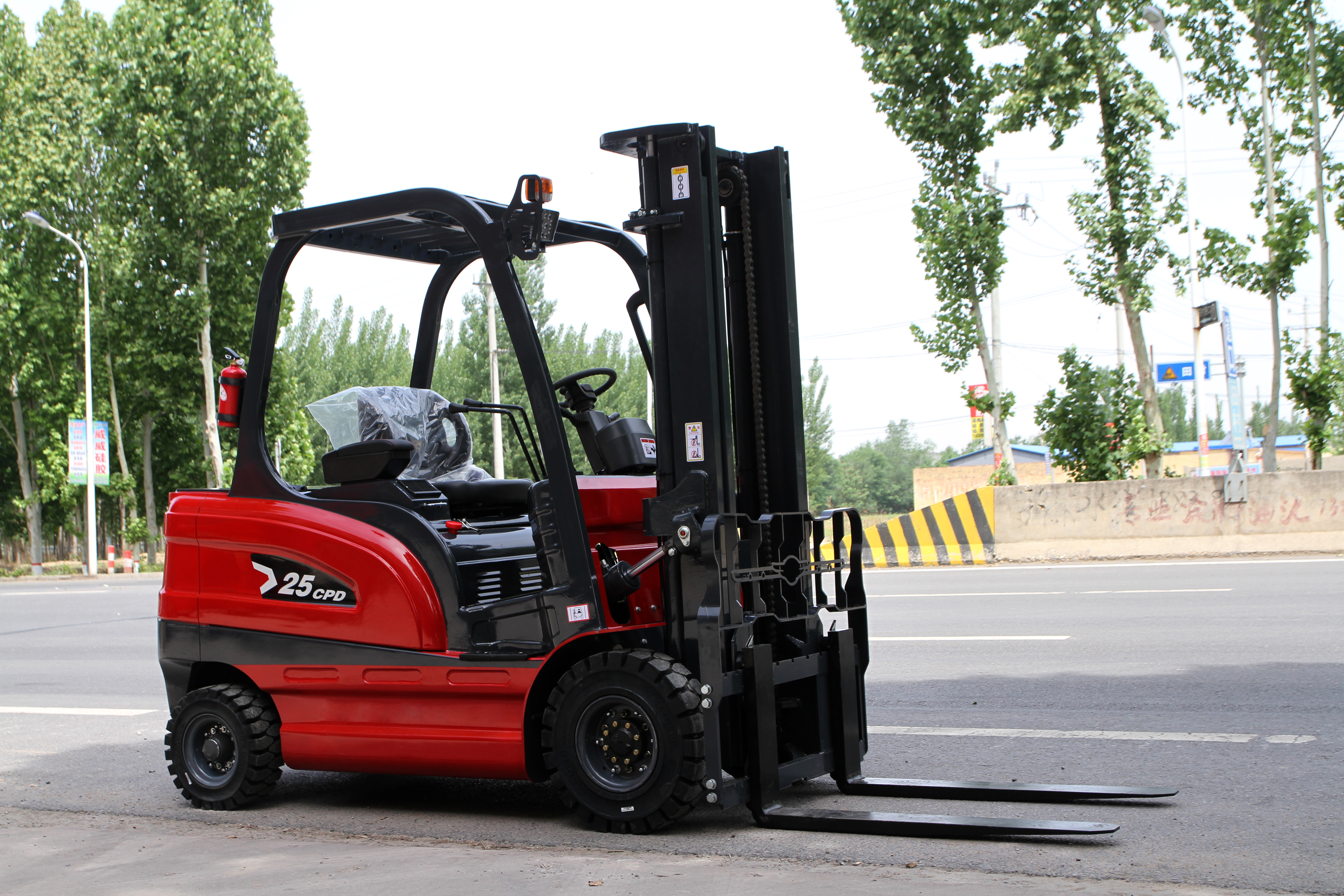
In the world of material handling, where heavy loads, rough terrain, and long operational hours are the norms, the diesel forklift stands as a reliable and powerful workhorse. Engineered for performance and durability, these machines remain a cornerstone in industries requiring robust equipment.
Core Advantages of Diesel Forklifts
The primary strength of a diesel forklift lies in its power and torque. Diesel engines excel at lifting exceptionally heavy loads—often ranging from 10,000 to over 50,000 pounds—with ease, making them indispensable in shipping ports, steel yards, and heavy construction. Their high fuel efficiency is another key benefit; diesel contains more energy per gallon than gasoline or propane, translating to longer running times and lower fuel costs for intensive shifts. Furthermore, diesel forklifts are built for outdoor and rough-terrain use. Their sturdy construction, combined with powerful engines and often pneumatic tires, allows them to navigate uneven ground, gravel, and muddy sites where electric forklifts would struggle.
Ideal Applications and Environments
Diesel forklifts are perfectly suited for challenging environments. They are the equipment of choice for heavy manufacturing, lumber yards, large-scale warehouse staging areas, and container handling. Their ability to operate effectively in varying weather conditions and on unprepared surfaces makes them highly versatile for outdoor applications. For businesses running multiple shifts, the minimal downtime required for refueling (compared to recharging batteries) ensures maximum uptime and productivity.
Diesel vs. Electric: Choosing the Right Machine
The choice between diesel and electric often hinges on the work environment and duty cycle. While electric forklifts are preferred for indoor use due to zero emissions and quieter operation, diesel models dominate where sheer power, range, and the ability to handle brutal tasks are non-negotiable. Modern diesel engines have also seen significant advancements in emissions reduction, with many models meeting stringent EPA and EU standards through advanced exhaust after-treatment systems, making them cleaner than their predecessors.
Key Considerations for Operation
Operating a diesel forklift requires attention to regular maintenance—including oil, filter, and air intake system checks—to ensure longevity and optimal performance. Proper ventilation is crucial for indoor use, even with cleaner engines. When selecting a model, consider critical factors such as load capacity, lift height, tire type (cushion or pneumatic), and mast configuration to match your specific operational needs.
Conclusion
For heavy-duty lifting, outdoor applications, and demanding operational cycles, the diesel forklift offers an unmatched combination of power, endurance, and cost-effective performance. It is a proven asset that continues to drive productivity in the most challenging industrial settings. By understanding its strengths and ideal use cases, businesses can leverage this powerful tool to optimize their material handling operations reliably and efficiently.
Our manager will contact you shortly.
To contact you about our products and services.


Copyright © Xingtai Beiqiang Machinery Manufacturing Factory. 2025.
Technical support:Echola