

Energy Efficiency, Emissions, and Operational Cost Comparison
Forklifts are essential tools for warehouses, factories, and logistics centers. Selecting the right forklift type affects productivity, cost, safety, and environmental impact. Among the most debated choices are electric forklifts versus diesel forklifts.
This article explores the advantages, disadvantages, and best applications of each type, helping businesses make informed decisions about forklift investments.
1. Power Source Overview
Electric Forklifts
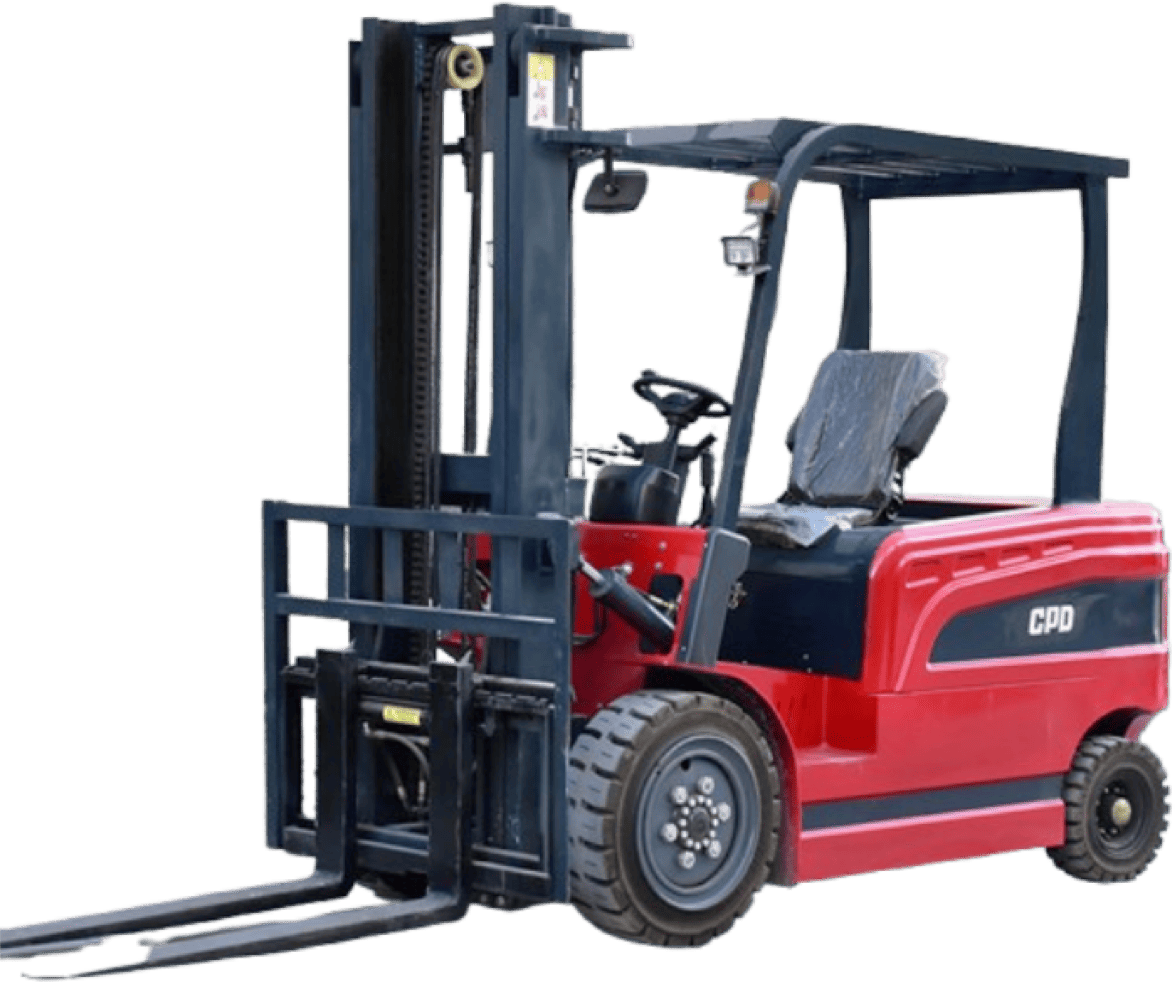
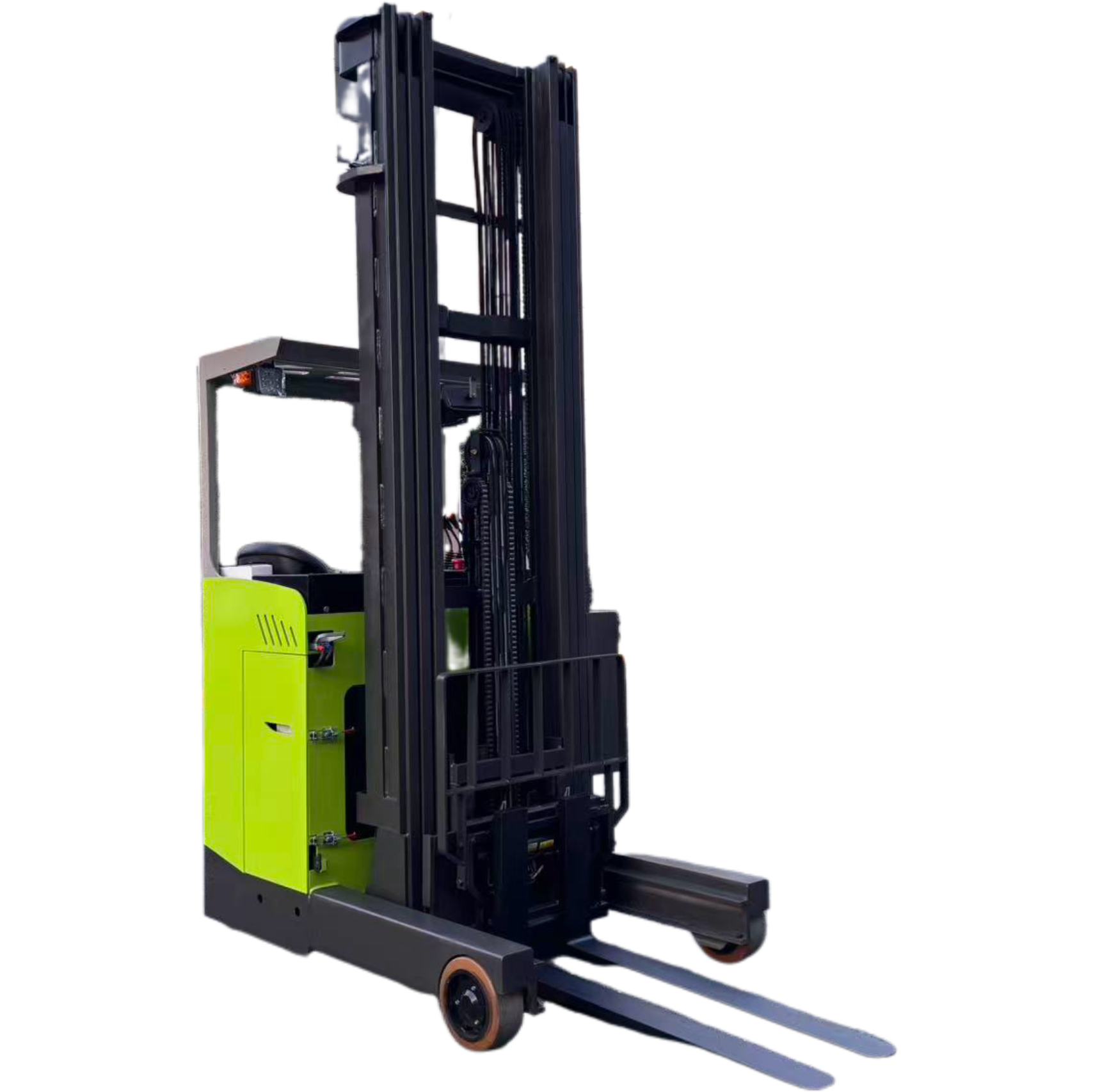
Powered by rechargeable batteries (lead-acid or lithium-ion). Suitable for indoor use, especially in enclosed environments where emissions and noise are concerns.
Diesel Forklifts
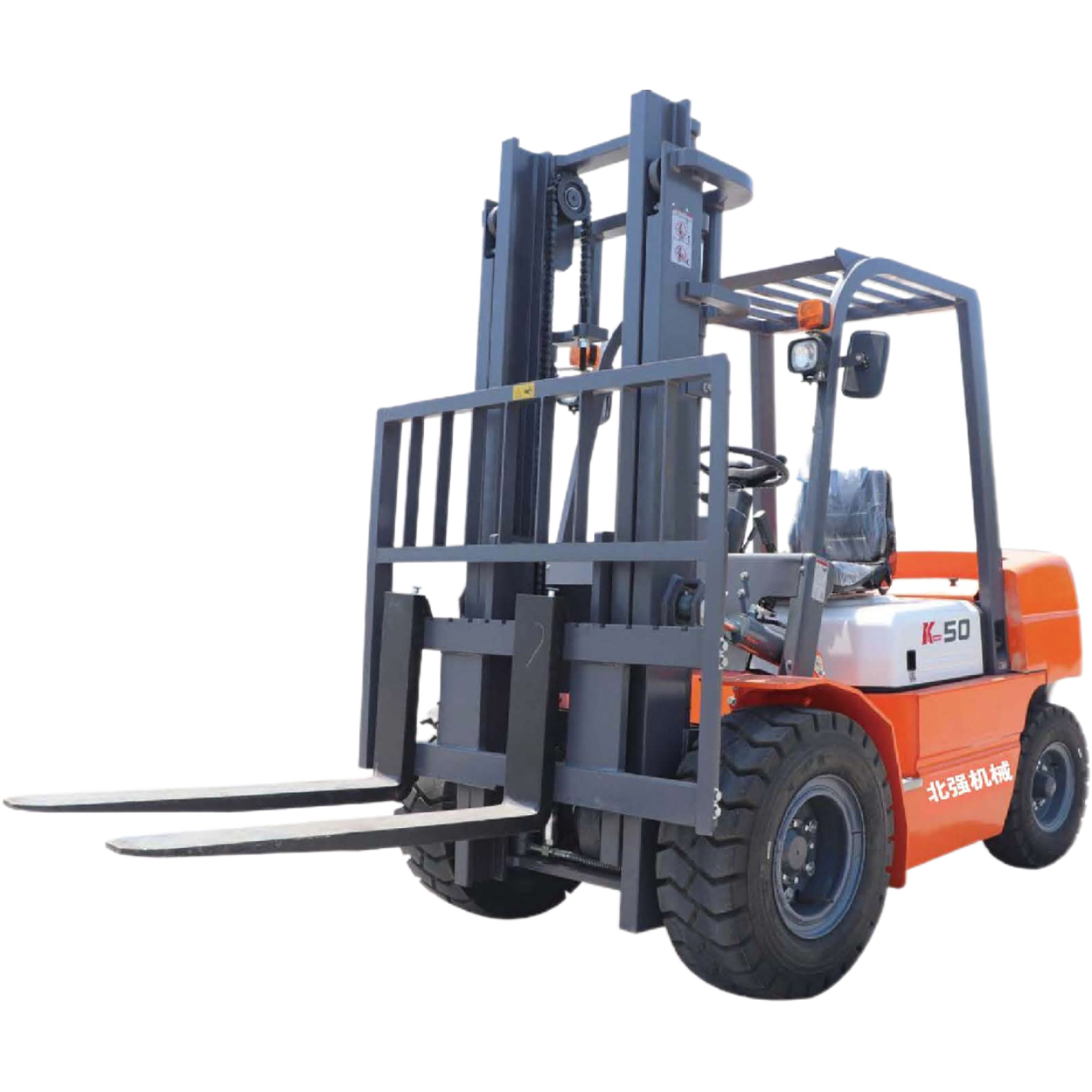
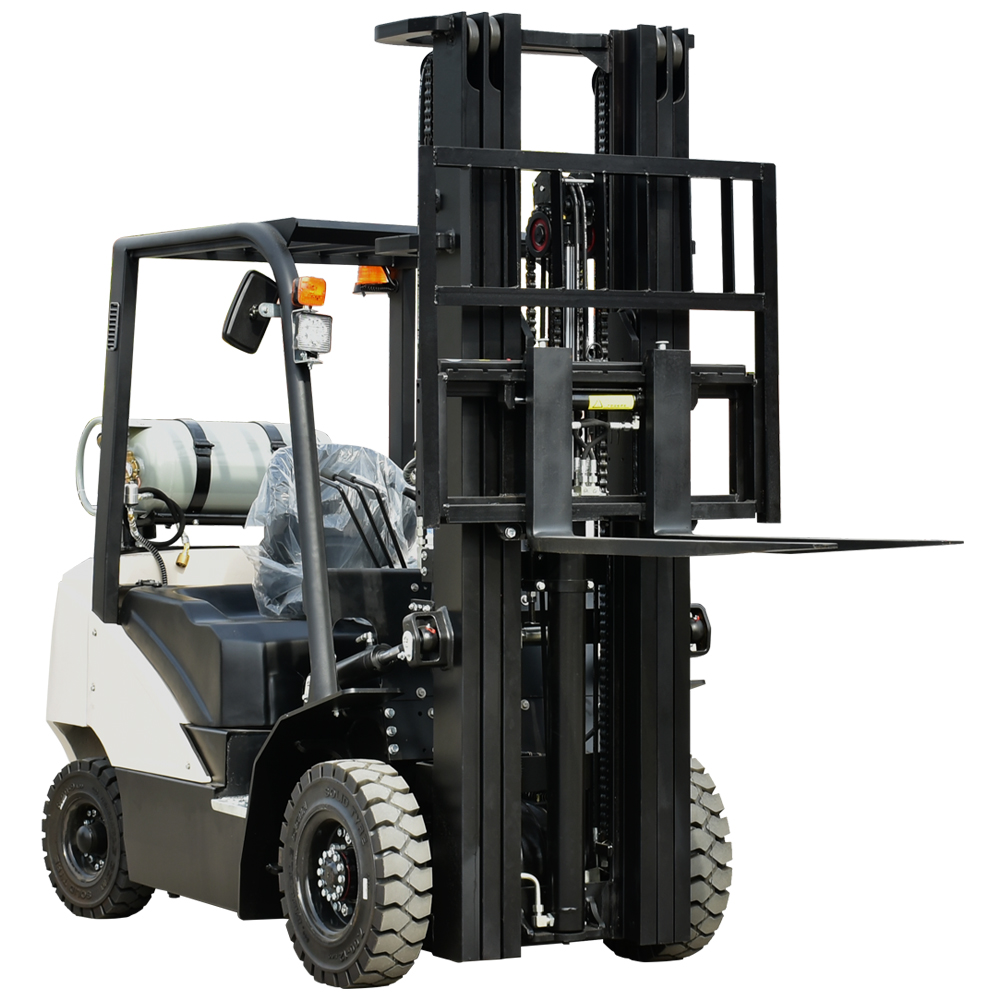
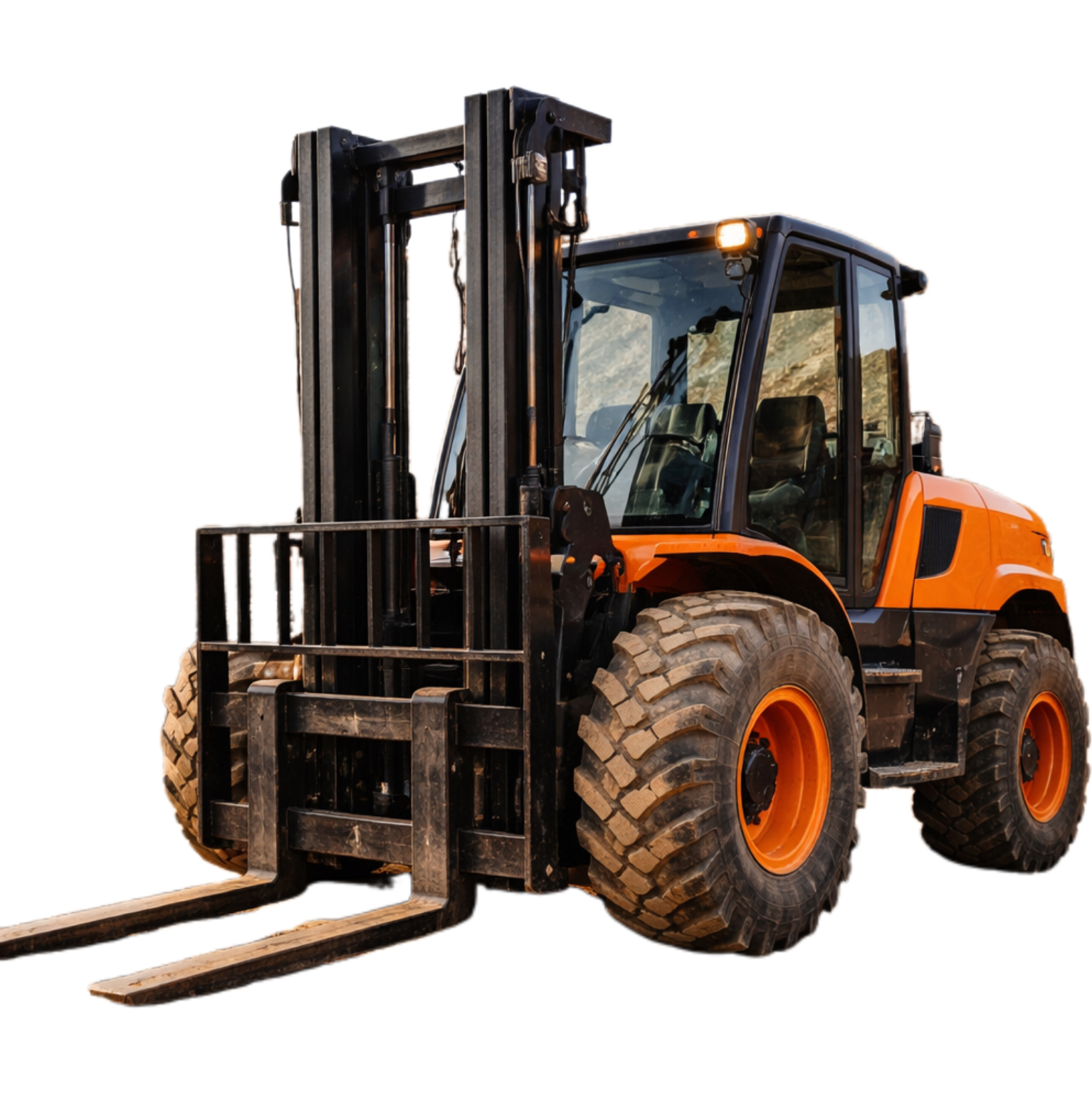
Internal combustion engines powered by diesel fuel. Ideal for outdoor operations and heavy-duty lifting, where high torque and long runtime are required.
2. Energy Efficiency Comparison
Electric forklifts:
Typically convert >80% of energy into usable work
Have regenerative braking systems
Require less energy for idle periods
Diesel forklifts:
Lower efficiency (~25–30% of fuel energy converted)
Energy lost as heat
High energy cost during idle
Electric forklifts generally outperform diesel in energy efficiency, especially for stop-and-go warehouse tasks.
3. Emissions and Environmental Impact
Electric forklifts:
Zero tailpipe emissions
No VOCs or particulate matter indoors
Environmentally friendly when powered by renewable electricity
Diesel forklifts:
Produce CO₂, NOx, and particulate emissions
Require proper ventilation indoors
Contribute to greenhouse gas emissions
For companies with sustainability goals, electric forklifts offer a clear advantage.
4. Operational Cost Considerations
Electric Forklifts
Lower energy costs per operating hour
Reduced maintenance (fewer moving parts)
Battery replacement cost varies with chemistry and usage
Diesel Forklifts
Higher fuel costs
More complex engine maintenance
Oil, filters, and exhaust system servicing required
Lifecycle cost analysis often shows electric forklifts have lower total operating costs in indoor or moderate-duty applications.
5. Maintenance Requirements
Electric forklifts:
Minimal engine maintenance
Regular battery inspection and charging
Longer lifespan for electrical components
Diesel forklifts:
Engine oil changes
Fuel system maintenance
Transmission and hydraulic servicing
Electric forklifts reduce downtime and service labor, further lowering TCO.
6. Noise and Workplace Comfort
Electric forklifts:
Quiet operation
Suitable for indoor warehouses and cold storage
Improves operator comfort and communication
Diesel forklifts:
High noise levels
Often require hearing protection
Unsuitable for enclosed areas without ventilation
Noise reduction can also improve productivity and safety.
7. Load Capacity and Performance
Diesel forklifts:
Strong torque for heavy loads
Long runtime without charging
Ideal for outdoor construction or port operations
Electric forklifts:
Moderate to heavy lifting capability depending on battery and motor
Limited runtime by battery capacity
Suitable for pallet handling, indoor logistics, and tiered racks
Selection depends on workload, environment, and operational requirements.
8. Charging vs Refueling Time
Electric forklifts:
Charging can take several hours (opportunity or overnight charging)
Lithium-ion batteries support fast charging and opportunity charging
Diesel forklifts:
Refueling takes minutes
Continuous operation is easier for 24/7 outdoor use
Operational planning is critical for battery-powered fleets.
9. Environmental Regulations and Compliance
Electric forklifts:
Simplify regulatory compliance for indoor air quality
Support sustainability initiatives
Diesel forklifts:
Must comply with emission regulations
May require additional exhaust treatment or permits
Compliance costs and restrictions favor electric forklifts in many regions.
10. Total Cost of Ownership Comparison
Electric forklifts:
Lower energy and maintenance costs
Higher initial purchase cost
ROI depends on duty cycle and usage
Diesel forklifts:
Lower upfront cost for smaller units
Higher fuel and maintenance costs over time
TCO calculations should consider application, duty cycle, and warehouse type.
11. Hybrid Forklifts and Emerging Solutions
Hybrid forklifts combine electric motors with small combustion engines:
Extend operational hours
Reduce emissions compared to full diesel
Offer flexibility in mixed environments
Hybrid models bridge the gap between electric and diesel options.
12. Choosing the Right Forklift for Your Operation
Indoor Warehouse
Prefer electric forklifts
Focus on noise reduction and zero emissions
Outdoor Heavy-Duty Applications
Diesel forklifts excel
Consider engine power, fuel availability, and terrain
Mixed Environments
Hybrid or specialized electric forklifts with high-capacity batteries
13. Sustainability and Corporate Goals
Electric forklifts help companies:
Reduce carbon footprint
Meet ESG reporting standards
Improve employee safety and working conditions
Investing in electric fleets demonstrates environmental responsibility.
14. Future Trends in Forklift Power
Lithium-ion battery adoption
Hydrogen fuel cell forklifts for long-duration operations
Integration with warehouse automation and smart fleet management
Future technologies will enhance efficiency, reduce emissions, and expand operational flexibility.
15. Conclusion
Choosing between electric and diesel forklifts requires careful evaluation of:
Operational environment
Load requirements
Duty cycles
Energy, maintenance, and regulatory factors
Electric forklifts dominate indoor, high-density, and sustainability-focused operations, while diesel forklifts remain the choice for heavy outdoor workloads. Hybrid and emerging technologies provide additional flexibility, helping companies balance cost, efficiency, and environmental impact.
Our manager will contact you shortly.
To contact you about our products and services.


Copyright © Xingtai Beiqiang Machinery Manufacturing Factory. 2025.
Technical support:Echola