

Forklift Aisle Design and Warehouse Layout Optimization
Forklift Aisle Design and Warehouse Layout Optimization
Designing Efficient, Safe, and Scalable Material Handling Spaces
Warehouse efficiency is not determined solely by storage systems or inventory software. One of the most influential—yet often overlooked—factors is forklift aisle design. Aisle width, layout structure, and forklift compatibility directly affect storage density, travel distance, safety, and overall operating cost.
This article explores how forklift aisle design impacts warehouse layout optimization and provides practical guidelines for designing efficient material handling environments.
1. Why Forklift Aisle Design Matters
Forklift aisles define how materials move inside a warehouse.
Poor aisle design leads to:
Congestion and bottlenecks
Increased travel time
Higher accident risk
Underutilized storage space
Well-designed aisles improve both productivity and safety while lowering operating costs.
2. Key Factors Influencing Aisle Design
Aisle design must balance multiple variables:
Forklift type and dimensions
Load size and pallet orientation
Racking system configuration
Throughput requirements
Safety and regulatory standards
Ignoring any of these factors can compromise performance.
3. Standard Aisle Width vs Narrow Aisle Layouts
Standard Aisle Warehouses
Typically use:
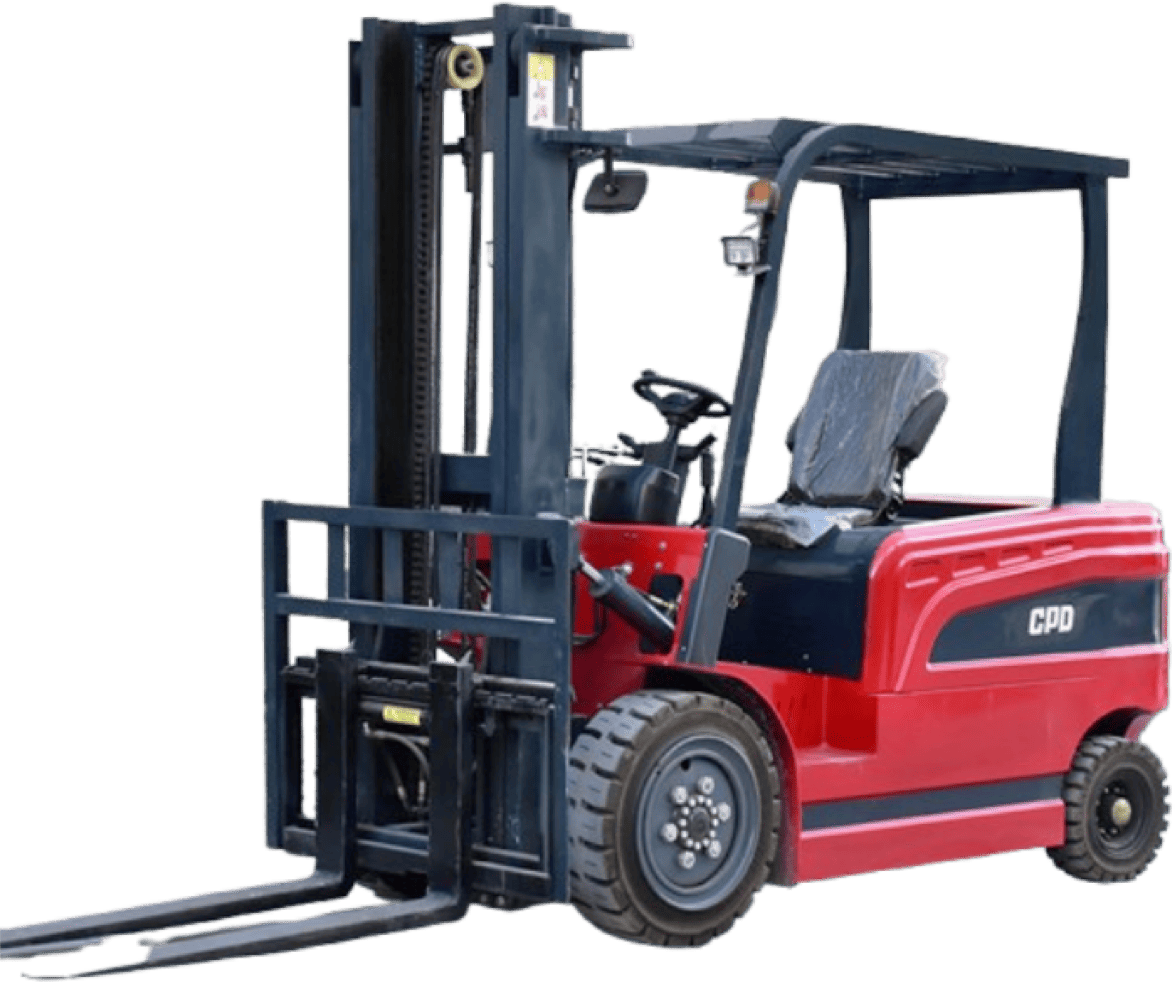
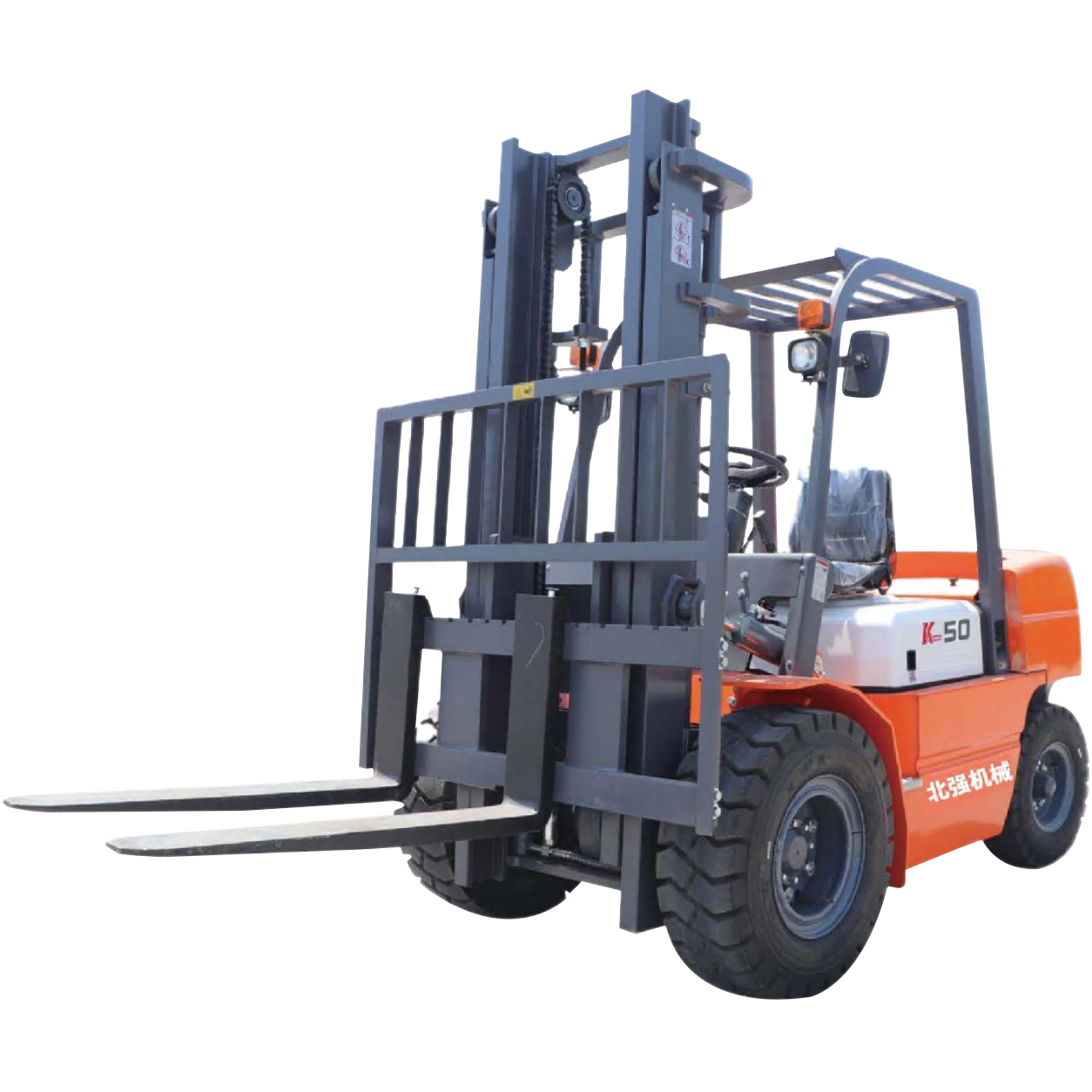
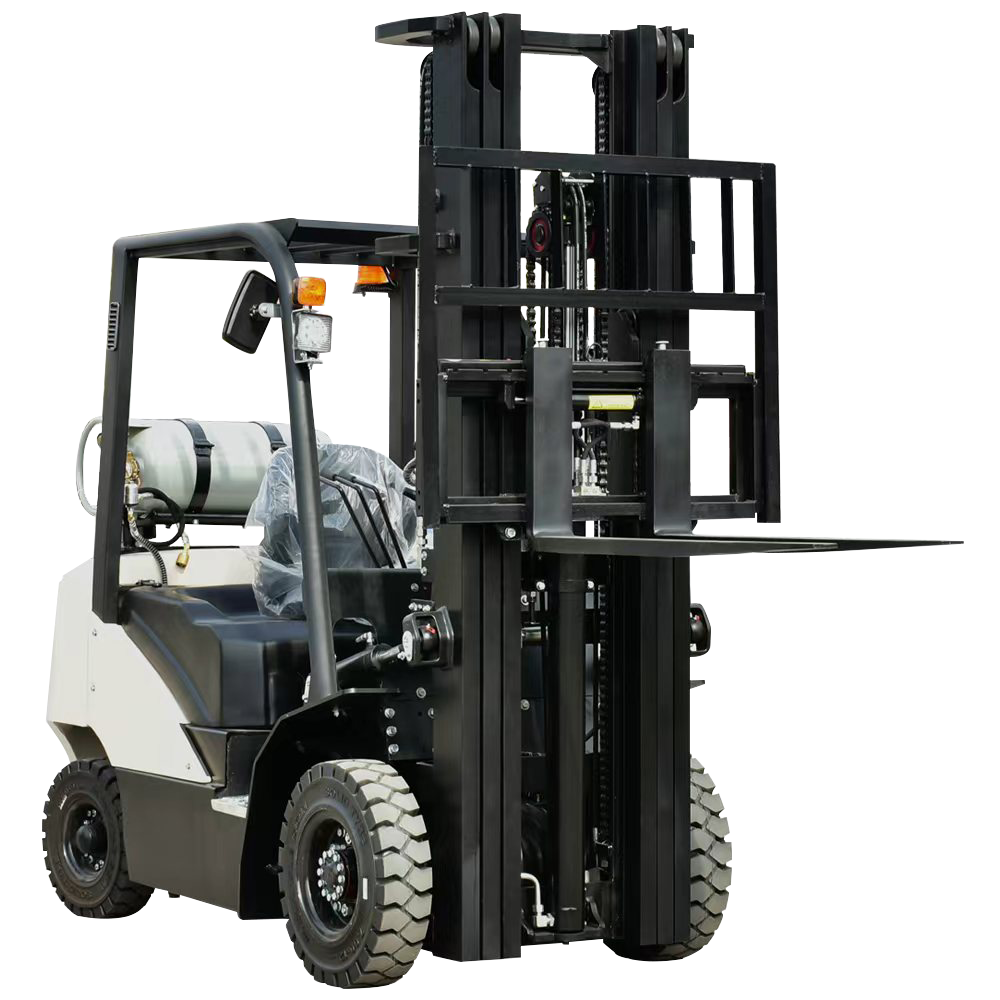
Counterbalance forklifts
Aisle widths of 3.5–4.0 meters
Advantages
Lower equipment cost
High operational flexibility
Disadvantages
Lower storage density
Narrow Aisle Warehouses
Use:
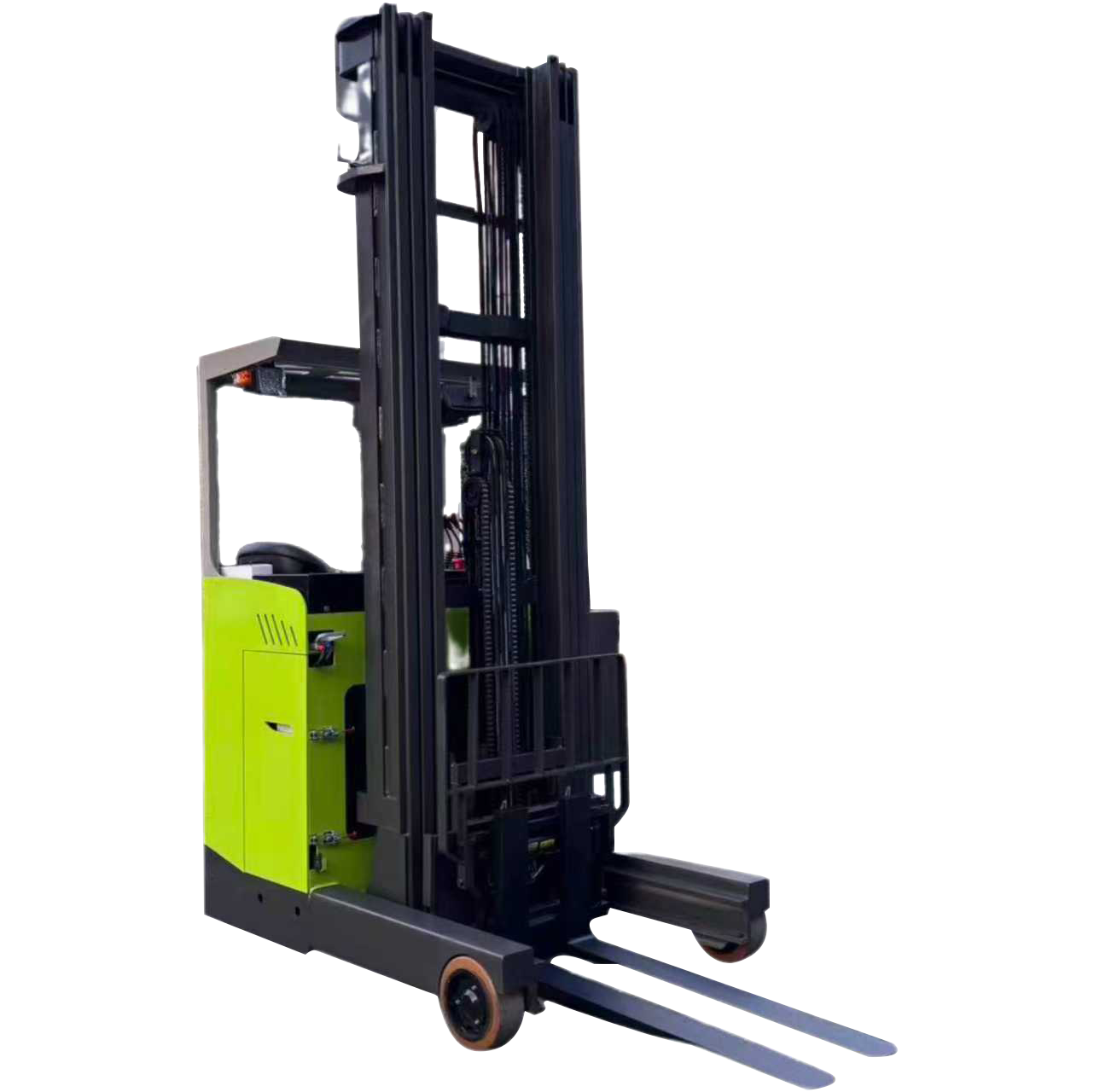
Reach trucks
Aisle widths of 2.5–3.0 meters
Advantages
Increased storage capacity
Better space utilization
Disadvantages
Higher forklift cost
Tighter operational tolerance
4. Very Narrow Aisle (VNA) Systems
VNA systems maximize vertical and horizontal space.
Characteristics
Aisle widths under 2.0 meters
Turret trucks or guided forklifts
Rail or wire guidance systems
VNA layouts deliver the highest storage density but require precise planning.
5. Forklift Turning Radius and Clearance Requirements
Aisle width must account for:
Forklift turning radius
Load overhang
Mast tilt angle
Insufficient clearance increases collision risk and slows operations.
6. Racking Configuration and Pallet Orientation
Selective Racking
Simple layout
Easy access
Double-Deep and Drive-In Racking
Higher density
Reduced selectivity
Racking choice directly impacts aisle quantity and spacing.
7. Traffic Flow and One-Way vs Two-Way Aisles
Traffic design reduces congestion.
One-Way Aisles
Safer in narrow layouts
Predictable flow
Two-Way Aisles
Greater flexibility
Require wider aisles
Traffic rules should match aisle width and throughput.
8. Safety Considerations in Aisle Design
Safety must be built into layout planning.
Key Measures
Pedestrian walkways
Guardrails and barriers
Clear signage and markings
Adequate lighting
A safe aisle design protects both people and equipment.
9. Impact of Aisle Design on Forklift Productivity
Optimized aisles reduce:
Travel distance
Maneuvering time
Idle waiting
Even small layout improvements can significantly increase throughput.
10. Vertical Space Utilization
Modern warehouses maximize vertical storage.
Considerations
Forklift lift height capability
Mast stability
Operator visibility
Aisle design must support safe high-level storage operations.
11. Automation and Guided Forklift Systems
Automated and guided forklifts allow:
Narrower aisles
Reduced collision risk
Consistent performance
Automation unlocks higher space efficiency.
12. Adapting Layouts for Mixed Forklift Fleets
Some warehouses use:
Counterbalance forklifts
Reach trucks
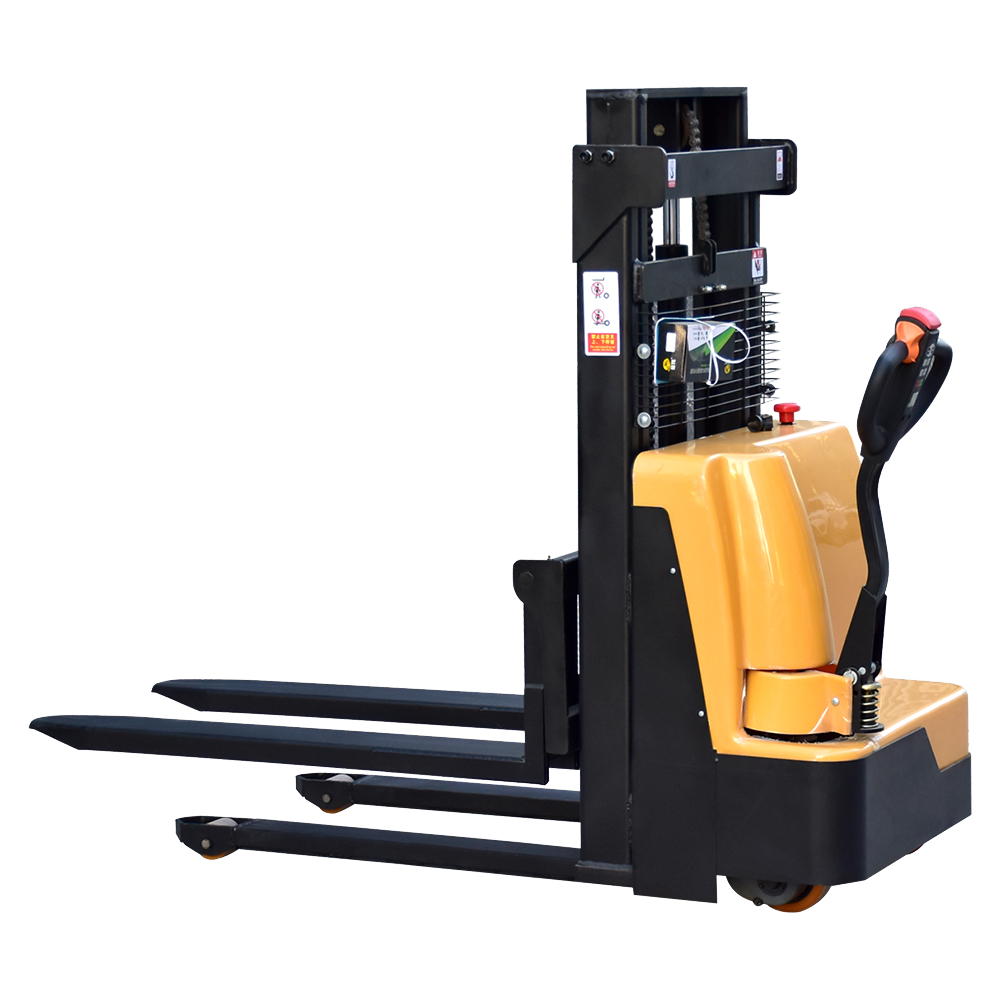
Pallet stackers
Layouts must accommodate the largest and least maneuverable equipment.
13. Flexibility and Future Expansion
Warehouse layouts should allow for:
SKU growth
Automation upgrades
Forklift fleet changes
Designing only for current needs limits scalability.
14. Cost Implications of Aisle Design Decisions
Narrower aisles increase:
Racking investment
Forklift cost
But they often reduce:
Building expansion needs
Long-term storage costs
A lifecycle cost perspective is essential.
15. Best Practices for Forklift Aisle Planning
Key Recommendations
Match aisle width to forklift type
Simulate traffic flow
Prioritize safety zones
Plan for future automation
Professional layout planning delivers long-term ROI.
Conclusion
Forklift aisle design plays a decisive role in warehouse layout optimization. By aligning aisle widths with forklift capabilities, racking systems, and operational goals, companies can significantly improve space utilization, safety, and productivity.
A well-designed warehouse layout is not just a physical arrangement—it is a strategic asset that supports efficient material handling today and scalable growth in the future.
Our manager will contact you shortly.
To contact you about our products and services.
Copyright © Xingtai Beiqiang Machinery Manufacturing Factory. 2025.
Technical support:Echola