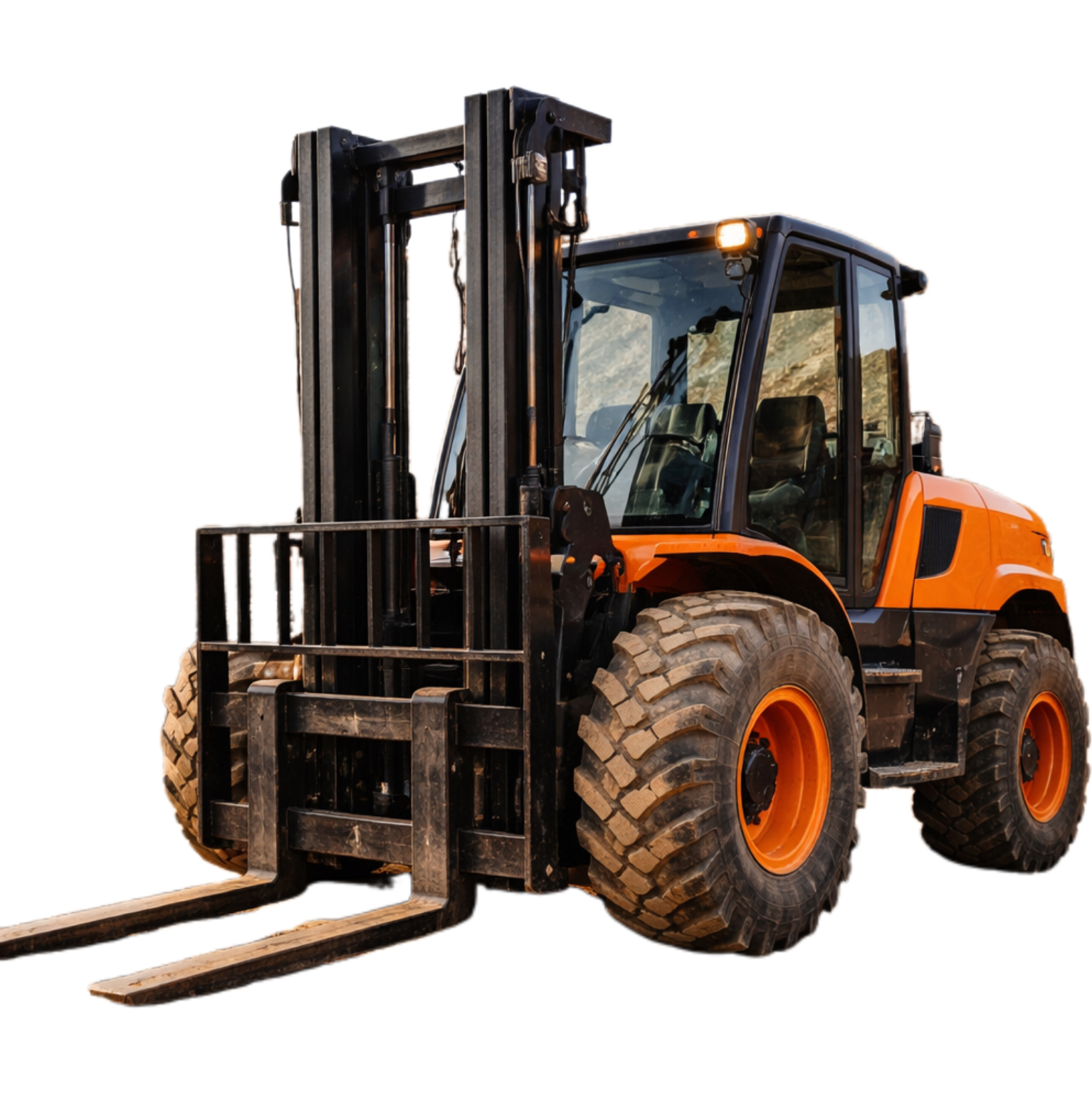


Automation and Autonomous Forklifts
The Future of Material Handling
The material handling industry is undergoing a profound transformation. Rising labor costs, workforce shortages, safety concerns, and the demand for faster order fulfillment are pushing companies to rethink traditional forklift operations. In response, automation and autonomous forklifts are rapidly gaining traction as a key component of modern logistics and manufacturing systems.
This article examines how automated and autonomous forklifts are reshaping material handling, their benefits and limitations, and what the future holds for smart forklift technology.
1. What Are Automated and Autonomous Forklifts?
Automated forklifts operate with limited human intervention, following predefined paths or rules. Autonomous forklifts go a step further by using sensors, software, and artificial intelligence to navigate dynamic environments independently.
These systems are often referred to as:
AGVs (Automated Guided Vehicles)
AMRs (Autonomous Mobile Robots)
Driverless forklifts
They perform repetitive material transport tasks with high consistency and precision.
2. Drivers Behind Forklift Automation
Several factors are accelerating adoption:
Labor Challenges
Skilled operator shortages
High training and turnover costs
Safety Concerns
Reduction of human-related accidents
Consistent adherence to safety rules
Efficiency Demands
24/7 operation
Predictable cycle times
Automation addresses these structural challenges.
3. Key Technologies Powering Autonomous Forklifts
Autonomous forklifts rely on multiple technologies working together:
LiDAR and 3D cameras for environment mapping
Navigation software for path planning
AI algorithms for obstacle avoidance
Wireless communication for system integration
These technologies enable forklifts to operate safely in shared spaces.
4. Navigation Methods Used by Automated Forklifts
Guided Navigation
Magnetic tape
QR codes
Inductive wires
Natural Navigation
SLAM (Simultaneous Localization and Mapping)
Vision-based navigation
Natural navigation offers greater flexibility in dynamic environments.
5. Applications of Autonomous Forklifts
Autonomous forklifts are commonly used for:
Repetitive transport tasks
Line-side supply in manufacturing
Pallet movement in warehouses
Cross-docking operations
They are particularly effective in predictable, high-volume workflows.
6. Benefits of Forklift Automation
Improved Safety
Removing human operators reduces accident risk.
Consistent Productivity
Automated forklifts operate at steady performance levels.
Lower Labor Costs
Reduced dependency on skilled operators.
Data Transparency
Automation systems generate detailed performance data.
7. Challenges and Limitations
Despite benefits, automation presents challenges:
High initial investment
Integration complexity
Limited flexibility for non-standard tasks
Change management and workforce adaptation
A phased implementation approach is often recommended.
8. Hybrid Operations: Humans and Autonomous Forklifts
Many facilities adopt hybrid models where:
Autonomous forklifts handle repetitive tasks
Human-operated forklifts manage complex or exception tasks
This approach balances efficiency and flexibility.
9. Safety Standards and Compliance
Autonomous forklifts must comply with:
ISO safety standards
Local workplace safety regulations
Redundant safety systems ensure safe interaction with people and equipment.
10. Integration with Warehouse Management Systems (WMS)
Automation works best when integrated with:
WMS
MES (Manufacturing Execution Systems)
ERP platforms
System integration enables real-time task assignment and tracking.
11. Cost Considerations and ROI
While autonomous forklifts require significant investment, ROI is achieved through:
Labor cost reduction
Lower accident-related costs
Increased uptime
High-volume operations often see faster payback.
12. Scalability and Future Expansion
Modern autonomous systems are designed for scalability.
Companies can:
Start with limited routes
Expand automation gradually
Integrate additional vehicles over time
Scalable systems reduce investment risk.
13. Impact on Workforce and Skills
Automation shifts workforce roles rather than eliminating them.
New roles include:
System supervisors
Maintenance technicians
Data analysts
Training and reskilling are essential.
14. The Future of Autonomous Forklifts
Future developments may include:
Greater AI-driven decision-making
Improved human–machine collaboration
Fully autonomous warehouses
Autonomous forklifts will become smarter and more adaptable.
15. How to Prepare for Forklift Automation
Preparation Steps
Standardize loads and processes
Improve layout clarity
Invest in digital infrastructure
Preparation maximizes automation success.
Conclusion
Automation and autonomous forklifts represent the future of material handling. By improving safety, consistency, and efficiency, they address many of the challenges faced by modern warehouses and manufacturing plants.
While not a one-size-fits-all solution, autonomous forklifts offer significant advantages for organizations willing to invest in structured implementation and long-term digital transformation.
Our manager will contact you shortly.
To contact you about our products and services.


Copyright © Xingtai Beiqiang Machinery Manufacturing Factory. 2025.
Technical support:Echola