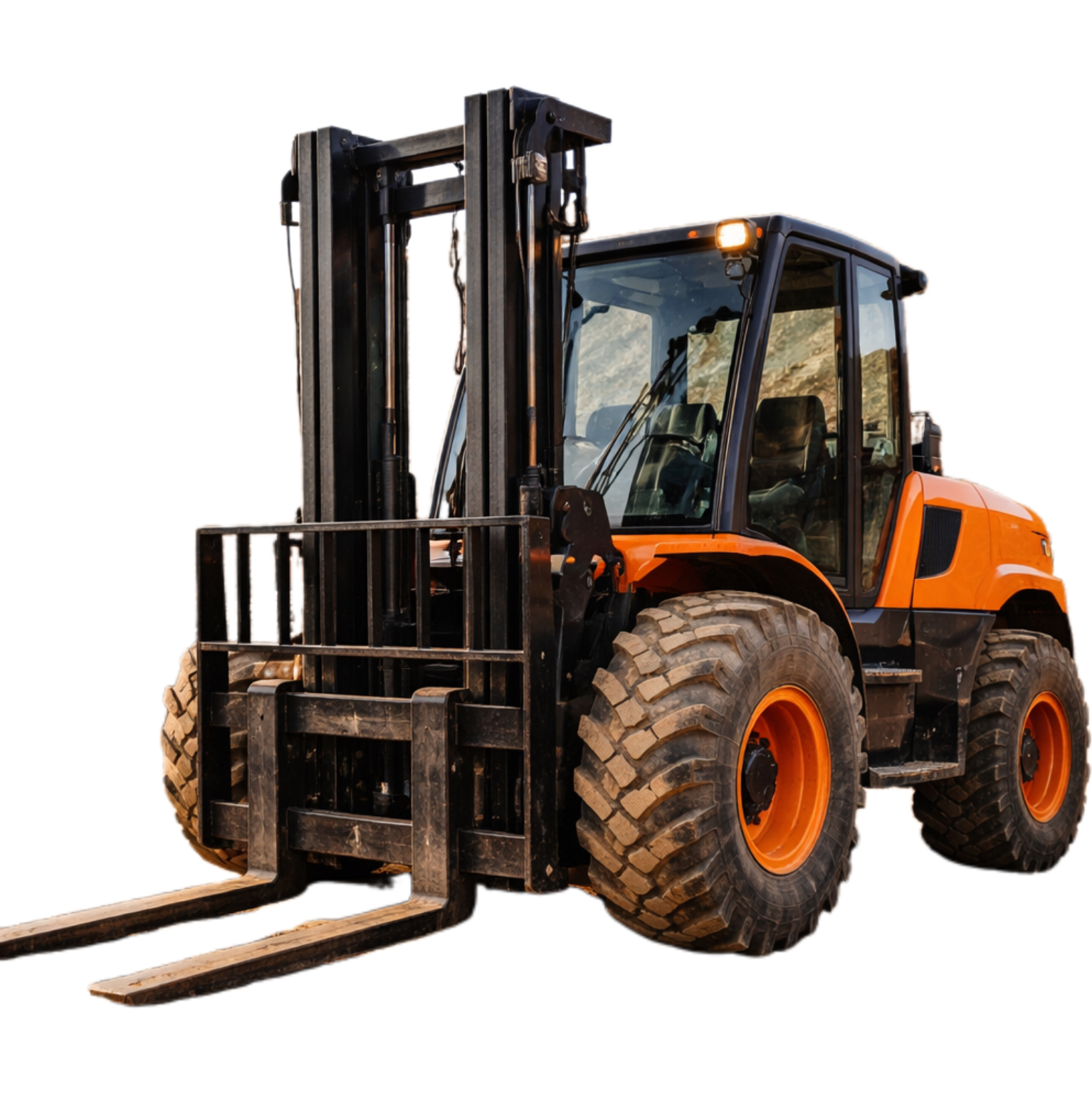


Forklifts in Heavy-Duty Applications
Handling Large and Irregular Loads in Industrial Environments
In heavy industries such as steel production, construction materials, ports, mining, and large-scale manufacturing, material handling presents challenges far beyond standard palletized goods. Loads are often oversized, extremely heavy, unevenly shaped, or unstable, requiring forklifts with exceptional strength, stability, and precision.
Heavy-duty forklifts are purpose-built to operate in these demanding environments. This article examines how forklifts are used in heavy-duty applications, the challenges involved, and best practices for safely and efficiently handling large and irregular loads.
1. What Defines a Heavy-Duty Forklift Application?
Heavy-duty forklift applications typically involve:
Load capacities above 10 tons
Oversized or non-standard load dimensions
Outdoor or harsh operating environments
Continuous or high-intensity usage
These applications require equipment far more robust than standard warehouse forklifts.
2. Industries That Rely on Heavy-Duty Forklifts
Heavy-duty forklifts are commonly used in:
Steel mills and metal processing plants
Ports and container yards
Lumber and timber yards
Concrete and construction material facilities
Mining and energy industries
Each industry presents unique handling challenges.
3. Key Challenges of Handling Large and Irregular Loads
Load Stability
Irregular loads shift the center of gravity, increasing tip-over risk.
Visibility Limitations
Large loads often block the operator’s forward view, requiring additional safety measures.
Surface Conditions
Uneven ground, gravel, or outdoor surfaces demand high traction and durable tires.
Structural Stress
Heavy loads place extreme stress on frames, masts, and hydraulic systems.
4. Types of Heavy-Duty Forklifts
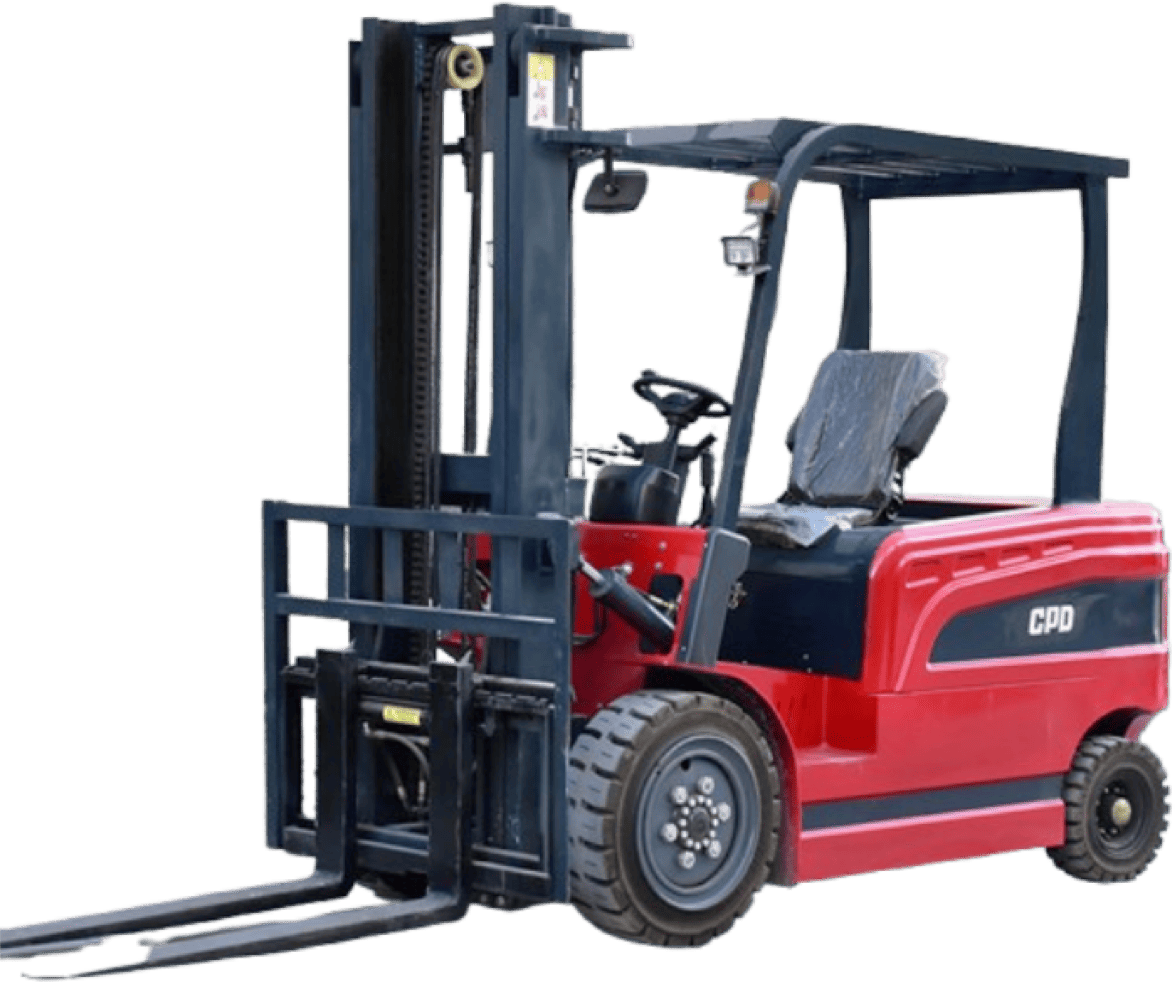
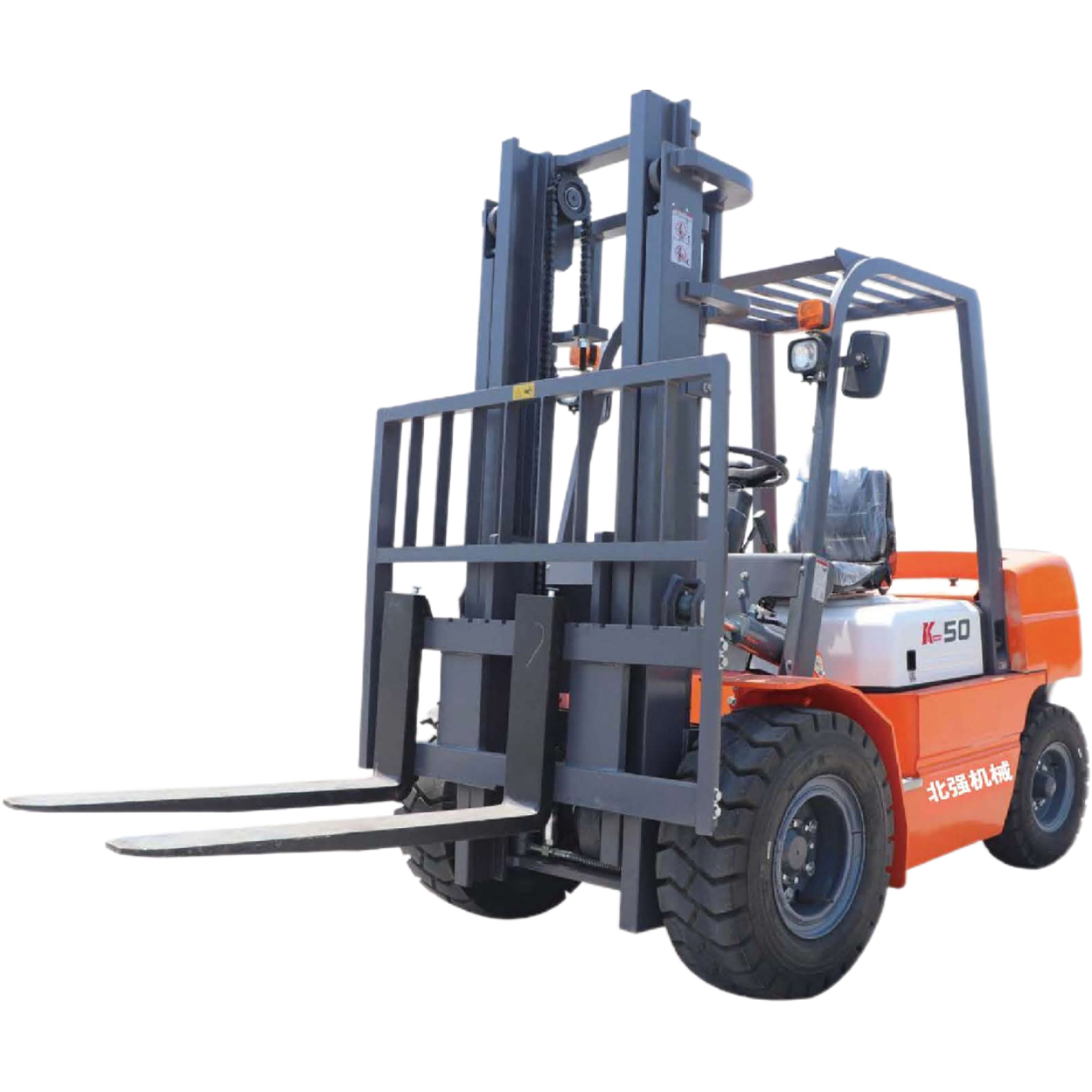
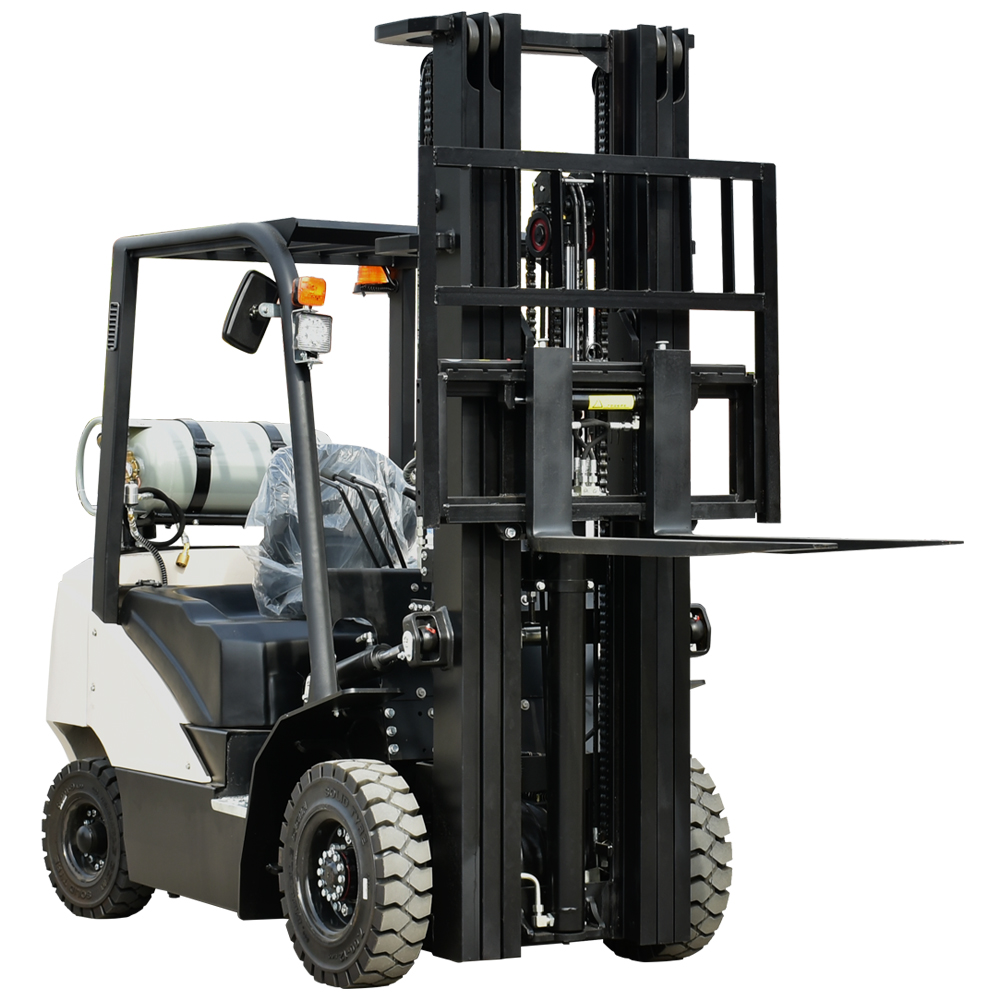
High-Capacity Diesel Forklifts
These forklifts deliver:
Powerful engines
High torque for heavy lifting
Durability for outdoor use
They are the most common choice for extreme load handling.
Reach Stackers and Specialized Handlers
For container and oversized cargo handling, reach stackers offer:
Exceptional lifting capacity
Long reach
Advanced stability systems
5. Importance of Load Charts and Stability Analysis
In heavy-duty operations, load charts are critical.
Operators must consider:
Load weight
Load center distance
Lift height
Ignoring load charts can result in catastrophic equipment failure or accidents.
6. Attachments for Irregular Load Handling
Attachments play a vital role in heavy-duty applications.
Common Attachments
Heavy-duty clamps
Coil rams
Lumber forks
Spreaders and special frames
Attachments improve load stability and handling efficiency.
7. Tire Selection for Heavy-Duty Forklifts
Tires must withstand:
High loads
Rough surfaces
Outdoor exposure
Common Tire Types
Pneumatic tires for uneven terrain
Solid tires for durability
Specialized heavy-load compounds
Proper tire selection improves safety and equipment life.
8. Structural Reinforcement and Design Features
Heavy-duty forklifts include:
Reinforced frames
Heavy-duty axles
Oversized hydraulic cylinders
Counterweight optimization
These features ensure long-term durability under extreme loads.
9. Operator Skill and Training Requirements
Operating heavy-duty forklifts requires advanced skills.
Training should include:
Load stability awareness
Attachment operation
Terrain assessment
Emergency response procedures
Experienced operators are essential for safe heavy-load handling.
10. Safety Measures for Heavy-Duty Operations
Key Safety Practices
Clear exclusion zones
Spotters for oversized loads
Speed limitations
Enhanced warning systems
Safety planning is critical in high-risk environments.
11. Maintenance Challenges in Heavy-Duty Applications
Heavy-duty forklifts experience accelerated wear.
Maintenance Focus Areas
Structural inspections
Hydraulic system health
Tire and brake condition
Cooling systems
Proactive maintenance prevents costly failures.
12. Fuel Efficiency and Operating Costs
Heavy-duty forklifts consume significant fuel.
Cost control strategies include:
Optimized routes
Reduced idle time
Regular engine tuning
Even small efficiency gains can deliver substantial savings.
13. Environmental and Regulatory Considerations
Heavy-duty operations must comply with:
Emission regulations
Noise limits
Environmental protection standards
Newer engines and hybrid solutions help meet compliance requirements.
14. Automation and Technology in Heavy-Duty Forklifts
Automation is gradually entering heavy-duty material handling.
Technologies include:
Load monitoring sensors
Stability control systems
Semi-autonomous operation
Technology enhances safety and precision in extreme environments.
15. Selecting the Right Heavy-Duty Forklift
Key Selection Criteria
Maximum load weight and dimensions
Operating surface and environment
Attachment compatibility
Maintenance support availability
A tailored selection ensures performance and safety.
Conclusion
Heavy-duty forklifts are essential tools for industries handling large and irregular loads. Their success depends on proper equipment selection, skilled operators, robust safety systems, and disciplined maintenance practices.
By understanding the unique challenges of heavy-duty material handling and applying best practices, companies can achieve safe, efficient, and reliable operations even in the most demanding industrial environments.
Our manager will contact you shortly.
To contact you about our products and services.


Copyright © Xingtai Beiqiang Machinery Manufacturing Factory. 2025.
Technical support:Echola