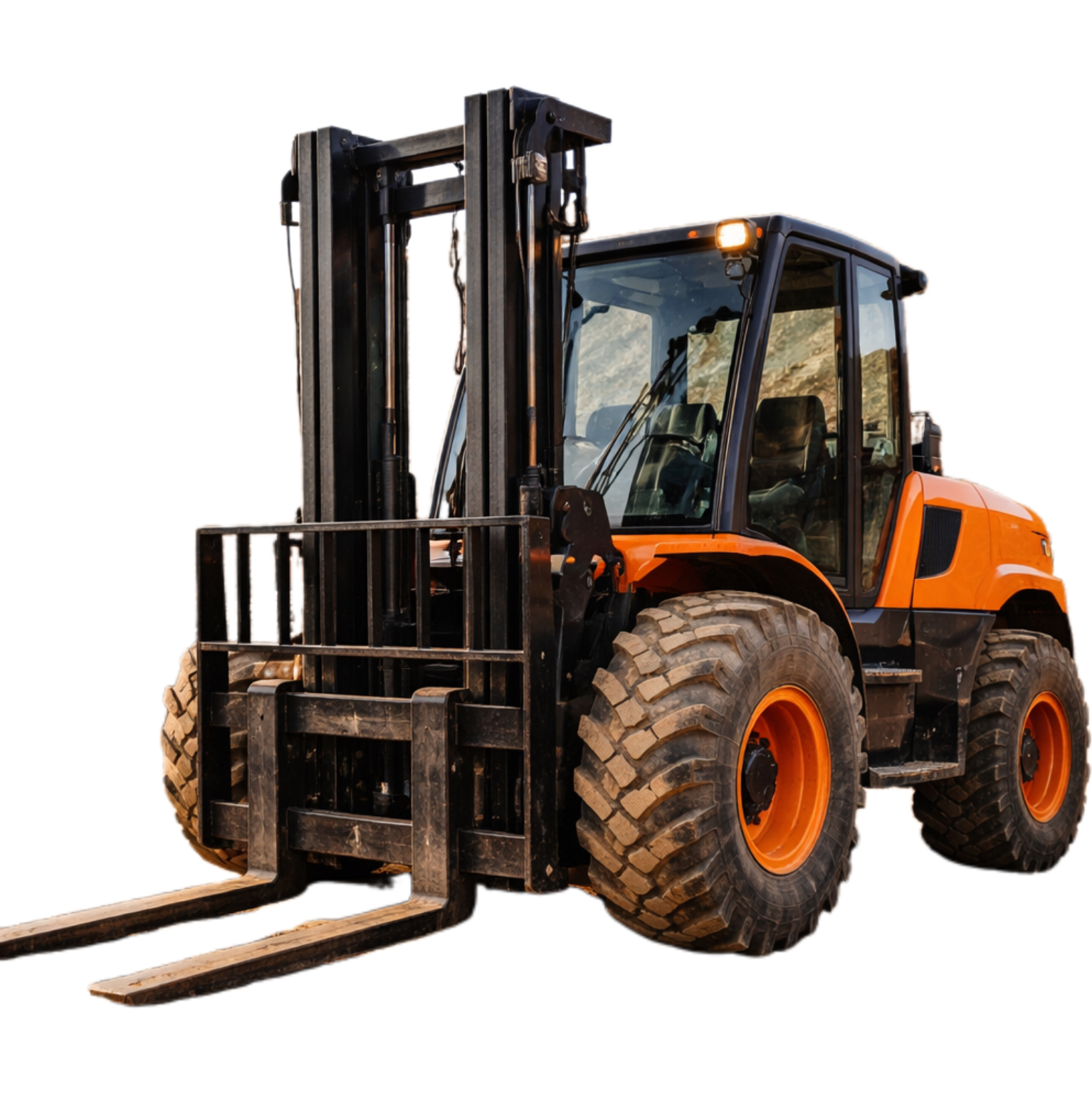


Forklift Maintenance Best Practices
Extending Equipment Life and Reducing Downtime
Forklifts operate at the heart of warehouse and industrial operations. Despite their rugged design, forklifts are subject to constant mechanical stress, environmental exposure, and operator-induced wear. Poor maintenance practices can quickly lead to breakdowns, safety incidents, and rising operational costs.
Effective forklift maintenance is not simply a technical requirement—it is a strategic investment that improves reliability, safety, and total cost of ownership. This article outlines best practices for maintaining forklifts to extend service life and minimize downtime.
1. Why Forklift Maintenance Matters
Well-maintained forklifts deliver:
Higher uptime and productivity
Lower repair costs
Improved operator safety
Longer service life
Neglecting maintenance leads to:
Unexpected failures
Increased accident risk
Expensive emergency repairs
Maintenance discipline directly impacts operational performance.
2. Preventive vs Reactive Maintenance
Reactive Maintenance
Reactive maintenance addresses problems after failures occur.
Drawbacks include:
Unplanned downtime
Higher repair costs
Disrupted operations
Preventive Maintenance
Preventive maintenance involves scheduled inspections and servicing.
Benefits include:
Early detection of issues
Predictable maintenance costs
Reduced breakdowns
Preventive maintenance is the foundation of cost-effective forklift operation.
3. Daily Operator Inspections
Operators are the first line of defense against equipment failure.
Key Daily Checks
Tire condition
Fork integrity
Fluid levels
Brakes and steering
Warning lights and alarms
Daily inspections prevent small issues from becoming major failures.
4. Scheduled Maintenance Intervals
Manufacturers specify service intervals based on:
Operating hours
Load intensity
Environmental conditions
Adhering to these schedules ensures:
Optimal performance
Warranty compliance
Reduced long-term costs
Ignoring service intervals shortens equipment life.
5. Battery Maintenance for Electric Forklifts
Lead-Acid Batteries
Require:
Regular watering
Proper charging cycles
Clean terminals
Improper care significantly shortens battery lifespan.
Lithium-Ion Batteries
Offer:
Minimal maintenance
Opportunity charging
Longer service life
Battery selection influences maintenance workload and downtime.
6. Engine and Fuel System Maintenance
For internal combustion forklifts:
Regular oil changes
Air and fuel filter replacement
Emission system inspections
Well-maintained engines deliver better fuel efficiency and reliability.
7. Hydraulic System Care
Hydraulic systems power lifting and tilting functions.
Maintenance Focus Areas
Hydraulic fluid quality
Hose and seal condition
Cylinder performance
Hydraulic failures can cause sudden downtime and safety hazards.
8. Tire Maintenance and Replacement
Tires affect:
Stability
Traction
Energy efficiency
Best Practices
Maintain correct tire pressure
Replace worn tires promptly
Match tire type to operating surface
Proper tire care improves safety and reduces energy consumption.
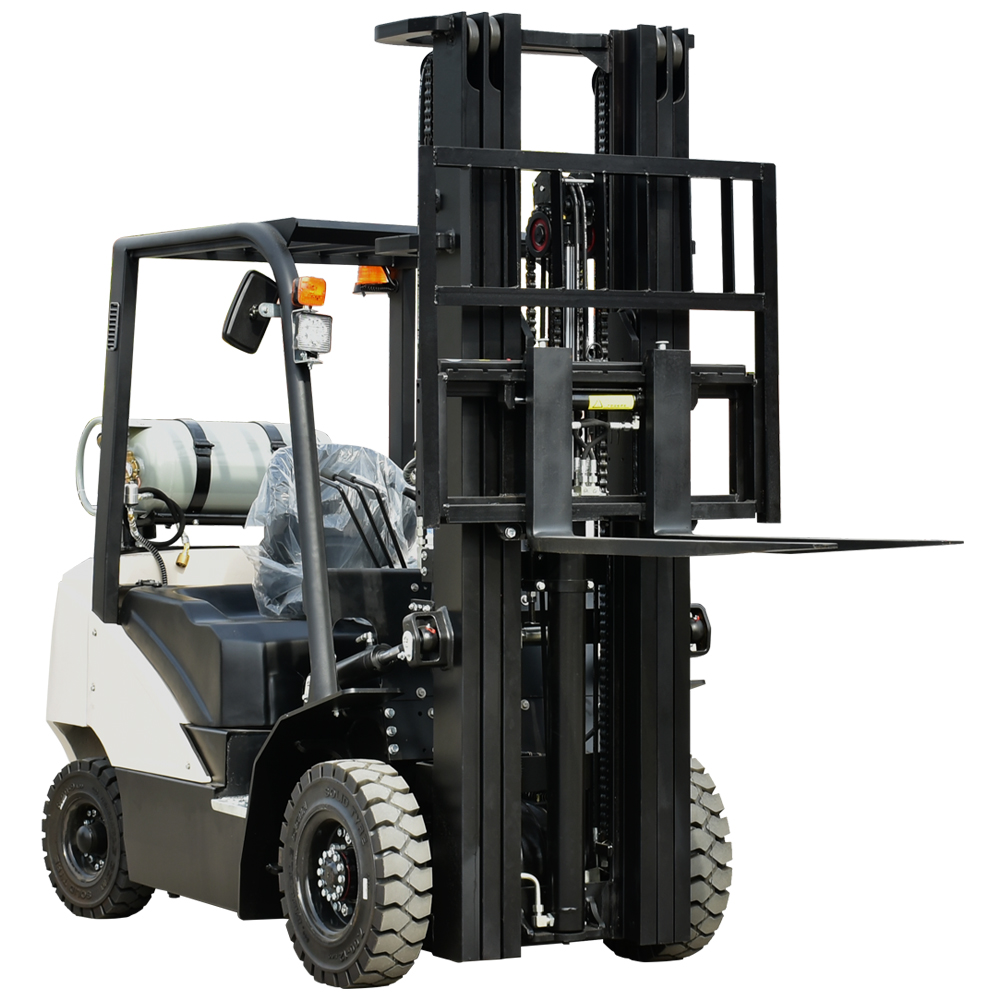
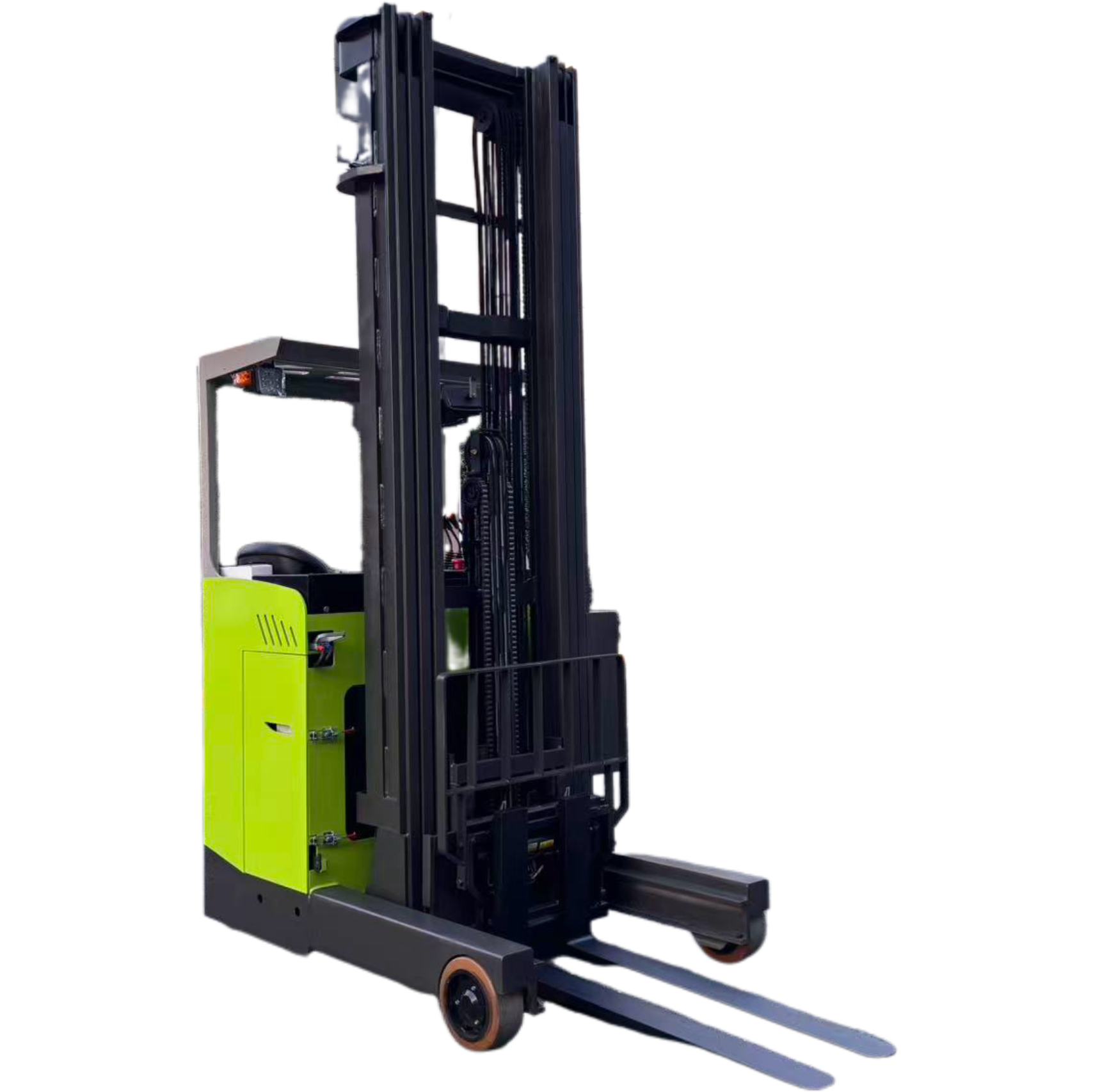
9. Mast, Forks, and Structural Components
Structural components endure heavy loads.
Inspection Priorities
Fork wear and cracks
Mast rollers and chains
Overhead guard integrity
Damaged structural parts compromise safety and must be addressed immediately.
10. Managing Environmental Impact on Maintenance
Environmental conditions accelerate wear.
Examples
Dusty environments clog filters
Cold storage affects batteries and hydraulics
Corrosive environments increase rust
Maintenance plans should reflect operating conditions.
11. Using Maintenance Data and Telematics
Modern forklifts provide:
Operating hour tracking
Fault codes
Maintenance alerts
Data-driven maintenance improves planning and reduces guesswork.
12. Training Maintenance Personnel
Skilled technicians:
Diagnose issues accurately
Reduce repair time
Prevent repeat failures
Investing in training improves maintenance effectiveness.
13. In-House vs Outsourced Maintenance
In-House Maintenance
Faster response
Requires internal expertise
Outsourced Service
Access to specialists
Predictable costs
The right approach depends on fleet size and complexity.
14. Maintenance Costs and Budget Control
Maintenance budgets should account for:
Routine service
Wear part replacement
Unexpected repairs
Tracking costs helps identify problem equipment and optimize replacement timing.
15. Maintenance as Part of Lifecycle Management
Maintenance strategies should align with:
Equipment age
Usage intensity
Replacement planning
Well-maintained forklifts retain higher resale value.
Conclusion
Forklift maintenance is a critical factor in ensuring reliable, safe, and cost-effective operations. By implementing preventive maintenance programs, training operators and technicians, and leveraging data-driven insights, companies can significantly extend equipment life and reduce downtime.
A disciplined maintenance strategy transforms forklifts from potential liabilities into dependable assets that support long-term operational success.
Our manager will contact you shortly.
To contact you about our products and services.


Copyright © Xingtai Beiqiang Machinery Manufacturing Factory. 2025.
Technical support:Echola