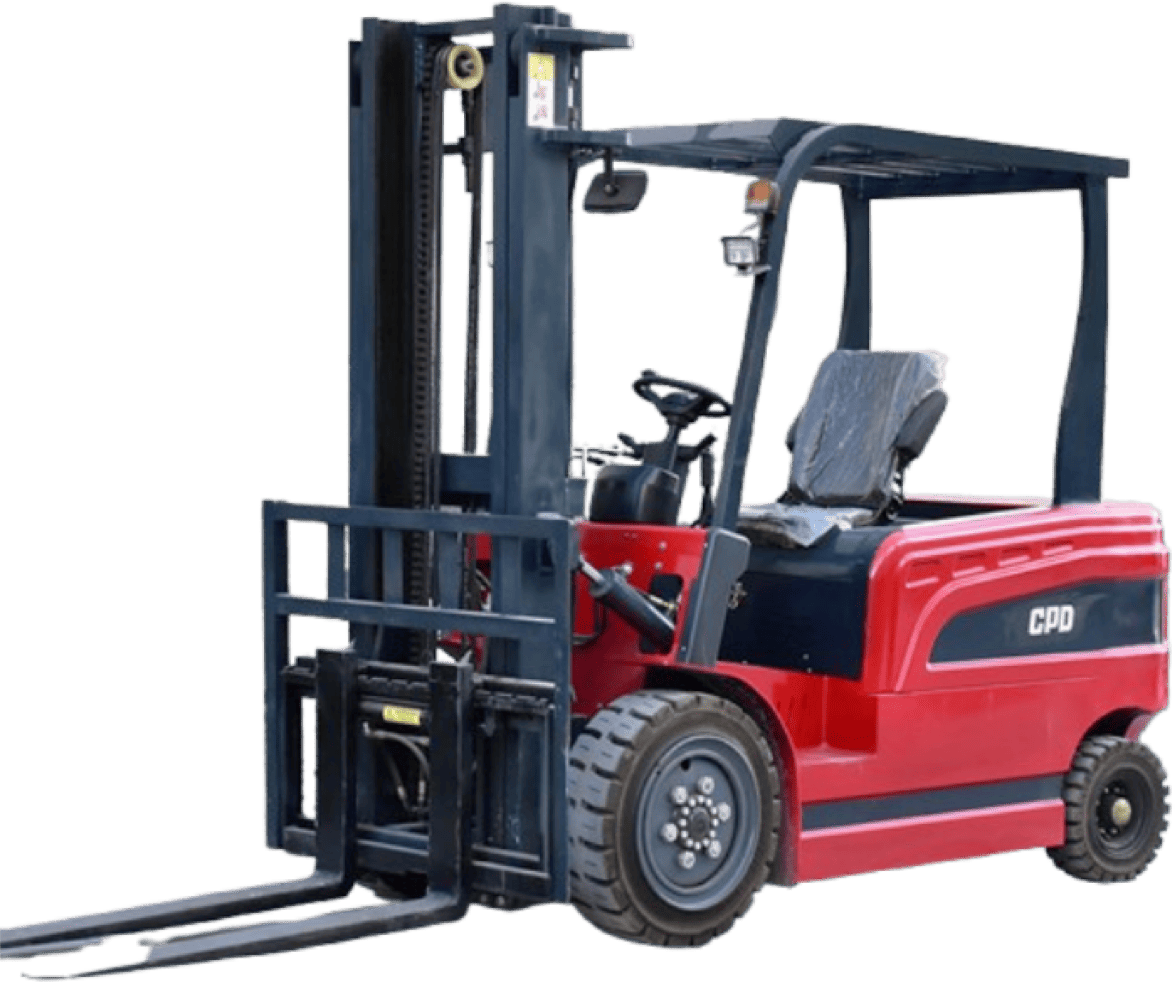
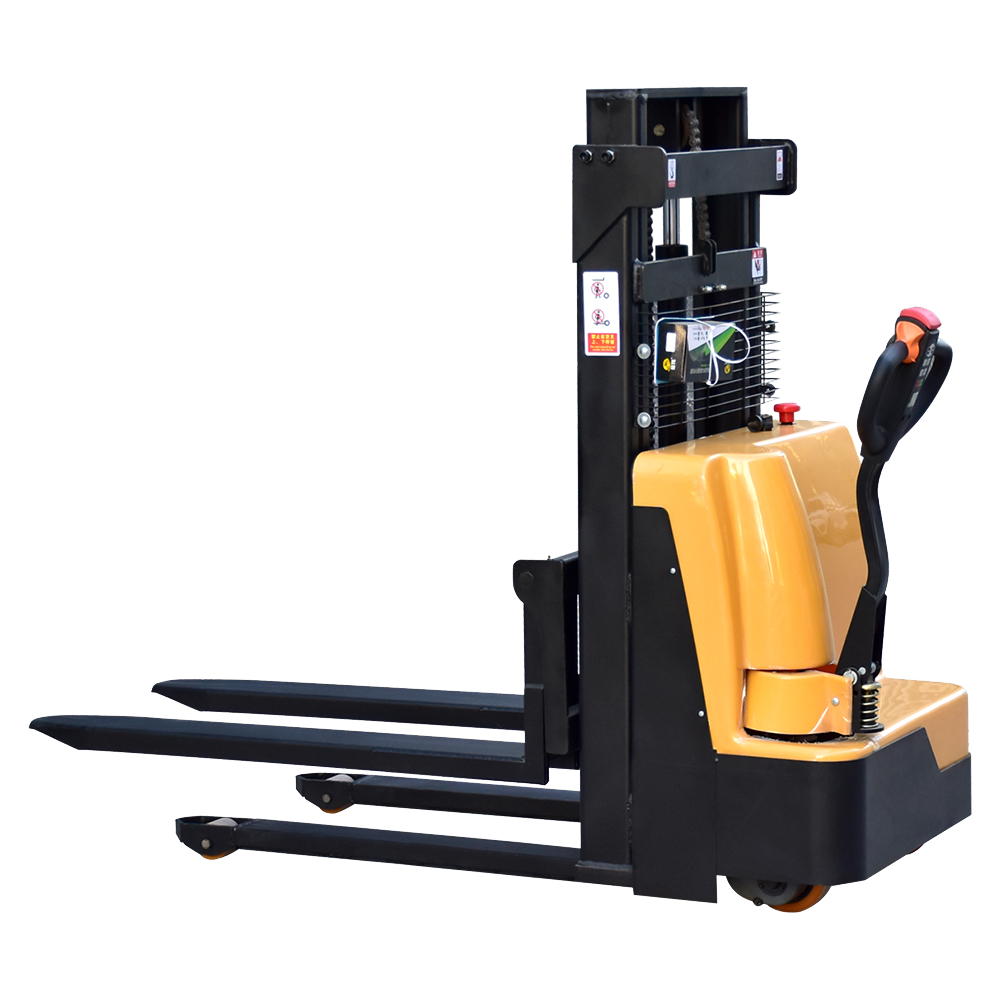
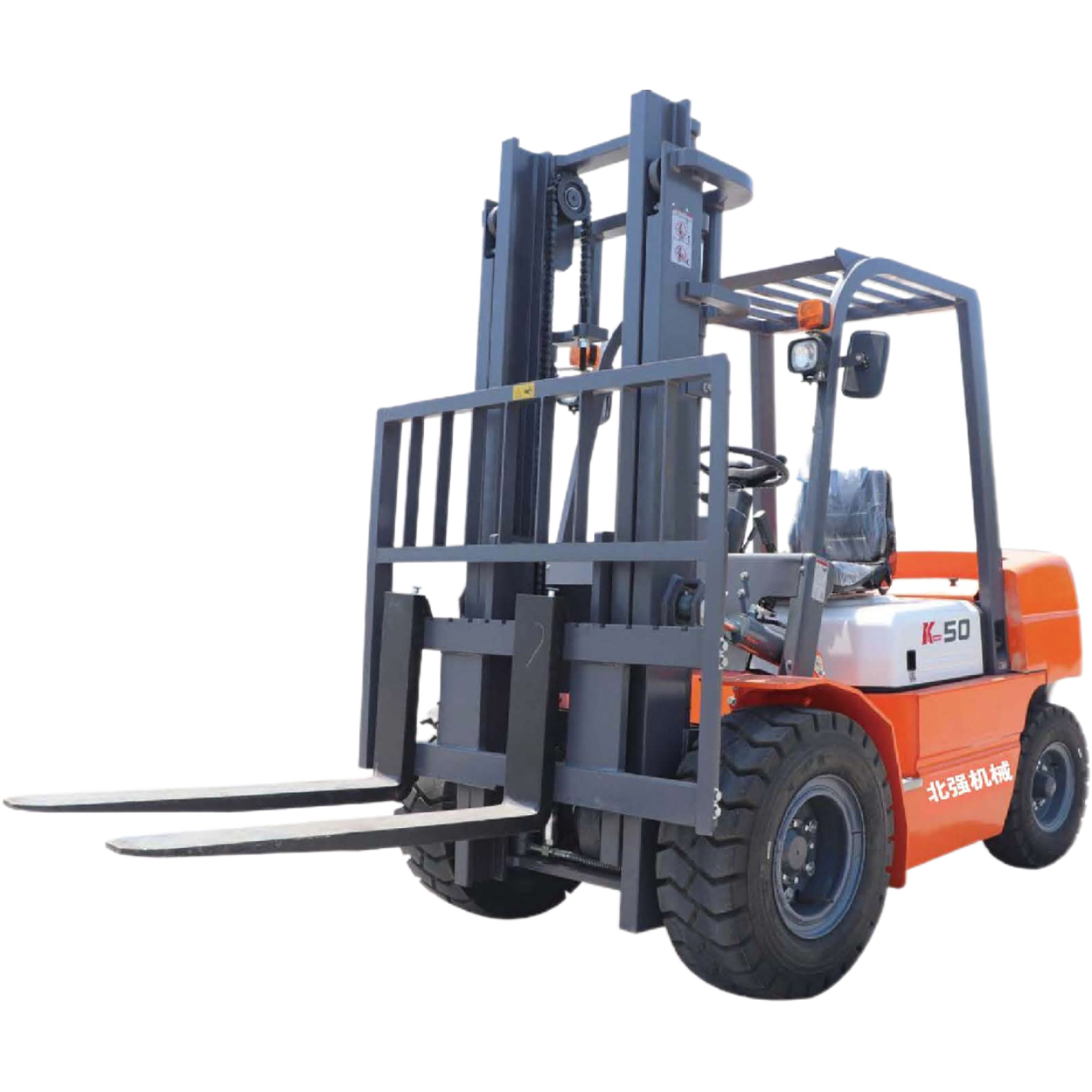
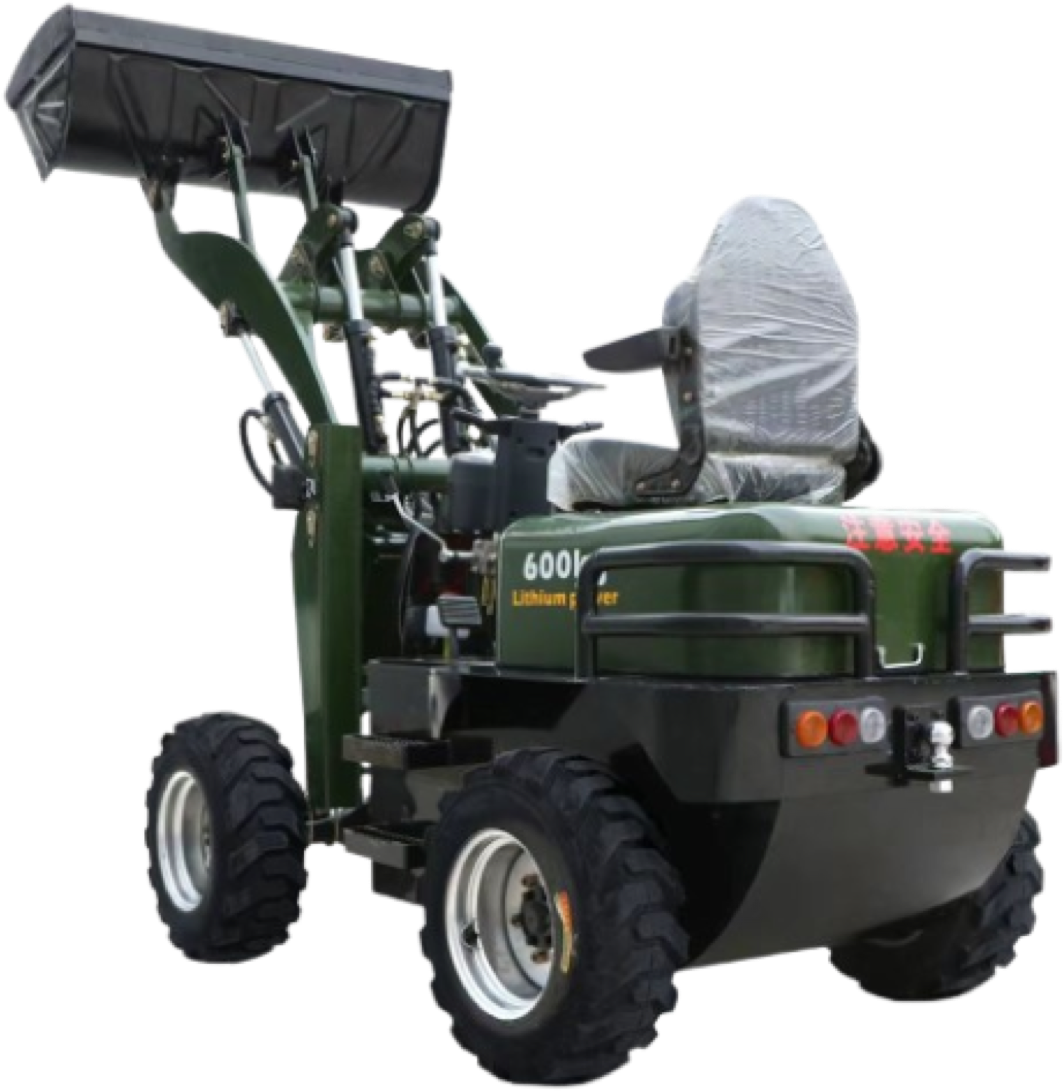
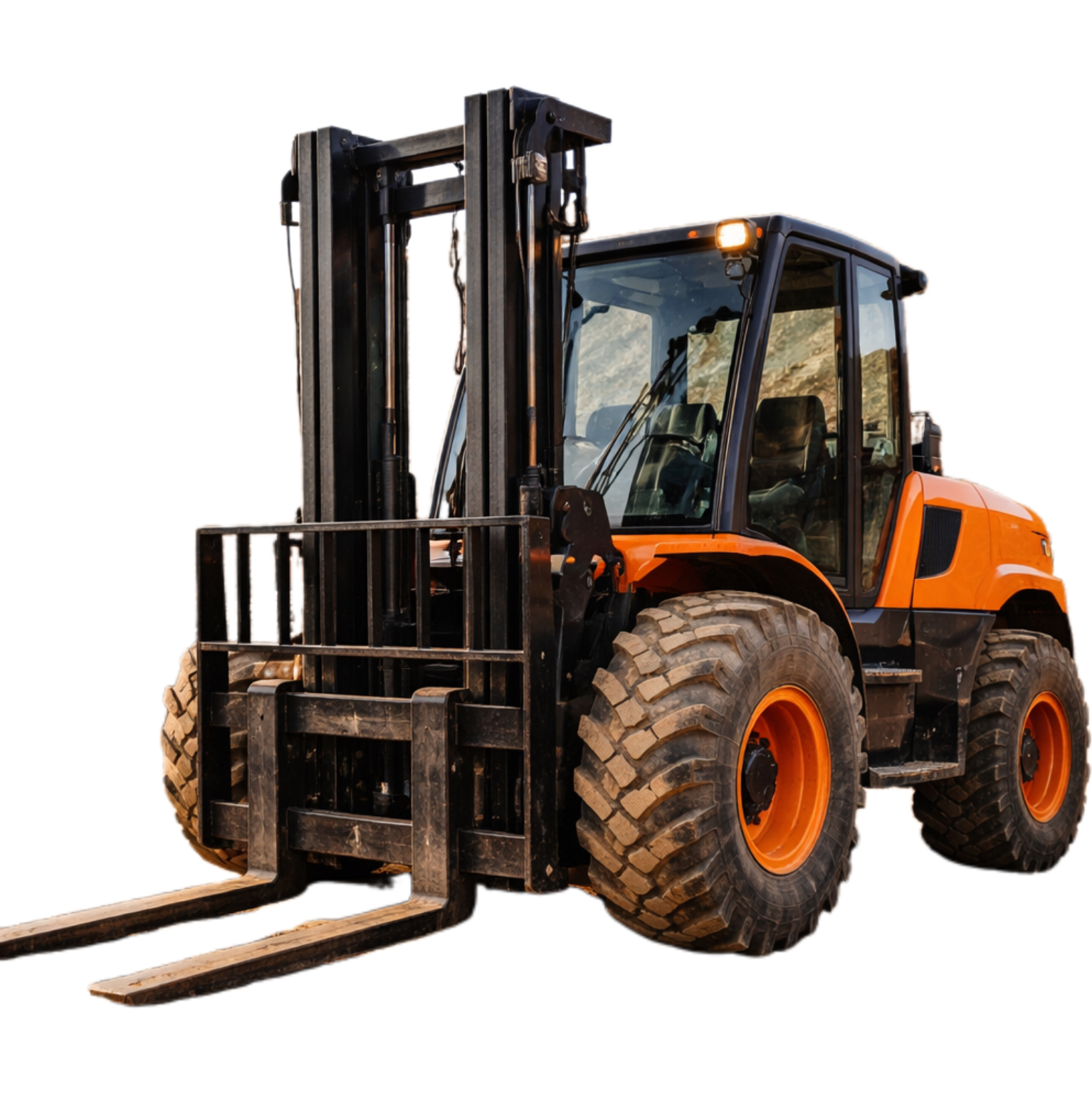


Total Cost of Ownership (TCO) of Forklifts
A Complete Buyer’s Guide for Smarter Equipment Investment
When purchasing forklifts, many buyers focus primarily on the initial purchase price. However, experienced procurement managers know that the true cost of a forklift extends far beyond its sticker price. Energy consumption, maintenance, downtime, operator labor, and replacement cycles all contribute to the total cost of ownership (TCO).
Understanding forklift TCO allows companies to make informed purchasing decisions, avoid hidden expenses, and maximize return on investment. This article provides a comprehensive guide to calculating and managing the total cost of forklift ownership.
1. What Is Total Cost of Ownership (TCO)?
Total cost of ownership refers to the complete cost of owning and operating a forklift over its entire service life.
TCO typically includes:
Purchase or lease cost
Energy or fuel expenses
Maintenance and repairs
Operator labor and training
Downtime and productivity loss
Insurance and compliance costs
Disposal or resale value
A low purchase price does not always mean low TCO.
2. Initial Acquisition Costs
Purchase Price
Forklift prices vary based on:
Capacity and lift height
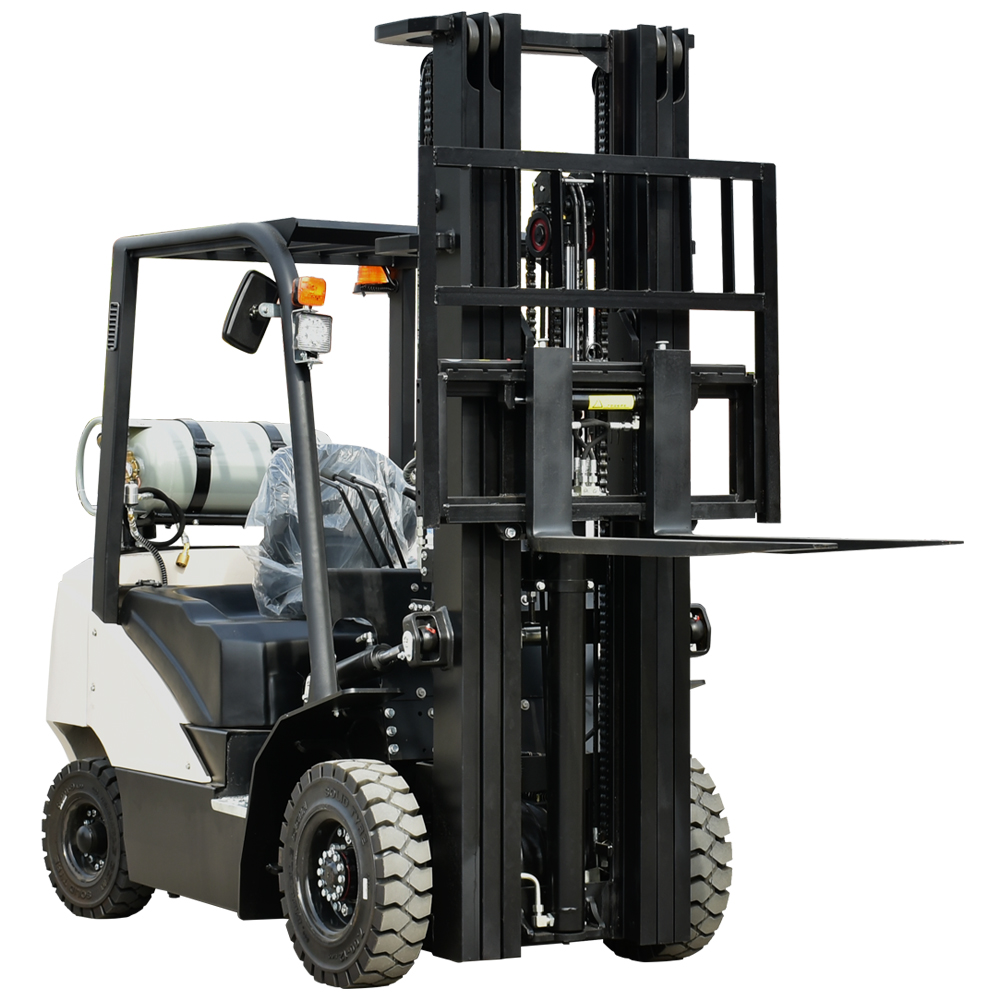
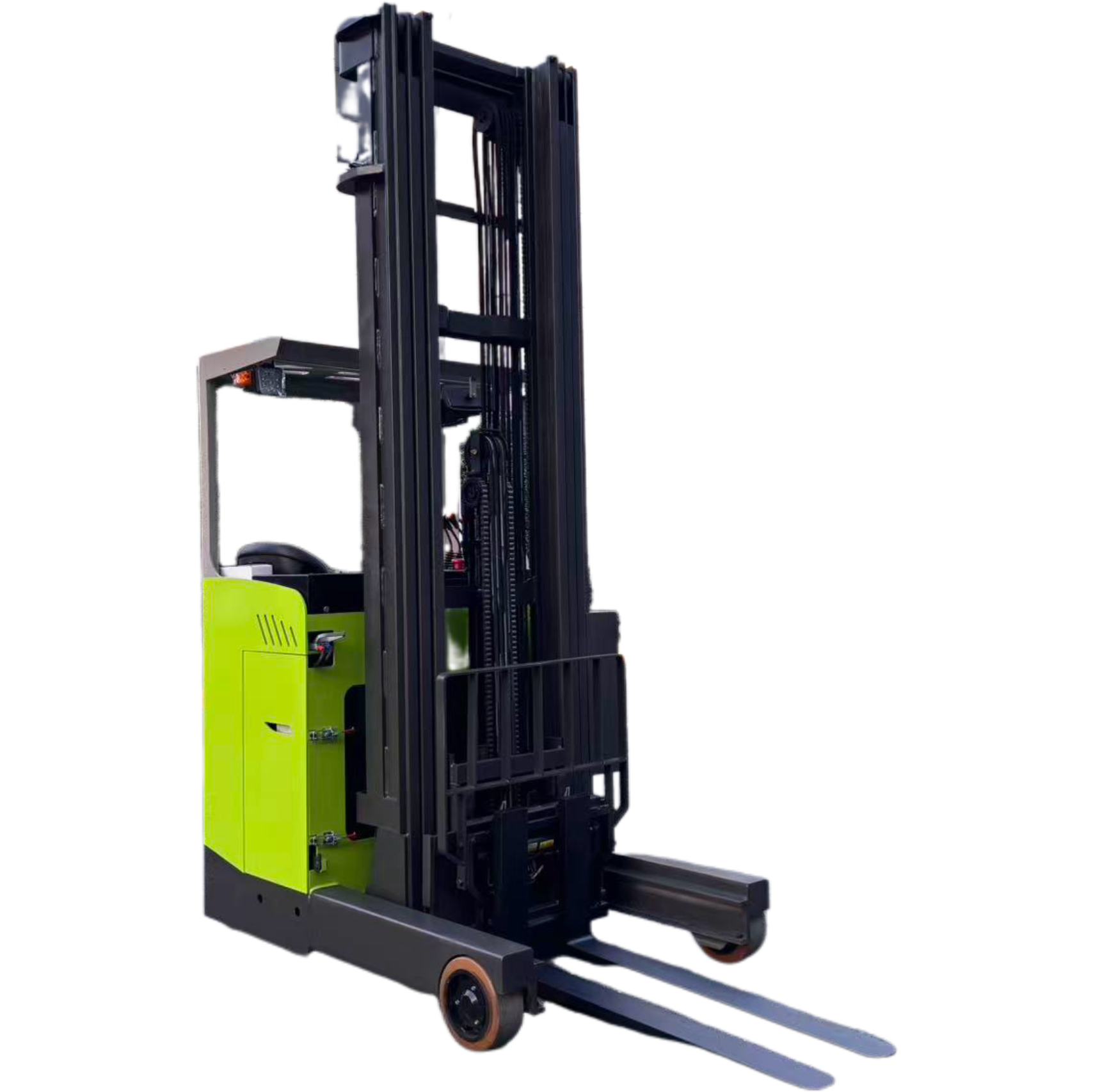
Power type (electric, diesel, LPG, hybrid)
Brand and build quality
Attachments and customization
Higher-quality forklifts often cost more upfront but may deliver lower lifetime costs.
Leasing vs Buying
Leasing reduces upfront capital investment but may increase long-term cost.
Buying offers:
Asset ownership
Lower cost over long service life
Greater flexibility in usage
The best choice depends on usage intensity and financial strategy.
3. Energy and Fuel Costs
Electric Forklifts
Electric forklifts incur:
Electricity costs
Battery charging infrastructure expenses
Modern lithium-ion batteries reduce energy consumption and charging downtime.
Internal Combustion Forklifts
Diesel and LPG forklifts involve:
Fuel costs
Emission-related compliance expenses
Fuel price volatility makes long-term cost planning more complex.
4. Battery Costs and Lifecycle (Electric Forklifts)
Battery expenses are often underestimated.
Lead-Acid Batteries
Lower initial cost
Require regular maintenance
Shorter lifespan
Lithium-Ion Batteries
Higher upfront cost
Longer service life
Lower maintenance
Battery selection has a major impact on TCO.
5. Maintenance and Repair Costs
Maintenance costs increase as forklifts age.
Key cost drivers include:
Wear parts (tires, brakes, seals)
Hydraulic systems
Electrical components
Preventive maintenance reduces unexpected repairs and extends service life.
6. Downtime and Productivity Loss
Downtime is one of the most expensive hidden costs.
Sources of Downtime
Mechanical failures
Battery charging or swapping
Waiting for repairs
Reliable forklifts reduce downtime and protect productivity.
7. Operator Labor and Training Costs
Operator-related costs include:
Wages
Training and certification
Accident-related downtime
User-friendly forklifts reduce training time and operator fatigue.
8. Safety, Insurance, and Compliance Costs
Accidents increase:
Insurance premiums
Legal expenses
Regulatory penalties
Forklifts with advanced safety systems help reduce risk and associated costs.
9. Utilization Rate and Its Impact on TCO
Underutilized forklifts increase cost per operating hour.
Improving Utilization
Right-size the fleet
Share forklifts across shifts
Monitor usage data
Higher utilization spreads fixed costs more effectively.
10. Attachments and Customization Costs
Attachments add flexibility but also:
Increase purchase cost
Reduce lifting capacity
Increase maintenance needs
Attachment ROI should be evaluated carefully.
11. Resale Value and End-of-Life Costs
Forklifts with:
Strong brand reputation
Good maintenance history
retain higher resale value, reducing net TCO.
Poorly maintained equipment often incurs disposal costs instead of generating value.
12. Comparing Electric vs Diesel Forklift TCO
Electric forklifts typically offer:
Lower energy cost
Lower maintenance requirements
Diesel forklifts may:
Perform better in heavy outdoor use
Incur higher fuel and maintenance costs
Application environment determines which option delivers lower TCO.
13. Reducing Forklift TCO Through Smart Management
Key Strategies
Invest in reliable equipment
Use preventive maintenance
Train operators effectively
Monitor usage and performance
Active management is essential to control costs.
14. Using Data to Support TCO Decisions
Telematics and analytics help:
Track operating costs
Identify inefficiencies
Support replacement decisions
Data-driven TCO analysis improves procurement outcomes.
15. Long-Term ROI and Strategic Value
Forklifts are not just tools—they are productivity enablers.
Selecting forklifts based on TCO:
Reduces financial risk
Supports sustainable growth
Improves operational resilience
Conclusion
Understanding the total cost of ownership is essential for making smart forklift purchasing decisions. By considering all lifecycle costs—beyond just the initial price—buyers can select equipment that delivers the best long-term value.
A TCO-focused approach ensures that forklifts support operational efficiency, cost control, and strategic business goals throughout their service life.
Our manager will contact you shortly.
To contact you about our products and services.


Copyright © Xingtai Beiqiang Machinery Manufacturing Factory. 2025.
Technical support:Echola