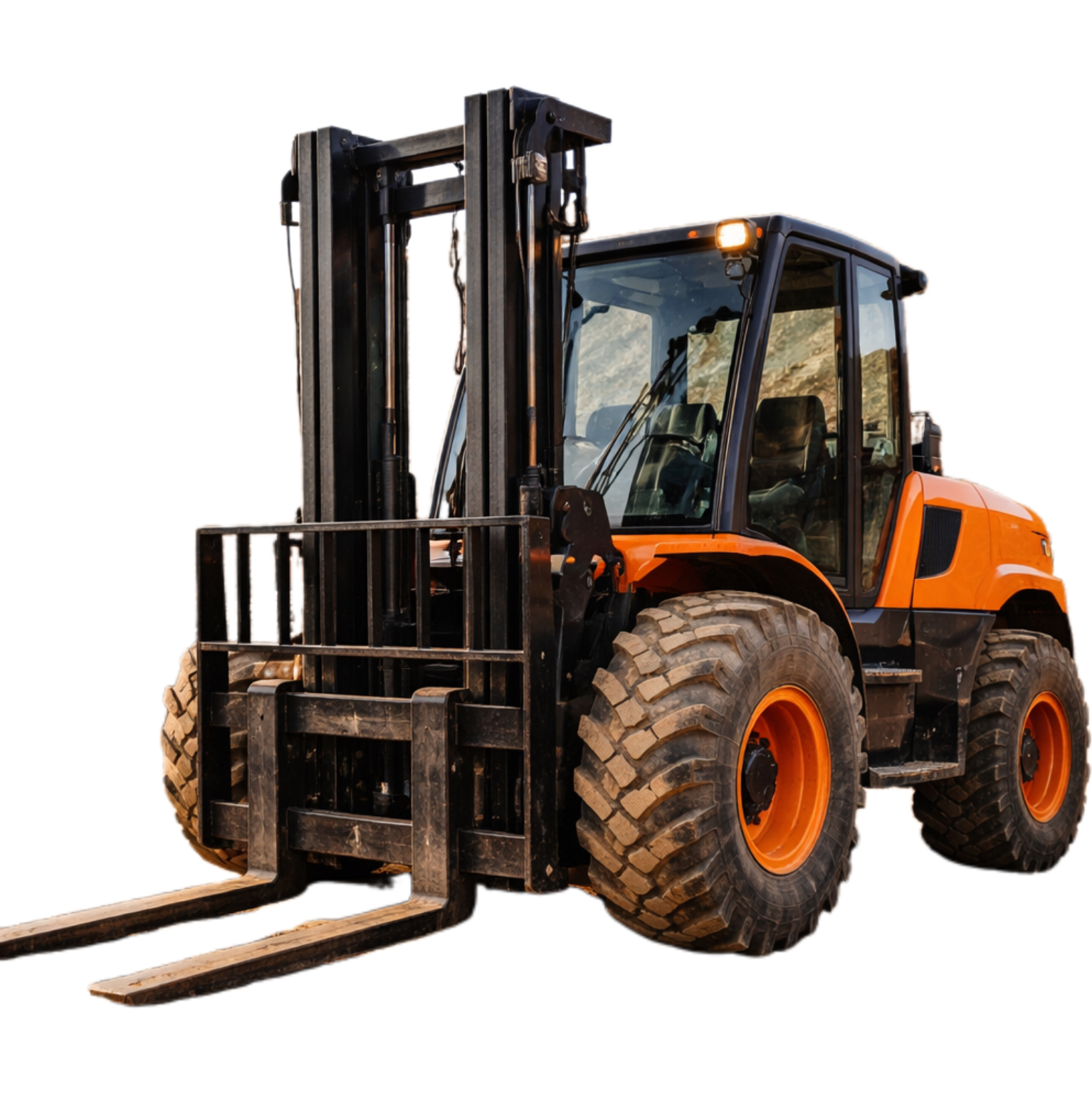


Reducing Accidents in Industrial Environments
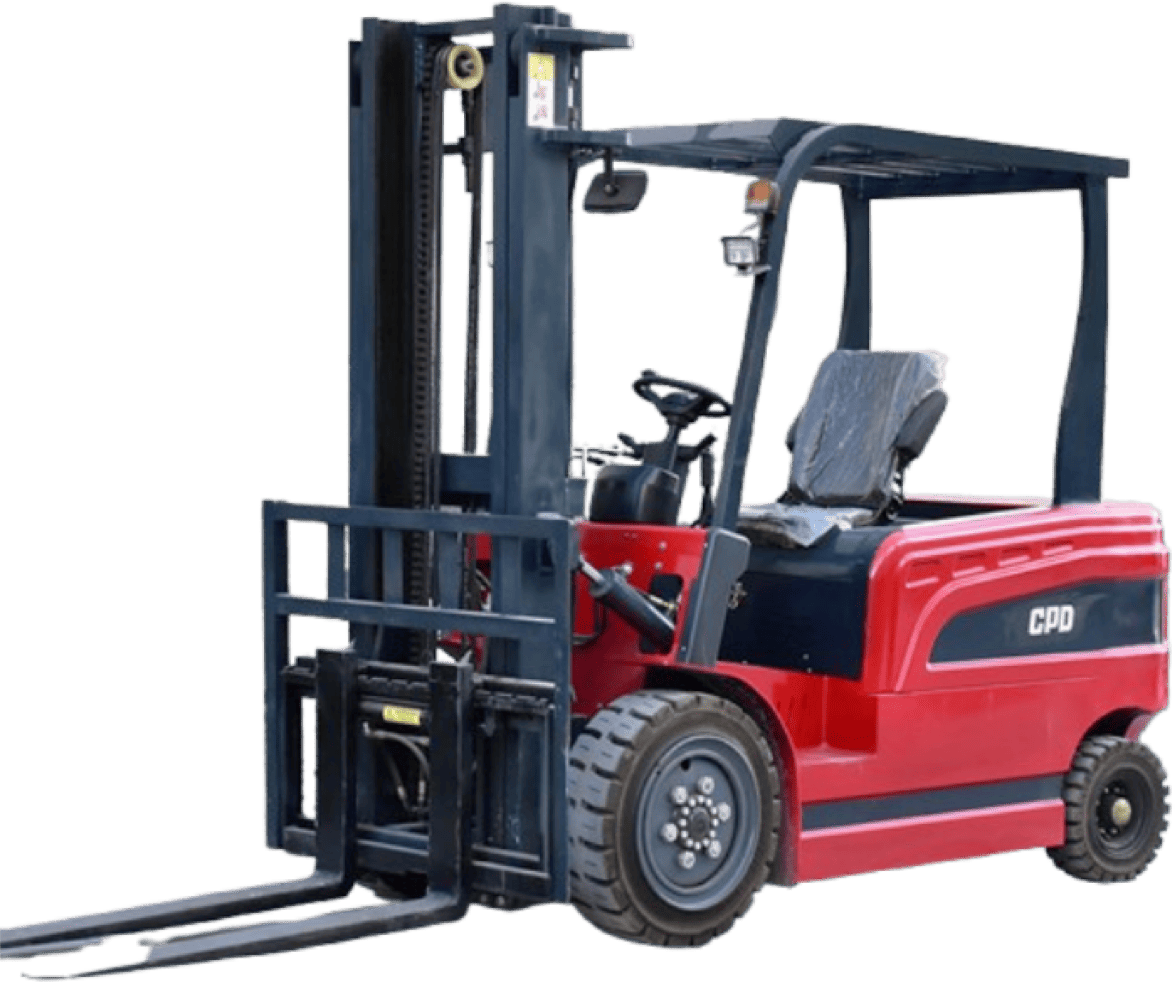
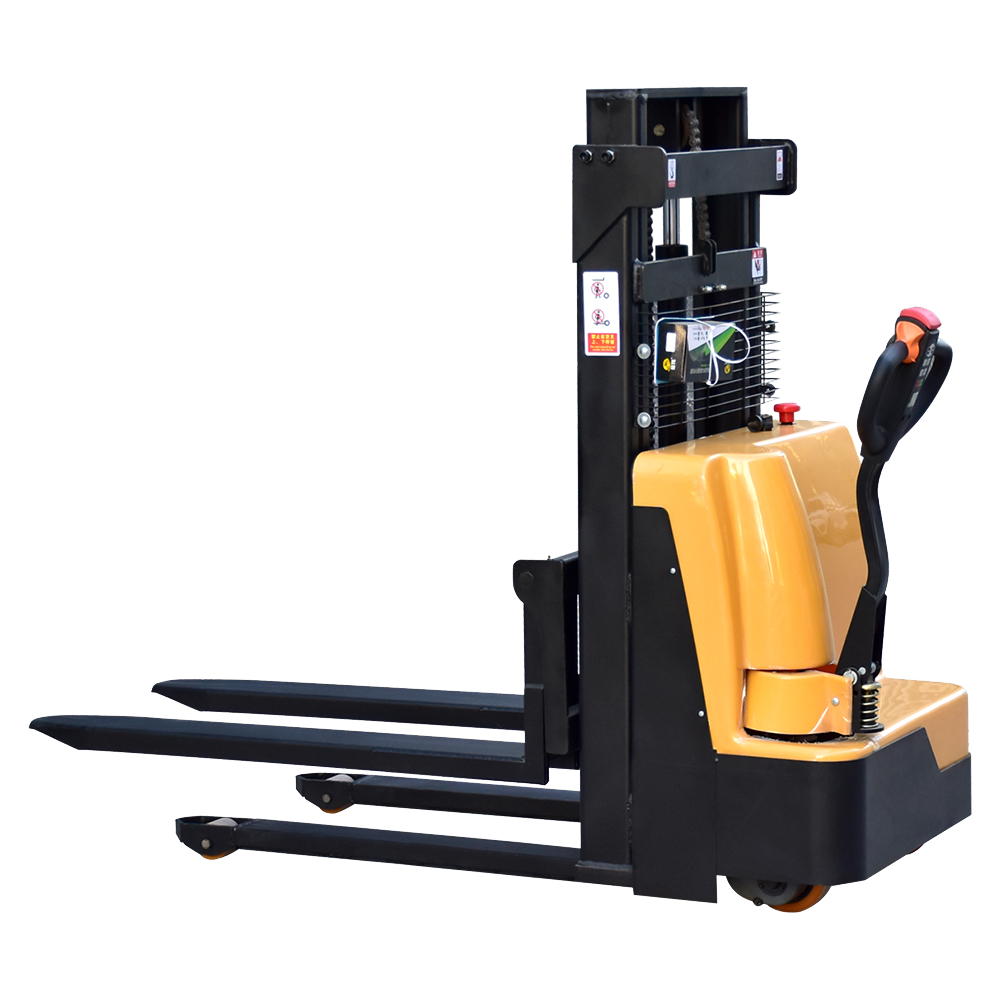
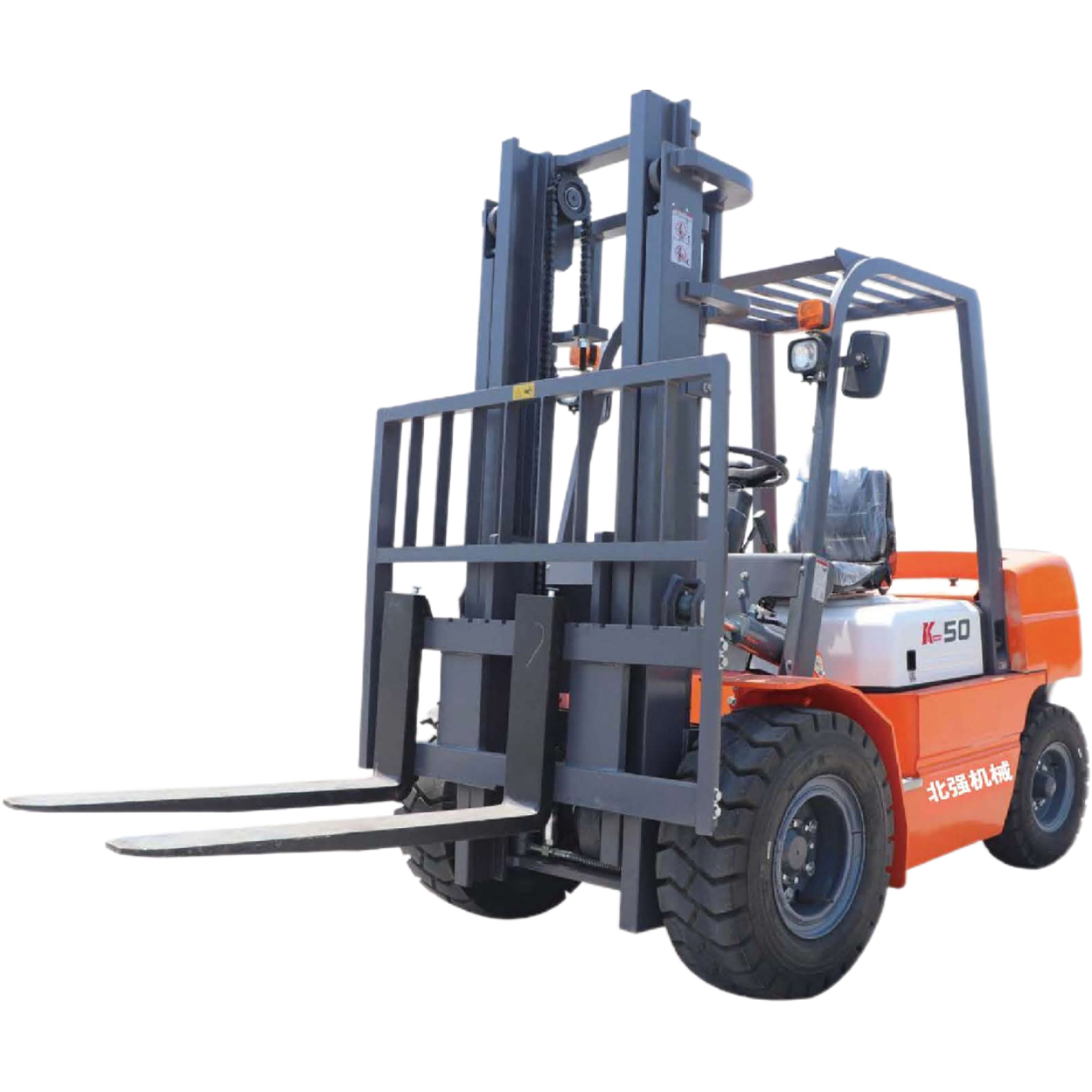
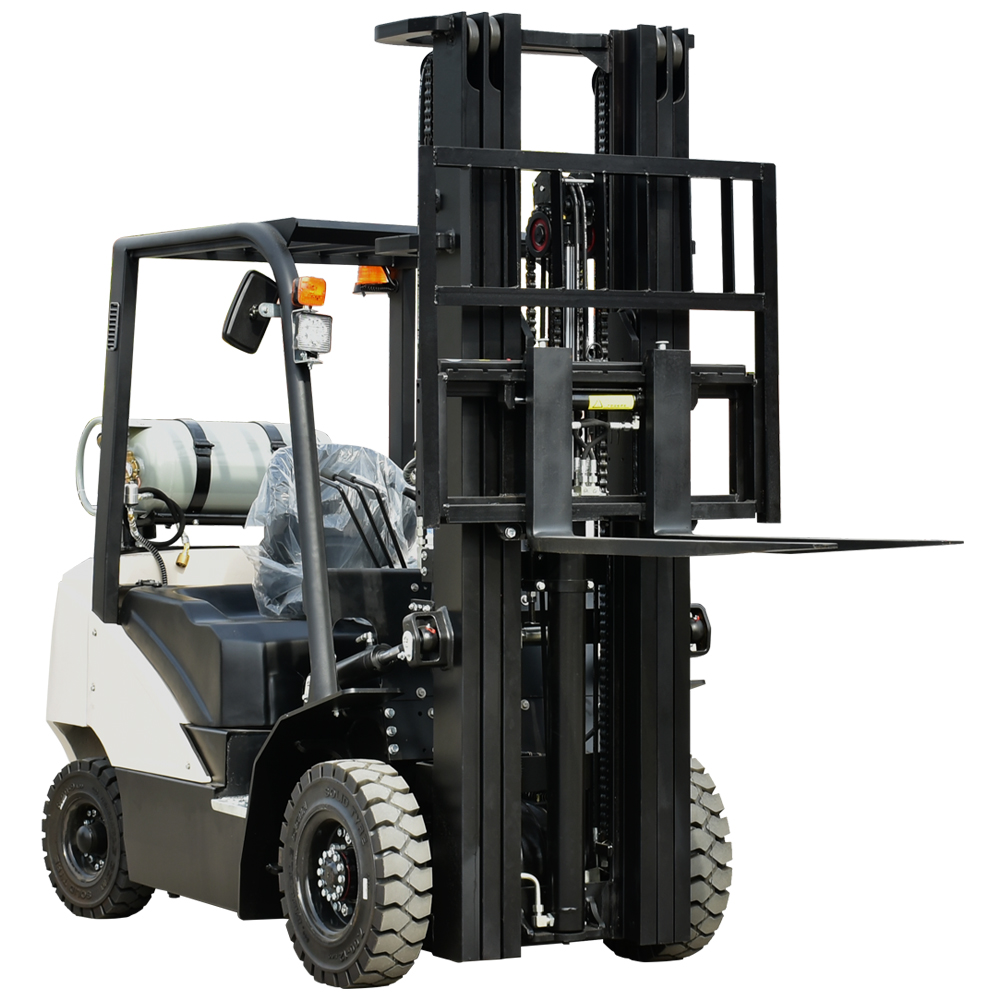
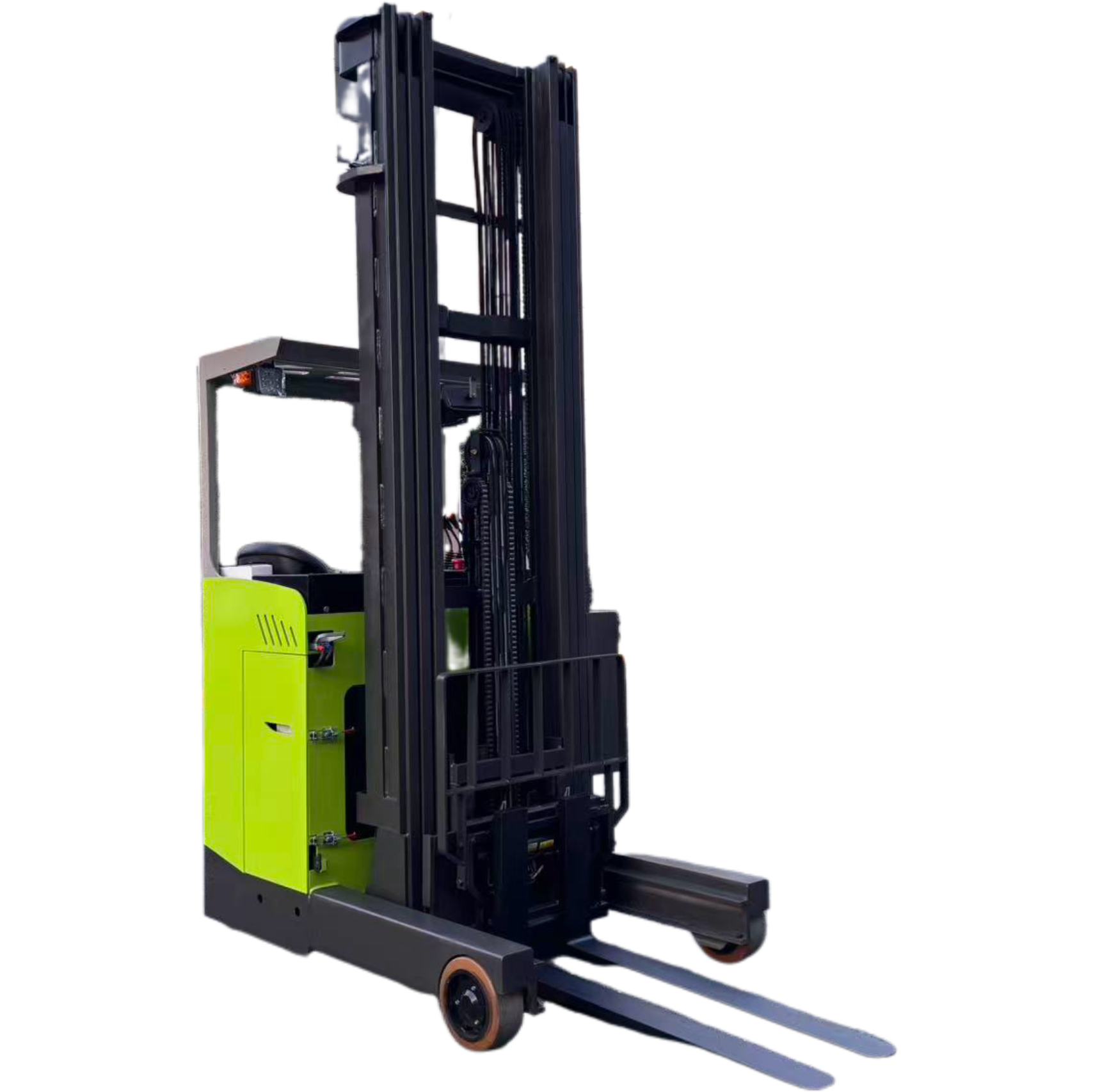
Forklifts are indispensable in warehouses, manufacturing plants, and logistics centers, but they also represent one of the most significant safety risks in industrial environments. Collisions, tip-overs, pedestrian accidents, and falling loads account for a large number of workplace injuries each year.
As safety regulations tighten and labor costs rise, companies are increasingly turning to advanced forklift safety systems and technologies to reduce accidents, protect workers, and improve operational reliability. This article explores the key safety challenges in forklift operations and the technologies designed to address them.
1. Why Forklift Safety Is a Critical Issue
Forklift accidents often result from:
Limited visibility
Operator fatigue or inexperience
Congested work environments
Excessive speed
Poor communication between pedestrians and vehicles
Beyond injuries, accidents lead to:
Equipment damage
Product loss
Downtime
Legal and compliance costs
Improving forklift safety is both a moral and financial priority.
2. Traditional Forklift Safety Measures
Before advanced technology, forklift safety relied heavily on:
Operator training
Safety rules and procedures
Warning signs and floor markings
Physical barriers
While still essential, these measures alone are often insufficient in fast-paced, high-density operations.
3. Visibility Enhancement Technologies
LED Warning Lights
Blue and red LED spotlights project warning zones on the floor, alerting pedestrians to approaching forklifts.
Benefits include:
Improved awareness in blind spots
Reduced collision risk at intersections
Low installation cost
360-Degree Cameras
Camera systems provide operators with a full view around the forklift.
These systems help:
Eliminate blind spots
Improve load handling accuracy
Enhance confidence in tight spaces
4. Collision Avoidance Systems
Collision avoidance technologies use sensors to detect obstacles and pedestrians.
Common Technologies
Ultrasonic sensors
Radar-based detection
RFID-based pedestrian tags
When hazards are detected, systems provide visual, audible, or automatic braking responses.
5. Speed Control and Zoning Systems
Forklift speed is a major factor in accident severity.
Smart Speed Control
Modern systems automatically:
Reduce speed in high-risk zones
Adjust speed based on load height
Limit acceleration in congested areas
Speed zoning improves safety without sacrificing productivity.
6. Operator Access Control and Authorization
Unauthorized or untrained operators increase accident risk.
Access Control Solutions
PIN codes
RFID cards
Biometric systems
These ensure only certified operators can use forklifts, improving compliance and accountability.
7. Impact Detection and Event Logging
Impact detection systems record:
Collision intensity
Time and location of incidents
Operator identity
This data helps management:
Identify unsafe behaviors
Improve training programs
Reduce repeat incidents
Data-driven safety management replaces guesswork with facts.
8. Load Stability and Overload Protection
Load Weight Sensors
Sensors prevent forklifts from lifting loads beyond rated capacity.
This reduces:
Tip-over risk
Mast and hydraulic damage
Load drop incidents
Load monitoring systems enhance both safety and equipment longevity.
9. Pedestrian Safety Technologies
Pedestrian–forklift interaction is one of the highest-risk scenarios.
Pedestrian Detection Systems
Wearable tags or fixed sensors alert both operators and pedestrians when forklifts approach.
Some systems even trigger automatic speed reduction or stopping.
10. Ergonomic and Operator-Focused Safety Design
Operator comfort directly affects safety.
Ergonomic Features
Adjustable seats and controls
Reduced vibration cabins
Improved steering systems
Comfortable operators maintain better focus and reaction times.
11. Forklift Telematics and Safety Analytics
Telematics systems collect real-time data on:
Speed
Braking behavior
Idle time
Impact events
Safety analytics allow managers to:
Identify high-risk patterns
Implement targeted improvements
Measure safety performance over time
12. Integrating Safety with Productivity
Contrary to common belief, safety systems do not reduce efficiency.
In practice, they:
Reduce downtime from accidents
Improve operator confidence
Enable consistent performance
Safe operations are often the most productive.
13. Regulatory Compliance and Safety Standards
Forklift safety technologies support compliance with:
OSHA regulations
ISO safety standards
Local workplace safety laws
Technology simplifies compliance documentation and audits.
14. Cost–Benefit Analysis of Safety Investments
While safety systems require investment, the return includes:
Fewer accidents
Lower insurance costs
Reduced equipment damage
Improved workforce morale
For many companies, safety technology pays for itself within a short period.
15. Future Trends in Forklift Safety Technology
The future of forklift safety includes:
AI-powered behavior analysis
Fully integrated smart warehouses
Automated forklifts eliminating human risk
Safety technology will continue to evolve alongside automation.
Conclusion
Forklift safety systems and technologies are transforming industrial workplaces. By addressing visibility, speed, collision risk, and operator behavior, modern safety solutions significantly reduce accidents while supporting productivity and compliance.
For companies seeking sustainable growth and operational excellence, investing in forklift safety technology is no longer optional—it is a strategic necessity.
Our manager will contact you shortly.
To contact you about our products and services.


Copyright © Xingtai Beiqiang Machinery Manufacturing Factory. 2025.
Technical support:Echola