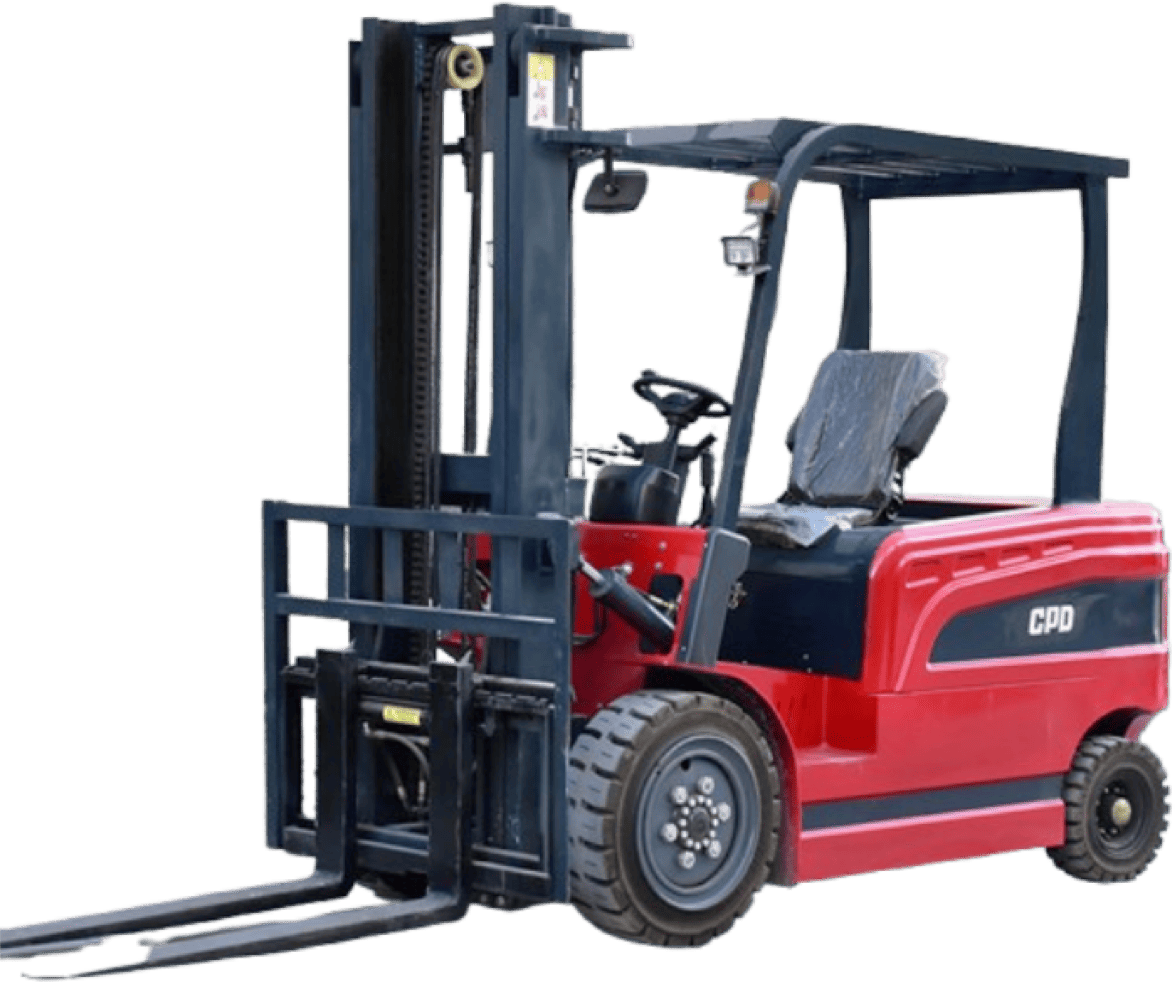
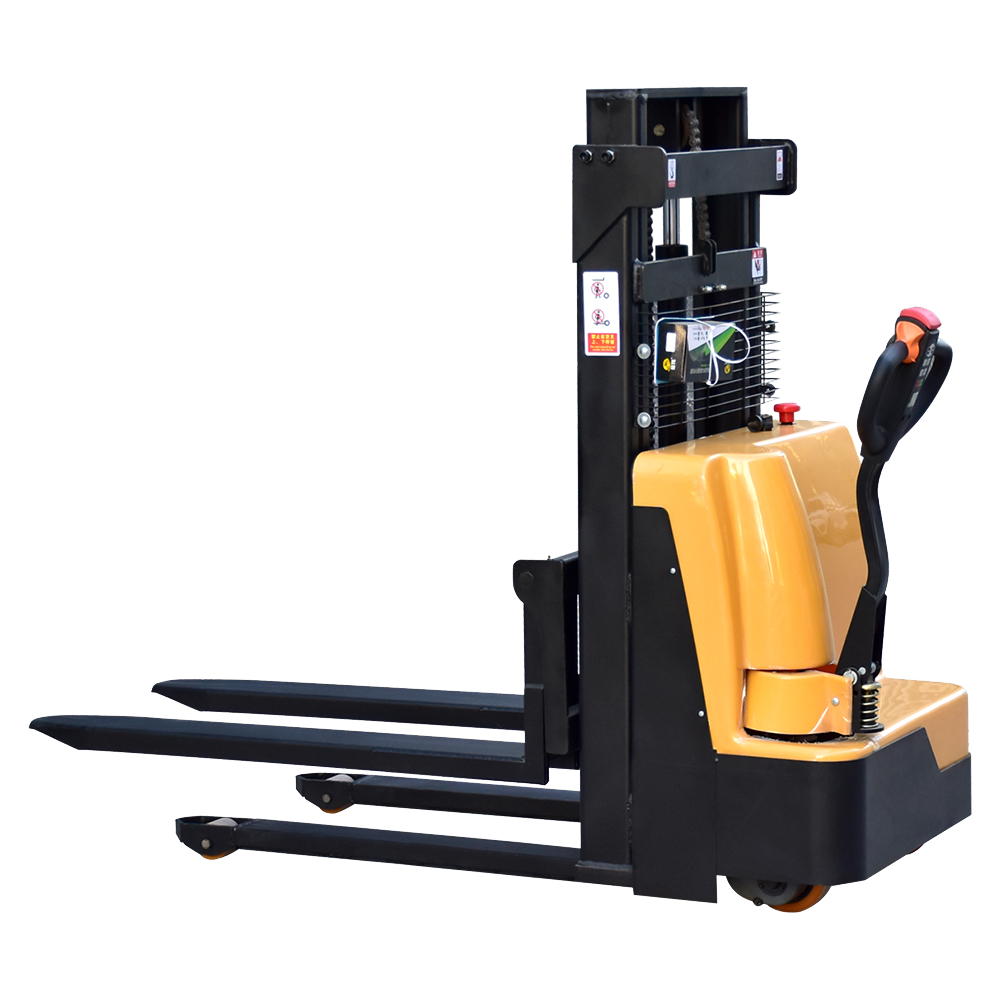
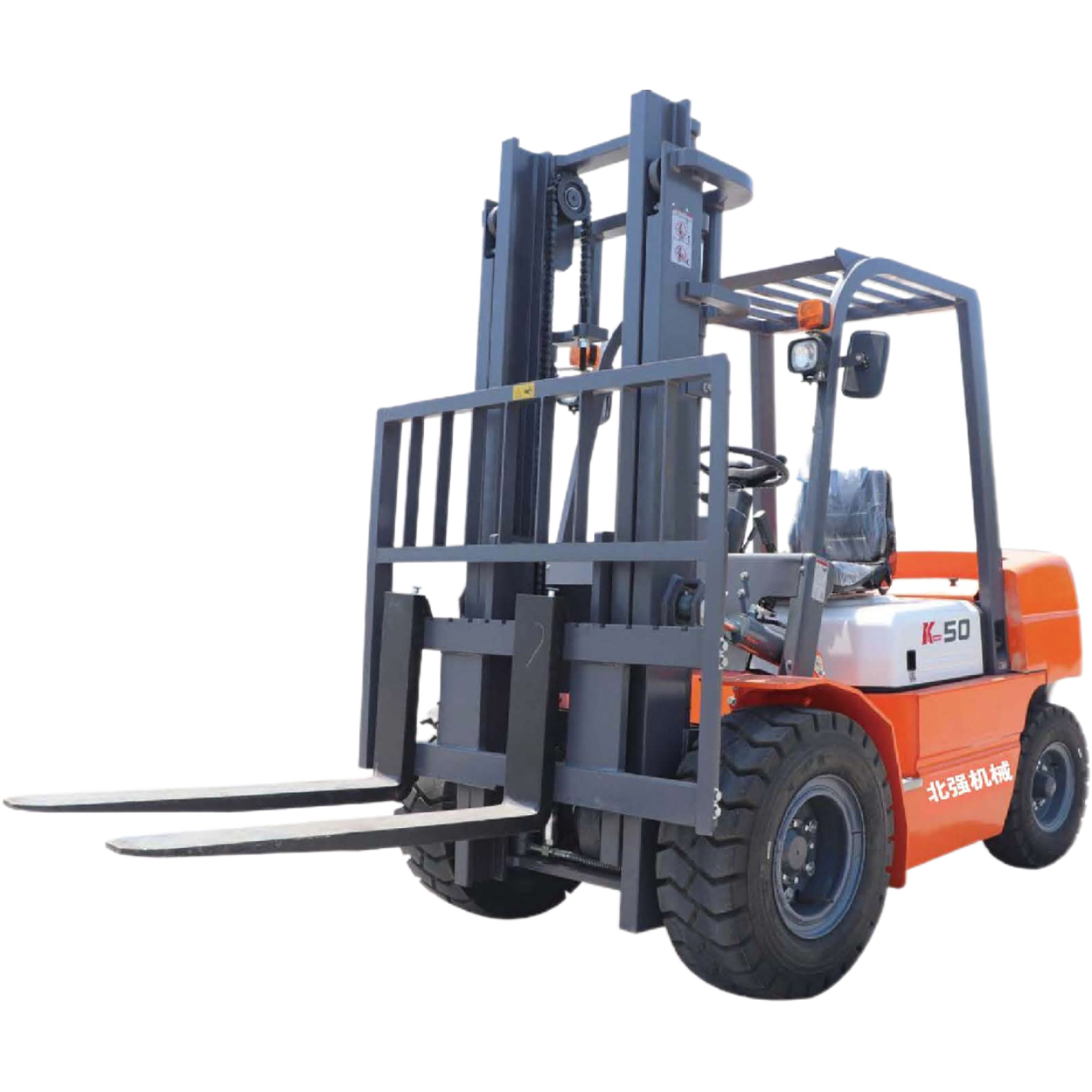
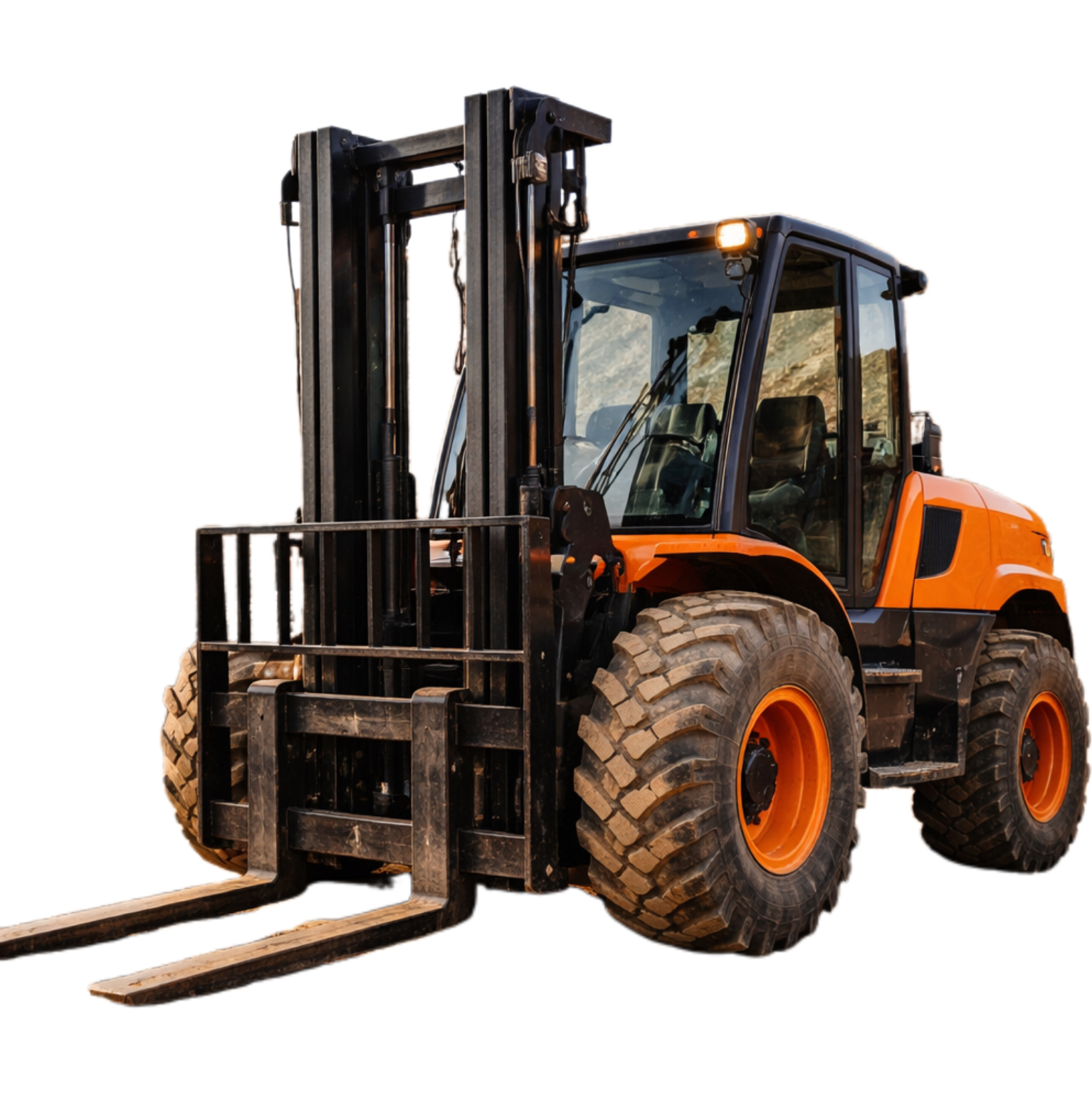


Forklift Attachments and Their Impact on Material Handling Efficiency
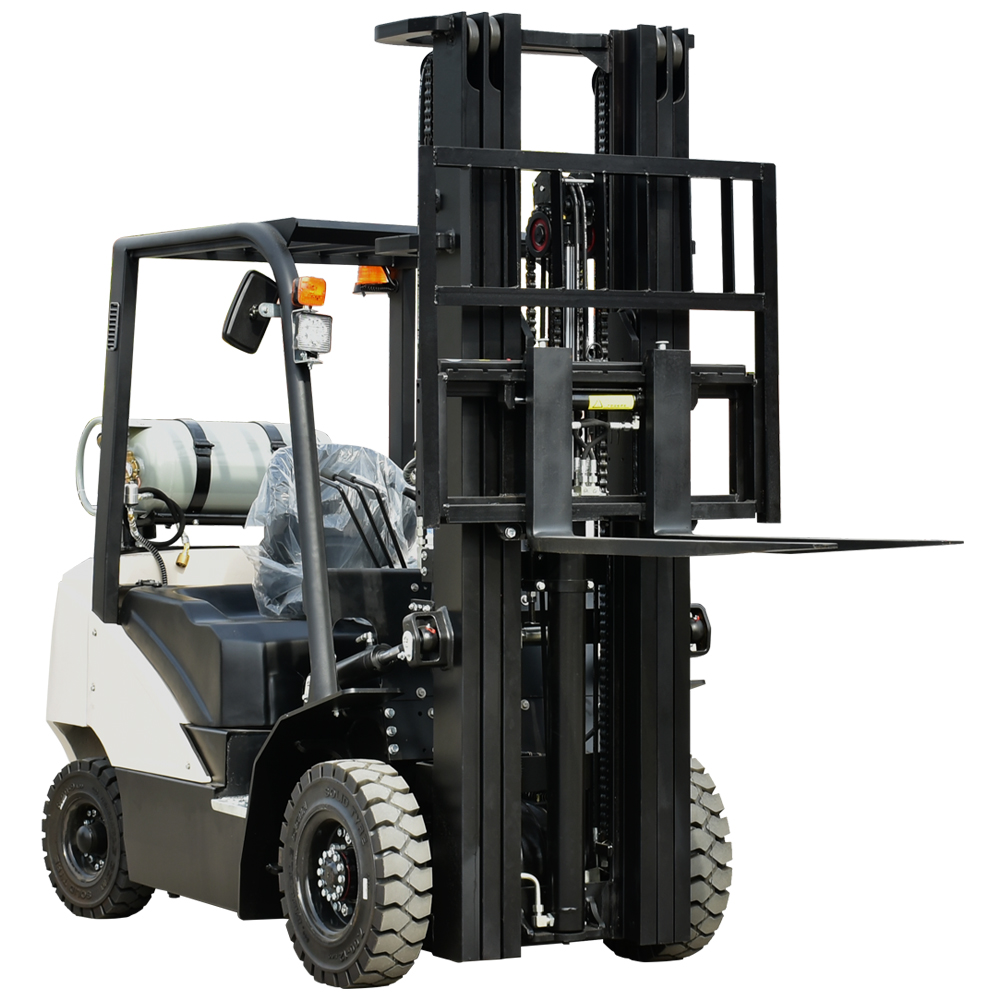
Forklifts are designed to handle palletized loads efficiently, but modern material handling demands far more versatility. Different load shapes, sizes, and handling requirements have driven the widespread adoption of forklift attachments, transforming standard forklifts into multifunctional material handling tools.
From warehouses and manufacturing plants to ports and recycling facilities, forklift attachments play a crucial role in improving productivity, safety, and operational flexibility. This article explores the most common forklift attachments, their applications, and their impact on overall material handling efficiency.
1. What Are Forklift Attachments?
Forklift attachments are auxiliary tools mounted on the mast or carriage of a forklift to extend its functionality beyond standard forks.
Attachments allow forklifts to:
Handle non-palletized loads
Secure unstable or fragile materials
Rotate, clamp, push, or dump loads
Reduce manual handling and labor requirements
By adapting forklifts to specific tasks, attachments significantly enhance operational efficiency.
2. Why Forklift Attachments Matter in Modern Operations
Material handling operations increasingly face:
Diverse load types
Shorter delivery times
Higher safety standards
Labor shortages
Forklift attachments help address these challenges by improving handling precision and reducing cycle times.
3. Common Types of Forklift Attachments
Fork Positioners
Fork positioners allow operators to adjust fork spacing hydraulically from the cab.
Benefits include:
Faster load alignment
Reduced operator effort
Improved handling accuracy
Fork positioners are widely used in warehouses and distribution centers handling varying pallet sizes.
Side Shifters
Side shifters enable lateral movement of the load without repositioning the forklift.
This attachment:
Speeds up pallet placement
Reduces aisle maneuvering
Improves productivity in tight spaces
Side shifters are often considered essential for modern warehouse operations.
Clamps
Clamps are used for handling non-palletized or fragile loads.
Common clamp types include:
Carton clamps
Bale clamps
Paper roll clamps
Drum clamps
Clamps eliminate the need for pallets, reducing material costs and improving space utilization.
Rotators
Rotators allow loads to be rotated, typically up to 360 degrees.
They are commonly used in:
Recycling facilities
Food processing plants
Manufacturing scrap handling
Rotators improve efficiency in dumping, mixing, and positioning loads.
Push–Pull Attachments
Push–pull attachments enable handling of slip-sheeted loads without pallets.
This reduces:
Pallet purchase costs
Storage space for empty pallets
Overall load weight
Push–pull systems are popular in beverage, paper, and consumer goods industries.
4. Industry-Specific Applications of Forklift Attachments
Warehousing and Distribution
Attachments such as side shifters and fork positioners increase throughput and reduce picking errors.
Manufacturing
Clamps and rotators support handling of components, scrap, and irregular loads.
Ports and Logistics Hubs
Heavy-duty attachments assist with container handling and bulk cargo operations.
Recycling and Waste Management
Rotators and grabs improve efficiency in sorting and material recovery.
5. Efficiency Gains from Forklift Attachments
Reduced Handling Time
Attachments shorten handling cycles by:
Eliminating manual adjustments
Reducing forklift repositioning
Streamlining load placement
Lower Labor Costs
Attachments reduce reliance on manual labor, allowing operators to handle complex loads independently.
Improved Load Stability
Specialized attachments secure loads more effectively, reducing product damage and rework.
6. Safety Improvements Through Attachments
Proper attachments improve safety by:
Reducing manual handling injuries
Minimizing load shifts and drops
Improving operator control
However, incorrect attachment selection or improper use can increase risk, highlighting the importance of training.
7. Impact on Forklift Capacity and Stability
Attachments add weight and shift the load center forward.
Important considerations include:
Reduced rated lifting capacity
Changes in forklift stability
Need for capacity recalculations
Operators must always consider the forklift’s updated load chart when using attachments.
8. Selecting the Right Forklift Attachment
Key Selection Factors
Load type and weight
Handling frequency
Operating environment
Forklift compatibility
Choosing the wrong attachment can negate efficiency gains and create safety hazards.
9. Integration with Forklift Controls and Hydraulics
Modern attachments rely on:
Additional hydraulic functions
Electrical or electro-hydraulic controls
Ergonomic control layouts
Proper integration ensures smooth operation and operator comfort.
10. Maintenance and Inspection of Attachments
Attachments require regular maintenance to ensure reliability.
Best Practices
Daily visual inspections
Regular lubrication
Hydraulic hose checks
Scheduled servicing
Neglected attachments can cause downtime and safety incidents.
11. Training and Operator Competence
Operators must be trained to:
Understand attachment limitations
Adjust driving behavior
Handle loads safely
Proper training maximizes efficiency and minimizes accidents.
12. Cost–Benefit Analysis of Forklift Attachments
While attachments add upfront cost, they often deliver:
Higher throughput
Reduced labor expenses
Lower product damage rates
A well-chosen attachment can provide rapid ROI in high-volume operations.
13. Attachments and Automation Compatibility
As automation increases, attachments must be compatible with:
Automated forklifts
AGVs
Smart warehouse systems
Standardized and sensor-enabled attachments support future automation strategies.
14. Environmental and Sustainability Considerations
Attachments can improve sustainability by:
Reducing pallet usage
Minimizing product waste
Improving space efficiency
These benefits align with modern ESG and sustainability goals.
Conclusion
Forklift attachments significantly expand the capabilities of standard forklifts, enabling safer, faster, and more flexible material handling across industries. When properly selected, maintained, and operated, attachments can transform forklift fleets into highly efficient material handling systems.
For companies seeking to improve productivity without investing in entirely new equipment, forklift attachments offer a powerful and cost-effective solution.
Our manager will contact you shortly.
To contact you about our products and services.


Copyright © Xingtai Beiqiang Machinery Manufacturing Factory. 2025.
Technical support:Echola