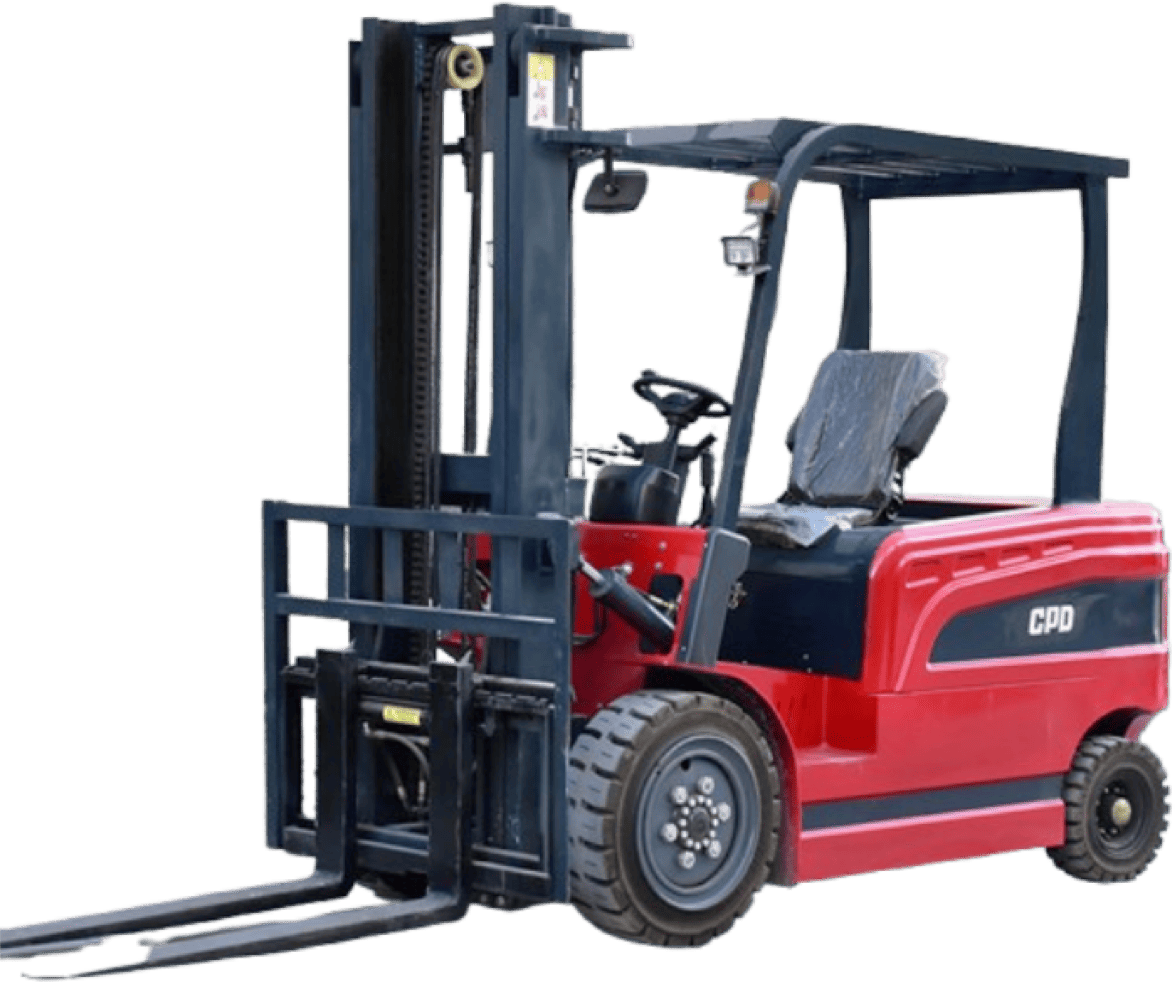
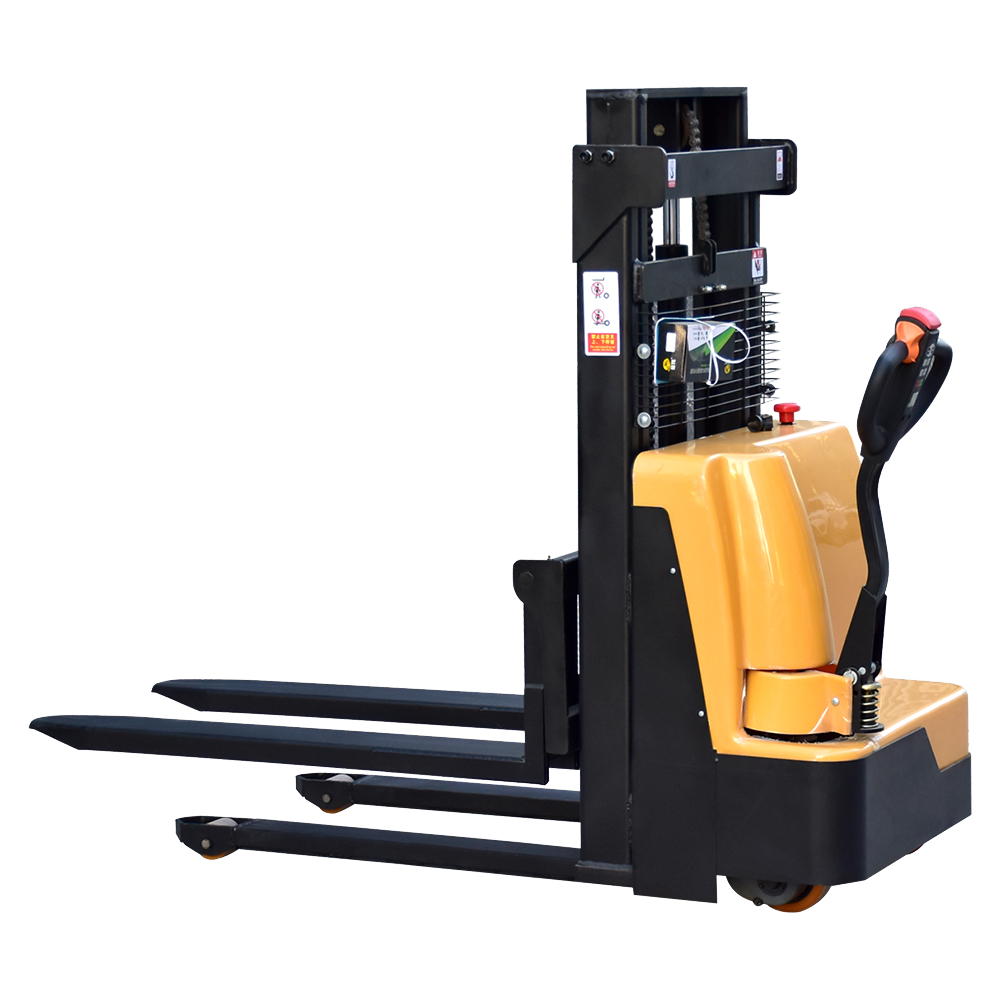
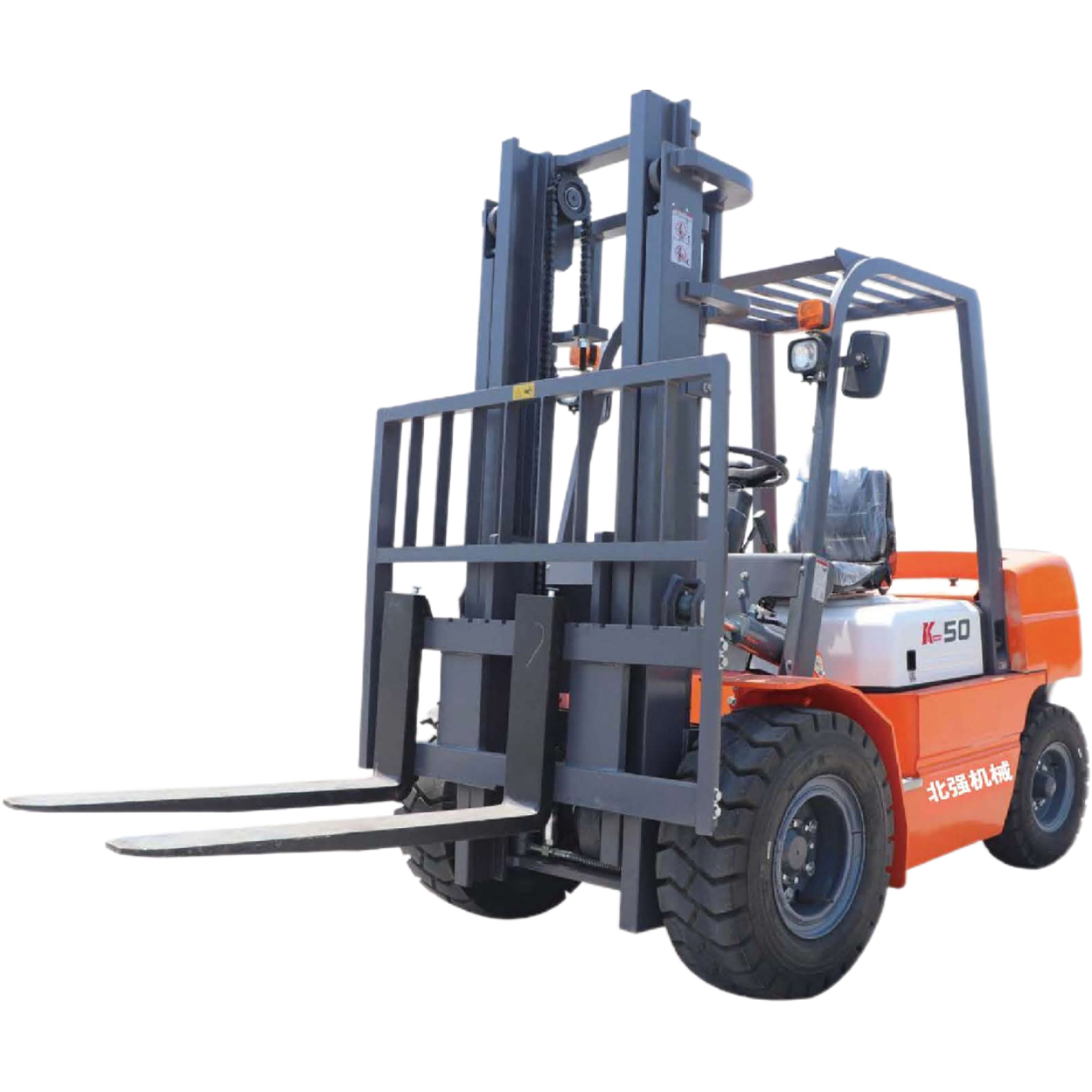
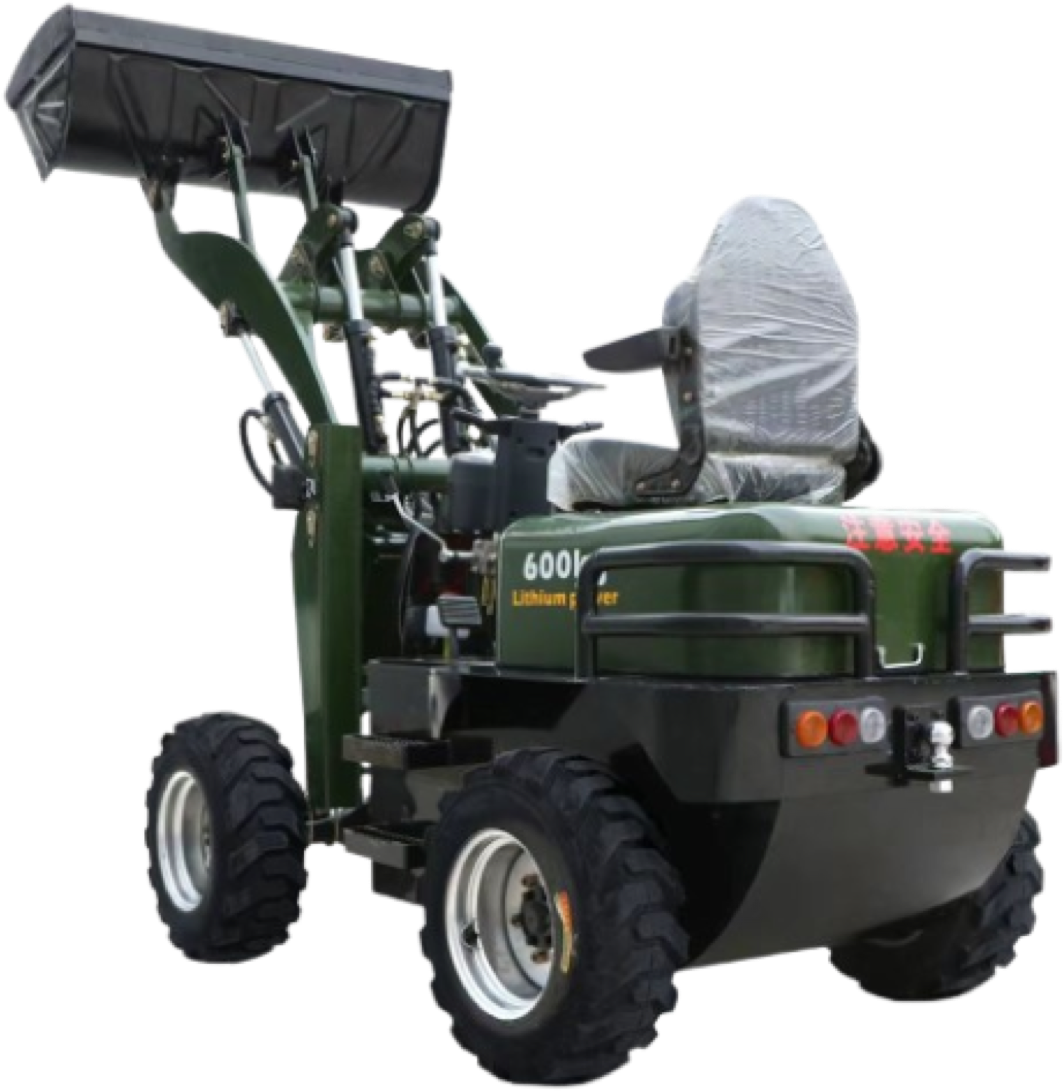
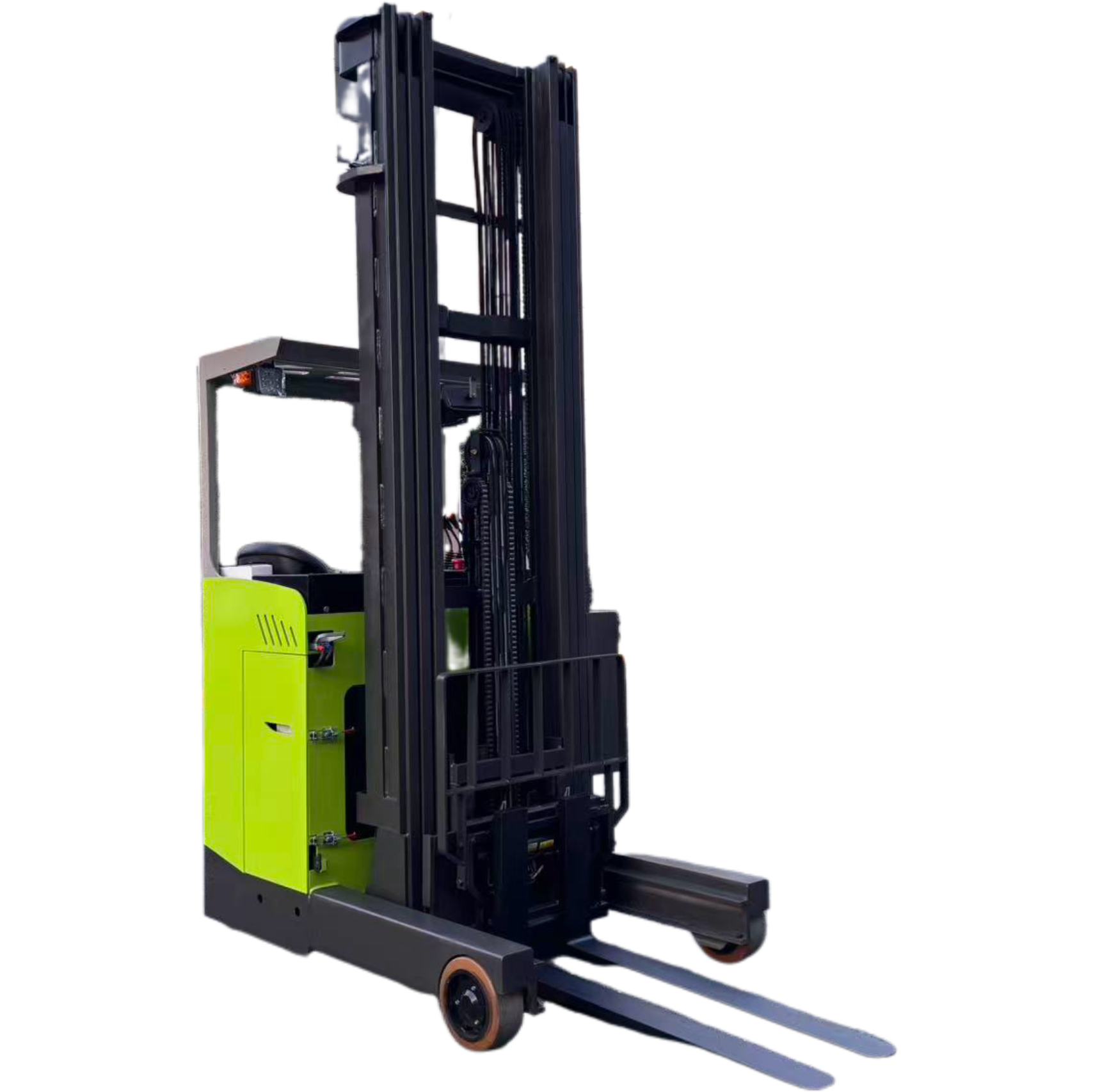
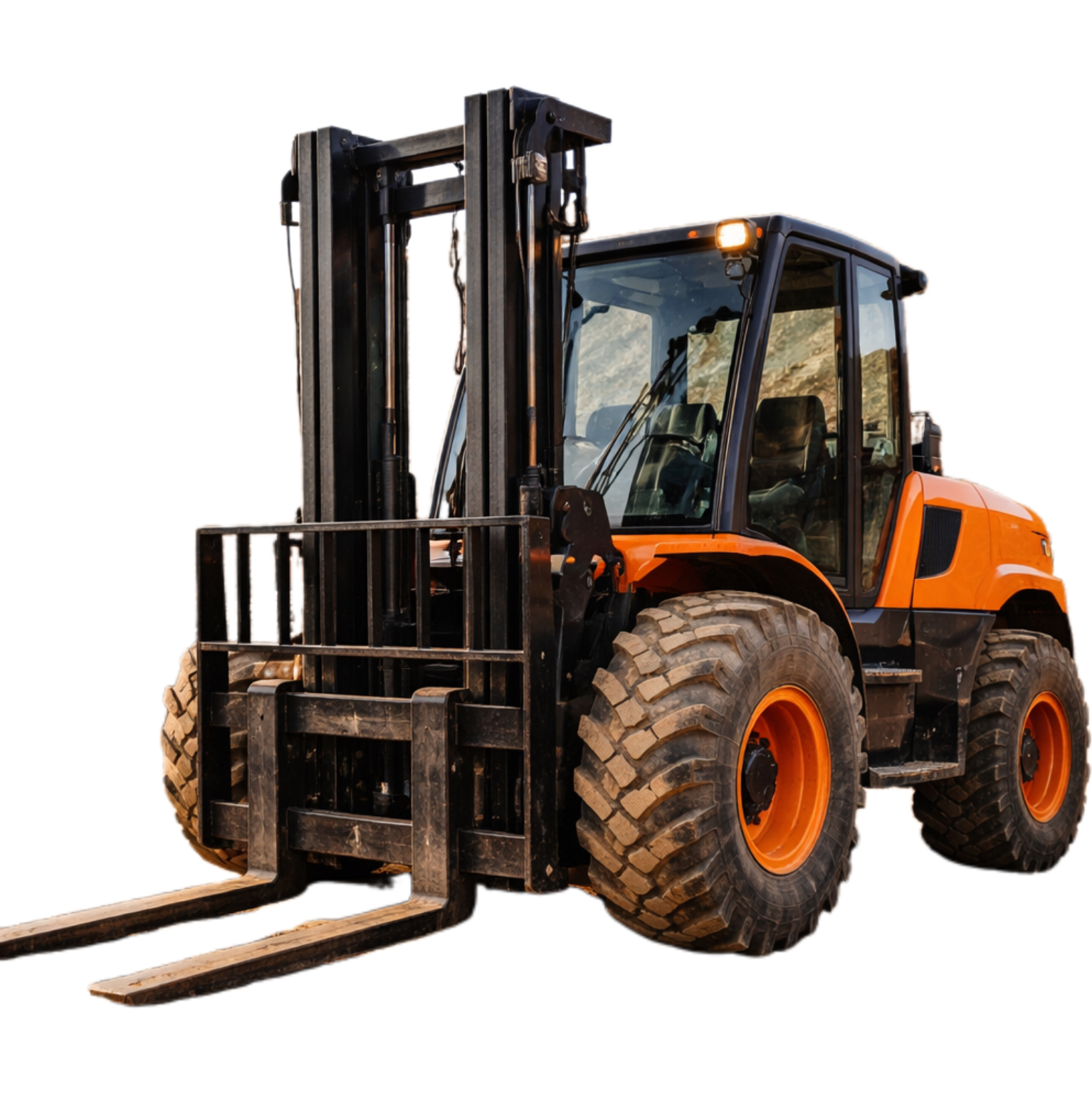


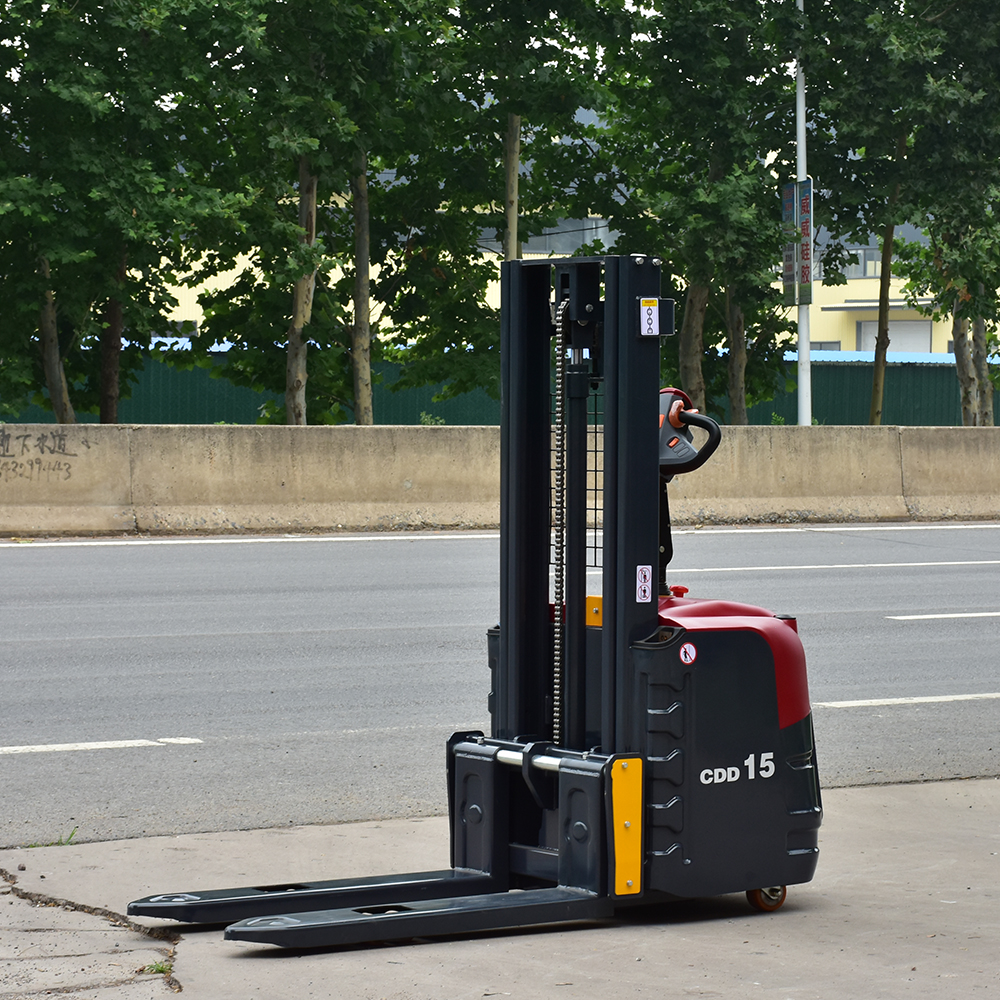
Warehouse operations are at the heart of modern supply chains, and the need for efficient, reliable, and cost-effective material handling equipment has never been greater. As businesses face rising demands and tighter delivery schedules, traditional methods are being replaced by smarter, more efficient solutions. One such solution that has gained widespread popularity is the electric stacker. These versatile, electric-powered machines are transforming how warehouses handle, store, and transport materials, making them a key player in modern logistics.
In this article, we’ll explore how electric stackers are maximizing warehouse efficiency, enhancing productivity, and enabling smoother logistics operations.
What Are Electric Stackers?
Electric stackers are automated material handling devices that use an electric motor to lift, lower, and transport goods in warehouses and distribution centers. These machines are designed to move pallets, crates, and other heavy materials, making them ideal for use in environments where speed, precision, and safety are essential. Unlike manual stackers, which require human effort to operate, electric stackers offer greater power, efficiency, and control, making them the preferred choice for larger and busier facilities.
How Electric Stackers Improve Warehouse Efficiency
Faster and More Accurate Operations
One of the primary benefits of electric stackers is their ability to speed up warehouse operations. With their electric-powered lifting systems, these machines can lift and move materials at much faster speeds than manual stackers. This increased speed helps reduce the time it takes to move goods from one location to another, enabling more work to be done in a shorter period.
Furthermore, the precision with which electric stackers operate ensures that pallets are stacked accurately, minimizing the risk of damage to goods and improving overall inventory accuracy. The efficiency and accuracy of electric stackers translate directly into higher productivity, allowing warehouses to fulfill more orders in less time.
Reduced Labor Costs
Labor costs make up a significant portion of any warehouse's operating expenses. By replacing manual labor with electric stackers, businesses can reduce the number of workers needed to handle material movement. Operators can accomplish tasks faster and more safely, which reduces the need for multiple employees to perform the same task.
Additionally, electric stackers help prevent workplace injuries that might occur due to heavy lifting or repetitive motion. With reduced labor and injury-related costs, electric stackers offer a cost-effective solution for businesses looking to streamline their workforce and reduce operating expenses.
Enhanced Safety in the Workplace
Warehouse safety is a critical concern, especially when handling heavy materials. Electric stackers come with advanced safety features such as automatic braking, load sensors, and ergonomic designs that make them safer to use than traditional forklifts and manual stackers.
These features help protect workers by reducing the risk of accidents, such as collisions or improper stacking. Moreover, the design of electric stackers minimizes physical strain on operators, helping reduce injuries related to repetitive tasks or heavy lifting.
Space Efficiency and Better Storage Management
Many modern warehouses operate in spaces that are smaller and more densely packed than ever before. Electric stackers excel in such environments by providing greater maneuverability and the ability to operate in narrow aisles. Their compact design allows them to navigate tight spaces that traditional forklifts cannot access, making them ideal for high-density storage systems.
Electric stackers are also highly effective in optimizing vertical storage. With their ability to lift materials to great heights, they help maximize warehouse storage capacity by utilizing the full height of the facility. This improved storage management increases overall warehouse capacity without the need for costly expansions.
Sustainability and Energy Efficiency
Sustainability has become a key focus in warehouse operations, and electric stackers contribute to green initiatives by reducing energy consumption and lowering carbon footprints. Unlike traditional fuel-powered machinery, electric stackers run on rechargeable batteries, producing zero emissions during operation.
The advancements in battery technology have also improved the efficiency of electric stackers. Many models feature fast-charging batteries with long-lasting capabilities, ensuring minimal downtime. As businesses continue to adopt eco-friendly practices, electric stackers offer a sustainable solution for material handling in warehouses.
Seamless Integration with Warehouse Automation
The future of warehousing is increasingly automated, and electric stackers are at the forefront of this transformation. Many electric stackers are designed to integrate seamlessly with other automated systems, such as conveyor belts, automated storage and retrieval systems (ASRS), and robotic picking systems. This integration allows warehouses to operate more efficiently with minimal human intervention.
In addition to boosting overall productivity, automation also helps improve accuracy and reduce errors, as automated systems are less prone to mistakes compared to manual operations. By incorporating electric stackers into an automated warehouse system, businesses can further streamline their operations and achieve even higher levels of efficiency.
Choosing the Right Electric Stacker for Your Warehouse
When selecting an electric stacker for your warehouse, it’s important to consider several factors:
Load Capacity: Ensure the stacker can handle the weight of the materials you plan to lift and move.
Lift Height: Choose a stacker that meets the vertical requirements of your warehouse.
Maneuverability: Consider the space in your warehouse and whether the stacker can navigate narrow aisles or tight corners.
Battery Life: Long-lasting batteries are crucial for uninterrupted operations.
Safety Features: Look for stackers with advanced safety features like automatic braking and load monitoring systems.
Conclusion
Electric stackers are revolutionizing warehouse operations by providing faster, safer, and more efficient material handling solutions. Whether you're looking to reduce labor costs, improve warehouse safety, or increase storage capacity, these machines offer a wide range of benefits that help optimize logistics and boost overall warehouse productivity.
As businesses continue to embrace automation and sustainability, electric stackers will remain an essential component of modern logistics. By investing in electric stackers today, you can position your warehouse for long-term success and stay ahead of the competition in an increasingly demanding industry.
Our manager will contact you shortly.
To contact you about our products and services.


Copyright © Xingtai Beiqiang Machinery Manufacturing Factory. 2025.
Technical support:Echola