

Warehouse operations are increasingly becoming more complex, with businesses striving to meet growing demands for faster deliveries, higher productivity, and improved safety. To achieve these goals, many businesses are turning to advanced technology, and one key player in this transformation is the electric stacker. These high-tech, electric-powered material handling machines are not just improving operational efficiency—they are also laying the foundation for the warehouses of the future.
In this article, we’ll explore how electric stackers are changing the game, making material handling smarter, safer, and more efficient.
What Are Electric Stackers?
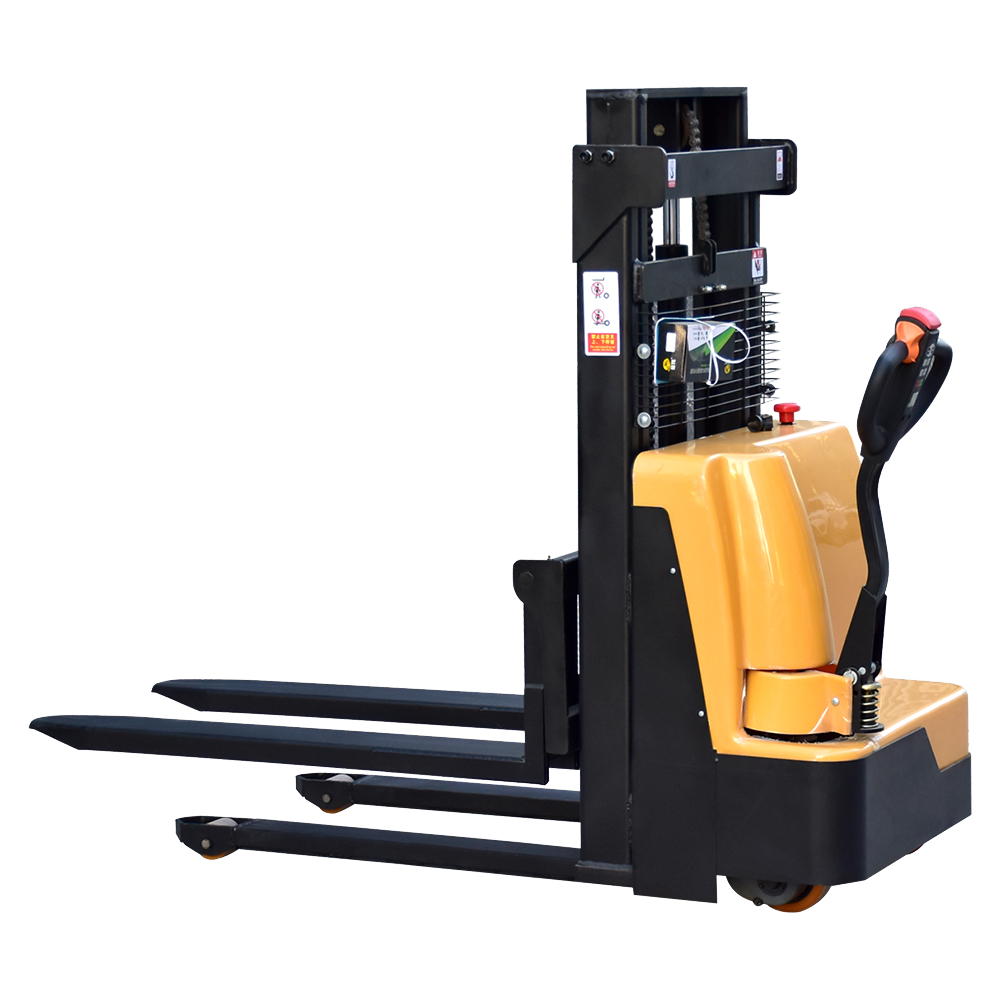
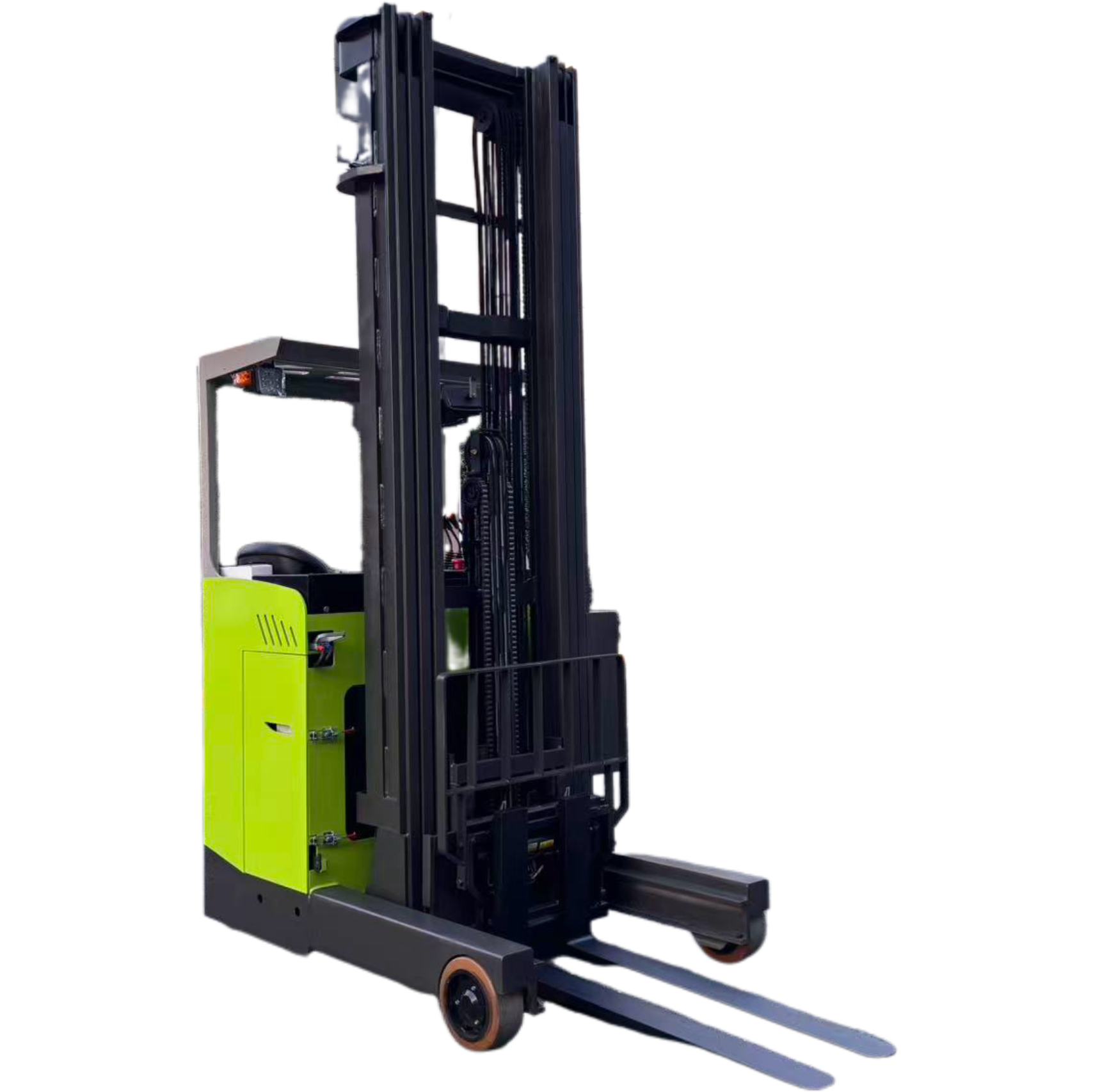
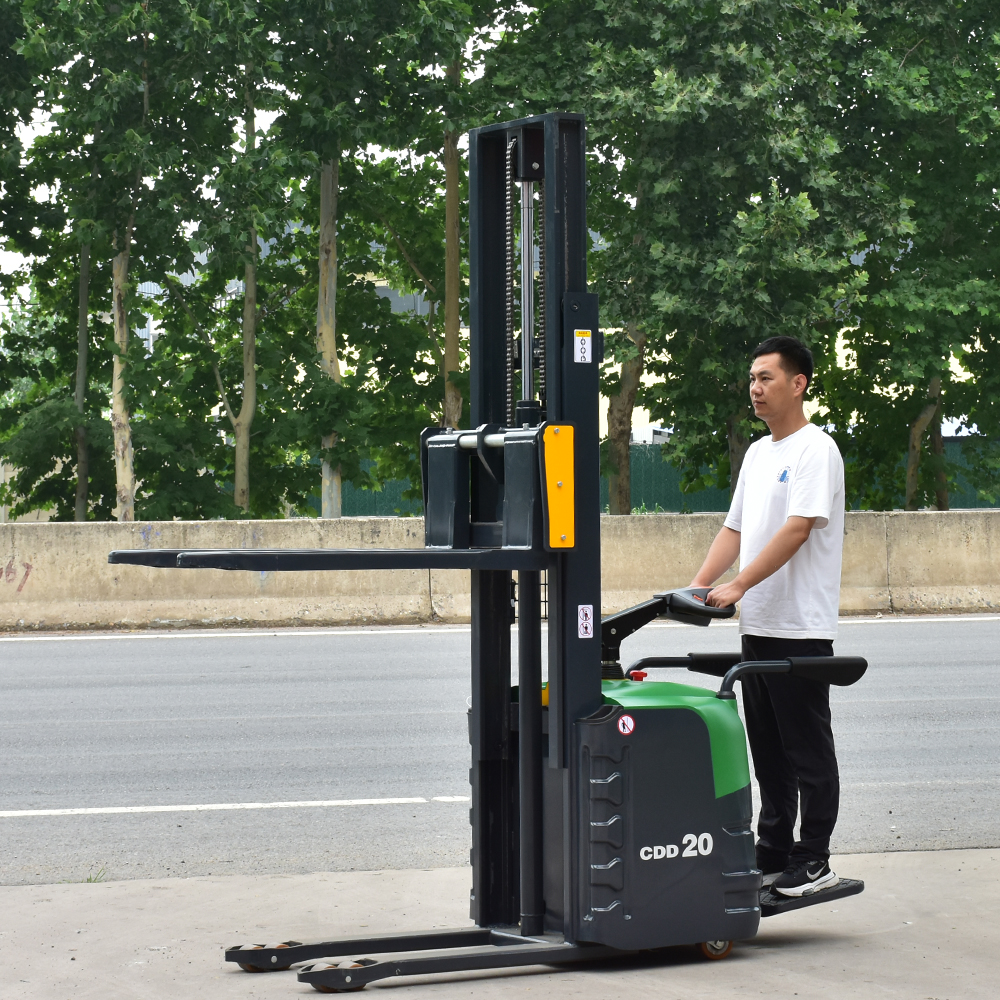
Electric stackers are powered machines designed to lift, stack, and transport pallets and other materials in warehouses and industrial environments. Unlike manual stackers that rely on human effort, electric stackers are operated using electric motors, providing higher lifting capacities, faster speeds, and better precision. They can be used in a variety of settings, from small retail warehouses to large-scale distribution centers.
Key Features of Electric Stackers
Advanced Controls and Technology
Modern electric stackers are equipped with smart controls that provide users with intuitive, easy-to-learn interfaces. Many models come with touch-screen displays that provide real-time information about battery life, load weight, and lifting height, helping operators monitor operations more effectively.
Some electric stackers are integrated with fleet management systems, allowing warehouse managers to track equipment status, usage, and even optimize maintenance schedules. This data-driven approach improves operational decision-making and helps ensure that the fleet is always running efficiently.
Space Optimization
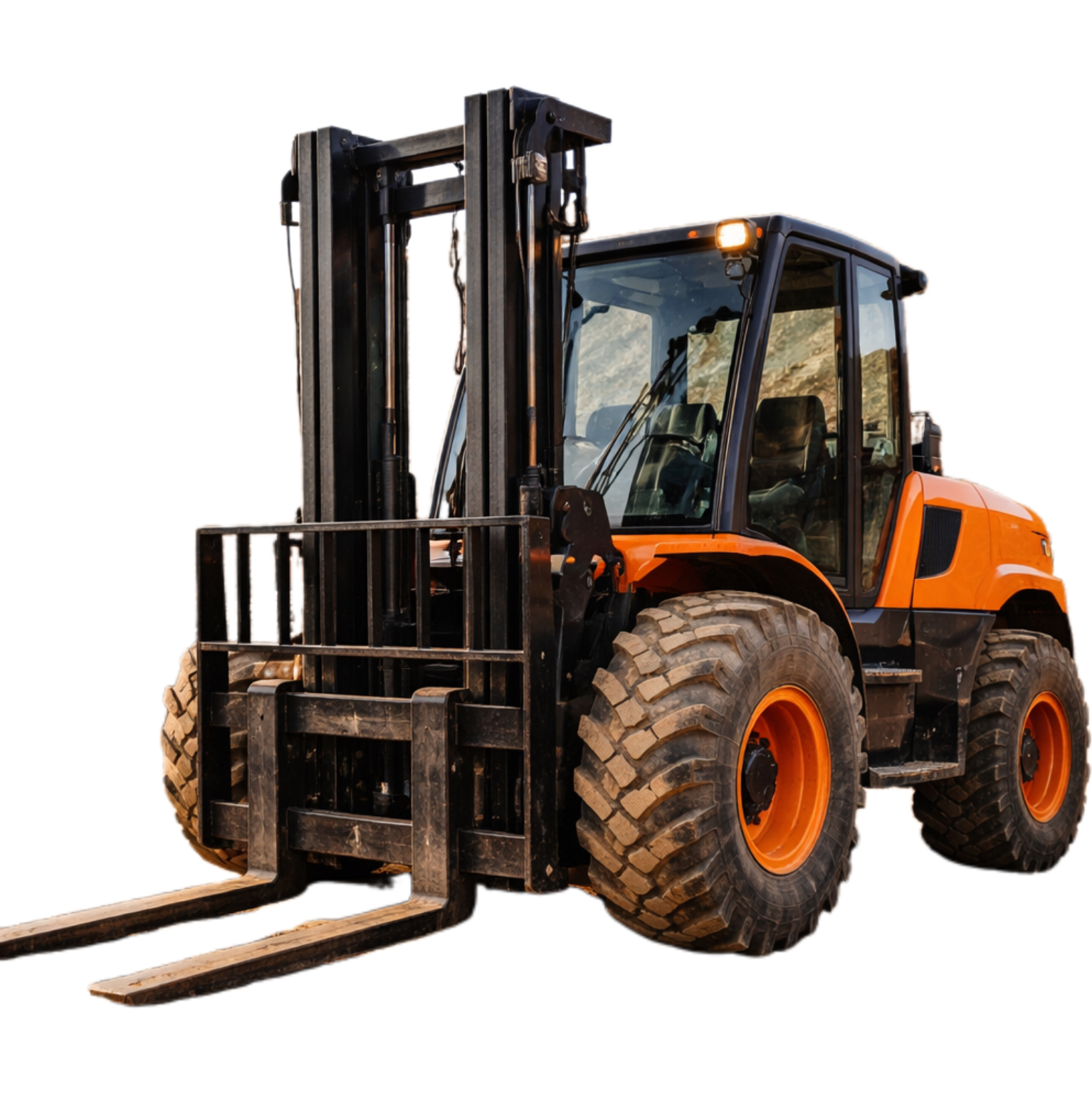
In crowded warehouses with limited floor space, maneuverability is crucial. Electric stackers excel in tight aisles and confined spaces. They are typically more compact than forklifts, making them ideal for narrow environments. Their precise controls allow operators to lift and stack materials quickly and accurately, maximizing storage space without the need for oversized equipment.
Electric stackers are particularly effective in high-density storage environments like cold storage warehouses, where space is at a premium, and traditional forklifts may not be able to operate efficiently.
Autonomous Capabilities
One of the most exciting advancements in electric stacker technology is the integration of autonomous functions. Autonomous electric stackers use sensors, cameras, and AI technology to move through the warehouse without human intervention. These automated systems can lift, stack, and transport goods, freeing up workers for other tasks and increasing operational efficiency.
By using autonomous stackers, businesses can significantly reduce labor costs while improving accuracy and reducing human error. These smart systems also allow warehouses to operate 24/7, leading to higher throughput and productivity.
Energy Efficiency and Sustainability
Electric stackers run on rechargeable batteries, making them more environmentally friendly than traditional fuel-powered forklifts. They produce zero emissions during operation, reducing the carbon footprint of your warehouse.
Additionally, with advancements in battery technology, modern electric stackers feature long-lasting batteries that can support extended shifts without frequent recharging. Fast-charging systems also reduce downtime, ensuring continuous operation during peak periods.
The energy-efficient nature of electric stackers makes them a key component of a sustainable, eco-friendly warehouse operation. As businesses increasingly prioritize green practices, electric stackers provide an ideal solution for reducing both energy consumption and environmental impact.
Improved Safety Features
Safety is always a top priority in warehouse operations, and electric stackers are designed with various features to minimize risk. Many models come equipped with automatic braking systems, load weight sensors, and anti-collision technology, ensuring that operators have full control of the equipment at all times.
The ergonomic design of electric stackers also reduces physical strain on workers, making them more comfortable and safer to operate over extended periods. Operators can avoid repetitive strain injuries that might occur when using manual stackers.
The Benefits of Electric Stackers in Modern Warehousing
Increased Productivity
With their faster lifting speeds, higher load capacities, and precise controls, electric stackers help warehouses achieve more in less time. This increased productivity means faster order fulfillment, reduced lead times, and better customer service. In environments where speed is crucial, such as e-commerce fulfillment centers, electric stackers are invaluable.
Reduced Labor Costs
Electric stackers reduce the physical strain on employees, allowing them to work more efficiently and safely. As mentioned earlier, autonomous versions of electric stackers take labor savings even further by eliminating the need for operators to manually control the equipment. This leads to a significant reduction in overall labor costs while maintaining high operational standards.
Enhanced Inventory Management
Electric stackers improve inventory accuracy by enabling precise stacking and storage of goods. Automated systems can further streamline inventory management by using real-time tracking data to monitor stock levels, reducing the chances of errors or stockouts. This improves the overall flow of goods in the warehouse and ensures that products are always available when needed.
Better Adaptability to Changing Needs
With the rapid growth of e-commerce and ever-changing market demands, warehouses must remain flexible. Electric stackers can adapt to different tasks—whether it's lifting small individual packages or handling large pallets—making them versatile assets that can be used in various industries.
How Electric Stackers Fit into Warehouse Automation
Electric stackers are an integral part of the growing trend of warehouse automation. As more warehouses adopt automated processes, electric stackers are evolving to fit seamlessly into the digital supply chain. From smart controls to fully autonomous operations, these machines are helping businesses transition into the future of logistics.
By integrating electric stackers with other automated systems—such as automated storage and retrieval systems (ASRS), conveyor belts, and robotic pickers—companies can create fully automated warehouses that operate with minimal human intervention. This level of automation reduces errors, improves speed, and enhances overall efficiency.
Conclusion
Electric stackers are changing the way warehouses operate. Their combination of smart technology, energy efficiency, safety features, and versatility makes them the ideal solution for businesses aiming to optimize material handling. As warehouses become smarter and more automated, electric stackers will play a pivotal role in shaping the future of logistics and distribution.
Investing in electric stackers today means preparing your warehouse for the future. With the ability to increase productivity, reduce labor costs, and enhance safety, these machines offer a clear competitive advantage for businesses in the ever-evolving world of supply chain management.
Our manager will contact you shortly.
To contact you about our products and services.


Copyright © Xingtai Beiqiang Machinery Manufacturing Factory. 2025.
Technical support:Echola