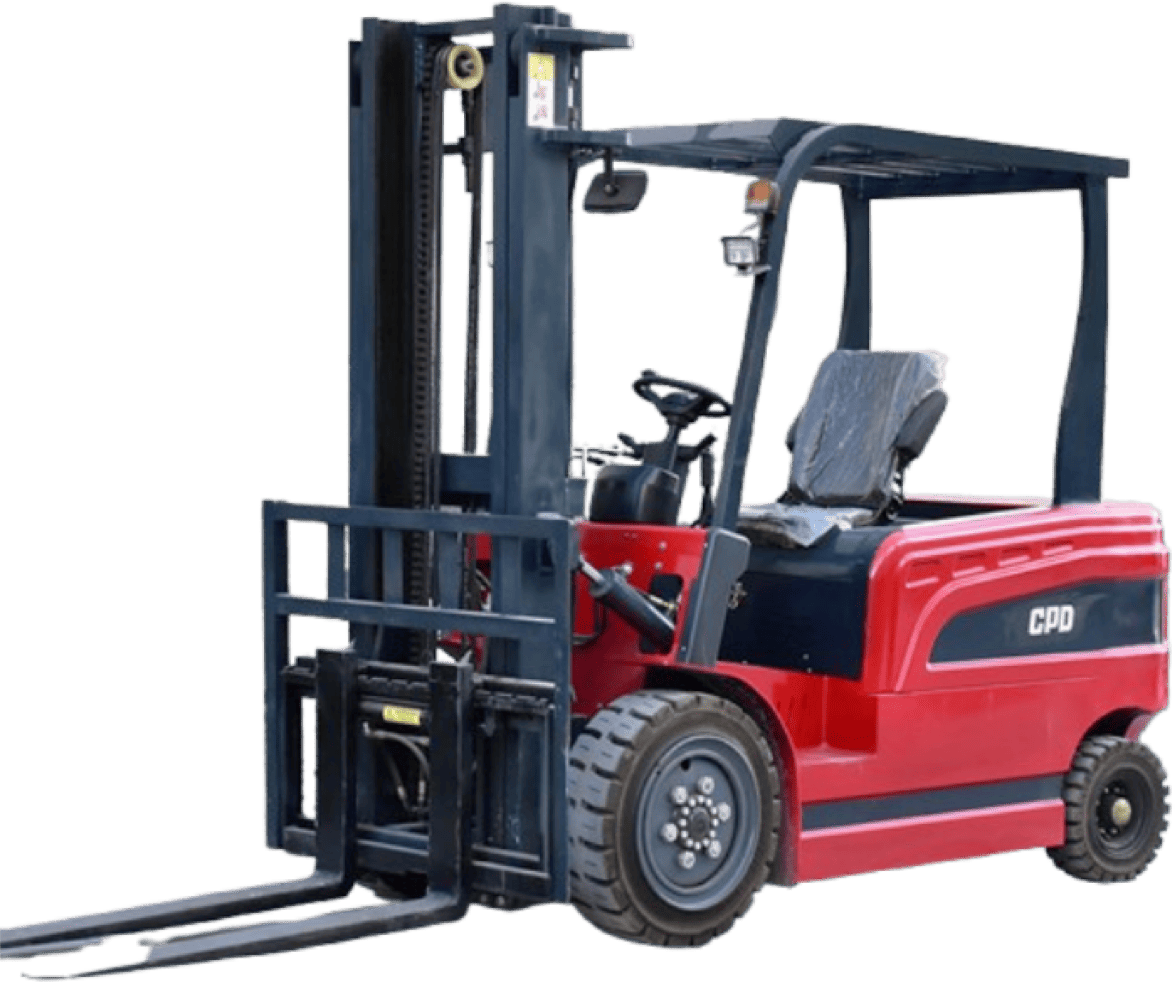
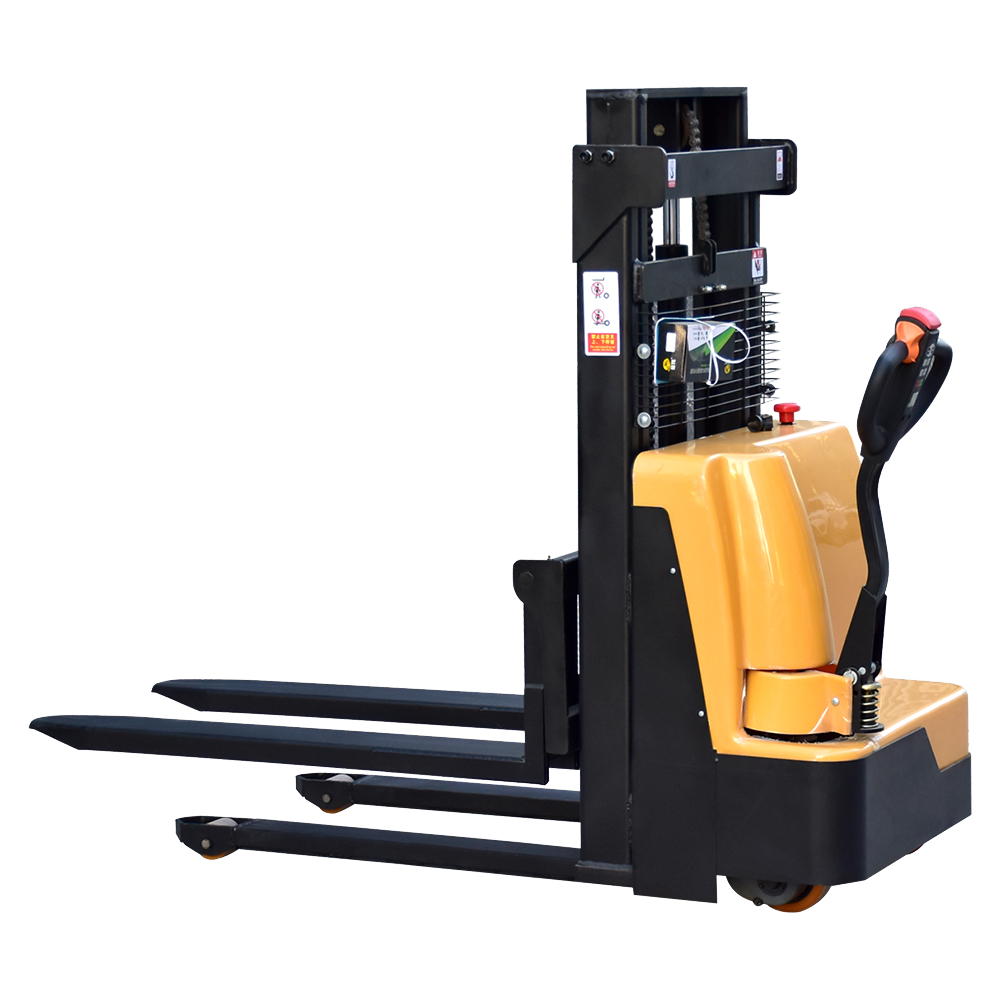
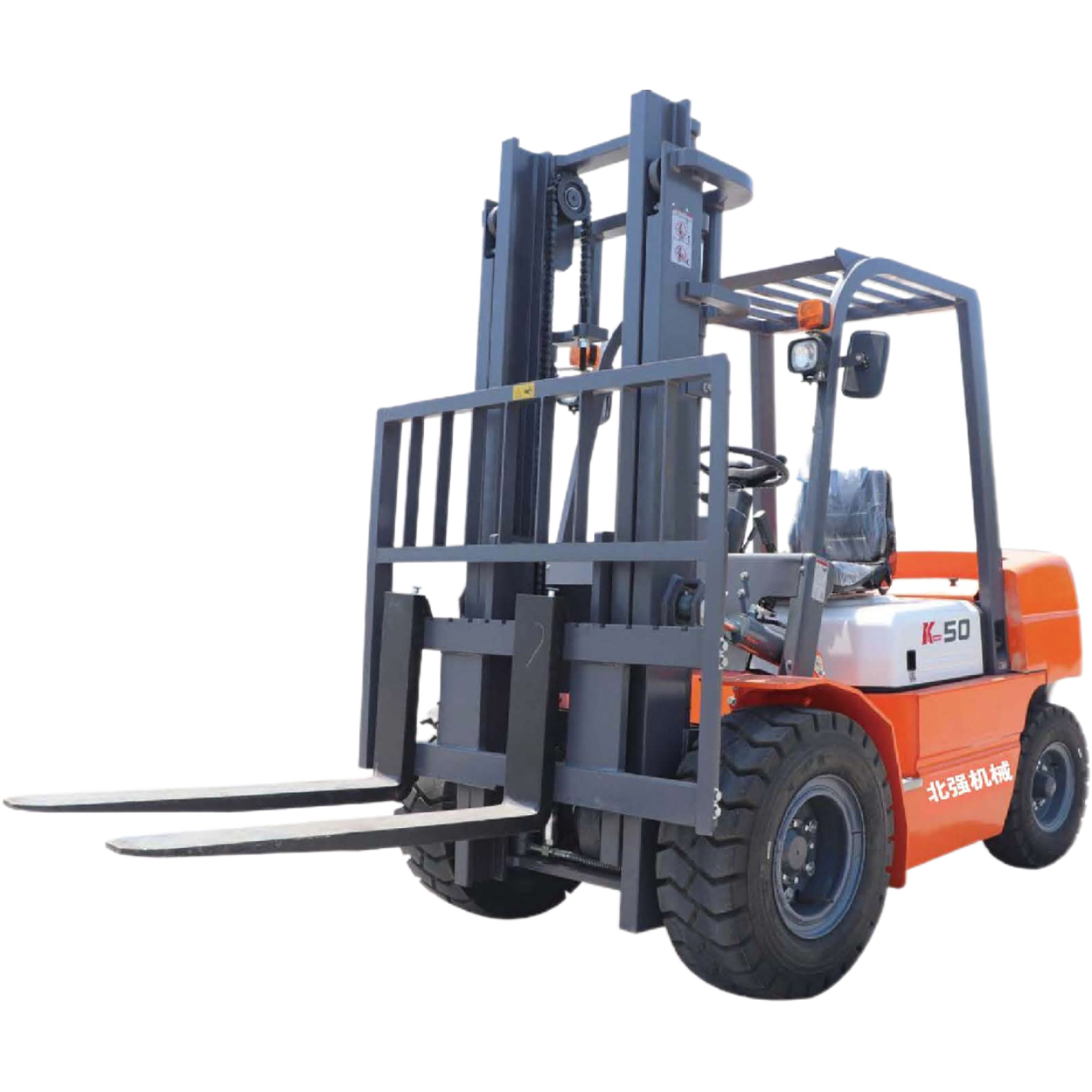
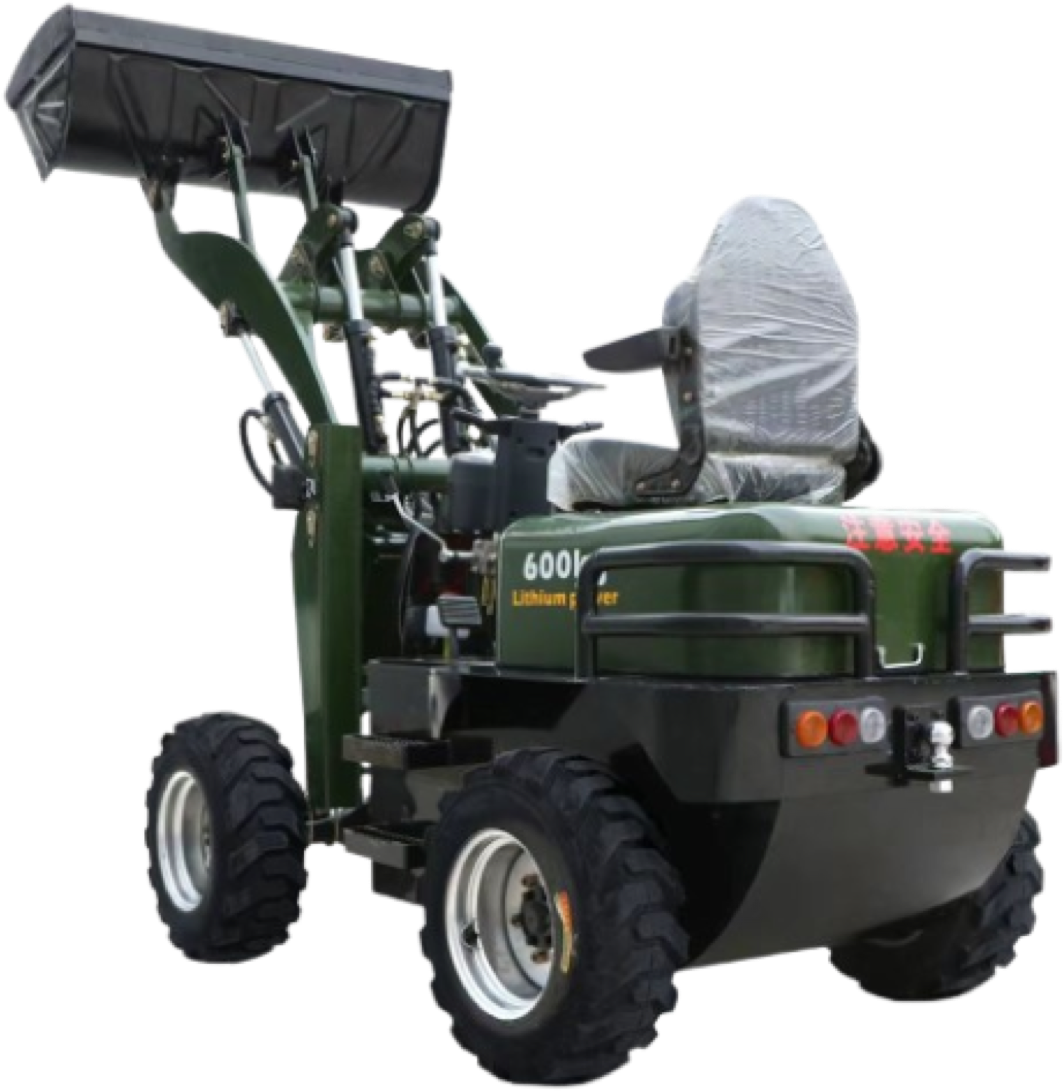
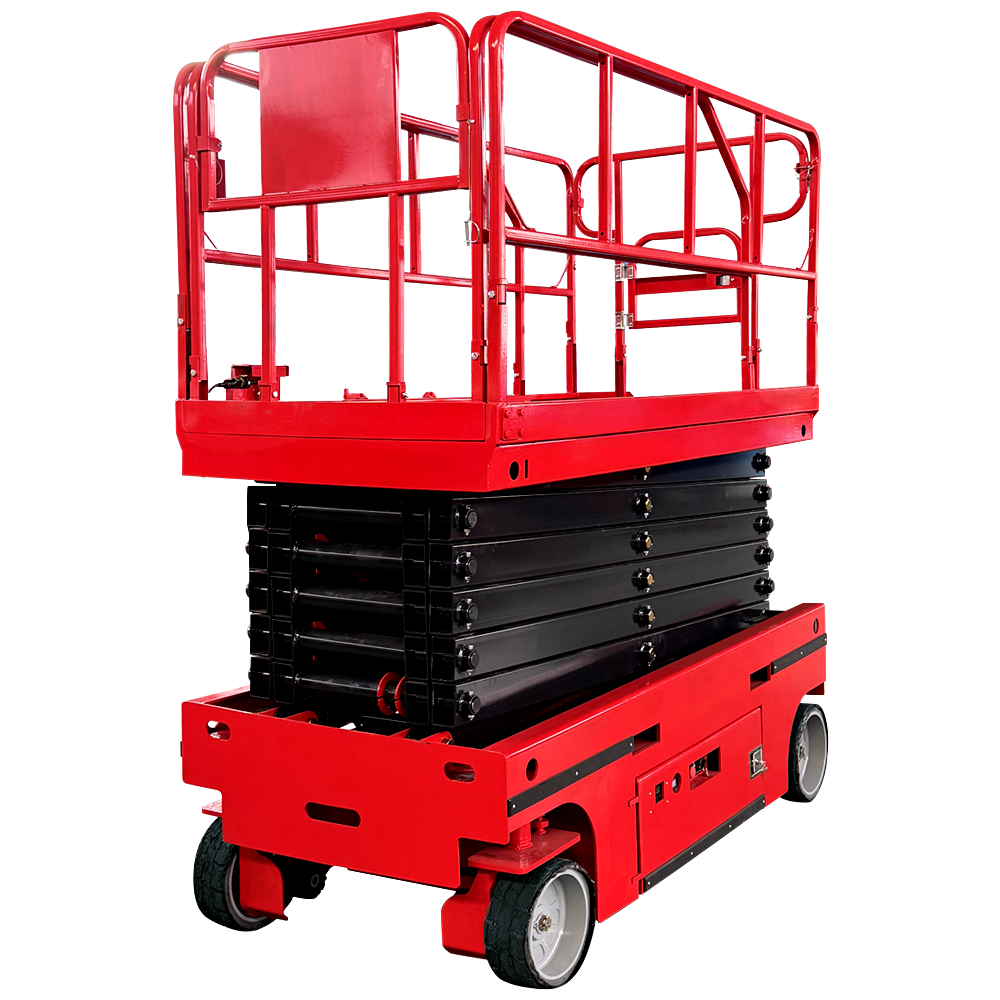
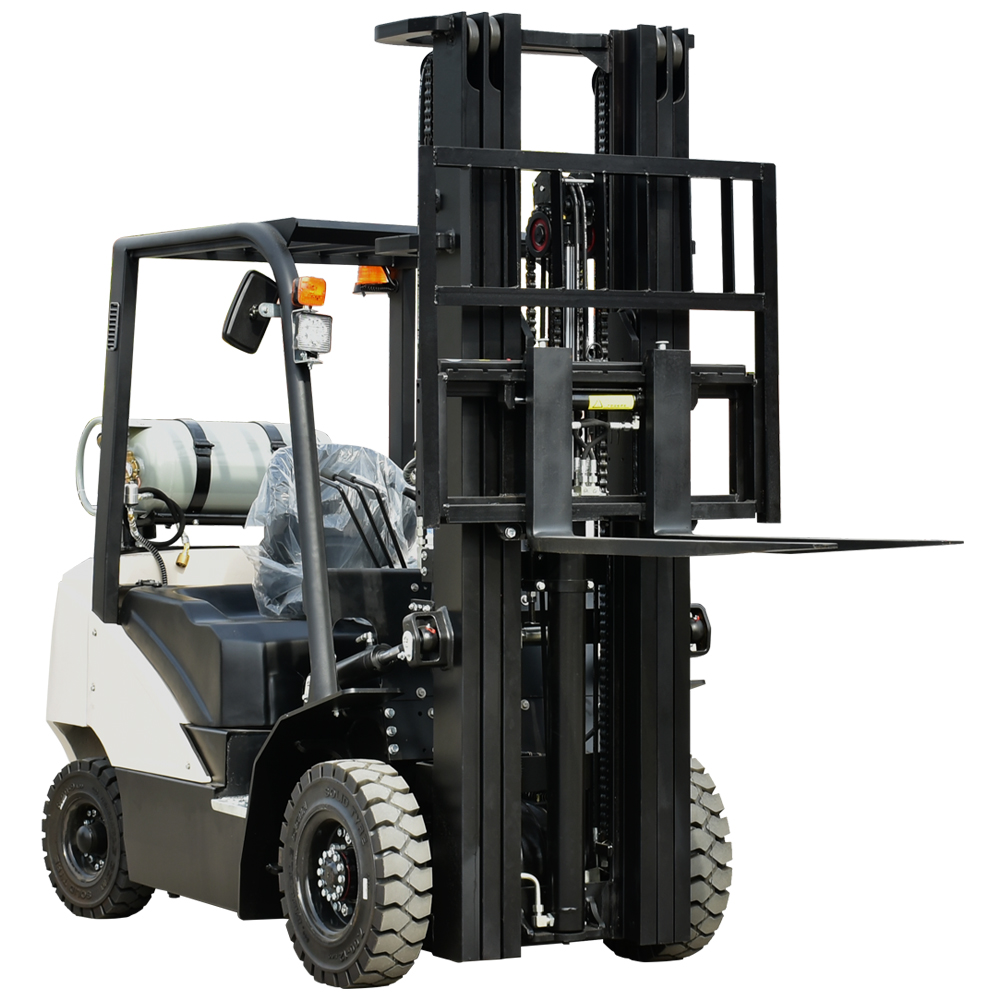
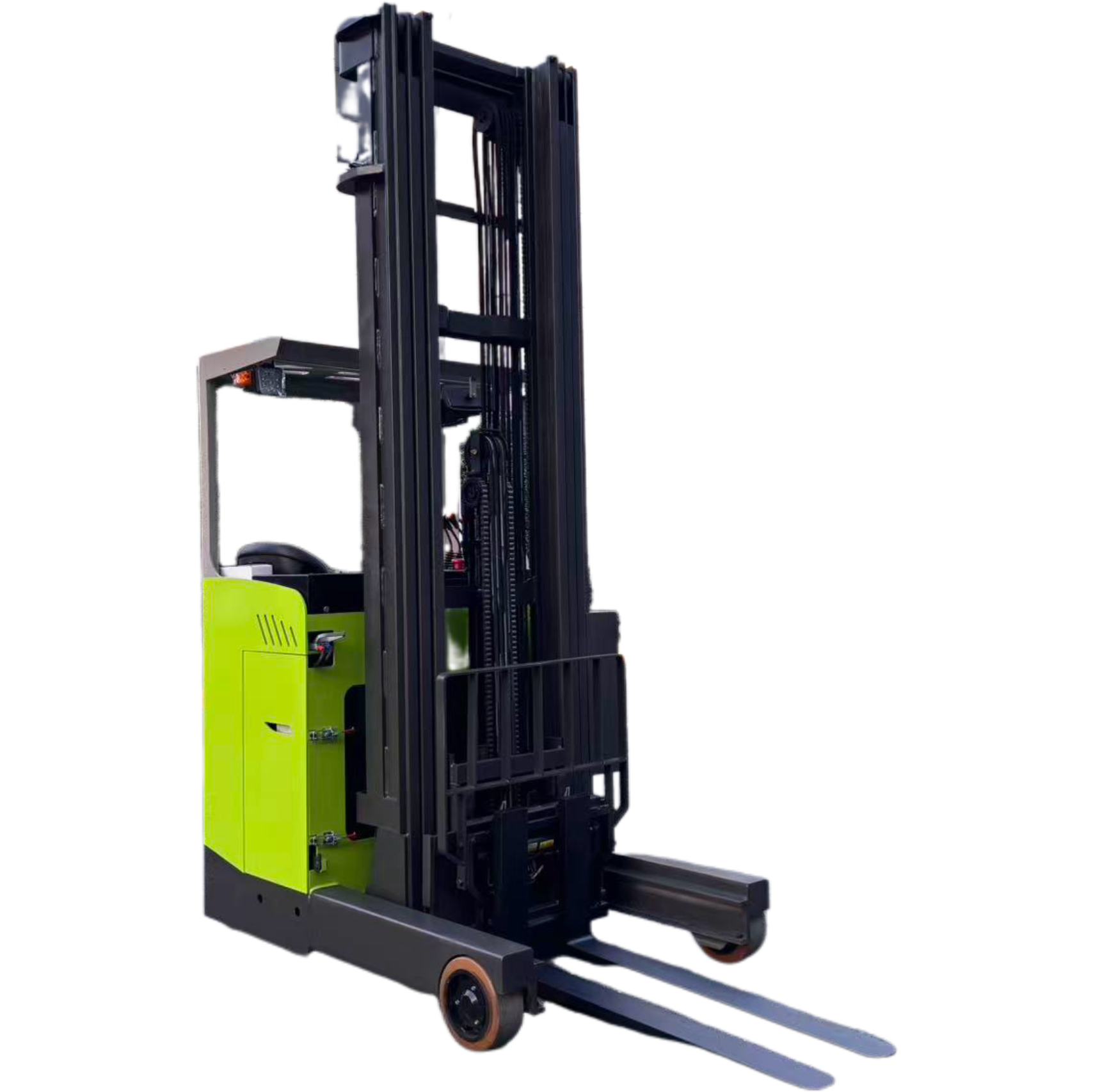
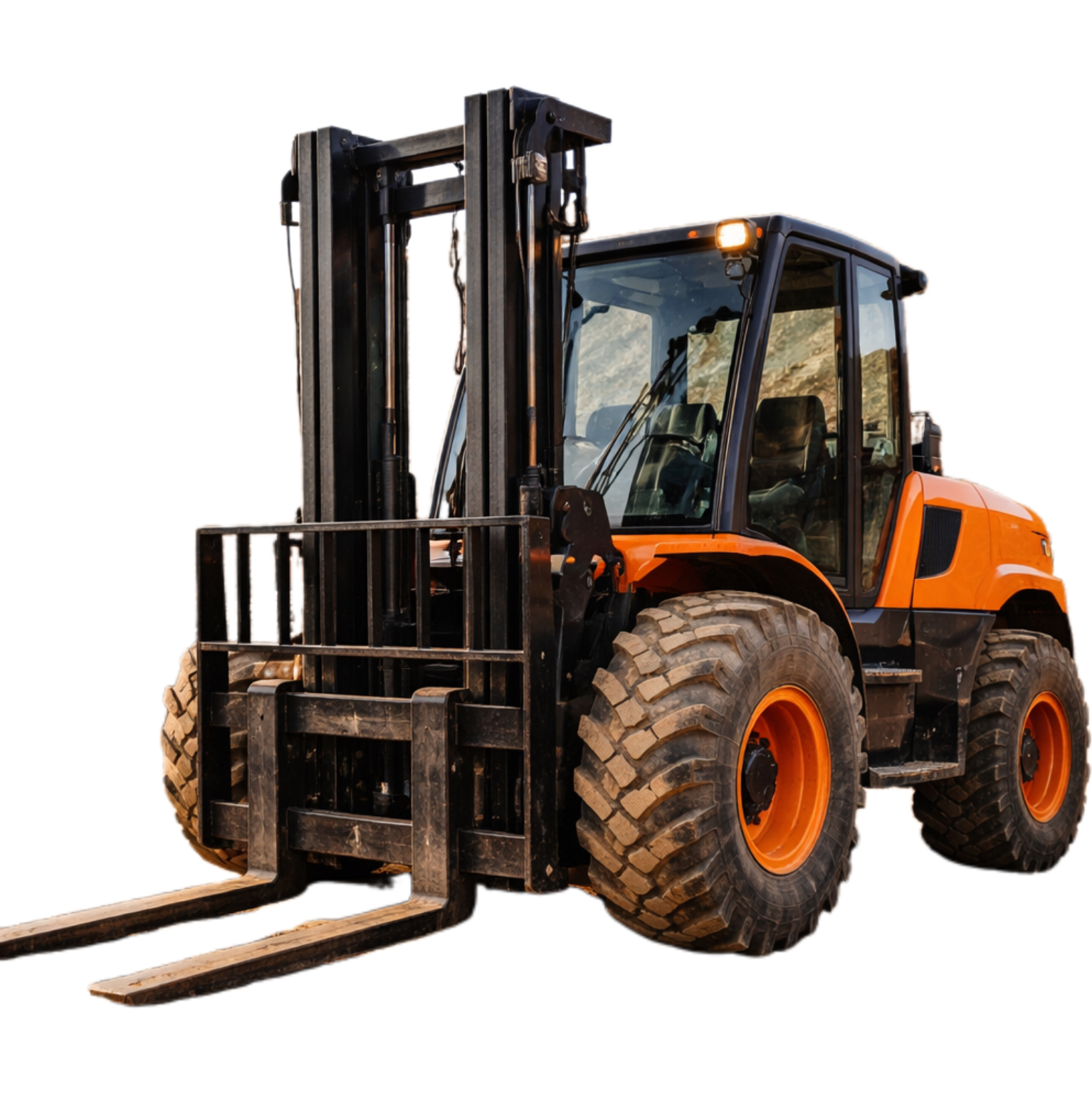


Data from the China Construction Machinery Industry Association shows that electric forklifts accounted for 74.4% of domestic forklift sales in 2024, nearly doubling from 45.2% in 2019. In scenarios such as warehousing and logistics parks, intelligent manufacturing workshops, and e-commerce sorting centers, fuel-powered forklifts are being rapidly replaced by electric models, with the phenomenon of "100% electrification of new orders" even emerging. From "optional alternative" to "rigid demand", the explosive growth of electric forklifts is no accident, but an inevitable result of the combined effects of policy guidance, cost optimization, scenario adaptation and other factors.
Policy Constraints: A "Must-Choice" for Green Transformation
Driven by both the "dual carbon" goals and environmental protection policies, electric forklifts have become a core tool for enterprises to avoid policy risks and achieve green transformation. This "hard constraint" has directly fueled the outbreak of market demand.
On one hand, emission regulations are becoming increasingly stringent. Most first- and second-tier cities in China have clearly defined "low-emission zones for non-road mobile machinery". Due to emitting pollutants such as nitrogen oxides and particulates, fuel-powered forklifts must be equipped with exhaust gas treatment devices to enter core areas, and also face restrictions such as regular inspections and time-specific access bans. Take Shanghai as an example: since 2024, fuel-powered forklifts that fail to meet National IV standards have been prohibited from operating within the Outer Ring Road. The cost of upgrading and retrofitting a single fuel-powered forklift is as high as 15,000-20,000 yuan, far less cost-effective than purchasing an entry-level electric forklift. For logistics enterprises, directly choosing electric forklifts has become a more worry-free option.
On the other hand,incentives for green policies are increasing. Many local governments have launched special subsidies, providing 10%-20% of the purchase price as financial support to enterprises buying electric forklifts. Some regions also offer supporting policies such as subsidies for charging facility construction and low-interest loans. For instance, Foshan, Guangdong stipulates that logistics enterprises can receive a maximum subsidy of 50,000 yuan per electric forklift purchased, and enterprises building centralized charging sheds can get a subsidy of 30% of their investment. The "push-pull" effect of policies has significantly lowered the purchase threshold for electric forklifts and fully stimulated enterprises' motivation for transformation.
Cost Advantages: A "Cost-Efficiency Revolution" Throughout the Lifecycle
If policies are the "external driving force", then cost advantages are the "internal core" that makes electric forklifts appealing to enterprises. Compared with fuel-powered forklifts, electric forklifts have significant cost advantages throughout their "purchase-use-maintenance" lifecycle, with the gap widening even more in long-term use.
In terms of purchase cost, while high-end electric forklifts (such as lithium-battery models) are slightly more expensive than fuel-powered ones of the same tonnage, the price of entry-level electric forklifts has dropped to 30,000-50,000 yuan, basically on par with economical fuel-powered forklifts. More importantly, electric forklifts are exempt from purchase tax and vehicle and vessel tax, and can enjoy new energy license plate benefits in some regions, further reducing the hidden costs of initial investment.
In terms of operating cost, the advantages of electric forklifts are "overwhelming". A fuel-powered forklift consumes about 5-8 liters of fuel per hour; based on the current diesel price of 8 yuan per liter, the hourly fuel cost is 40-64 yuan. In contrast, an electric forklift consumes about 15-20 kWh per hour; with industrial electricity priced at 1 yuan per kWh, the hourly electricity cost is only 15-20 yuan, reducing operating costs by more than 60%. For a forklift that works 8 hours a day and 300 days a year, the electric model can save nearly 50,000 yuan in energy costs annually, and the savings over three years can cover the purchase cost of a new forklift.
In terms ofmaintenance cost, electric forklifts have a simpler structure, without complex components such as engines and gearboxes. Routine maintenance only requires regular inspection of batteries, motors and braking systems, with an annual maintenance cost of about 2,000-3,000 yuan. Fuel-powered forklifts, however, need regular replacement of engine oil, filters, spark plugs, etc., with an annual maintenance cost as high as 8,000-12,000 yuan—a difference of 3-5 times.
Strong Scenario Adaptation: "Capability Matching" for Logistics Upgrading
As the logistics industry upgrades towards "automation, refinement and intensification", the performance advantages of electric forklifts are highly aligned with scenario demands, making them "indispensable equipment" for improving operational efficiency.
In indoor warehousing scenarios, the "zero-emission and low-noise" characteristics of electric forklifts become their core competitiveness. The exhaust gas and noise generated by traditional fuel-powered forklifts not only harm the health of operators but also require additional investment in ventilation and sound insulation equipment. In contrast, electric forklifts operate with noise below 60 decibels and no exhaust emissions at all, allowing them to work directly in food processing workshops, pharmaceutical warehouses and other places with high environmental requirements without the need for additional supporting environmental protection facilities. The person in charge of a pharmaceutical logistics enterprise stated that after switching to electric forklifts, the workshop ventilation cost was reduced by 40%, and the incidence of occupational diseases among employees dropped by 65%.
In automated logistics scenarios, electric forklifts are the "best partners" for intelligent systems. The motor control precision of electric forklifts is higher, making it easier to connect to WMS (Warehouse Management System) and AGV scheduling systems to realize functions such as autonomous path planning, automatic cargo loading and unloading, and real-time data synchronization. For example, during the e-commerce "Double 11" peak season, the cargo sorting efficiency of intelligent warehousing centers equipped with electric forklifts is three times higher than that of traditional warehouses using fuel-powered forklifts, and the error rate has dropped from 0.8% to 0.1%. Compared with fuel-powered forklifts, electric forklifts have faster response speeds and better start-up and acceleration performance, improving operational efficiency by more than 20% in high-frequency, short-distance handling scenarios.
In short-distance transfer scenarios, the "compact and flexible" features of electric forklifts are more suitable. With the refinement of the "last kilometer" in urban distribution, the demand for short-distance handling within logistics parks and factories has surged. Electric forklifts, with their small size and small turning radius, can move flexibly in narrow passages, while fuel-powered forklifts are generally larger and inconvenient to operate in dense shelves and small spaces. In addition, electric forklifts have a lower operating threshold—new operators can go on duty after 1-2 days of training—while fuel-powered forklifts require more complex operations and professional certified personnel, alleviating the problems of "difficulty in recruiting and high labor costs" for logistics enterprises.
Technological Iteration: The "Key Support" for Solving Pain Points
The pain points of early electric forklifts, such as "short battery life, slow charging, and short battery service life", have been completely solved by technological iteration, removing the final obstacle for them to become a rigid demand.
Breakthroughs in battery technology are particularly crucial. Lithium batteries have gradually replaced traditional lead-acid batteries, with energy density increased by more than 30%. A 48V/200Ah lithium-battery forklift can achieve a full-charge range of 8-10 hours, meeting the demand for all-day operation. The application of fast-charging technology has reduced charging time from 8 hours to 1-2 hours, and some models support the "battery swapping mode", which takes only 3 minutes to replace the battery, completely solving the "range anxiety". At the same time, the service life of lithium batteries can reach 5-8 years, far exceeding the 2-3 years of lead-acid batteries, further reducing long-term operating costs.
Upgrades in motors and control systems have also enhanced product competitiveness. The popularization of permanent magnet synchronous motors has increased the energy conversion efficiency of electric forklifts from 85% to 95%, further reducing energy consumption. Intelligent control systems can monitor battery status, motor temperature, and operation data in real time, realizing early fault warning and reducing unplanned downtime. Data from a forklift enterprise shows that the failure rate of electric forklifts equipped with intelligent systems is 50% lower than that of traditional models.
Conclusion: The Necessity Behind Rigid Demand Lies in Industry Transformation
The 74.4% market share is not only a sales achievement for electric forklifts, but also a microcosm of the logistics industry's transformation towards greenization and intelligence. From policy-driven to cost optimization, from scenario adaptation to technological breakthroughs, every advantage of electric forklifts accurately meets the core needs of logistics enterprises—cost reduction, efficiency improvement, and compliance. In the future, with further upgrades in battery technology and more mature intelligent scheduling systems, the market share of electric forklifts is expected to continue to rise. They will not only replace more fuel-powered forklifts but also play a more core role in the unmanned and collaborative logistics ecosystem. For logistics enterprises, embracing electric forklifts is no longer a "choice", but a "required course" to comply with industry trends and enhance core competitiveness.
Our manager will contact you shortly.
To contact you about our products and services.


Copyright © Xingtai Beiqiang Machinery Manufacturing Factory. 2025.
Technical support:Echola