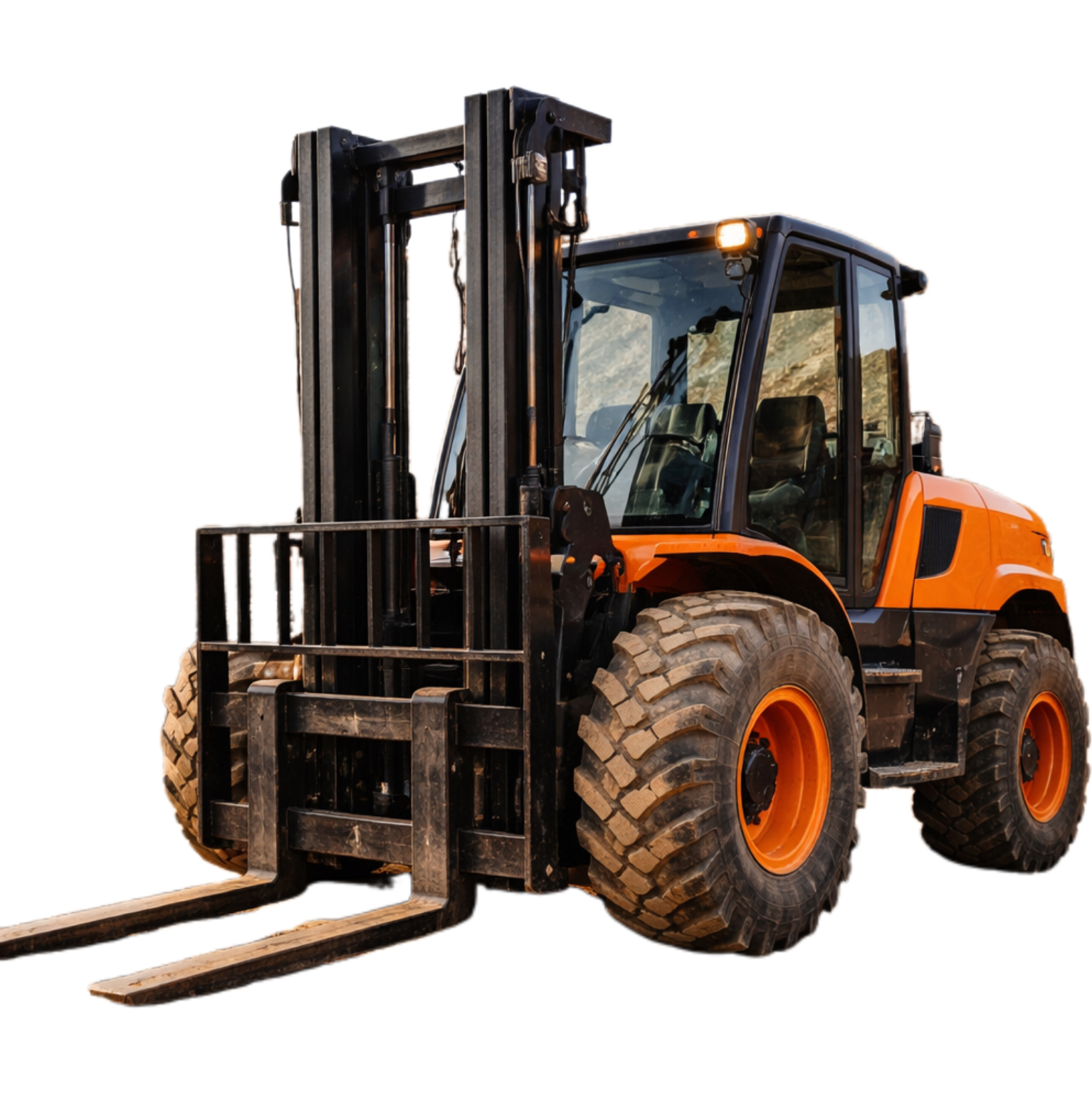


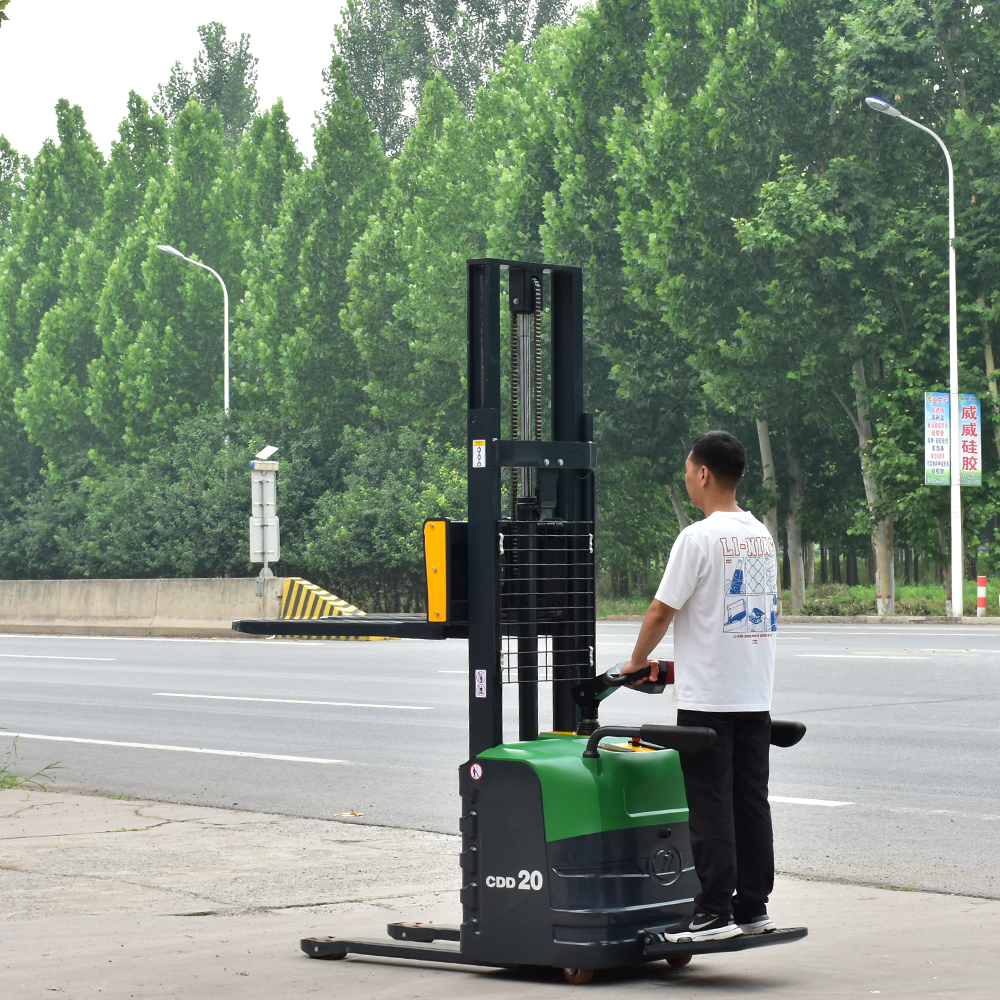
Choosing the right material handling equipment for your warehouse is essential to maximizing efficiency and minimizing costs. Among the most popular options are electric stackers and manual stackers. While both are designed to perform similar tasks—lifting and stacking pallets—there are significant differences in terms of functionality, cost, and performance. In this article, we’ll compare the two and help you determine which type of stacker is best suited for your warehouse needs.
What is an Electric Stacker?
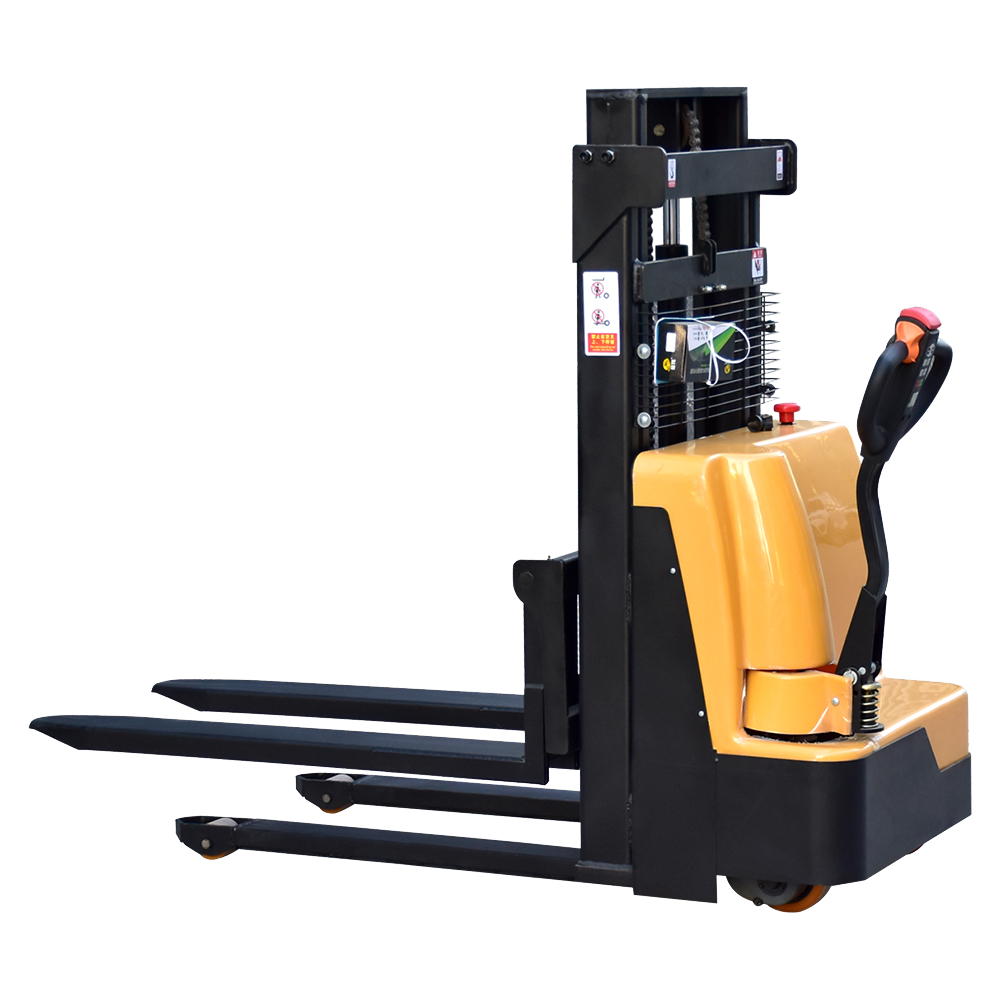
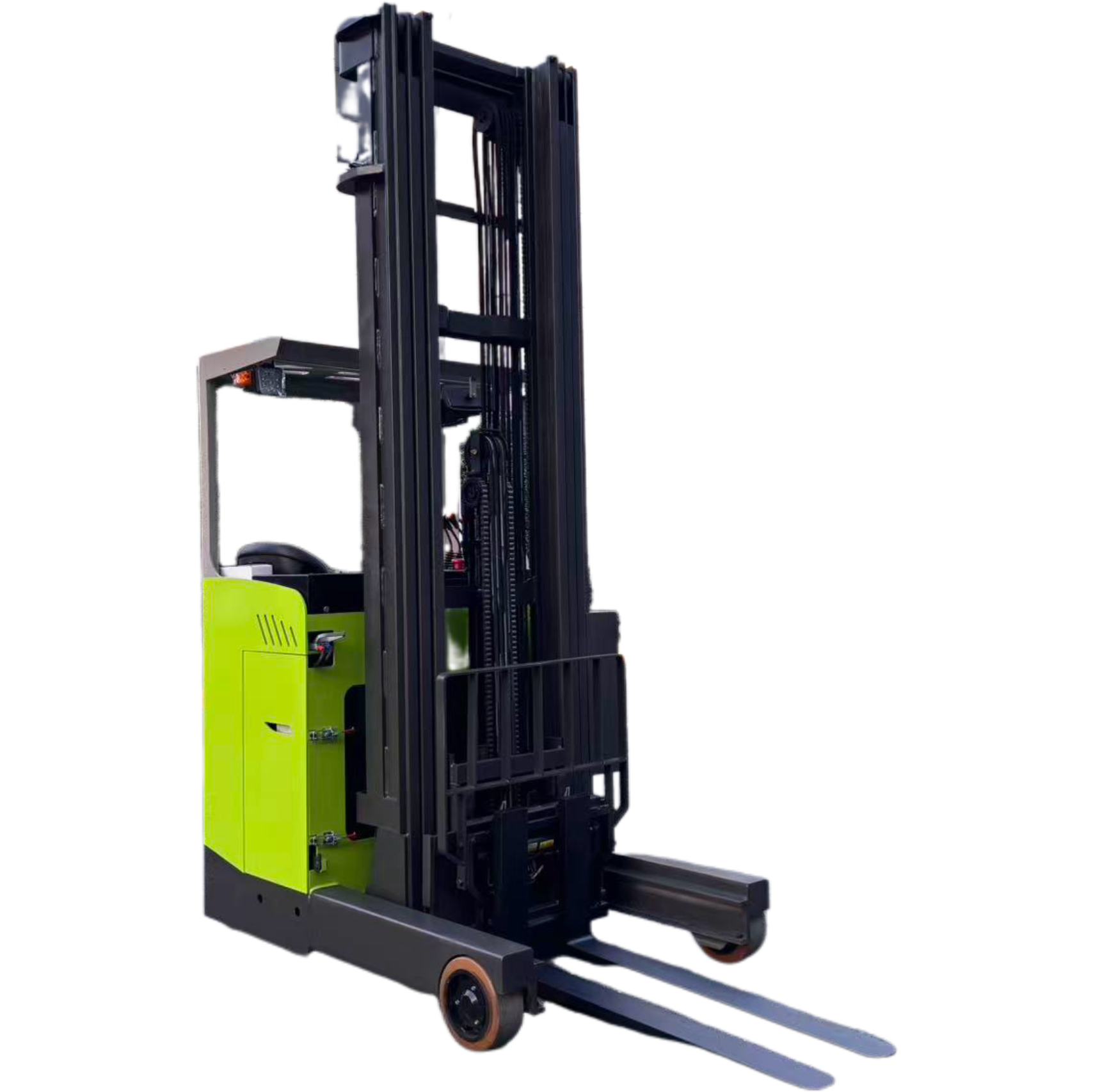
An electric stacker is a powered lifting machine designed to move and stack materials, usually pallets, in industrial settings like warehouses, manufacturing plants, and distribution centers. It uses an electric motor to move, lift, and lower goods, providing more power, efficiency, and precision compared to manual stackers.
What is a Manual Stacker?
A manual stacker is a type of material handling equipment that requires human effort to operate. It uses a hand pump or lever to raise and lower the load, and the operator manually pushes or pulls the stacker to transport goods. Manual stackers are often used in smaller, less demanding environments where heavy lifting is not required.
Key Differences Between Electric and Manual Stackers
Ease of Use
Verdict: Electric stackers are easier to use, especially for larger loads or extended periods of operation.
Electric Stacker: With an electric stacker, the operator simply needs to engage the controls to lift, lower, and move the load. The electric motor provides all the power, which means minimal physical exertion. This makes the electric stacker ideal for environments where workers need to move heavy loads or operate over long shifts.
Manual Stacker: In contrast, a manual stacker requires physical effort to operate, especially when lifting heavy loads. Workers must pump the handle to raise the load, which can be tiring and time-consuming, particularly for heavy or large pallets.
Cost Consideration
Verdict: Manual stackers are cheaper initially, but electric stackers offer better long-term value due to higher efficiency and lower labor costs.
Electric Stacker: The initial cost of an electric stacker is higher than that of a manual stacker. In addition, they require ongoing maintenance, battery replacements, and electricity costs to charge. However, the increased efficiency and reduced labor costs can offset these expenses in the long term.
Manual Stacker: Manual stackers are more affordable upfront, making them an attractive option for businesses on a tighter budget. They also have fewer maintenance needs since they lack an electric motor. However, the manual effort required to operate them can lead to higher labor costs over time, especially in warehouses with high traffic or heavy loads.
Efficiency and Productivity
Verdict: Electric stackers are far more efficient and increase productivity, making them ideal for busy or high-volume environments.
Electric Stacker: Electric stackers are designed for high-speed operations, capable of lifting and transporting heavier loads much faster and with greater precision than manual stackers. This can significantly improve warehouse throughput, especially in high-demand environments.
Manual Stacker: Manual stackers are slower, especially when lifting heavier pallets. The operator must exert physical force to move the stacker, which can lead to bottlenecks and slower throughput in larger warehouses.
Safety
Verdict: Electric stackers provide enhanced safety features, making them a better option for high-risk environments.
Electric Stacker: Electric stackers often come equipped with safety features like automatic braking, overload protection, and ergonomic controls, which reduce the risk of accidents and injuries in the workplace. These features also allow operators to work in narrow aisles with greater control.
Manual Stacker: While manual stackers are generally safer to operate, especially in smaller or low-traffic spaces, they require more physical exertion from workers. This can lead to repetitive strain injuries or accidents, particularly when heavy lifting is involved.
Environmental Impact
Verdict: Electric stackers are the more eco-friendly option due to their energy-efficient operation.
Electric Stacker: Operating on rechargeable batteries, electric stackers are more environmentally friendly than manual stackers. They produce no emissions during operation and require less maintenance, reducing their overall carbon footprint.
Manual Stacker: Manual stackers are not powered by electricity, so they don't have the environmental benefits of electric stackers. However, since they don't require fuel or energy sources, their environmental impact is relatively minimal.
When Should You Choose an Electric Stacker?
Electric stackers are ideal for warehouses or environments where:
There is frequent handling of heavy loads or large volumes of goods.
Efficiency and productivity are top priorities.
Safety features are a key concern.
Workers are expected to operate machinery for long hours.
The cost of downtime due to inefficiency is a significant concern.
When Should You Choose a Manual Stacker?
Manual stackers are more suitable for:
Smaller warehouses with limited space and lower throughput.
Businesses on a tight budget with lower material handling needs.
Environments where load capacities are typically light to medium.
Situations where employees only need to lift and stack occasionally.
Conclusion
Both electric and manual stackers have their advantages and disadvantages, and the right choice depends largely on the specific needs of your warehouse. If your operation requires frequent, high-capacity lifting, electric stackers are likely the better investment. On the other hand, if you are working in a smaller space with less demand for high-speed material handling, a manual stacker may be a cost-effective solution.
Ultimately, understanding your warehouse's requirements—whether that’s efficiency, cost, safety, or environmental impact—will help you make the best decision for your business.
Our manager will contact you shortly.
To contact you about our products and services.


Copyright © Xingtai Beiqiang Machinery Manufacturing Factory. 2025.
Technical support:Echola