

In the competitive world of modern warehousing and logistics, businesses are constantly seeking ways to improve efficiency, reduce costs, and maintain a safe working environment. One solution that is gaining popularity across industries is the electric stacker. As warehouses continue to evolve, these advanced material handling machines are setting new standards for productivity, safety, and sustainability.
What is an Electric Stacker?
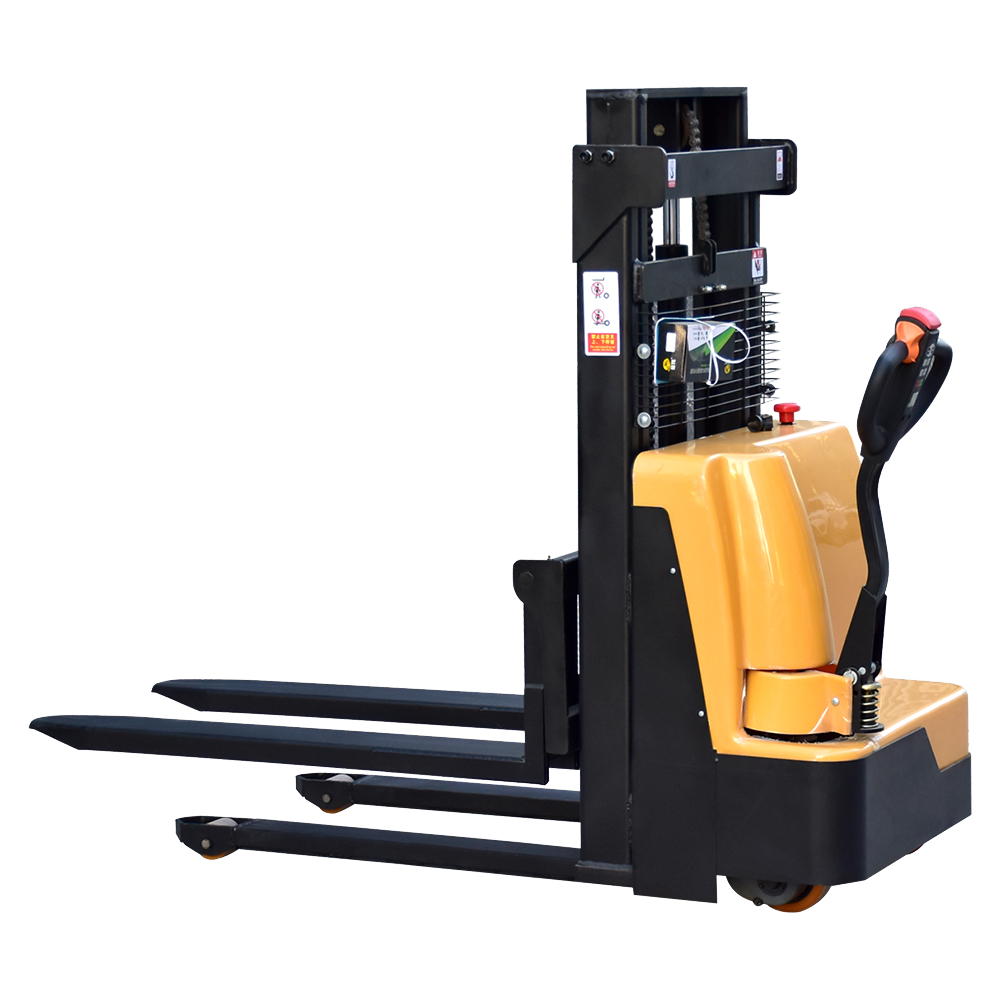
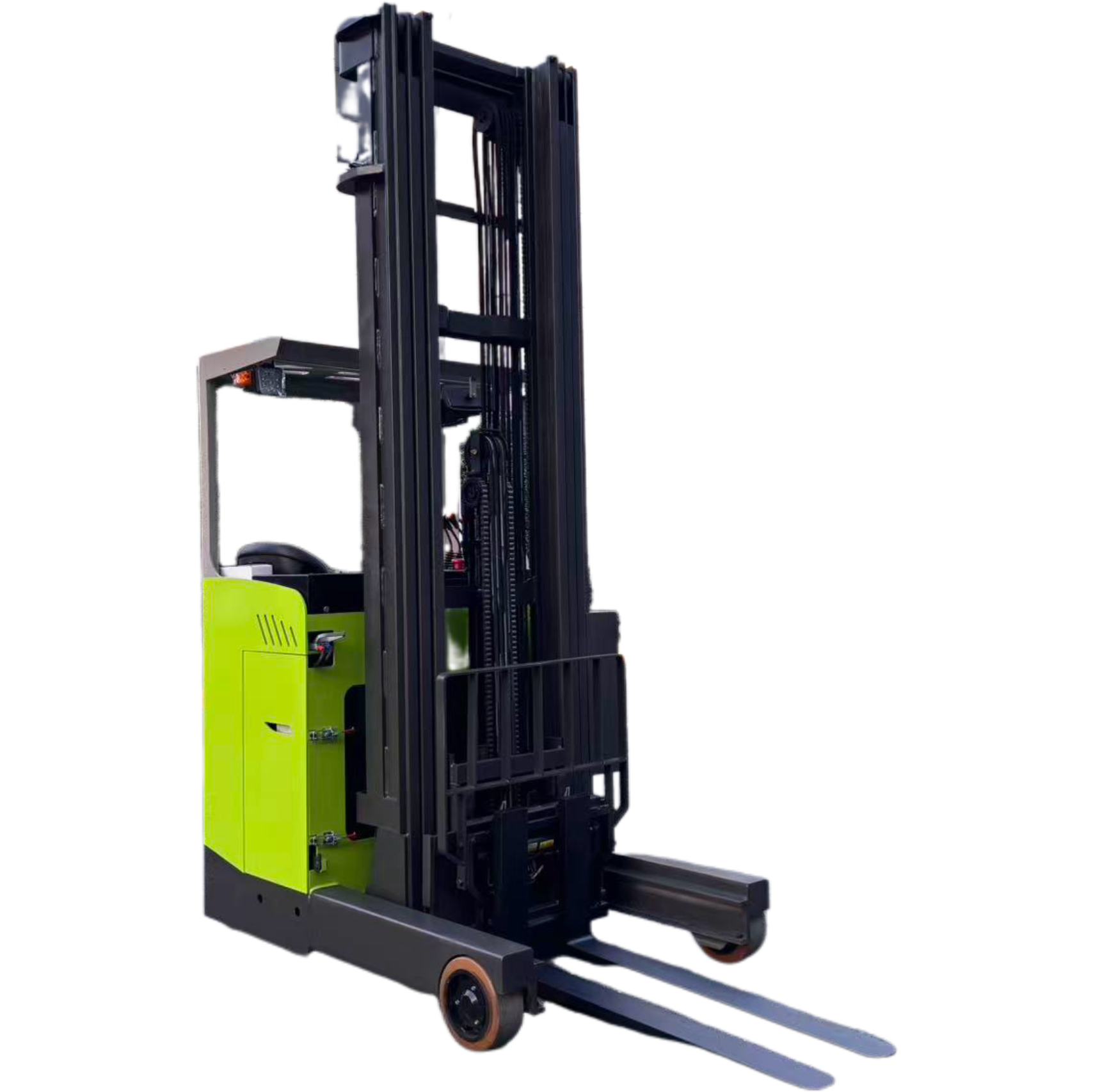
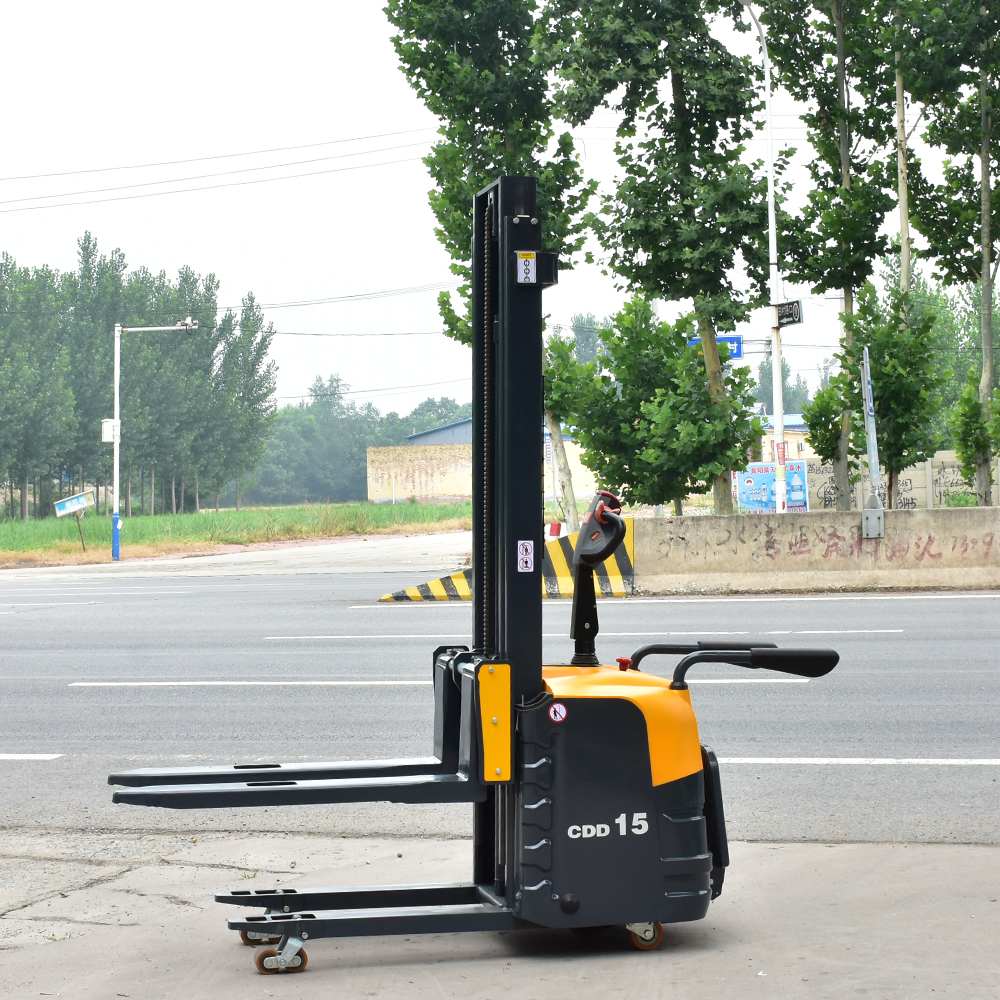
An electric stacker is a powered machine used for lifting and stacking heavy pallets and materials within warehouses and distribution centers. Unlike manual stackers, which require physical effort, electric stackers are powered by electric motors, making them faster, safer, and easier to use. They are capable of lifting and transporting goods, often in tight or narrow spaces, where larger forklifts might struggle.
Key Advantages of Electric Stackers
Increased Operational Efficiency
Electric stackers are designed for high performance, allowing workers to quickly move goods from one place to another. With the ability to lift pallets to considerable heights, these stackers streamline processes such as inventory management and order fulfillment. The electric motor enables precise control, increasing efficiency and reducing operational delays.Space-Saving Design
Many electric stackers are designed to be compact, allowing them to operate in narrow aisles and smaller spaces where larger equipment cannot maneuver. This is especially valuable for warehouses that deal with high-density storage, maximizing floor space while minimizing the need for large, expensive machinery.Worker Safety and Comfort
Safety is a critical concern in any industrial environment. Electric stackers improve workplace safety by reducing the physical strain on workers. With ergonomic designs and easy-to-use controls, operators can perform tasks with less effort and lower risk of injury. Additionally, electric stackers are often equipped with features like automatic braking and safety sensors, which further reduce the risk of accidents.Environmental Benefits
As businesses aim to reduce their carbon footprint, electric stackers present a greener alternative to traditional fuel-powered material handling equipment. These machines operate on rechargeable batteries, eliminating the emissions associated with gas-powered forklifts. Moreover, the reduced need for regular maintenance and oil changes makes them an environmentally friendly option.Cost-Effectiveness in the Long Run
While the initial purchase price of an electric stacker may be higher than manual options, the long-term savings can be significant. With fewer moving parts, electric stackers require less maintenance and have a longer operational lifespan. The reduced energy consumption compared to traditional forklifts also translates to lower operational costs, making them a cost-effective investment for businesses aiming to maximize ROI.
Applications of Electric Stackers
Electric stackers are highly versatile and can be used in various industries. Common applications include:
Warehousing and Distribution: For stacking pallets, managing inventory, and order picking.
Manufacturing: For transporting raw materials and finished products between production lines.
Retail: In stockrooms and back-end operations for moving goods onto shelves.
Cold Storage: Ideal for environments like refrigerated warehouses, where larger equipment may not operate effectively.
Future Trends in Electric Stackers
As technology continues to advance, electric stackers are becoming smarter and more integrated with warehouse management systems (WMS). The future of electric stackers may include:
Automation: Autonomous electric stackers that can navigate and stack goods without human intervention, improving efficiency and reducing labor costs.
Battery Innovations: Improvements in battery technology will lead to longer-lasting batteries and faster charging times, making these machines even more reliable.
Integration with IoT: Stackers integrated with the Internet of Things (IoT) will enable real-time monitoring, predictive maintenance, and seamless integration into automated supply chains.
Conclusion
Electric stackers are revolutionizing the way warehouses and distribution centers operate. Their combination of efficiency, safety, environmental sustainability, and cost-effectiveness makes them a powerful tool for businesses looking to optimize their material handling processes. As automation and smart technology continue to evolve, electric stackers will play an even more significant role in the future of logistics and warehousing.
Investing in electric stackers today means setting your business up for success in the future. Whether you're looking to improve operational efficiency, reduce costs, or enhance workplace safety, electric stackers are the solution you need.
Our manager will contact you shortly.
To contact you about our products and services.


Copyright © Xingtai Beiqiang Machinery Manufacturing Factory. 2025.
Technical support:Echola