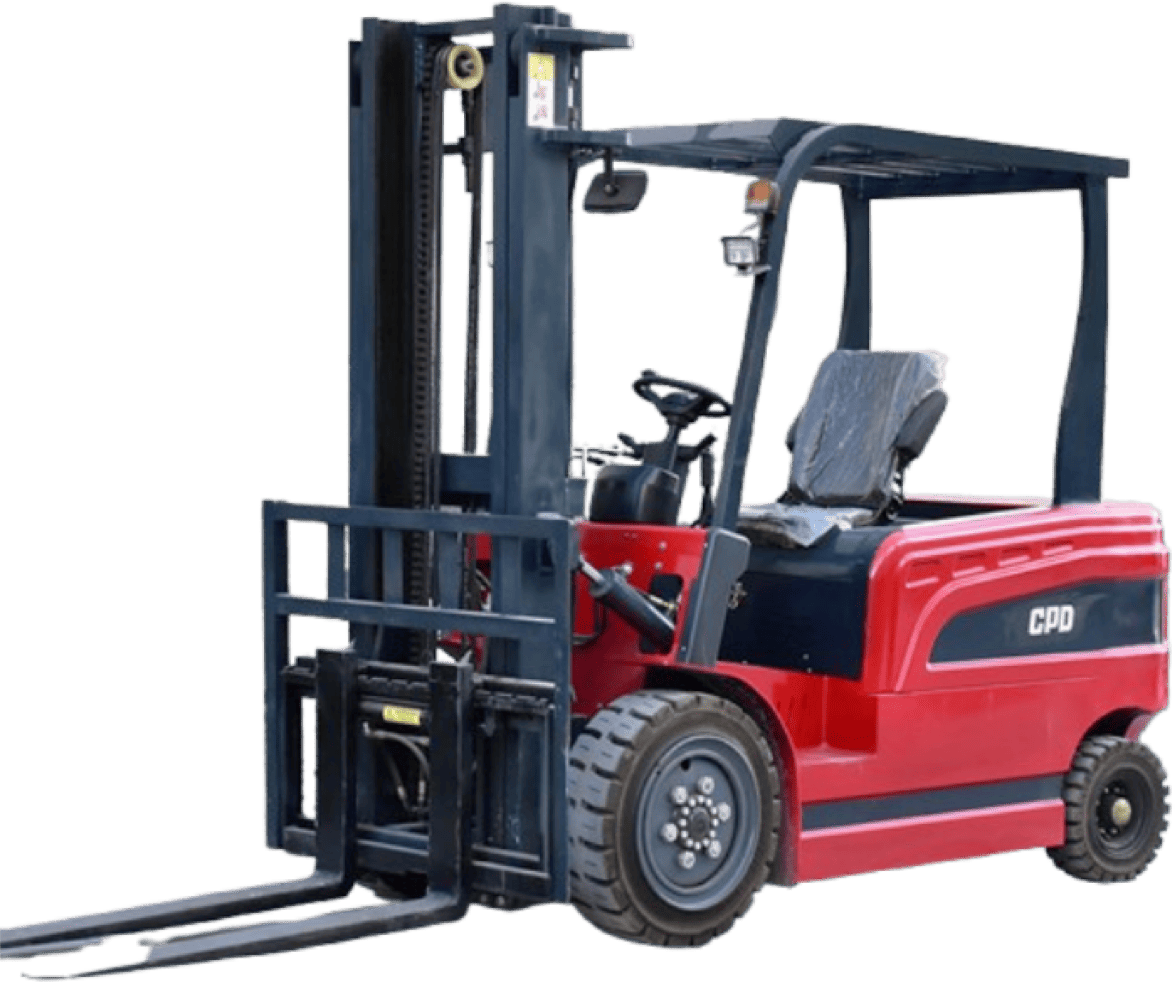
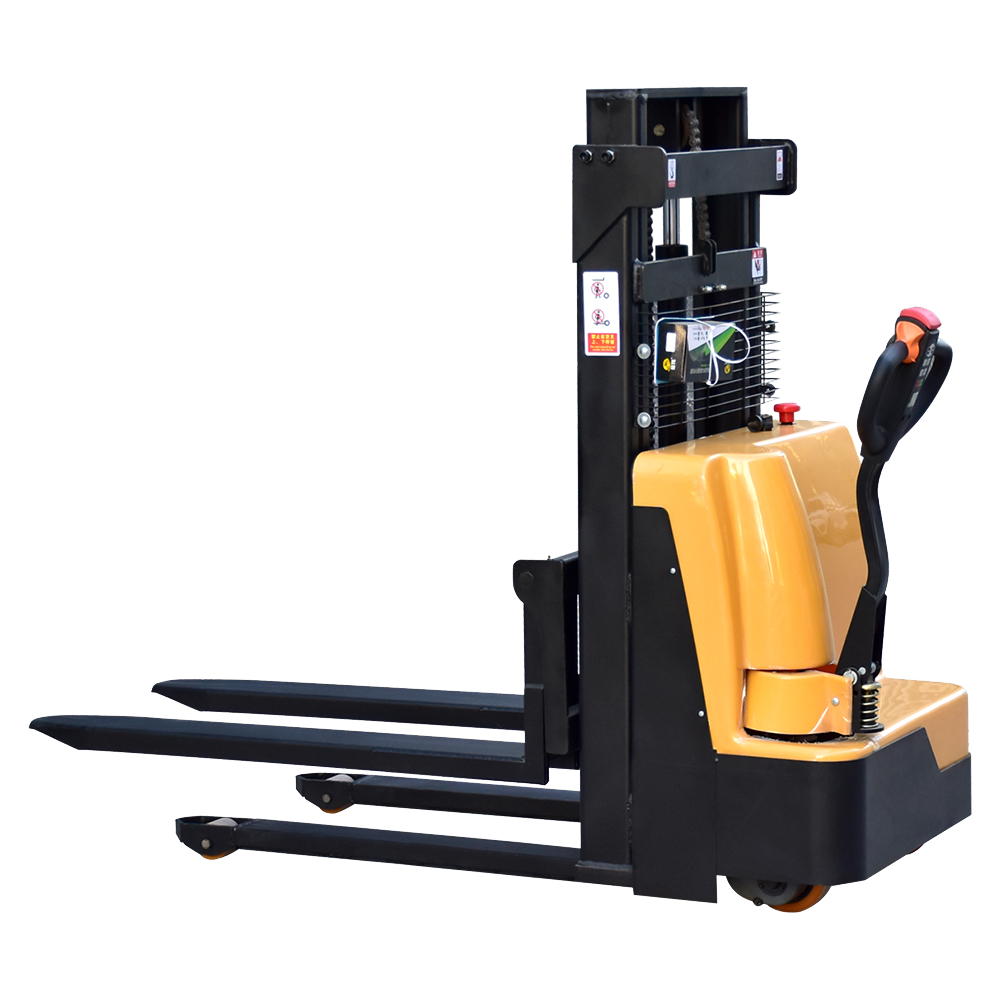
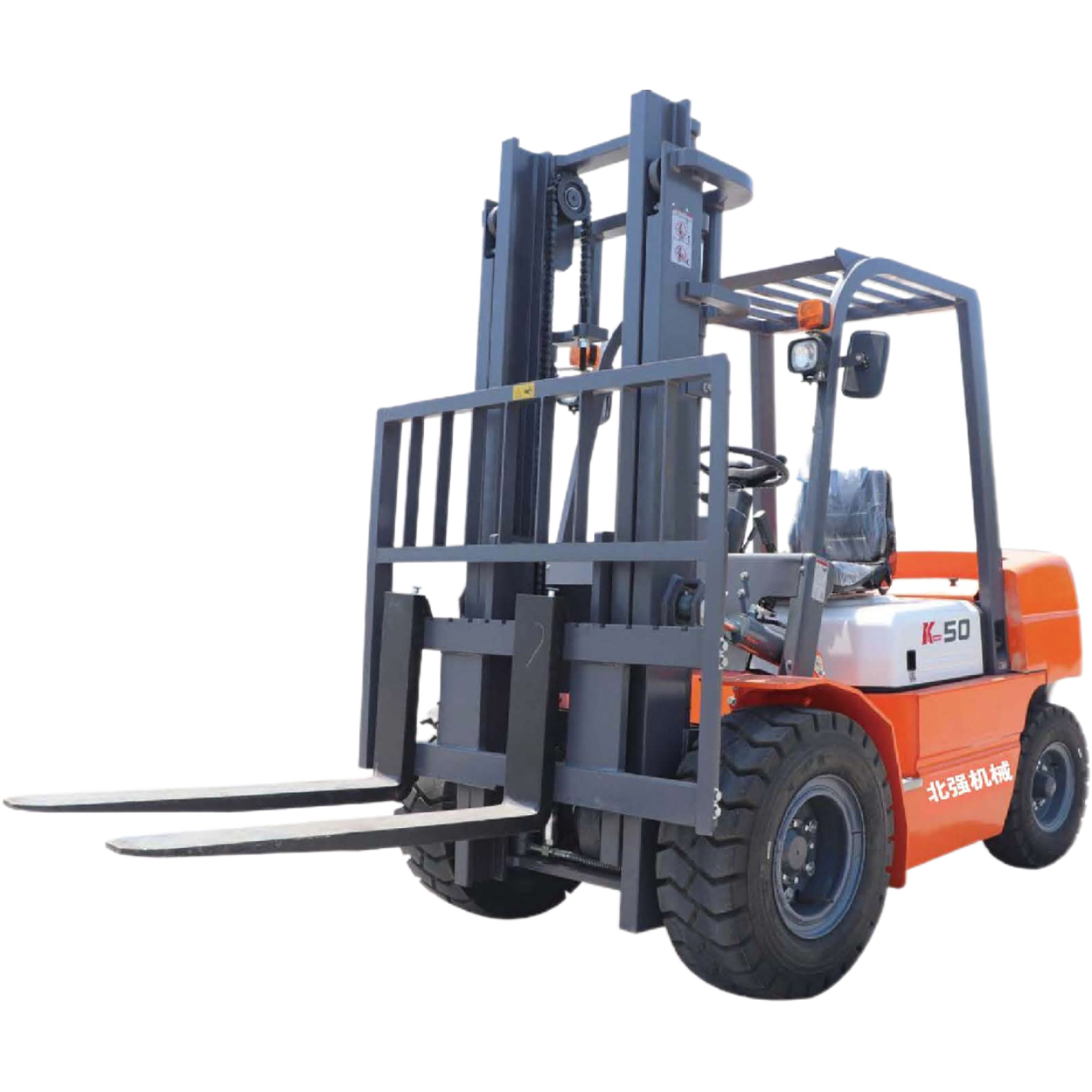
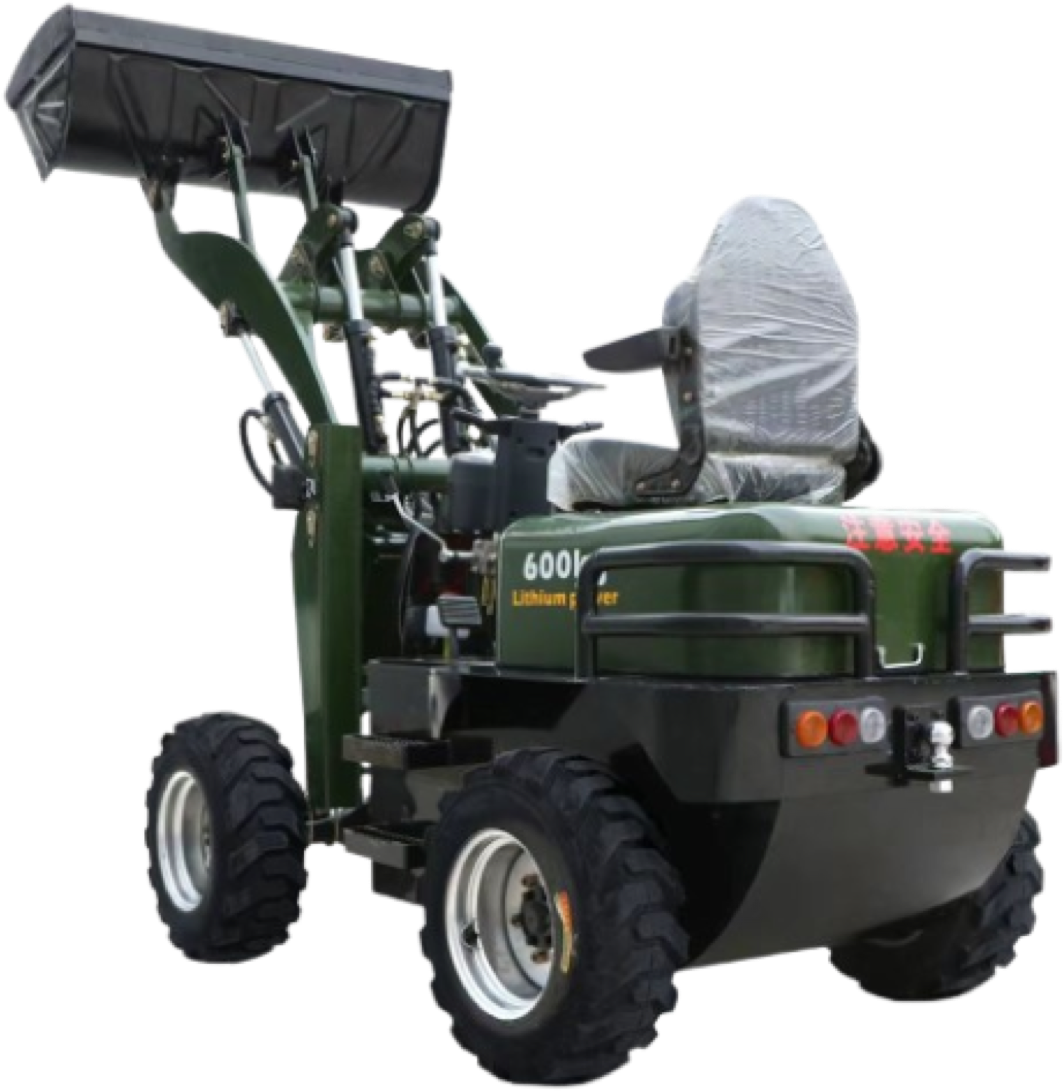
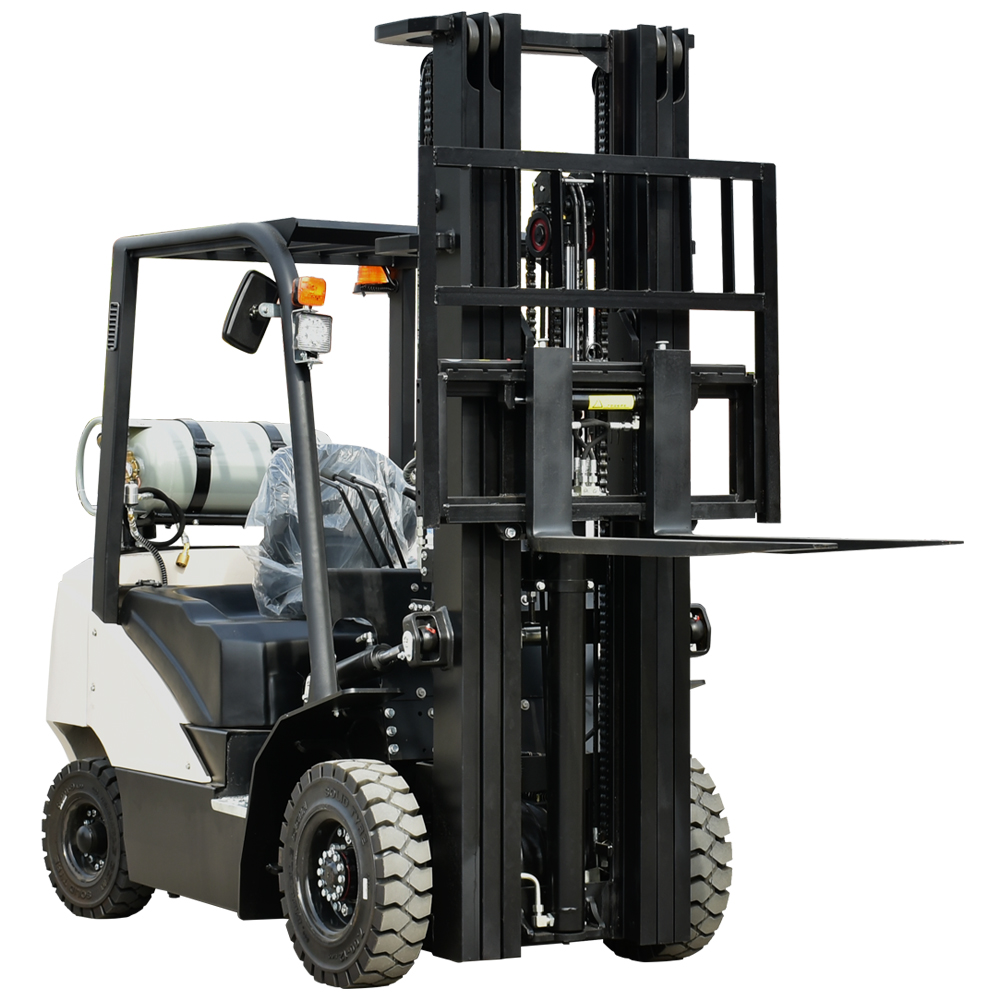
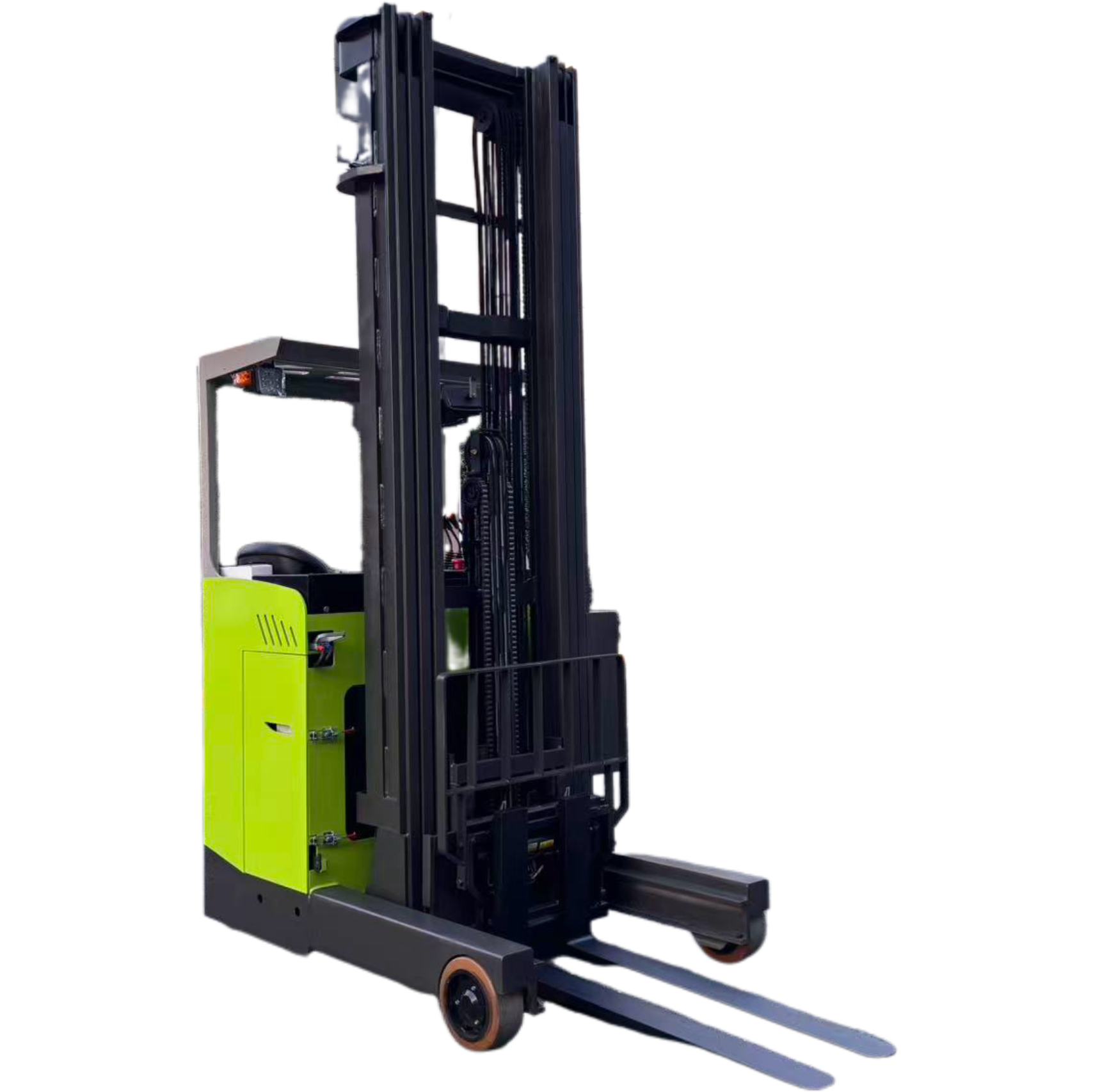
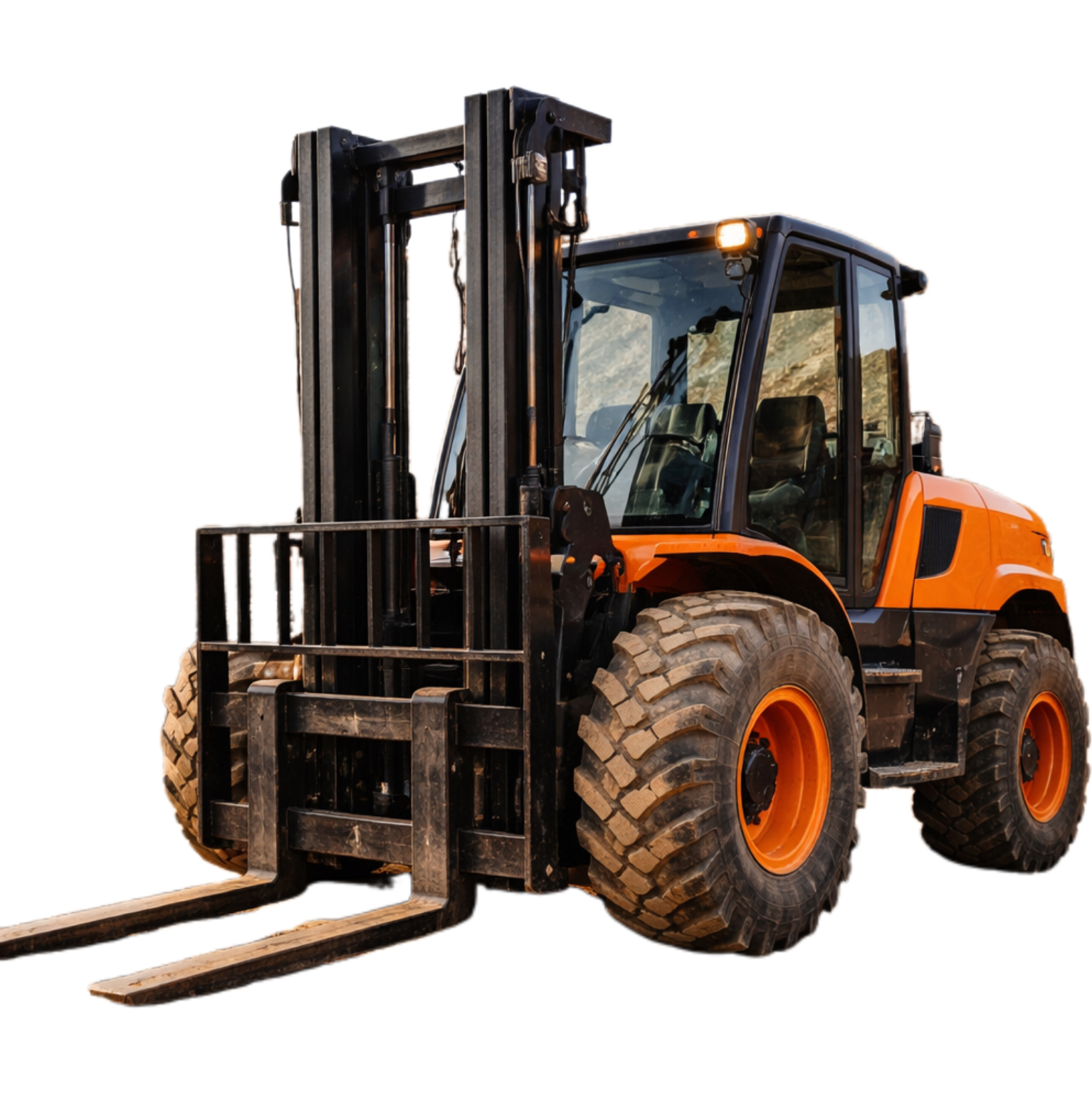


With advantages like zero emissions, low noise, and easy operation, electric forklifts have become the "workhorses" in logistics warehousing and intelligent manufacturing. As the "power core" of electric forklifts, batteries directly determine equipment efficiency, operational stability, and even operating costs—high-quality forklift batteries account for 20%-30% of the total equipment cost. Proper maintenance can extend the battery life by over 30%, while improper care may lead to premature failure and unnecessary expenses. Today, we’ll break down a complete battery maintenance guide for electric forklifts, focusing on three core areas: charging, storage, and maintenance.
Part 1: Charging Maintenance – Avoid "Incorrect Charging" to Protect Battery Life
Improper charging accounts for 70% of electric forklift battery degradation. Both lead-acid and lithium-ion batteries follow specific charging principles; random operation will only accelerate wear.
1. Before Charging: Conduct "Three Checks"
1. Condition Check: First, ensure the battery surface is clean and dry, with no electrolyte leakage (for lead-acid batteries), bulging, deformation, or oxidation on terminal posts. If electrolyte leakage is found, stop use immediately and contact professionals to avoid equipment corrosion or safety hazards. For oxidized terminal posts, wipe with a dry cloth dipped in a small amount of petroleum jelly to ensure good conductivity.
2. Temperature Check: The optimal charging temperature for batteries is 15℃-35℃. If the forklift has just completed high-intensity work and the battery temperature exceeds 40℃, let it stand for 30 minutes to cool down before charging—high-temperature charging can cause plate sulfation. Charging in low temperatures (below 0℃) reduces efficiency and prevents full charging; move the battery to a warm environment to preheat first.
3. Power Level Check: Follow the "shallow discharge, frequent charge" principle. Charge lead-acid batteries when remaining power drops to 20%-30%—avoid deep discharge (below 10%), which severely damages plates. For lithium-ion batteries, the best charging point is when remaining power reaches 30%-40%. Though lithium-ion batteries have no memory effect, over-discharge still shortens cycle life.
2. During Charging: Remember "Three Prohibitions"
1. Prohibit Interrupting Charging Randomly: Sudden power cuts or forced plugging/unplugging during charging causes sulfation crystals on battery plates, reducing capacity. A complete charging cycle includes three stages: "constant current - constant voltage - trickle charge". Lead-acid batteries usually take 8-10 hours, while lithium-ion batteries take 3-5 hours. After the charger shows "fully charged", trickle charge for another 1-2 hours (only for lead-acid batteries)—do not stop midway.
2. Prohibit Overload Charging: Use dedicated chargers for different battery models—never mix them. For example, using a 60V charger for a 48V/50Ah battery causes overcharging, leading to bulging, leakage, or even fire. Ensure stable charging line load; do not share sockets with other high-power equipment to prevent voltage fluctuations from damaging the battery.
3. Prohibit Unattended Charging: Batteries produce small amounts of hydrogen during charging—charge in a well-ventilated area away from fire sources (at least 5 meters from open flames). Regularly check battery temperature during charging; if the surface temperature exceeds 45℃ or abnormal signs (odor, smoke) appear, cut off power immediately and contact maintenance personnel.
3. After Charging: Perform "Two Cleanings"
1. Clean Battery Surface: After charging, wipe the battery surface and terminal posts with a dry cloth to remove dust and electrolyte residues (for lead-acid batteries), preventing corrosion-induced poor contact.
2. Clean Charging Interface: After unplugging the charger, clean dirt from the plug and battery interface, keeping them dry to avoid contact failures during next charging.
Part 2: Storage Maintenance – Controlled Environment to Avoid "Idle Degradation"
When electric forklifts are idle for a long time, improper battery storage accelerates degradation faster than normal use. Whether for short-term turnover or long-term storage, environmental control and condition maintenance are essential.
1. Storage Environment: "Three Requirements"
1. Suitable Temperature & Humidity: The ideal storage temperature is 10℃-25℃, with humidity controlled at 45%-65%. Avoid storing batteries in direct sunlight (e.g., open areas), freezing environments (e.g., near cold storage), or damp/watery places—high temperatures accelerate self-discharge, low temperatures cause electrolyte solidification (lead-acid batteries), and dampness easily leads to short circuits.
2. Ventilated & Dry: Ensure air circulation in the storage area to prevent hydrogen accumulation. Lay insulating mats on the ground to avoid direct contact between the battery case and metal surfaces; keep away from corrosive substances like acids and alkalis.
3. Classified Storage: Separate batteries by type (lead-acid, lithium-ion, nickel-metal hydride) and condition (intact, to be repaired, scrapped), with clear labels to avoid mixing or misoperation.
2. Before Storage: "Three Preparations"
1. Full Charge Preparation: Fully charge the battery before storage—100% for lead-acid batteries, 50%-70% for lithium-ion batteries (optimal for long-term storage). Avoid storing in a discharged state, as this causes permanent capacity loss due to plate oxidation.
2. Thorough Cleaning: Clean the battery surface and terminal posts completely to remove dirt and electrolyte residues. For lead-acid batteries, apply a small amount of petroleum jelly to terminal posts to prevent oxidation and rust.
3. Disconnect Circuit: Disconnect the battery from the forklift to avoid standby power consumption causing discharge. Removable batteries can be stored separately with anti-collision protection.
3. During Storage: "Two Regular Inspections"
1. Regular Power Check: Check power once a month for short-term storage (within 1 month), and every 15-20 days for long-term storage (over 1 month). Recharge promptly when power drops below 80% (lead-acid) or 40% (lithium-ion)—never leave batteries in low-power state for long.
2. Regular Condition Check: Inspect for bulging, damage to the battery case, and oxidation on terminal posts. Ensure storage environment meets requirements; address issues promptly to avoid worsening degradation.
Part 3: Routine Maintenance – Daily Inspections to Prevent Failures
Battery maintenance should cover the entire lifecycle: daily, regular, and emergency care. Combining basic inspections with professional maintenance helps detect hidden risks early and extend service life.
1. Daily Maintenance: 5-Minute "Quick Inspection"
Operators should complete the following simple checks before using the forklift each time. Taking no more than 5 minutes, this effectively prevents failures:
• Appearance: Check the battery case for deformation or cracks, and for electrolyte leakage (lead-acid batteries). Stop use immediately if leakage is found to prevent forklift component corrosion.
• Electrolyte Level: For lead-acid batteries, ensure the electrolyte level is between the "MAX" and "MIN" marks. Add distilled water (never tap water or electrolyte) if low; drain a small amount if too high to prevent overflow during charging.
• Voltage: Check battery voltage via the forklift dashboard. Pre-start voltage should match the rated standard (e.g., ~50V for 48V batteries). Recharge first if voltage is too low—never force operation.
• Cables: Check that battery cables are secure, with no looseness or damage. Stop operation immediately if the connection heats up or sparks.
2. Regular Maintenance: Monthly/Quarterly "In-Depth Care"
In addition to daily checks, perform in-depth maintenance monthly or quarterly, preferably by professional equipment technicians:
1. Performance Testing: Use professional equipment to test battery capacity, charge-discharge efficiency, and cell voltage balance. Evaluate replacement needs when lead-acid battery capacity drops below 70% of rated capacity, or lithium-ion battery capacity falls below 80%. Perform equalization charging (lead-acid) or cell repair (lithium-ion) if the voltage difference between cells exceeds 0.2V (lead-acid) or 0.1V (lithium-ion).
2. Electrode Maintenance: Disconnect battery cables, sand oxidation from terminal posts with fine sandpaper, retighten, and apply petroleum jelly to enhance conductivity. Check for plate deformation or sulfation (lead-acid batteries); perform desulfurization if severe sulfation occurs.
3. Charger Calibration: Verify that charger parameters (voltage, current) match the battery. Calibrate if necessary to prevent battery damage from charger malfunctions.
3. Emergency Maintenance: "Calm Handling" of Failures
Follow the principle of "first power off, then troubleshoot, then handle" when battery failures occur to avoid safety risks:
• Bulging: Stop charging and use immediately, disconnect the circuit, move the battery to a ventilated, safe area. Do not disassemble; contact professionals to assess if it needs replacement.
• Leakage (Lead-Acid Batteries): Wear protective gloves and a mask, neutralize leaked electrolyte with 10% baking soda solution. Inspect the battery case after cleaning; replace if severely damaged.
• Failure to Charge: First check the charging interface and cables for normal operation, then test with a different charger. If the issue persists, internal battery failure may be the cause—seek professional testing.
Core Rhyme: Avoid overcharging/discharging when charging; control temp/humidity and keep charged for storage; check appearance during daily inspections; test performance in regular care; power off first for failures—good maintenance extends life and cuts costs. |
Conclusion: Maintenance Is a "Hidden Investment" – Details Determine Service Life
Battery life and costs for electric forklifts depend not on "usage frequency" but on "maintenance quality". The seemingly tedious charging rules, storage requirements, and maintenance procedures are essentially "hidden investments" in reducing operating costs. Paying attention to charging details, controlling storage conditions, and implementing regular inspections can extend battery life by over 30%, reduce unplanned downtime, and ensure efficient, stable logistics operations. After all, careful battery maintenance ultimately translates to tangible efficiency gains.
Our manager will contact you shortly.
To contact you about our products and services.


Copyright © Xingtai Beiqiang Machinery Manufacturing Factory. 2025.
Technical support:Echola