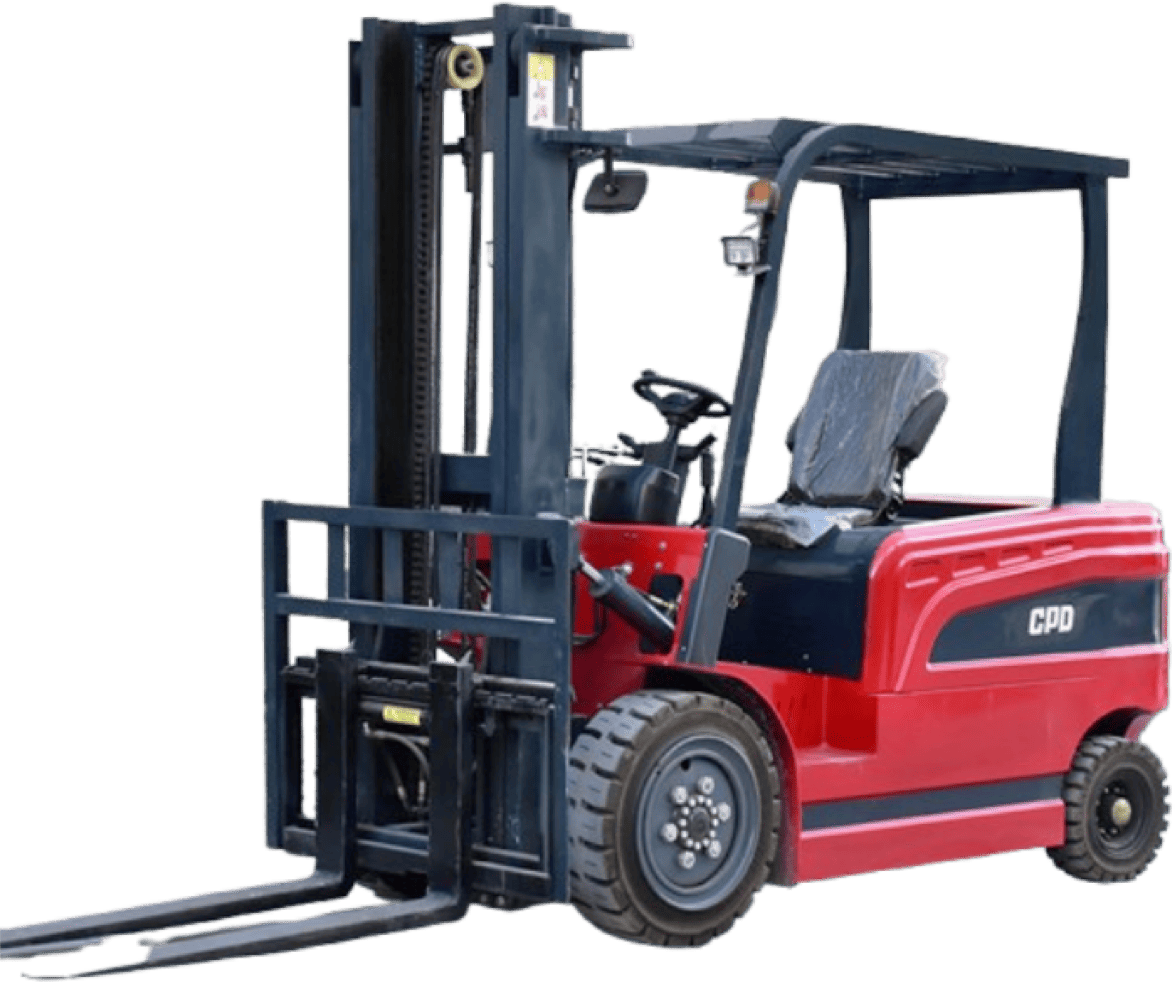
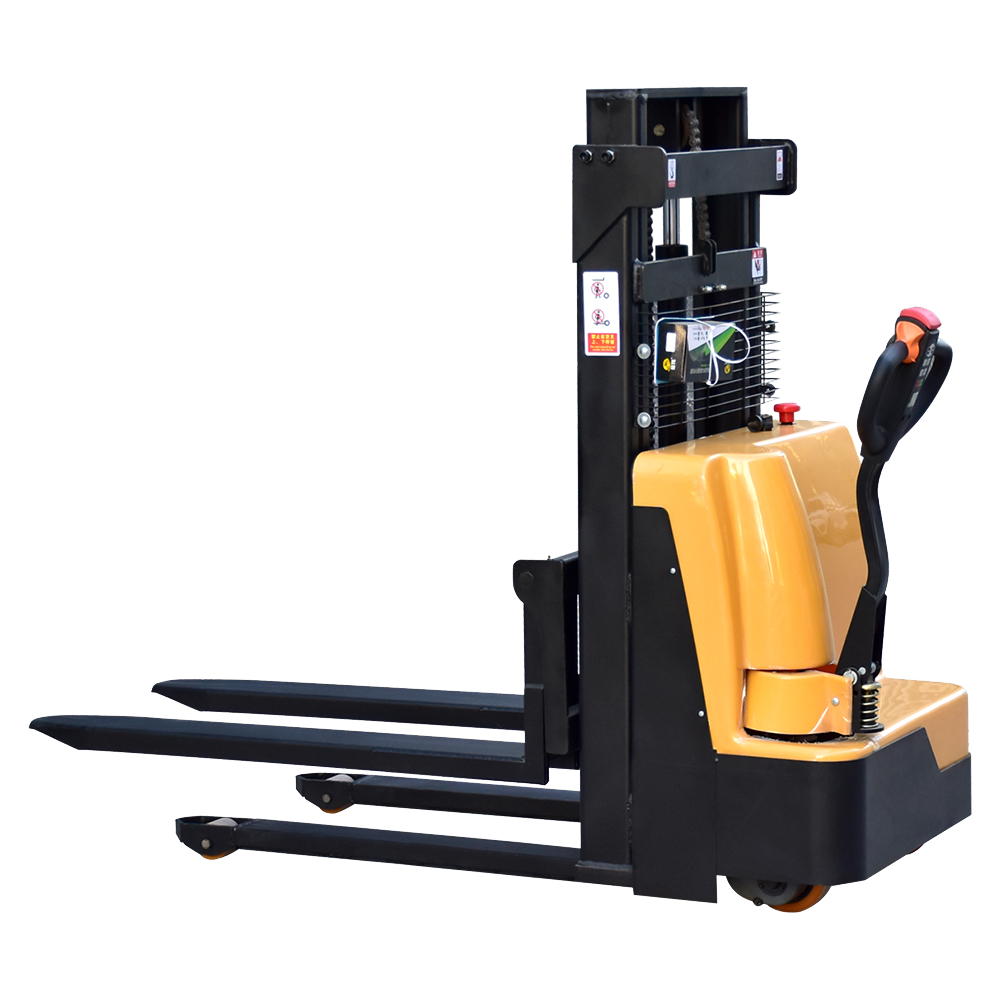
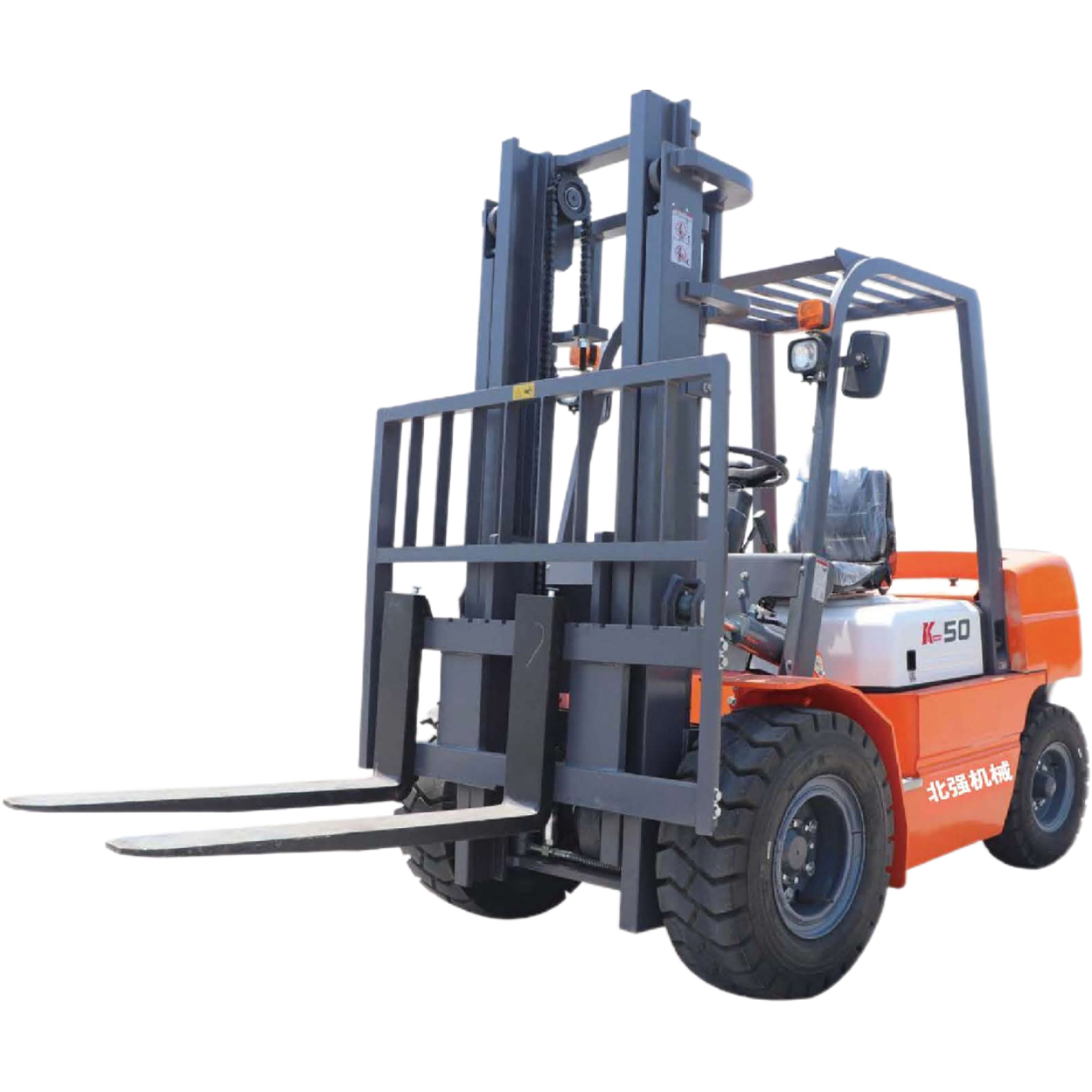
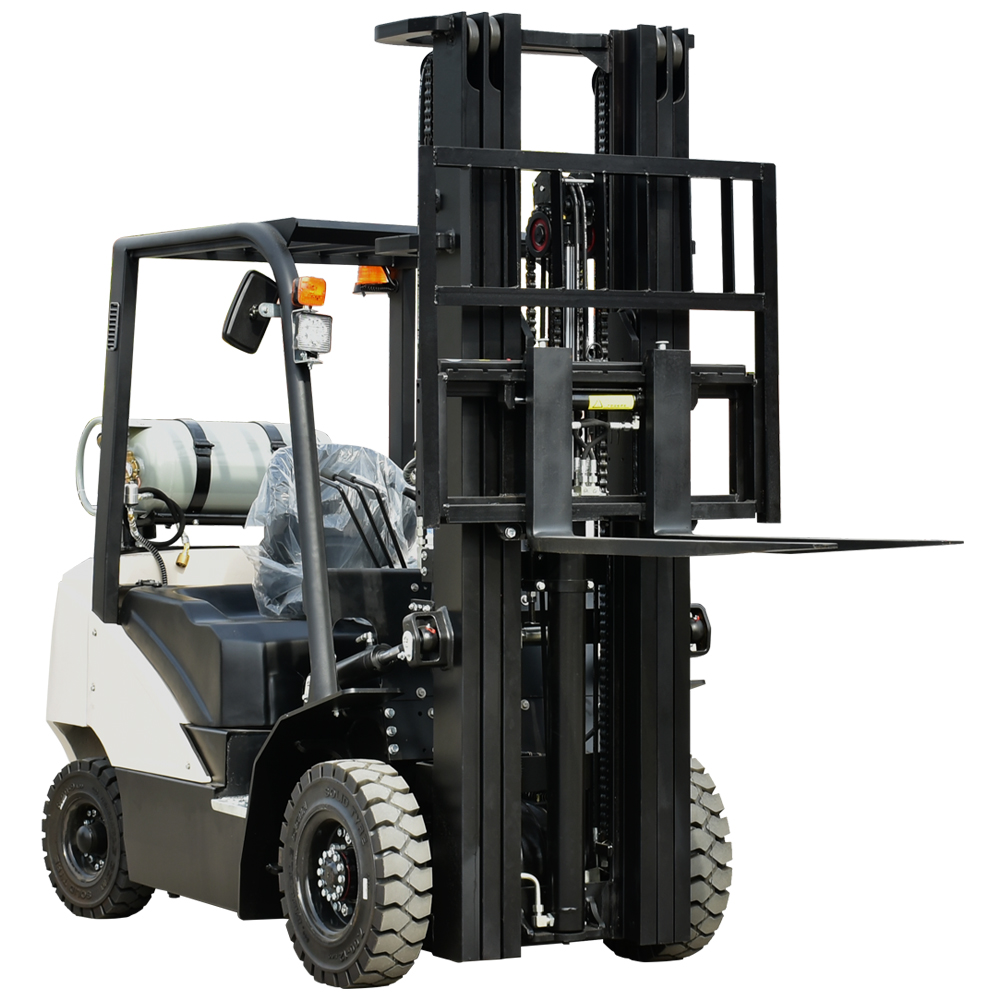
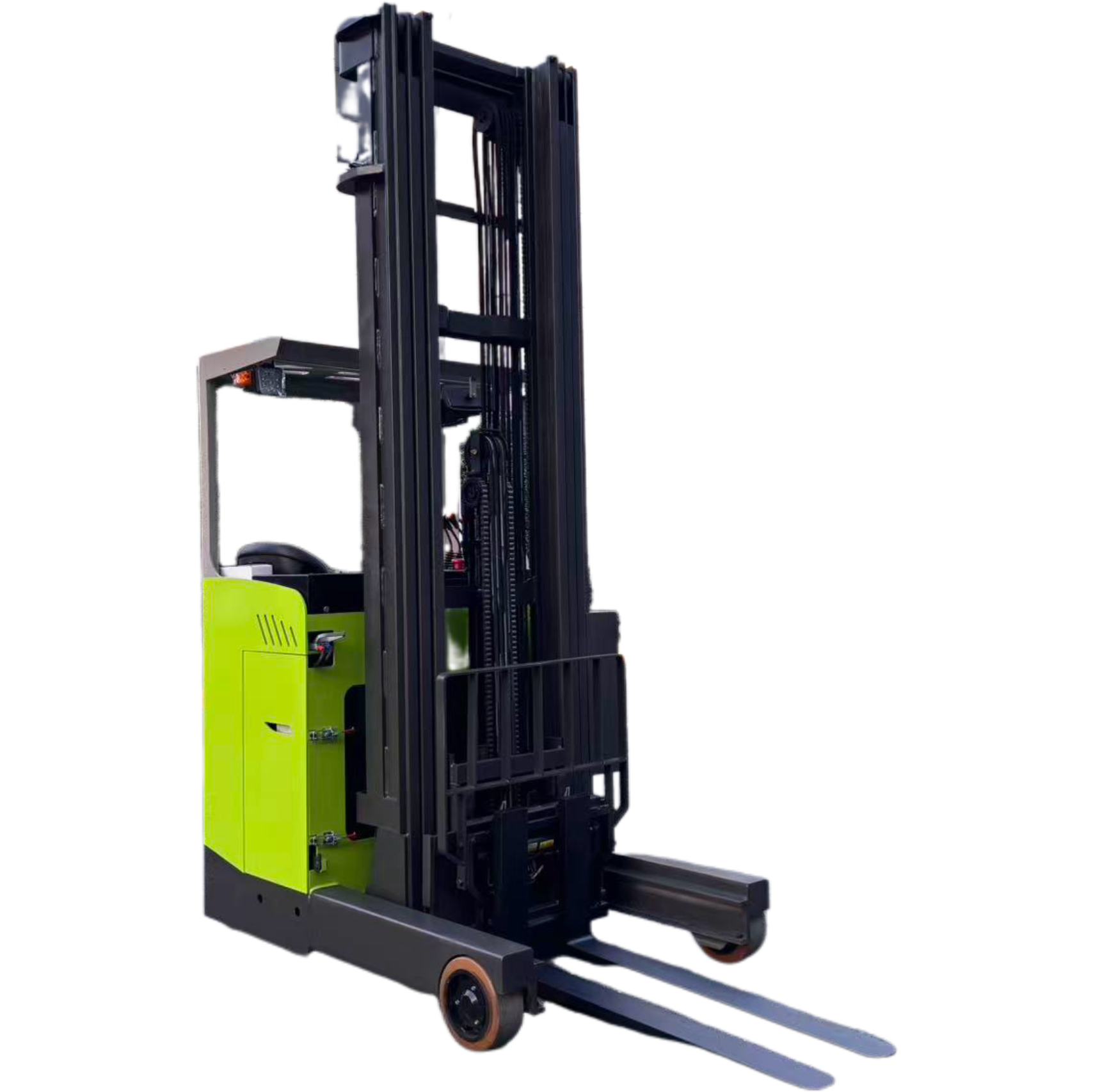
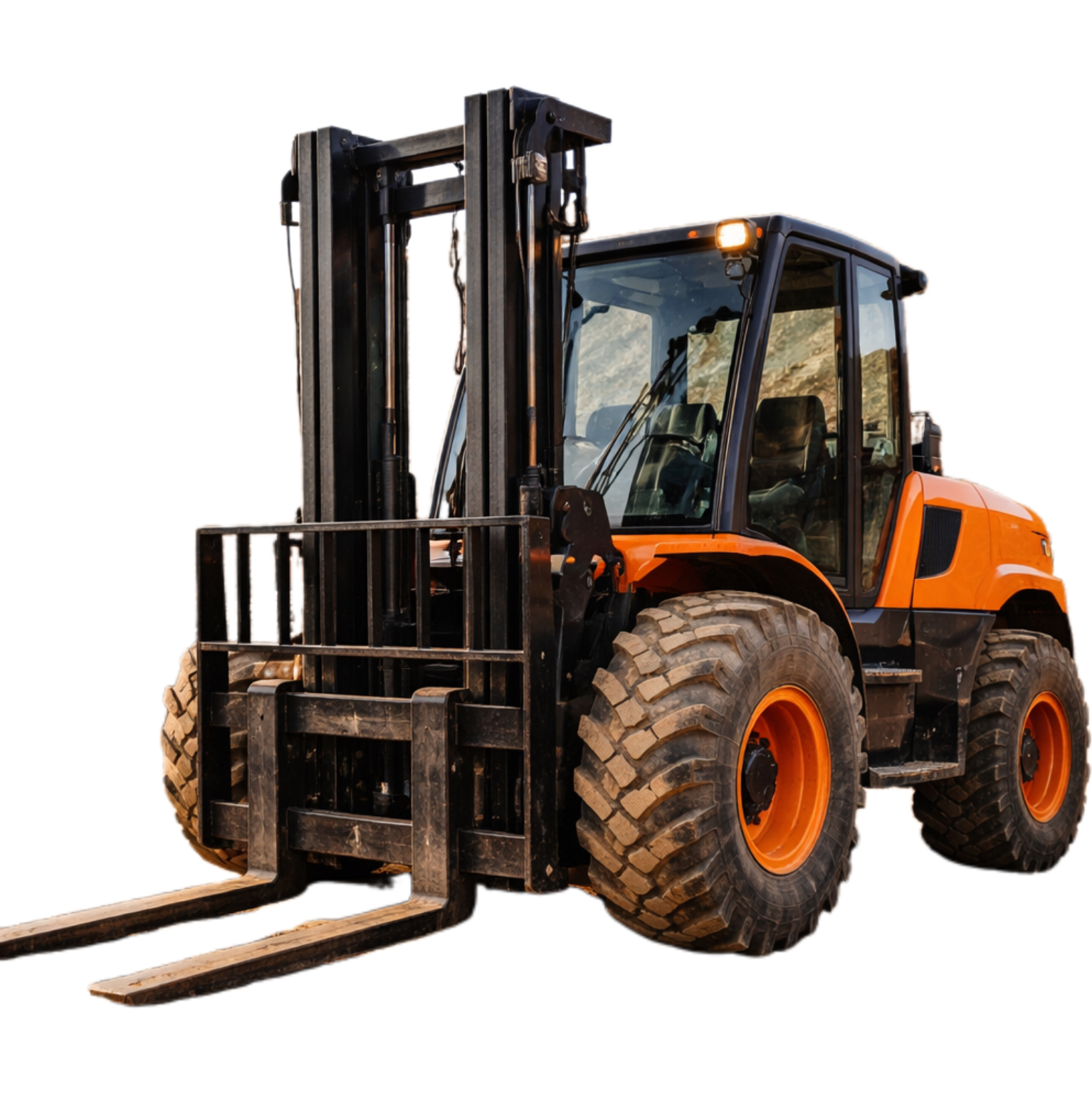


In the logistics, warehousing, and intelligent manufacturing sectors, electric forklifts have long ceased to be mere "handling tools"—they have evolved into core hubs connecting cargo flow and production line coordination. As industries increasingly demand "unmanned operation, intelligence, and high efficiency," upgrades to individual technologies can hardly break through existing bottlenecks. Today, the "dual-drive" combination of embodied intelligence and digital twin is redefining the capability boundaries of electric forklifts, propelling them into a next-generation form that "can perceive, think, and make decisions."
Technology Breakdown: Why "Embodied Intelligence + Digital Twin"?
Before discussing the value of their integration, it is necessary to clarify the "division of labor" between these two core technologies—they are not simply superimposed, but form a closed loop of "perception-mapping-optimization-execution," which precisely addresses the key shortcomings of traditional electric forklifts.
Embodied Intelligence: Equipping Forklifts with "Brains" and "Limbs"
The core of embodied intelligence is "enabling an intelligent agent to interact with the physical environment through its 'body' to achieve autonomous decision-making." For electric forklifts, this means they no longer rely on pre-set programs or remote control, but possess three key capabilities:
First, environmental perception capability: Through multi-modal devices such as LiDAR, visual cameras, and force sensors, forklifts can real-time identify cargo size, weight, and pallet position, and even perceive ground flatness, surrounding personnel, and obstacles—much like how humans perceive the world through eyes and touch. Second, autonomous decision-making capability: Based on perceived data and combined with warehousing task requirements (such as "prioritize urgent orders" or "avoid congested passages"), they independently plan optimal routes and adjust fork force to prevent collisions or cargo damage. Third, flexible execution capability: When facing unexpected situations such as irregularly shaped cargo or temporarily changed shelf positions, they can dynamically adjust their actions without manual intervention, breaking the limitations of traditional AGVs that "have fixed routes and limited application scenarios."
Digital Twin: Building a "Parallel World" for Forklifts
A digital twin constructs a "digital mirror" in the virtual space that is fully synchronized with the physical forklift. This mirror is not a simple 3D model, but a core carrier with "real-time data interaction" and "simulation deduction" capabilities:
On one hand, the operating data of the physical forklift (position, battery level, load, fault codes) is real-time synchronized to the digital twin via 5G/industrial Internet, enabling "virtual visualization of physical status"—managers can monitor the operating status of each device without being on-site. On the other hand, the virtual space can simulate the forklift's task processes and fault scenarios—for example, before executing a new task, it first deduces whether the route is optimal in the virtual environment, or simulates scenarios such as "battery depletion" or "cargo offset" to optimize response strategies in advance, which are then synchronized to the physical forklift for execution, greatly reducing trial-and-error costs.
Integration Outbreak: Core Value Scenarios of Next-Generation Electric Forklifts
When the "autonomous capability" of embodied intelligence combines with the "virtual optimization" of digital twin, the application value of electric forklifts upgrades from "single handling" to "full-process intelligent collaboration," with remarkable performance in three key scenarios.
Scenario 1: "Unmanned Closed Loop" in Intelligent Warehousing
In traditional warehousing, the coordination between "forklifts, shelves, and sorting" often relies on manual scheduling, resulting in low efficiency and high error rates. However, integrated electric forklifts can be integrated into the "digital twin brain" of the warehousing system: after the system issues the task of "transferring cargo from Area A to Area B shelves," the digital twin first simulates three feasible routes based on real-time warehousing data (shelf vacancies, passage congestion) and selects the one with the shortest time; subsequently, the embodied intelligence forklift departs independently according to this plan, avoids temporarily appearing pallets through visual recognition during travel, and precisely controls the fork height through force sensors to place the cargo stably on the shelf—no manual participation is required throughout the process. Additionally, the digital twin records the cargo position in real-time and updates the warehousing system data synchronously, achieving a full-link closed loop of "cargo-equipment-system."
Pilot data from an e-commerce logistics warehouse shows that electric forklifts adopting this technology have increased cargo handling efficiency by 30%, reduced manual scheduling costs by 60%, and lowered the cargo damage rate from 1.2% to 0.3%.
Scenario 2: "Dynamic Adaptation" in Flexible Production
In flexible manufacturing scenarios such as automotive and electronics industries, production lines switch frequently, and material demands change in real-time, making it difficult for traditional forklifts to respond quickly. However, forklifts integrated with embodied intelligence and digital twin can achieve "production line following": the digital twin synchronizes the real-time production plan of the production line and simulates the material distribution rhythm in advance—when the production line switches to a new vehicle model, the virtual forklift has already completed the deduction of "new material stacking position and distribution frequency"; the physical forklift perceives the material demand signal beside the production line through embodied intelligence, independently adjusts the load (e.g., switching from transporting engines to car doors), and accurately parks at the designated position on the production line with an error within 5 cm, fully matching the dynamic needs of flexible production.
Scenario 3: "Predictive Management" Throughout the Lifecycle
A major pain point in electric forklift maintenance is "sudden failures"—in the traditional model, maintenance is often carried out only after the equipment shuts down, causing production interruptions. However, integrated technology realizes "predictive maintenance" through "virtual mapping + data modeling": the digital twin continuously accumulates the forklift's operating data (such as motor speed, battery cycle times, brake wear), combines signals such as "abnormal vibration and sudden increase in energy consumption" perceived by embodied intelligence, and predicts the remaining service life of vulnerable components through algorithm models. For example, when the virtual forklift simulates that "the brake pad has 20 hours of service life left," the system automatically generates a maintenance work order, reminding personnel to replace it during non-production hours to avoid failure shutdowns. After application by a manufacturing enterprise, the unplanned downtime of forklifts has been reduced by 40%, and maintenance costs have been cut by 25%.
Implementation Challenges and Future Outlook
Despite the broad prospects, the integrated application of embodied intelligence and digital twin in electric forklifts still needs to overcome three major bottlenecks: First, cost control—the high cost of hardware such as LiDAR and high-precision sensors makes it difficult for small and medium-sized logistics enterprises to apply them in batches. Second, data security—real-time data interaction between equipment and digital twins requires ensuring the transmission security of the industrial Internet to avoid data leakage or malicious manipulation. Third, industry standards—the lack of unified "equipment data interfaces and digital twin modeling specifications" leads to incompatibility between forklifts and systems of different brands.
However, technological iteration and industrial demand are accelerating the resolution of these issues: with the decline in sensor costs, the popularization of open-source industrial Internet platforms, and the promotion of standards by industry associations, integrated electric forklifts are moving from "pilot projects" to "large-scale application." In the future, with the in-depth integration of AI large models and embodied intelligence, forklifts will have stronger "generalization capabilities"—able to adapt to complex scenarios such as cold storage and dusty workshops; the linkage between digital twins and digital twin factories will make forklifts important nodes in the "intelligent manufacturing network," achieving "global optimization" rather than "single-equipment optimization."
Conclusion: The Transformation from "Tool" to "Intelligent Partner"
Embodied intelligence endows electric forklifts with "autonomous action capabilities," while digital twin endows them with "global optimization wisdom." Their integration essentially transforms electric forklifts from "tools that passively execute commands" into "intelligent partners that actively participate in production and logistics." In the wave of intelligent manufacturing and smart logistics, this transformation is not only the upgrade direction of the forklift industry, but also a microcosm of industrial digital transformation—when every piece of equipment possesses the capabilities of "perception, thinking, and collaboration," an efficient, flexible, and intelligent industrial ecosystem will quietly take shape.
Our manager will contact you shortly.
To contact you about our products and services.


Copyright © Xingtai Beiqiang Machinery Manufacturing Factory. 2025.
Technical support:Echola