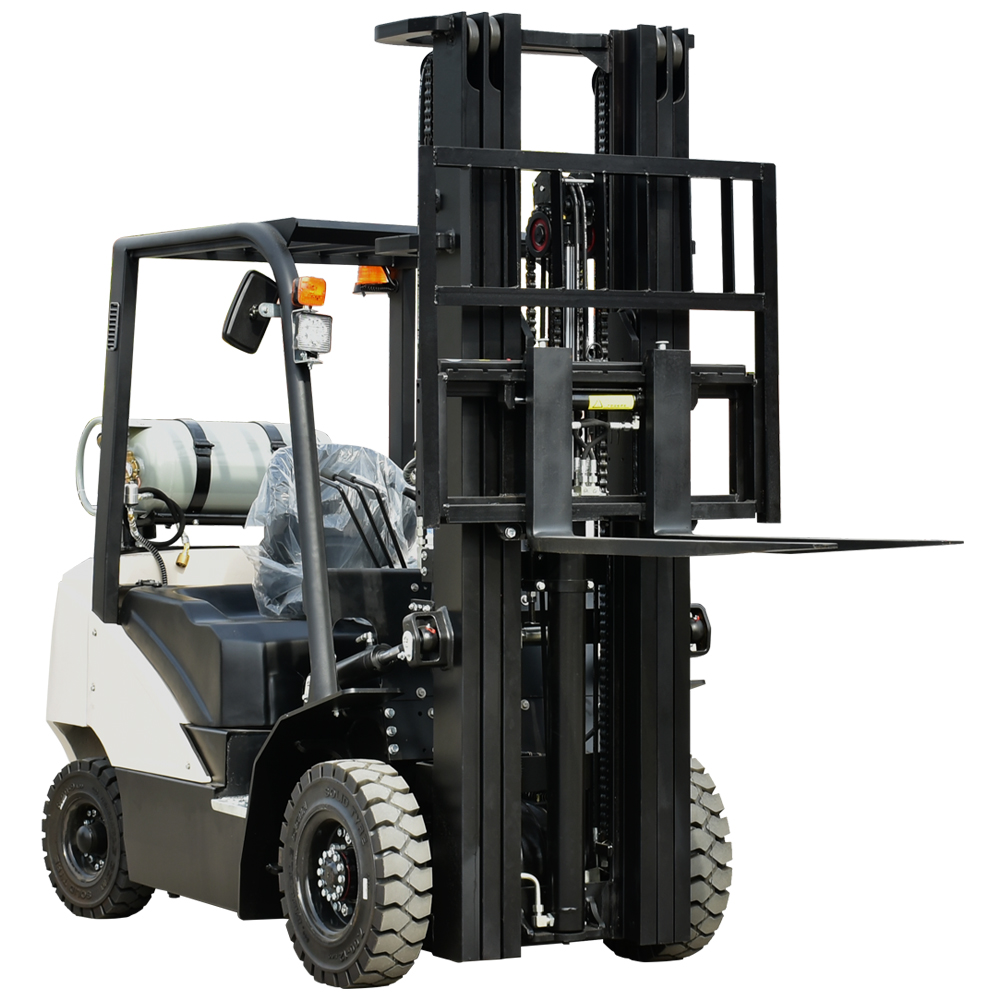
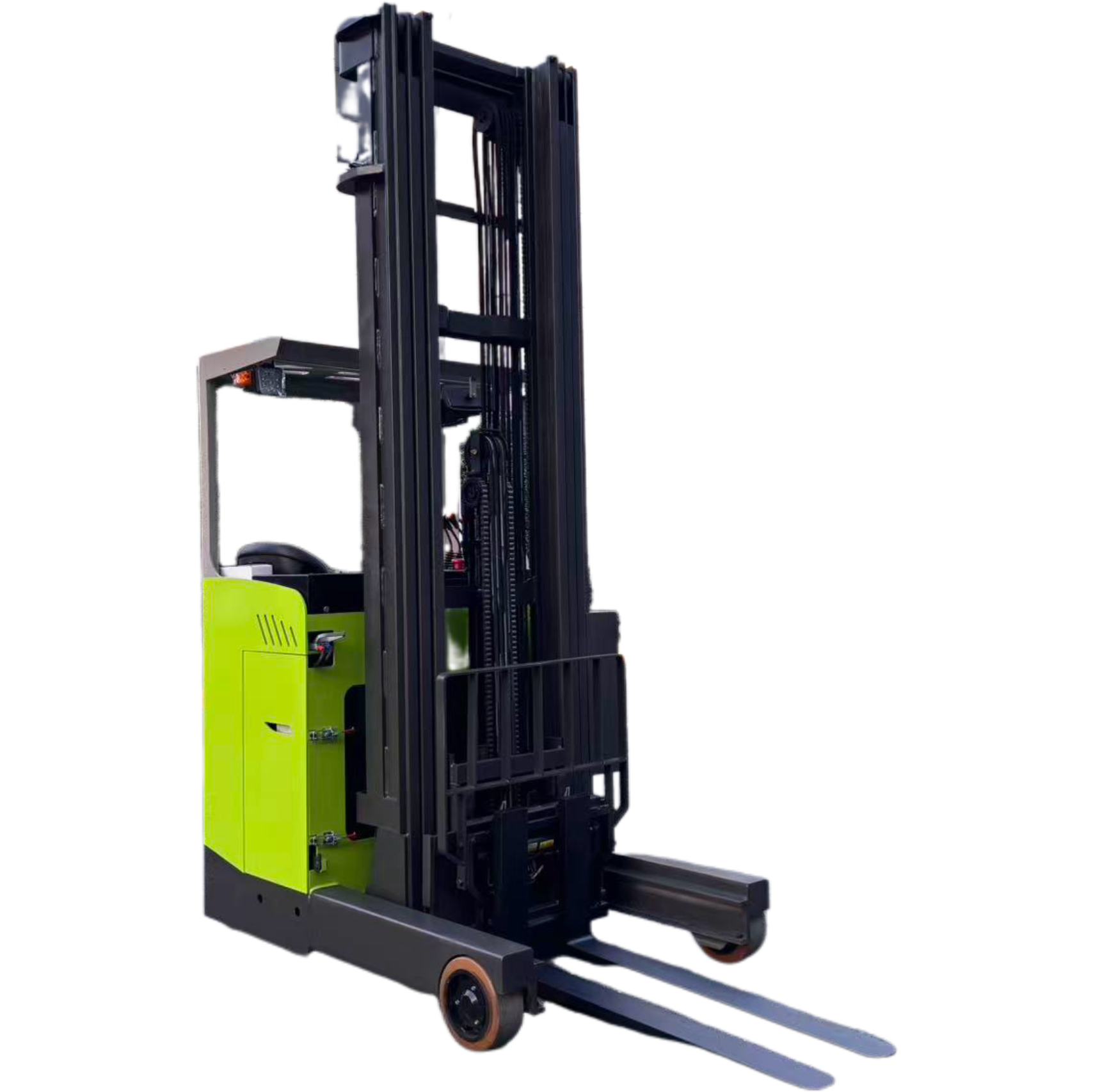
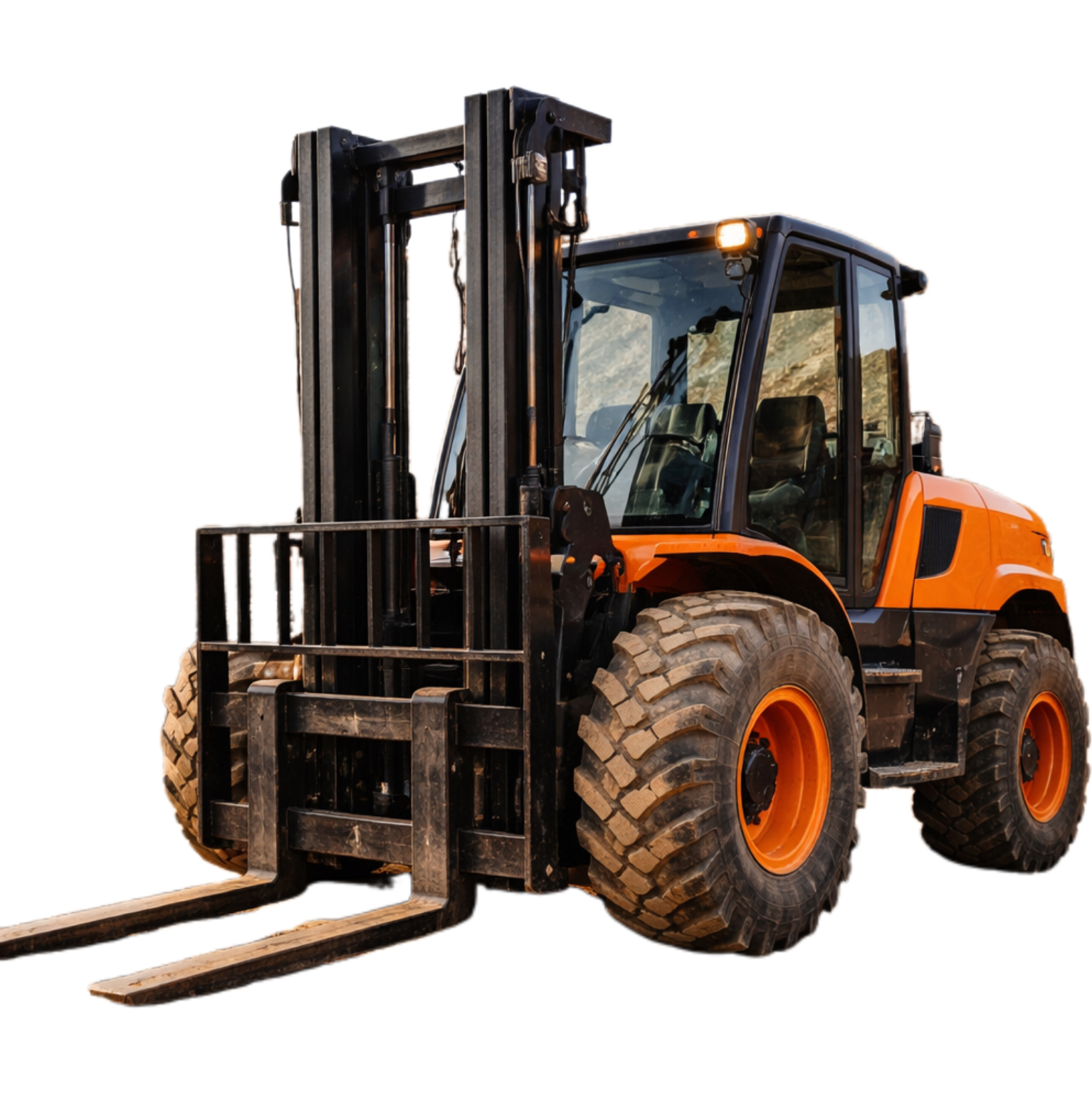


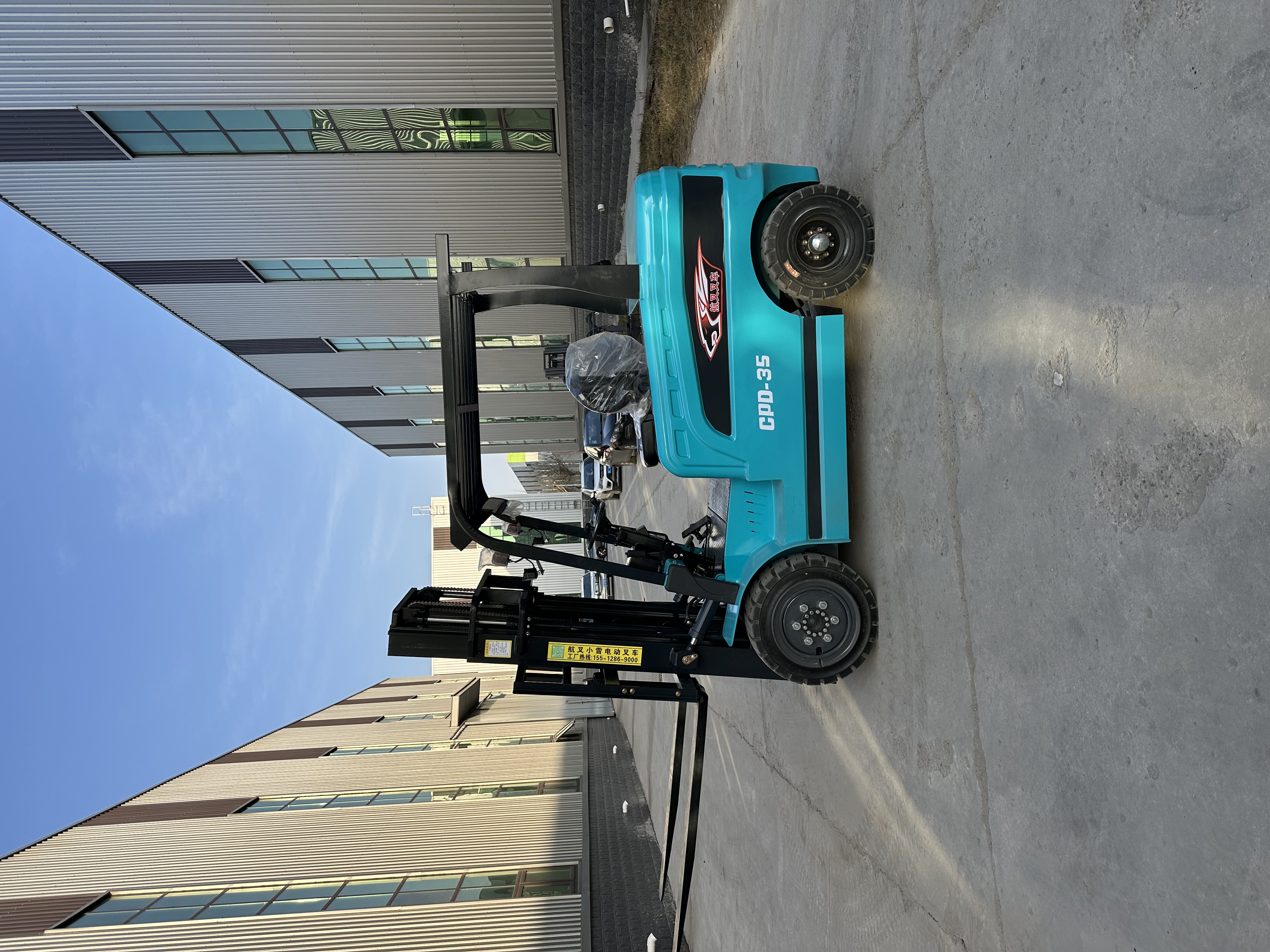
As businesses continue to embrace sustainability and energy efficiency, electric forklifts are rapidly becoming the preferred solution for material handling in warehouses and logistics centers worldwide. These battery-powered machines offer significant advantages over traditional internal combustion forklifts, including reduced emissions, lower operational costs, and quieter operation. This article explores the role of electric forklifts in modern warehouses, their key benefits, and how they are revolutionizing logistics operations.
What Are Electric Forklifts?
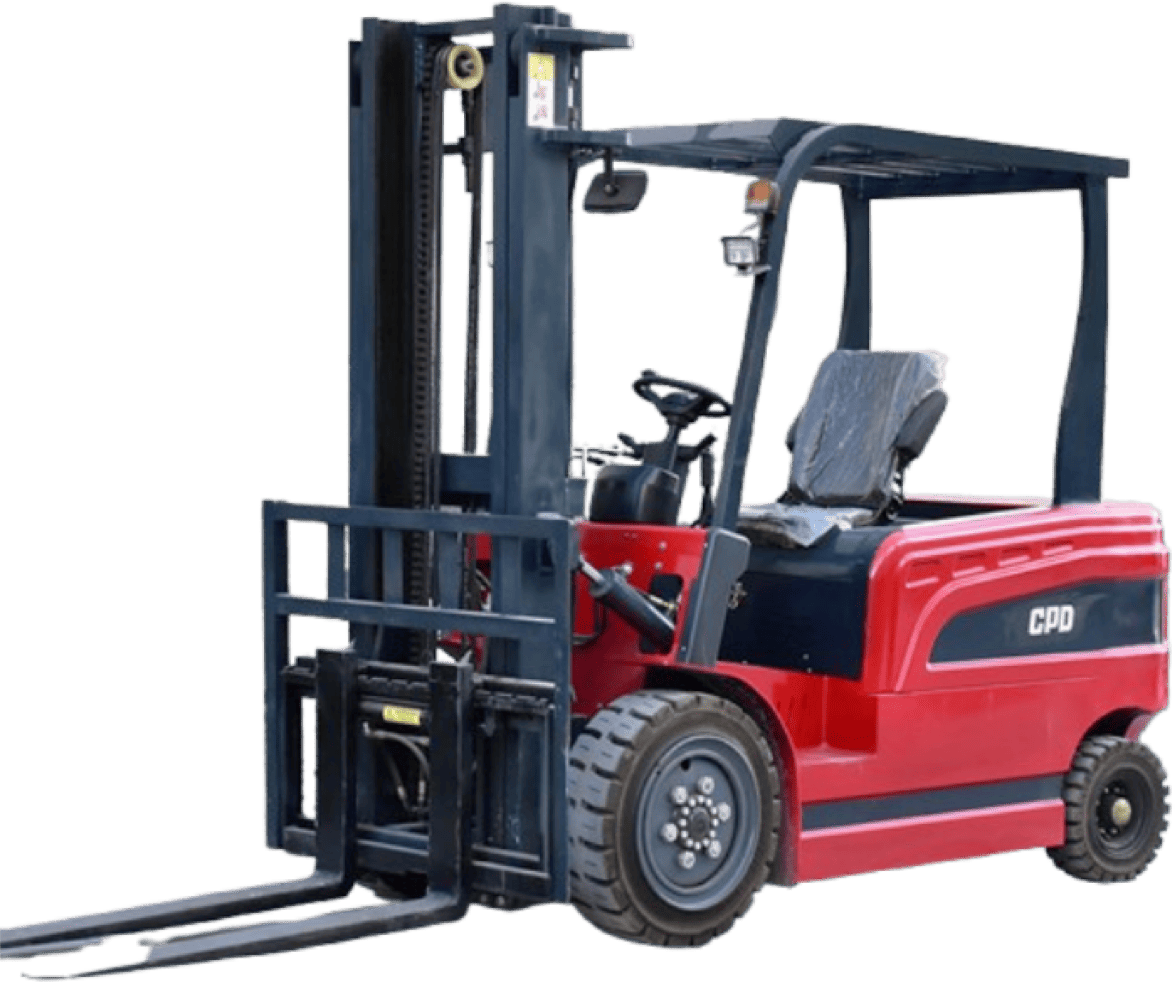
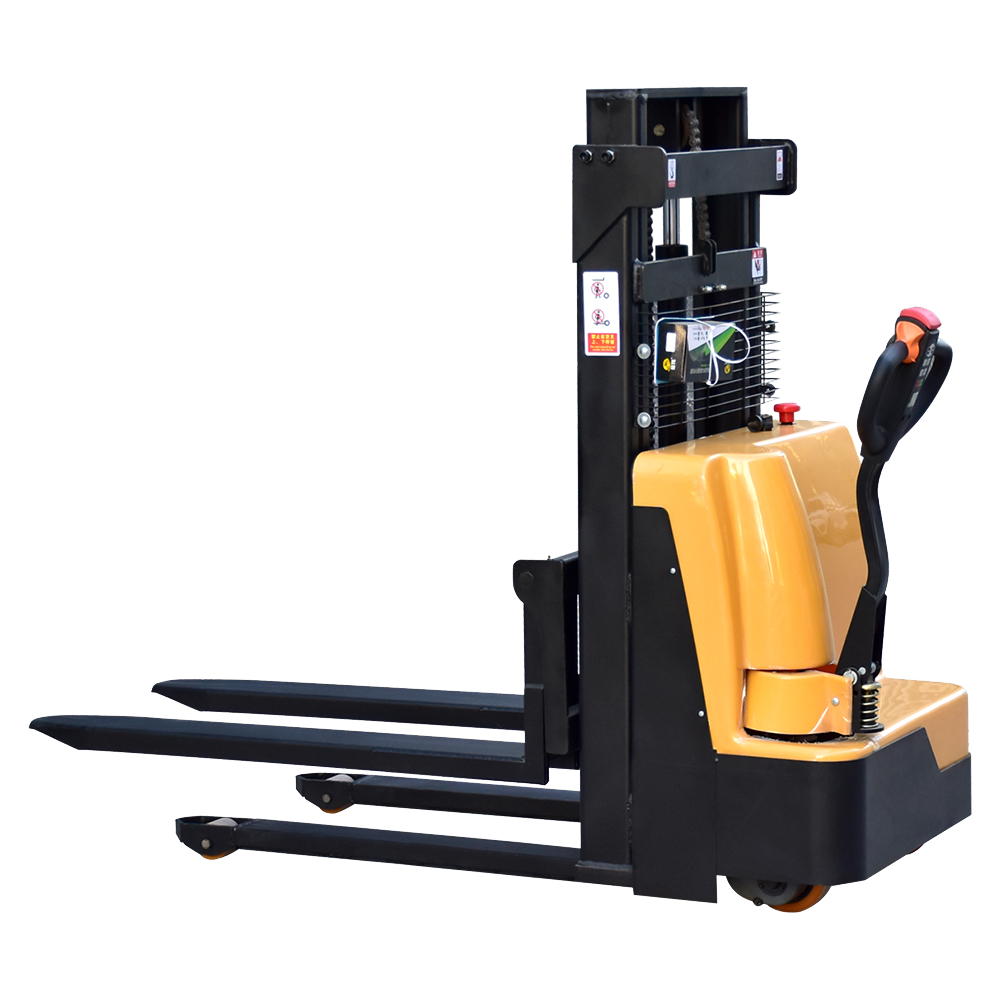
Electric forklifts are powered by rechargeable batteries (commonly lithium-ion or lead-acid) and are used to move materials in various industries, including warehousing, manufacturing, and logistics. Unlike their fuel-powered counterparts, electric forklifts are environmentally friendly, offering zero emissions during operation. They are typically used for indoor tasks in controlled environments, such as loading, unloading, and transporting goods within facilities.
Key Benefits of Electric Forklifts
Eco-Friendly Operation: One of the most significant advantages of electric forklifts is their environmental impact. They produce zero emissions, making them an ideal choice for indoor use, especially in environments like food and beverage, pharmaceuticals, or electronics manufacturing, where air quality is a priority. Electric forklifts help companies reduce their carbon footprint and meet sustainability goals.
Lower Operating Costs: Although electric forklifts tend to have a higher upfront cost compared to internal combustion models, they offer significant long-term savings. The electricity required to charge the batteries is cheaper than gasoline, diesel, or propane, which results in lower operating costs. Furthermore, electric forklifts have fewer moving parts, leading to reduced maintenance requirements and longer lifespans.
Reduced Noise Pollution: Electric forklifts operate much more quietly than their fuel-powered counterparts. The quieter operation reduces noise pollution in busy warehouse environments, improving workplace comfort and productivity. This is especially beneficial in large distribution centers where high noise levels can be a safety hazard and hinder communication.
Improved Safety and Stability: Many electric forklifts come with advanced safety features such as regenerative braking, stability control, and smooth acceleration. These features not only improve operator control but also reduce the risk of accidents. Additionally, electric forklifts often feature lower emissions and cleaner air quality, creating a safer environment for workers.
Better Maneuverability: Electric forklifts are typically more compact and easier to maneuver in tight spaces compared to traditional forklifts. This makes them particularly well-suited for high-density storage areas and narrow aisles, which are common in modern warehouses and e-commerce fulfillment centers.
Applications of Electric Forklifts in Warehousing and Logistics
Electric forklifts are highly versatile and used in a wide range of applications within warehouses and logistics facilities. Here are some common applications:
Order Picking and Sorting: Electric forklifts are often used in order picking operations, where products are retrieved from storage racks and delivered to packing or shipping stations. Their precision and smooth operation make them ideal for these tasks.
Storage and Racking: In high-bay warehouses with tall racking systems, electric forklifts are used to store and retrieve goods at various heights. With their precise control and ability to lift heavy loads, electric forklifts help maximize warehouse storage efficiency.
Loading and Unloading: Electric forklifts are widely used to load and unload trucks in distribution centers. Their ability to carry heavy loads and quickly maneuver in loading docks improves operational efficiency and reduces turnaround times.
Cross-Docking Operations: Electric forklifts are essential in cross-docking operations, where products are transferred directly from inbound trucks to outbound vehicles with minimal storage time. This process helps streamline logistics operations and speed up product delivery.
Indoor Use in Clean Environments: Electric forklifts are ideal for use in clean or temperature-sensitive environments, such as pharmaceutical warehouses or food distribution centers. Since they produce no fumes or exhaust, they help maintain a safe and clean atmosphere.
Challenges and Considerations
While electric forklifts provide numerous benefits, there are a few challenges to consider before adopting them:
Battery Life and Charging: Electric forklifts rely on rechargeable batteries, and battery life can be a concern if they are used for long shifts or in high-demand environments. However, advancements in lithium-ion battery technology have led to faster charging times and longer battery life, making electric forklifts more efficient.
Initial Investment: The initial cost of electric forklifts is typically higher than that of internal combustion forklifts. However, this cost can be offset over time through savings in fuel, maintenance, and operating costs.
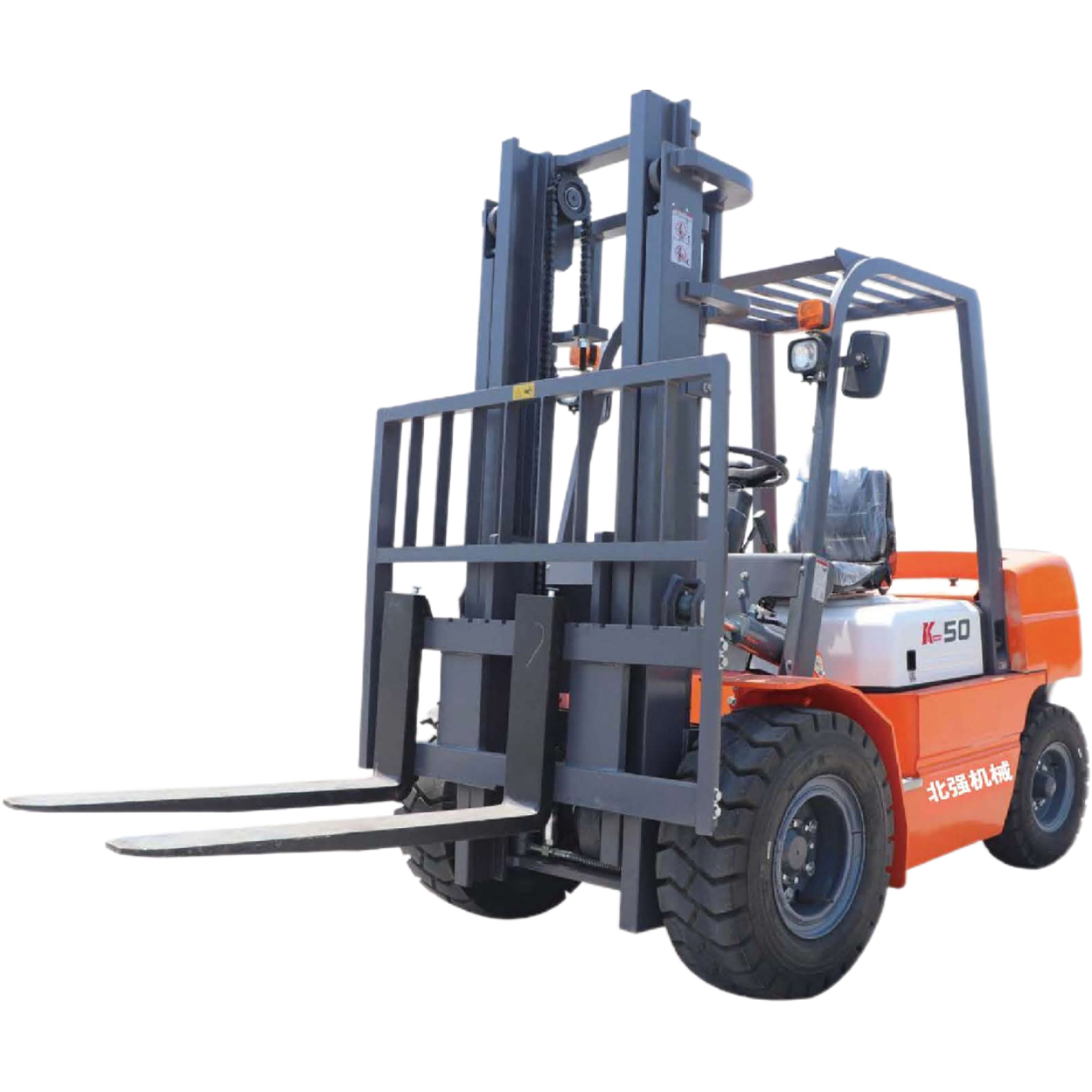
Indoor Use Only: Electric forklifts are primarily designed for indoor use in controlled environments. For outdoor operations or rough terrain, gas or diesel-powered forklifts may still be the preferred choice due to their durability and longer operational range.
Future Trends in Electric Forklifts
The future of electric forklifts looks promising as technology continues to advance. Some key trends shaping the future of electric forklifts include:
Advances in Battery Technology: Lithium-ion batteries are becoming more affordable and efficient, offering faster charging times, longer runtimes, and greater energy density. These advancements will make electric forklifts even more reliable and cost-effective in the future.
Automation and Robotics: As warehouses and logistics centers become more automated, electric forklifts are being integrated with robotics and automation systems. Automated Guided Vehicles (AGVs) and robotic forklifts are becoming increasingly common in large-scale operations, reducing the need for human intervention and improving efficiency.
Integration with IoT and Fleet Management: Electric forklifts are increasingly being equipped with Internet of Things (IoT) sensors, which provide real-time data on battery life, usage patterns, and maintenance needs. This data can be used for predictive maintenance, fleet optimization, and better decision-making, leading to more efficient operations.
Sustainability Initiatives: As environmental concerns continue to rise, the demand for electric forklifts is expected to grow. Businesses looking to meet their sustainability goals will continue to invest in electric forklifts as part of their green initiatives.
Conclusion
Electric forklifts are quickly becoming the go-to solution for businesses seeking to improve their material handling processes while reducing their environmental impact. With advantages such as lower operating costs, reduced emissions, quieter operation, and improved safety, electric forklifts are transforming how goods are moved in warehouses and logistics facilities. As technology continues to evolve, electric forklifts will play an even more significant role in the future of supply chain operations, offering businesses greater efficiency and sustainability.
Our manager will contact you shortly.
To contact you about our products and services.


Copyright © Xingtai Beiqiang Machinery Manufacturing Factory. 2025.
Technical support:Echola