

.jpg)
As industries continue to prioritize sustainability and efficiency, electric forklifts are becoming the preferred choice in material handling operations. These eco-friendly machines offer numerous advantages over traditional internal combustion forklifts, such as lower emissions, reduced maintenance costs, and quieter operation. In this article, we’ll explore the benefits of electric forklifts, their applications, and how they’re changing the future of material handling in various industries.
What Are Electric Forklifts?
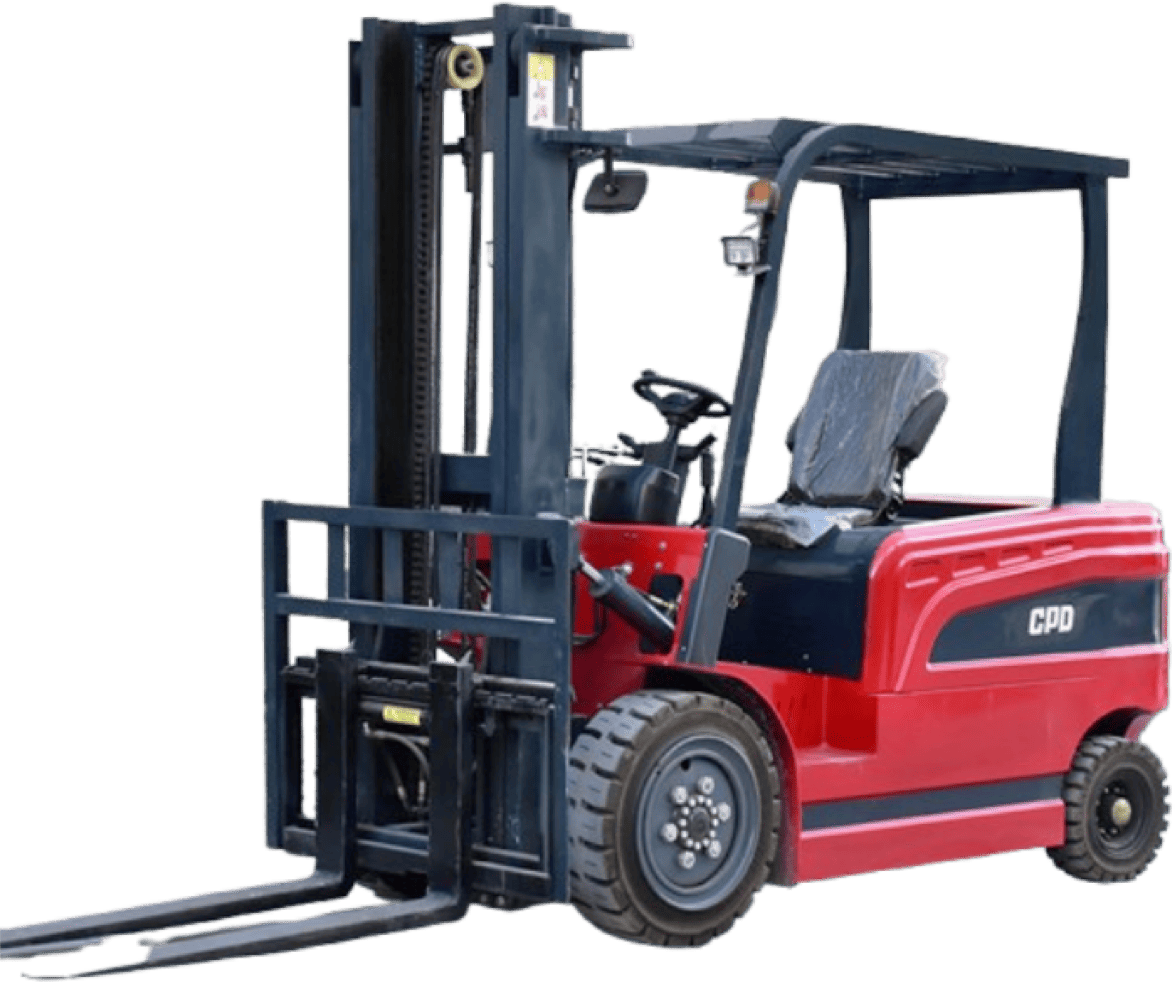
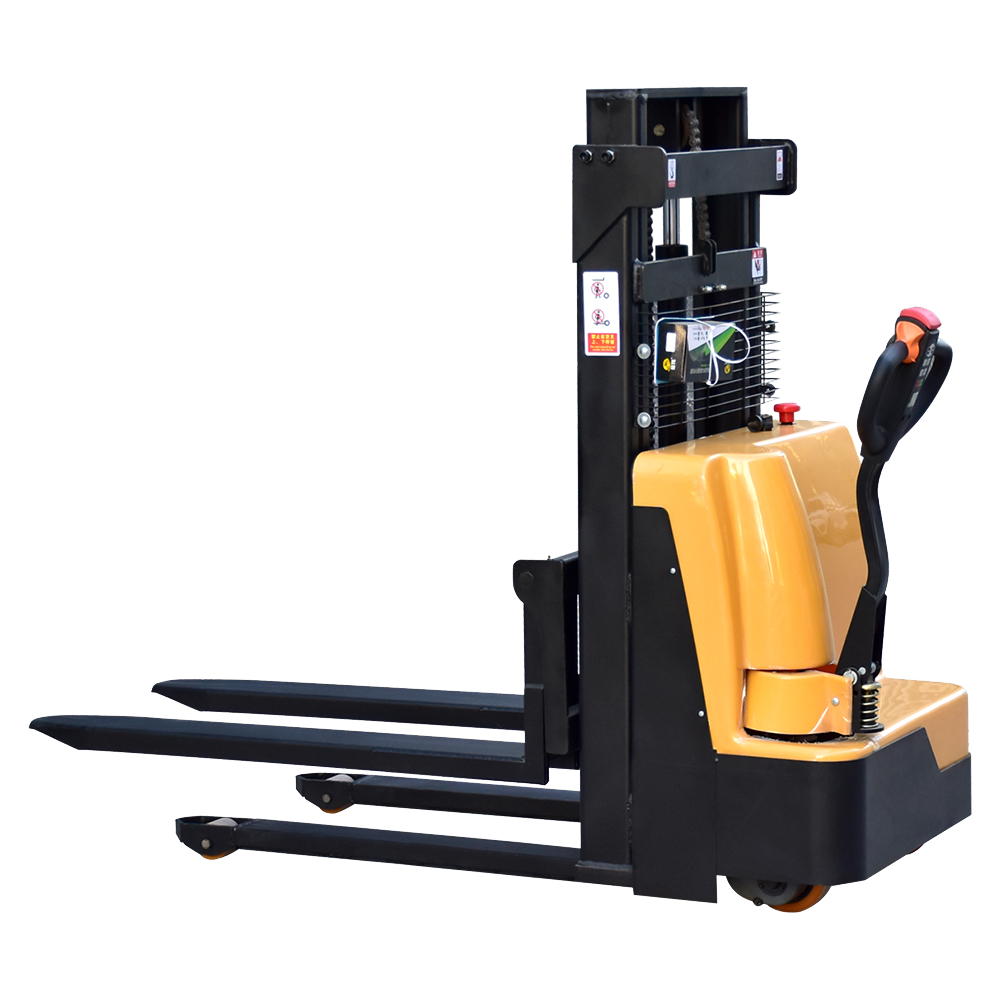
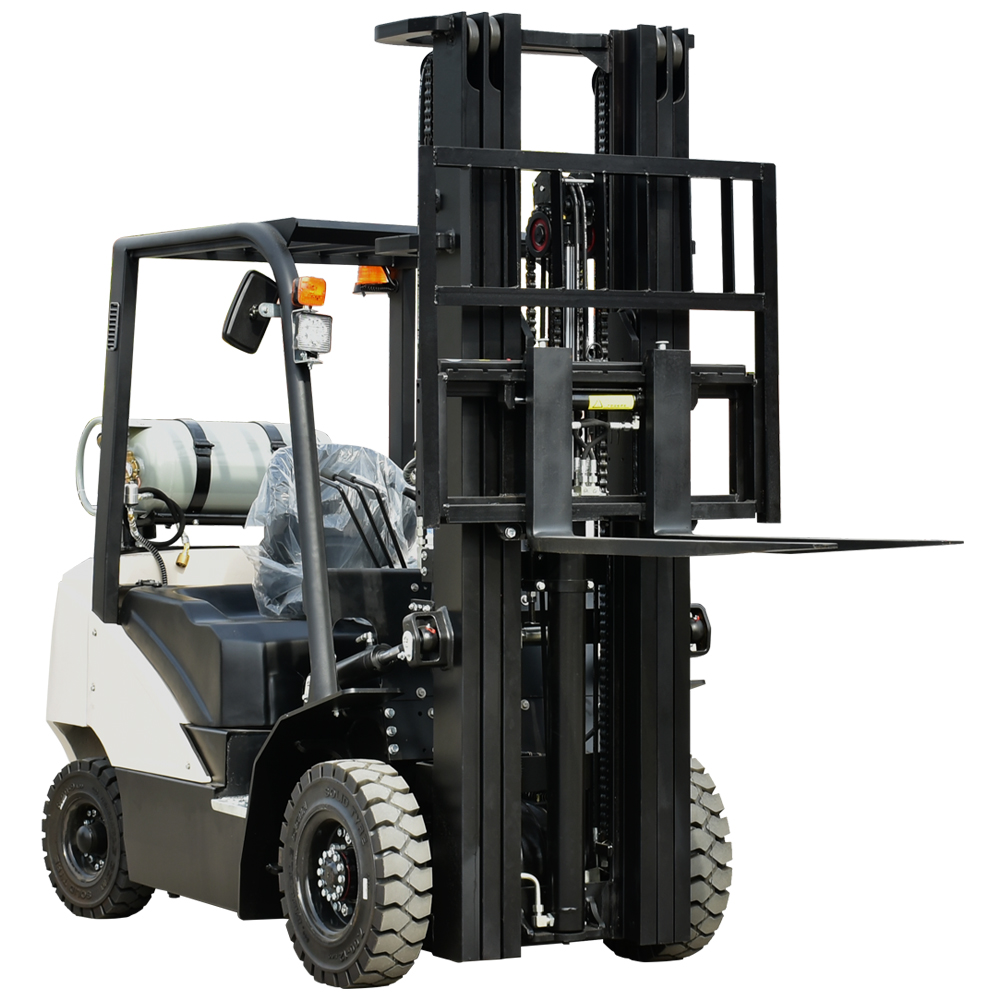
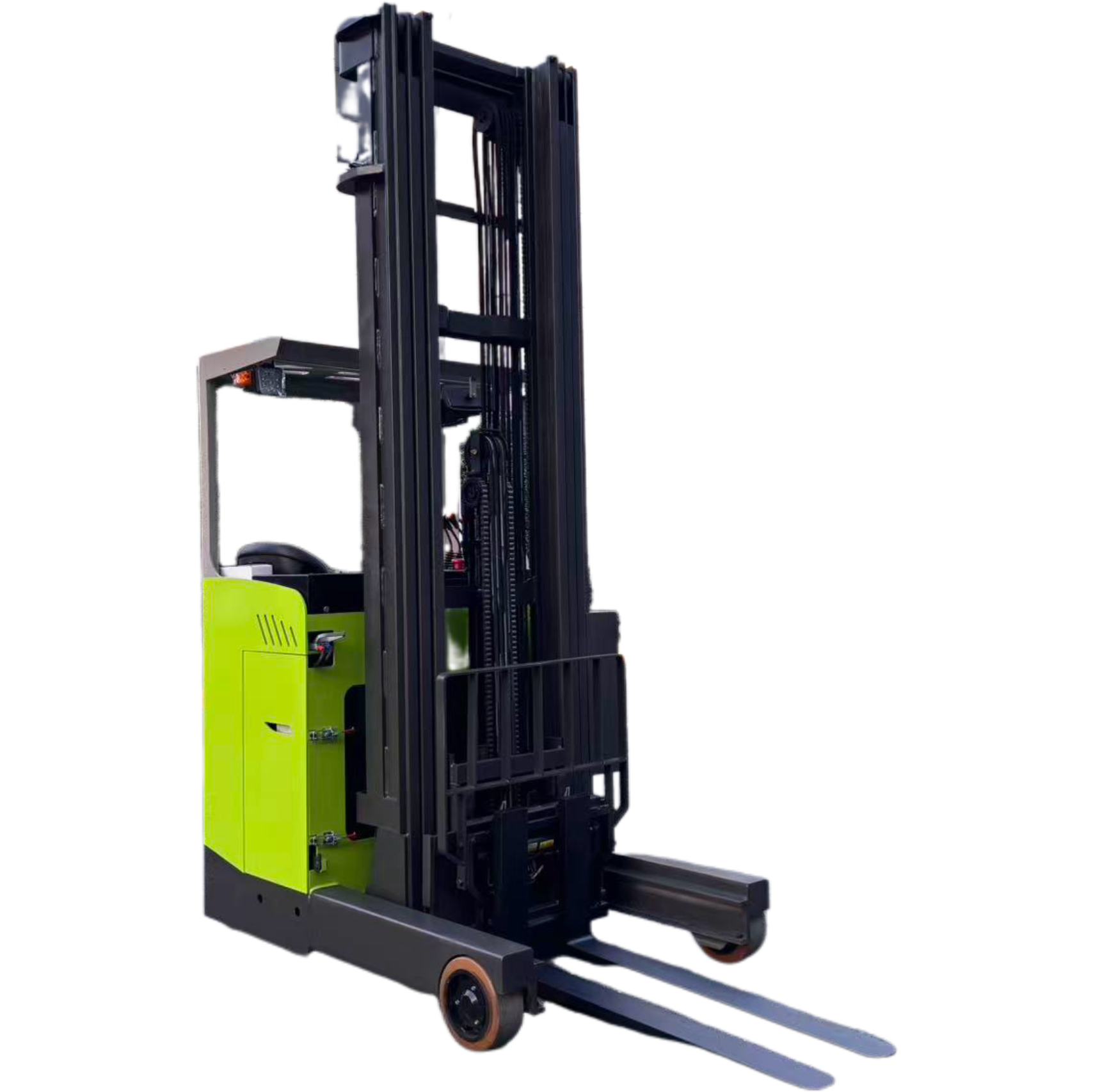
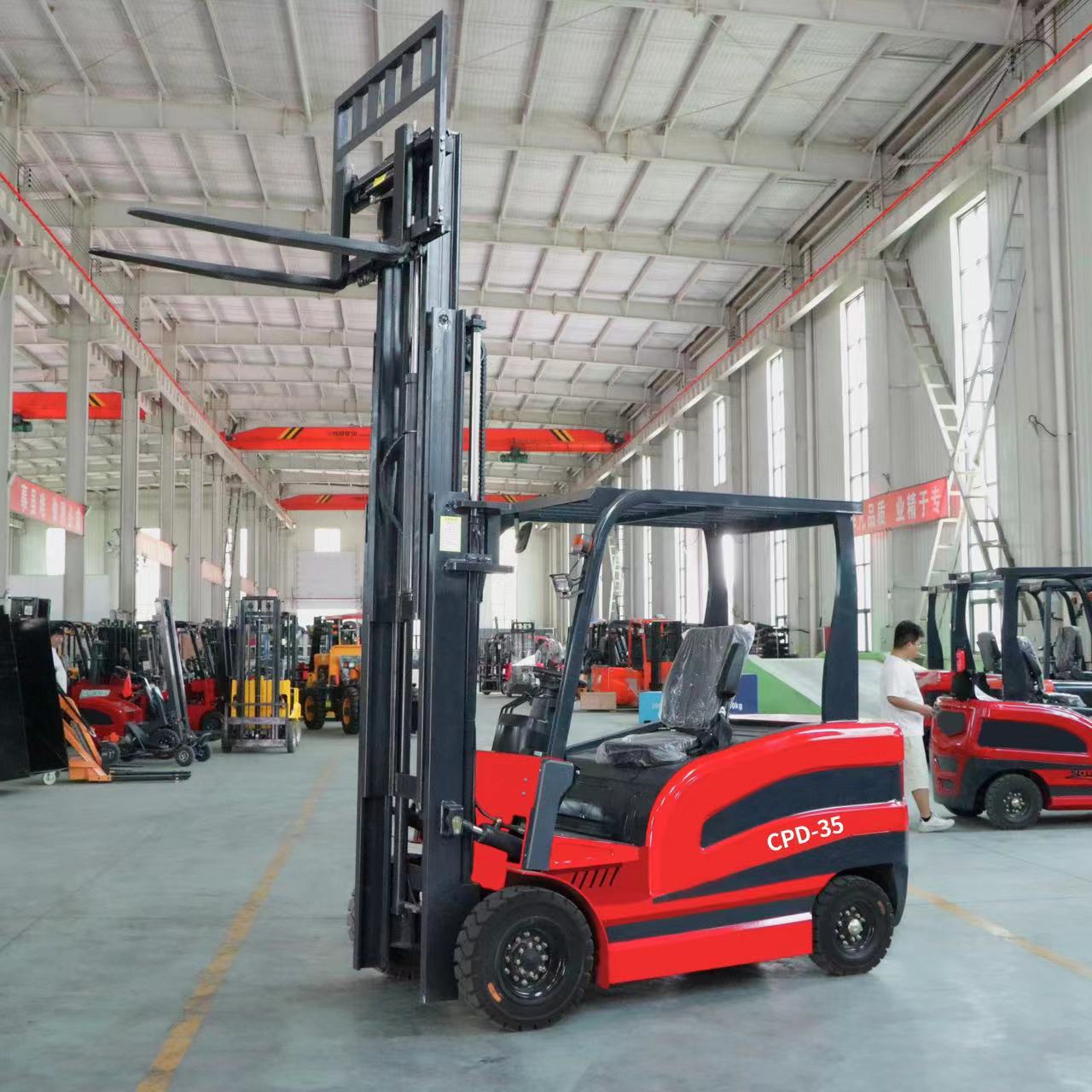
Electric forklifts are powered by rechargeable batteries, typically lithium-ion or lead-acid, and are used to lift, move, and stack goods in warehouses, distribution centers, and other material handling environments. Unlike their internal combustion counterparts, which rely on gasoline, diesel, or LPG, electric forklifts operate without emitting harmful pollutants, making them ideal for indoor use in areas where air quality is a concern.
Key Benefits of Electric Forklifts
Electric forklifts offer several advantages that make them increasingly popular in various industries:
Environmental Benefits: One of the primary reasons companies choose electric forklifts is their environmental impact. Unlike fuel-powered forklifts, electric models produce zero emissions, which helps businesses meet sustainability goals and reduce their carbon footprint. This is particularly important in industries like food and beverage, pharmaceuticals, and electronics, where air quality and cleanliness are crucial.
Lower Operating Costs: While electric forklifts may have a higher initial purchase cost than traditional forklifts, they offer lower operating costs in the long run. Electric motors are more energy-efficient, requiring less power to operate, which results in lower electricity bills. Additionally, they have fewer moving parts, which means less wear and tear and reduced maintenance needs compared to combustion engine models.
Reduced Noise Pollution: Electric forklifts operate much quieter than their internal combustion counterparts. This reduces noise pollution in warehouses and distribution centers, creating a more comfortable work environment for employees and improving communication on the floor. In industries where noise levels must be minimized, such as in food processing or electronics assembly, electric forklifts are the ideal solution.
Improved Safety: Electric forklifts are equipped with advanced safety features such as regenerative braking, which helps reduce stopping distances and improves control. The lack of fumes or exhaust gases also ensures a cleaner and healthier working environment, reducing the risk of respiratory issues for workers. Additionally, electric forklifts often feature smoother acceleration and deceleration, making them easier to control and reducing the likelihood of accidents.
Sustainability and Corporate Responsibility: As sustainability becomes a key focus for many businesses, switching to electric forklifts aligns with corporate social responsibility (CSR) goals. By adopting green technologies, businesses can improve their public image, attract environmentally-conscious customers, and meet regulatory requirements for emissions reductions.
Applications of Electric Forklifts
Electric forklifts are versatile machines and can be used in a wide range of applications across various industries:
Warehousing and Distribution: Electric forklifts are widely used in large warehouses and distribution centers where efficiency and safety are top priorities. They are ideal for moving goods over short to medium distances, storing inventory in high racks, and loading/unloading trucks.
Retail and E-Commerce: As e-commerce continues to grow, so does the demand for fast and efficient order fulfillment. Electric forklifts are often used in retail warehouses to pick and move products, ensuring that orders are fulfilled quickly and accurately.
Manufacturing: In manufacturing facilities, electric forklifts play a key role in moving raw materials to production lines and transporting finished goods to storage areas. Their clean operation makes them ideal for environments where products must be kept free of contaminants.
Food and Beverage Industry: In food processing and beverage production, electric forklifts are commonly used to move ingredients, packaging materials, and finished products. Their emissions-free operation is essential in maintaining clean, safe, and health-conscious environments.
Challenges and Considerations
While electric forklifts offer numerous benefits, there are some challenges to consider before making the switch:
Battery Life and Charging: Battery life can be a concern, especially in operations with high-intensity forklift usage. Depending on the battery type and usage patterns, batteries may need to be recharged during the workday. However, advances in lithium-ion technology have significantly reduced charging times and extended battery life.
Initial Investment: Electric forklifts typically require a higher upfront investment compared to traditional forklifts. However, businesses can offset this cost through lower operational and maintenance expenses over time.
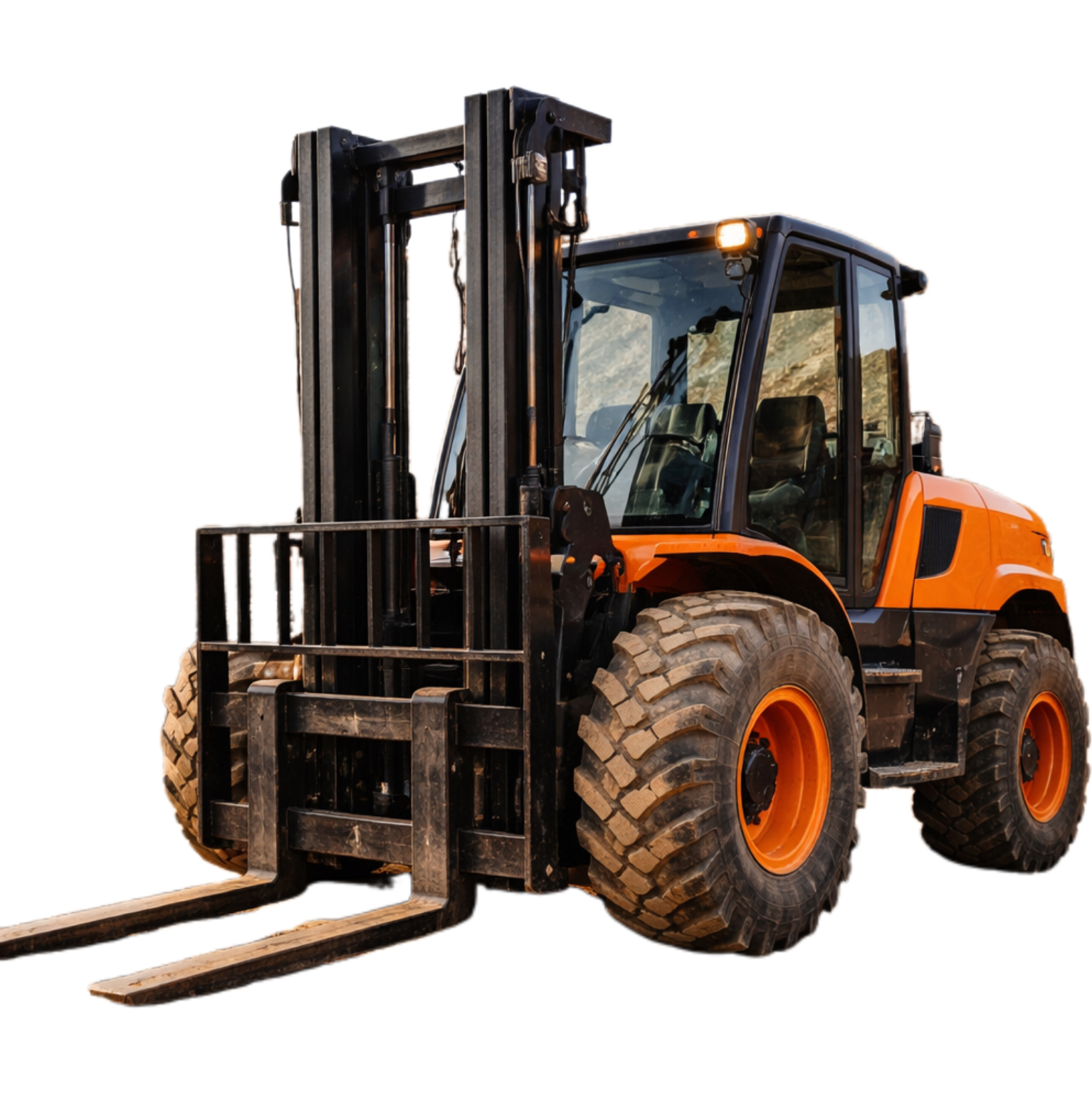
Limited Outdoor Use: Electric forklifts are generally better suited for indoor environments due to their reliance on battery power. For outdoor use in rough terrains or inclement weather, gas or diesel-powered forklifts may still be a better option.
Future Trends in Electric Forklift Technology
The future of electric forklifts looks promising, with several trends shaping the industry:
Advancements in Battery Technology: The development of lithium-ion and other advanced battery technologies is driving improvements in electric forklift performance. New batteries offer faster charging times, longer life cycles, and better energy density, making electric forklifts even more efficient.
Automation and Robotics: Electric forklifts are increasingly being integrated with automation technologies. Automated Guided Vehicles (AGVs) and robotic forklifts are now being used in warehouses and manufacturing plants to move goods without human intervention, improving efficiency and reducing labor costs.
Smart Forklifts and IoT Integration: The integration of the Internet of Things (IoT) into electric forklifts allows for real-time tracking of performance metrics such as battery life, load weight, and usage patterns. This data can be used for predictive maintenance, optimizing fleet management, and improving operational efficiency.
Conclusion
Electric forklifts represent the future of material handling, offering numerous advantages such as reduced environmental impact, lower operating costs, and improved safety. As businesses continue to prioritize sustainability and efficiency, the demand for electric forklifts is expected to rise, transforming the way materials are moved in warehouses, factories, and distribution centers. By adopting electric forklifts, businesses can reduce their carbon footprint, improve productivity, and stay ahead of the curve in an increasingly eco-conscious world.
Our manager will contact you shortly.
To contact you about our products and services.


Copyright © Xingtai Beiqiang Machinery Manufacturing Factory. 2025.
Technical support:Echola