

.jpg)
Forklifts are essential in the logistics industry, enabling the efficient movement of goods in warehouses, distribution centers, and shipping yards. As businesses face increasing demands for speed and accuracy in supply chain operations, forklifts have become more advanced, playing a key role in meeting these expectations. This article explores how forklifts are used in logistics, the impact they have on operations, and the emerging trends that are shaping the future of material handling.
Forklifts: A Cornerstone of Logistics
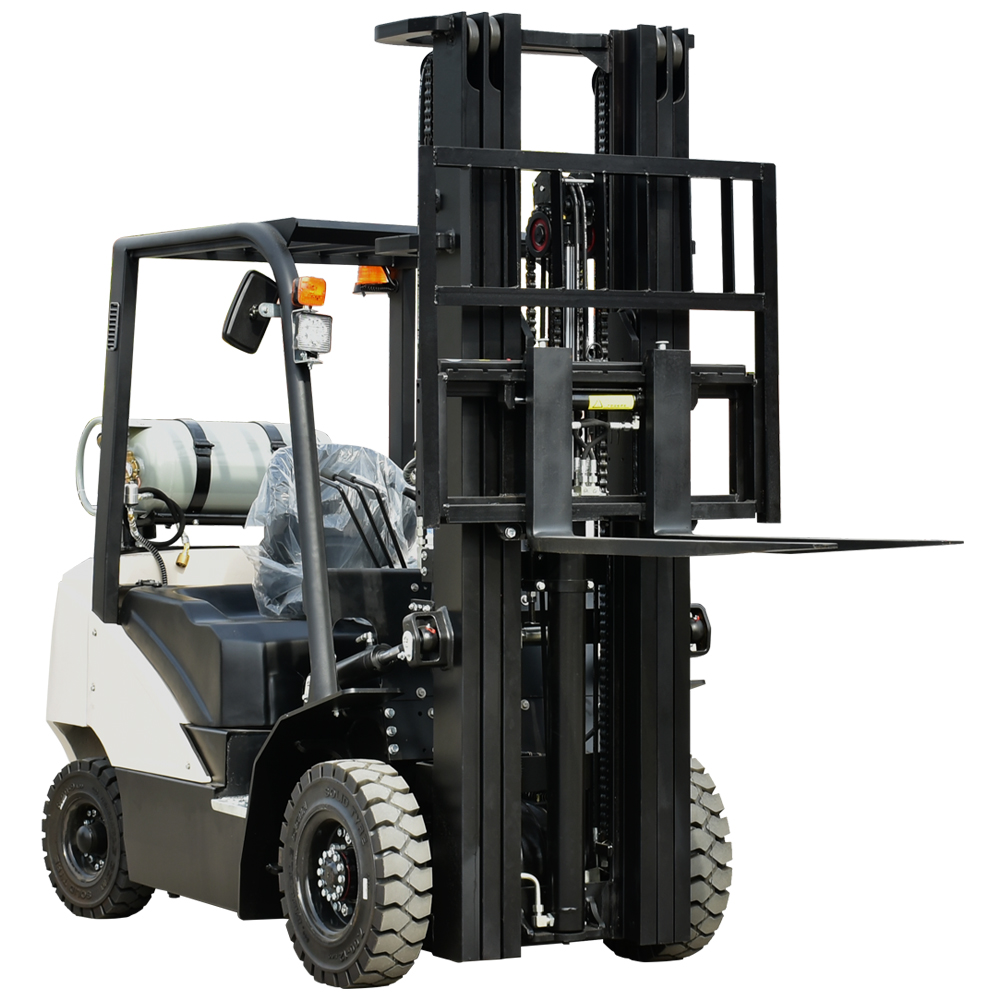
In logistics, forklifts serve as the backbone of material handling. They are used for various tasks, from unloading shipments to organizing products in warehouses, loading delivery trucks, and even transporting goods between different parts of a facility. The ability to move heavy goods quickly and safely is critical for logistics companies, and forklifts help streamline operations by reducing manual labor and improving speed.
Forklifts increase operational efficiency by allowing workers to handle larger loads in less time compared to manual methods. Their adaptability makes them ideal for different types of warehouses, whether it's a large distribution center or a smaller retail stockroom. With advancements in technology, forklifts are also contributing to the growth of automated and high-tech logistics systems.
Key Applications of Forklifts in Logistics
Forklifts have numerous applications in logistics operations, all aimed at enhancing productivity and safety. Here are some of the most common ways forklifts are used:
Loading and Unloading Shipments: Forklifts are used extensively at docks and warehouses to unload shipments from trucks and containers. By lifting heavy pallets, forklifts make the process much faster and more efficient than manual handling.
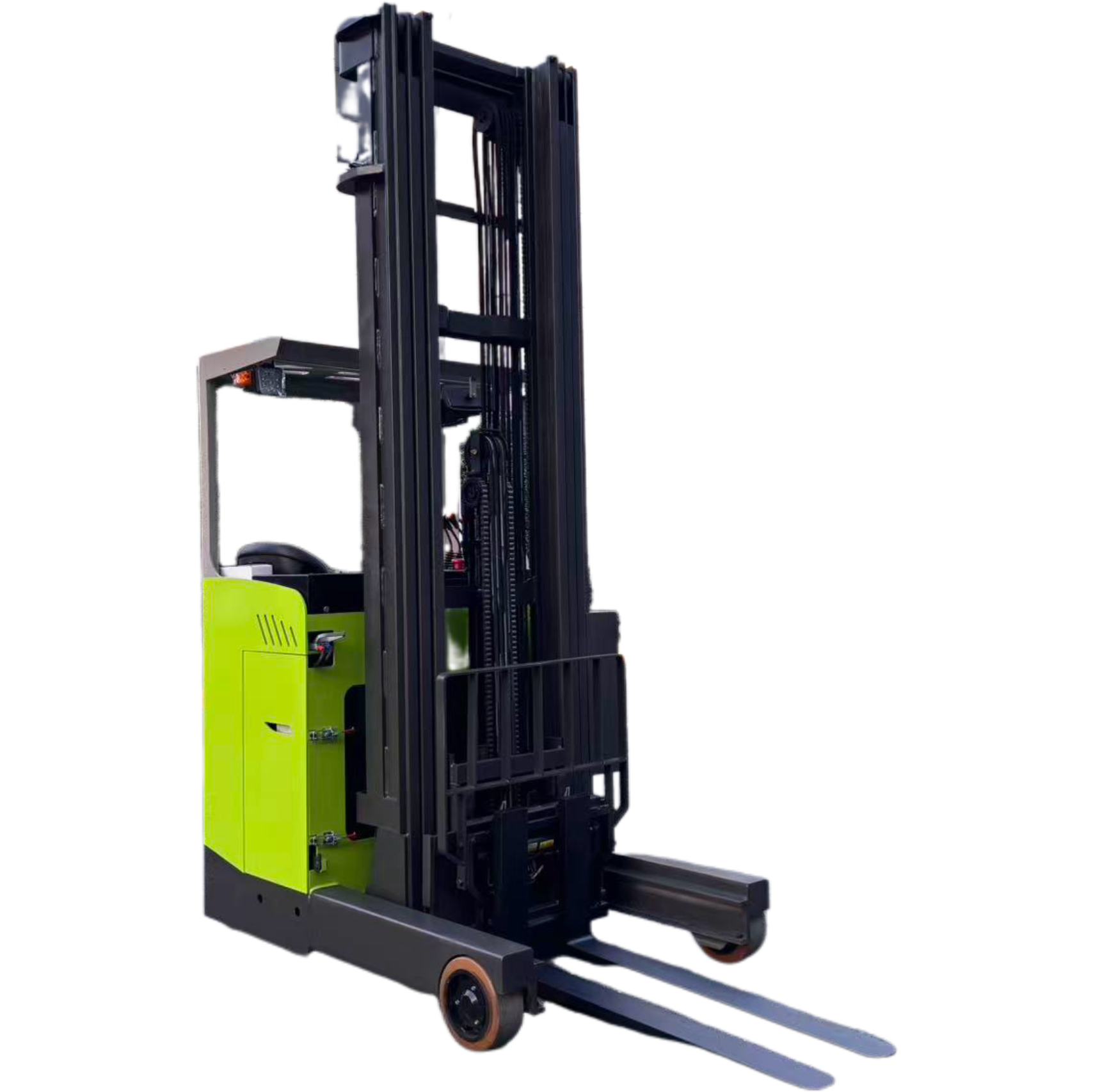
Inventory Management: In large warehouses, forklifts are often used to move goods into racking systems and shelves. Forklift operators can efficiently store and retrieve items, which helps optimize warehouse space and improve inventory organization.
Cross-Docking Operations: In cross-docking warehouses, where products are transferred directly from inbound to outbound trucks, forklifts are essential for quickly moving goods between shipping docks. This reduces storage time and accelerates the supply chain.
Order Picking: Forklifts are used for order picking in both small and large warehouses. Operators use forklifts to pick items from higher shelves and deliver them to packing stations or trucks for shipment.
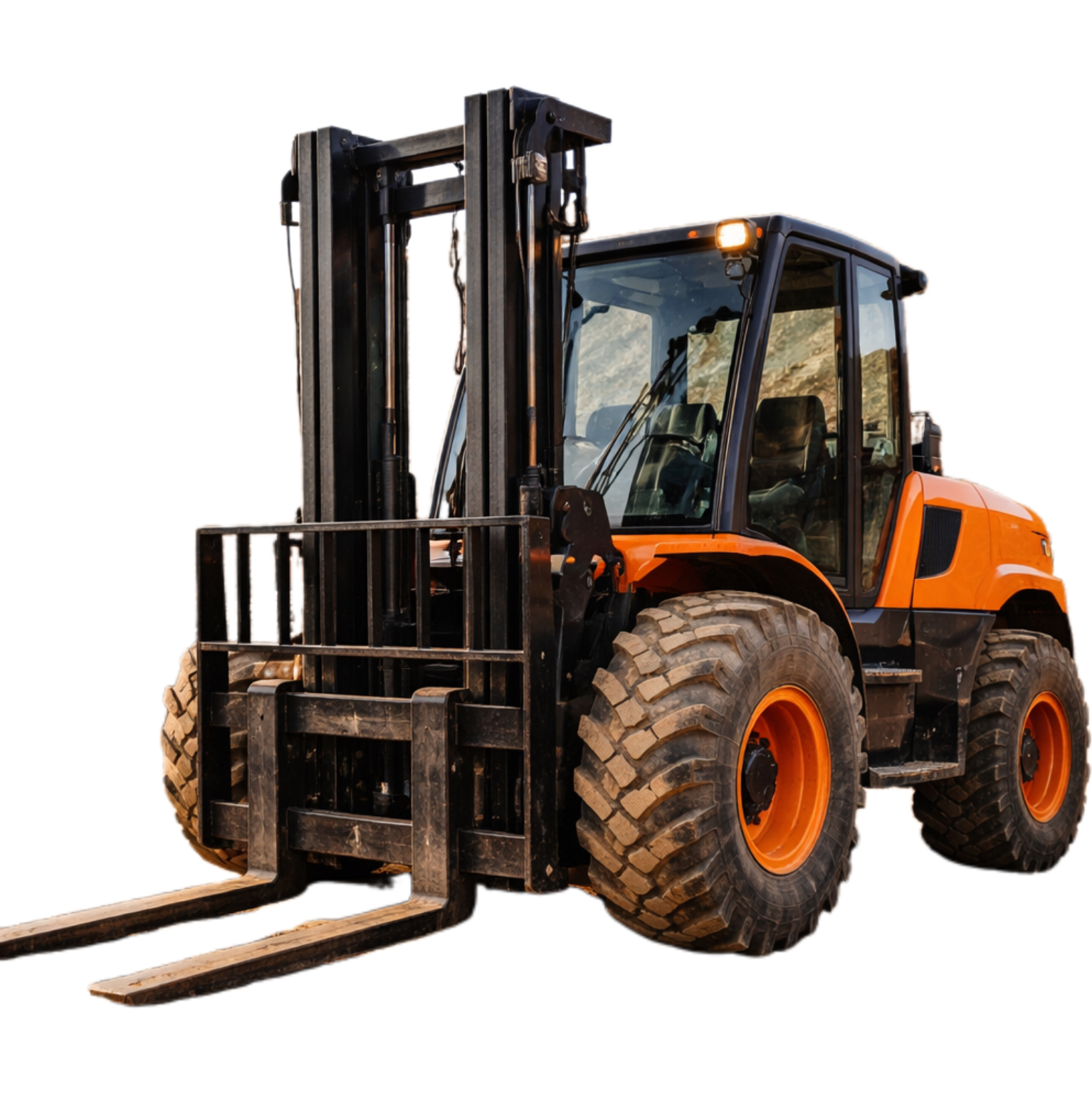
Heavy Equipment Handling: Forklifts equipped with special attachments are used to move heavy or unusual loads, such as large machinery, steel coils, and construction materials. These specialized forklifts are equipped to handle challenging loads in outdoor yards or construction sites.
The Impact of Forklifts on Logistics Efficiency
Forklifts have revolutionized the logistics industry by improving speed, safety, and cost-effectiveness. The impact of forklifts on logistics can be seen in several key areas:
Improved Speed and Efficiency: Forklifts allow workers to move goods quickly, reducing the amount of time needed for tasks like loading and unloading. This increased speed is crucial for keeping supply chains moving and meeting customer delivery deadlines.
Enhanced Safety: By lifting heavy loads with precision and stability, forklifts reduce the risk of injury and accidents that are often associated with manual handling. Safety features such as load sensors, backup alarms, and stability systems further protect workers.
Cost Savings: Forklifts help businesses save money by improving efficiency. With faster material handling, warehouses can reduce labor costs and increase throughput. Furthermore, forklifts minimize damage to goods by handling them with care, reducing losses.
Space Optimization: Forklifts, especially those used in combination with racking systems, maximize warehouse space. By stacking goods higher and making more efficient use of vertical space, forklifts enable warehouses to handle more products in the same footprint.
Future Trends in Forklift Technology
The logistics industry is constantly evolving, and so is forklift technology. Here are some of the emerging trends shaping the future of forklifts in logistics:
Automation and Robotics: Automated forklifts (AGVs) and robotic material handling systems are gaining popularity in large warehouses. These systems reduce the need for human operators and improve operational efficiency by operating 24/7 without breaks.
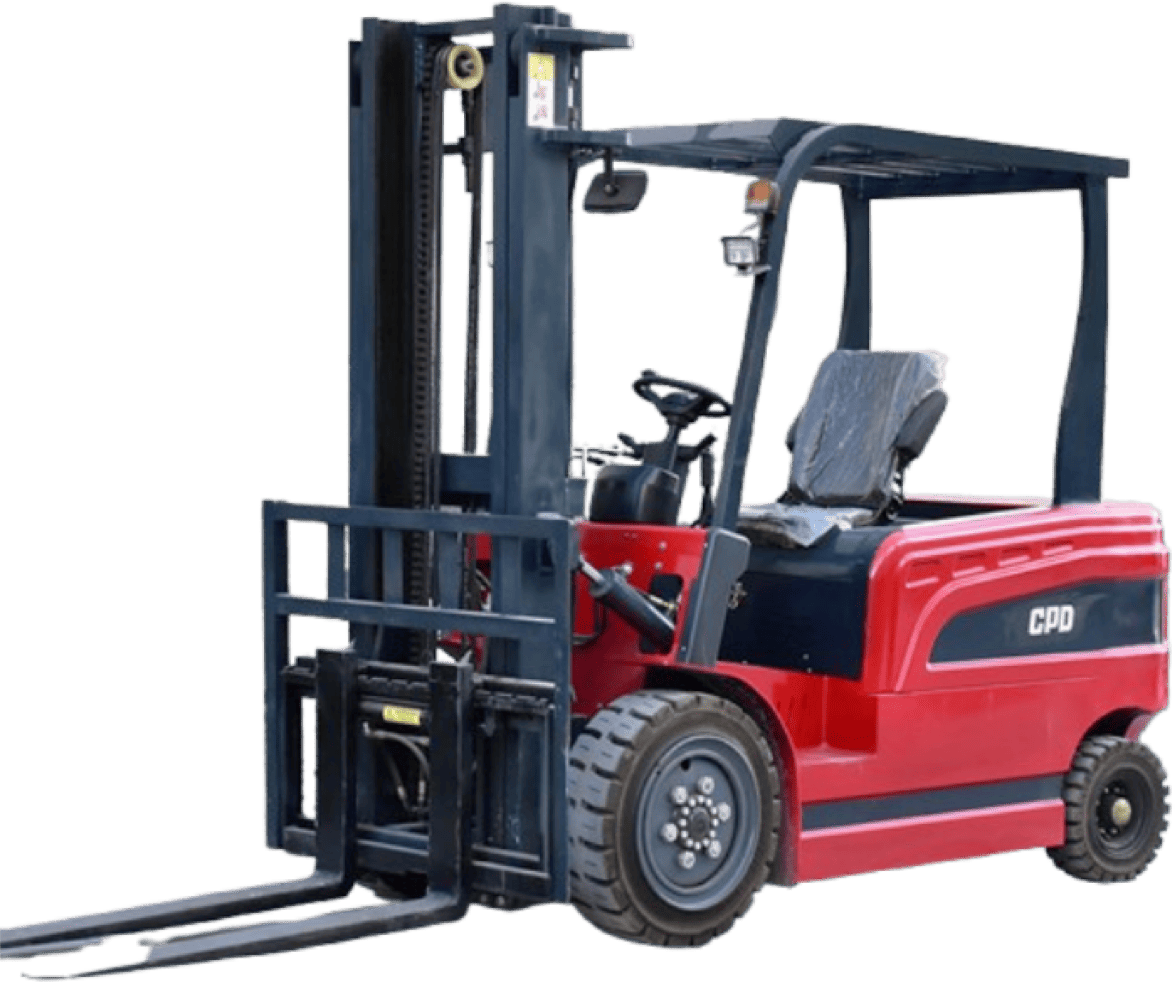
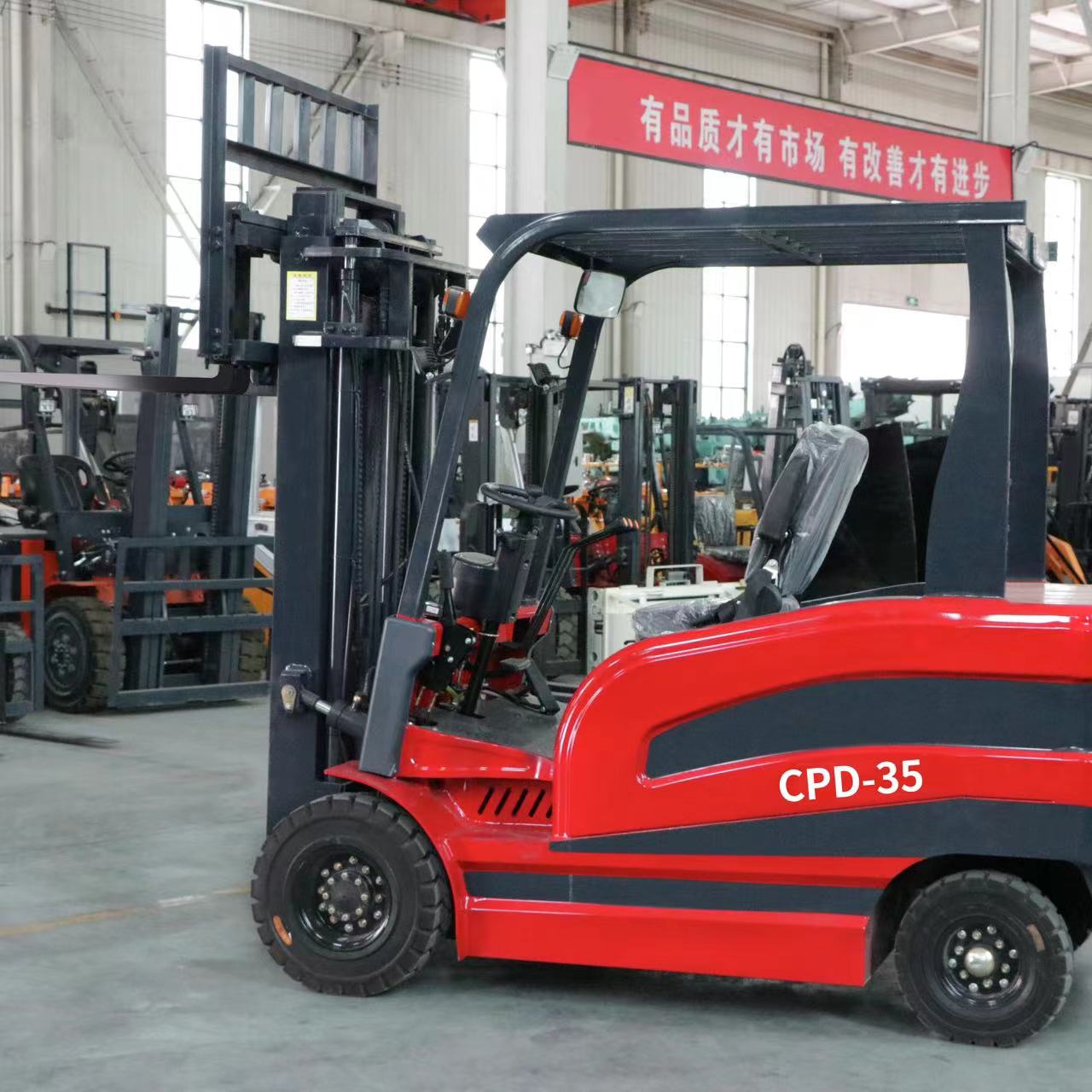
Electric and Green Forklifts: As sustainability becomes a greater priority, electric forklifts are replacing traditional internal combustion forklifts. These eco-friendly machines produce zero emissions, making them ideal for indoor operations, especially in large distribution centers.
Data-Driven Decision Making: With the integration of IoT and telematics, forklifts are becoming smarter. These systems collect data on performance, fuel usage, maintenance needs, and operational hours, which helps managers optimize fleet management, reduce costs, and improve maintenance schedules.
Forklift Safety Innovations: The future of forklift safety includes enhanced features such as collision avoidance systems, real-time load monitoring, and predictive maintenance to prevent accidents before they happen. These innovations help create safer working environments for operators.
Conclusion
Forklifts have become an integral part of the logistics industry, driving efficiency and safety in material handling operations. As businesses continue to prioritize speed, accuracy, and cost-efficiency, forklifts play a crucial role in meeting these demands. With advancements in automation, electric power, and safety technology, forklifts are set to evolve even further, ensuring that logistics companies remain competitive and capable of handling the challenges of the future.
Our manager will contact you shortly.
To contact you about our products and services.


Copyright © Xingtai Beiqiang Machinery Manufacturing Factory. 2025.
Technical support:Echola