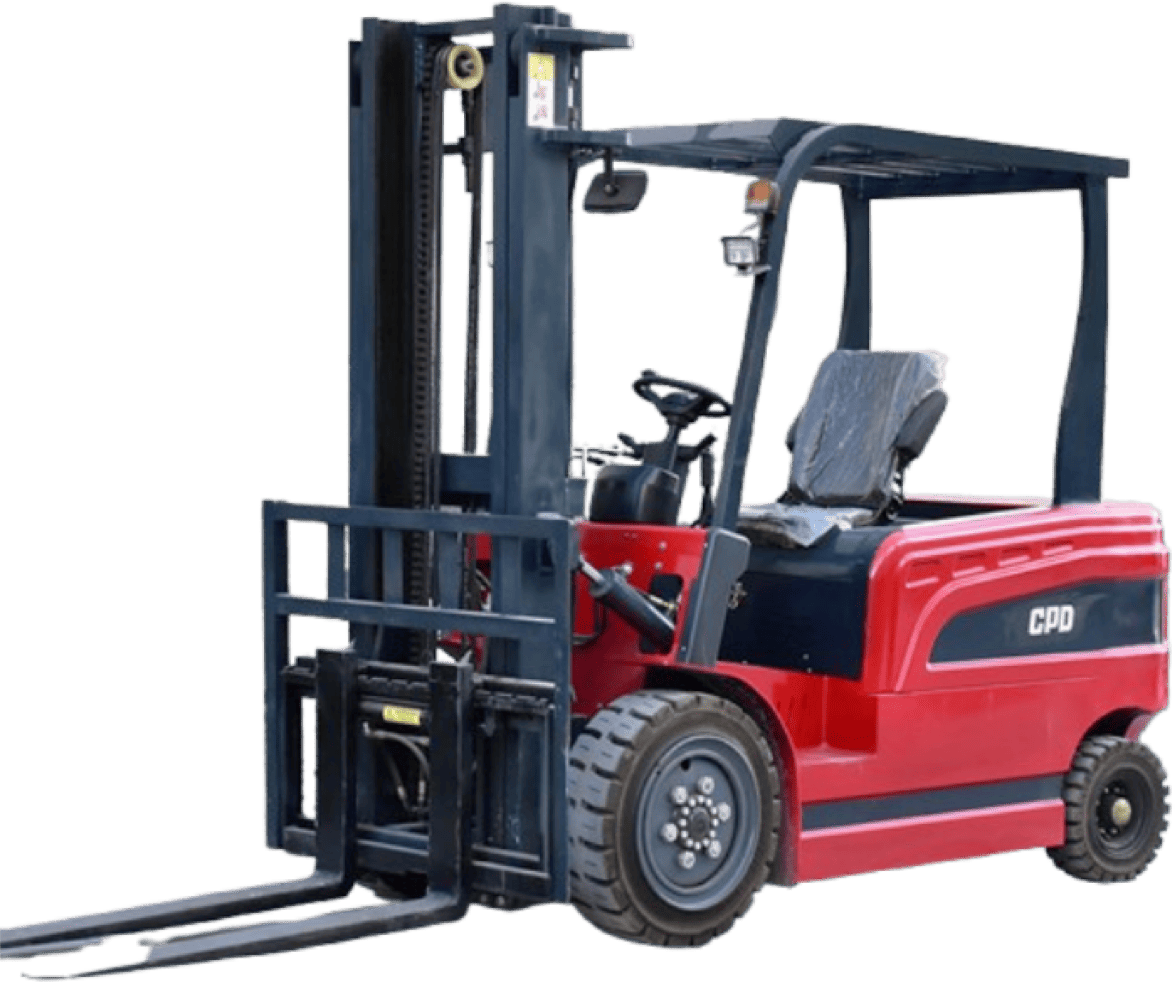
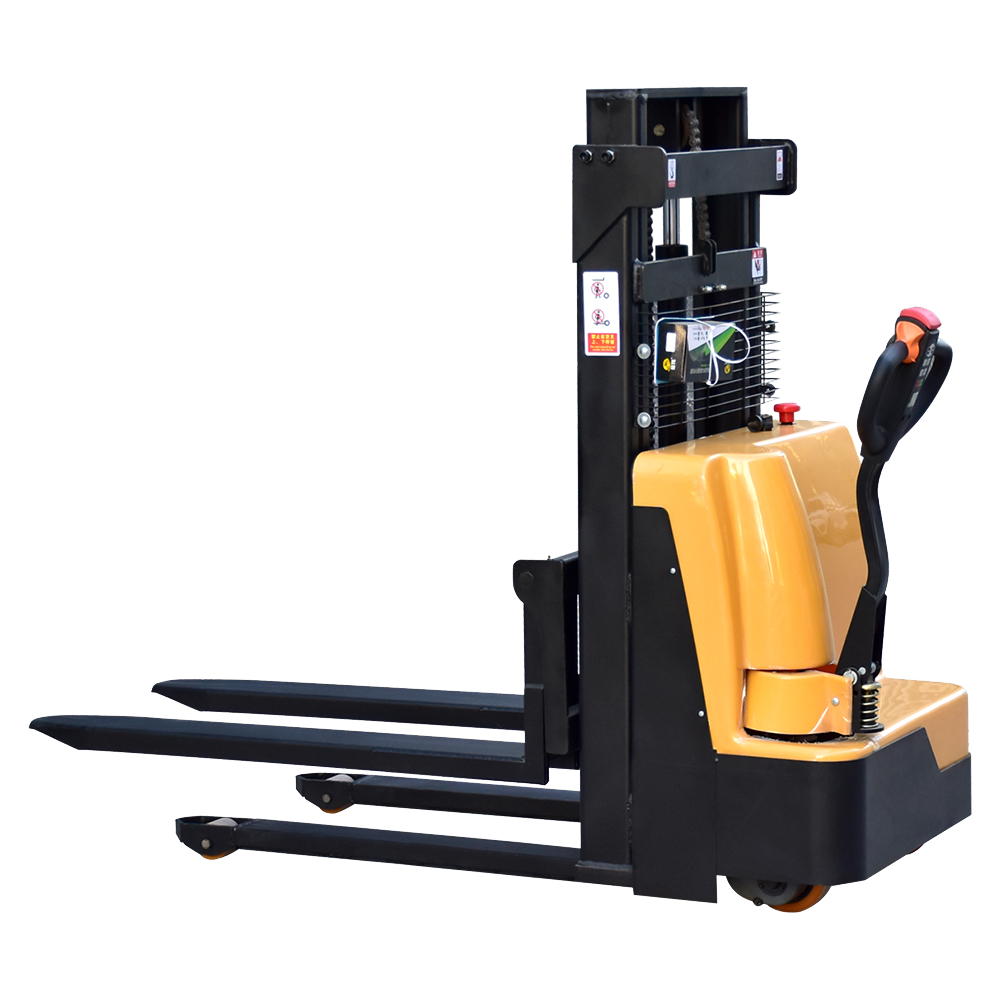
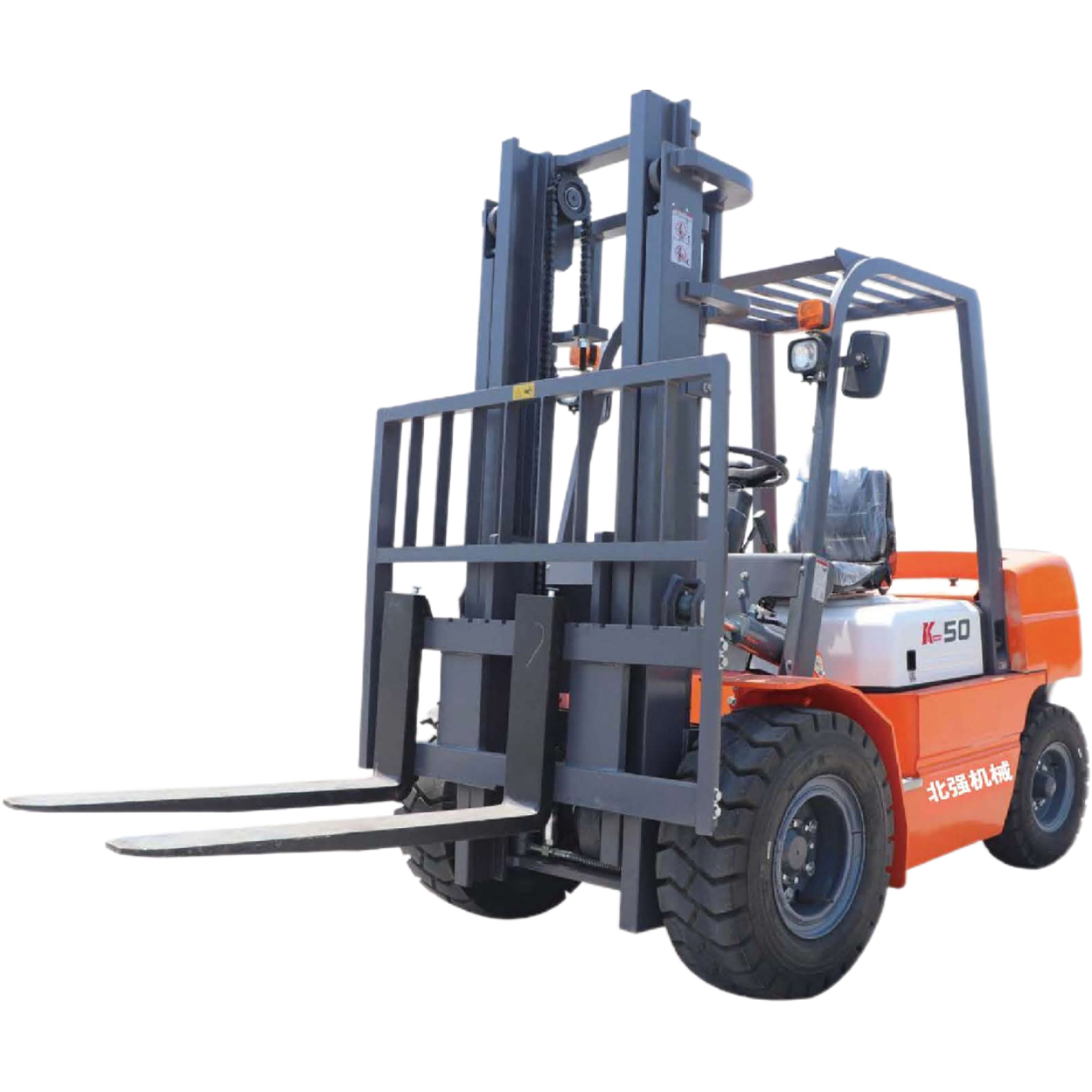
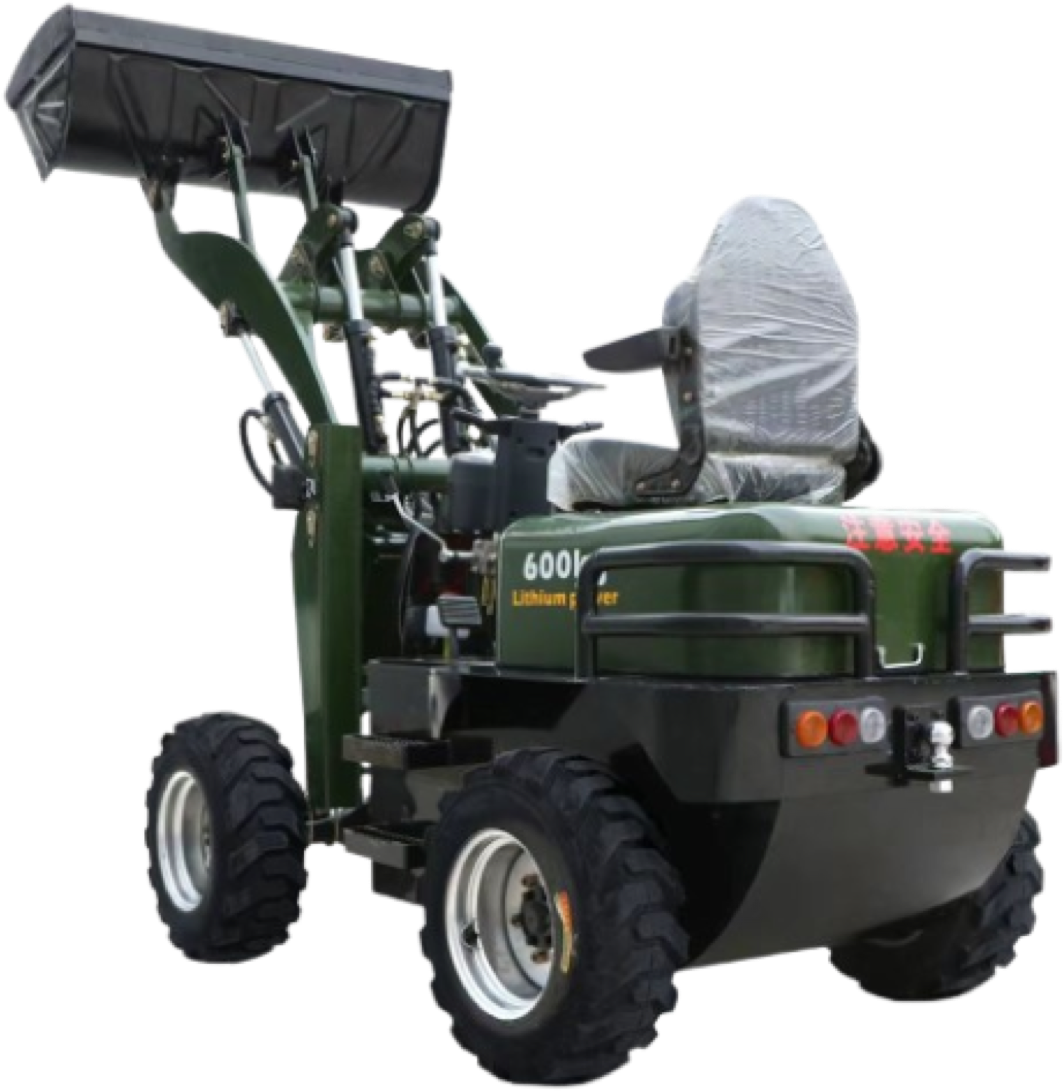
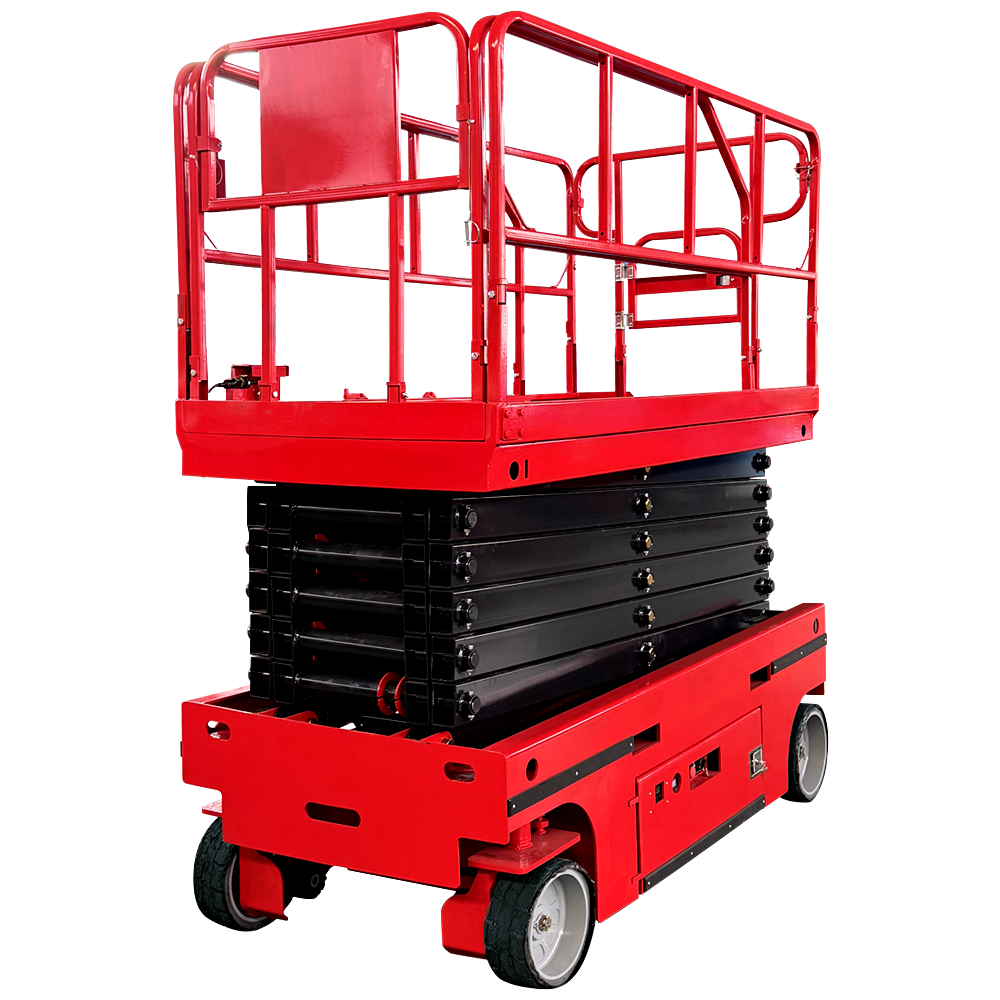
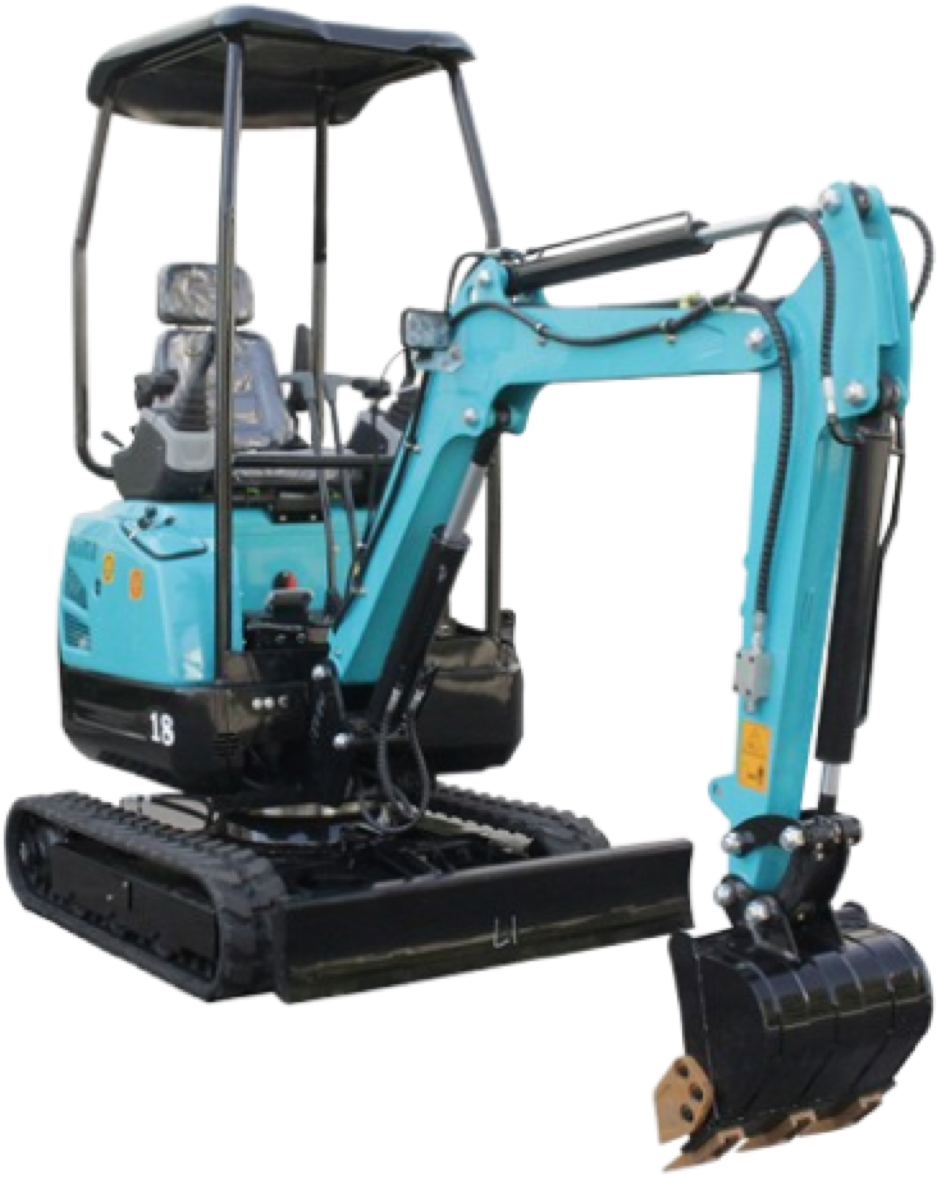
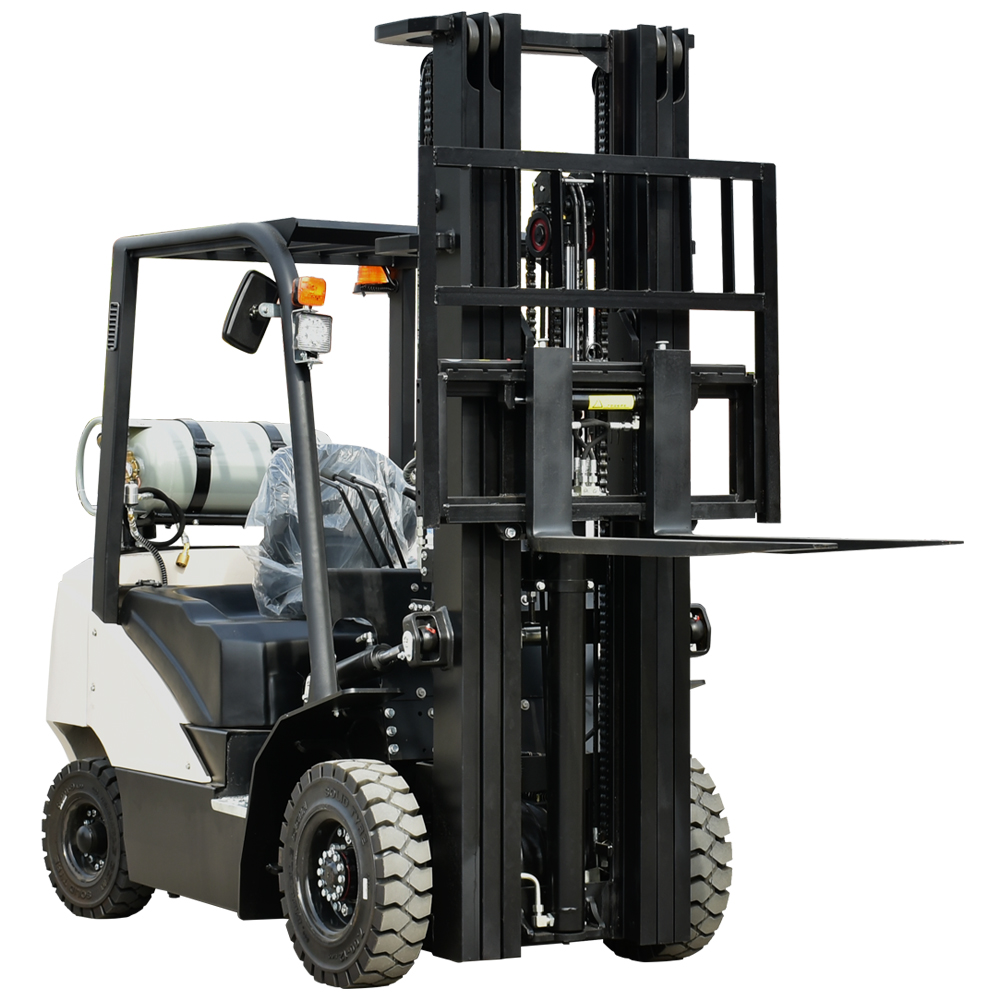
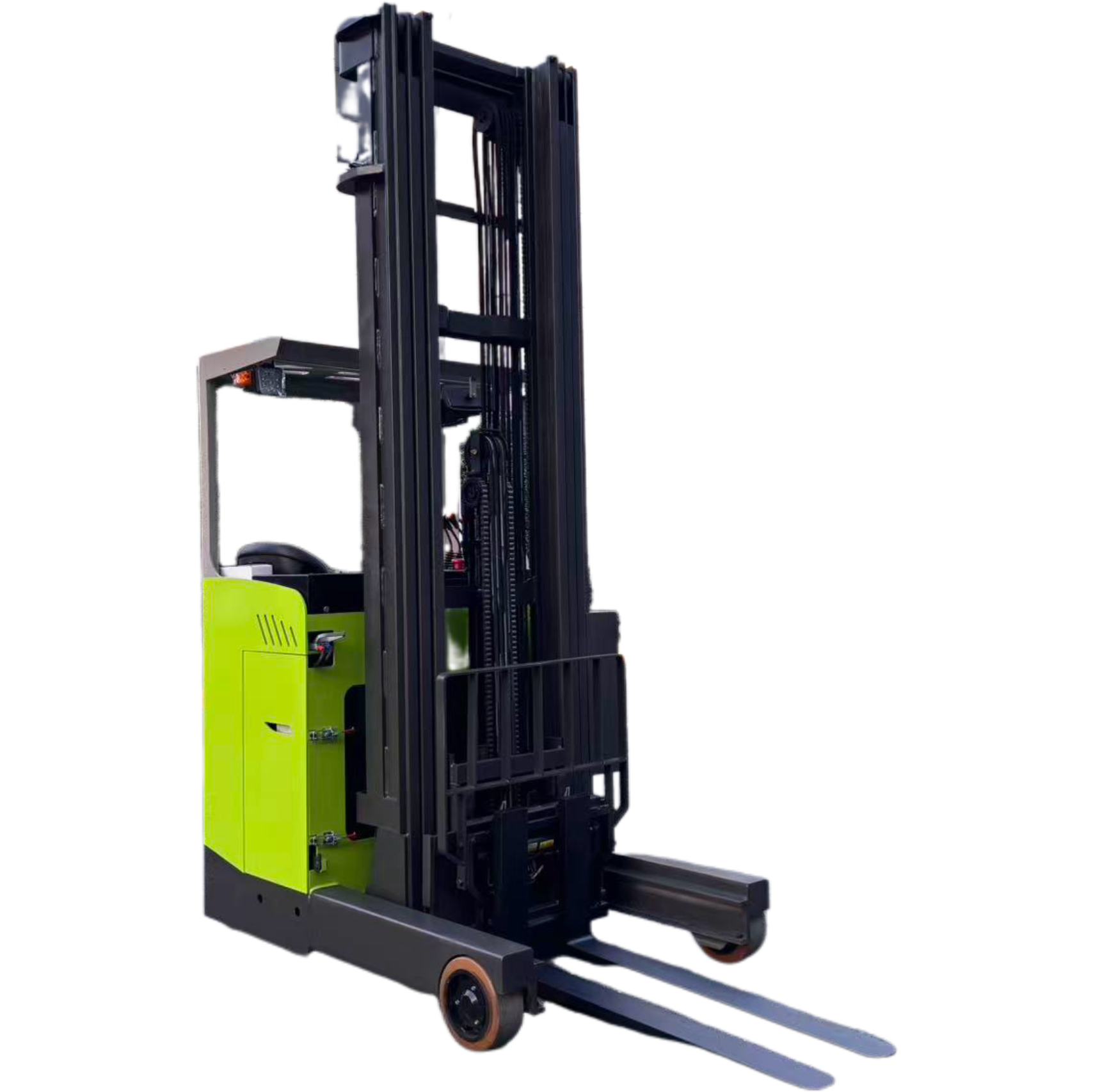
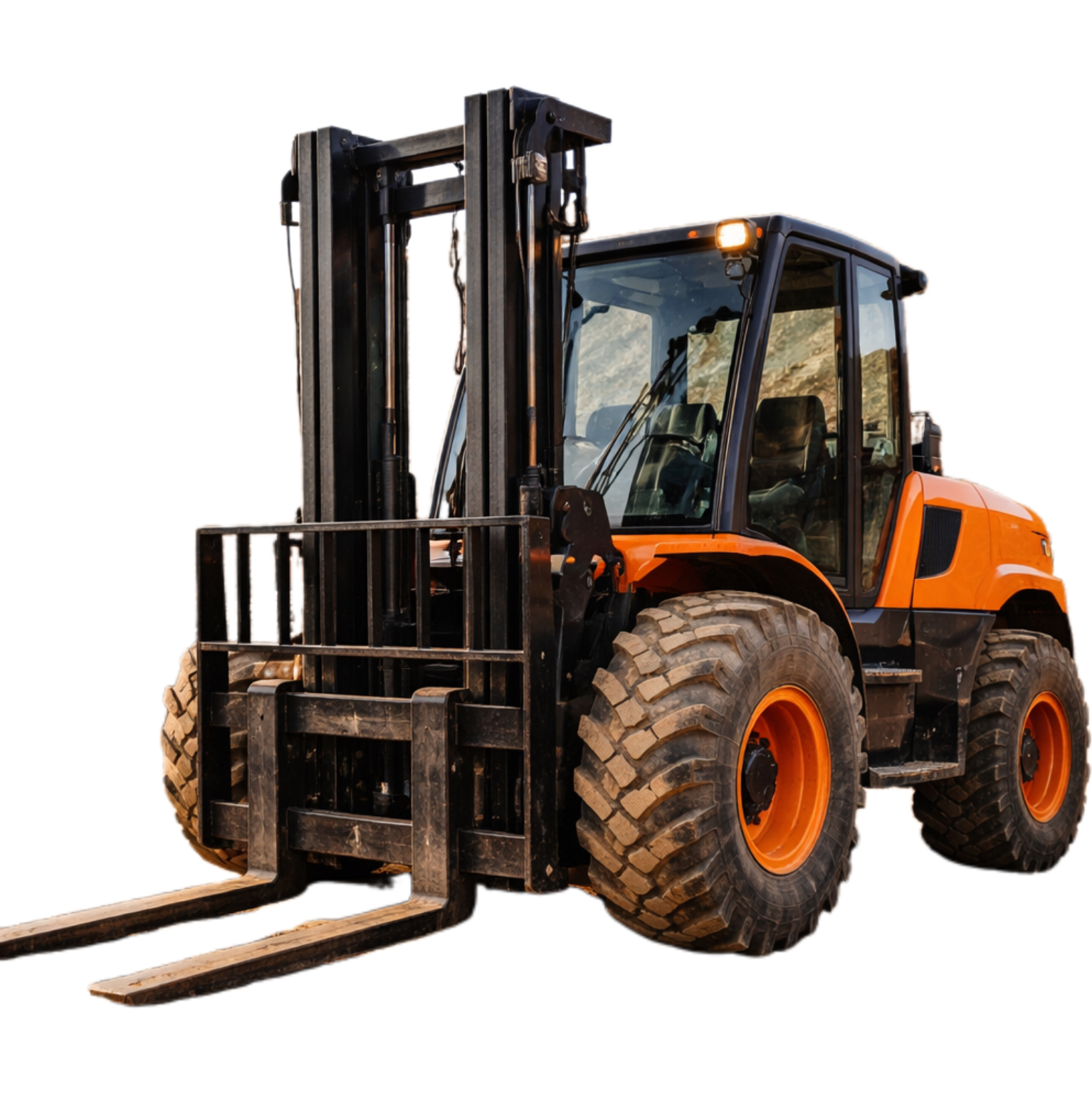


While international giants such as Toyota and Linde are still consolidating their advantages in the high-end market, Chinese electric forklift enterprises have already unleashed a "red wave" in the global market relying on industrial chain dividends and technological breakthroughs. By 2025, the global forklift market scale will reach 6.84 billion US dollars, of which electric forklifts account for more than 70%. China, with an annual output of 1.8 million units, occupies over 45% of the global market share. This is not just a simple scale expansion, but a key battlefield for Chinese enterprises to transform from a "big manufacturing country" to a "strong technological country". In this global competition, the code for overtaking by taking a shortcut has gradually become clear.
Behind the Market Boom: "Inherent Advantages" and "Acquired Opportunities" of Chinese Enterprises
The boom of the global electric forklift market is essentially driven by both green logistics and industrial automation. Chinese enterprises have precisely stepped into the rhythm of industrial transformation and formed irreplaceable competitive advantages.
• Full industrial chain advantage builds cost barrier: China controls more than 70% of the global lithium battery industrial chain resources. Core components such as CATL's LFP-3000 cycle battery and BYD's blade battery have reduced the battery cost of Chinese electric forklifts by 30%-40% compared with European and American enterprises. Hangcha Group has launched a full range of 2-48t high-voltage lithium battery models, which realize the full working condition replacement of internal combustion forklifts relying on the "four-cabin integrated" low-center-of-gravity design, and their production cost is only 65% of that of Linde's same-level products.
• Emerging market demand opens growth space: Due to the manufacturing transfer, the demand for electric forklifts in Southeast Asia, India and other regions has increased by 15% annually, and Chinese enterprises have quickly seized the market with high cost performance. Zhongli Forklift has launched customized models adapted to high-temperature and high-humidity environments in the Vietnamese market, and its market share exceeded 50% in 2024, far exceeding Toyota's 22%.
• Policy and standard discourse power improvement: China leads the formulation of 70% of the global forklift industry standards. At the same time, the new national standard GB/T 38791-2024 forces enterprises to improve safety and environmental performance. This "standard first" strategy makes it easier for Chinese enterprises to adapt to international regulations when exporting.
Three Core Paths for Overtaking by Taking a Shortcut: From Following to Leading
Facing the monopoly of giants such as Toyota (with a global market share of 29.04%) and KION Group (14.47%), Chinese enterprises have not blindly benchmarked, but have achieved breakthroughs through differentiated competition and developed three characteristic overtaking paths.
Path 1: Technological Tackling for "High-endization" to Break Core Barriers
For a long time, international giants have occupied the high-end market relying on core technologies such as hydraulic systems and intelligent control. Now, Chinese enterprises have achieved a leap from "following" to "leading" through concentrated research.
• Breakthrough in high-voltage lithium battery technology: Hangcha Group's project "Key Technologies and Industrialization of High-performance High-voltage Electric Forklifts" has overcome 7 core technologies including battery wide temperature range thermal management and dual-motor coupled drive. Its high-voltage lithium battery models have a battery life of 12 hours and an energy recovery rate of over 35%. The overall technology has reached the international leading level through identification.
• Corner overtaking in intelligent technology: Heli Forklift has developed a multi-modal data-driven cluster scheduling system, which can realize millisecond-level collaboration of more than 100 forklifts. After being applied in an e-commerce warehouse, the cargo turnover efficiency has increased by 40%, exceeding the performance of Jungheinrich's similar intelligent systems.
Path 2: "Localized" Market Layout to Deeply Cultivate Emerging Blue Oceans
Chinese enterprises have abandoned the traditional model of "exporting is selling goods", and have established solid competitive advantages in emerging markets through localized production and customized services, which has become a key starting point for overtaking.
• Capacity sinking to be close to demand: Heli Forklift has established an assembly plant in Thailand. Aiming at the working conditions of Southeast Asian ports, it has launched forklift models with IP67 waterproof level. The spare parts supply cycle has been shortened from 45 days to 7 days, and the local sales volume increased by 147% year-on-year in 2025.
• Compliance first to break barriers: Facing the carbon footprint requirements of the EU's "New Battery Regulation", CATL provides complete LCA reports for exported models. Heli Co., Ltd. has invested 32 million yuan to build a compliance data lake, realizing the full-link carbon footprint traceability from battery to complete machine, increasing the compliance rate of exports to Europe from 31.2% to 68%.
Path 3: "Innovation" in Service Model to Reconstruct the Value Chain
International giants rely on the profit model of "selling equipment", while Chinese enterprises have opened up new growth space and enhanced customer stickiness through the innovative model of "equipment + service".
• Implementation of intelligent sharing model: The "Intelligent Shared Forklift" project launched by Chongqing Qinnniu Logistics Park has reduced the labor cost of enterprises by more than 30% through the model of "digital supervision + on-demand leasing". At the same time, it realizes intelligent early warning of risks such as overloading and fatigue driving through vehicle-mounted sensors. This model has been replicated in 5 logistics parks in Southeast Asia.
• EaaS service output: Noblelift has launched an integrated service of "battery leasing + maintenance + residual value recovery" for European customers. Customers do not need to bear the risk of battery attenuation. The proportion of service revenue has increased from 12% in 2023 to 27% in 2025, far exceeding the industry average.
Warnings remain on the path to overtaking: The EU requires the carbon footprint of power batteries to be ≤ 80kg CO₂e/kWh by 2026, and California in the United States mandates forklifts to connect to the ZEMIS system. These green and digital barriers require enterprises to make advance arrangements. At the same time, in the high-end market, Toyota's intelligent control system and Linde's hydraulic technology still have advantages, so Chinese enterprises need to continue to increase R&D investment. |
Conclusion: From "Scale Expansion" to "Value Leadership"
The boom of the global electric forklift market has provided a once-in-a-century overtaking opportunity for Chinese enterprises. From Hangcha's technological breakthroughs to Heli's localized layout, from the innovation of sharing models to the construction of compliance systems, Chinese enterprises are breaking the monopoly of international giants with a combined strategy of "industrial chain + technology + model".
In the future, the core of overtaking will shift from "cost advantage" to "value leadership". When Chinese enterprises can not only provide cost-effective products, but also export standards, services and solutions, the "Chinese era" of the global electric forklift market will truly come. What difficulties has your enterprise encountered in the global layout? Welcome to share in the comment area.
Our manager will contact you shortly.
To contact you about our products and services.


Copyright © Xingtai Beiqiang Machinery Manufacturing Factory. 2025.
Technical support:Echola