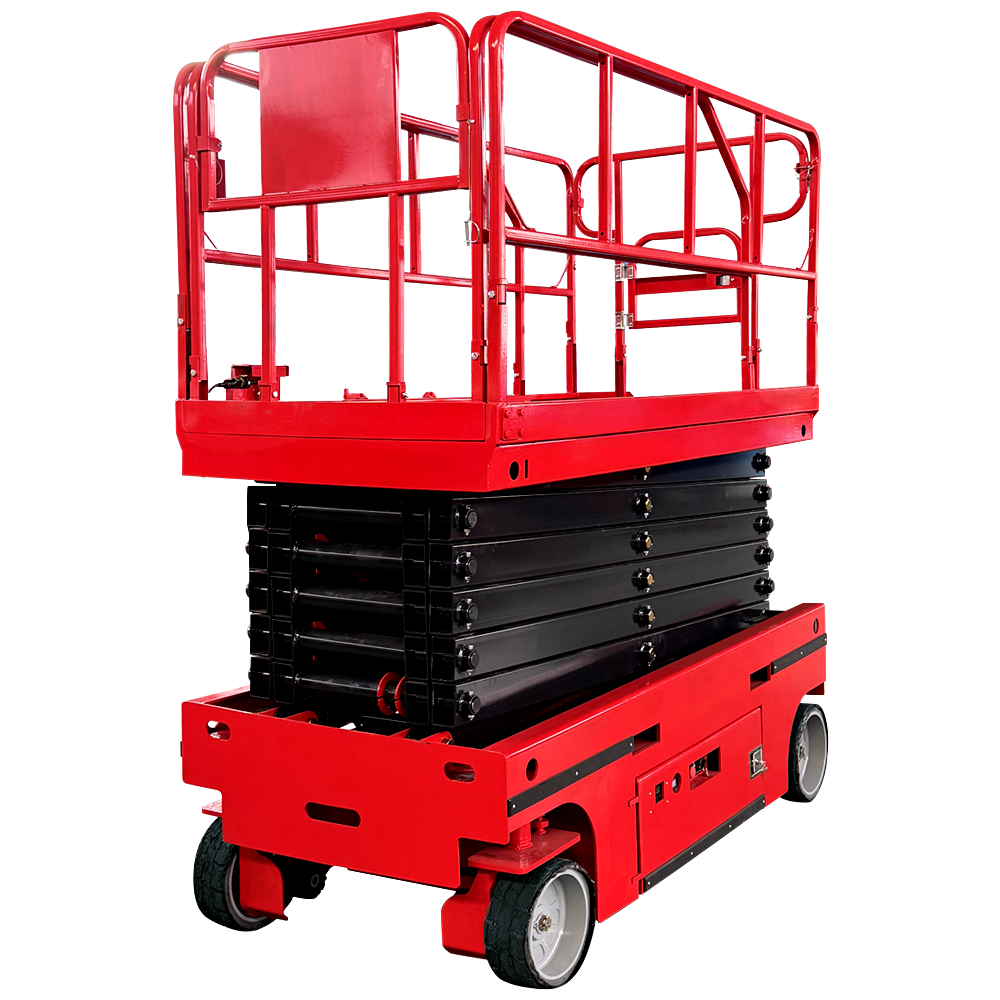
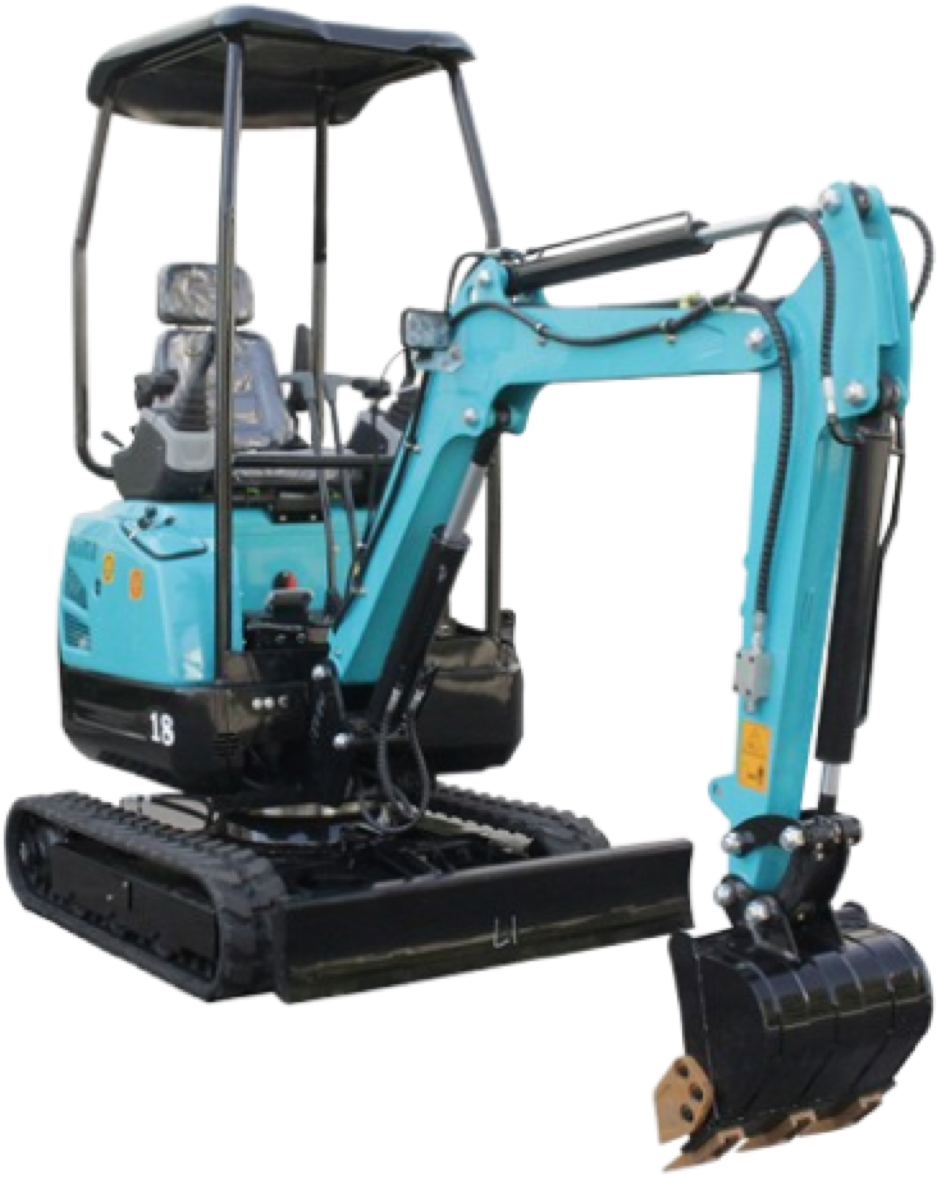
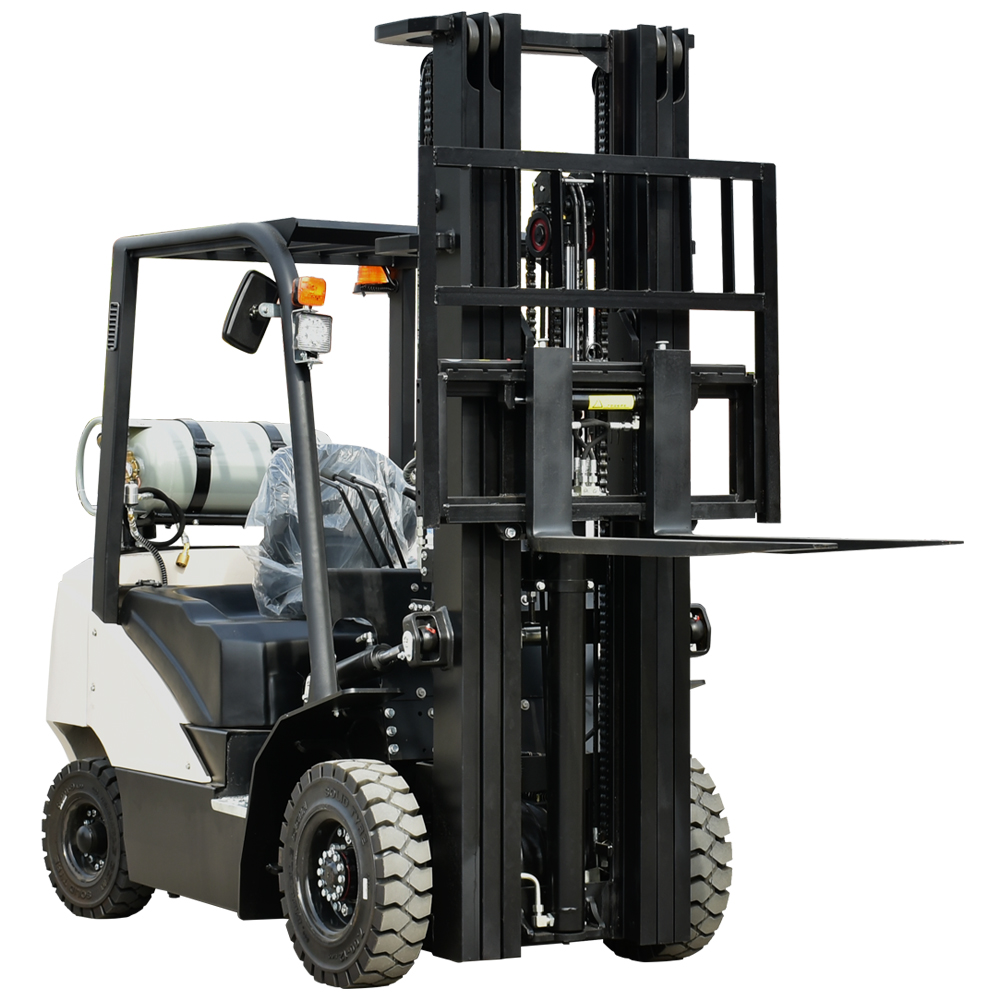
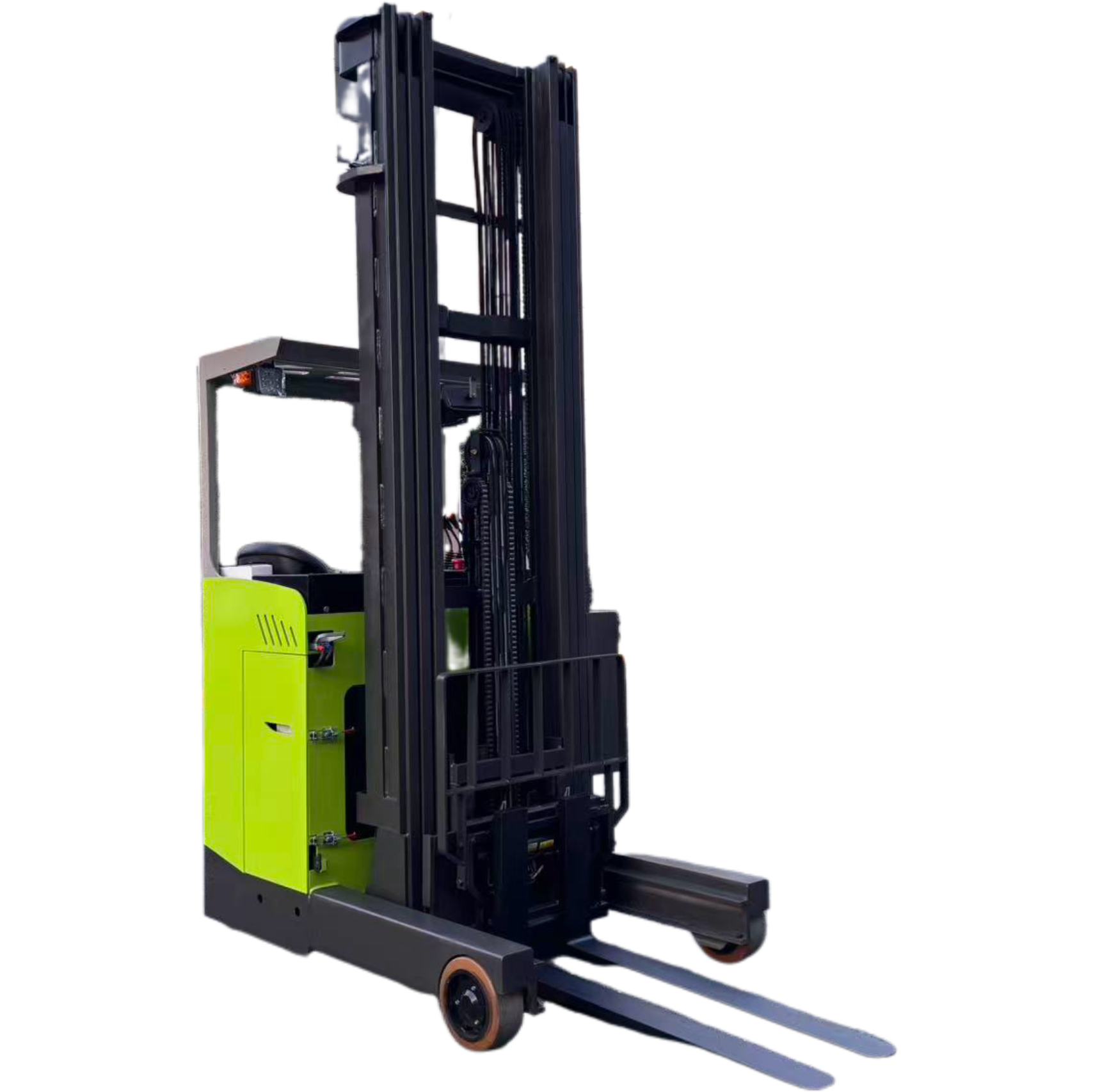


Forklifts are one of the most essential tools in modern warehouses, manufacturing facilities, and construction sites. They simplify material handling by providing a fast and efficient way to move heavy loads. Understanding how forklifts work—from their basic components to the cutting-edge technology that powers them—can help businesses maximize their potential while ensuring safe and effective operations. In this article, we will explore the mechanics behind forklifts and how technology has advanced their capabilities.
The Basic Mechanics of a Forklift
At its core, a forklift operates on simple mechanical principles: leverage, balance, and power. Here’s a breakdown of the key components and how they work together:
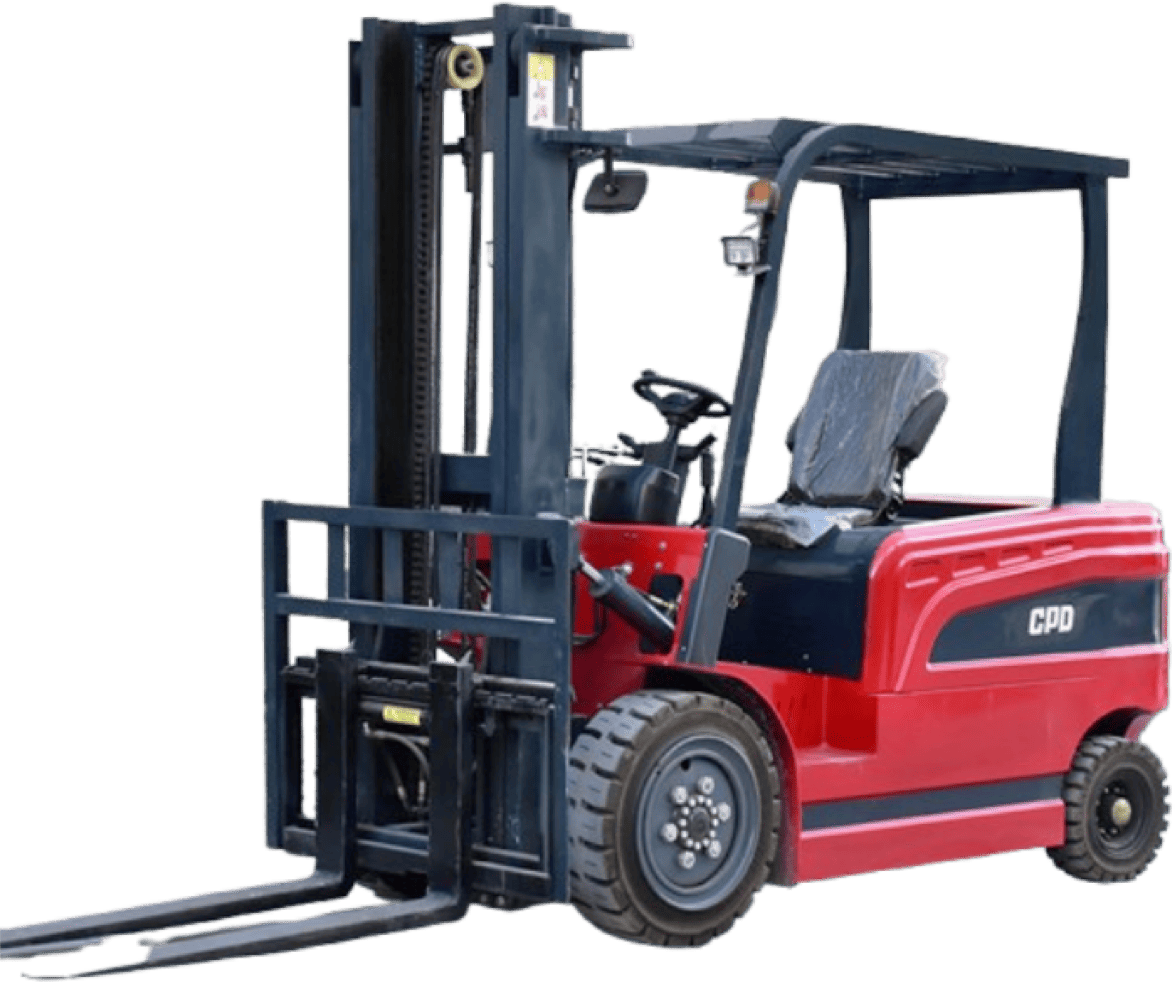
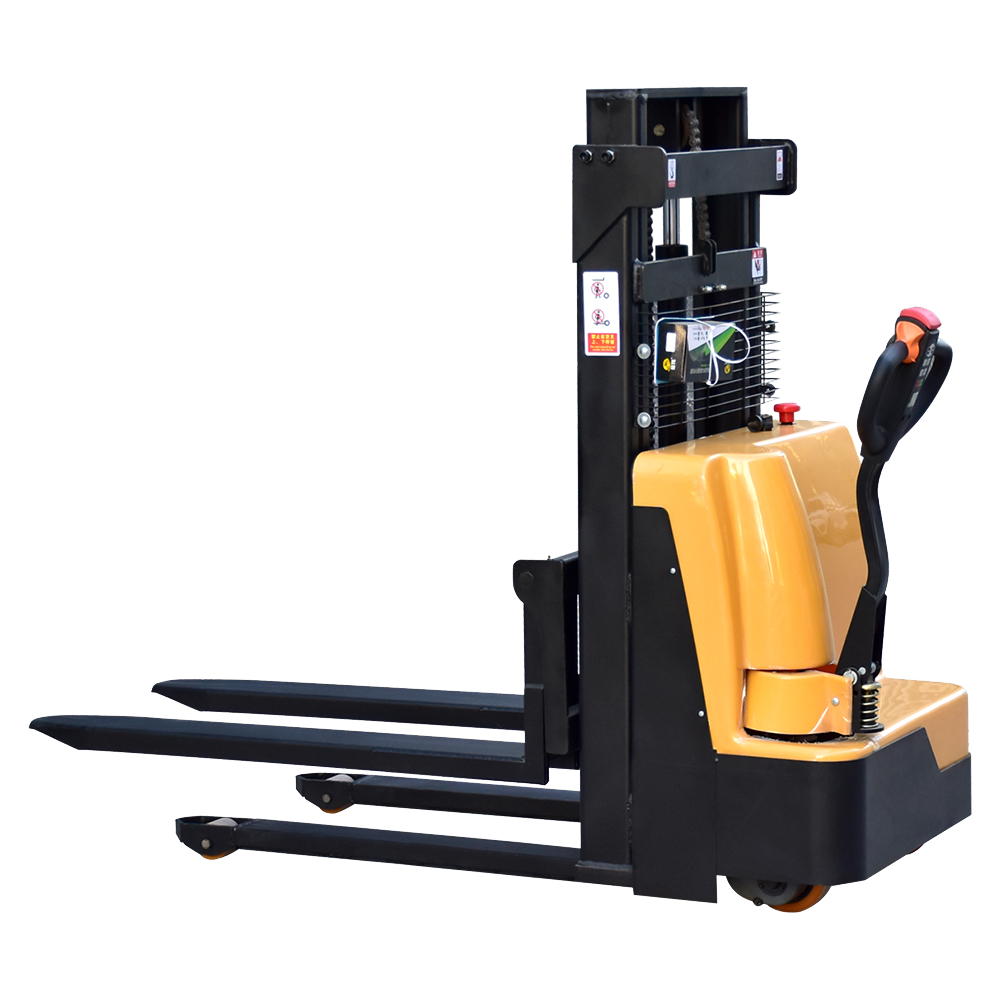
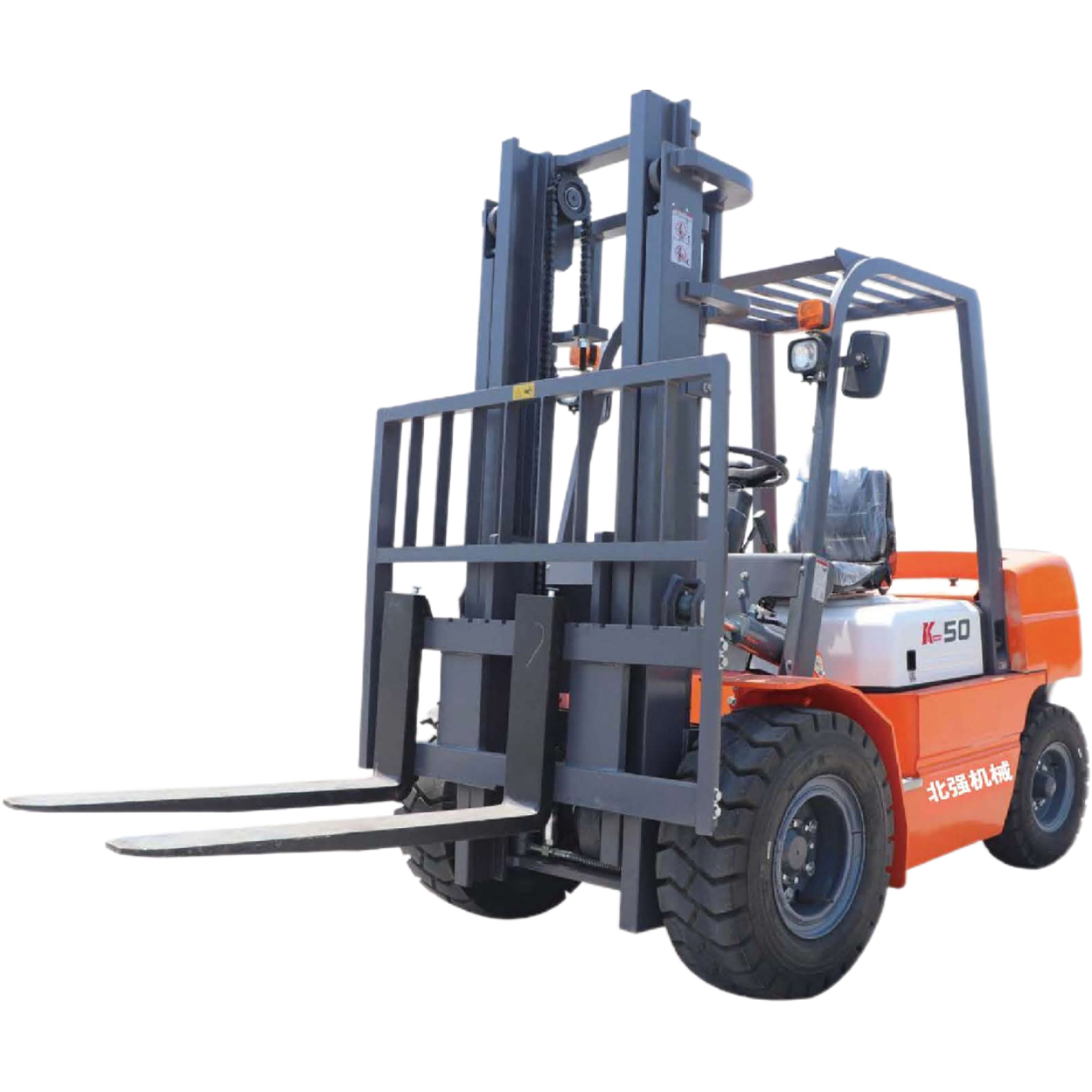
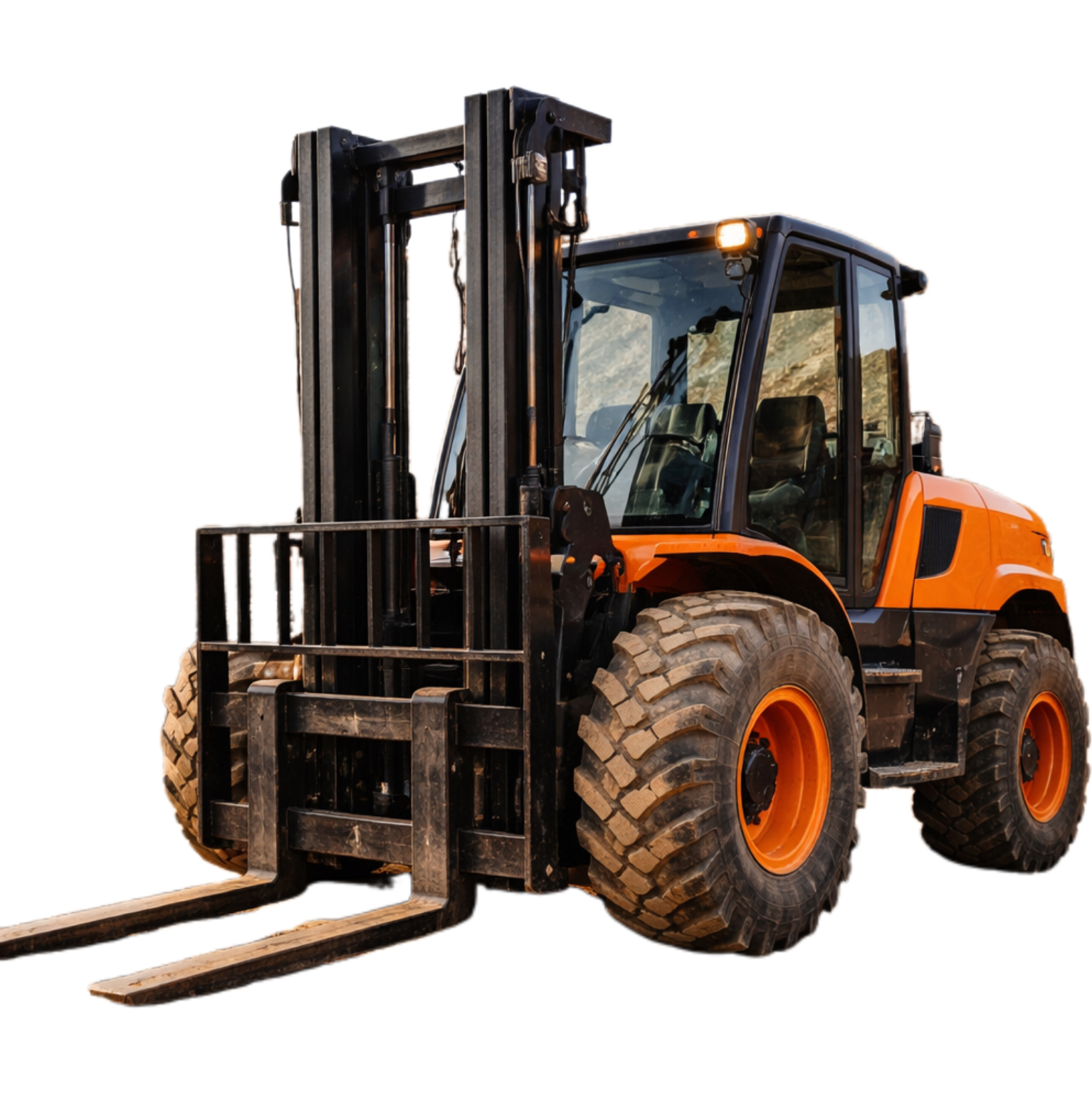
Mast: The mast is the vertical structure of the forklift, responsible for lifting and lowering the load. It typically consists of two or more vertical rails and is powered by hydraulics. The mast can extend to various heights, allowing operators to lift heavy loads to high shelves or racking systems.
Forks: The forks are the horizontal arms that engage with the load. They can be adjusted to different widths depending on the size of the pallet or material being lifted. The forks lift and carry the load by moving vertically with the mast.
Hydraulic System: Forklifts rely heavily on hydraulic systems to lift and lower the forks. The hydraulic pump generates force to move the lift cylinders, raising and lowering the mast. Hydraulics offer precise control, making forklifts ideal for handling heavy and delicate materials.
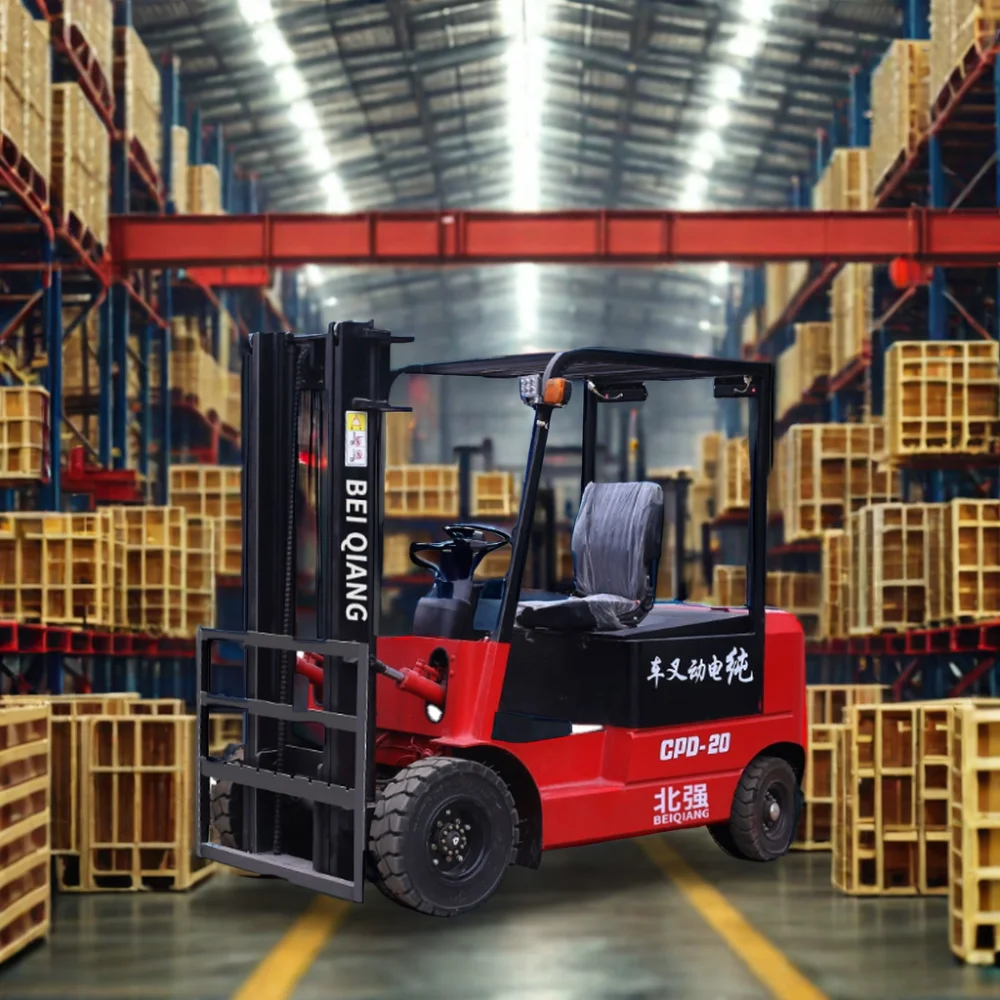
Power Source: Forklifts are powered by either internal combustion engines (using gasoline, diesel, or LPG) or electric batteries. Gasoline and diesel-powered forklifts are often used outdoors, while electric forklifts are preferred for indoor use due to their quiet operation and low emissions.
Wheels and Tires: The wheels and tires of a forklift are designed to carry heavy loads while maintaining stability. They come in various sizes and types depending on the terrain and the weight capacity of the forklift. For instance, rough terrain forklifts feature larger, more durable tires for uneven surfaces.
Forklift Technology: Advancements and Innovations
Over the years, the technology behind forklifts has evolved to improve efficiency, safety, and sustainability. Here are some of the most notable advancements in forklift technology:
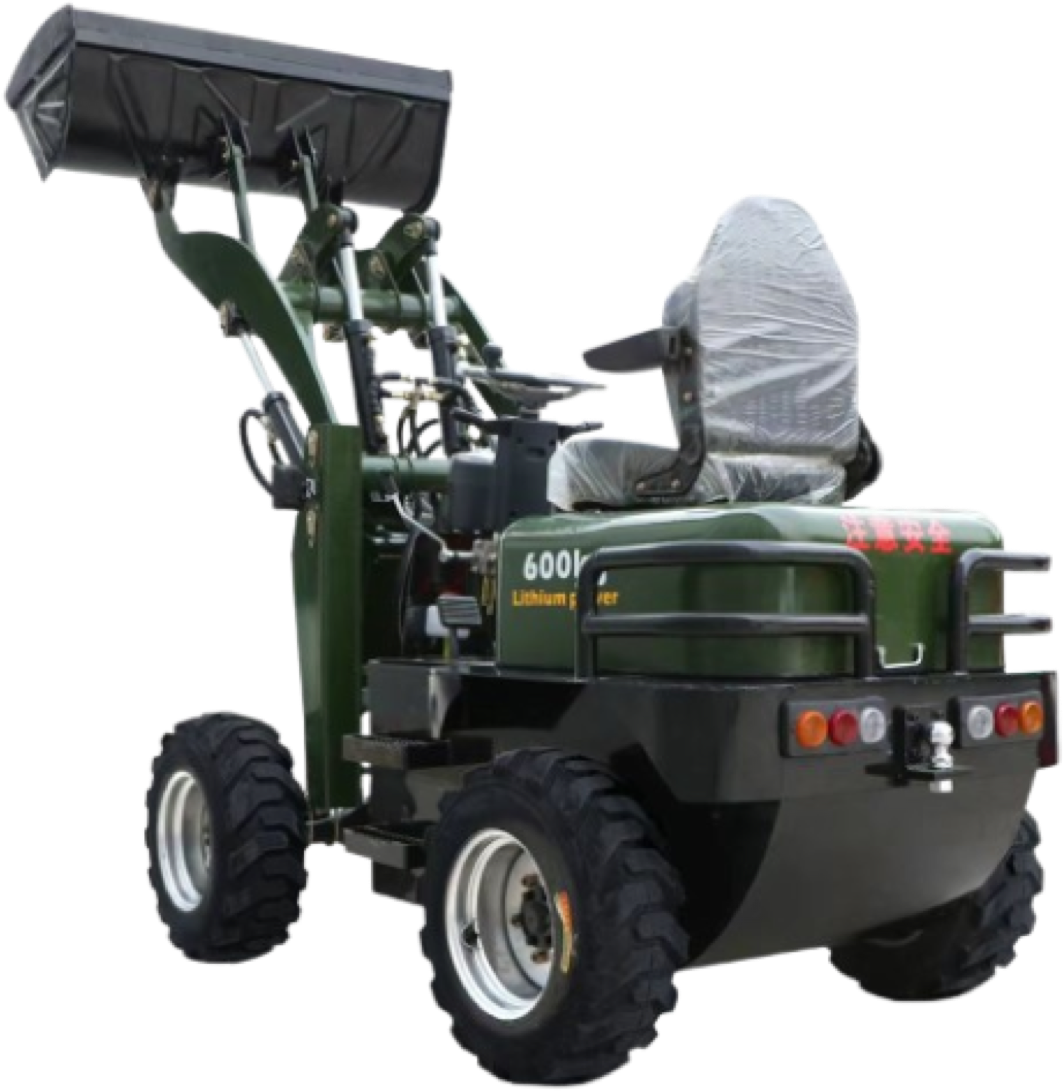
Electric Forklifts and Battery Innovation: As industries focus on reducing their carbon footprint, electric forklifts have become increasingly popular. Modern batteries, such as lithium-ion, are longer-lasting and charge more quickly than older lead-acid batteries, making electric forklifts more efficient. They also require less maintenance and offer smoother operations, reducing downtime.
Automation and Robotics: The rise of automation has introduced robotic forklifts and Automated Guided Vehicles (AGVs). These systems use sensors, cameras, and AI to navigate and transport goods without human intervention. They are often used in large-scale warehouses and distribution centers to move products efficiently and safely.
Telematics and Fleet Management: Modern forklifts are often equipped with telematics systems that monitor performance in real time. These systems track data such as fuel consumption, operating hours, load weight, and maintenance schedules. By using fleet management software, companies can optimize forklift operations, improve safety, and reduce operational costs.
Forklift Attachments and Customization: Forklift attachments have become increasingly diverse, allowing these machines to perform specialized tasks. Common attachments include extendable forks, rotators, clamps, and sweepers, each designed for handling different materials, such as steel coils, heavy equipment, or bulk goods. Customizing forklifts with attachments makes them more versatile, further enhancing their usefulness in various industries.
Safety Features: Forklift safety has come a long way, with the introduction of features like load backrests, proximity sensors, anti-collision systems, and stability monitoring systems. These safety features help prevent accidents by ensuring that operators are aware of their surroundings and the forklift’s load capacity.
Benefits of Forklift Technology
The integration of new technologies into forklifts offers numerous advantages for businesses:
Increased Efficiency: Technological advancements, such as automation and telematics, have significantly increased the speed and accuracy of material handling operations. Forklifts equipped with automated systems can reduce human error and speed up the movement of goods.
Improved Safety: With safety features like collision sensors and stability control, modern forklifts help prevent accidents and injuries. These technologies enhance operator awareness and provide real-time feedback, allowing for safer working environments.
Cost Savings: Energy-efficient forklifts, especially electric models, reduce fuel and maintenance costs. Telematics systems also provide valuable data that can help companies optimize forklift usage and avoid unnecessary downtime, leading to cost savings.
Conclusion
Forklifts are much more than just simple machines—they are powered by advanced technologies that make them smarter, safer, and more efficient. From hydraulic lifting systems to electric-powered engines and automated guided vehicles, forklifts continue to evolve to meet the demands of modern industries. By understanding the mechanics and technological advancements behind forklifts, businesses can make informed decisions that will improve their material handling operations, boost productivity, and ensure safety.
Our manager will contact you shortly.
To contact you about our products and services.


Copyright © Xingtai Beiqiang Machinery Manufacturing Factory. 2025.
Technical support:Echola