

Forklifts are an indispensable tool in various industries, playing a crucial role in transporting heavy materials and goods within warehouses, factories, and construction sites. These versatile machines are designed to lift, move, and stack loads efficiently, which is essential for businesses to maintain smooth and safe operations. In this article, we’ll take a closer look at forklifts, their types, uses, and importance in the modern industrial world.
What is a Forklift?
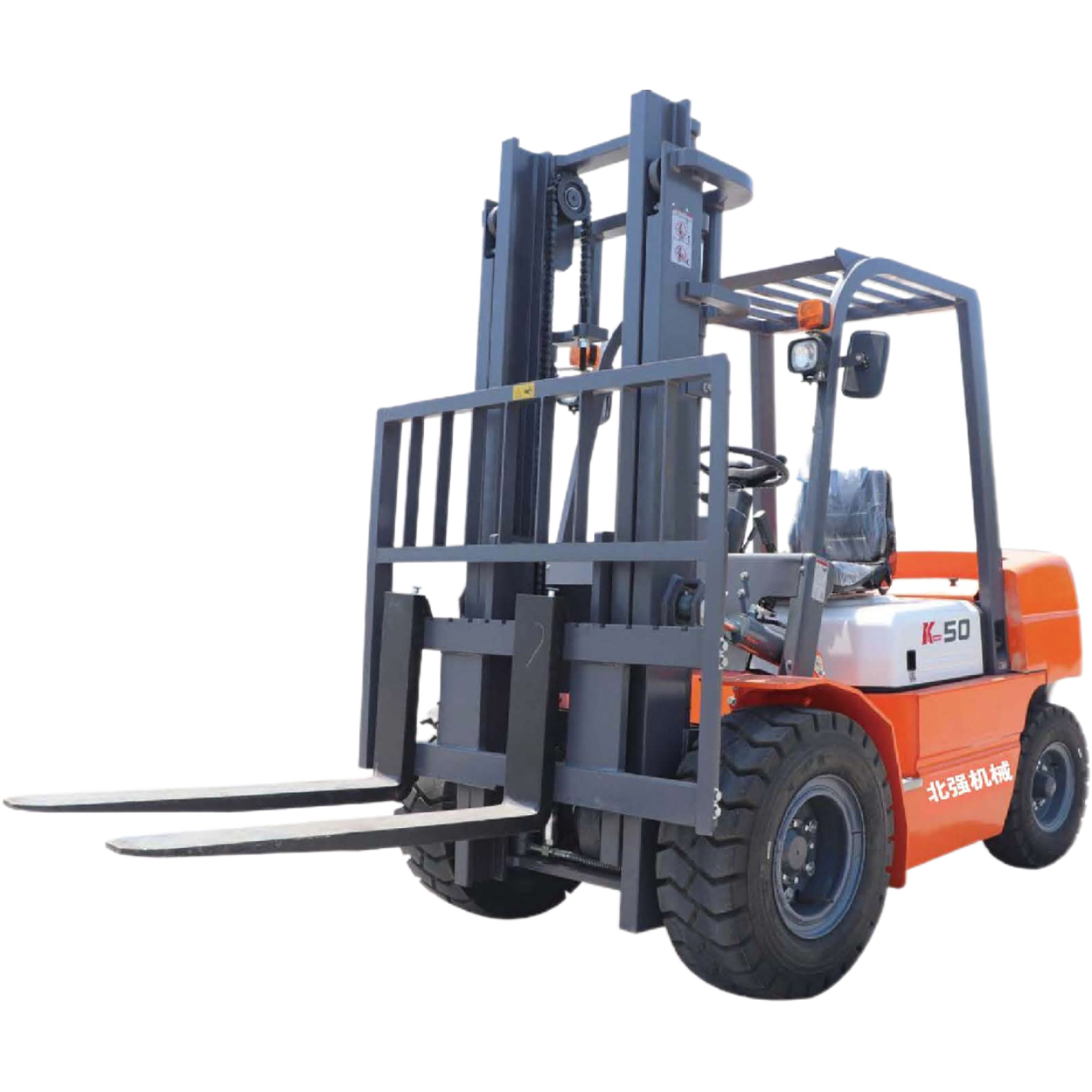
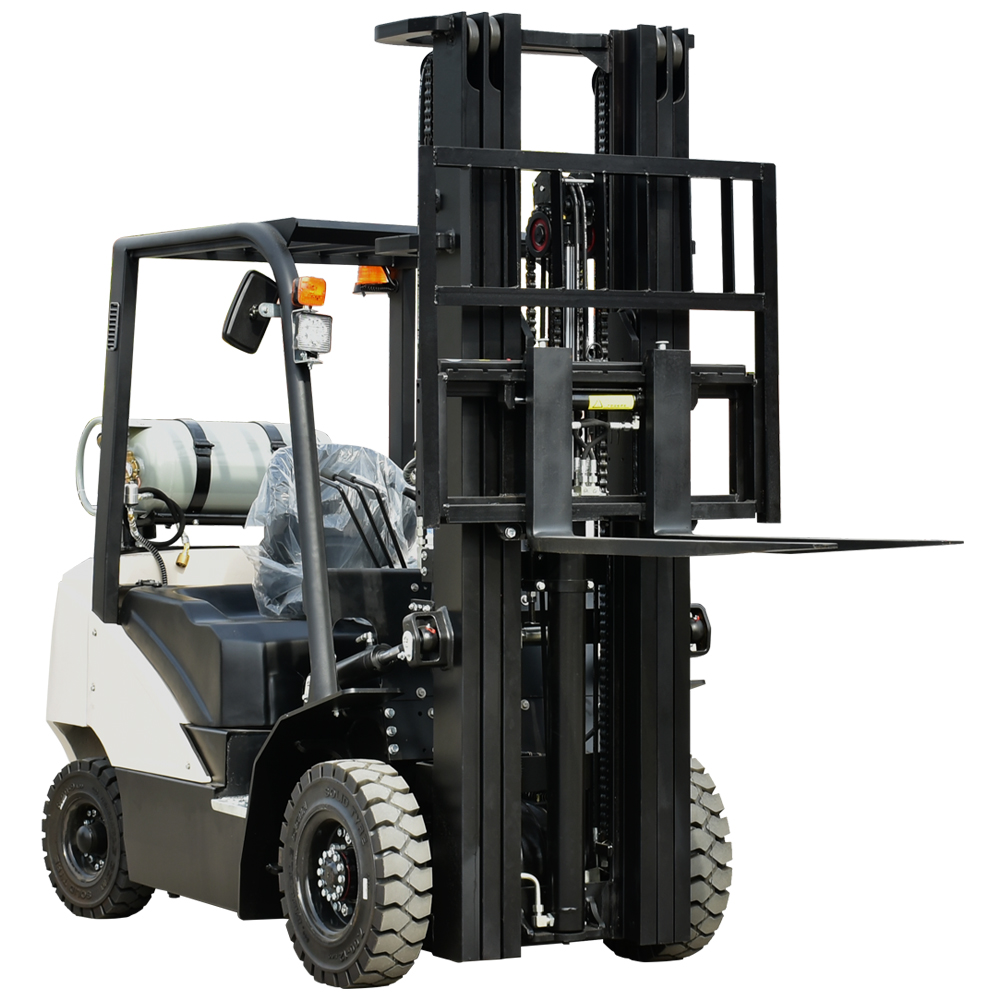
A forklift, also known as a lift truck or a forklift truck, is a powered industrial vehicle designed to lift and transport materials over short distances. Typically, forklifts consist of a large mast, which is a vertical lifting system, and forks, which are used to lift and carry loads. Forklifts can be operated manually or powered by an internal combustion engine, electric motors, or a hybrid system.
Types of Forklifts
There are several types of forklifts, each designed to serve specific needs. Here are some of the most common ones:
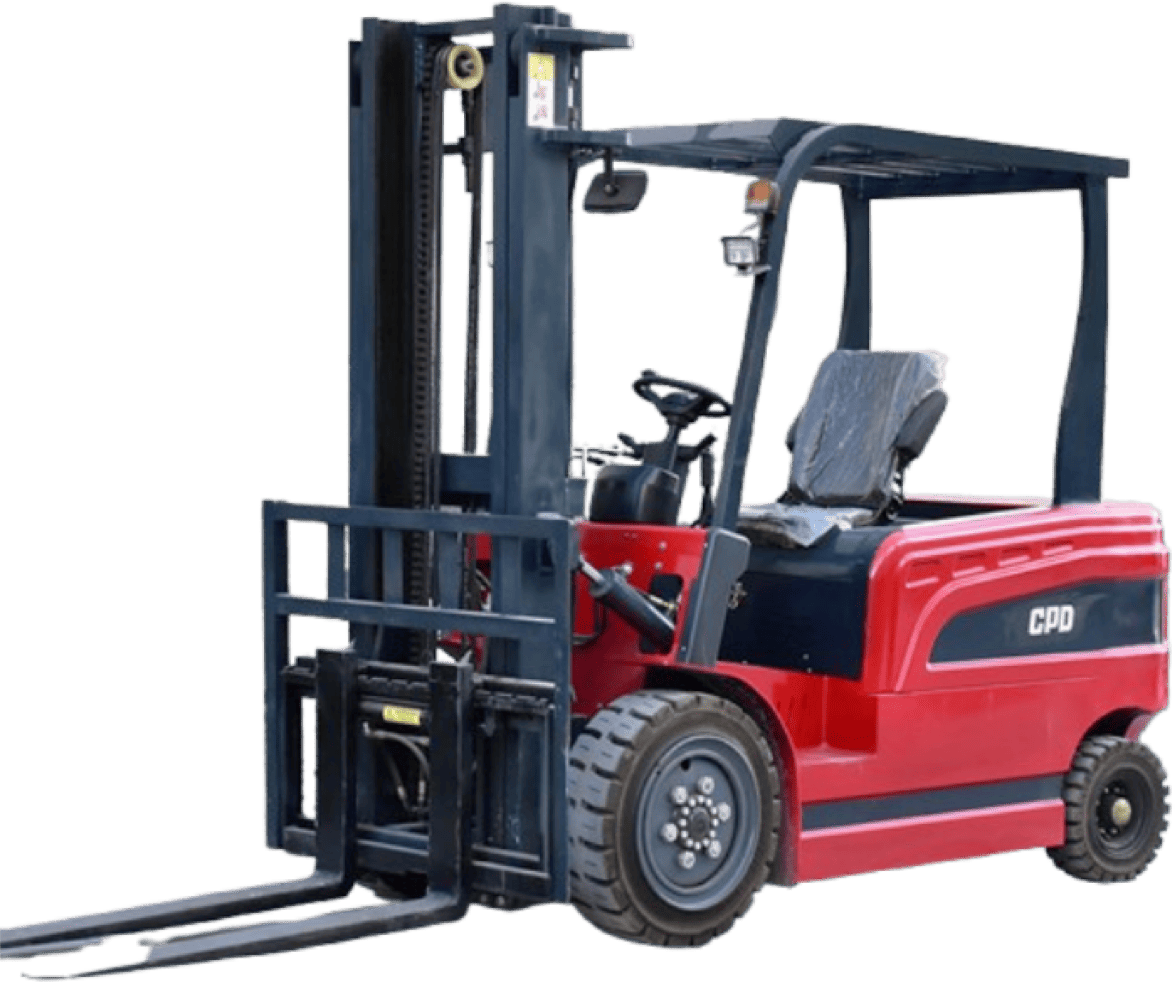
Counterbalance Forklifts: These are the most common types of forklifts. They have a weight at the back to counterbalance the weight of the load at the front, allowing them to lift and carry heavier loads.
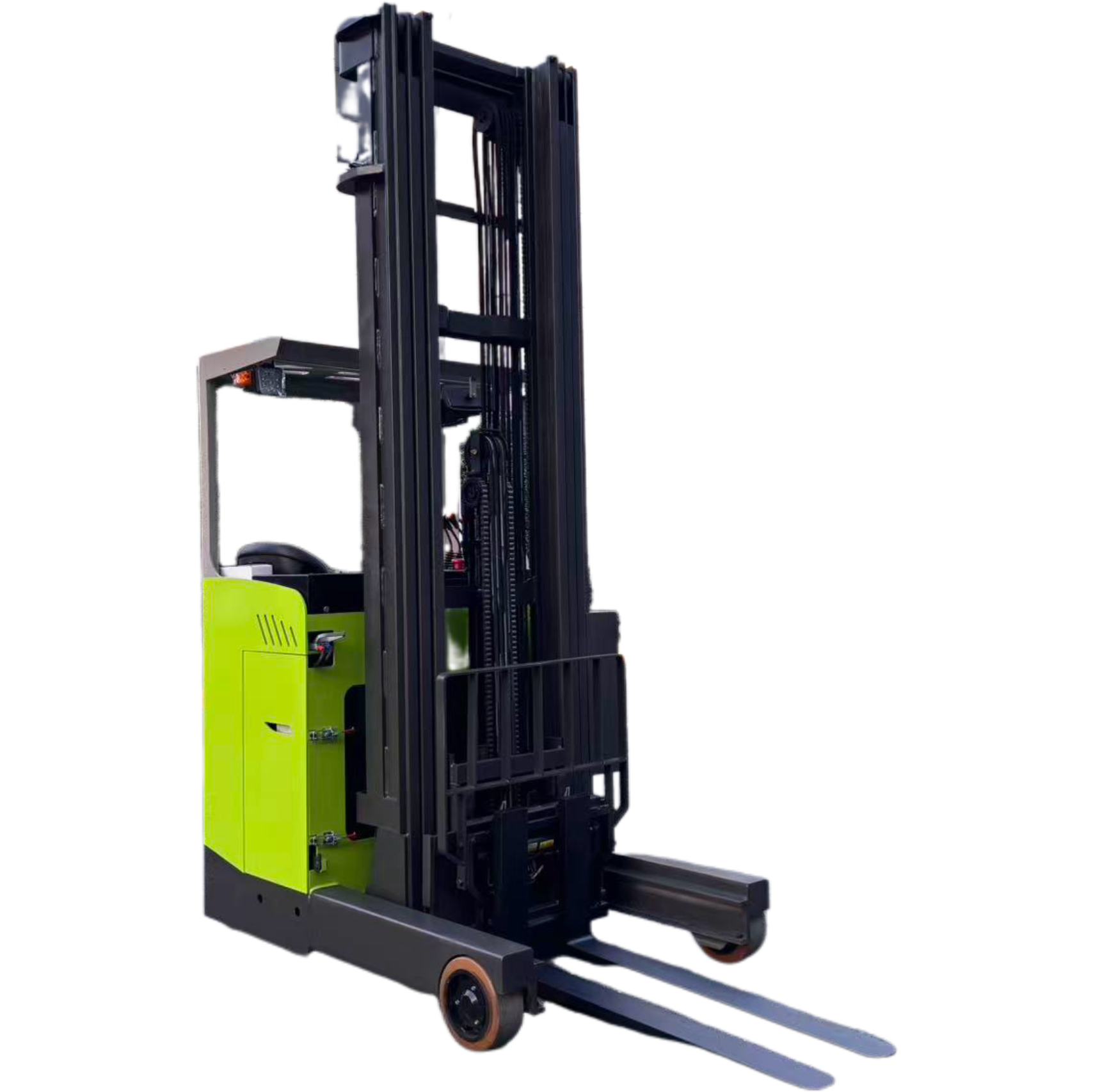
Reach Trucks: These forklifts are designed for use in narrow aisles. They have a special design that allows the operator to extend the forks and reach higher racks or shelves.
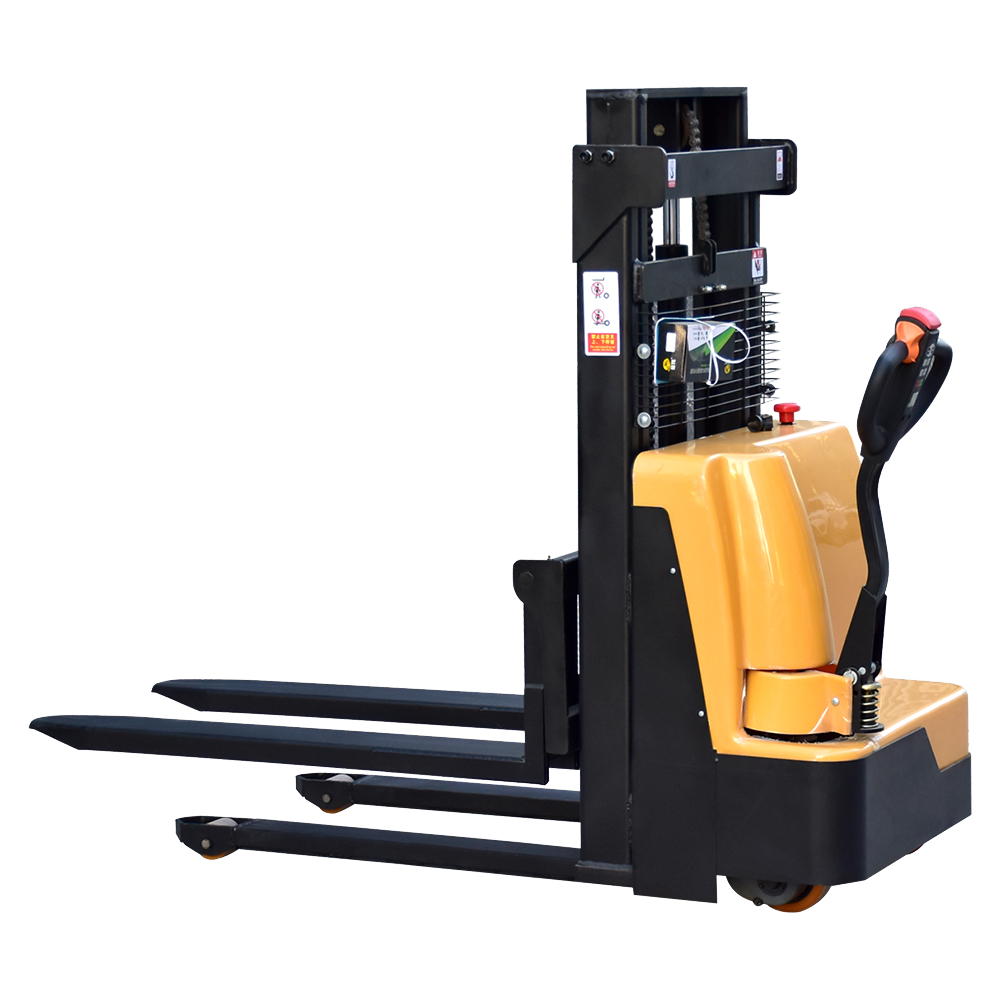
Pallet Jacks: Also known as pallet trucks, these are smaller, more compact forklifts used for moving palletized loads within smaller spaces. They can be manual or powered.
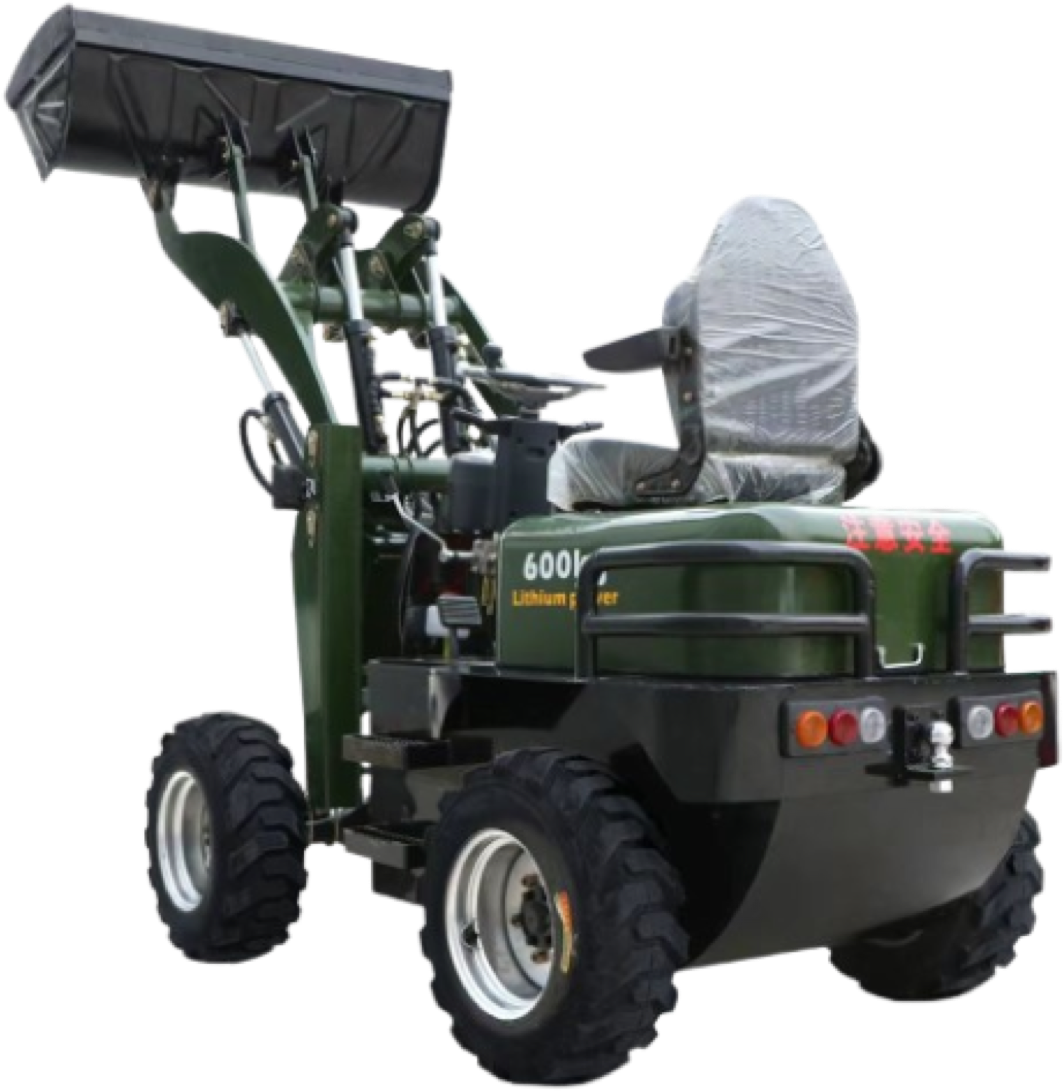
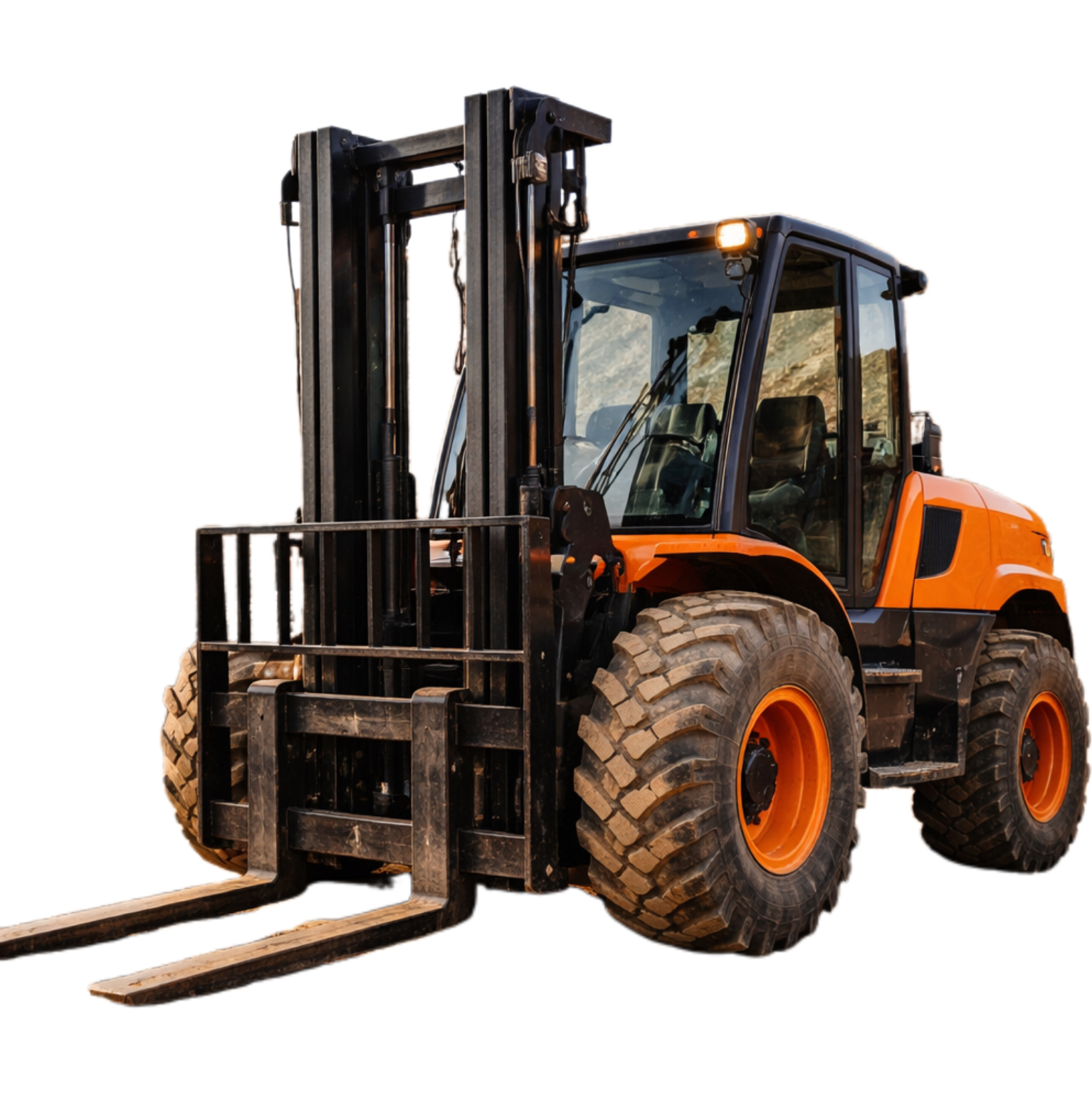
Rough Terrain Forklifts: These forklifts are designed for outdoor use and are often equipped with larger tires to handle uneven or rough surfaces. They are commonly used in construction sites and outdoor storage areas.
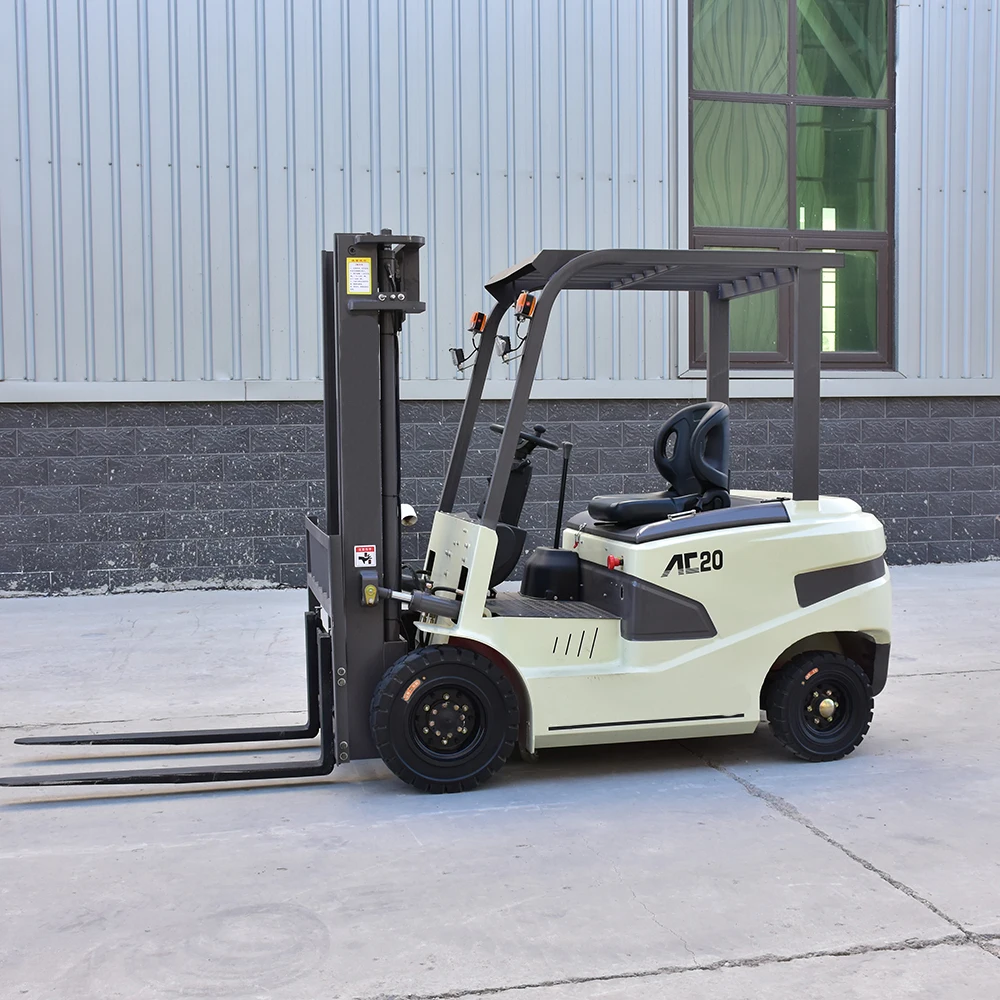
Electric Forklifts: These forklifts are powered by electric batteries and are ideal for indoor use. They produce less noise and pollution, making them an environmentally friendly option for businesses.
Uses of Forklifts
Forklifts are used in various industries for different applications. Some of the common uses include:
Warehousing: In large warehouses, forklifts are used to move goods and materials from one location to another. They help in stacking and organizing products in high shelving units, making efficient use of space.
Manufacturing: Forklifts are used to transport raw materials and finished goods around manufacturing plants. They are also essential for loading and unloading materials from trucks and containers.
Construction: On construction sites, forklifts help move construction materials, such as bricks, steel beams, and cement. They can carry heavy loads and navigate rough terrain.
Retail: Forklifts are also used in large retail operations, especially in distribution centers. They help restock shelves quickly and move large quantities of inventory.
Safety and Maintenance
Forklift safety is a major concern, as these machines can be dangerous if not operated correctly. To ensure safe operation, forklift operators must undergo proper training and certification. Operators must also follow all safety guidelines, such as wearing protective gear and ensuring the machine is properly maintained.
Regular maintenance is essential to keep forklifts running smoothly. This includes checking the hydraulic systems, tires, and ensuring that the forklift's battery or fuel system is in good working order.
Conclusion
Forklifts are a vital tool in modern industries. Their ability to lift and move heavy loads efficiently has transformed how businesses operate. Whether it’s in warehouses, factories, construction sites, or retail environments, forklifts play a key role in ensuring that operations run smoothly. Understanding the different types of forklifts, their uses, and safety precautions is crucial for businesses to maximize efficiency and prevent accidents.
Our manager will contact you shortly.
To contact you about our products and services.


Copyright © Xingtai Beiqiang Machinery Manufacturing Factory. 2025.
Technical support:Echola